



Plagiarism Policy
BJSTR Journal is committed to maintaining the highest standards of publication ethics and academic integrity. We publish only original scholarly work and strictly prohibit plagiarism in any form. Manuscripts submitted to the journal must be the authors’ own original work and must not contain copied content, manipulated data, or improperly attributed material.
Plagiarism is considered a serious violation of ethical publishing standards and may result in manuscript rejection, retraction of published articles, and further sanctions against the authors.
What Constitutes Plagiarism?
Plagiarism includes, but is not limited to:
Similarity Screening
All manuscripts submitted to BJSTR Journal undergo plagiarism screening using professional similarity detection software such as Turnitin and iThenticate.
The editorial office evaluates the similarity report before the peer-review process begins. References, commonly used scientific phrases, and properly cited quotations may be excluded during assessment.
Acceptable Similarity Threshold
As a general guideline:
Editors reserve the right to make case-by-case decisions based on the nature and extent of overlap.
Actions in Case of Plagiarism Before Publication
If plagiarism is detected during the review or editorial process:
Actions in Case of Plagiarism After Publication
If plagiarism is discovered after publication:
Author Responsibility
All authors are collectively responsible for ensuring the originality of their submitted work. By submitting a manuscript to BJSTR Journal, authors confirm that:
Failure to comply with this policy constitutes a breach of publication ethics.
Editorial Commitment
BJSTR Journal follows internationally accepted ethical publishing guidelines and supports transparent, fair, and rigorous editorial practices. The journal reserves full rights to take appropriate corrective action to protect the integrity of the scientific record.

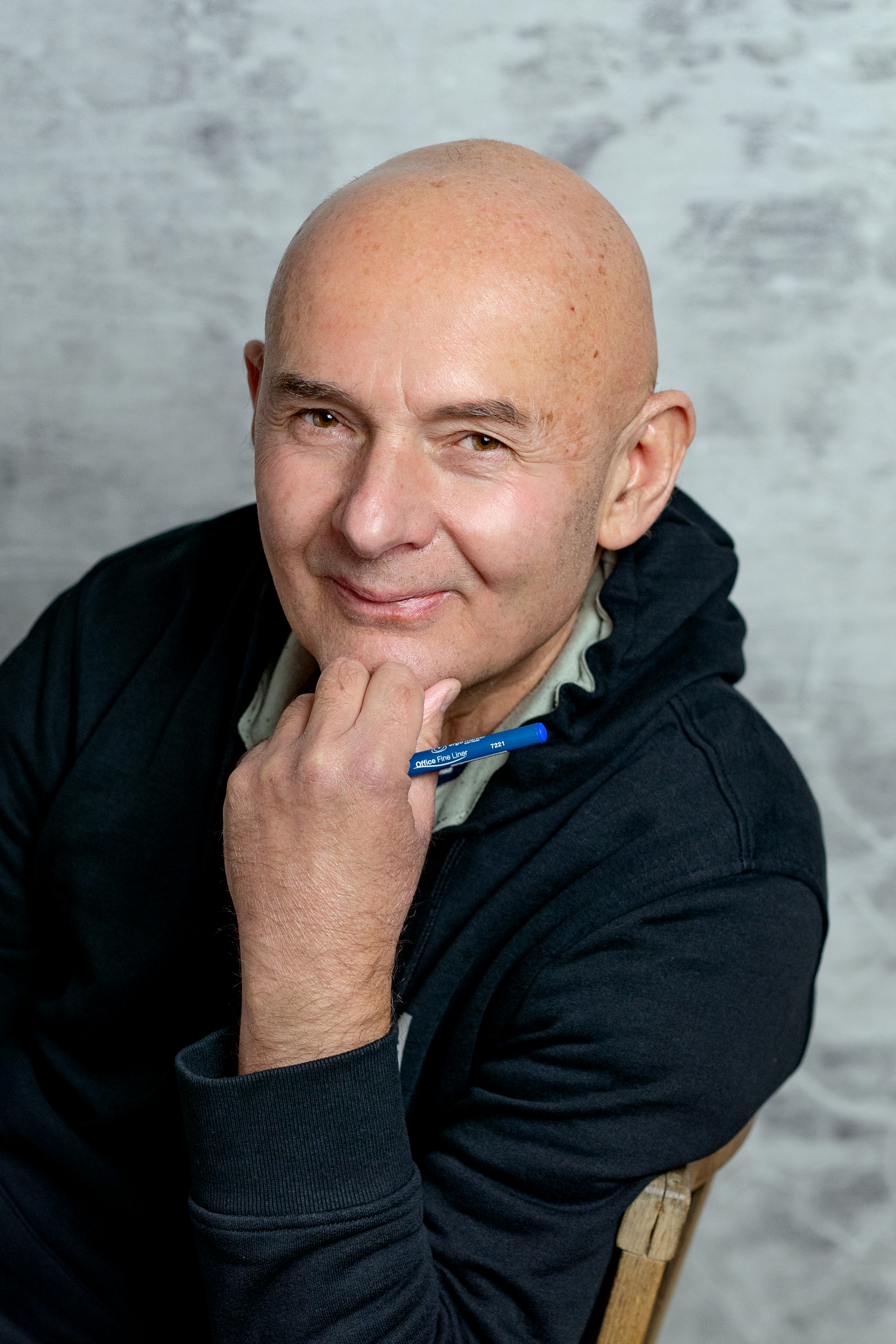
Tomáš Hájek
International Association of Landscape Archaeology, Czech Glass Society, Czech Republic
Dr. Nikolai M. Kocherginsky
Department of Chemistry, Semenov Institute of Chemical Physics, USSR Academy of Sciences, Moscow, Russia
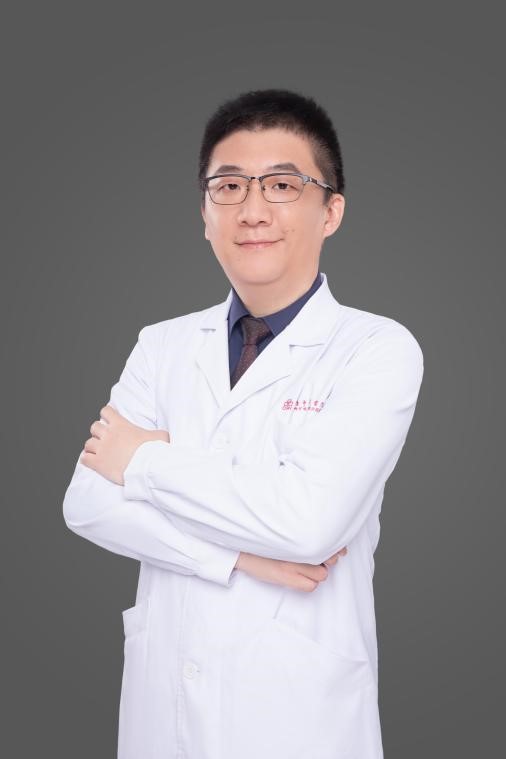
Dr. Fan Chai
Associate Professor at Department of Breast and Thyorid Surgey, Chongqing General Hospital, China
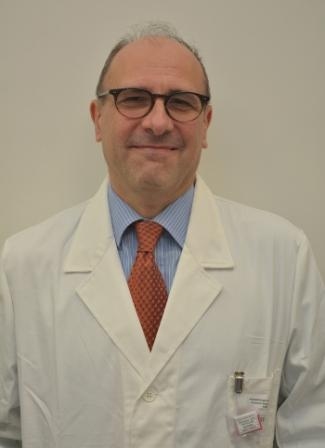
Massimo Castellani
Professor of Nuclear Medicine, Faculty of Medicine and Surgery, University of Milan, Milan, Italy

Roseane Santos
Department of Pharmaceutical Sciences, South University School of Pharmacy, USA