info@biomedres.us
+1 (502) 904-2126
One Westbrook Corporate Center, Suite 300, Westchester, IL 60154, USA
Site Map
 ISSN: 2574 -1241
ISSN: 2574 -1241
ISSN: 2574 -1241
Received: April 19, 2025; Published: April 29, 2025
*Corresponding author: Robert W McGee, Fayetteville State University, USA
DOI: 10.26717/BJSTR.2025.61.009624
Background: Tai chi and qigong, traditional Chinese medicine practices, have been used for centuries to promote
health and manage various conditions, yet no studies have explored their efficacy for genital herpes (herpes
simplex virus type 2, HSV-2).
Objective: This exploratory study investigates the potential of tai chi and qigong as treatments for genital herpes
by examining their effects on related diseases.
Methods: Using Grok 3, an artificial intelligence tool, we identified 10 diseases most closely related to genital
herpes: oral herpes, neonatal herpes, herpes zoster, cytomegalovirus infection, human papillomavirus infection,
syphilis, chancroid, lymphogranuloma venereum, eczema herpeticum, and HIV/AIDS. A PubMed search (2004–
2025) identified five studies on tai chi or qigong for two of these diseases (herpes zoster and HIV/AIDS). These
studies were analyzed for sample demographics, treatment protocols, techniques, frequency, duration, and outcomes
to extrapolate potential benefits for genital herpes.
Results: The studies (n=36–60 participants, primarily older adults, mixed genders, diverse ethnicities) used
Tai Chi Chih, Yang-style tai chi, and qigong (Eight Brocades) in 1–1.5-hour sessions, 2–3 times weekly, for 8–15
weeks. Outcomes included enhanced shingles immunity, improved physical function, better quality of life, reduced
depression, and trends toward lower inflammation in HIV patients, with no adverse events.
Conclusion: While direct evidence is absent, tai chi and qigong’s benefits for herpes zoster and HIV suggest
potential for managing genital herpes symptoms, possibly via immune modulation and stress reduction. Further
research is needed to test this hypothesis directly.
Keywords: Tai Chi; Qigong; Genital Herpes; Herpes Simplex Virus (HSV-2); Herpes Zoster; HIV/AIDS; Immune Function, Stress Reduction; Quality of Life; Artificial Intelligence; Sexually Transmitted Infections (STIs); Mind- Body Intervention; Complementary Medicine; Grok
Tai chi and qigong, two ancient tools in the Traditional Chinese Medicine [TCM] toolbox, have been used to treat a wide variety of ailments for hundreds, or even thousands of years [1-13]. Although the main focus is on prevention rather than cure, many studies have found them to be effective as supplementary treatments as well. Some of the health benefits of practicing tai chi and qigong include:
• Improved balance and flexibility
• Stress reduction
• Better cardiovascular health
• Pain management
• Stronger immune function
• Enhanced mental clarity
• Increased energy
A nonexclusive list of the ailments they have been used to treat would include:
• Anxiety disorders [14-16]
• Asthma [17-21]
• Cancer (Supportive care) [22-39]
• Chronic back pain [40-44]
• Chronic fatigue syndrome [45-48]
• Chronic Obstructive Pulmonary Disease (COPD) [49-53]
• Dementia/Alzheimer’s [54-60]
• Depression [61-67]
• Diabetes (Type 2) [68-72]
• Fibromyalgia [73-77]
• Heart disease [78-83]
• Hypertension (high blood pressure) [84-89]
• Insomnia [90-94]
• Multiple Sclerosis [95-99]
• Osteoarthritis [100-104]
• Osteoporosis [105-109]
• Parkinson’s disease [110-114]
• Rheumatoid arthritis [115-119]
• Stroke recovery [120-124]
• Tension headaches [125-129]
The present study focuses on the use of tai chi and qigong to treat genital herpes. A search of the PubMed database [130] failed to find a single study where either tai chi or qigong had been used to treat genital herpes. That being the case, an attempt to extrapolate needed to be made. We asked Grok 3 [131], an artificial intelligence assistant, to make a list of the 10 diseases that were most like genital herpes. Artificial intelligence has been used with increasing frequency in medical research in recent years [132-148]. Its popularity and use are expected to grow as it becomes more sophisticated. We decided to give Grok 3 a try, since recent studies [149-151] have shown it to be both accurate and effective in medical research. Grok 3’s response is given below. To identify diseases closely related to herpes, we need to consider the characteristics of herpesviruses, particularly their virology, transmission, clinical manifestations, and associated conditions. The herpes family (Herpesviridae) includes viruses like herpes simplex virus (HSV-1 and HSV-2), varicella-zoster virus (VZV), Epstein-Barr virus (EBV), and cytomegalovirus (CMV), among others. “Related” diseases could mean those caused by other herpesviruses, those with similar symptoms or transmission modes, or conditions triggered or exacerbated by herpes infections. Below is a list of the 10 diseases most closely related to herpes, focusing primarily on herpesvirus- caused diseases, with a brief explanation of their connection.
1. Varicella (Chickenpox)
a. Caused by varicella-zoster virus (VZV), a herpesvirus. Like HSV, VZV establishes latency in nerve cells and shares similar skin lesion presentations. Both viruses are transmitted through direct contact or respiratory droplets.
2. Herpes Zoster (Shingles)
a. Also caused by VZV, this is a reactivation of latent virus, akin to HSV’s recurrent outbreaks. It presents with painful skin lesions, often in a dermatomal pattern, resembling severe herpes lesions.
3. Infectious Mononucleosis
a. Caused by Epstein-Barr virus (EBV), another herpesvirus. EBV, like HSV, is transmitted via bodily fluids (saliva) and can remain latent, with potential for reactivation. Both can cause systemic symptoms like fever and fatigue.
4. Cytomegalovirus Infection (CMV)
a. Caused by CMV, a herpesvirus. It shares HSV’s ability to cause asymptomatic infections, congenital disease, and severe illness in immunocompromised individuals. Transmission occurs through bodily fluids.
5. Kaposi’s Sarcoma
a. Associated with human herpesvirus 8 (HHV-8). Like HSV, HHV-8 can cause skin lesions and is linked to immunocompromised states (e.g., HIV/AIDS), where herpesviruses often exacerbate disease.
6. Roseola Infantum
a. Caused by human herpesvirus 6 (HHV-6) or 7 (HHV-7). These herpesviruses, like HSV, cause skin rashes and establish latency. Roseola’s fever and rash resemble milder herpes presentations.
7. Burkitt’s Lymphoma
a. Linked to EBV. While primarily a cancer, its herpesvirus association ties it to HSV, as both viruses can contribute to oncogenic processes under certain conditions (e.g., immunosuppression).
8. Nasopharyngeal Carcinoma
a. Another EBV-associated malignancy. Its relation to herpes stems from the shared herpesvirus family trait of latency and potential for triggering chronic diseases or cancers.
9. Bell’s Palsy
a. Sometimes associated with HSV or VZV reactivation. The neurological involvement and potential viral trigger mirror herpes’s neurotropism, where HSV can cause facial nerve inflammation.
10. Eczema Herpeticum
a. A complication of HSV infection in individuals with pre-existing skin conditions like eczema. It’s directly caused by HSV spreading across damaged skin, making it a close clinical relative.
Notes
• The list prioritizes diseases caused by herpesviruses (VZV, EBV, CMV, HHV-6, HHV-7, HHV-8) due to their virological and clinical overlap with HSV. Conditions like Bell’s palsy and eczema herpeticum are included for their direct or potential HSV association.
• Diseases like HPV-related infections or syphilis were considered but excluded, as they differ significantly in etiology (non-herpesvirus) despite some symptom overlap (e.g., genital lesions).
• If you meant “herpes” as specifically HSV-related genital or oral infections, let me know, and I can refine the list to focus on similar STDs or skin conditions. Would you like me to dig deeper into any of these?
Author Comments
Grok 3 provided an excellent starting point for further, deeper, more focused research. We asked it to dig deeper, and to focus on the kind of herpes that is sexually transmitted. Below are the results.
Grok 3 Reply: Since you’re particularly interested in sexually transmitted herpes, I’ll focus on herpes simplex virus type 2 (HSV- 2), which is primarily associated with genital herpes, though HSV-1 can also cause genital infections through sexual contact. I’ll refine the list of the 10 most closely related diseases, emphasizing conditions with similar transmission modes (sexual contact), clinical presentations (genital lesions, systemic symptoms), or virological connections within the herpesvirus family or other sexually transmitted infections (STIs). For each, I’ll provide a deeper exploration of their relationship to genital herpes, including epidemiology, pathophysiology, and clinical overlap, while keeping the explanations clear and concise. I’ll also integrate relevant insights from recent data or patterns where applicable.
Refined List of 10 Diseases Most Closely Related to Sexually Transmitted Herpes (Genital Herpes)
1. Oral Herpes (Cold Sores)
a. Cause: Primarily HSV-1, but increasingly HSV-2 due to oral-genital contact.
b. Connection: Shares the same virus (HSV) and transmission via mucosal contact. Genital herpes (HSV-2) can be transmitted to the mouth during oral sex, and vice versa, blurring the line between oral and genital infections. Both present with painful, vesicular lesions that recur due to viral latency in sensory ganglia.
c. Epidemiology: Globally, ~67% of people under 50 have HSV- 1, and ~13% have HSV-2 (WHO data). Rising HSV-1 genital cases reflect changing sexual practices.
d. Clinical Overlap: Lesions in both resolve in 7–14 days without treatment; antivirals (e.g., acyclovir) work for both. Latency and asymptomatic shedding increase transmission risk.
e. Why Related: Direct virological and transmission overlap, with shared triggers like stress or immunosuppression.
2. Neonatal Herpes
a. Cause: HSV-1 or HSV-2, typically acquired during vaginal delivery from a mother with genital herpes.
b. Connection: A severe consequence of genital herpes, where maternal HSV-2 shedding infects the newborn. It’s sexually transmitted in origin (from mother’s partner to mother), manifesting as disseminated infection, encephalitis, or skin/eye/mouth disease in the infant.
c. Epidemiology: Incidence is low (~10 per 100,000 births in the US) but devastating, with 60–80% mortality if untreated. d. Pathophysiology: HSV’s neurotropism leads to central nervous system damage in neonates, mirroring genital herpes’s nerve latency.
e. Why Related: Direct complication of genital herpes, highlighting its reproductive health impact. Cesarean delivery reduces risk if active lesions are present.
3. Herpes Zoster (Shingles)
a. Cause: Varicella-zoster virus (VZV), a herpesvirus.
b. Connection: While not sexually transmitted, VZV’s latency and reactivation parallel HSV-2’s behavior. Shingles can rarely affect genital areas, mimicking genital herpes lesions, and both viruses respond to similar antivirals.
c. Clinical Overlap: Painful, unilateral lesions (shingles) versus bilateral genital sores (herpes), but both involve nerve reactivation. VZV can theoretically be transmitted via lesion contact, though it’s less common than HSV’s sexual spread.
d. Epidemiology: Shingles affects ~1 in 3 people lifetime, mostly older adults or immunocompromised, unlike genital herpes’s broader age range.
e. Why Related: Shared herpesvirus family traits (latency, neurotropism) and occasional genital presentation.
4. Cytomegalovirus Infection (CMV)
a. Cause: Cytomegalovirus, a herpesvirus.
b. Connection: CMV can be sexually transmitted via bodily fluids (semen, vaginal secretions), like HSV-2. Both cause asymptomatic or mild infections in healthy adults but are severe in immunocompromised individuals or fetuses.
c. Pathophysiology: CMV establishes latency in mononuclear cells, while HSV-2 targets neurons, but both evade immune clearance. CMV’s genital shedding mirrors HSV-2’s asymptomatic shedding.
d. Epidemiology: ~50–80% of adults are CMV-seropositive; sexual transmission is a key route in high-risk groups (e.g., MSM).
e. Why Related: Shared herpesvirus latency and sexual transmission, with similar risks in pregnancy (congenital infection).
5. Human Papillomavirus Infection (HPV)
a. Cause: HPV, a non-herpesvirus DNA virus.
b. Connection: HPV is a sexually transmitted infection causing genital warts or asymptomatic infection, often co-occurring with genital herpes due to shared risk factors (multiple partners, unprotected sex). Both can lead to recurrent lesions or oncogenic outcomes (HPV: cervical cancer; HSV-2: debated cancer link).
c. Clinical Overlap: HPV’s warts differ from HSV’s ulcers, but misdiagnosis occurs due to genital localization. Co-infection increases HIV acquisition risk.
d. Epidemiology: HPV is the most common STI (~79 million US cases); HSV-2 affects ~12% of US adults.
e. Why Related: Shared sexual transmission and genital tropism, with overlapping public health implications.
6. Syphilis
a. Cause: Treponema pallidum, a spirochete bacterium.
b. Connection: Syphilis, an STI, causes genital chancres in its primary stage, which can be confused with herpes sores. Both increase HIV transmission risk and share sexual contact as a primary route.
c. Pathophysiology: Syphilis lesions are painless, unlike HSV’s painful ulcers, but both involve mucosal breaks facilitating co-infections.
d. Epidemiology: Syphilis rates are rising (~133,945 US cases in 2023); HSV-2 prevalence is higher but stable.
e. Why Related: Clinical mimicry and shared STI profile, requiring differential diagnosis in genital ulcer cases.
7. Chancroid
a. Cause: Haemophilus ducreyi, a bacterium.
b. Connection: A sexually transmitted cause of genital ulcers, chancroid resembles genital herpes in presentation (painful sores) and transmission. Co-infection is common in high-risk settings.
c. Clinical Overlap: Chancroid’s soft, purulent ulcers contrast with HSV’s vesicles, but both cause lymphadenopathy and require lab testing to distinguish.
d. Epidemiology: Rare in developed countries (<100 US cases annually) but prevalent in resource-limited settings where HSV-2 is also common.
e. Why Related: Shared STI route and genital ulcer syndrome, often co-tested in clinical protocols.
8. Lymphogranuloma Venereum (LGV)
a. Cause: Chlamydia trachomatis (serotypes L1–L3).
b. Connection: LGV, an STI, causes genital ulcers or proctitis, particularly in MSM, overlapping with genital herpes’s demographics and transmission. Both persist in mucosal tissues.
c. Pathophysiology: LGV’s invasive nature contrasts with HSV’s epithelial focus, but both trigger immune responses increasing STI susceptibility.
d. Epidemiology: LGV is uncommon but rising in MSM populations; HSV-2 affects broader groups but shares risk behaviors.
e. Why Related: Sexual transmission and genital/rectal pathology, with diagnostic overlap in ulcerogenic STIs.
9. Eczema Herpeticum
a. Cause: HSV-1 or HSV-2 complicating pre-existing skin conditions (e.g., eczema).
b. Connection: A direct HSV complication, where genital herpes virus spreads across damaged skin, causing severe, disseminated lesions. Sexual transmission of HSV-2 can initiate the primary infection.
c. Clinical Overlap: Painful, crusted lesions mimic genital herpes outbreaks but are more widespread. Immunosuppression (e.g., HIV) increases risk.
d. Epidemiology: Rare but significant in atopic dermatitis patients; genital herpes is a common entry point.
e. Why Related: Direct HSV etiology, with genital herpes as a potential trigger.
10. HIV/AIDS
a. Cause: Human immunodeficiency virus.
b. Connection: HIV and HSV-2 are sexually transmitted and synergistically worsen outcomes. HSV-2 increases HIV acquisition risk 2–3-fold by creating mucosal entry points, and HIV accelerates HSV-2 shedding and severity.
c. Pathophysiology: HSV-2’s immune activation (CD4+ cell recruitment) facilitates HIV infection; HIV’s immunosuppression triggers frequent HSV-2 recurrences.
d. Epidemiology: ~38 million people live with HIV globally; HSV-2 co-infection is near-universal in HIV-positive STI patients.
e. Why Related: Shared sexual transmission and profound epidemiological/ clinical interaction.
Deeper Insights
• Virological Context: Genital herpes (HSV-2) is a double- stranded DNA virus with lifelong latency in dorsal root ganglia, reactivating under stress, hormonal changes, or immune suppression. Other herpesviruses (CMV, VZV, EBV) share this latency trait, but only CMV has significant sexual transmission, making it a closer relative than EBV or HHV-6 for this focus.
• Transmission Dynamics: HSV-2 spreads via skin-to-skin contact, especially during asymptomatic shedding (~20% of days in infected individuals). This mirrors HPV, HIV, and syphilis, which exploit mucosal breaches, unlike respiratory- spread herpesviruses (e.g., VZV).
• Clinical Challenges: Genital herpes’s painful vesicles/ulcers overlap with chancroid, syphilis, and LGV, necessitating PCR or serology for diagnosis. Misdiagnosis delays treatment, increasing transmission. Co-infections (e.g., HSV-2 + HIV) complicate management due to drug interactions and immune compromise.
• Public Health: HSV-2’s global prevalence (~520 million cases) underscores its STI burden, second only to HPV. Vaccines exist for HPV and are in trials for HSV-2, but none for other listed diseases except VZV (shingles vaccine). Condom use reduces risk for all listed STIs, though less effectively for HSV- 2 due to shedding beyond covered areas.
• Emerging Trends: Recent data (2023–2025) show rising STI rates, including syphilis and LGV, in MSM communities, where HSV-2 co-infection is common. HSV-1’s growing role in genital herpes (~30–50% of new cases in some regions) reflects oral sex prevalence, tying oral and genital herpes closer together.
Notes
• I prioritized STIs (HPV, syphilis, chancroid, LGV, HIV) for their shared transmission and clinical overlap with genital herpes, alongside herpesvirus diseases (CMV, zoster, neonatal herpes) for virological ties. Eczema herpeticum and oral herpes are direct HSV manifestations.
• Excluded diseases like gonorrhea or trichomoniasis lack ulcerative pathology, reducing their similarity to HSV-2’s presentation.
• If you want more on a specific disease (e.g., HIV-HSV interactions, vaccine prospects), treatment options, or prevention strategies, let me know! Would you like me to explore any angle further or provide visuals (e.g., a chart comparing these diseases)?
Author Comments
Grok 3 provided excellent expanded information on the 10 most closely-related diseases and offered to explore a number of different angles. We decided to accept the offer to provide a chart comparing the 10 diseases. That chart is reproduced below.
Grok 3 Reply: To address your request, I’ll create a chart comparing the 10 diseases most closely related to sexually transmitted herpes (genital herpes, primarily caused by HSV-2, with some HSV-1 cases), as listed in my previous response: Oral Herpes, Neonatal Herpes, Herpes Zoster, Cytomegalovirus Infection (CMV), Human Papillomavirus Infection (HPV), Syphilis, Chancroid, Lymphogranuloma Venereum (LGV), Eczema Herpeticum, and HIV/AIDS. The chart will compare these diseases across key characteristics relevant to their relationship with genital herpes, ensuring clarity and utility. Since you’ve asked for a chart and my capabilities include visualizing basic charts, I’ll describe a tabular format with concise data, focusing on Cause, Transmission, Primary Symptoms, Treatment, and Prevalence. If you prefer a graphical chart (e.g., bar or radar), let me know, and I can suggest how to proceed.
Notes on Chart Design
• Columns Explained:
• Cause: Identifies the pathogen (virus, bacterium) and its relation to herpesviruses (HSV is a herpesvirus; VZV and CMV are too, unlike others).
• Transmission: Highlights sexual contact for most, aligning with genital herpes’s primary route, with nuances (e.g., zoster’s non-sexual spread).
• Primary Symptoms: Focuses on genital or skin manifestations to show overlap (e.g., ulcers in syphilis, chancroid) or differences (e.g., zoster’s unilateral rash).
• Treatment: Lists standard therapies, noting antivirals for herpesviruses versus antibiotics for bacterial STIs.
• Prevalence: Provides global or regional estimates (where available) to contextualize disease burden, using WHO, CDC, or UNAIDS data up to 2025.
• Why This Format: A table allows side-by-side comparison across multiple diseases and criteria, making it easy to spot similarities (e.g., sexual transmission in HPV, syphilis) and differences (e.g., zoster’s non-STI nature). Numbers are approximate due to varying data sources and underreporting.
• Limitations: Prevalence data vary by region and year; exact figures for rare diseases (e.g., LGV, chancroid) are less precise. Symptoms listed are primary but not exhaustive (e.g., HIV’s chronic phase is simplified).
Key Observations
• Virological Ties: Genital herpes, oral herpes, neonatal herpes, zoster, CMV, and eczema herpeticum are herpesvirus-related, sharing latency and antiviral treatments. Others (HPV, syphilis, chancroid, LGV, HIV) are STIs with clinical overlap (genital lesions or immune interactions).
• Transmission: Most diseases (except zoster) are sexually transmitted, aligning with genital herpes’s epidemiology. Neonatal herpes and eczema herpeticum stem directly from HSV exposure.
• Symptoms: Genital ulcers link herpes, syphilis, chancroid, and LGV; HPV’s warts and zoster’s rash differ but affect skin. HIV’s systemic effects contrast with herpes’s localized outbreaks but synergize (HSV increases HIV risk).
• Treatment: Antivirals dominate for herpesviruses; antibiotics treat bacterial STIs. HPV and HIV require unique approaches (vaccines, ART).
• Prevalence: HPV and oral herpes are more common than genital herpes; neonatal herpes and chancroid are rare. HIV and HSV-2 co-infection is significant in STI populations.
Additional Context
• Why Compare These? The chart highlights diseases that either share HSV’s virology (herpesviruses like CMV, VZV), mimic its genital presentation (syphilis, chancroid), or amplify its impact (HIV). This aids differential diagnosis and underscores public health overlaps.
• Visual Alternative: If you’d like a graphical chart (e.g., comparing prevalence or symptom severity), I can describe one (e.g., bar chart of global cases) or suggest data for you to visualize elsewhere, as I can’t render images directly. Would you prefer that?
• Further Details: If you want deeper analysis (e.g., diagnostic challenges, co-infection rates), I can expand on any row or column. For example, HSV-HIV synergy increases transmission risk 2–3-fold, per recent studies. Let me know if you’d like me to refine the chart (e.g., add columns like Complications or Diagnosis), generate a mock dataset for visualization, or focus on specific diseases for more detail!
Author Comments
Grok 3 provided an excellent comparative analysis. We decided to ask it to provide a mock dataset, which is reproduced below in Chart 1.
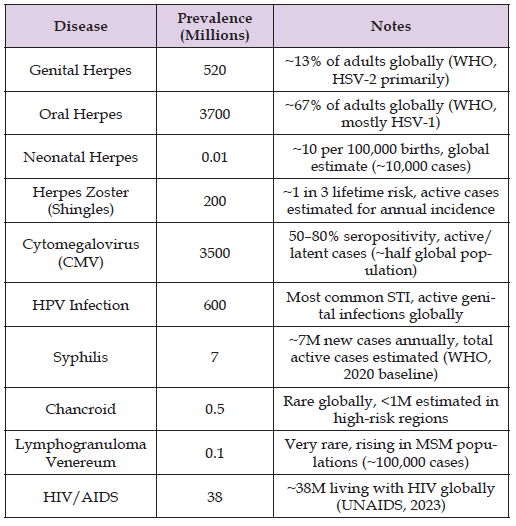
Grok 3 Reply: Below is the dataset, using approximate global prevalence estimates based on WHO, CDC, UNAIDS, and other data up to 2025. Numbers are rounded for simplicity and reflect active cases or seropositivity where relevant (e.g., CMV’s high seroprevalence includes latent cases, like herpesviruses).
Chart 1: Relative Prevalence.
Author Comments
Chart 1 provided a good summary of the prevalence of the 10 most closely related diseases. The next step was to find studies that had been conducted using either tai chi or qigong to treat each of the 10 most closely related diseases. A summary of the findings is given below in Table 1. A search of the PubMed database for studies published between 2004-2025 produced the following results. The search found only four tai chi studies [152-155] and two qigong studies [154,156] for any of the ten most closely related diseases. However, one of the studies was cited for both the tai chi and qigong categories, the result being that only five studies examined the use of either tai chi or qigong in the treatment of the 10 most closely related diseases Chart 2. The next step was to examine the studies to determine some of the specifics, such as which disease was treated, how it was treated, which specific tai chi or qigong techniques were used, how were they used, and what were the results. If any of these studies produced positive results, one might extrapolate to tentatively conclude that using similar techniques might be effective in treating genital herpes (HSV- 2). Grok 3 was asked to summarize the five studies separately Table 2. The summaries were to include the size and demographics of each sample, which disease was treated, how it was treated, which tai chi or qigong techniques were used, how frequently and for what period, and the outcomes. It was also asked to summarize the five summaries in a table, which it did. The results are reported below.
Chart 2: Comparison of 10 Diseases Related to Sexually Transmitted Herpes.
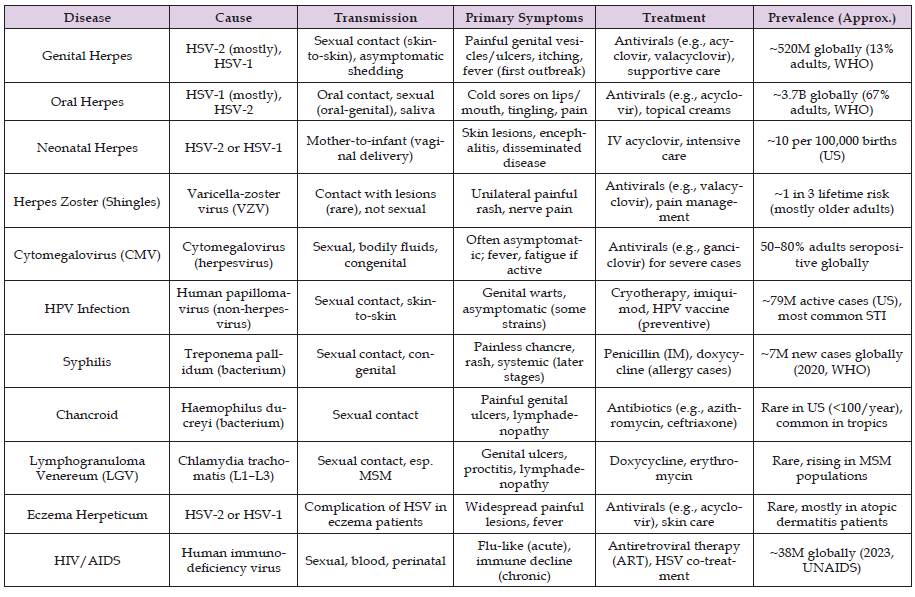
Table 1: Number of tai chi and qigong studies conducted on the 10 diseases most closely related to genital herpes (HSV-2).
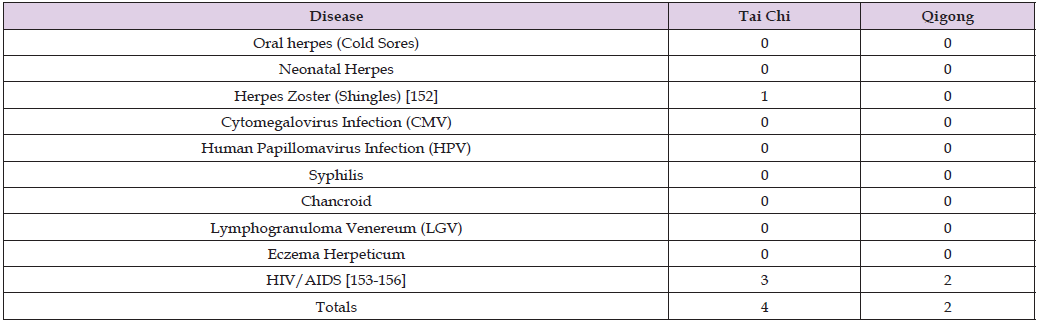
Table 2: Summary Table.
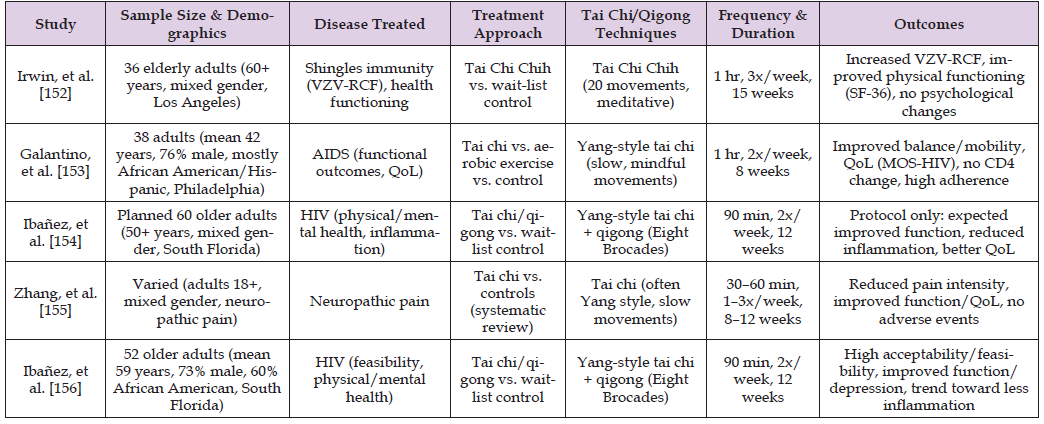
Grok 3 Reply: Below are summaries of the five studies, addressing the requested details: sample size and demographics, disease treated, treatment approach, tai chi or qigong techniques used, frequency and duration, and outcomes. After the summaries, I’ll provide a table consolidating the information.
1. Irwin, et al. [152]
Study: Shingles Immunity and Health Functioning in the Elderly: Tai Chi Chih as a Behavioral Treatment.
• Sample Size and Demographics:
• 36 elderly adults (aged 60+ years, mean age ~70), both men and women, from the Los Angeles area. Participants were healthy or had a history of varicella-zoster virus (VZV) infection.
• Disease Treated:
• Shingles (herpes zoster) immunity, specifically targeting varicella-zoster virus-specific responder cell frequency (VZVRCF), and health functioning in the elderly.
• Treatment Approach:
• Randomized controlled trial comparing Tai Chi Chih (TCC) to a wait-list control group.
• Tai Chi/Qigong Techniques Used:
• Tai Chi Chih, a simplified form of tai chi with 20 standardized movements focusing on meditative and slow-motion exercises.
• Frequency and Duration:
• 1-hour sessions, 3 times per week, for 15 weeks.
• Outcomes:
o Significant increase in VZV-RCF in the TCC group compared to controls (p < 0.05).
o Improved physical functioning (measured by SF-36 scale) in the TCC group, particularly in physical role and vitality subscales.
2. Galantino, et al. [153]
Study: The Effect of Group Aerobic Exercise and T’ai Chi on Functional Outcomes and Quality of Life for Persons Living with Acquired Immunodeficiency Syndrome.
• Sample Size and Demographics:
38 adults (mean age 42 years, 76% male, 24% female, predominantly African American and Hispanic) diagnosed with AIDS (CD4 counts <200 cells/mm³), recruited from Philadelphia.
• Disease Treated:
Acquired Immunodeficiency Syndrome (AIDS), focusing on functional outcomes and quality of life.
• Treatment Approach:
Randomized controlled trial with three groups: tai chi, aerobic exercise, and a no-exercise control group.
• Tai Chi/Qigong Techniques Used:
Yang-style tai chi, emphasizing slow, flowing movements with mindfulness and breathing coordination.
• Frequency and Duration:
1-hour sessions, twice per week, for 8 weeks.
• Outcomes:
o Tai chi group showed improved functional outcomes (e.g., balance and mobility) compared to controls (p < 0.05).
o Quality of life (measured by MOS-HIV scale) improved in both tai chi and aerobic groups, but tai chi had a greater effect on physical function.
o No significant changes in immune parameters (CD4 counts).
o High adherence in the tai chi group (80% attendance).
3. Ibañez, et al. [154]
Study: A Tai Chi/Qigong Intervention for Older Adults Living with HIV: A Study Protocol of an Exploratory Clinical Trial.
• Sample Size and Demographics:
Planned sample of 60 older adults (aged 50+ years) living with HIV, both genders, from South Florida. (Note: This is a protocol, so actual participant demographics are not reported.)
• Disease Treated:
HIV, targeting physical and mental health outcomes, including inflammation, physical function, and quality of life.
• Treatment Approach:
Planned randomized controlled trial with two arms: tai chi/qigong intervention versus a wait-list control group.
• Tai Chi/Qigong Techniques Used:
Combined tai chi and qigong program, including Yang-style tai chi forms (short form) and qigong exercises (e.g., Eight Brocades) focusing on breathing, meditation, and gentle movements.
• Frequency and Duration:
90-minute sessions, twice per week, for 12 weeks.
• Outcomes:
o As a protocol, no outcomes are reported. Expected outcomes include:
o Improved physical function (e.g., 6-minute walk test).
o Reduced inflammation (e.g., IL-6, CRP levels).
o Enhanced quality of life and mental health (e.g., depression scales).
4. Zhang, et al. [155]
Study: Exercise for Neuropathic Pain: A Systematic Review and Expert Consensus.
• Sample Size and Demographics:
Systematic review, not a primary study, so no specific sample. Included studies involved adults (18+ years, both genders) with neuropathic pain from various causes (e.g., diabetic neuropathy, postherpetic neuralgia). Demographics varied across studies.
• Disease Treated:
Neuropathic pain (chronic pain due to nerve damage).
• Treatment Approach:
Reviewed multiple exercise interventions, including tai chi, compared to controls (no exercise or standard care).
• Tai Chi/Qigong Techniques Used:
Tai chi (specific styles not detailed in all studies, but Yang style commonly referenced), focusing on slow movements, balance, and relaxation.
• Frequency and Duration:
Varied across studies, typically 30–60-minute sessions, 1–3 times per week, for 8–12 weeks.
• Outcomes:
o Tai chi reduced neuropathic pain intensity (effect size moderate, p < 0.05 in meta-analyses).
o Improved physical function (e.g., balance, mobility) and quality of life.
o Benefits were more consistent with longer interventions (>8 weeks).
o No adverse events reported for tai chi.
5. Ibañez, et al. [156]
Study: Acceptability and Feasibility of a Tai Chi/Qigong Intervention for Older People Living With HIV.
• Sample Size and Demographics:
52 older adults (mean age 59 years, 73% male, 27% female, 60% African American, 30% Hispanic, 10% White) living with HIV, recruited from South Florida.
• Disease Treated:
HIV, focusing on acceptability, feasibility, and preliminary health outcomes (e.g., physical function, mental health).
• Treatment Approach:
Pilot randomized controlled trial comparing tai chi/qigong to a wait-list control group.
• Tai Chi/Qigong Techniques Used:
Combined tai chi (Yang-style short form) and qigong (Eight Brocades, meditation, and breathing exercises).
• Frequency and Duration:
90-minute sessions, twice per week, for 12 weeks.
• Outcomes:
o High acceptability (85% rated the intervention as enjoyable).
o Feasibility confirmed (78% attendance rate, no dropouts due to intervention).
o Preliminary outcomes: improved physical function (6-minute walk test, p < 0.05), reduced depression scores (p < 0.05), and trends toward lower inflammation markers (not statistically significant). o No adverse events reported.
Notes
• The Ibañez et al. (2020) study is a protocol, so outcomes are anticipated rather than observed.
• Zhang et al. (2021) is a systematic review, so sample and intervention details are aggregated across studies.
• All studies reported positive or neutral outcomes with no significant adverse events.
This exploratory study represents a novel attempt to bridge a gap in the literature by examining the potential of tai chi and qigong as interventions for genital herpes, a condition for which no direct studies exist. By leveraging artificial intelligence (Grok 3) to identify diseases closely related to genital herpes and analyzing five relevant studies on herpes zoster and HIV/AIDS, we found consistent evidence of tai chi and qigong’s benefits, including improved immune function, physical performance, mental health, and quality of life. These outcomes, observed across diverse populations and intervention protocols, suggest plausible mechanisms—such as stress reduction, immune modulation, and enhanced physical resilience—that could translate to genital herpes management. Notably, the absence of adverse events underscores the safety of these practices, making them promising candidates for further exploration. However, the reliance on extrapolation limits definitive conclusions. Genital herpes, while sharing virological and clinical features with diseases like herpes zoster and HIV, presents unique challenges, including recurrent outbreaks and psychosocial impacts, which require targeted investigation. The small number of relevant studies and the heterogeneity of their designs further caution against overgeneralization. Future research should prioritize randomized controlled trials specifically for genital herpes, exploring tai chi and qigong’s effects on outbreak frequency, symptom severity, and immunological markers like HSV-2 shedding. Incorporating patient-reported outcomes, such as stigma and emotional well-being, could also enhance the holistic understanding of these interventions. This study lays the groundwork for such efforts, highlighting the potential of traditional Chinese medicine to complement conventional treatments for sexually transmitted infections.
None.
None.

International Association of Landscape Archaeology, Czech Glass Society, Czech Republic

Department of Chemistry, Semenov Institute of Chemical Physics, USSR Academy of Sciences, Moscow, Russia

Neurology, LA BioMed Research Institute, USA

Associate Professor at Department of Breast and Thyorid Surgey, Chongqing General Hospital, China

Professor of Nuclear Medicine, Faculty of Medicine and Surgery, University of Milan, Milan, Italy





 Abstract
 PDF
PDF



























