info@biomedres.us
+1 (502) 904-2126
One Westbrook Corporate Center, Suite 300, Westchester, IL 60154, USA
Site Map
 ISSN: 2574 -1241
Melchor Alpízar Salazar¹,3 * , María Fernanda Alpízar Sanchez1 , Magalie Manuell Retana², Eliane Durán
Manuell², Carlos Jiménez Collado², Mónica Leticia Vallejo González¹, Miguel Alejandro Trejo¹ , Priscila
Judith Torres Granados¹ , Jesús Manuel De Aldecoa Castillo¹ and Rohini Bala¹
Received: October 01, 2026; Published: October 22, 2026
*Corresponding author: Melchor Alpízar Salazar, PhD, FACE, Centro Especializado en Diabetes, Obesidad y Prevención de Enfermedades Cardiovasculares (CEDOPEC), Mexico
DOI: 10.26717/BJSTR.2026.67.010455
Background: Type 2 diabetes mellitus (T2DM) is a chronic metabolic disorder characterized by persistent hyperglycemia
and an increased risk of cardiovascular and microvascular complications. Functional thiamine deficiency
and altered activity of thiamine-dependent enzymes have been implicated in the metabolic dysregulation
associated with diabetes. Thiamine pyrophosphate (TPP), the biologically active form of vitamin B1, plays a
central role in mitochondrial glucose metabolism and may contribute to improved metabolic control.
Methods: A randomized, placebo-controlled pilot clinical trial was conducted to evaluate the effect of TPP as
an adjunct treatment to metformin in patients with T2DM with inadequate glycaemic control. Twenty-seven
participants receiving stable metformin therapy were randomly assigned to receive weekly intravenous TPP or
placebo for 12 weeks. Anthropometric, hemodynamic, and biochemical variables were assessed, including glycated
haemoglobin (HbA1c), fasting glucose, and lipid profile. Inflammatory markers were also analysed. Both
within-group and between-group statistical analyses were performed.
Results: Twenty-seven patients were included in the final analysis. The intervention group showed a significant
reduction in HbA1c (-7.4%, p = 0.003) and systolic blood pressure (-5.3%, p = 0.032). Other metabolic and
inflammatory parameters showed favourable trends without reaching statistical significance. The intervention
was well tolerated, and no serious adverse events were reported.
Conclusion: Adjunctive therapy with thiamine pyrophosphate demonstrated promising effects on glycaemic
control and hemodynamic parameters in patients with T2DM treated with metformin. These findings support
the need for larger randomized clinical trials to confirm the potential therapeutic role of TPP in diabetes management.
Trial Registration: ClinicalTrials.gov (NCT04053621).
Keywords: Type 2 diabetes mellitus; Thiamine pyrophosphate; Metformin; Adjunctive Therapy; Glycaemic Control; Inflammation; Metabolic Control; Lifestyle
Abbreviations: T2DM: Type 2 Diabetes Mellitus; TPP: Thiamine Pyrophosphate; HbA1c: Glycated Haemoglobin; AMPK: AMP-Activated Protein Kinase; AGEs: Advanced Glycation End Products; BMI: Body Mass Index; LDL: Low-Density Lipoprotein; HDL: High-Density Lipoprotein; CRP: C-Reactive Protein; IL-6, Interleukin-6; TNF-α, Tumor Necrosis Factor Alpha; SOD, Superoxide Dismutase.
Type 2 diabetes mellitus (T2DM) is one of the leading global public health challenges and is characterized by chronic hyperglycemia resulting from insulin resistance and progressive pancreatic β-cell dysfunction [1]. The disease is associated with a substantially increased risk of both cardiovascular and microvascular complications and represents a major burden on healthcare systems worldwide [2,3]. Metformin remains the first-line pharmacological treatment for T2DM because of its well-established glucose-lowering efficacy, favourable safety profile, and potential cardiovascular benefits. Its primary mechanism of action involves the suppression of hepatic gluconeogenesis, mediated in part through activation of AMP-activated protein kinase (AMPK), as well as improvement of peripheral insulin sensitivity [4,5]. Nevertheless, despite its widespread use, a considerable proportion of patients fail to achieve optimal glycaemic control with metformin monotherapy, highlighting the need for adjunctive therapeutic strategies targeting complementary metabolic pathways [6]. Thiamine pyrophosphate (TPP), the biologically active form of vitamin B1, is an essential coenzyme for key enzyme complexes involved in glucose metabolism, including pyruvate dehydrogenase and α-ketoglutarate dehydrogenase [7]. Through these pathways, TPP promotes mitochondrial glucose oxidation and supports efficient cellular energy production [8,9]. In addition, TPP serves as a cofactor for transketolase in the pentose phosphate pathway, facilitating the diversion of glycolytic intermediates away from pathogenic pathways and thereby reducing the formation of advanced glycation end products (AGEs), which contribute to the development of diabetic complications [10]. Patients with T2DM have been reported to exhibit reduced circulating thiamine concentrations, primarily as a consequence of increased renal clearance [11]. This relative deficiency may contribute to oxidative stress, endothelial dysfunction, and metabolic dysregulation. Furthermore, adequate TPP availability enhances transketolase activity within the pentose phosphate pathway, reducing AGE formation and modulating mechanisms implicated in diabetic nephropathy and neuropathy [12]. Consequently, restoration of thiamine- dependent metabolic pathways has been proposed as a potential therapeutic strategy to improve metabolic efficiency and mitigate diabetes-related complications [13,14].
Although pharmacological therapy remains the cornerstone of T2DM management, metformin continues to be the first-line treatment owing to its established efficacy, favourable safety profile, and well-documented metabolic benefits [15]. Its primary mechanism of action involves reducing hepatic glucose production through inhibition of gluconeogenesis and activation of AMP-activated protein kinase (AMPK), while also improving peripheral insulin sensitivity [16]. Nevertheless, despite its widespread use, a substantial proportion of patients fail to achieve optimal glycaemic control with metformin monotherapy, suggesting that metabolic abnormalities beyond excessive hepatic glucose production may contribute to persistent metabolic dysregulation and an increased risk of cardiovascular complications [17]. In this context, increasing recognition of thiamine deficiency and impairment of thiamine-dependent metabolic pathways in patients with T2DM [18] has generated growing interest in therapeutic strategies aimed at restoring cellular metabolic homeostasis. Consequently, thiamine pyrophosphate (TPP) has emerged as a metabolically relevant molecule because it serves as an essential coenzyme for key enzymes involved in mitochondrial glucose oxidation and the pentose phosphate pathway [19]. Supplementation with thiamine or its active derivatives has been shown to improve biochemical parameters, including urinary albumin excretion during the early stages of diabetic nephropathy [9], and to modulate metabolic disturbances associated with oxidative stress [19]. These findings suggest that optimizing TPP availability may promote more efficient glucose utilization and contribute to improved overall metabolic control in patients with T2DM. Beyond conventional measures of glycaemic control, a comprehensive evaluation of T2DM should also encompass cardiometabolic parameters, inflammatory biomarkers, and indicators of energy metabolism. Accordingly, the present randomized pilot clinical trial aimed to evaluate the effects of thiamine pyrophosphate as an adjunct to metformin therapy on metabolic control, inflammatory biomarkers, and clinical outcomes in patients with T2DM.
Study Design and Trial Registration
This study was designed as a randomized, placebo-controlled pilot clinical trial to evaluate the effects of thiamine pyrophosphate (TPP) as an adjunct to metformin therapy in patients with T2DM. Participants were randomly assigned to one of two treatment groups: metformin plus TPP or metformin plus placebo. All participants continued their baseline metformin regimen throughout the study period. The intervention lasted 12 weeks, during which scheduled study visits were conducted for clinical, anthropometric, hemodynamic, and biochemical assessments. The trial was retrospectively registered at ClinicalTrials.gov (Identifier: NCT04053621) in accordance with the recommendations of the International Committee of Medical Journal Editors (ICMJE) and the International Council for Harmonization Good Clinical Practice (ICH E6) guidelines. The clinical study was reviewed and authorized by COFEPRIS (Identifier: 21330041040008/2021). The study protocol (No. 105-CEI-07-18) was reviewed and approved by the Research Ethics Committee (Comite de Etica en Investigacion, CEI) and the Research Committee (Comite´ de Investigacion, CI).
Study Population
Patients with a diagnosis of T2DM were recruited from the Specialized Center for Diabetes, Obesity, and Cardiovascular Disease Prevention (CEDOPEC). All eligible participants received detailed information about the study and provided written informed consent before enrollment. Baseline clinical evaluation included a comprehensive medical history, anthropometric measurements, vital signs, and documentation of concomitant medications.
Treatment
Participants were randomly assigned to one of the following treatment groups:
Experimental Group: Metformin plus weekly intravenous thiamine pyrophosphate (TPP). Treatment consisted of an intravenous infusion of 250 mL of 0.9% isotonic saline containing one ampoule (25 mL) of thiamine pyrophosphate, equivalent to 1 g of TPP, administered at an infusion rate of 60–80 drops/min for 12 weeks.
Control Group: Metformin plus intravenous placebo consisting of 0.9% isotonic saline administered according to the same infusion schedule. All participants continued their baseline metformin therapy without dose modification throughout the study period.
Study Variables
Anthropometric variables included body weight, body mass index (BMI), and waist circumference. Hemodynamic variables included systolic and diastolic blood pressure. Biochemical variables included glycated hemoglobin (HbA1c), fasting plasma glucose, and lipid profile (total cholesterol, LDL-cholesterol, HDL-cholesterol, and triglycerides). Inflammatory and metabolic biomarkers included C-reactive protein (CRP), interleukin-6 (IL-6), tumor necrosis factor alpha (TNF-α), free fatty acids, superoxide dismutase (SOD), catalase, and serum lactate. Functional variables included arterial elasticity and heart rate variability.
Statistical Analysis
Based on the results of normality and homoscedasticity tests, data were analysed using a mixed-design repeated-measures analysis of variance (two-way ANOVA), with one within-subject factor and one between-subject factor, in order to evaluate: a. The effect of time (pre- vs. post-treatment) within subjects. b. The effect of group (experimental vs. control) between subjects. c. The group × time interaction, which determines whether temporal changes differ between groups. This approach was considered appropriate given the longitudinal design with two repeated measurements per subject and two independent groups. The model was specified as:

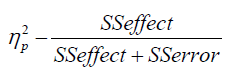
where Yigt represents the outcome measured in participant 𝑖, treatment group 𝑔, and time 𝑡; 𝜇 is the grand mean; α g represents the group effect; β t represents the time effect; (αβ )gt represents the group-by-time interaction; si(g) represents between-participant variability within group; and represents the residual error. The primary between-group treatment effect was assessed through the group × time interaction, testing whether the change from baseline to final differed between the TPP and placebo groups. Statistical significance was defined as a p value <0.05. In addition, effect sizes were calculated to estimate the magnitude of observed changes between treatment groups. Partial eta squared 𝜂2 was reported as the effect-size measure for the ANOVA effects as:
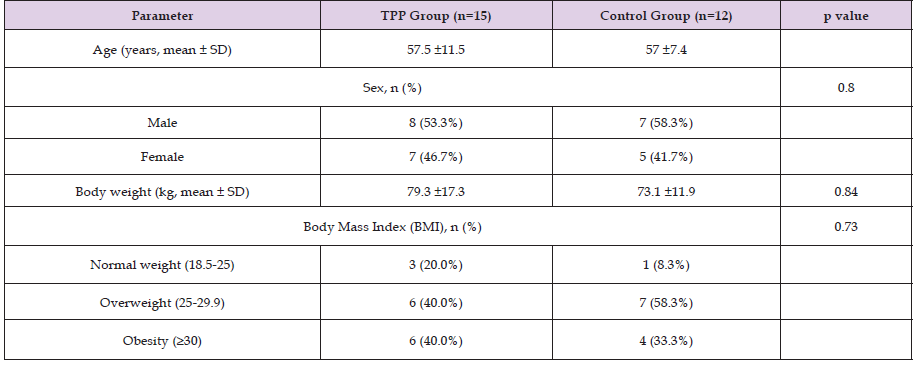
A total of 48 participants were assessed for eligibility, of whom 10 were excluded (9 due to screening failure and 1 who declined to participate). The remaining 38 participants were randomized to the medication group (n=20) or placebo group (n=18). During follow-up, 11 participants discontinued the study: 5 in the medication group and 6 in the placebo group. Consequently, 27 participants completed the study and were included in the final analysis (15 medication and 12 placebo). The participant flow, including eligibility assessment, randomization, allocation, follow-up, and analysis, is summarized in Figure 1. The baseline demographic and clinical characteristics of the study groups are presented in Table 1. The experimental group (n=15) and control group (n=12) were comparable with respect to age, sex distribution, body weight, and BMI, with no statistically significant differences observed between groups (all p > 0.05). The mean age was 57.5 ± 11.5 years in the experimental group and 57.0 ± 7.4 years in the control group, while mean body weight was 79.3 ± 17.3 kg and 73.1 ± 11.9 kg, respectively. The distribution of BMI categories was also similar between groups (p = 0.73). The assumptions underlying the statistical analyses were assessed using Shapiro–Wilk tests for normality, Levene’s tests for homogeneity of variances, and Box’s M test for equality of covariance matrices. The corresponding numerical results are presented in Supplementary Tables S1-S3, with a summary of the overall assumption assessment provided in Supplementary Table S4.
Figure 1
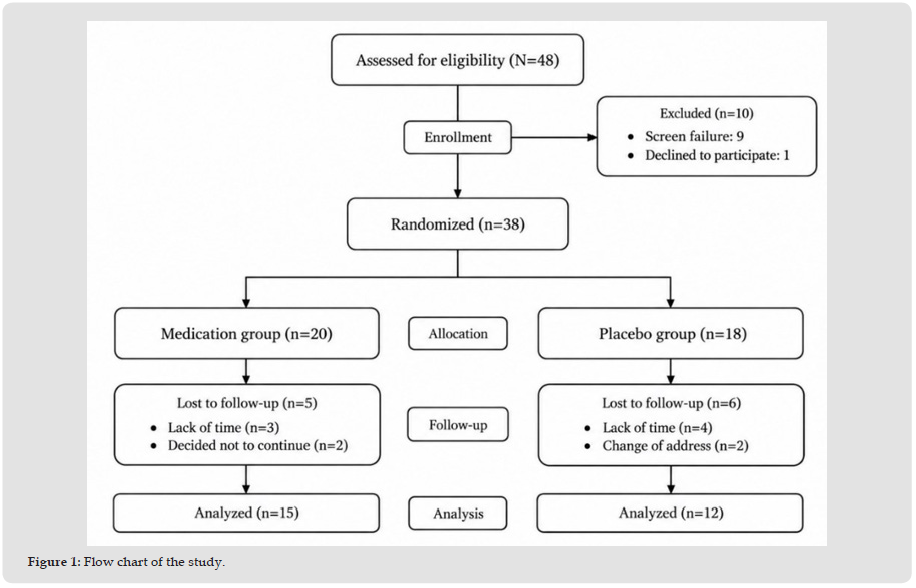
Table 1: Baseline demographic and clinical characteristics of the study groups.
Supplementary Table S1: Tests of normality.
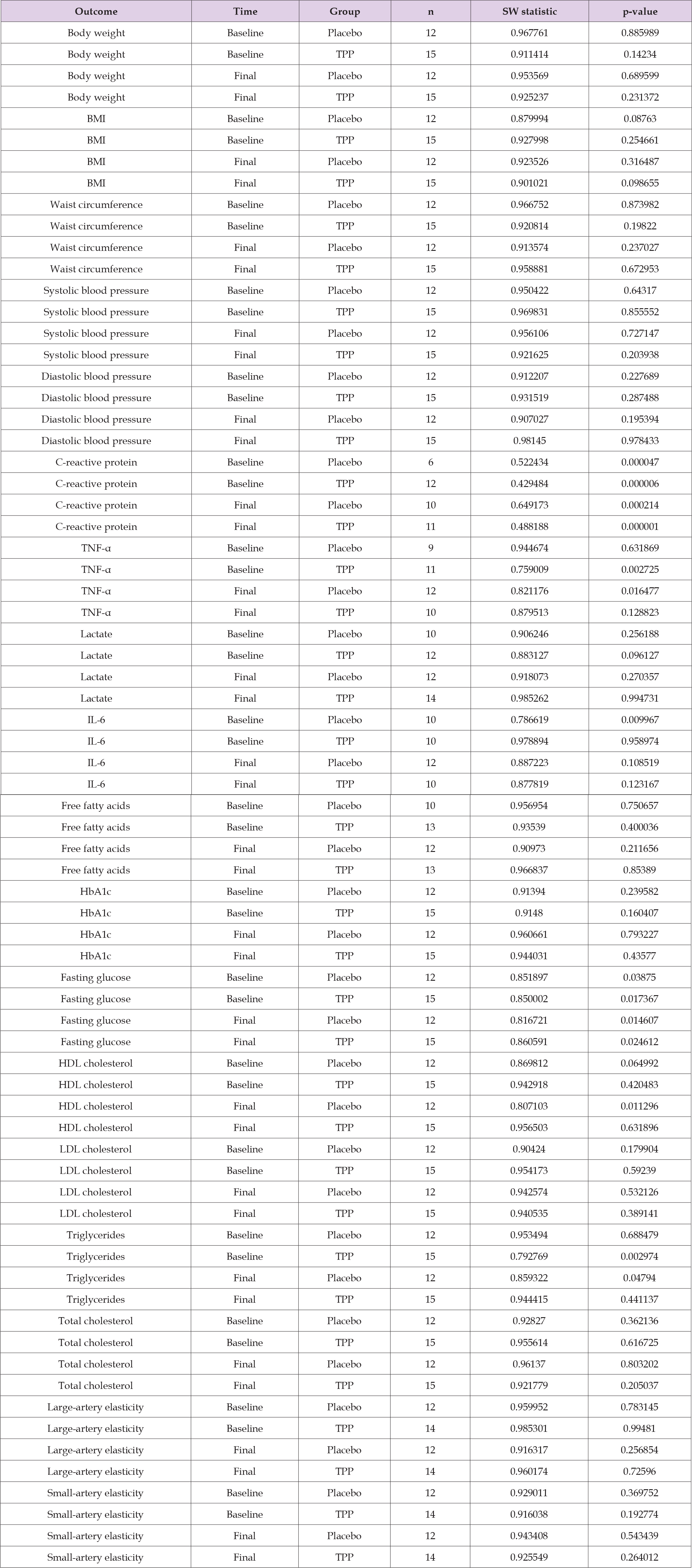
Note: Shapiro–Wilk test results by outcome, assessment time, and treatment group.
Supplementary Table S2: Levene’s tests (Based on Mean).
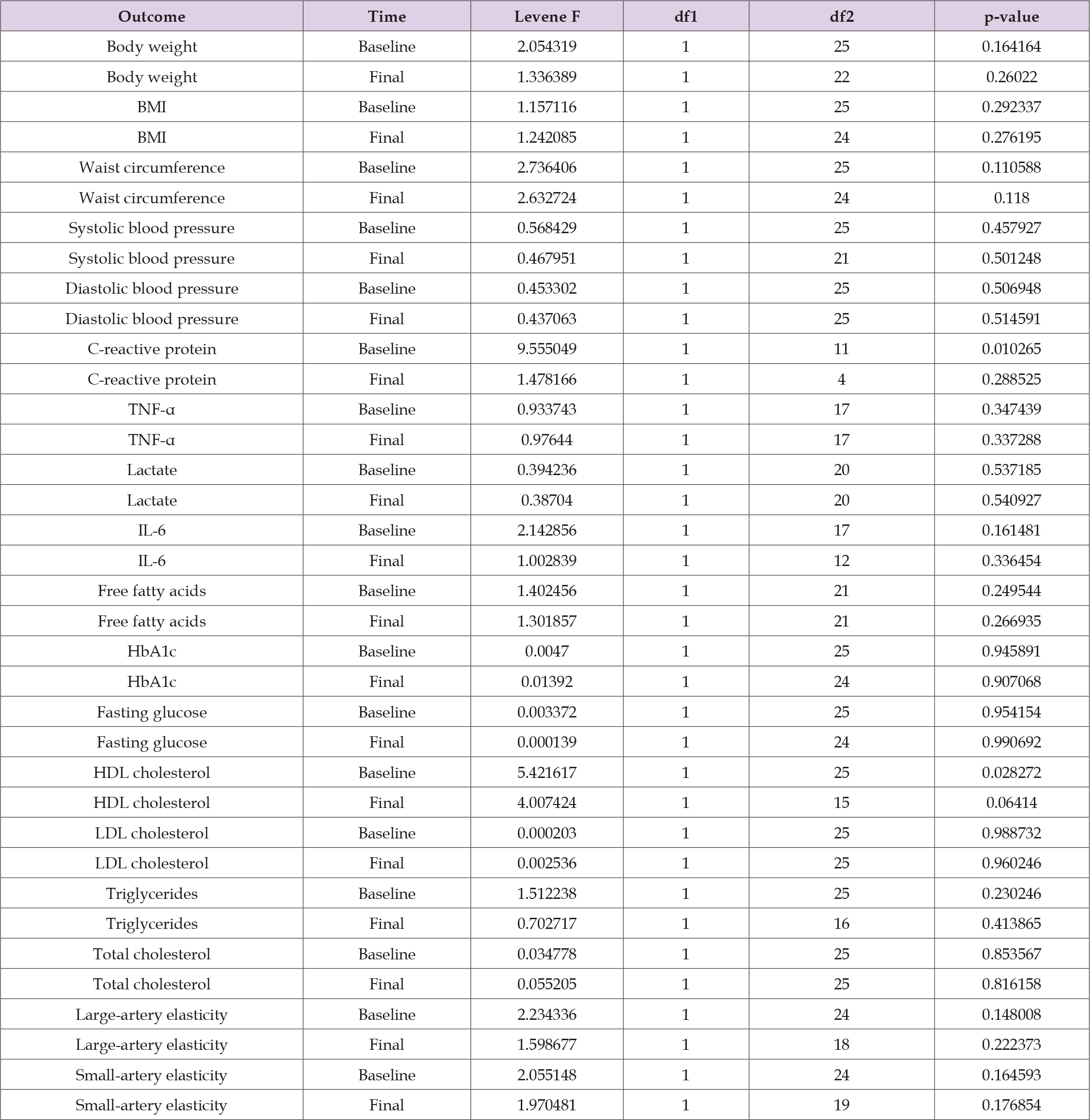
Note: Levene’s test for homogeneity of error variances. The standard “Based on Mean” result is presented for each outcome and assessment time.
Supplementary Table S3: Box’s test of equality of covariance matrices.
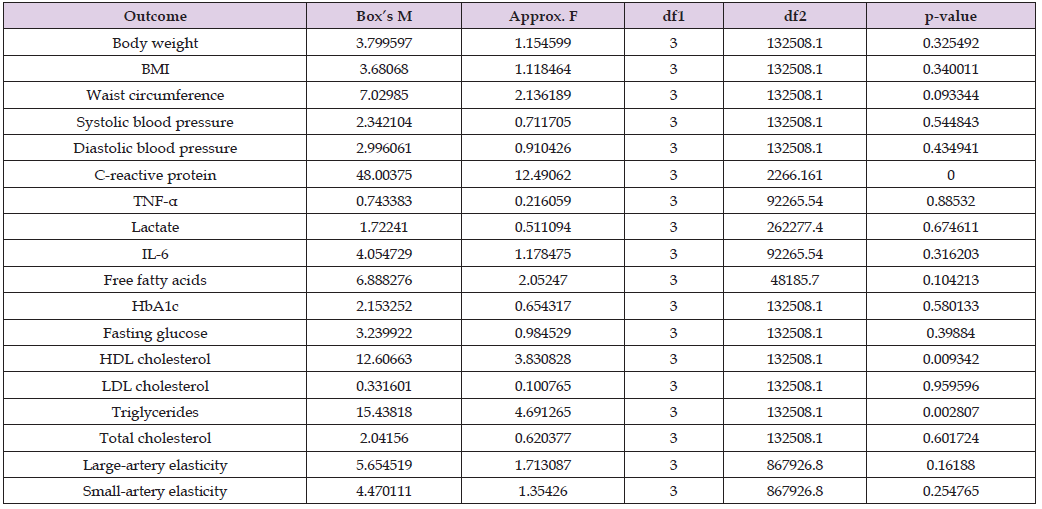
Supplementary Table S4: Summary of assumption assessment.
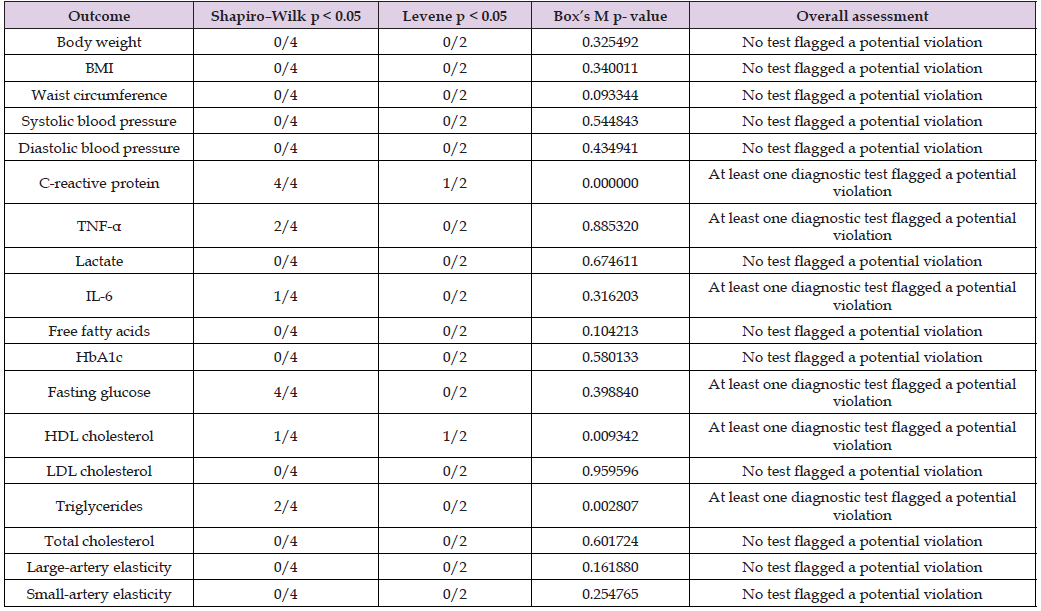
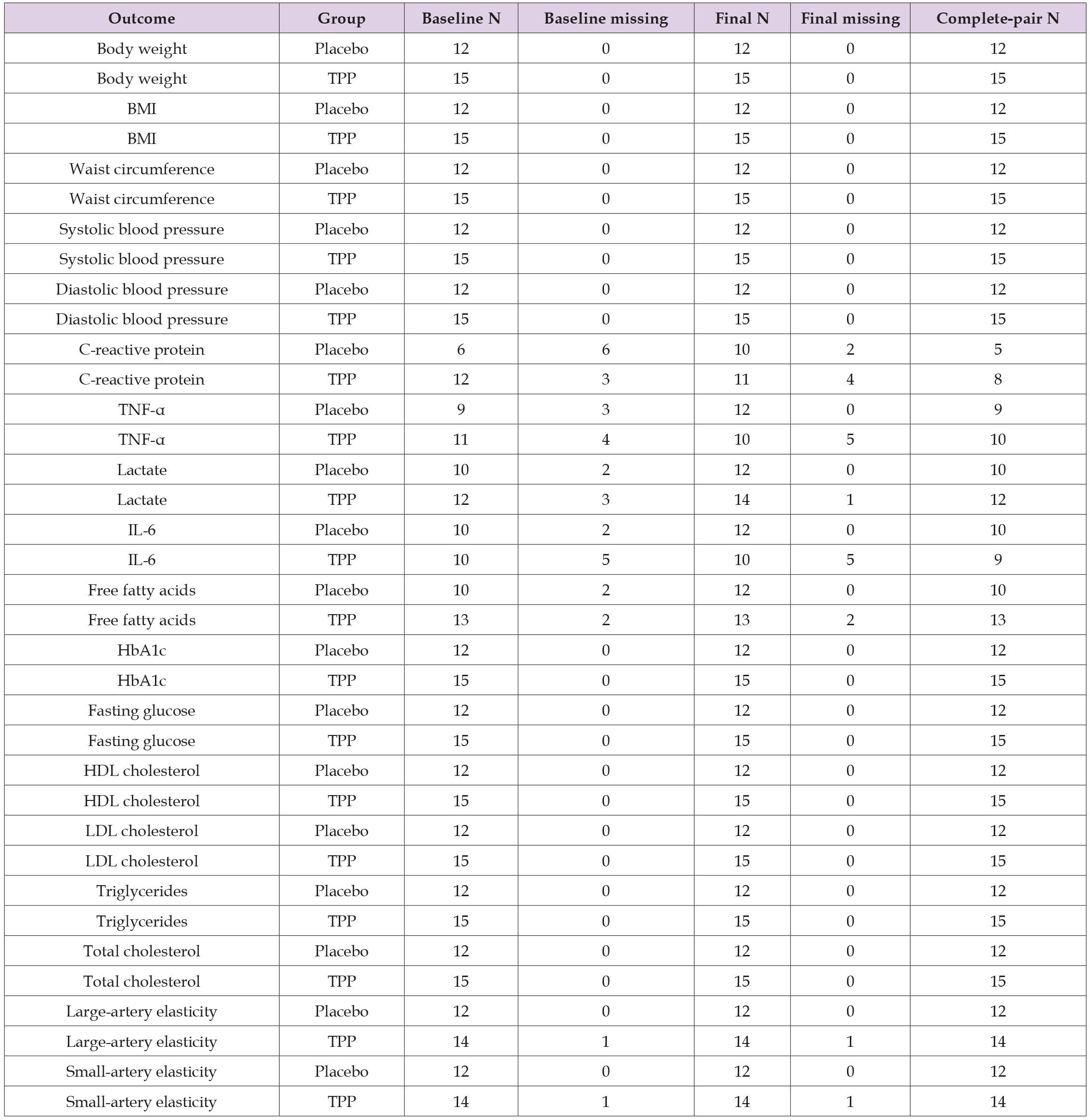
Note: N values are taken from baseline and final assessments. Complete-pair N represents participants with a nonmissing baseline-to-final change score
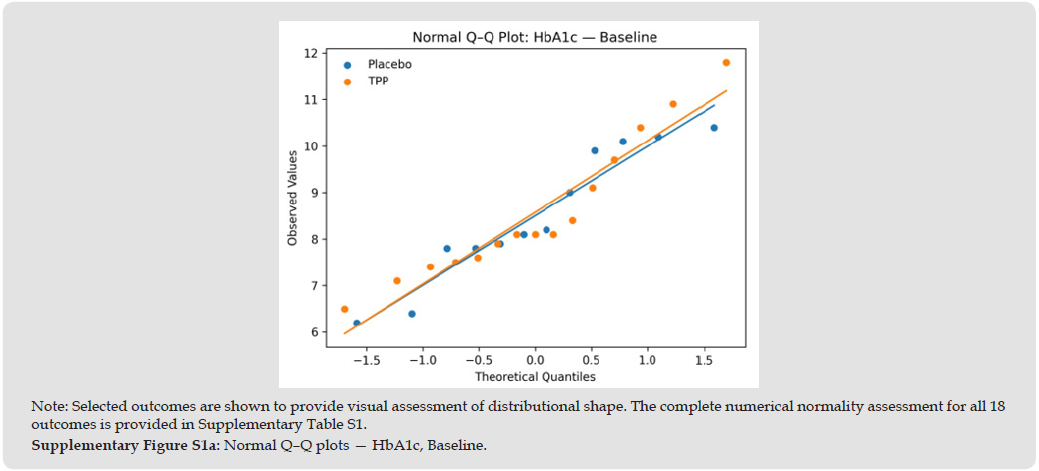
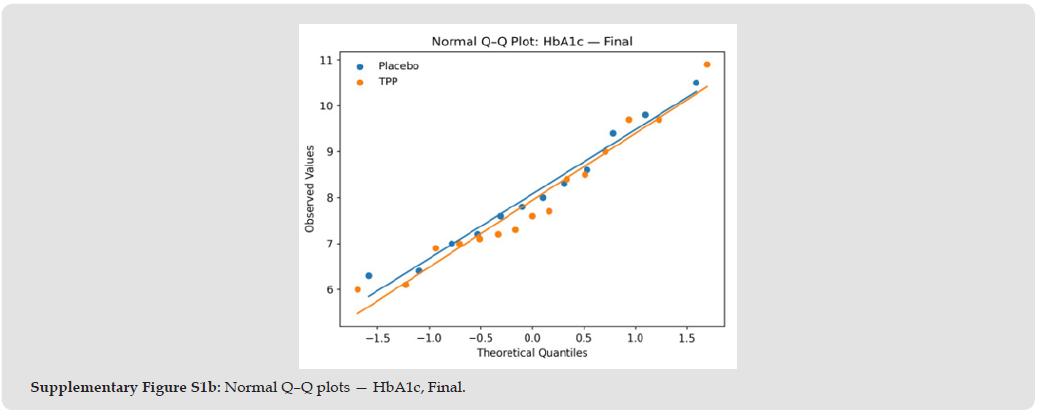
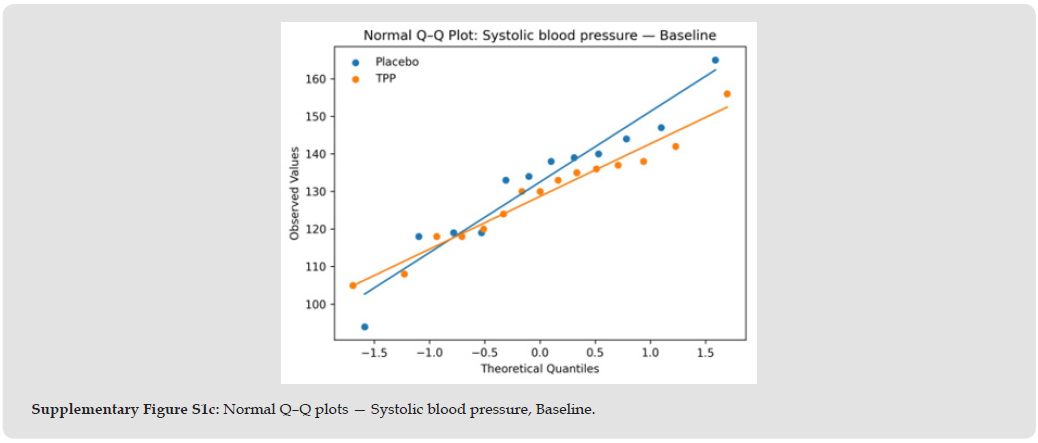
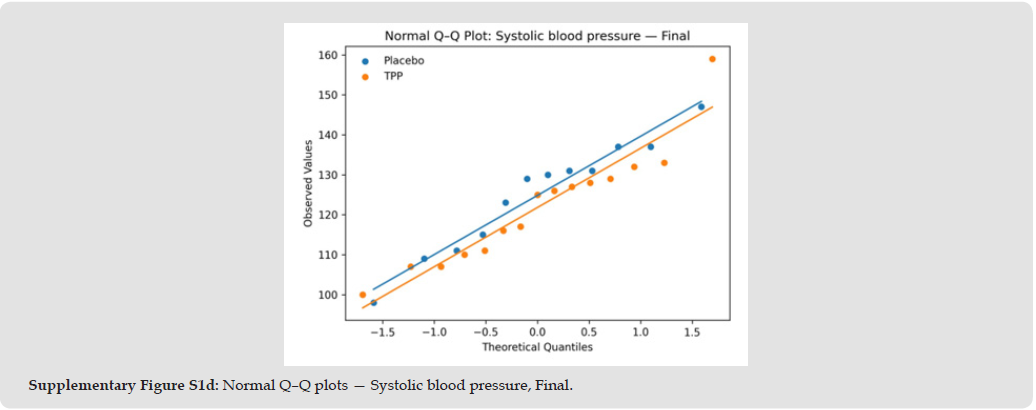
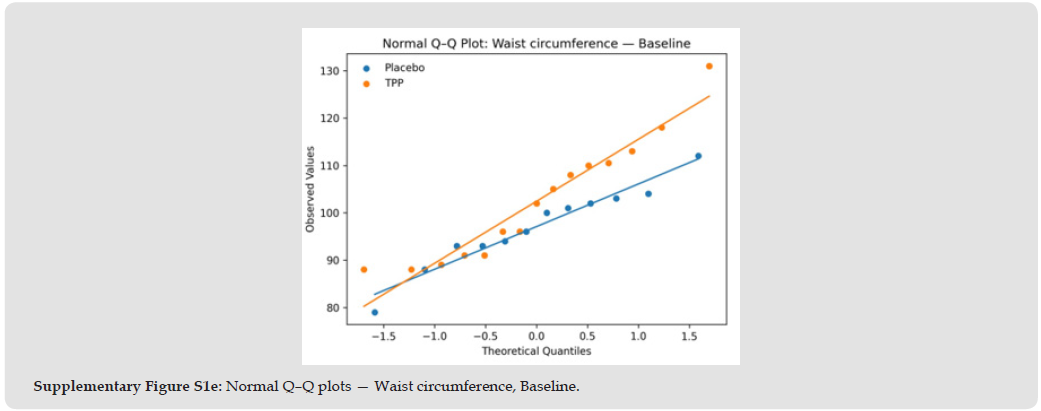
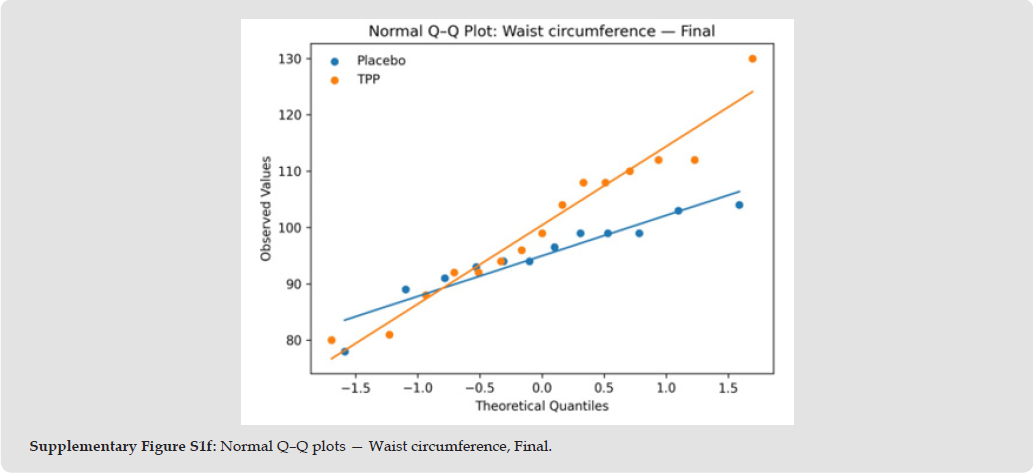
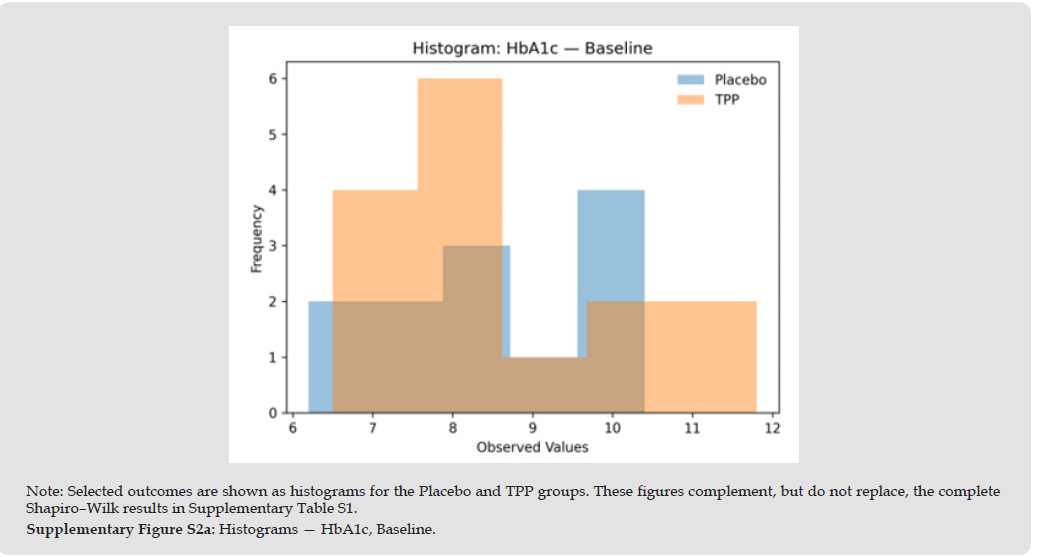
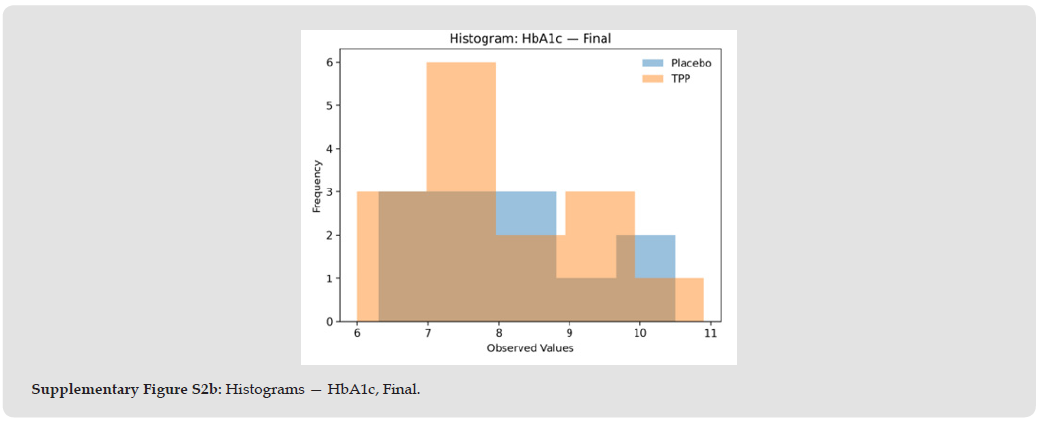
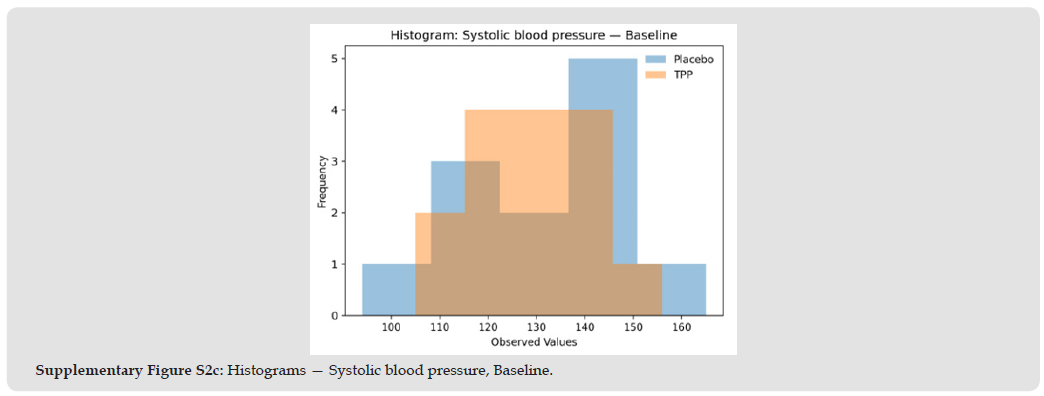
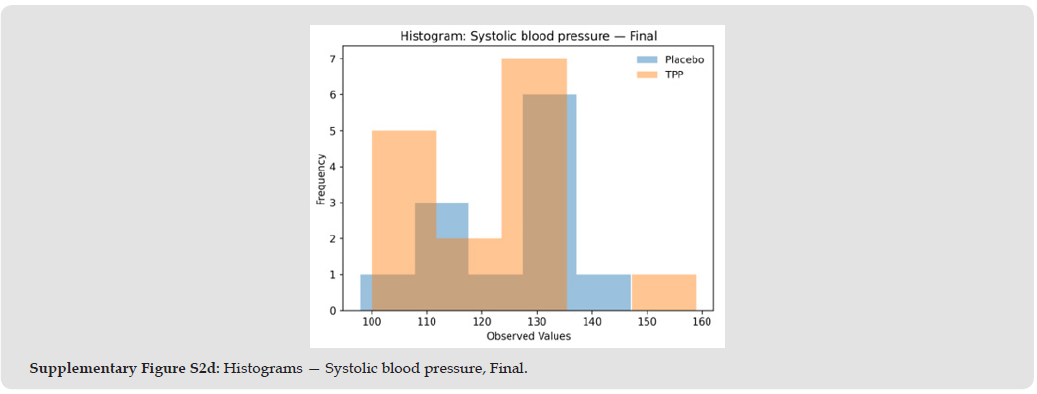
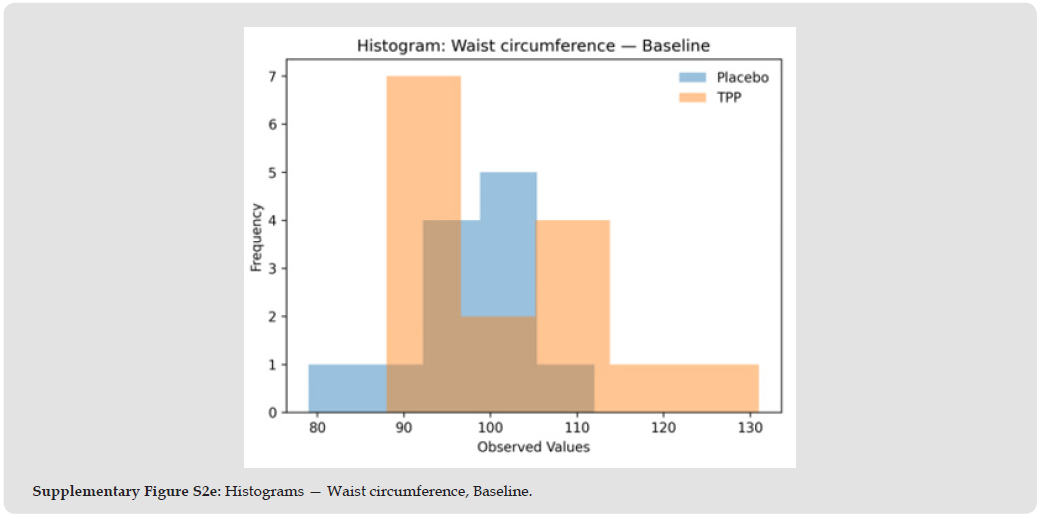
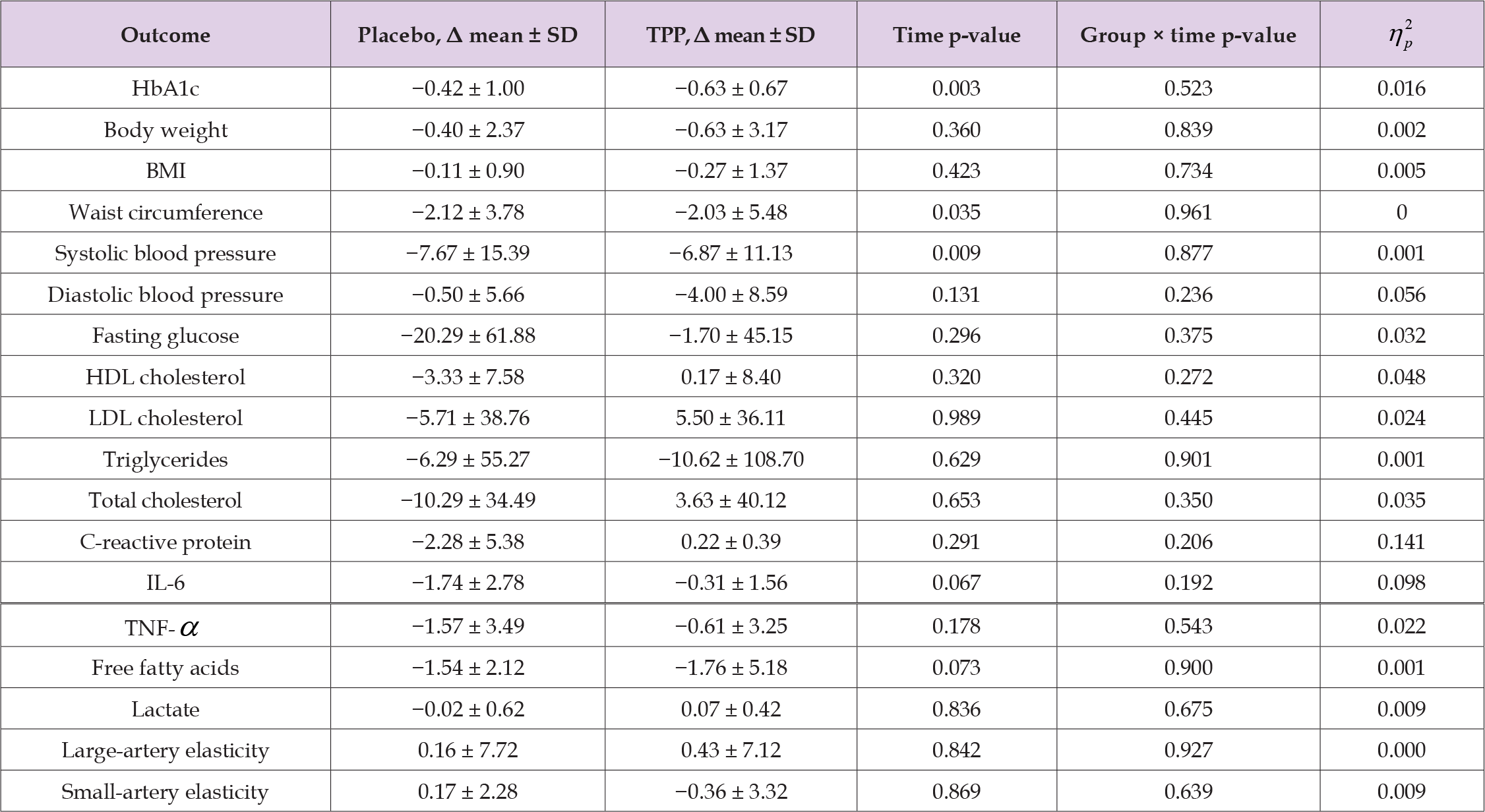
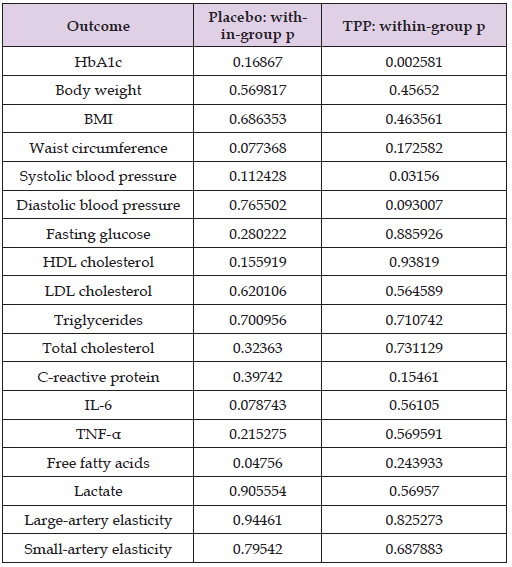
Normal Q-Q plots and histograms for selected outcomes are also provided in Supplementary Figures S1, S2, respectively. These analyses provide the diagnostic assessment of the assumptions underlying the mixed-design repeated-measures ANOVA. Changes from baseline to the final assessment and the corresponding effects of time and treatment group are presented in Table 2. A significant main effect of time was observed for HbA1c (p = 0.003), waist circumference (p = 0.035), and systolic blood pressure (p = 0.009), indicating overall changes in these outcomes over the study period. However, none of the outcomes showed a statistically significant Group × Time interaction (p > 0.05), indicating that the magnitude of change did not differ significantly between the TPP and placebo groups. The partial values for the Group × Time interaction were generally small, ranging from <0.001 to 0.141. Within-group comparisons between baseline and final assessments are presented in Supplementary Table S6. In the TPP group, HbA1c (p = 0.003) and systolic blood pressure (p = 0.032) showed statistically significant reductions from baseline to the final assessment. In the placebo group, free fatty acids also showed a statistically significant within-group reduction (p = 0.048). These within-group findings should be interpreted in conjunction with the between-group Group × Time interaction, which did not demonstrate statistically significant differences in the magnitude of change between treatment groups. The distribution of individual changes from baseline to the final assessment for HbA1c, systolic blood pressure, and waist circumference is shown in Figure 2.
Supplementary Figure S1a
Supplementary Figure S1b
Supplementary Figure S1c
Supplementary Figure S1d
Supplementary Figure S1e
Supplementary Figure S1f
Supplementary Figure S2a
Supplementary Figure S2b
Supplementary Figure S2c
Supplementary Figure S2d
Supplementary Figure S2e
Supplementary Figure S2f
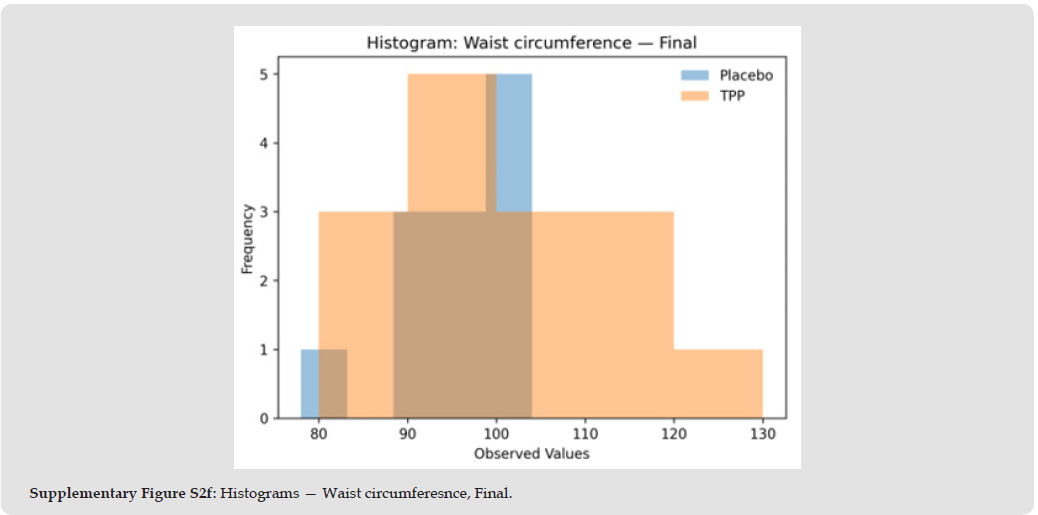
Figure 2
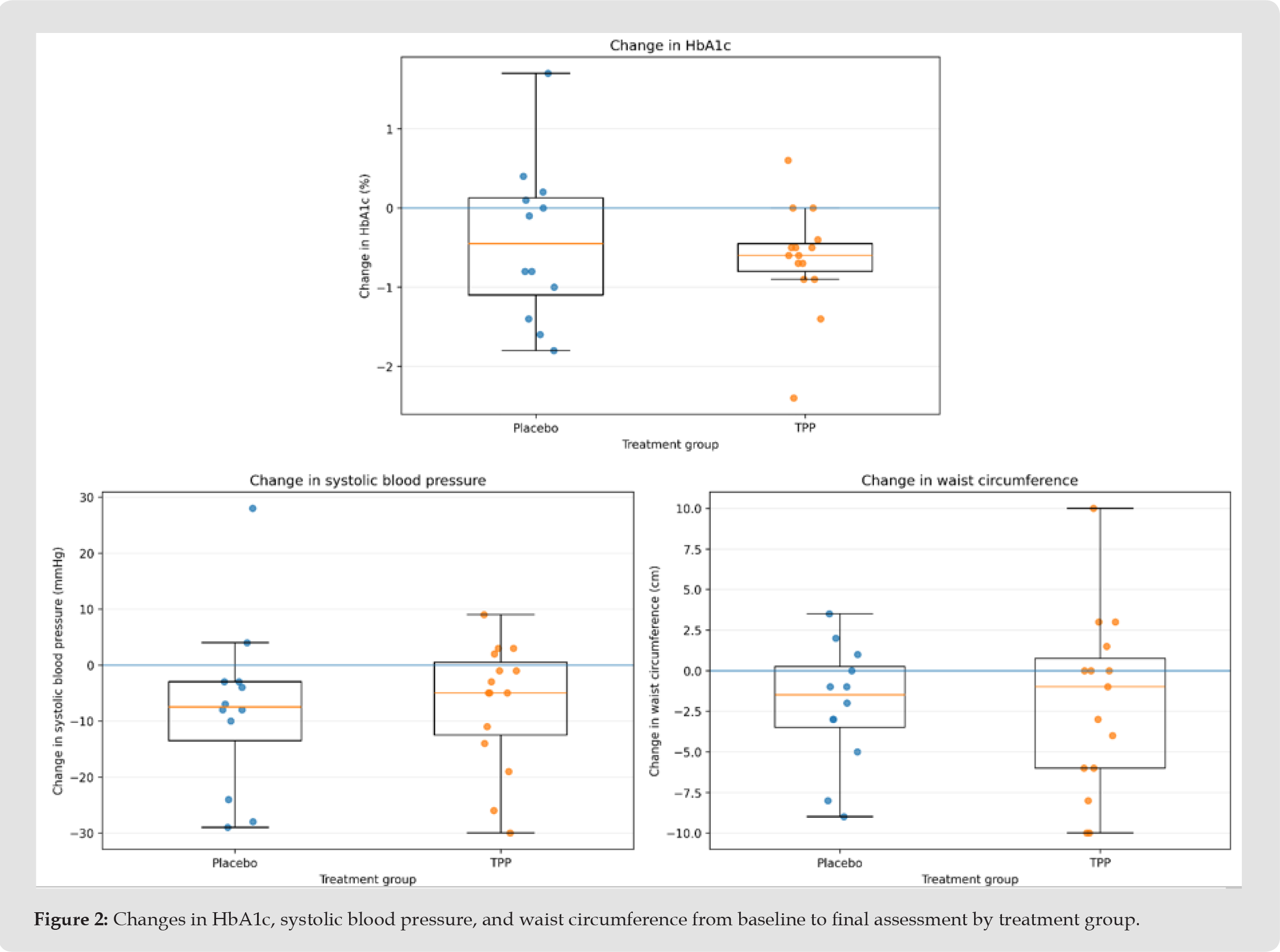
Table 2: Changes in clinical and biochemical outcomes from baseline to final assessment and effects of time and treatment group.
Supplementary Table S5: Sample size and missing observations.
Supplementary Table S6: Within-group statistical comparisons of clinical and biochemical outcomes from baseline to final assessment.
All three outcomes showed an overall reduction over time, consistent with the significant main effects of time observed in the repeated- measures analysis. The individual data points illustrate the variability in response within each treatment group. However, the Group × Time interactions were not statistically significant for HbA1c, systolic blood pressure, or waist circumference, indicating that the magnitude of change did not differ significantly between the TPP and placebo groups. The analysis revealed a significant main effect of time, as evidenced by an overall reduction in HbA1c from 8.54% (95% CI: 7.95-9.13) at baseline to 8.01% (95% CI: 7.46-8.55) at the final assessment. This finding indicates that, regardless of group allocation, there was an improvement in glycaemic control over the follow-up period. The main effect of group did not show significant between-group differences when both time points were considered together, with marginal means of 8.26% (95% CI: 7.53-8.98) in the experimental group and 8.29% (95% CI: 7.48-9.10) in the control group.
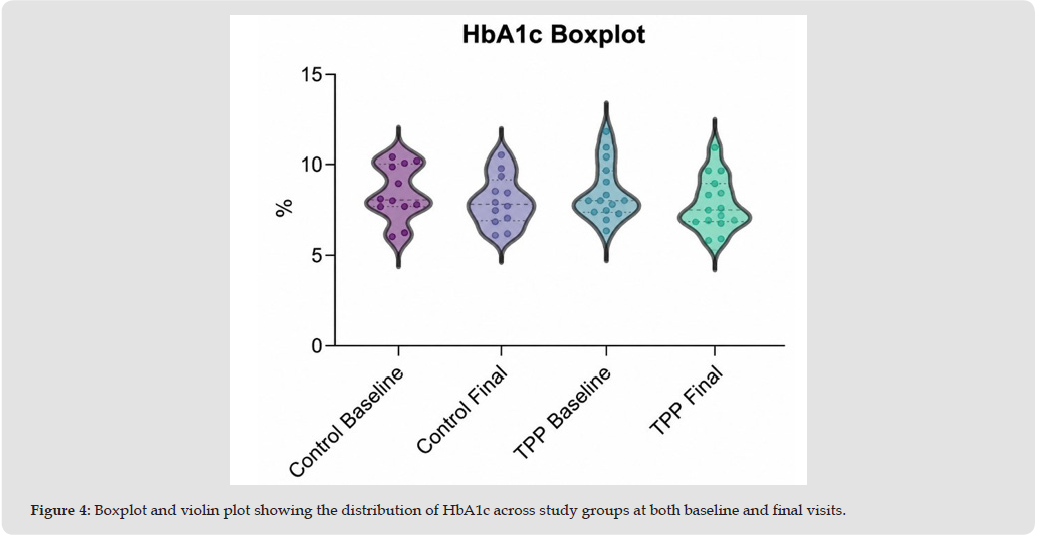
The results show that the reduction in HbA1c was greater in the experimental group (-0.63%) compared with the control group (-0.43%), as illustrated in Figure 3. Although the group × time interaction did not reach statistical significance, the reduction in HbA1c was numerically greater in the TPP group than in the placebo group. The magnitude of the change might favor the intervention from a clinical perspective but these findings should be interpreted cautiously given the small sample size and the absence of a statistically significant group × time interaction. The partial eta squared (η ² p ) indicated a small effect size, suggesting that the proportion of variance in glycaemic change explained by the intervention was modest, albeit directionally favourable. From a clinical perspective, the experimental group achieved final HbA1c values below 8%, whereas the control group remained slightly above this threshold, which may be considered metabolically relevant. A more homogeneous distribution was observed in the experimental group compared with the control group, as shown in Figure 4.
Figure 3
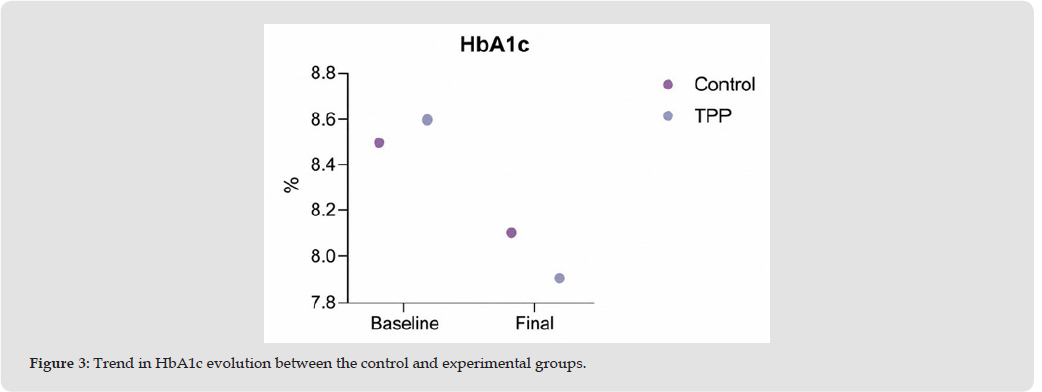
Figure 4
This randomized pilot trial evaluated the metabolic effects of TPP as an adjunct to metformin therapy in patients with T2DM and suboptimal glycaemic control. The results suggest that TPP supplementation may contribute to improvements in glycaemic control and certain hemodynamic parameters without compromising safety. A significant reduction in HbA1c was observed in the experimental group, accompanied by a decrease in systolic blood pressure. From a clinical perspective, even modest reductions in HbA1c have been associated with meaningful decreases in the risk of microvascular complications, underscoring the importance of interventions capable of improving long-term glycaemic control. The biological plausibility of these findings is supported by the metabolic role of thiamine pyrophosphate as an essential coenzyme in mitochondrial glucose oxidation. TPP participates in key enzymatic complexes, including pyruvate dehydrogenase and α-ketoglutarate dehydrogenase, which regulate critical steps in cellular energy metabolism [4]. Dysfunction of these pathways has been implicated in impaired glucose utilization, increased oxidative stress, and metabolic dysregulation in patients with diabetes. In addition, TPP acts as a cofactor for transketolase in the pentose phosphate pathway, facilitating the diversion of glycolytic intermediates away from metabolic pathways that lead to the formation of advanced glycation end products [5].
These mechanisms may contribute to reducing metabolic stress and vascular damage associated with chronic hyperglycemia. Previous studies have shown that patients with diabetes frequently exhibit reduced thiamine levels due to increased renal clearance, which may contribute to endothelial dysfunction and microvascular damage [6]. Therefore, restoration of thiamine-dependent metabolic activity could represent a rational therapeutic strategy to improve metabolic efficiency in patients with T2DM [7]. Other studies have further confirmed that patients with T2DM display altered biomarkers of thiamine status, suggesting that individuals with this condition may have increased requirements for this nutrient [20]. In line with this, a meta-analysis by Muley, et al. [21] investigated the effects of thiamine supplementation on glycaemic markers such as fasting glucose and HbA1c, reporting no significant beneficial effect; however, improvements were observed in lipid parameters, including an increase in HDL-cholesterol and a reduction in triglycerides [21]. Among the few studies conducted with TPP in T2DM models, one demonstrated that the formation of several glycation and oxidation products, both in vivo and in vitro, decreased following TPP treatment. The authors concluded that TPP may reduce major risk factors for diabetic complications and correct alterations in glucose and lipid metabolism [22]. Nevertheless, the pilot nature of the study and the relatively small sample size limit the ability to detect statistically significant differences across all evaluated variables. Likewise, the 12-week duration may not fully capture the long-term metabolic effects of TPP. Larger randomized clinical trials with extended follow-up periods will be necessary to clarify the clinical relevance of these findings. Despite these limitations, the randomized design and the consistent direction of the observed metabolic changes support the hypothesis that thiamine pyrophosphate may represent a promising adjunctive metabolic therapy in patients with T2DM treated with metformin.
Adjunctive therapy with thiamine pyrophosphate in patients with T2DM treated with metformin showed promising effects on glycaemic control and certain hemodynamic parameters, in addition to being well tolerated. These findings provide preliminary clinical evidence supporting the need for further investigation into the role of thiamine pyrophosphate as a metabolic adjunct in the management of diabetes.
The study protocol was approved by the appropriate Institutional Ethics Committee and was conducted in accordance with the principles of the Declaration of Helsinki and the International Council for Harmonisation Good Clinical Practice (ICH E6) guidelines. All participants provided written informed consent prior to enrollment in the study.
The authors declare no conflicts of interest. Dr. Melchor Alpízar declares being a representative of the CEDOPEC clinic.

International Association of Landscape Archaeology, Czech Glass Society, Czech Republic

Department of Chemistry, Semenov Institute of Chemical Physics, USSR Academy of Sciences, Moscow, Russia

Neurology, LA BioMed Research Institute, USA

Associate Professor at Department of Breast and Thyorid Surgey, Chongqing General Hospital, China

Professor of Nuclear Medicine, Faculty of Medicine and Surgery, University of Milan, Milan, Italy





 Abstract
 PDF