info@biomedres.us
+1 (502) 904-2126
One Westbrook Corporate Center, Suite 300, Westchester, IL 60154, USA
Site Map
 ISSN: 2574 -1241
Received: August 28, 2026; Published: October 16, 2026
*Corresponding author: Uday P Devaskar, Department of Pediatrics, UCLA School of Medicine, Los Angeles, CA, USA, 90095
DOI: 10.26717/BJSTR.2026.67.010449
Objective: To achieve better extrauterine growth in preterm neonates, targeted fortification (TF) of maternal
breast milk (MBM) is becoming popular. However, the effect of postnatal age (PNA), the degree of prematurity,
newborn gender, parity, maternal diet, diabetes mellitus (DM) or pregnancy induced hypertension (PIH) of macronutrient
in the maternal breast milk has not been examined.
Study Design: After an IRB approval and written consent, 77 women who had delivered a baby at < 32 weeks
gestational age (GA), were enrolled. Expressed MBM was collected between 11 AM and 2 PM on 6 days of PNA
and every week thereafter until 27 days. MN content was analyzed by MIRS (Miris).
Results: While protein content decreased, fat, carbohydrate, and calories increased linearly with advancing PNA.
The protein but not fat, CHO or calories at all PNA was higher when the baby was a female when compared to a
male. Parity, degree of prematurity, maternal diet, DM, or PIH did not alter MN composition.
Conclusion: Our study provides longitudinal data on changes in MN content of MBM among Indian mothers
after a delivery at < 32 weeks. While the protein content decreases, fat, CHO and calories increase with PNA. The
protein content in the MBM is higher when the neonate is a female. Maternal diet, parity, degree of prematurity,
maternal DM or PIH do not affect MN composition. These results have important implications in providing TF in
the most vulnerable patients to reduce the burden of extra uterine growth restriction (EUGR).
Keywords: Human Breast Milk; Macronutrients, Mid-Infrared Spectroscopy, Targeted Nutrition
Abbreviations: BMI: Body Mass Index; CHO: Carbohydrates; DM: Diabetes Mellitus; EUGR: Extra Uterine Growth Restriction; GA: Gestational Age; HMA: Human Milk Analyzer; HMF: Human Milk Fortifier; IgA: Immunoglobin A; MBM: Maternal Breast Milk; MIRS: Mid-Infrared Spectroscopy; MN: Macro Nutrients; NICU: Neonatal Intensive Care Unit; NMBM: Natural Mother’s Breast Milk; PIH: Pregnancy Induced Hypertension; POC: Point of Care; PNA: Post Natal Age; TF: Targeted Fortification; VLBW: Very Low Birth Weight
Natural mother’s breast milk (MBM) is best suited for her baby, especially the premature [1-10]. Not only does it promote survival, maturation, development and overall well-being, it is also cost effective [1]. MBM consists of MN: Protein, Lipid, Carbohydrate (CHO) and Calories [11,12]. Preterm neonates need higher amounts of MN to achieve targeted growth and maturation [13,14]. Feeding MBM alone to the rapidly growing preterm infants often results in sub-optimal weight gain and nutritional deficits [13-15]. In particular, inadequate protein and calories can lead to EUGR leading to growth and developmental impairment [13-15]. Higher protein intake, up to 4.5 gm/kg / day, is safe and improves growth [16-23]. TF of MBM is increasingly practiced providing appropriate nutrition to these rapidly growing neonates [24-33]. While the decision to fortify MBM remains arbitrary, point of care (POC) information regarding the MN content is desirable. MN composition of MBM changes rapidly during the first few weeks after birth, especially after a preterm delivery [34-38]. Many factors influence this phenomenon: GA, degree of prematurity, mother’s BMI, parity and diurnal variation [34-38]. However, the effect of newborn gender, maternal diet, maternal DM or PIH, the degree of prematurity or parity has not been examined using MIRS.
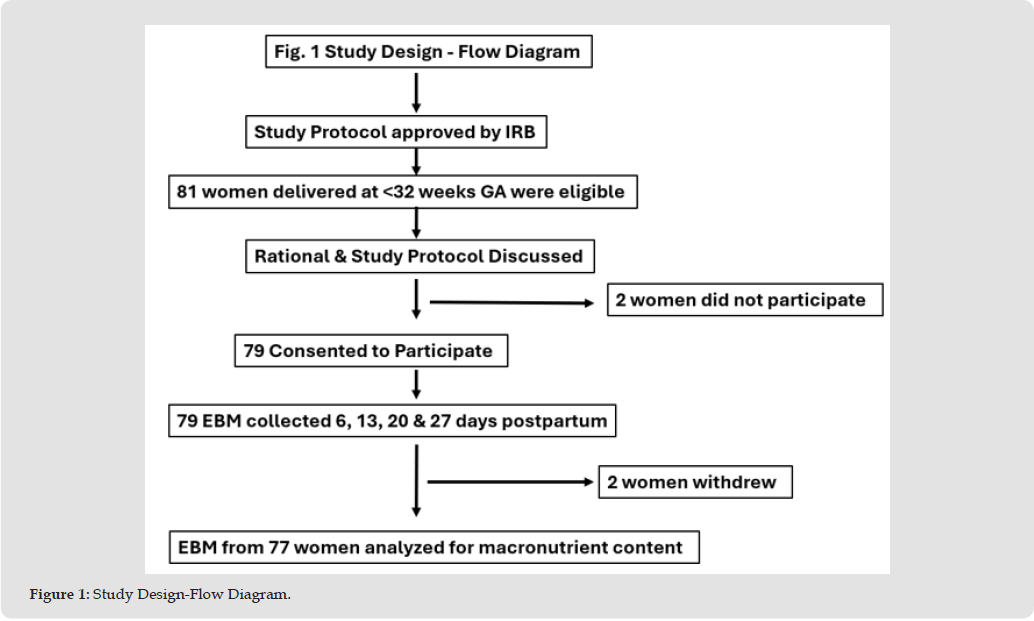
This prospective study was a dissertation thesis for Dr. Ahmed for his Neonatology fellowship program (DNB-thesisv2202211fv). It was performed at the NICU of Deenanath Mangeshkar Hospital (DMH), Pune, India between June 2020 to March 2022. DMH has ~ 3500 deliveries per year and the NICU admits ~ 1100 babies (in born and out born) per year. The study was approved by the IRB (DMHRCDNB- 2018-PAED-007, May 18). It was also approved by the Ethics Approval Committee. Informed written consent was obtained from each mother enrolled in the study. This is not a clinical trial therefore; it is not necessary to obtain a clinical trial number. Figure 1 depicts study design of this investigation. Mothers who delivered a baby at < 32 weeks of GA were eligible. Mothers unable to express enough BM due to illness, mastitis, or a baby with major congenital malformation were excluded. Maternal and neonatal data was collected from the medical records. BM was expressed manually or by using an electric pump. It was expressed between 11 am and 2 pm, ~ two hours after feeding the baby. One to three ml of MBM was used for the MN analysis. MBM samples were collected at weekly intervals starting at ~ 6 days of PNA.
Figure 1
Mothers were educated about the importance of MBM, encouraged to initiate and sustain lactation soon after delivery, instructed regarding BM collection, breastfeeding technique and avoid different BM collecting practices by a lactation consultant. MN content was quantitated using Miris human milk analyzer (HMA) [39]. The manufacturer’s instructions were strictly followed. Women were considered vegetarian if they refrained from eating eggs, sea food or meat. Each baby’s growth parameters were measured at weekly intervals for a period of four weeks.
It was estimated that 70 mothers would be needed to detect a decrease of 0.5 gm /dl in protein content from 1st to 4thweek of lactation, assuming a mean protein content of 2.3 gm/dl at 1stweek and 1.8 gm/dl at 4st week with a S.D. of 1.7 gm/dl. This is using a onetailed t-test of the difference between means, a power of 80%, and a significant level of 5% [24].
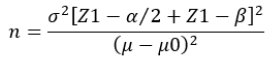
n= Sample size, σ = S.D. of the outcome variable, Z1-β = Represents the desired power (0.84 for 80% power), Z1-α/2 = desired level of statistical significance (1.96). Difference (μ−μ0) = Effect size (the difference in mean) =0.5 g/dl in protein.
Pertinent data was entered into MS-Excel spreadsheet and analyzed with the Statistical Packages for Social Sciences (SPSS) software (Version 20.0 for Windows, SPSS Inc, IBM, India) and GraphPad InStat (Version 3.1, San Diego, USA). Pearson’s/Spearman’s correlation coefficient was used to determine functional relationship between the target parameter and GA. Multivariate analyses were performed for significant differences. The repeated measures of analysis of variance (ANOVA) were used to determine the difference at weekly intervals. BM analysis from mothers with extremely preterm infants (< 28 weeks) was compared with mothers with moderate preterm infants (28-32 weeks). A multinomial linear regression model was used for all outcome measures that were included as random intercept/effect for normally distributed as well as the fixed co-variables lactation week and GA group. The mixed model approach was chosen to account for intra-individual correlations among repeated observations collected from the same subject (longitudinal or clustered data). Data within each cluster (i.e., subject) could not be regarded stochastically independent, in contrast to inter-individual data collected from various subjects. The model was fitted using a “Restricted Maximum Likelihood” approach. Wilcoxon-Mann Whitney was used to study the influence of parity on BM macronutrients. Variability within each epoch of BM was evaluated by calculating the Coefficient of variation (CV). P value < 0.05 was considered significant.
All data are mean ± SD. Eighty-four mothers delivered a baby at < 32weeks GA. Maternal age was 30.8 ± 4.6 years and GA was 29.3 ± 2.2 weeks. The GA of extremely and moderately premature babies was 27.3 ± 1.3 and 30.1 ± 1.1 weeks respectively. There were 40 male and 37 female babies. Seven patients were excluded: Two mothers refused to participate while three withdrew consent in the middle of the study, and two babies had congenital anomaly. Therefore, data from 77 patients was analyzed. There were 31 (40 %) primigravida while 46 (60 %) multigravida, and 31 (40 %) vegetarians versus 46 (60 %) non-vegetarians. Of the mothers, 15 (~20 %) had DM and 26 (~ 33 %) presented with PIH. The length of NICU stay was 43 ± 17 days. Tables 1-8 depict results of this study and their interpretation. There was a significant decrease in protein while increase in fat, CHO and calories with PNA (Figure 2). Protein content was significantly higher (15 to 20 %) at all PNA when the baby was a female (n=37) compared to male (n=40). No gender difference was observed among other MN contents (Figure 3). MN content was similar among normal (51), mothers with DM (n=15) or PIH (26) at any PNA.
Figure 2
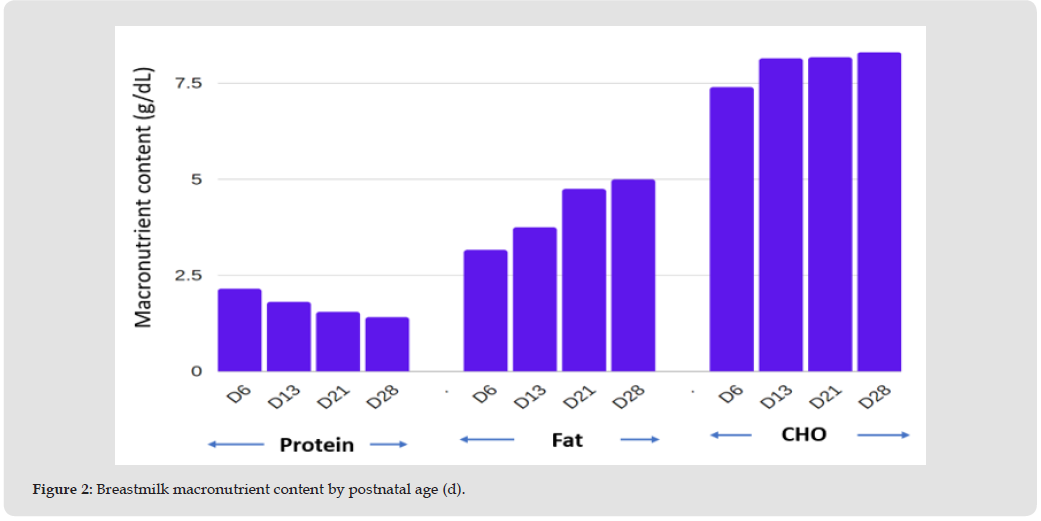
Figure 3
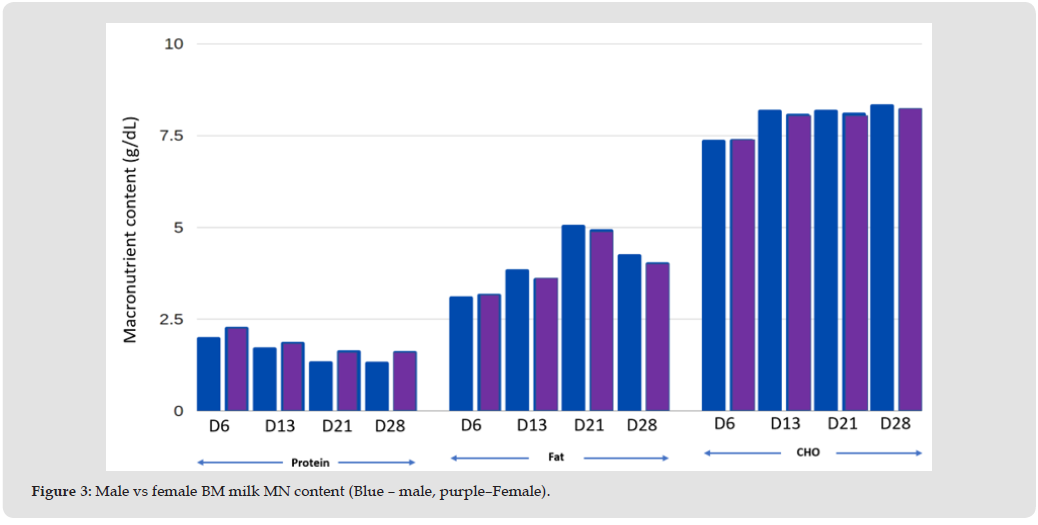
Table 1: Weight, length and head circumference increased with PNA.

Table 2: BM Nutrient contents at different PNA (n=77 each).

Table 3: MN content in extremely vs moderate preterm. Protein content was higher in extremely preterm group at 6 days of age only. There was no difference among other MN at any PNA. Protein concentration decreased with PNA in both groups.

Table 4: MN content at different PNA in male vs female babies.
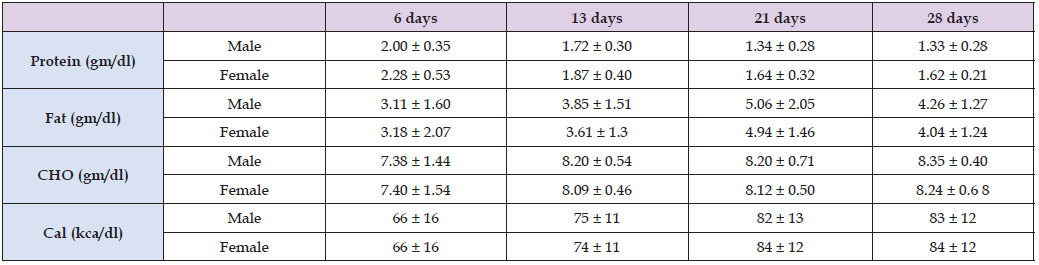
Table 5: MN composition was similar in Primipara (n=31) versus Multipara (n=46) women.

Table 6: There was no difference in MN contents among vegetarians (n=31) versus non-vegetarians (n=44) at any PNA.
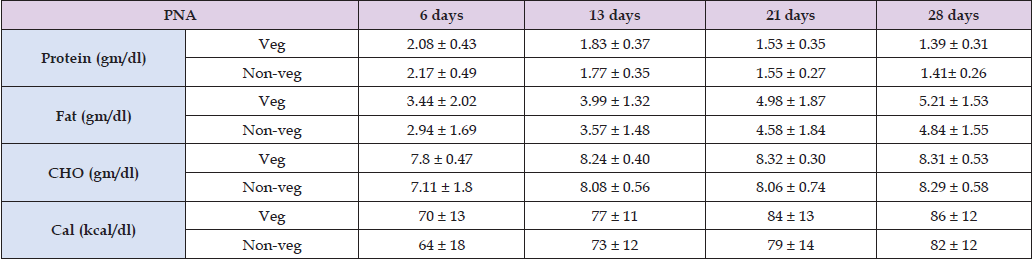
Table 7: MN content of breast milk in normal, women with diabetes mellitus (DM) or pregnancy induced hypertension at different PNA.
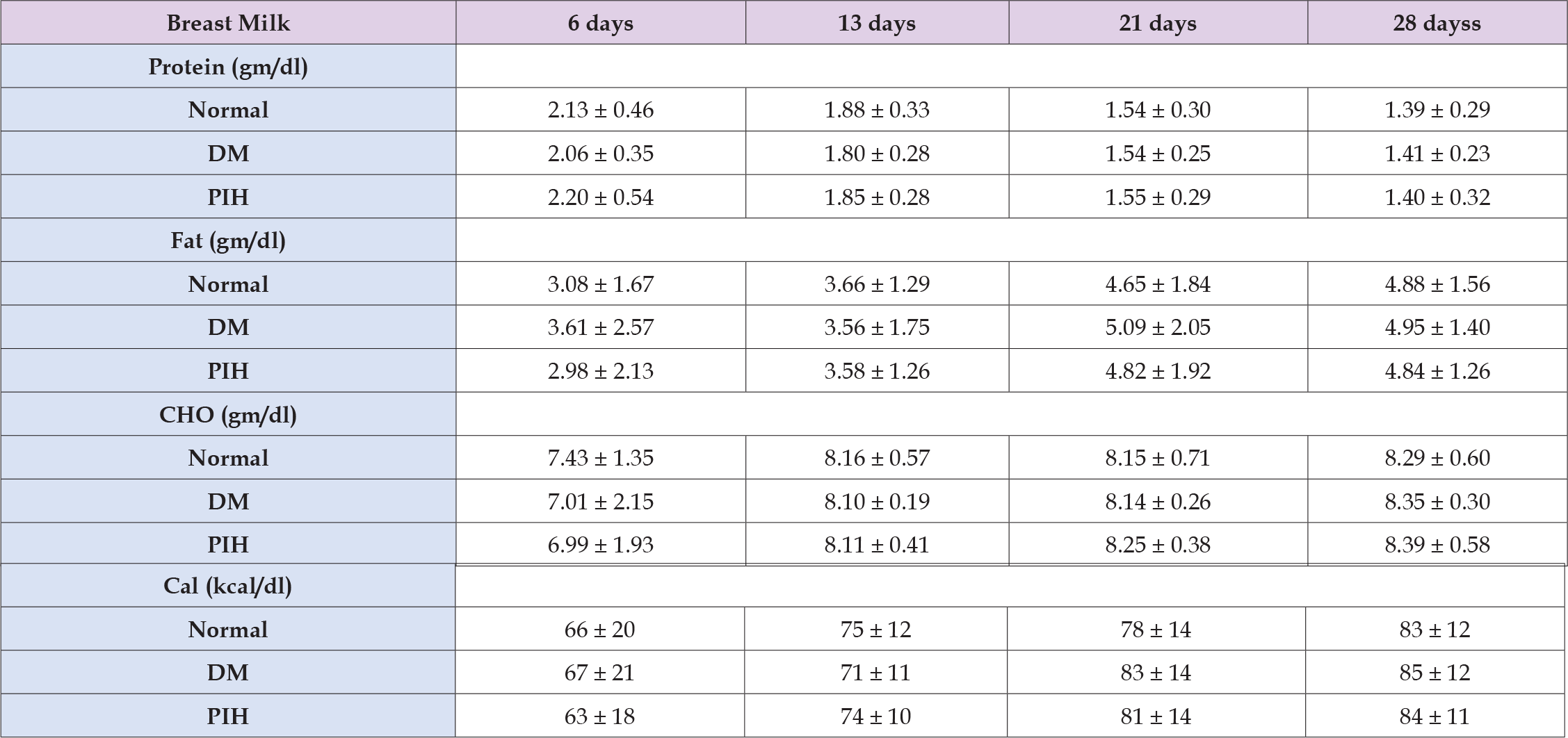
Table 8: Comparison of BM nutrients in mothers of extremely and moderately preterm infants during the first 28 days of lactation.

Since 1970, significant data has been generated on the biochemistry of human MBM. Each study adds new information to the complex puzzle of the nutrient content of MBM. The technology used in MBM analysis should be accurate, reproducible, speedy, user friendly, and suitable for POC use. Various methods are available to quantitate the MN composition of MBM [40]. Conventional techniques require individual protocols with specific laboratory tools and training, and relatively large volume of MBM [40]. These methods are expensive and labor intensive with a longer turnaround time [40]. They are generally used for research rather than clinical purposes. As a result, traditional methods have given way to MIRS. The newer devices require less space and no special training, a smaller volume of MBM, are user friendly, and provide results within minutes [24-33,39]. These devices are becoming popular in clinical use for real time POC analysis. Data about MN content provides clinician information for TF for a rapidly growing preterm infant. To date, several HMA have been developed including Miris (Sweden). In 2018 it was approved by the FDA (USA). Therefore, we decided to use Miris. Colostrum is essential for the well-being of a baby since it is rich in immunologic components like secretory IgA, lactoferrin, anti-inflammatory cytokines, oligosaccharides, soluble CD 14, antioxidants, leukocytes, epidermal growth factor, and other protective components [1,4]. Due to the paucity of colostrum, we could not justify doing MN analysis.
In 2011, Bauer et al, performed longitudinal analysis of MN in BM of German mothers who had delivered preterm babies between 23-33 weeks of GA [35]. BM samples were analyzed for calories, protein, CHO and fat by traditional methods: Ballistic bomb calorimeter (Parr 6200 Oxygen Bomb Calorimeter, USA), Petersen’s modification of Lowry, Orcinol assay and the crematocrit respectively [35]. They observed that the protein content decreased linearly with each progressive week and it was higher among mothers who had delivered extremely premature (<28 weeks) compared to severely premature (28-31 weeks) or moderately premature (32-33 weeks) babies [35]. In marked contrast to protein, the lipid, CHO and caloric content increased during the eight-week study period. In 2014, Dutta et al measured MN content in MBM of Indian women at seven and 28 days of PNA after a delivery at < 34 weeks of GA [36]. Protein, triglycerides and lactose were quantified by micro-Kjeldahi, Roese-Gottlieb methods, and enzymatic hydrolysis respectively [36]. While protein content decreased, the lipid and lactose content increased from seven to 28 days of PNA. In 2014, Hsu et al examined the MN content of MBM among Taiwanese women using MIRIS at one and four weeks of PNA after a premature delivery at < 35 weeks of GA [37].
They observed significant reductions in the protein while an increase in lactose, lipid and caloric content from one to four weeks of PNA. In 2014, Gidrewicz et al performed a systematic meta-analysis of MN content in MBM after a preterm delivery [38]. It was concluded there was a dramatic decrease in the protein while an increase in fat, CHO and energy content with advancing PNA [38]. With maturation, there was a narrowing of the protein variance [38]. In accord with the above-mentioned studies, we observed that the protein content decreased while fat, CHO and calories increased with PNA. In the study by Bauer et al the mean protein content was 2.8 at 23 and 2.2 at 33 weeks of PNA. In the study by Dutta et al the mean protein content was 2.13 and 2.04 at 7 and 28 days of PNA. In the study by Hsu et al the mean protein content was 1.7 and 0.92 at one week and four weeks of PNA. In our study, the mean protein content was 2.1 and 1.4 at one and four weeks of PNA. Minor differences in the MBM protein content in the study by Hsu et al and our study may be due to differences in sample size, parity, maternal BMI, ethnicity, maternal diet, GA, diurnal variations, BM collecting practices or a combination of these factors. In a study by Billiard et al BM protein concentration using Miris was generally less than the conventional method [41]. Nonetheless, there was a good correlation (R2 = 0.98).
In a study by Thajer et al [42] and Gluffrida [43] Miris underestimated protein content by ~ 20 % or ~ 40 % respectively. Corrected GA of 23 to 32 weeks represents a very critical period during which the brain is especially vulnerable to nutritional deficits [5,44]. Therefore, attention to the details of MN management during this period is critical [44]. Neither deficiency nor excess is desirable. Taken together, quality of MBM influences many aspects of the biology of premature infants, especially the brain. They include neurogenesis, dendritic arborization, migration, maturation, synapto-genesis, apoptosis and myelin production [44]. Cell signaling by growth factors like Growth Hormone, Insulin like growth factor-1 or Brain derived nerve factor and neurotransmitters also play an important role [44]. Human BM is not a uniform body fluid but a secretion of the mammary gland of changing composition. It is important to recognize that the composition varies with PNA, the stage of lactation, the time of day, the sampling time during a given feeding, maternal nutrition, ethnicity, the degree of prematurity and individual variation. With the availability of HMA it has become feasible to provide TF even daily. However, it should be considered that HMA may underestimate protein content.
In the study by Bauer et al, the protein content was significantly higher in the BM of mothers who had delivered extremely premature (<28 weeks) compared to severely premature (28-31 weeks) or moderately premature (32-33 weeks) neonates. In our study, the MN content in MBM was similar in the extremely premature neonate when compared to moderate preterm group at seven and 28 days of PNA. Unlike the study by Bauer et al, we did not observe any differences in the MN content related to maternal parity. In our study, MBM protein content was higher (15 to 20 %) when the offspring was a female. None of the other studies have investigated the effect of gender difference. A teleological basis for this finding remains unclear. We propose that higher protein content in the MBM of mothers with a female neonate may explain why female babies mature faster than the males. Human BM consists of multiple proteins with varied biological functions [45,46]. Future studies should be conducted to confirm our observations and to investigate which of these proteins (amino acids) are in higher concentrations when the offspring is a female.
There was no difference in MN content in vegetarian versus non-vegetarian mothers at any PNA. Detailed information regarding their daily diet or caloric intake was not collected. Future studies should examine if there is a correlation between the quantity and type of maternal diet or daily caloric intake to the MN content of her MBM, and if modification of maternal diet can alter composition MBM. With the availability of POC HMA it will be doable. No difference was detected in the MN content in patients with maternal DM or PIH. Data regarding maternal BMI, type or duration of DM, treatment options or serum HbA1c concentrations was not collected. Similarly, information about the severity, duration, or treatment options for PIH was not gathered.
We thank the mothers of all babies who consented to participate in this study. We are grateful to the NICU nursing staff for their ongoing help, co-operation and encouragement. We are also thankful to the DMH administration for providing funds for the entire study. There was no extramural funding for this study. Dr. Abid Ahmed was a fellow in Neonatology, and this was his research thesis therefore, he is the first author. Lavannya Raste and Vishakha Haridas are the lactation consultants. They were involved in maternal education related to breast feeding. Dr. Rajan Joshi, Shradha Joshi and Shilpa Kalane are the faculty neonatologists. They provided needed guidance for this project. Asavari Kanade and Dhiraj Mane did all the statistical analysis. Dr. Uday P Devaskar is the honorary NICU Director at DMH. He helped in acquiring MIRIS analyzer. He educated the entire staff regarding the use of the equipment. He also edited the manuscript written by Dr. Ahmed and above-mentioned colleagues.
Generative AI and AI-assisted technologies were not used at any time in the submitted manuscript.

International Association of Landscape Archaeology, Czech Glass Society, Czech Republic

Department of Chemistry, Semenov Institute of Chemical Physics, USSR Academy of Sciences, Moscow, Russia

Neurology, LA BioMed Research Institute, USA

Associate Professor at Department of Breast and Thyorid Surgey, Chongqing General Hospital, China

Professor of Nuclear Medicine, Faculty of Medicine and Surgery, University of Milan, Milan, Italy





 Abstract
 PDF