info@biomedres.us
+1 (502) 904-2126
One Westbrook Corporate Center, Suite 300, Westchester, IL 60154, USA
Site Map
 ISSN: 2574 -1241
Received: October 07, 2026; Published: October 15, 2026
*Corresponding author: Naeem Hasan Khan, Department of Pharmacology, Toxicology and Basic Health Sciences, Faculty of Pharmacy, AIMST University, Bedong, Kedah D.A., Malaysia.
DOI: 10.26717/BJSTR.2026.67.010438
Introduction: Even though papaya seeds are usually thrown away as agricultural waste they actually contain a variety of phytochemicals with great pharmaceutical value. In a previous study, researchers found out that the seeds are not only rich in antioxidants but also antimicrobial and antidiabetic properties are present. Still, the detailed evaluation on their phytochemical composition in combination with their antibacterial plus anti-hyperglycemic effect is missing. This study was therefore intended to examine the biological activities of the ethanolic extract of the Carica papaya seeds under both in vitro and in vivo conditions.
Objectives: This study aimed to identify the phytochemical constituents present in the ethanolic extract of Carica papaya seeds, evaluate its antibacterial activity against Bacillus subtilis and Escherichia coli, and determine its anti-hyperglycemic activity in alloxan-induced diabetic Sprague-Dawley rats.
Method: Dried Carica papaya seeds were extracted by maceration using 95% ethanol for 14 days, followed by solvent removal using a rotary evaporator. Qualitative phytochemical screening was performed using standard colorimetric tests. Antibacterial activity was evaluated using the broth dilution method followed by determination of the minimum bactericidal concentration (MBC). For the anti-hyperglycemic study, diabetes was induced in Sprague-Dawley rats using alloxan monohydrate, after which the animals were treated with Carica papaya seed extract for 21 consecutive days. Fasting blood glucose levels and body weight were monitored throughout the treatment period.
Result: Qualitative phytochemical screening confirmed the presence of alkaloids, carbohydrates, and tannins in the ethanolic extract. The antibacterial study demonstrated inhibitory activity against Bacillus subtilis during the broth dilution assay, whereas no inhibitory activity was observed against Escherichia coli within the tested concentration range. However, no bactericidal activity was detected against either bacterial species during the MBC assay. In the anti-hyperglycemic study, treatment with Carica papaya seed extract reduced fasting blood glucose levels and improved body weight in alloxan-induced diabetic rats compared with the diabetic control group, with the greatest improvement observed at the highest extract dose.
Conclusion: The findings of this study demonstrate that ethanolic Carica papaya seed extract contains bioactive phytochemicals, particularly alkaloids and tannins, which may contribute to its biological activities. The extract exhibited selective antibacterial activity against Bacillus subtilis and showed promising anti-hyperglycemic effects in alloxan-induced diabetic Sprague-Dawley rats. These findings support the potential of Carica papaya seeds as a natural source of bioactive compounds for future pharmaceutical and therapeutic applications. Further studies involving quantitative phytochemical analysis, mechanistic investigations, toxicity evaluation, and clinical validation are recommended to further establish its efficacy and safety.
Keywords: Carica papaya seeds; Phytochemical screening; Antibacterial activity; anti-hyperglycemic activity; Alloxan; Sprague-Dawley Rats
Abbreviations: MBC: Minimum Bactericidal Concentration; DM: Diabetes Mellitus; AGEs: Advanced Glycation End-Products; WBCs: Weakens White Blood Cells; MIC: Minimum Inhibitory Concnetration; BITC: Benzyl-Isothiocyanate; LPS: Lipopolysaccharides; CMC: Carboxymethylcellulose; FBG: Fasting Blood Glucose; SEM: Standard Errors of THE Mean; OECD: Organization for Economic Co-operation and Development’s; IDF: International Diabetes Federation
Background of the Study
Diabetes Mellitus (DM) is far beyond a chronic illness; it represents a global healthcare challenge that tests the capacity of our contemporary medical systems. Persistent hyperglycemia is the hallmark of the disease that occurs when the body either doesn’t produce insulin or doesn’t use the insulin produced effectively. Projections from the International Diabetes Federation (IDF) estimated that the number of diabetic adults worldwide will be around 783 million by 2045 (Zhang, et al. 2019). The disorder results in a systemic breakdown that can mostly be associated with oxidative stress and the formation of advanced glycation end-products (AGEs). Apart from regulating their blood glucose levels, diabetics quickly run into an unnoticed but very dangerous threat that is the risk of bacterial infections. Constant hyperglycemia results in a “pro-bacterial” state where elevated sugar levels in the blood and tissues serve as a nutrient- rich environment for bacteria to thrive. At the same time, high glucose weakens white blood cells (WBCs), especially neutrophils as their chemotaxis and phagocytosis are significantly reduced. This is why diabetic complications such as foot ulcers are often infected with multidrug-resistant bacteria like Bacillus subtilis and Escherichia coli. Hence, a diabetic patient of the present day is supposed to have a well-integrated treatment plan involving both metabolic and antimicrobial therapies.
Importance of Natural Products in Modern Medicine
Previously, the pharmaceutical market was flooded with synthetic molecules only like Metformin, Glibenclamide, and antibiotics from different groups being used for treating these disorders. Albeit these synthetic drugs have been lifesavers for many of us, they unfortunately come with a price. Long-term use of antidiabetic drugs can cause side effects such as bowel problems, getting extra weight, and even severe hypoglycemia. On the flip side, indiscriminate consumption of synthetic antibiotics has given rise to the so-called “superbugs,” thus leading to the failure of standard antimicrobial agents. To this end, there has been a major reorientation toward Pharmacognosy—considered as the discovery of plant or natural product-based drugs. Secondary metabolites include flavonoids, alkaloids, polyphenols, and more, which often produce synergistic effects. While synthetic drugs typically antagonize one signaling pathway at a time, botanicals may offer multiple therapeutic effects, such as lowering blood glucose and concurrently exerting antioxidant and antibacterial activities, in addition to having very few side effects [1]. It is worth mentioning that in most developing countries, local herbal medicines are still the first line of defense against illnesses for about 80% of the population because pharmaceutical drugs are either too costly or unavailable.
Introduction to Carica papaya and Seed Bioactivity
Carica papaya, a family member of Caricaceae, is a tropically- grown perennial plant that was initially introduced in Central America but is now widespread globally. Although the brightly colored orange pulp of papaya is popularly consumed worldwide as a rich source of vitamins and natural enzymes that aid digestion, its small, dark, and pungent seeds are almost always discarded as waste. Nevertheless, from the pharmacological point of view, these seeds represent the “chemically-laden” part of the plant. Ethnomedicinal records reveal that in the past, different societies have utilized papaya seeds for their anthelmintic (anti-parasitic) and anti-inflammatory virtues. Now, researchers are gradually discovering the scientific basis for these traditional applications. It has been found that the seeds contain Benzyl Isothiocyanate, which is a very powerful antimicrobial agent, and also have relatively large amounts of oleic and palmitic acids [2]. Additionally, there are enzymes and phenolic fractions present in the seeds, which have demonstrated their potential in the inhibition of α-amylase and α-glucosidase enzymes-the main enzymes responsible for the conversion of carbohydrates into glucose in the human intestine [3]. Hence, the reuse of these ‘waste’ seeds is a step towards a sustainable, ‘waste-to-wealth’ model of drug discovery.
Problem Statement and Justification
The main issue the present study intends to tackle is the absence of a “dual-action” therapeutic agent capable of simultaneously controlling the metabolic and infectious facets of diabetes. Even though there are numerous studies concerning the antihyperglycemic impacts of papaya leaves and the health benefits of the fruit, the medical potential of the seeds has not been fully exhausted, and their therapeutic properties are seldom found in formal pharmacological literature. The vast majority of diabetic patients currently follow a ‘poly- pharmacy’ therapeutic regimen, where they take one medication for blood glucose and another for infections. This mode of treatment increases the likelihood of drug-drug interactions and lowers patient adherence. Research that would test whether one plant extract can solve both issues is greatly needed. The present work is motivated by the fact that its subject matter-seeds-is cheap and naturally available and that the employment of the Sprague-Dawley rat model closely parallels human diabetic reactions from a biological standpoint. By providing scientific evidence for the seed extract’s simultaneous antibacterial and blood glucose-lowering properties, this work aims at opening the door to fresh, plant-derived medicine.
Research Objectives
This study is based on four main objectives to fill the above-mentioned gaps:
• Phytochemical Profiling: To conduct a qualitative and quantitative phytochemical analysis of the ethanolic extract of C. papaya seeds for the detection of alkaloids, flavonoids, tannins, and saponins.
• Antibacterial assay: To determine the in vitro antibacterial activity of the seed extract against the major diabetic bacterial pathogens, namely Bacillus subtilis (Gram-positive) and Escherichia coli (Gram-negative) using the Minimum Inhibitory Concnetration MIC) and Minimum Bactericidal Concentration (MBC).
• Hyperglycemic Activity Assessment: To evaluate the blood glucose-lowering potential of the extract using an animal model of diabetes in Alloxan-induced diabetic Sprague-Dawley rats.
• Comparative Evaluation: To compare the antidiabetic efficacy of the seed extract with a standard drug (Glibenclamide) and to check its potential as a single therapy or as an adjunct to a standard one.
Scope and Significance of the Study
The value of this endeavor is reflected in its potential to advance the doctrine of ‘Green Pharmacology.’ Successful completion of this project will not only add a new function to an agricultural by-product but also deliver a scientific justification for a cheaper, natural alternative for the management of diabetes and its associated infections. This aspect of the research is quite crucial for the low-income sectors where the price of modern insulin and antibiotic treatment can make it unattainable.
Botanical Classification and Ethnomedicinal History of Carica papaya
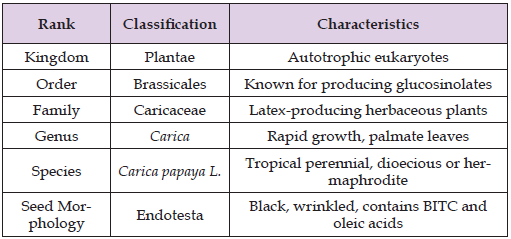
Carica papaya belongs to the Caricaceae family, which is a group of plants that typically grow quickly and have latex-producing cells (laticifer cells) scattered throughout their tissues. Even though the papaya is often called a tree because of its height and the fact that it looks like it has a single stem, it is, in fact, a giant herb from a botanical standpoint because it does not have true woody growth of the secondary type. A C. papaya fruit is a berry in the strict botanical sense, and inside, there are many seeds surrounded by a slimy seed coat called sarcotesta, under which there is a hard, black endotesta. These seeds are a structurally and chemically highly developed part of the plant, which is in line with their function as protectors of the developing embryo. Fruit, Seeds and Leaves of Carica papaya L. are shown in Figure 1. Traditional use of papaya seeds in medicine has been mentioned in various old medical systems, especially those of Central America, Southeast Asia, and West Africa. In the old days, people often dried and ground the seeds and then gave them to their children mixed with honey to get rid of worms from the intestine. Today, we can prove by chemistry that this is a good idea because papaya seeds have chemical substances in them that can act as medicine, for instance, carpaine (an alkaloid) that can immobilize parasites, and benzyl isothiocyanate that has a wide spectrum of antimicrobial effect. According to Ayurvedic medicine, papaya seeds were also considered a “hot” herb, and they were used to enhance digestion and liver function.
Figure 1
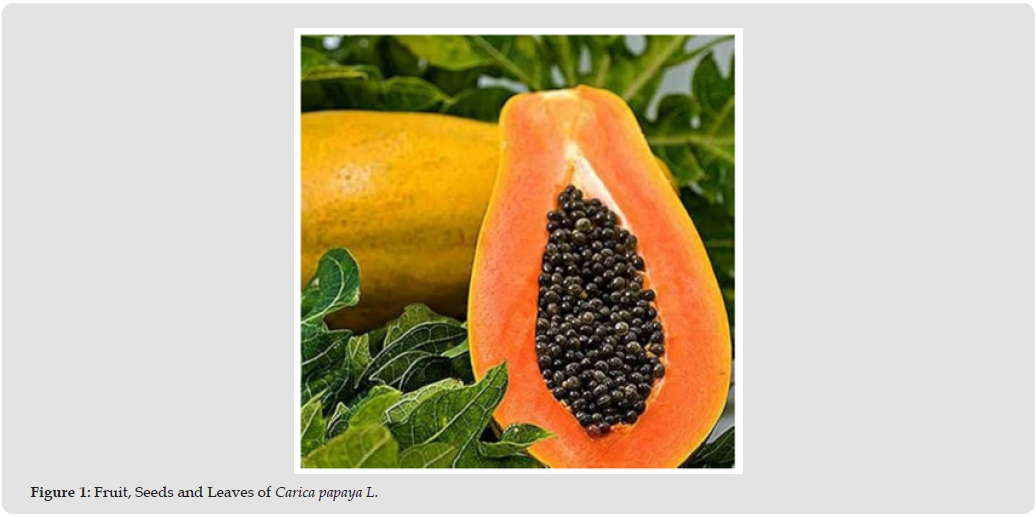
That papaya seeds were used for a long time to fight against parasitic and microbial infections means that the seeds should have some kind of a natural immune system to protect themselves, and one of the functions could be their defense against soil pathogens during seed germination. Modern medical research has started to take another look at the benefits of papaya seeds by linking the seeds’ plant chemical contents to the observed antibacterial and metabolic effects. This harmony of plant anatomy, folklore wisdom, and contemporary bio chemical insight could be the basis for a deep dive into the antibacterial and anti-hyperglycemic effects of Carica papaya seed extracts [4]. Taxonomical classification and botanical description of Carica papaya L. are given in Table 1.
Table 1: Taxonomical Classification and Botanical Description of Carica papaya L.
Phytochemical Architecture of the Seeds
The health benefits of papaya seeds are due to a complex system of chemicals highly specialized. By far, people mainly associate the fruit with papain; nevertheless, the seeds are extremely rich in several secondary metabolites.
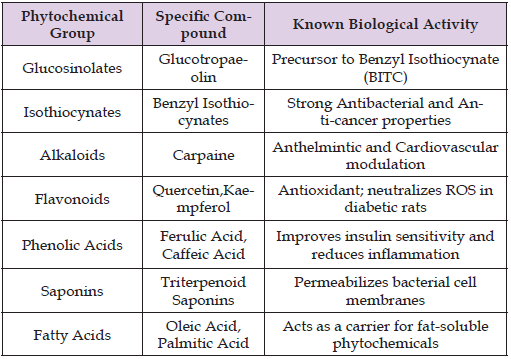
• Isothiocyanates: It is this family of chemicals that play an essential role in the drug capacity with the major compound being Benzyl-Isothiocyanate (BITC). Overall, the “Glucosinolate- Myrosinase” system generates this sulfur-containing compound. When there is damage to the seed cells, the enzyme myrosinase comes into contact with glucotropaeolin, and BITC is released. In effect, BITC is a fiercely antielectrophilic chemical entity, which penetrates bacterial cell walls and interferes with their metabolic pathways [5].
• Polyphenols and Flavonoids: They constitute, in addition to vitamins, what is known as the extract’s antioxidant framework. It is through them that the cellular damage brought about by free radicals during a hyperglycemic condition can be inhibited [6].
• Alkaloids and Saponins: Saponins resemble soap in their natural origin, and this characteristic has been pointed as possibly responsible for the bacterial lipid membranes being compromised by the extract. Among the alkaloids, Carpaine is worthy of mention, as it is known for being beneficial to the cardiovascular system as well as having antimicrobial properties. Major phytochemical constituents of C. papaya Seeds and their functions are shown in Table 2.
Table 2: Major Phytochemical Constituents of C. papaya Seeds and Their Functions.
Pathophysiology of Hyperglycemia and Enzyme Inhibition
The pathogenesis and pathophysiology of hyperglycemia in diabetes mellitus are largely dependent on the extent to which carbohydrates in the diet are quickly digested and absorbed. Postprandial hyperglycemia, which is considered as one of the main features of Type 2 diabetes, is largely a consequence of two main carbohydrate-hydrolyzing enzymes: α-amylase and α-glucosidase. Hence, control of these enzymes is a crucial step in the treatment of diabetes with drugs. Both salivary glands and pancreatic α-amylase secrete this enzyme which kick-starts the digestion of carbohydrates by breaking down α-1,4-glycosidic bonds in starch and glycogen to release oligosaccharides and disaccharides. Then, these intermediate compounds are further broken down by α-glucosidase which is an enzyme present in the brush border membrane of the small intestine. α-Glucosidase is responsible for the last step of carbohydrate digestion when small oligosaccharides are converted into glucose molecules that are taken up by the blood stream. In diabetic patients, the body’s inability to produce enough insulin leads to uncontrolled enzyme action resulting in an excessive rise in blood glucose levels after a meal. Various research works have confirmed that Carica papaya seed extracts can significantly inhibit the activity of both α-amylase and α-glucosidase. For instance, Agada [3] suggested that papaya seed bioactive components especially flavonoids and tannins act as competitive inhibitors of these enzymes.
These natural compounds are similar in structure to carbohydrate substrates and therefore they can attach to the enzyme active sites preventing the enzyme from acting on the substrate. The resulting effect of less enzymatic degradation of starch is less glucose being available for absorption, thus the mitigation of post-meal hyperglycemia. The therapeutic strategy of papaya seed extracts is on par with that of drugs such as acarbose which is a clinically used α-glucosidase inhibitor although the former is generally associated with less gastrointestinal side effects [6]. Besides enzyme inhibition, papaya seed extracts seem to have antihyperglycemic properties which are mediated by additional mechanisms. Papaya seeds’ benzyl isothiocyanate (BITC) and diverse phenolics can modulate the intestinal glucose transport by the epithelial cells. In fact, these phytochemicals may interfere with glucose transporter production and/or activity, resulting in decreased glucose absorption even if enzymatic digestion of carbohydrates has been accomplished. This two-pronged approach of simultaneous blocking carbohydrate digestion and glucose uptake allows an extended glycemic control compared to monotherapy with an enzyme inhibitor. Taking advantage of each intervention has been shown to be very effective and as such, Carica papaya seed extract can be viewed as a useful tool in combination treatment of hyperglycemia [6]. Comparative enzymatic inhibition potential is shown in Table 3. Table 4 is the Summary of Antidiabetic Mechanisms of C. papaya Seeds.
Table 3: Comparative Enzymatic Inhibition Potential.

Table 4: Summary of Antidiabetic Mechanisms of C. papaya Seeds.

The Microbiology of Diabetic Infections
Diabetes mellitus causes changes in body that make it more vulnerable to bacterial infection. Long-term hyperglycemia causes non-enzymatic glycation of proteins in circulation and tissues, resulting in advanced glycation end-products (AGEs). The buildup of AGEs Play a role in the damage of small blood vessels by leading to thickening of the basement membrane of capillaries and endothelial dysfunction. Consequently, there is a significant decrease in oxygen supply and immune cell migration to the peripheral tissues, thus, localized hypoxia occurs. At the same time, high glucose levels in tissues and body fluids offer a rich nutrient source. These factors combined create an environment conducive to bacterial colonization and infection. In this scenario, Bacillus subtilis and Escherichia coli are commonly involved and represent two different fundamental types of bacteria. Bacillus subtilis is a Gram- positive cocci with a thick peptidoglycan cell wall that enables it to survive tough conditions. It is one of the most common bacteria causing diabetic foot infections and is also capable of producing biofilms that promote attachment to the tissue and protect the bacteria from the immune system. Furthermore, the production of virulence factor such as coagulase helps in immune evasion through the formation of fibrin clots around the bacterial cells. Escherichia coli, a Gram-negative rod-shaped bacterium, is the primary cause of urinary tract and skin infections among diabetics. The outer membrane of this bacterium contains lipopolysaccharides (LPS) which play a vital role as they keep out the entry of molecules limiting antibiotic effectiveness, thereby making it intrinsically resistant to many conventional drugs. These antimicrobial drugs thus become very difficult to work with, especially in situation of hyperglycemia when the immune system has been weakened. Comparison of target pathogens and potential extract mechanisms is shown in Table 5.
Table 5: Comparison of Target Pathogens and Potential Extract Mechanisms.

Alloxan-Induced Experimental Diabetes Mellitus
Alloxan is a known diabetogenic and has been used extensively in the induction of experimental diabetes mellitus in laboratory animals especially rodents. Alloxan is one of the most commonly used chemical agents for studying the pathophysiology of diabetes mellitus and the antihyperglycemic activity of new therapeutic agents, as it selectively destroys pancreatic β-cells. Alloxan induced diabetic model mimics insulin deficient diabetes as it results in chronic hyperglycemia after destruction of pancreatic β-cells and hence is applicable for pharmacologic screening of compounds derived from plants [7]. An advantage of the alloxan diabetic model is the speed of the induction of diabetes which makes it a suitable model for the rapid evaluation of potential anti-hyperglycemic agents in a relatively short experimental period. Moreover, the model is well known for being reproducible and inexpensive, and can be used for initial pharmacological studies. However, there are some drawbacks mentioned. The susceptibility to alloxan is individual and may cause diabetic induction to vary from person to person; high doses may cause high mortality rates because of excessive destruction of the β-cells and acute hypoglycemia. Thus, correct dose selection and proper management of animal e.g. supplementation of glucose after alloxan administration is necessary to enhance the animal survival and experiment consistency [8].
The anti-hyperglycemic effect of medicinal plants is usually tested in alloxan induced diabetic model, where the reduction of the blood glucose level and body weight are easily measurable after treatment. Phytochemicals such as alkaloids, flavonoids, phenolic compounds and tannins have been shown in previous studies to have antioxidant properties that help to limit any additional damage to the remaining pancreatic β-cells and oxidative stress. In the present study, the anti-hyperglycemic potential of Carica papaya seed extract was thus evaluated in the alloxan diabetic Sprague-Dawley rat model after 21 days of treatment, as these compounds are likely to improve insulin secretion, insulin sensitivity and peripheral glucose utilization, leading to an overall improvement in glycemic control [3,6].
Comparative Pharmacology: Papaya Seeds vs. Synthetic Agents
Glibenclamide: A second-generation sulfonylurea that works by stimulating the pancreas to release more insulin. While effective, it can cause dangerous hypoglycemia.
C. papaya Extract: Appears to work through a multi-targeted approach— slowing glucose absorption, protecting the pancreas from oxidative damage, and providing an antibacterial shield. Unlike Glibenclamide, it is unlikely to cause a “sugar crash” because its primary mechanism is the modulation of carbohydrate digestion rather than the forced release of insulin.
Summary of Research Gaps
There is a large amount of literature on the pharmacological benefits of Carica papaya but a few essential gaps that this research wants to close still remain. To illustrate, the fruit pulp and leaves have been most often described for their nutritional and anti-dengue properties whereas the seeds are mostly ignored and discarded as waste. Studies on seeds are mostly isolated, one of them focusing on their anthelmintic (parasite-killing) properties and the other on their antioxidant capacity. Very few research efforts have explored a single seed extract that can simultaneously treat hyperglycemia resulting from metabolic dysfunction and bacterial infections associated with it. Besides that, only a few works have used macerating extraction for evaluating antibacterial activity against both Gram-positive and Gram-negative bacteria along with glucose regulation in Sprague-Dawley rats. The goal of this paper is to offer a detailed pharmacological profile of C. papaya seed extract, underlining its multi-target therapeutic potential instead of discarding it as simple waste.
Chemicals, Reagents, and Equipment
Analytical-grade chemicals and reagents were used throughout the study. Alloxan monohydrate (Sigma-Aldrich) was used for diabetes induction, while Glibenclamide served as the standard antihyperglycemic drug and ciprofloxacin powder was used as the positive control for antibacterial testing. Ethanol (95%) was used as the extraction solvent for Carica papaya seeds. The bacterial strains Bacillus subtilis (ATCC 6633) and Escherichia coli (ATCC 25922) were obtained from the microbiology laboratory. The principal laboratory equipment included a 1 L conical flask, rotary evaporator, centrifuge, analytical balance, digital glucometer, incubator, autoclave, and other standard laboratory apparatus required for extraction, phytochemical screening, antibacterial assays, and animal studies.
Laboratory Equipment and Materials
Plant Processing & Extraction: Mechanical grinder, analytical digital balance, 1L conical flask, hoop-frame muslin cloth filter, glass test tubes, and a centrifuge apparatus.
Microbiological Assays: Nutrient agar plates, nutrient broth, incubator (37℃), autoclave unit, sterile inoculating loops, and a 0.5 McFarland standard visual reference tube.
In Vivo Antidiabetic Study: Polycarbonate animal cages, calibrated digital glucometer, sterile injection needles (25G), and calibrated plastic water feeding bottles.
Chemical Reagents
All chemicals and reagents used in this study were of analytical grade.
Solvents & Carrier Mediums: Absolute ethanol (100%), distilled water, and 0.5% carboxymethylcellulose (CMC) solution.
Phytochemical Screening Reagents: Dragendorff’s reagent, Fehling’s solutions A and B, concentrated sulfuric acid (H₂SO4), chloroform, acetic anhydride, sodium hydroxide (NaOH) solution, hydrochloric acid (HCl), ferric chloride (FeCl₃) solution, and 10%lead acetate solution.
Pharmacological & Microbiological Controls: Alloxan monohydrate, glucose powder (10% solution preparation), and Ciprofloxacin powder.
Plant Material Collection and Preparation
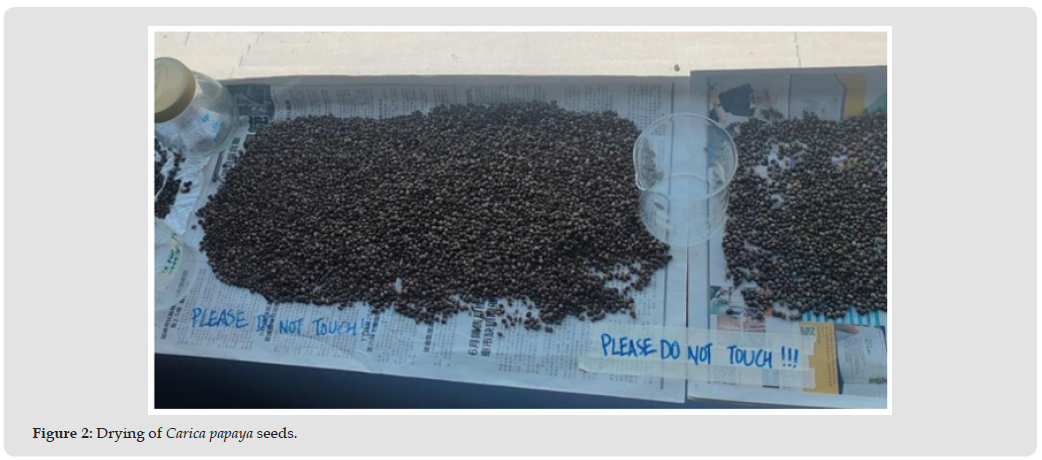
Sourcing and Initial Processing: Fresh Carica papaya seeds were supplied by the project supervisor. Before collection the seeds were pre-washed to remove the attached fruit pulp and impurities from the seeds.`No information was available about the geographic origin of the papaya fruits, at the time of collection. Manual Sorting and Air-Drying: The seeds were visually inspected and manually sorted to remove damaged seeds and foreign materials. The chosen seeds were placed on a newspaper evenly and allowed to air dry at room temperature (25 ± 2°C) for 2 days. The dried seeds were then ground to a fine powder in a mechanical grinder and kept in airtight containers for extraction (Figure 2).
Figure 2
Extraction and Phase Separation
Extended Maceration Protocol: A total dry mass of 263.75g of the pulverized Carica papaya seed powder was placed directly in a clean conical 1L flask to start the extraction. The matrix was then completely covered with 1000 mL of the ethanol solution (95%). The mixture was preserved in the conical flask because of the temporary technical unavailability of the rotary evaporator apparatus to enable extended maceration for complete extraction of secondary metabolites of the seed matrix [1,9]. This mixture was shaken by hand for about 15 minutes daily for the purpose of enhancing the penetration and extraction ability of the solvents. At least 15 minutes of daily shaking were applied to each shaking.
Filtration and Phase Isolation: After the extraction period of 14 days the crude mixture was filtered using muslin cloth. The filtration was performed quickly to reduce losses of the solvents in the air. The residue on muslin cloth was weighed immediately after filtration, which was recorded as 408.64 g. The fluid was then filtered a second time in the same hoop-frame filter assembly to remove fine particulate matter, giving a final clear liquid filtrate mass of 572.2g.
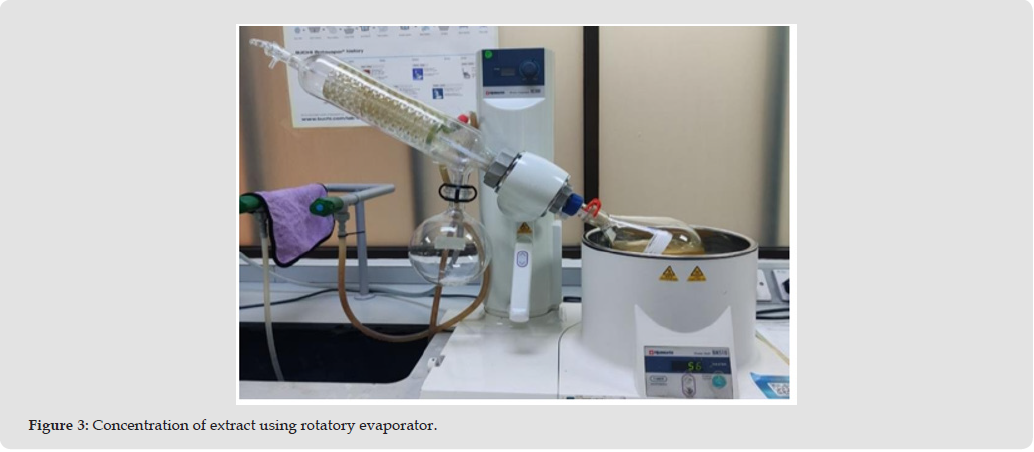
Concentration via Rotatory Evaporator and Phase Separation via Centrifugation: The concentration was achieved by a Rotatory Evaporator and the separation of the phases was done by Centrifugation. After passing through the filter the clear ethanolic filtrate was concentrated by rotatory evaporator. The fluid was mechanically centrifuged to separate out the individual chemical phases in the concentrated matrix. The process resulted in a division of the concentrate into two layers: A top hydrophobic layer that gave 8.47 g of Carica papaya seed oil. A lower layer of low density hydrophilic extract with a yield of 4.23 g of crude ethanolic extract (Figure 3).
Figure 3
Percentage Yield Calculation: Following the samples obtained through the concentrating process, the percentage yield was calculated by using the formula below:

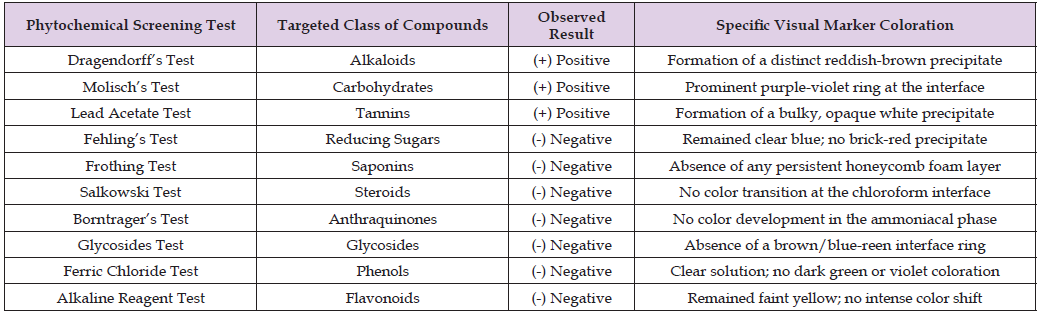
Qualitative Phytochemical Screening: Qualitative evaluation was done by making stock solution by completely dissolving 0.15 g of the crude ethanolic extract in 10 mL of 95% ethanol solution. To conduct the ten separate qualitative phytochemical tests, 2 mL aliquots of this stock solution were carefully placed in separate test tubes according to the standard qualitative phytochemical test adapted from Fajarwati [10].
In Vitro Antibacterial Assay
Bacterial Strains and Maintenance: The antibacterial activity of the extract was tested against the reference strains of Escherichia coli (Gram-negative) and Bacillus subtilis (Gram-positive) following the criteria outlined in previous literature [11]. All stock strains were first streaked onto nutrient agar plates to obtain viable mother plates. A second set of subcultures were then picked on new nutrient agar plates to obtain pure colonies.
Inoculum Standardization (McFarland Alignment): Fresh subcultures were grown in isolated colonies in conical flasks of nutrient broth. All the liquid cultures were incubated until the turbidity was equal with the freshly prepared 0.5 McFarland standard solution and the bacterial count in the liquid cultures was approximately 1.5 x 10⁸ cfu/mL before testing was conducted as described by Ugbogu [2].
Minimum Inhibitory Concentration (MIC) Assay
Gradient Preparation and Controls: The crude extract was diluted to produce a concentration gradient across five respective treatment levels: 20 mg/mL, 40 mg/mL, 60 mg/mL, 80 mg/mL, and 100 mg/mL. Ciprofloxacin was integrated into the assay layout as the positive control, while sterile distilled water served as the negative control.
Broth Dilution Evaluation: Each prepared concentration test tube and control test tube was inoculated with a uniform volume of the standardized bacterial suspension. The total setup was incubated at 37℃ for a 24-hour. After incubation, the experimental tubes were evaluated visually to observe for changes in turbidity to identify the minimum inhibitory concentration (MIC) capable of preventing visible bacterial replication [12].
Minimum Bactericidal Concentration (MBC) Assay: Following determination of the minimum inhibitory concentration (MIC), samples from all tubes showing no visible bacterial growth were aseptically streaked onto freshly prepared nutrient agar plates. The inoculated plates were incubated at 37°C for 24 hours. The minimum bactericidal concentration (MBC) was defined as the lowest concentration of Carica papaya seed extract that produced no visible bacterial colony growth on the agar surface, indicating complete bacterial killing. Where bacterial growth was observed after subculture, the extract was considered to exhibit bacteriostatic rather than bactericidal activity at the tested concentration.
In Vivo Antidiabetic Study
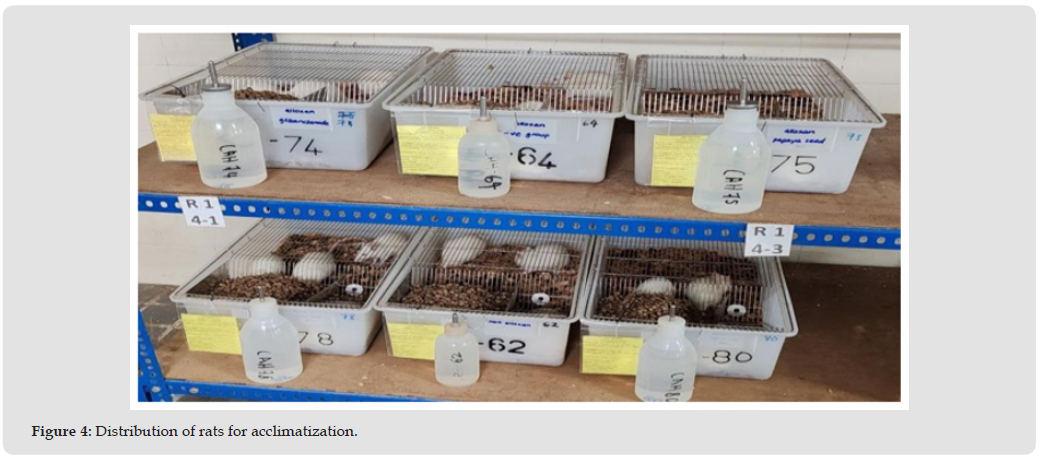
Animal Husbandry and Acclimatization: The healthy adult Sprague-Dawley rats (n = 36) weighing 180 -- 182 g were kept in standard polycarbonate cage with structured climate parameters (25 ± 2℃, 12 hours light-dark cycle) under model parameters validated by Fajarwati [10]. After the arrival, the animals were acclimatized for 2 weeks to ensure adaptation to the facility environment and stabilization of baseline physiological parameters. The rats had ad libitum access to normal pellet food and water. Distribution of rats for acclimatization is shown in Figure 4.
Figure 4
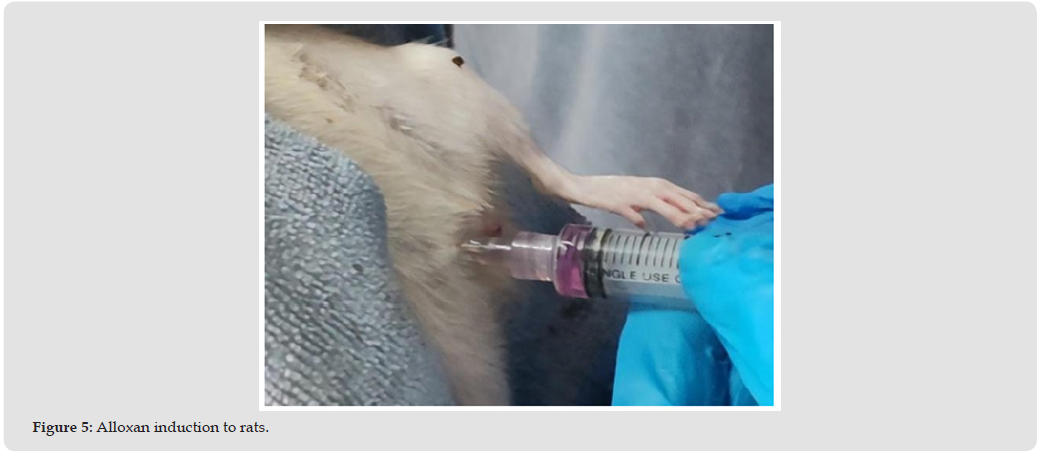
Chemical Induction of Diabetes: The experimental diabetes was induced by a single intraperitoneal injection of alloxan monohydrate (150 mg/kg body weight) in overnight fed (12 hours) Sprague-Dawley rats according to the procedure described by Lenzen [7,8] (Figure 5).
Figure 5
Hypoglycemia Prophylaxis Regimen: After alloxanization, rats were given 10% of glucose solution for 24 h to avoid acute hypoglycemia due to the abrupt release of insulin into the blood stream from damaged pancreatic β-cells [10]. Fasting blood glucose was determined from a blood sample taken from the tail vein on Day 7. A fasting blood glucose (FBG) greater than 11.0 mmol/l was used as a cut-off to define diabetes and was included in the treatment phase.
Treatment Protocol and Dosing Schedule: The rats were randomly allocated to 6 experimental groups (n = 6 in each group). Treatments given once a day for 21 days via the drinking bottles. Papaya seed extract and Glibenclamide were both suspended in 0.5% of carboxymethylcellulose (CMC).
1) Group I (Normal Control): Uninduced, normal rats fed on 0.5% carboxymethylcellulose (CMC) vehicle solution.
2) Group II (Alloxan Control / Diabetic Negative Control): Alloxan induced diabetic rats given 0.5% CMC vehicle solution.
3) Group III (Positive Control): Alloxan induced diabetic rats treated with standard Glibenclamide (10mg/kg body weight) in 0.5% CMC.
4) Group IV (Low Dose Papaya Seed Extract): Alloxan induced diabetic rats were given 125mg/kg of body weight of extract suspended in 0.5% CMC.
5) Group V (Medium Dose Papaya Seed Extract): Alloxan induced diabetic rats received 250mg/kg of body weight of extract suspended in 0.5% CMC.
6) Group VI (High Dose Papaya Seed Extract): Alloxan Diabetic rats were treated with 500mg/kg body weight extract suspended in 0.5% CMC.
Monitoring of Body Weight and Blood Glucose
Table 6: Shows the number of rats required and Figure 6 shows the blood sample collected by digital glucometer.
Table 6: Number of Rats Required.
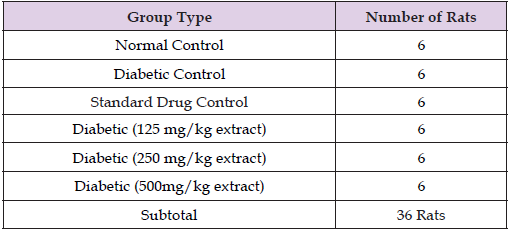
Figure 6
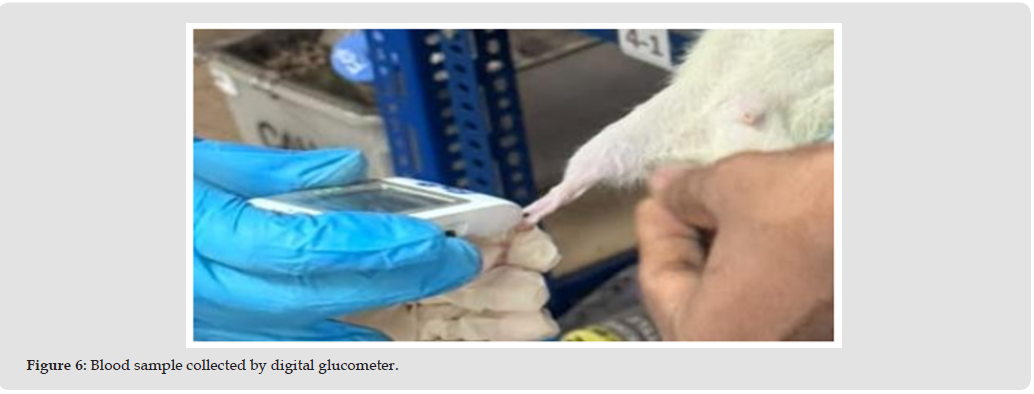
Body Weight: The body weight of each individual was carefully measured on Day 1, Day 7, Day 14 and Day 21 using an electronic analytical balance.
Blood Glucose Monitoring: Blood samples were collected by tail vein needle puncture on Day 7, Day 14 and Day 21, and were immediately measured in millimoles per liter (mmol/L) by a calibrated digital glucometer.
Statistical Analysis
Data are presented as means ± standard errors of the mean (SEM). The one-way analysis of variance (ANOVA) with Tukey’s post hoc test was used for statistical analysis. Statistically significant difference was considered at P< 0.05.
Ethical Clearance
Animals for scientific research are used in this project. In order to ensure compliance with ethical principles and standards, the following measures will be implemented:
1) Institutional Ethical Approval: The ethical approval from AIMST University will be obtained before the commencement of the research. The committee’s criteria will be met by the animal experimental protocol thus ensuring the welfare and humane care of the animals during the research.
2) Guidelines Followed: The National Research Council’s Guide for the Care and Use of Laboratory Animals and the Organization for Economic Co-operation and Development’s (OECD) guidelines for animal welfare will be strictly followed in the research. In the main, animal suffering, pain, and distress are minimized.
3) Animal Housing and Care: The animals in the experiment will be housed in a standard laboratory setting where the 12-hour light/dark cycle, controlled humidity (50–60%), and temperature (22–25°C) are maintained. Besides, the standard laboratory diet and water will be available to them free of any restriction.
4) Methods of Experimentation: To mitigate pain and discomfort, all the procedures including tissue harvesting and blood sample collection will be done under proper anesthesia. Standard operating procedures will be followed during the administration of treatments and collections of samples to ensure accuracy and also use humane methods.
5) Justification for Animal Use: The use of female Sprague-Dawley rats is justified as they provide a reliable model for studying Type 2 diabetes mellitus and thus mirror the human disease pathology. The number of animals used (n=6 per group) is statistically enough to achieve reliable results while also following the principle of minimizing the number of animals used in experiments.
6) Documentation for Approval: An ethics clearance letter will be requested from AUAEC/AUHEC and the reference number of the approved protocol will be included in the final report. A copy of the letter will be filed in the research library.
Extraction and Phase Separation Yields
The 263.75 g dried Carica papaya seeds were extracted by 14- day maceration and centrifugation in ethanol, which yielded two fractions: oil fraction and crude extract fraction. The percentage yield and yield of extraction for each fraction and physical properties of each fraction are given in Table 7 (Figure 7).
Figure 7
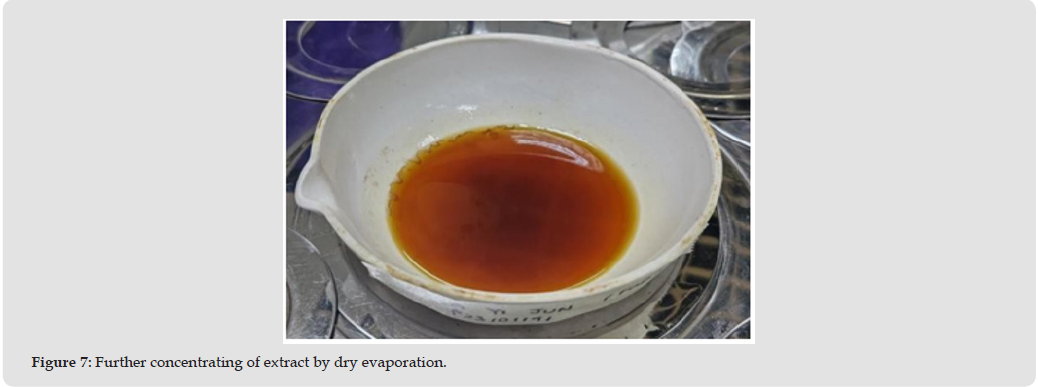
Table 7: Yield and Physical Properties of Carica papaya Seed Fractions.
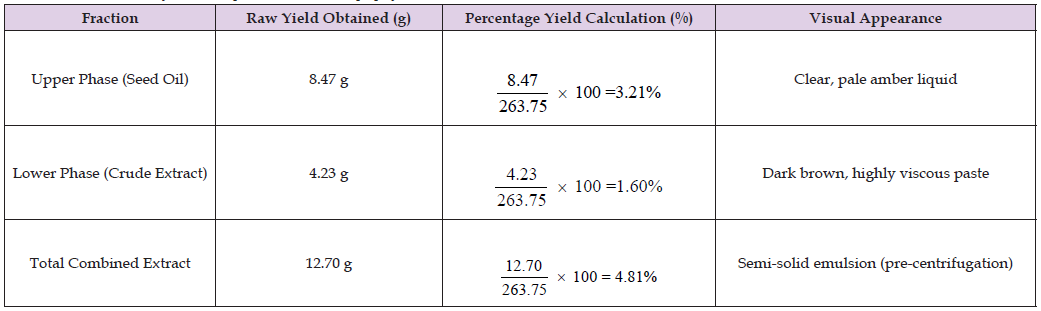
Note: Wet residue after filtration (Immediately Post-Filtration): 408.64 g
Recovered Liquid Filtrate Mass: 572.2 g.
Qualitative Phytochemical Screening
The qualitative phytochemical screening of the ethanolic extract indicated the presence of alkaloids, carbohydrates and tannin, while the other phytochemical tests were negative. The results of the color reaction are tabulated as Table 8.
Table 8: Qualitative Phytochemical Content of Carica papaya Ethanolic Extract.
In Vitro Antibacterial Activity of Carica papaya Seed Extract
The minimum inhibitory concentration (MIC) assay showed a selective visible growth inhibition between Gram-positive and Gram-negative reference strains, when the inoculum was set according to the 0.5 McFarland reference. The antibacterial activity of Carica papaya seed extract was tested using broth dilution method and determination of the minimum bactericidal concentration (MBC). The variable growth inhibition was seen against Bacillus subtilis, no bacteria growth was observed at 40 mg/mL and 100 mg/mL while bacteria growth continues at the remaining concentrations tested. Escherichia coli showed visible growth at all concentrations of extracts. No growth was seen after 100 mg/mL of Bacillus subtilis was subcultured on nutrient agar, suggesting that the MBC assay indicated that Bacillus subtilis was bactericidal at this concentration and shown in Figure 8. No bactericidal effect against Escherichia coli was found in the range of concentrations tested, however (Table 9,10).
Figure 8
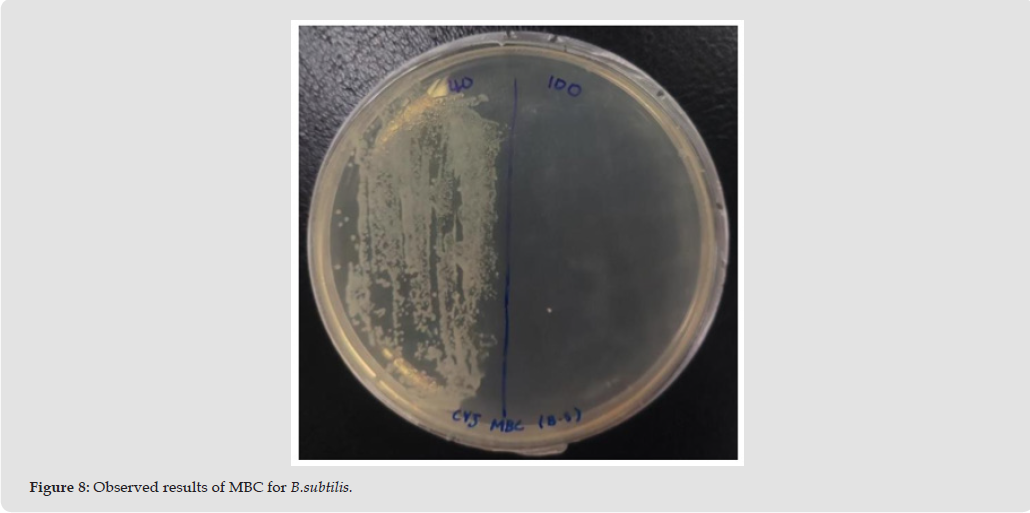
Table 9: Minimum Inhibitory Concentration (MIC) Visual Growth Profiles.

Note: (+) indicates visible bacterial turbidity (growth); (-) indicates complete solution clarity (inhibition of growth).
Table 10: Minimum Bactericidal Concentration (MBC) of Carica papaya Seed Extract.

In Vivo Metabolic and Glycemic Profiles
The body weight changes induced by C. papaya seed extract during the 21 days of treatment are shown in Table 11. The physiological profiles are presented below. There were no significant differences in body weight among all the experimental groups at the start of the study (Day 1), suggesting that all the animals were randomly allocated and were similar in their physiological condition at the beginning of the study. Body weight of the normal control group increased steadily and progressively from day 1 (180.56 ± 0.51 g) to-day 21 (199.96 ± 0.69 g), indicating normal growth and metabolic homeostasis. Rats in the alloxan-induced diabetic group, on the other hand, showed a significant and progressive decrease in body weight from Day 7 (P < 0.001) and by Day 21, body weight decrease to 159.58 ± 0.89 g. The significant weight loss found in the diabetic control group is in line with the catabolic effect of insulin deficiency after the alloxan injection. The weight loss was significantly reduced by Glibenclamide (10 mg/kg) treatment group in comparison with alloxan group. Body weight slightly decreased during the first week after induction of diabetes but gradually returned during treatment period to 191.19 ± 0.72 g (P < 0.001 compared with the alloxan control). Likewise, the body weight of diabetic rats was increased in a dose-dependent manner following administration of Carica papaya seed extract. The body weight of rats treated at 125 mg/kg showed slight improvement with the body weight reaching 177.74 ± 0.67 g after Day 21 (Figure 9).
Figure 9
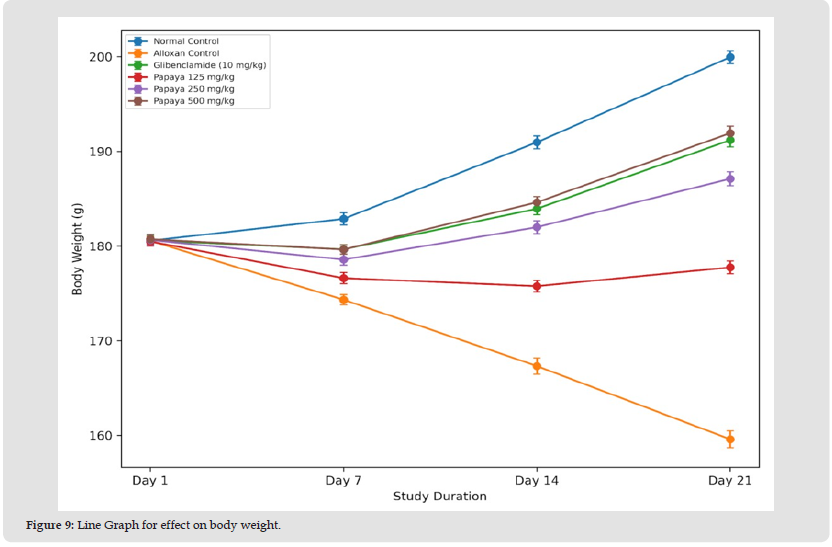
Table 11: Effect of Carica papaya Seed Extract on Animal Body Weight (g).
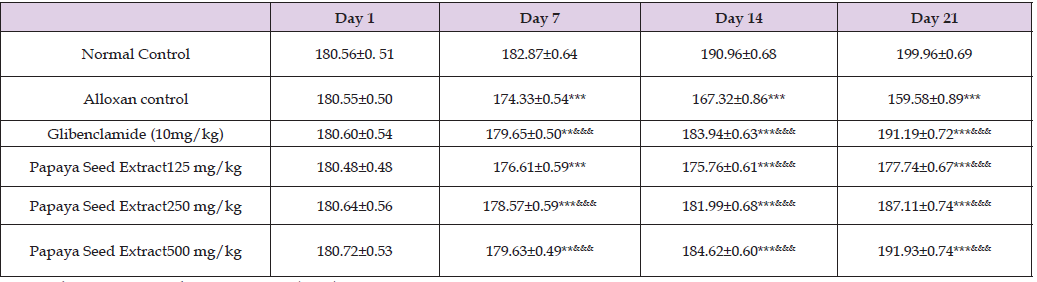
Note: Values are expressed as mean ± SEM (n = 6).
**P < 0.01, ***P < 0.001 compared with the normal control group.
&&P < 0.01, &&&P < 0.001 compared with the alloxan control group.
Statistical analysis was performed using one-way ANOVA followed by Tukey’s post hoc test.
The rats that received 250 mg/kg and 500 mg/kg showed better recovery with final body weight of 187.11 ± 0.74 g and 191.93 ± 0.74 g, respectively. The 500 mg/kg treatment was comparable to 500 mg/ kg of Glibenclamide, indicating that it may have a higher therapeutic efficacy at higher doses. The effects of Carica papaya seed extract on fasting blood glucose levels in alloxan-induced diabetic rats over the 21-day treatment period are presented in Table 12. The effect of Carica papaya seed extract on fasting blood glucose level of alloxan diabetic rats is shown in Table 4.6. In the normal control group, blood glucose level remained stable from Day 7 (4.82 ± 0.15 mmol/L) to Day 21 (5.00 ± 0.13 mmol/L) showing good glucose homeostasis. Diabetic control rats, however, induced with alloxan, had blood glucose levels that remained high throughout the experimental period. In diabetic rats the blood glucose was significantly elevated on Day 7 (15.38 ± 1.09 mmol/L) and Day 21 (18.05 ± 0.78 mmol/L) compared with blood glucose in the normal control group (P < 0.001). The results are in accord with the successful induction of diabetes mellitus after administration of alloxan. In those treated with Glibenclamide, a significant decrease in blood glucose levels throughout the treatment period was seen. Levels of blood glucose on Day 21 (5.98 ± 0.40 mmol/L) were significantly lower than those of the diabetic control group (P < 0.001) and were approaching levels of the normal controlgroup, on Day 7 (6.88 ± 0.47 mmol/L.) (Figure 10).
Figure 10
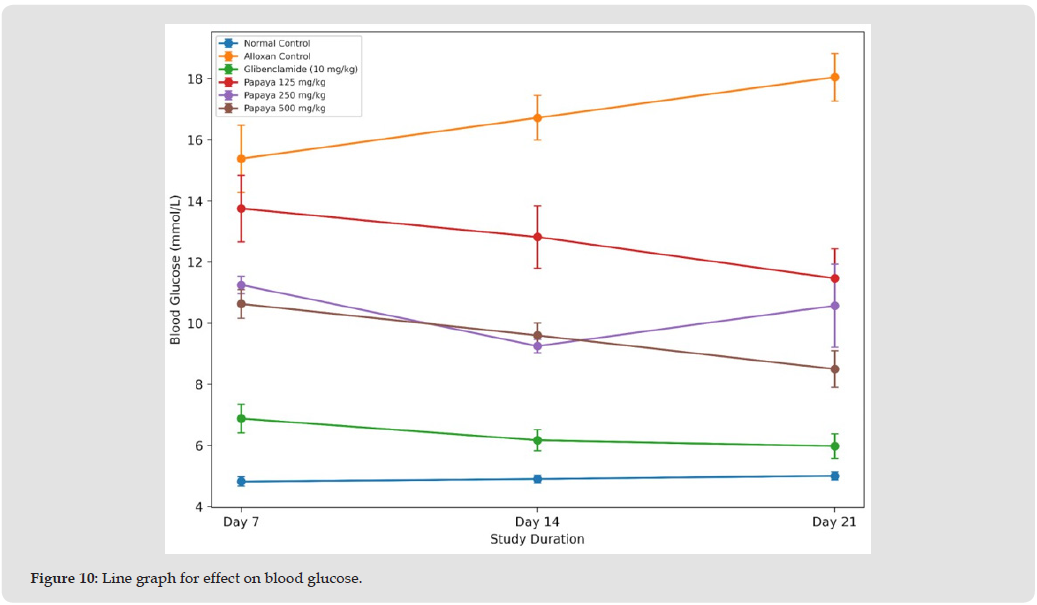
Table 12: Effect of Carica papaya Seed Extract on Blood Glucose Levels (mmol/L).

Note: Values are expressed as mean ± SEM (n = 6).
*P < 0.05, **P < 0.01, ***P < 0.001 compared with the normal control group.
&P < 0.05, &&P < 0.01, &&&P < 0.001 compared with the alloxan control group.
Statistical analysis was performed using one-way ANOVA followed by Tukey’s post hoc.
Furthermore, Carica papaya seed extract lowered significantly the blood glucose level of diabetic rats. The hypoglycaemic effect increased as duration of treatment, and concentration of extract increased. The blood glucose levels of rats treated with 125 mg/kg gradually decreased from 13.75 ± 1.09 mmol/L at Day 7 to 11.47 ± 0.96 mmol/L at Day 21. The 250 mg/kg group showed more improvement, and the glucose level has reduced from 11.25 ± 0.29 mmol/L to 10.57 ± 1.36 mmol/L during the same period. The greatest reduction was seen in the 500mg/kg group where on Day 7, the blood glucose was 10.63 ± 0.47 mmol/L, and on Day 21, the blood glucose reduced to 8.50 ± 0.60 mmol/L. The results showed that the anti-hyperglycemic effect of Carica papaya seed extract is dose dependent and time dependent.
Discussion of Extraction Yield and Phase Separation
The ethanolic extraction of the Carica papaya seeds yielded two different fractions: an upper oil fraction and a lower crude extract fraction. This phase separation implied that the papaya seeds have a multi-chemical composition with both lipid-rich and polar components in the seed extract. The higher concentration of oil fraction compared to the crude extract aligns with previous studies where papaya seeds were reported to be good source of fixed oils such as oleic acid, palmitic acid, stearic acid, and linoleic acid which make up a significant portion of the overall extract composition [1,4]. The extraction solvent chosen was ethanol, because it can be used to extract a wide spectrum of plant phytochemicals of different polarities. Ethanol permeates the plant tissues during maceration, and promotes diffusion of soluble compounds into the extraction solvent. Ethanol can extract polar compounds like alkaloids, tannins, and carbohydrates as well as a certain amount of non-polar lipid compounds, which may be the reason why the extract was separated into oil and crude fraction after removing the solvents. The results are in line with those of some previous studies, which found that the seeds of C. papaya could be extracted using ethanol to obtain high amounts of fixed oils as well as biologically active phytochemicals [1]. The lower recovery of crude fraction as compared to oil fraction could also have contributed to the subsequent phytochemical screening and biological assays.
The partitioning of bioactive constituents between the two fractions can create a decrease in the concentration of individual phytochemicals present in the crude extract, altering their detection in the latter and as a result, variations in antibacterial activity. In addition, extraction time, solvent composition, temperature and natural variability of plant material can also affect the extraction efficiency and phytochemical yields [9]. The recovery of the major bioactive constituents of Carica papaya seeds by the extraction method was successful in recovering enough extracts for phytochemical screening, antibacterial evaluation and anti-hyperglycemic assessment.
Discussion of Qualitative Phytochemical Screening:
A significant disparity is observed between the screening profiles and the baselines obtained from the literature, which is standard for the entire Carica papaya seed. Table 13 shows the comparison of standard expected outcomes vs. Actual Observed Results. Qualitative phytochemical screening revealed the presence of alkaloids, carbohydrates, and tannins in ethanolic extract of Carica papaya seeds, whereas flavonoids, glycosides, saponins, proteins, phenolic compounds, steroids and terpenoids were not found under the extraction conditions used in the present study. The presence of these phytochemicals suggests papaya seeds have several bioactive compounds that could help explain their potential pharmacological activity. Of the phytochemicals identified, those known as alkaloids are known to have a variety of biological activities, such as antimicrobial, antioxidant and anti-hyperglycemic properties. Papaya seeds are rich in occurrence of carpaine and other alkaloids that have been reported to be capable of disrupting microbial metabolism, inhibiting bacterial growth, and regulating blood glucose levels by enhancing insulin secretion and improving peripheral glucose utilization [2,3]. Likewise, tannins can also act as precipitants of proteins, disrupt cell membranes of bacteria and inhibit microbial enzymes, which is attributed as antibacterial activity.
Table 13: Comparison of Standard Expected Outcomes vs. actual observed results.
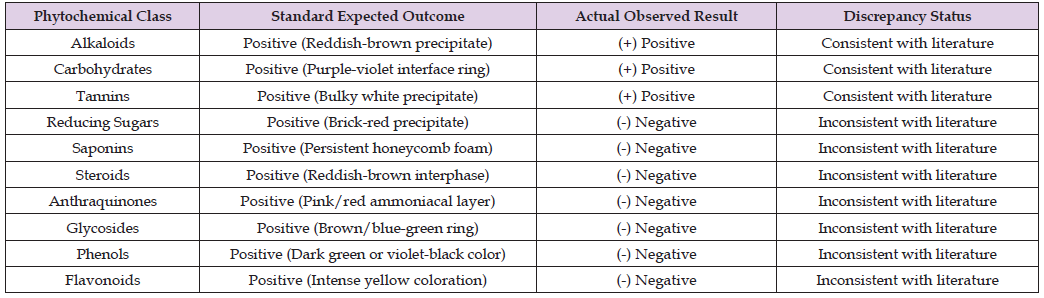
Moreover, tannins have antioxidant properties, which can lead to the reduction of oxidative stress due to diabetes mellitus and maintaining the function of pancreatic β-cells [1]. In addition, the extract contained carbohydrates which are considered as a nutritional component and not as the main bioactive compounds responsible for the pharmacological activities of papaya seeds. However, the biological effects observed in the present study are more likely to be attributed to the presence of secondary metabolites, especially alkaloids and tannins, which have been reported, consistently, as one of the major contributors for the medicinal properties of Carica papaya seeds [9]. Flavanoids and phenolic compounds, which were reported in other studies, were not detected in the present study. These variations are not unusual, and could be explained by the different extraction solvents used, extraction method, geographical origin of plant material, maturity of the seeds, storage conditions and different sensitivity of qualitative phytochemical tests. Also, it is worth noting that some of the compounds in the extract could have been partitioned into the oil fraction, thereby causing a loss of concentration in the crude extract subjected to phytochemical screening [1,4].
In general, the phytochemical profile uncovered in this study justifies the possible biological activities of the extract of Carica papaya seed. The presence of alkaloids and tannins are a plausible explanation for the antibacterial and anti-hyperglycemic activities detected in the further experiments and warrant further investigation on these bioactive components.
Discussion of Antibacterial Activity
Antibacterial activity of Carica papaya was assessed by broth dilution method and the minimum bactericidal concentration (MBC) was determined. During the broth dilution assay, the extract did not show any bacterial growth at 40 mg/mL and 100 mg/mL in the case of B. subtilis, which is a Gram-positive bacterium. Escherichia coli showed growth at all concentrations used which showed that the extract lacked antibacterial activity against E. coli within the range of concentrations studied. Besides that, there were no bactericidal activity against both types of bacteria in the MBC assay. The observed antibacterial activity against Bacillus subtilis can be explained by the presence of alkaloids and tannins as revealed by the phytochemical screening. Such secondary metabolites have been found to be inhibitory in bacterial growth in a variety of ways such as disruption of the integrity of cell membrane, essential metabolic enzyme inhibition, protein synthesis inhibition and precipitation of cellular proteins. Further, Carica papaya seeds contain a bioactive compound called benzyl isothiocyanate (BITC), which has been reported to possess antimicrobial properties against various bacteria due to its ability to inhibit the cellular functions of bacteria by disrupting intracellular metabolic processes [4,5]. The higher susceptibility of Bacillus subtilis to Escherichia coli is in accordance with the structural difference between gram positive and gram- negative bacteria.
In the Gram-positive bacteria, the cell wall is thick and made of peptidoglycan, whereas the Gram-negative bacteria have an additional outer lipopolysaccharide (LPS) membrane. The outer membrane is an extra permeability barrier that prevents many antimicrobial agents from killing Gram-negative organisms, decreasing the effectiveness of these antibiotics [5]. Thus, the phytochemicals present in the ethanolic extract could have taken better penetration to the cell wall of B. subtilis than E. coli. Bacterial growth was not completely inhibited during MBC assay but bacterial growth and inhibition of Bacillus subtilis was noted in selected concentrations during broth dilution assay. This means that the extract acted bacteriostatically, keeping the bacterial growth from reaching a lethal level within the range of concentrations used in this study. A variable inhibition pattern was found during the broth dilution assay and may be explained by the lack of consistency in the distribution of the inocula, the homogeneity of the extracts, and/or by the manual preparation of the dilution series in this initial single run study. Hence, it is suggested to repeat experiments to validate the repeatability of the results. In general, it can be concluded that ethanolic extract of Carica papaya seeds has selective antibacterial activity against Gram-positive bacterium Bacillus subtilis and has weak antibacterial activity against Escherichia coli under the experimental conditions used.
Future studies at higher extract concentrations should be conducted to confirm if the extract can have bactericidal effect and include biological replicates and should include a wider range of clinically relevant bacterial species to further characterize the antibacterial potential of the extract as no bactericidal activity was observed in the concentration range tested.
Discussion of Body Weight
One of the important physiological indicators to assess progress of diabetes mellitus and therapeutic efforts is the body weight. Alloxan diabetic rats showed a steady decline in body weight during the experimental period while Carica papaya seed extract rats showed the body weight was improved gradually as compared to the diabetic rats. The effect of the extract on the maintenance of body weight was found to be dose dependent, becoming more apparent with increasing doses of extract. The decrease in body weight of the diabetic control group is in line with the diabetic pathological changes that occur due to insulin deficiency. Alloxan destroys pancreatic β-cells and decreases insulin production which leads to a decrease in cellular uptake of glucose. As a result, the body turns to stored fats and proteins as alternative energy sources, resulting in greater lipolysis, protein catabolism, muscle wasting and weight loss [7,8]. It is a phenomenon that is well known to be one of the common clinical signs of uncontrolled diabetes mellitus. The body weight loss in diabetic rats was partially reversed by Carica papaya seed extract. The progressive weight gain can be correlated with the increase in the glucose utilization due to the anti-hyperglycosimic effect of the extract.
The antioxidant activity of phytochemicals in papaya seeds, such as alkaloids, tannins, and phenolic compounds, has been suggested to prevent oxidative stress and potentially maintain some insulin secretion by preserving a portion of pancreatic β-cell function, which could enhance insulin secretion and glucose metabolism [3,6]. Better glycemic control may then lead to a decrease in protein catabolism and more efficient utilization of nutrients which can result in progressive gain in body weight. The present results agree with previous reports on the effect of CPE on diabetic rats showing weight loss after CPE treatment. However, individual animal variability, food and water consumption, metabolism and variation in the concentration of bioactive compounds in the extract may have played a role in the extent of body weight restored in the present study. Changes in body weight should be assessed in experimental models of diabetes with reference to these variables. In general, the reduction in body weight observed in the extract treated groups indicates that Carica papaya seed extract can help reduce diabetes induced weight loss due to the effects on insulin deficiency and enhanced metabolic function. The findings confirm the possible anti-hyperglycemic activity of the extract as was seen in the present study.
In general, the reduction in body weight observed in the extract treated groups indicates that Carica papaya seed extract can help reduce diabetes induced weight loss due to the effects on insulin deficiency and enhanced metabolic function. The findings confirm the possible anti-hyperglycemic activity of the extract as was seen in the present study.
Discussion of Blood Glucose Levels
The hallmark of diabetes mellitus is hyperglycemia which is a good parameter to assess the effectiveness of anti-hyperglycemic therapy. The diabetic group of animals had significantly high blood glucose level in the fasting State during the experimental period of 21 days while the rats treated with Carica papaya seed extract had blood glucose level which gradually decreased during 21 days. This glucose-lowering effect increased with the increase in the extract dose, suggesting a dose-dependent anti-hyperglycemic effect. The most significant reduction in the fasted blood glucose was seen in the treatment groups that received the highest dose of extract, indicating improved glycemic control after extended treatment. Anti-hyperglycemic activity seen in this study could be due to synergistic effect of the bioactive phytochemicals present in the ethanolic extract. The anti-hyperglycemic effects of the various bioactive compounds of these plants have been reported in the literature due to different complementary mechanisms: inhibition of carbohydrate hydrolyzing enzymes (such as α-amylase and α-glucosidase) [3,6], stimulation of insulin secretion, improvement of peripheral glucose utilization, and attenuation of oxidative stress related to pancreatic β-cell damage [3,6]. Such antioxidant activity of these phytochemicals could also be protective in preserving residual pancreatic β-cells from oxidative stresses caused by alloxan and help maintain glucose homeostasis.
The success achieved in lowering fasting blood glucose level after giving Carica papaya seed extract is in line with other studies that showed the antidiabetic effect of papaya seed extract in chemically induced diabetic animal model. Agada [3] showed that papaya seed extract was able to significantly inhibit the activity of α-amylase and α-glucosidase, which causes a delay in carbohydrate digestion, and ultimately an inhibition of the glucose absorption in the intestine. In the same way, Agada [6] found that the antioxidant properties of phytochemicals found in papaya seeds can aid in regulating blood glucose levels and improve pancreatic function. The current results thus corroborate the previous studies which found that Carica papaya seeds are potentially anti-hyperglycemic. While changes in blood glucose levels were seen after treatment, the exact mechanism behind the anti- hyperglycemic action was not examined in the current study. Other biochemical tests such as serum insulin determination, glycated hemoglobin (HbA1c), antioxidant enzyme activity and histopathological examination of pancreatic tissue would be useful for understanding the mechanism of action of the extract. In addition, an individual phytochemical quantification would allow to establish correlations between the bioactive compounds and their glucose-lowering effects.
The results of the present study reveal the anti-hyperglycemic potential of ethanolic extract of C. papaya seeds in alloxan induced diabetic (Sprague-Dawley) rats. Collectively, the reduction in fasting blood glucose that was observed, along with improved body weight, indicates that the extract may have a positive effect on glucose metabolism and may help to partially reverse the metabolic effects of diabetes mellitus. In conclusion, the results of this study suggest that Carica papaya seeds could serve as a natural source of bioactive compounds for future studies on their potential as natural antidiabetic agents [13-32].
The present work was the first to systematically characterize and assess both the antibacterial and antidiabetic properties of the ethanolic extract of Carica papaya seeds. The presence of alkaloids, carbohydrates, and tannins in the ethanolic extract of the seeds has already been qualitatively confirmed by previous researchers. The extract was found to be active predominantly against Bacillus subtilis, especially at 100 mg/mL where bactericidal activity was observed in the microdilution test to evaluate minimum bactericidal concentration (MBC). Surprisingly, the tested extract had no effect on the growth of Escherichia coli, indicating a possible species-specific nature of the antibacterial efficacy of Carica papaya seed extracts. Feeding the rats with Carica papaya seed extract for a month resulted in an appreciable fall in their glucose (fasting blood glucose) levels and increased body weight in alloxan-induced diabetic Sprague-Dawley rats. The reduction could probably be attributed to the cooperative effect of different phytochemicals mainly alkaloids and tannins in the Carica papaya extract which are known for their free radical scavenging and glucose lowering abilities. Therefore, the results of this research confirm that Carica papaya seed phytochemicals which are of natural origin can serve either as standalone sources for medicinal preparations or in combination to produce drugs with both anti-perative and antimicrobial properties.
This finding may be a foundation for new investigations aimed at pharmacologically validating these compounds and their derivatives and at the same time will help to shift attention from an agricultural waste product to a highly valuable natural product.
In order to better interpret the results, several aspects such as the phytochemistry of Carica papaya seed extracts may need further investigation or may have only limited relevance at this stage. As a first limitation, only phytochemical screening at a basic level was performed, thus making it very difficult to know the exact chemical identity of the individual bioactive molecules, nor their quantitative distribution, responsible for the biological effects. Secondly, a preliminary test was employed for testing the antibacterial activity only with two different bacterial species, so the antimicrobial efficacy data are not reproducible in terms of the species spectrum, and thus their generalizations are limited. Besides, the use of the alloxan-induced diabetic rat model for the evaluation of potential antidiabetic activity has a number of shortcomings such as its limited similarity (only in terms of some of the physiological and biochemical characteristics) to the human system and lack of investigations in terms of, for example, measuring levels of HbA1c and assessing insulin, measuring stress oxidative markers, and studying pancreatitis at the histological level.
The authors are much grateful to the Faculty of Pharmacy, AIMST University for providing all facilities at MDL 4 in order to complete the present research project. MDL 4 staff were also very helpful and cooperative during the entire course of practical.

International Association of Landscape Archaeology, Czech Glass Society, Czech Republic

Department of Chemistry, Semenov Institute of Chemical Physics, USSR Academy of Sciences, Moscow, Russia

Neurology, LA BioMed Research Institute, USA

Associate Professor at Department of Breast and Thyorid Surgey, Chongqing General Hospital, China

Professor of Nuclear Medicine, Faculty of Medicine and Surgery, University of Milan, Milan, Italy





 Abstract
 PDF