info@biomedres.us
+1 (502) 904-2126
One Westbrook Corporate Center, Suite 300, Westchester, IL 60154, USA
Site Map
 ISSN: 2574 -1241
ISSN: 2574 -1241
ISSN: 2574 -1241
Received: July 14, 2026; Published: August 12, 2026
*Corresponding author: Yashwant Pathak, Taneja College of Pharmacy, Graduate Programs University of South Florida, Tampa Florida 33612, USA
DOI: 10.26717/BJSTR.2026.66.010336
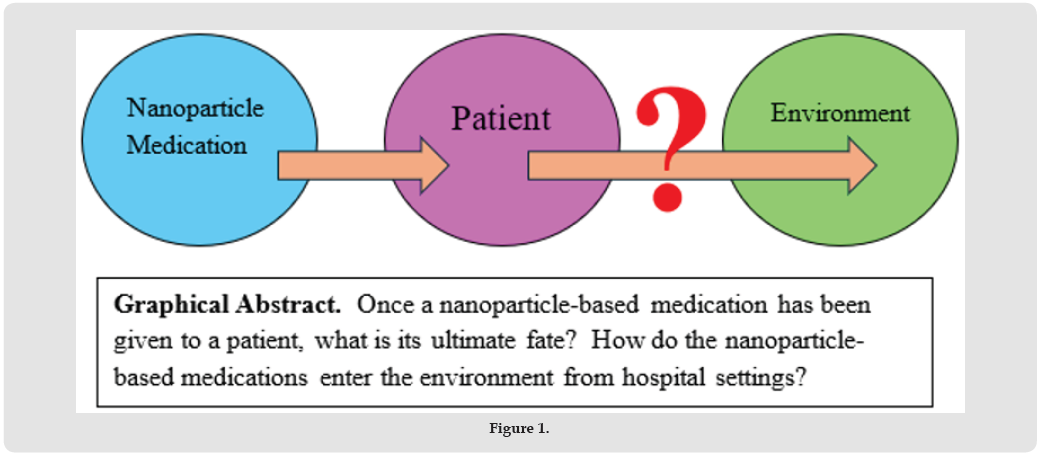
For nanoparticle-based medications, there exists a concern of environmental pollution. There is a question of the ultimate fate of those nanoparticles and how they are able to enter the environment. The concern of nanoparticles in the environment is due to their negative ecological impact, including biomagnification. An inherent property of nanoparticles is their high surface area, making them highly reactive; a small concentration of a nanoparticle can lead to very large effects. Furthermore, nanoparticles have the potential to accumulate in an organism, be that a patient or an animal in the food chain. The result is that nanoparticles can accumulate in organisms in higher trophic levels, including humans. The problems of biomagnification and environmental toxicity due to nanoparticles are only possible due to improper safety management. Even in populations where there is an understanding of nanoparticle and pharmaceutical safe handling, proper disposal procedures are not adhered to. Consequently, safe nanoparticle disposal regulations need to be implemented to prevent further environmental pollution. Research is also needed on understanding the pathway of pharmaceutical nanoparticles from a hospital setting to the environment (Figure 1).
Abbreviations: DDS: Drug Delivery Systems; ROS: Reactive Oxygen Species; LCA: Life Cycle Assessment; EPR: Enhanced Permeability and Retention; CNTs: Carbon Nanotubes; EOL: End of Life
Figure 1
Nanoparticles are generally accepted as materials with dimensions between 1 and 100 nanometers [1]. The most important physical characteristic of nanoparticles is their high surface area to volume ratio due to the nanoscale size [1]. This means that nanoparticles are very reactive and have high absorption. Nanoparticles are characterized by material composition (i.e. metallic, carbon, lipid nanomaterials) and shape (i.e. nanotubes, rods, spheres, cages) [1]. The origins of these nanomaterials can be solely human engineered or come from natural products that have been characterized and reproduced in a lab [1]. There are two main approaches to nanoparticle synthesis: top-down and bottom-up [1]. The top-down approach starts from the bulk material that is fragmented into the nanoscale size through different chemical techniques (e.g. laser ablation, lithography, pulsed wire discharge) [1]. The bottom-up approach combines atoms and molecules that form the nanomaterial; this can include self-assembly of the nanoparticles [2].
Due to the high absorption of nanoparticles from the high surface area to volume ratio, only a small concentration of the nanoparticle is needed to induce the intended chemical response [2]. Minor changes in concentrations can magnify effects, and thus lead to toxicity. Related to toxicity is aggregation of nanoparticles into bulk form. Aggregation and self-assembly of nanoparticles (i.e. the tendency of molecules to naturally order themselves in a form) are governed by their inherent physical properties, as well as interactions within their environment [2]. Inherent physical properties include surface chemistry (i.e. the charge and functional groups that are attached to the surface of the nanoparticle). The surface chemistry of nanoparticles can be manipulated in order to create the desired particle [4]. Aggregation state, where the nanoparticles have clumped together into bulk form, can change the behavior of the nanoparticle, producing side effects [3].
Nanotechnology applications to the healthcare field involve imaging, diagnostics, and pharmaceutical medicines [5]. Nanomaterial pharmaceuticals have the potential to eliminate certain problems of traditional bulk medicines: delivery and dosage. Nanoscale drug delivery systems (DDS) allow for directed drug delivery so that the drug only reaches the intended target [3]. The directed delivery bypasses other organ systems (e.g. digestive or excretory with liver or kidneys), leading to less side effects [3]. The drug will have the same chemical reaction for side effect and intended effect, but the location of the reaction and with what molecules is relevant (i.e. a drug side effect is its chemical reaction in the wrong organ system) [3]. Nano DDS can bypass certain anatomical barriers that traditional bulk medicines cannot: their small size can fit between cells for better tissue penetration [5].
The properties that make nanomaterials desirable pharmaceuticals and DDS also make them dangerous pollutants [2]. The consequences of drug side effects also occur through unwanted exposure to nanoparticles in the environment, be that from side (unintended) products or improper disposal and subsequent wastewater pollution.
Nanoparticles in the environment can contaminate soil and water, making their way up the food chain (i.e. trophic transfer) when they enter plants and small organisms at the bottom of the food web [6]. The negative effects from the nanoparticles can include increased cell death, DNA damage, and inflammation [7]; the full environmental effects of nanoparticle pollution are still being researched. The effects of nanoparticle pollution likely differ from laboratory conditions due to interactions with other chemicals in the environment, transforming the nanoparticles [8]. Nanoparticle transformation can be due to the physical environment, with light producing reactive oxygen species (ROS), or due to biological factors, with microorganisms chemically reacting (e.g. redox reactions) with the nanoparticles [8].
The life cycle assessment (LCA) follows the nanoparticle from raw material to waste disposal and management [9]. Through LCA, the origin of nanoparticles into the environment can be identified, with the most common sources occurring as waste during production and end of life disposal (EOL) [9]. A stream of entry for nanoparticles into the environment following disposal is via wastewater and water treatment plants [7]. According to [10], normal concentrations of environmental nanoparticles are not likely to lead to health risks (due to low concentrations and aggregation state), but sewage effluent (wastewater) is a point source where nanoparticle concentration can increase, thus causing problems; however, the full environmental implications of the wastewater stream are not fully understood.
There exists a research gap on the fate of nanoparticle pharmaceuticals surrounding wastewater management in life cycle assessment [11]. The EOL of the nanoparticles is under examined, especially in complex situations; there is no accepted model for tracking of nanoparticle drugs after they have been taken by the patient [9]. The complexity of nanoparticles in wastewater is compounded by potential transformations of the nanoparticles; the nanoparticles interact with natural compounds, but also other chemicals, including other pharmaceuticals [8].
Fate of Nanoparticles in the Environment
A current fate for EOL of nanoparticles is to end up in the environment as pollution [8]. Due to the complexity of the entry points of nanoparticles and variety of compounds in the environment, the resulting composition (and thus effect) of the nanoparticles on the environment is unknown [8]. Existing research on pharmaceuticals in hospital effluent and wastewater is somewhat limited to anticancer drugs, as nanotechnology is an emerging field with few nanoparticle drugs actively on the market [11]. This data can be extrapolated to nanoparticle drugs because some anticancer drugs are nanoparticle- based; this data can also be applied to the aggregated states of the nanoparticle drugs, as those are similar to bulk form [12]. Although the specifics of the chemical structure and properties of nanoparticles in the environment is highly variable, similarities can be found [13]. Metallic nanoparticles have antimicrobial properties, which is desired in wound treatment for patients, but can disrupt physiological process and the microbiome for humans exposed [13]; microorganisms naturally occurring in the environment are also negatively impacted. Metallic nanoparticles, especially silver nanoparticles, produce ROS [13]. Reactive oxygen species are naturally produced by nanoparticles (e.g. sometimes deliberately as a mechanism of action for tumor treatment) and are very reactive. The free radicals pull electrons from other molecules, where ROS can beget other ROS. ROS can damage DNA and other cellular structures, including mitochondria, leading to oxidative damage in an organism [13]. Many organisms also have a microbial stage to their life cycle; nanoparticle pollution can target that stage and prevent reproduction of a necessary microorganism [6]. Other drugs target DNA and protein synthesis as a mechanism of action (e.g. preventing tumor growth or treating a bacterial infection); this effect is not desired when introduced to the environment [14]. The results of this damage can cascade through the food chain; destruction of a prey organism prevents proliferation of the organism in the next trophic level (trophic cascade) [14].
Bioaccumulation
The buildup of nanoparticles within organisms is a problem from nanoparticle environmental pollution. Bioaccumulation is the process of increasing concentration of a toxin, nanoparticles in this case, within an individual organism. Bioaccumulation can occur with any toxin, but the enhanced permeability and retention effect (EPR) of nanoparticles increases the tissue penetration and retention [15]. The EPR property of nanoparticles is desired in pharmaceuticals, where longer retention times means lower dosages given to a patient and thus less side effects, but this also means that a limited quantity of nanoparticles can have long term effects [4]. There are different elimination pathways for nanoparticle clearance from the body. Renal clearance is the process blood filtration in the kidneys where the nanoparticles (and other metabolic wastes) are excreted through the urine. Hepatic clearance goes through the liver: liver hepatic cells filter the blood and excrete wastes through the digestive system [15]. Despite these clearance and elimination mechanisms, nanoparticles still accumulate within an organism: Detail the process of hepatic clearance and how gold nanoparticles are sequestered by Kupffer liver cells in rats and therefore not eliminated from the organism[16]. The Kupffer liver cells are likely responsible for the lack of hepatic clearance: rats with suppressed Kupffer cells had a much larger elimination of gold nanoparticles through feces [16]. Smaller nanoparticles are also more likely to be eliminated from the organism; the aggregation state can also influence clearance with the bulk form leading to greater bioaccumulation [15].
This means that it is important to be intentional in the design process of nanoparticles: their size and shape influence aggregation within a particular environment, changing their chemical properties and potentially causing retention toxicity issues [17]. The transformation of nanoparticles as they interact with their environment does not only change aggregation state of the nanoparticles, but also their resulting toxicity [18]. The surface chemistry of the nanoparticles changes following chemical reactions with other compounds, affecting solubility and charge [8]. Transformed nanoparticles can have more deleterious effects (e.g. higher concentrations of silver nanoparticles are toxic), especially if the changes in the nanoparticles are not reversible [8] Compared to laboratory conditions, these transformed nanoparticles may show greater bioaccumulation, prolonging the toxicity due to lack of clearance [18]. Due to the prevalence of metallic nanoparticles (e.g. gold and silver nanoparticles) in emerging medications (desired for antimicrobial properties), metallic nanoparticles are becoming more widespread in environmental pollution [17]. The relative concentration of nanoparticles in the environment can be exacerbated in wastewater treatment facilities [17]. Metallic nanoparticles are not fully cleared from the treated water, releasing a concentrated sludge of the nanoparticles inadvertently into the environment [17]; this indicates a need for improved filtration technologies and implementation of wastewater monitoring continually during treatment.
Biomagnification
The problem of nanoparticle accumulation is not limited to individual organisms but also can influence the entire food web and cascade through the trophic levels. Individual organisms experiencing nanoparticle bioaccumulation are preyed upon by organisms in the next trophic level, therefore directly transferring the nanoparticles up the food chain, bypassing the original point source to the environment [19]. This is the process of biomagnification: increasing concentrations of nanoparticles in organisms in higher trophic levels (i.e. the predator at the top of the food web has a much higher nanoparticle concentration compared to the organism at the base of the food web) [19]. Biomagnification is especially common among metallic nanoparticles. Both silver and gold nanoparticles have shown to transfer trophic levels, leading to toxic effects throughout the food chain [20-22]. Although the route of exposure to the nanoparticle can change the bioaccumulation concentration, there is an overall trend of increasing concentrations at higher trophic levels; the effects of biomagnification are also effected by the mode of sequestration (i.e. which tissues the nanoparticles accumulate in), but still demonstrate increasing concentrations [20]. Comparison of nanoparticle retention(and thus biomagnification) of metallic versus non-metallic (e.g. lipid-based nanoparticles) is not fully understood, but this topic is beyond the scope of this paper [19].
Biomagnification of nanoparticles is not simply concern for the organisms within the environment (and the ecosystem services they provide), but also for agriculture: nanoparticles are affecting plants and animals intended for human consumption [21]. Nanoparticles are showing deleterious effects on individual trophic levels (i.e. interrupted plant germination and animal embryo development), but also as they move up the food chain [20,22]. With regards to fish farming, the microalgae feed for fish are exposed to nanoparticles and can transfer them to the shrimp and fish up the food chain [20]. This means that the farmed fish for human consumption can have dangerous levels of nanoparticles, potentially causing oxidative stress or reproductive problems in the humans that consume them [20].
Current Procedures
This paper has thus far addressed the consequences of nanoparticle environmental exposure, but not the pathway for how the nanoparticles enter the environment. Hospital waste streams are a common point source for nanoparticle environmental pollution [11]; this can be attributed to improper disposal procedures and waste management. Part of the standard operating procedure for dealing with medical waste is the control banding approach. This approach is a method of labeling and differentiating hazardous wastes based on their potential for toxicity, this is an important part of nanoparticle collection for disposal [23]. Although the control banding approach has proven effective in mitigating occupational safety hazard for nanoparticle usage, it is only useful for managing the nanoparticles when they are in house (i.e. still in the hospital setting). Management of the nanoparticles and other hazardous waste does facilitate proper disposal and thus less pollution into the environment. Training of healthcare workers and providing disposal supplies reduces occupational safety risks at the source. By creating hospital waste management procedures and ensuring that they are followed by workers, occupational safety has improved, thereby also reducing environmental pollution [24]. The areas of the globe that are most in need of nanoparticle removal (due to manufacturing locations or lack of disposal facilities) are not able to remove the nanoparticles from the environment; they do not possess the technologies for environmental remediation [25]. These areas are also likely to outsource their hazardous waste disposal. Investment into these communities is imperative for reducing environmental nanoparticle pollution.
Methods of Disposal
The actual disposal method of nanoparticles is akin to those for other hazardous or biological waste: incineration. Incineration as a disposal method is the most common method due to the near universality of treatment of different types of hospital waste [26]; in cineration disposes of sharps, organic matter, and nanoparticles (at sufficient temperatures). Incineration also does not introduce other chemicals into the environment, unlike chemical disposal methods (e.g. pH treatment) [26]; however, incineration does produce ash and other emissions, which are of nanoparticle size. Incineration as a method of nanoparticle and hazardous waste disposal is effective at disposal, but also has great environmental risks. If the incinerators have the ability to capture the ash and created nanoparticles, then this method of disposal is an environmentally friendly method [25]. The risks of introducing new nanoparticles into the environment during the process of nanoparticle disposal can be alleviated via collection technologies; the spray scrubber method can collect incineration created nanoparticles [27]. Ideally, the incineration of hospital waste occurs in-house at the hospital; however, this is not always possible, leading hospitals to outsource to landfills for disposal [28]. Outsourcing of hospital waste can be due to lack of facilities on site or insufficient resources (i.e. the population the hospital is serving produces far more waste than in house disposal facilities can manage). The transport of hazardous waste to the disposal site is another point source for introducing nanoparticles into the environment. Disposal in other locations can potentially contaminate more areas. These problems can be addressed as community waste management, ensuring enough disposal facilities to meet the needs of the population.
Although incineration is the current standard for hazardous waste disposal, emerging research suggests that incineration is not sufficient for complete destruction of nanoparticles, particularly carbon nanotubes (CNTs). Traditional methods of hazardous waste destruction include incineration, chemical (i.e. use chemical to react with the waste and break down), and recovery (i.e. physically remove the contaminants); these methods are able to reduce the amount of CNTs, but not destroy them completely [29]. Current research is exploring other methods of disposal, especially biological methods. Making use of existing biological mechanisms (enzymes, insects, fungus, bacteria) is a possibility for safer and complete destruction of nanoparticles [29]. More research is needed on these mechanisms to ensure that they are environmentally safe and do not unintentionally create more toxic nanoparticles as a result.
Perspectives on Disposal Procedures
Education for healthcare workers and a community at large is important for proper implementation of effective nanoparticle disposal practices. A lack of awareness of environmental or human health implications leads to improper disposal (e.g. flushing into wastewater); regulation on methods of disposal and community outreach can further mitigate the risks of nanoparticles entering the environment [30]. The community outreach and assessment of disposal procedures also needs to include impoverished areas; these areas may be aware of the hazards of improper disposal, but do not necessarily have the resources to implement the risk management strategies[31]. This gap between understanding of risks with nanoparticle disposal and the ability to implement effective disposal procedures is a problem for human health and the environment [32]. Population surveys from various countries (Ghana, Zimbabwe, Nepal, Bangladesh, Lebanon, South Korea) suggest that improper disposal of pharmaceuticals, including nanoparticles, is a global issue [33-38]. A lack of awareness of the full effects of improper disposal (e.g. biomagnification of nanoparticle toxicity) results in disposal of unused pharmaceuticals and other hazardous waste via wastewater or regular garbage [33]; this disposal occurs in both households and hospital pharmacy settings. The lack of awareness of proper pharmaceutical disposal can be addressed via education of the general population and of healthcare workers. Building a culture of safe handling and disposal of pharmaceuticals and other hazardous waste is necessary for worker/personal safety, but also for reducing environmental pollution [35]. A population of healthcare workers educated on the disposal procedures is one that is more likely to follow through with the safe practices.
Increased education of disposal and nanoparticle EOL procedures comes with increased management and regulation of said procedures. Incentives may be needed to ensure adherence to safe practices; enforcement of regulations around nanoparticle safety are also relevant [37]. A change in infrastructure by putting money into disposal resources addresses noncompliance when the issue is due to limited facilities [34,37]. More disposal facilities at hospitals decrease environmental pollution risks that come with outsourcing waste disposal [34]. In addition to infrastructure, more transparency regarding disposal and hospital wastewater is needed [37]; with a lack of transparency, workers are unaware of the fate of the hazardous waste and if it being disposed of properly. The lack of transparency can contribute to unsafe disposal practices if the workers believe that the medical waste will not be handled safely at all [37]. There is also the question of sustainability with medical resources and ability to prevent excess waste. A lot of medical resources are single use and continually contribute to the waste stream (e.g. syringes and single use plastics) [38]. Some of the single use medical resources are a biohazard, but others do not qualify however, there is a problem in misidentification of what constitutes hazardous waste [36]. Increasing worker training can limit hazardous medical waste via proper sorting and not contaminate nonhazardous medical waste [36].
Wastewater Management
Incorporating wastewater management, especially from hospital effluent, is needed for life cycle assessment of nanoparticles. Waste streams and tracking nanoparticles following use case is a complex process; there exists limited research concerning hospital wastewater and nanoparticle LCA [9]. Following the COVID-19 pandemic, hospital wastewater surveillance became increasingly common. This tracking and identification of COVID in wastewater facilitated disease prevention, but research on this topic is still relatively sparse [39]. The analysis of hospital wastewater and subsequent water treatment does reduce cases of nanoparticle environmental exposure, but does not completely prevent their exposure because this is not the point source of the nanoparticle. Again, more research is needed in tracking nanoparticle LCA on an individual scale, especially since patients treated with nanoparticle medications do not remain in the hospital long term; the nanoparticles from hospital settings end up in non-hospital waste streams [9]. Municipal wastewater is contaminated by nanoparticle medications, but the treatment facilities might not account for those contaminants due to the removal from the original source of the nanoparticles. With regards to wastewater treatment, there are emerging technologies for removing nanoparticles filtration from wastewater. One of the biggest is the use of nanotechnology in removing nanoparticle contaminants from wastewater. The use of nanoparticles in contaminant removal from hospital wastewater can remove them prior to entry to the general water supply [40]. Nanofiltration remediation is currently used to remove anticancer drug from hospital wastewater; this technology can be applied to the removal of nanoparticles in biomedical waste management [41]. Techniques for removal of nano plastics, a nanoscale material, can be applied for removal of pharmaceutical nanomaterials during the water treatment [42].
An emerging technology for high throughput filtration of nanoparticles from water comes from another area of nanotechnology: diagnostics. By incorporating a technology originally intended for patient diagnostics, it is possible to sample large quantities of water to determine if they are contaminated by nanoparticles. The diagnostic process also removes nanoparticles from a sample, meaning that these technologies can be used for removing engineered nanoparticles and nano pharmaceuticals from wastewater as a sustainable solution in wastewater treatment [43]. The emphasis on point of care testing in nano diagnostics can allow for more widespread filtration of nanoparticles at the point source before entry into hospital wastewaters.
Sustainability in water resource management is important to consider. Ideally technologies for nanoparticle removal do not further pollute the environment with the sources of filters sustainable and natural [44]. Traditional filtration techniques are unable to effectively filter out nanoparticles, so novel technologies are necessary. In the development of novel filtration technologies, it behooves to consider sustainable sources of the filters [45]. Disposal practices for nanoparticles in general applies to wastewater treatment. Some of the traditional methods of disposal, including physical removal via filtration, are not sufficient for nanoparticles [29]. Other methods of wastewater treatment may prove effective; bioremediation and biofiltration technologies are currently under study [46]. Research is needed on the long term and large scale applicability of these technologies. Since the COVID-19 pandemic, disinfection strategies (thermal, chemical, UV, membrane filtration) for removing nanoparticles (including the COVID virus) have been implemented for wastewater treatment, but these are a newer addition to water treatment infrastructure. There are also limited studies on the effectiveness long term of these disinfection strategies [39]. New technologies for nanoparticle waste treatment need to be incorporated on a large scale (i.e. municipal wastewater treatment facilities); these technologies have to account for the unique physical characteristics of nanoparticles that contribute to their toxicity (e.g. aggregation state and small size) [47].
Strategies
In the future of safe nanoparticle disposal, more risk management strategies are needed. A better understanding of the waste stream for nanoparticles is necessary for preventing their leak into the natural environment. Models on disposal of hospital waste are a potential strategy for mitigating improper disposal practices. These models could incorporate algorithms and artificial intelligence in hospital waste risk management [48]. The management of hospital waste would involve communication and community outreach to ensure adherence to nanoparticle safety protocols. This nanoparticle waste risk management includes examining the long term effects of nanoparticle exposure [12]. To prevent future environmental exposure to nanoparticles, implementation of nanoparticle collection and disposal procedures need to be done at the source: wastewater treatment in hospitals [39]; This is a prevention strategy, to prevent the nanoparticles from getting into the wastewater or environment in the first place. The treatment of medical waste from wastewater is not limited to hospitals, but also for households on an individual scale. Hospital waste management safety procedures need to incorporated into every community, especially in impoverished communities that currently lack the resources [49]. The implementation of newer technologies at removing nanoparticles at the source is possible. Using multiple methods of disposal with a focus at not producing more nano waste will aid in sustainability efforts; these methods include advanced incineration machines or novel biological methods of nanoparticle disposal [27].
Research Needs
Research is needed regarding the regulation of nanoparticles and safe exposure levels [50]; this includes side products and unintended products as a result of nanoparticle disposal. The long term effects of nanoparticle exposure and toxicity have been studied, but an understanding of risk management techniques is still unknown. The currently accepted strategy is exposure avoidance due to the uncertainty of long term effects; research is needed in this area. In the design process of new nanoparticles, environmental safety has to be taken into account. Deliberate design for biodegradability and environmentally friendly nanoparticles are key points for future research [51]. The most pressing area for future research incorporating wastewater management from hospitals in nanoparticle life cycle assessment. There is currently a lack of research regarding the fate of nanoparticle medications following patient administration. A detailed waste stream pathway of nanoparticles from patients to the environment is inconclusive, but likely involves hospital wastewater and other biohazardous waste. Effective collection and disposal of nanoparticles are emerging technologies with possibilities of incorporation into hospital architecture or general wastewater treatment facilities.
In conclusion, a waste stream path for nanoparticle medication entry into the environment has been identified in hospital waste for both wastewater and biohazardous waste. The subsequent consequences of environmental nanoparticle exposure have also been identified, from main concerns of biomagnification and environmental toxicity. It is known that nanoparticle pollution exists in the environment with research regarding long term toxicity, but the manner in which nanoparticles from pharmaceuticals actually enter the environment is currently inconclusive. The hospital wastewater sphere of nanoparticle life cycle assessment is a yet unexplored area of research. The conclusion that hospital wastewater and biohazardous waste as an untreated point of entry for nanoparticles into the environment was done by examining the procedures surrounding disposal, as well as the physical methods of disposal. Improper handling of nanoparticles in the disposal procedure can be mitigated via risk management strategies. Education and training of healthcare workers of the risks of nanoparticle exposure creates greater compliance to disposal procedures. Resource investment in impoverished communities facilitate successful implementation of the disposal procedures. Due to the limited research on nanoparticles in hospital waste and wastewater, data was taken from related areas of pharmaceutical disposal (including anticancer drugs), home disposal, and municipal wastewater treatment. This data was extrapolated to nanoparticle disposal; however, the specific properties of nanomaterials (e.g. small size, high surface area to volume ratio) are not taken into account in this available data. Consequently, research is needed specifically on nanoparticles in hospital wastewater, by incorporating methods of nanoparticle removal and disposal prior to the point of entry into the environment.

International Association of Landscape Archaeology, Czech Glass Society, Czech Republic

Department of Chemistry, Semenov Institute of Chemical Physics, USSR Academy of Sciences, Moscow, Russia

Neurology, LA BioMed Research Institute, USA

Associate Professor at Department of Breast and Thyorid Surgey, Chongqing General Hospital, China

Professor of Nuclear Medicine, Faculty of Medicine and Surgery, University of Milan, Milan, Italy





 Abstract
 PDF
PDF



























