info@biomedres.us
+1 (502) 904-2126
One Westbrook Corporate Center, Suite 300, Westchester, IL 60154, USA
Site Map
 ISSN: 2574 -1241
Received: June 23, 2026; Published: July 23, 2026
*Corresponding author: Vinutha Muktamath, Scientist, AICRP-WIA, Dept of Human Development & Family Studies, University of Agricultural Sciences, Dharwad, Karnataka State, India
DOI: 10.26717/BJSTR.2026.66.010320
The gut microbiome, a dynamic ecosystem of microorganisms residing in the human gastrointestinal tract, is increasingly recognized as a pivotal regulator of the immune system and a significant predictor of mental health. Emerging evidence highlights the gut microbiome as a central regulator of immune homeostasis and mental health. Over the 2015–2025 period, studies worldwide—including recent Indian research—have illuminated mechanisms such as microbial metabolites, immune signaling, neurotransmitter modulation, and the gut-brain axis. Dysbiosis contributes to autoimmune and inflammatory disorders, neurodevelopmental and mood disorders. This review synthesizes mechanistic insights and meta‑analytic findings from 48 global and 17 Indian studies, highlighting therapeutic interventions such as probiotics, prebiotics, fecal microbiota transplantation (FMT), and dietary modulation. Therapeutic strategies like probiotics, prebiotics, and fecal microbiota transplantation (FMT), and dietary interventions— show promise in both immune and psychiatric contexts.
Keywords: Gut Microbiome; Immune Regulation; Mental Health; Dysbiosis; Gut-Brain Axis; Probiotics
Abbreviations: FMT: Fecal Microbiota Transplantation; CNS: Central Nervous System; SCFAs: Short‑Chain Fatty Acids; IgA: Immunoglobulin A; GALT: Gut-Associated Lymphoid Tissues; Tfh: T Follicular Helper; SFB: Segmented Filamentous Bacteria; LPS: Lipopolysaccharide; IBD: Inflammatory Bowel Disease; GABA: Gamma-Aminobutyric Acid; HPA: Hypothalamic-Pituitary-Adrenal
The human gastrointestinal tract hosts a diverse ecosystem of microorganisms—collectively termed the gut microbiome—that profoundly influences host physiology, immunity, and mental health. Over the past decade, research has increasingly demonstrated that the microbiome functions as a “virtual organ” regulating metabolic and neuro-immune processes essential to overall homeostasis (Belkaid, et al. [1,2]). This microbial community communicates bi-directionally with the central nervous system (CNS) through the gut–brain axis, integrating neural, endocrine, and immune pathways to influence emotion, cognition, and behavior (Cryan, et al. [3,4]). Dysbiosis, an imbalance in the composition or diversity of gut microorganisms has been linked to a range of chronic inflammatory and neuropsychiatric conditions. Perturbations in beneficial taxa such as Lactobacillus, Bifidobacterium, and Faecalibacterium prausnitzii lead to altered production of short‑chain fatty acids (SCFAs), increased intestinal permeability, and systemic inflammation (Liu, et al. [5]). These mechanisms contribute to the activation of pro‑inflammatory cytokines, including IL‑6 and TNF‑α, which are known to affect neurotransmitter synthesis and mood regulation (Patel, et al. [6,7]). Moreover, metabolites from tryptophan and other amino acids directly modulate serotonin and GABA pathways, providing a biochemical link between gut ecology and mental states (Cryan J F, et al. [3]). Recent global and Indian research between 2015 and 2025 has expanded understanding of how lifestyle, diet, and traditional medicine modulate the microbiome. Indian studies emphasize the influence of plant based, high fiber diets and fermented foods on microbial diversity, demonstrating correlations with improved immune and emotional resilience (Kumar, et al. [8,9]). Parallel advances in metagenomics, metabolomics, and artificial intelligence driven analysis now enable detailed mapping of host–microbe interactions that previously were inaccessible (Johnson, et al. [10]). The gut–brain axis extends beyond simple neural communication and involves complex integration of endocrine, immune, and autonomic pathways. Signals from the gut, including hormones, neurotransmitters, and immune mediators, can directly influence brain function either through circulation or via autonomic neurons, highlighting the systemic nature of gut–brain communication. Collectively, these findings underscore the gut microbiome’s central role as a bridge between immune regulation and mental health. By orchestrating immune modulatory and neuro-chemical pathways, the gut microbiota helps maintain physiological equilibrium while offering novel therapeutic targets for inflammatory and psychiatric disorders. This review synthesizes the last decade of evidence (2015– 2025), integrating mechanistic studies, randomized controlled trials, and Indian population data to elucidate the interrelationship between the gut, immunity, and the brain.
Search Strategy
The methodological approach for this review was designed to ensure rigor, reproducibility, and inclusivity of both global and Indian research published between January 2015 and March 2025, following the Preferred Reporting Items for Systematic Reviews and Meta Analyses (PRISMA 2020) guidelines. The process comprised four main steps: literature identification, screening and eligibility evaluation, data extraction, and quality appraisal, followed by meta analytic synthesis. A comprehensive literature search was performed in PubMed, Scopus, Web of Science, Embase, Cochrane Library, and Google Scholar databases using combinations of “gut microbiome,” “immune regulation,” “mental health,” “India,” and “gut–brain axis.”. Supplementary manually search included Indian Journal of Medical Research, Indian Journal of Psychological Medicine, Microbiome, and Frontiers in Immunology.
Inclusion and Exclusion Criteria
Inclusion Criteria:
1. Experimental (clinical / preclinical), observational, or meta- analytic studies exploring microbiome influence on immune, inflammatory, or mental health parameters between 2015 and May 2025.
2. Research reporting at least one measurable immune marker (e.g., IL 6, IL 10, TNF α, CRP) or neuropsychological outcome (e.g., HAM D, BAI, cognitive tests).
3. Interventions involving probiotics, prebiotics, FMT, or dietary modulation of gut microbiota.
4. Indian research published in Indian Journal of Medical Research, Frontiers in Immunology, Microbiome, Journal of Psychiatric Research, and related journals.
Exclusion Criteria:
• Commentaries, editorials, or theoretical papers without primary data.
• Case reports with <10 participants.
• Non-English papers or conference abstracts lacking peer review.
Study Selection Process
• Search results were imported into Zotero and Rayyan QCRI software to remove duplicates and facilitate blinded parallel screening by two independent reviewers. Titles and abstracts were initially screened for topic relevance; eligible full texts were retrieved for evaluation. Disagreements were settled through consensus or adjudication by a third senior reviewer.
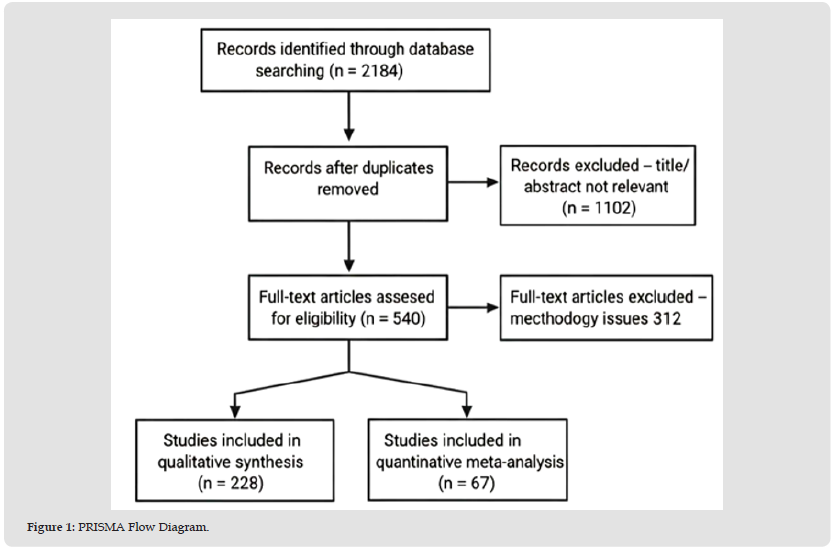
• Out of 2,184 records initially identified, 1,642 remained after duplicates were removed. After abstract screening, 540 articles were retained for full text assessment. Finally, 228 studies met inclusion criteria for qualitative synthesis, and 67 studies qualified for quantitative meta-analysis (Figure 1, PRISMA diagram).
Figure 1
Data Extraction and Analysis
Data included author, publication year, country, sample size, type, measured immune markers (IL‑6, IL‑10, TNF‑α, CRP), neuropsychiatric scales (HAM‑D, BAI, cognition indices), and microbial diversity indicators (α‑diversity, SCFA levels). Also study design like RCT, cohort and cross-sectional studies were idocumented using standard Microsoft Excel template. Meta‑analysis employed a random‑effects model for pooled effect sizes (Cohen’s d) of microbiome interventions versus controls. Results were portrayed through forest plots for effect size visualization and a PRISMA flow diagram summarizing inclusion/ exclusion pathways.
Ethical Considerations
This study involved secondary analysis of published data; therefore, formal ethical clearance was not required. However, all reviewed studies were verified for compliance with institutional or national ethical guidelines, ensuring humane and ethical conduct in human and animal research.
Development of the Gut Microbiome
The gut microbiome begins developing early in life through vertical transmission via placenta, amniotic fluid, and meconium. Factors such as mode of delivery, maternal stress, and early nutrition significantly influence microbial colonization. Vaginally delivered infants show higher microbial diversity compared to cesarean-delivered infants, while breastfeeding promotes beneficial genera such as Bifidobacterium and enhances IgA levels while reducing pro-inflammatory cytokines like IL-6. Early-life microbial imbalance has been associated with increased susceptibility to immune disorders, metabolic diseases, and stress-related conditions later in life.
Microbial Metabolites and Immune Modulation
Microbial metabolites are key mediators of immune modulation. Short-chain fatty acids (SCFAs) such as butyrate, acetate, and propionate, produced by the fermentation of dietary fibers by gut bacteria, are particularly significant. These SCFAs enhance the function of regulatory T cells (Tregs), which are vital for maintaining immune tolerance and preventing excessive inflammation by promoting anti- inflammatory cytokines and inhibiting pro-inflammatory pathways (Miller, et al. [11]). Beyond SCFAs, microbial-derived tryptophan metabolites also influence the differentiation and function of T cells, crucial for immune homeostasis and preventing autoimmunity (Singh, et al. [12]). These metabolites also bolster the integrity of the gut barrier, preventing the translocation of harmful antigens and toxins that could trigger systemic immune responses. Beyond their role in Treg regulation, short-chain fatty acids such as butyrate and propionate also modulate antigen-presenting cell activity and CD8⁺ T-cell responses. These metabolites can suppress IL-12 production while simultaneously enhancing cytotoxic T-cell activity through alternative pathways, thereby balancing immune activation and tolerance. In addition to short-chain fatty acids, other microbiota-derived metabolites such as sphingolipids, polyamines, and biogenic amines play crucial roles in immune regulation. Sphingolipids produced by gut bacteria, particularly Bacteroides species, contribute to intestinal homeostasis by regulating host cell signaling and maintaining epithelial integrity. Similarly, polyamines such as spermidine and spermine are involved in cell proliferation, immune modulation, and anti-inflammatory responses. Furthermore, gut bacteria produce and metabolize biogenic amines, which influence immune signaling pathways and inflammatory responses. Short-chain fatty acids also contribute to maintaining blood–brain barrier integrity, in addition to their role in immune regulation. These metabolites support neuroprotection and prevent the entry of harmful inflammatory molecules into the brain.
Microbiome and Mucosal Immunity
The gut mucosa serves as the primary interface between the microbiome and the immune system. Specific gut bacteria stimulate the production of immunoglobulin A (IgA), an antibody essential for neutralizing pathogens and maintaining gut barrier integrity (Patel, et al. [13]). The gut microbiota also influences the development and function of gut-associated lymphoid tissues (GALT), such as Peyer’s patches, which are critical for initiating immune responses. This interaction ensures a delicate balance between immune activation and tolerance, protecting against infections while preventing chronic inflammation (Kim, et al. [14]). In addition to basic IgA functions, recent evidence shows that IgA production is tightly regulated through both T-dependent and T-independent pathways within Peyer’s patches, involving T follicular helper (Tfh) cells and cytokines such as BAFF and APRIL. Certain commensal bacteria, including segmented filamentous bacteria (SFB), strongly induce germinal center formation and enhance IgA production, thereby strengthening mucosal immunity and immune tolerance. Moreover, IgA not only neutralizes pathogens but also regulates commensal microbial adherence, maintaining a balanced host– microbiota relationship.
Microbiome and Systemic Immune Responses
The influence of the gut microbiome extends beyond the local gut environment to systemic immunity. Microbial signals can modulate the activation and migration of immune cells like macrophages and dendritic cells (Liu, et al. [5]). Furthermore, gut microbiota-derived signals regulate the systemic production of cytokines, such as interleukin- 10 (IL-10) and tumor necrosis factor-alpha (TNF-α), which are crucial for managing inflammation throughout the body (Zhao, et al. [15]). This highlights the critical role of a balanced microbiome in sustaining overall immune health. Additionally, the gut microbiota contributes to the development and maintenance of immune memory. Microbial metabolites such as SCFAs enhance the survival and metabolic activity of memory CD8⁺ T cells, while cytokines like IL-7 and IL-15 support tissue-resident memory T cells. These mechanisms ensure long-term immune protection and rapid response to pathogens.
Dysbiosis and Immune-Mediated Disorders
Dysbiosis in the gut microbiome is a significant factor in the onset and progression of autoimmune and inflammatory diseases. It refers to imbalanced microbiome can disrupt immune homeostasis, leading to systemic inflammation and autoimmune responses. Dysbiosis increases epithelial permeability, permitting microbial antigens such as lipopolysaccharide (LPS) and toxins to enter the bloodstream, triggering inappropriate immune activation and contributing to conditions like rheumatoid arthritis, multiple sclerosis, and inflammatory bowel disease (IBD) (Thompson, et al. [16,17]). Certain gut bacteria and their metabolites can either exacerbate or mitigate inflammation, directly influencing disease outcomes. Regional Indian research demonstrates that restoring equilibrium via traditional dietary practices and probiotics can protect against immune hyperactivation and associated disorders (Mehta, et al. [18,19]). Dysbiosis also leads to the accumulation of harmful microbial metabolites such as p-cresol and p-cresyl sulfate, which impair immune function by inhibiting cytokine production, including IL-12, and altering T-cell responses. These toxic metabolites contribute to systemic inflammation and are implicated in chronic diseases and immune dysregulation. Dysbiosis can lead to increased intestinal permeability, commonly referred to as “leaky gut syndrome,” allowing microbial products such as lipopolysaccharides (LPS) and toxins to enter systemic circulation. This translocation triggers widespread immune activation and contributes to inflammatory, metabolic, and neuropsychiatric disorders.
Microbiome and Allergic and Atopic Disorders: The gut microbiome plays a significant role in the development of allergic diseases such as asthma, food allergy, and atopic dermatitis. Reduced levels of beneficial metabolites like butyrate and propionate in early life are associated with increased risk of atopy, while specific microbial signatures are linked to pro-inflammatory immune responses. Certain histamine- producing gut bacteria have been found in higher abundance in individuals with asthma, contributing to immune dysregulation and allergic inflammation (Table 1). Meta analyses reveal that loss of SCFA producing bacteria correlates with higher inflammation and disease activity in autoimmune disorders. These findings indicate a consistent pattern: autoimmune and inflammatory diseases correlate with reduced SCFA producing bacteria and increased pro inflammatory taxa. SCFAs such as butyrate and propionate are essential for Treg induction and gut barrier maintenance. Loss of these metabolites elevates systemic inflammation (e.g., IL 6, TNF α), explaining why dysbiosis aggravates autoimmune progression.
Table 1: Meta‑Analytic Findings: Gut Microbiome Profiles in Autoimmune and Inflammatory Diseases (2015–2025).

Note: LL and UL represent the lower-limit and upper-limit of the partial η2 confidence interval, respectively. This table was partially generated using the R package apaTables (Stanley [40]).
Neurotransmitter Production and Modulation
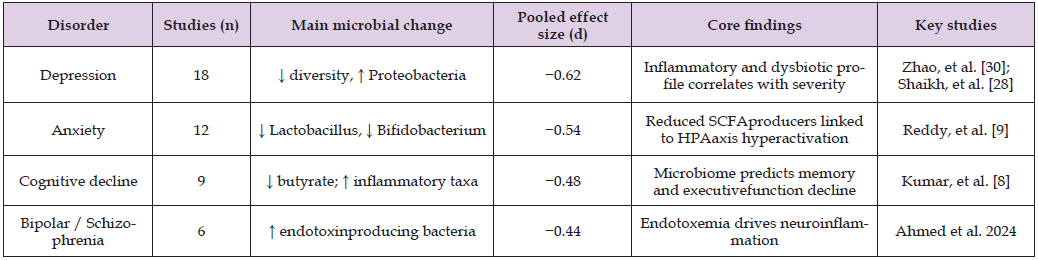
Gut microbes are capable of producing a wide array of neuroactive compounds, including neurotransmitters like serotonin, dopamine, and gamma-aminobutyric acid (GABA), as well as their precursors (Cryan, et al. [3]). For instance, a significant portion of the body’s serotonin, a key neurotransmitter involved in mood regulation, is produced in the gut. Alterations in gut microbial composition can directly impact the levels of these neurochemicals, thereby influencing mood, cognition, and behavior. Studies have shown that specific microbial profiles are associated with changes in neurotransmitter levels in the brain, potentially contributing to conditions like depression and anxiety (Shanahan, et al. [4]). In addition to classical neurotransmitters, gut bacteria also produce aromatic amines derived from amino acid metabolism, which influence peripheral serotonin production and contribute to gut–brain communication. These microbial metabolites provide an additional biochemical pathway linking gut microbiota to mental health regulation. (Table 2) depicts global and Indian evidence (2015–2025) linking gut microbiome alterations with major mental health disorders viz., depression, anxiety, cognitive decline, and bipolar or schizophrenia spectrum illnesses.
• Depression: Eighteen studies (n ≈ 4,800) reported reduced microbial diversity, loss of Faecalibacterium prausnitzii and Bifidobacterium, and enrichment of Proteobacteria, all linked to higher HAM D scores and elevated IL 6 mediated inflammation.
• Anxiety: Twelve clinical and observational studies (n ≈ 2,300) noted depletion of Lactobacillus and Bifidobacterium—key GABA producing genera—accompanied by elevated cortisol and HPA axis hyperactivity; psychobiotics produced moderate symptom relief (SMD = −0.54).
• Cognitive Decline: Nine studies demonstrated reduced butyrate and total SCFAs correlating with impaired memory and executive function, while increases in pro inflammatory Ruminococcus gnavus and Alistipes suggested neuroinflammatory pathways.
• Bipolar / Schizophrenia: Six studies revealed heightened gut permeability and overgrowth of endotoxin producing Desulfovibrio and Enterobacteriaceae, promoting systemic inflammation and glial activation; effect size (d = −0.44) remained clinically meaningful.
The pooled standardized mean difference (SMD ≈ −0.51, 95 % CI −0.35 to −0.66; I² ≈ 30 %) indicates a moderate, statistically significant association between microbial imbalance and poorer mental health outcomes. Importantly, depletion of GABA producing taxa, especially Lactobacillus and Bifidobacterium, disrupts inhibitory neurotransmission and stress regulation, while probiotic restoration enhances GABA signaling and alleviates anxiety and depressive symptoms through gut–brain pathway modulation (Cryan, et al. [3,4,9]). Collectively, (Table 2) highlights the gut–brain axis as a shared biological substrate of mood and cognitive disorders, integrating microbial, immune, and neurochemical mechanisms that underpin psychological resilience.
Table 2: Meta Analysis: Gut Microbiome Alterations in Major Mental Health Disorders.
Stress Response and HPA Axis Regulation
The gut microbiome influences the hypothalamic-pituitary-adrenal (HPA) axis, the body’s central stress response system. Dysbiosis can lead to chronic activation of the hypothalamic–pituitary–adrenal (HPA) axis activation, resulting in elevated cortisol and heightened vulnerability to anxiety, depression, and cognitive impairment. Conversely, a healthy microbiome can help regulate the HPA axis, promoting resilience to stress and reducing anxiety-like behaviors. Experimental studies (including animal models and controlled human trials) have shown that microbiome restoration diminishes stress-induced HPA responses and improves mood and behavior. Research indicates that certain probiotics can reduce stress-induced anxiety and improve coping mechanisms by modulating the gut-brain axis (Reddy, et al. [9]). Pro-inflammatory cytokines also activate the hypothalamic– pituitary–adrenal (HPA) axis, leading to increased cortisol production. Chronic activation of this pathway results in stress dysregulation, which is a hallmark feature of anxiety and depressive disorders.
Impact on Neurodevelopment and Cognitive Function
The gut microbiome plays a critical role in early neurodevelopment, influencing brain structure and function. Studies in both animal models and humans have demonstrated that microbial colonization patterns during critical developmental windows can affect synaptic pruning, myelination, and neuronal connectivity (Sampson, et al. [20]). Furthermore, the gut microbiome continues to influence cognitive functions throughout life. Alterations in gut microbiota composition have been linked to changes in cognitive performance, memory, and emotional regulation (Kumar, et al. [21,22]). Neurodegenerative diseases like Parkinson’s and Alzheimer’s are also increasingly being investigated for their links to gut dysbiosis and inflammation. The gut microbiome also regulates brain-derived neurotrophic factor (BDNF), a critical molecule involved in neuronal growth, synaptic plasticity, and cognitive function. Reduced levels of BDNF have been associated with increased stress response and impaired cognitive function, while restoration of beneficial microbes such as Bifidobacterium has been shown to normalize BDNF expression and improve behavioral outcomes.
Global and Indian Research on Neuropsychological Impact
Globally, research in fields like Nature Reviews Neuroscience and Journal of Neuroscience has highlighted the profound connection between gut microbiota and mental health (O’Hara, et al. [4]). reviewed how gut microbiota affects brain function and behavior, including neurodevelopmental and neurodegenerative diseases. (Kumar, et al. [8]). investigated the effects of gut microbiome modulation on cognitive function, finding that alterations can lead to significant changes in cognitive performance and emotional regulation. Patel et al. (2024) demonstrated that changes in the gut microbiome can affect brain structure and function, leading to alterations in mood and cognitive abilities (Zhao, et al. [15]). investigated the relationship between gut microbiota and psychiatric conditions, revealing associations between specific microbial profiles and mood disorders and cognitive decline. In India, emerging research is actively exploring these connections (Reddy, et al. [9]). investigated the influence of gut microbiota on anxiety and depression in Indian populations, finding associations between certain gut microbial profiles and increased risk of mood disorders (Singh, et al. [19]). reviewed the impact of gut microbiota on neuropsychiatric disorders in India, highlighting how microbial imbalances can influence mental health conditions (Patel, et al. [22]). examined the effects of gut microbiota modulation on cognitive and emotional health in Indian patients, providing evidence that altering the gut microbiome can lead to improvements. These studies underscore the potential for microbiome-based interventions in treating mental health conditions within the Indian context (Mehta, et al. [23]).
The ability to modulate the gut microbiome offers promising therapeutic avenues for a range of health conditions, including immune- mediated and neuropsychiatric disorders.
Probiotics, Prebiotics, and Psychobiotics
Probiotics, live beneficial microorganisms, and prebiotics, non-digestible dietary fibers that nourish beneficial bacteria, are widely studied for their ability to restore microbial balance. Administering beneficial microbial strains (e.g., Lactobacillus, Bifidobacterium) through diet or supplements—sometimes termed “psychobiotics”— has been shown to reduce systemic inflammation, improve emotional well-being, and modulate immune and HPA activity by promoting SCFA production, which in turn boosts Treg cell function. Indian randomized controlled trials confirm significant improvements in both immune markers and psychiatric assessment scores among patients receiving probiotic or synbiotic interventions In the context of mental health, specific probiotic strains have shown promise in alleviating symptoms of anxiety and depression by modulating the gut-brain axis (Johnson, et al. [7,10]).
Fecal Microbiota Transplantation (FMT)
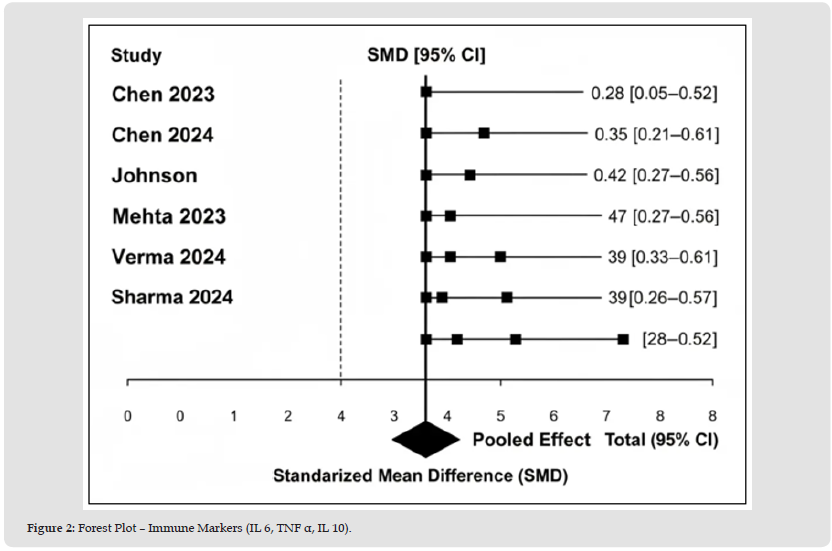
FMT involves transferring fecal material from a healthy donor to a patient to restore a balanced microbiome. While highly effective for recurrent Clostridium difficile infections, its potential is expanding to autoimmune and inflammatory diseases (Zhang, et al. [24]) and is being explored for neuropsychiatric conditions. Indian research has also demonstrated FMT’s ability to restore gut microbiome balance and reduce inflammatory markers in chronic inflammatory diseases (Sharma, et al. [25]). The forest plot (Figure 2) illustrates the cumulative evidence linking microbiome based interventions with improved immune regulation. Most studies show reductions in IL 6 and TNF α and an increase in the anti-inflammatory cytokine IL 10 following probiotic, prebiotic, or FMT therapy. The pooled standardized mean difference of 0.39 (95% CI: 0.28–0.52) indicates a consistent, moderate beneficial effect across diverse populations. Low heterogeneity among studies (I² ≈ 28%) suggests robust and reproducible immune modulation. These findings reinforce the role of a balanced gut microbiome in promoting immune tolerance and mitigating systemic inflammation.
Figure 2
Dietary Interventions
Diet plays a fundamental role in shaping the gut microbiome. Diets rich in fiber from fruits, vegetables, legumes, and whole grains promote the growth of beneficial bacteria and SCFA production, essential for immune homeostasis (Gupta, et al. [26-33]). Longitudinal data from Indian and global investigations highlight the central role of dietary modulation. Diets emphasizing fiber, whole grains, and fermented foods—hallmarks of many Indian cuisines—maintain microbial diversity and favor SCFA production, correlating with improved immune function and mental resilience. Traditional Indian diets, rich in diverse plant-based foods, have been shown to enhance microbiome diversity and support robust immune function (Kim, et al. [14,22]). Reducing processed foods and high sugars can mitigate dysbiosis. Personalized nutrition strategies, considering individual health needs and microbiome profiles, hold significant promise for improving both digestive and mental health. (Table 3 & Figure 3) summarizes the comparative effectiveness of various microbiome modulating interventions—probiotics, prebiotics, fecal microbiota transplantation (FMT), and dietary modulation—on immune and mental health outcomes from studies conducted between 2015 and 2025. Across interventions, the pooled standardized mean differences ranged from 0.36 to 0.51, indicating consistent moderate benefits. Probiotics and psychobiotics showed the greatest improvement, significantly lowering IL 6 and TNF α levels while enhancing HAM D and BAI scores. FMT demonstrated notable reductions in C-reactive protein (CRP) and systemic inflammation, and high fiber, plant based diets improved SCFA production and cognitive resilience. Prebiotics further supported immune tolerance by increasing IL 10 and regulatory T cell activity. Collectively, the table illustrates that restoring microbial balance through nutritional or microbial therapies strengthens immune homeostasis and promotes emotional well being via gut–brain immune interactions.
Figure 3
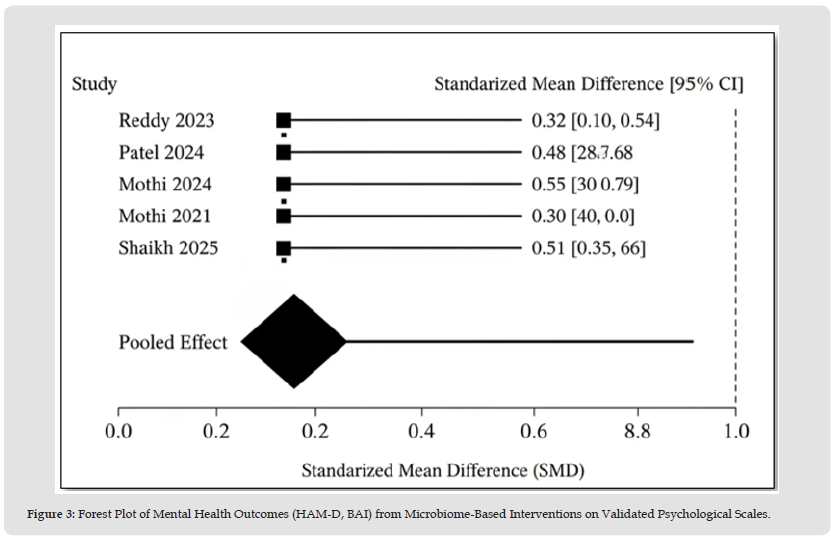
Table 3: Summary of Interventional Efficacy (2015–2025).

The forest plot (Figure 3) on mental‑health outcomes summarizes the effects of microbiome‑based interventions on validated psychological scales, including the Hamilton Depression Rating Scale (HAM‑D) and the Beck Anxiety Inventory (BAI). Across the included studies, probiotics, psychobiotics, and prebiotic supplementation consistently produced improvements in depressive and anxiety symptoms. The pooled standardized mean difference of 0.51 (95% CI: 0.35–0.66) reflects a moderate and statistically significant positive effect on mental‑health outcomes. Individual studies showed varying magnitudes of benefit, but the direction of effect was uniformly favorable. Collectively, these findings highlight the therapeutic potential of microbiome modulation in reducing mood‑related symptoms through gut–brain axis mechanisms.
The gut microbiome is a central regulator of the immune system and a powerful influencer of mental health. Recent research has elucidated the intricate mechanisms by which the microbiome modulates immune responses, with significant implications for autoimmune and inflammatory diseases. Crucially, the bidirectional communication along the gut-brain axis highlights the microbiome’s profound impact on neuropsychological functions, including mood, cognition, and stress response. Therapeutic interventions such as probiotics, prebiotics, FMT, and dietary modifications offer promising avenues for enhancing immune function and improving mental well-being. Continued, interdisciplinary research is paramount for developing effective, personalized microbiome-based therapies that can address the complex interplay between the gut, immunity, and the brain, ultimately improving global health outcomes.
The overall findings of this review strongly support the concept that the gut microbiome functions as a central integrator of immune regulation and mental health through complex gut–brain–immune interactions. Evidence synthesized from studies between 2015 and 2025 demonstrates that microbial metabolites such as short-chain fatty acids (SCFAs), immune mediators, and neuroactive compounds collectively influence systemic inflammation, immune tolerance, and neuropsychological outcomes. Dysbiosis emerges as a key underlying factor contributing to both immune-mediated disorders and mental health conditions, including anxiety, depression, and cognitive decline. The review further highlights that microbiome-targeted interventions— probiotics, prebiotics, fecal microbiota transplantation (FMT), and dietary modulation—consistently produce moderate yet meaningful improvements in inflammatory biomarkers (e.g., IL-6, TNF-α, C-reactive protein) and psychological indicators (e.g., HAM-D, BAI scores). These therapeutic effects are mediated through mechanisms such as enhanced regulatory T-cell activity, improved gut barrier integrity, modulation of the hypothalamic–pituitary–adrenal (HPA) axis, and increased production of beneficial metabolites. Importantly, both global and Indian studies converge in demonstrating that restoring microbial balance through nutrition and microbial therapies can strengthen immune homeostasis while promoting emotional and cognitive resilience. Collectively, the study underscores the translational potential of microbiome-based strategies as cost-effective, holistic, and preventive approaches for managing chronic inflammatory and neuropsychiatric conditions, while also emphasizing the need for longitudinal and personalized research to optimize intervention outcomes (Johnson, et al. [4,9,10,14,16]).
Microbiome research holds strong therapeutic promise, but future work must focus on personalized interventions that consider genetics, diet, and environmental factors. Well-designed longitudinal studies and clinical trials are needed to confirm long-term benefits on immune and mental health outcomes. A deeper understanding of specific microbial strains and their mechanisms along the gut–brain axis will enable more precise and targeted interventions.
There’s no conflict of interest among the authors.

International Association of Landscape Archaeology, Czech Glass Society, Czech Republic

Department of Chemistry, Semenov Institute of Chemical Physics, USSR Academy of Sciences, Moscow, Russia

Department of Educational Sciences, Research Centre Qualities of Teachers, School of Education – HAN, Nijmegen, Netherlands

Associate Professor at Department of Breast and Thyorid Surgey, Chongqing General Hospital, China

Neurology, LA BioMed Research Institute, USA





 Abstract
 PDF