info@biomedres.us
+1 (502) 904-2126
One Westbrook Corporate Center, Suite 300, Westchester, IL 60154, USA
Site Map
 ISSN: 2574 -1241
ISSN: 2574 -1241
ISSN: 2574 -1241
Received: June 24, 2026; Published: July 01, 2026
*Corresponding author: Denis Nikolov, Heart and brain Center of Clinical Excellence, Pleven, Bulgaria, Pierre Curie 2, Pleven 5800, Bulgaria
DOI: 10.26717/BJSTR.2026.66.010281
Severe coronary artery calcification remains a major obstacle to successful percutaneous coronary intervention (PCI). Inadequate lesion preparation may result in poor stent deliverability, stent underexpansion, and unfavorables clinical outcomes. Intravascular lithotripsy (IVL) has emerged as an effective calcium-modification strategy for heavily calcified coronary lesions. We report a two-patient case series demonstrating the use of the LithiX Hertz Contact Intravascular Lithotripsy (HC-IVL) system in severely calcified coronary artery disease after unsuccessful conventional lesion preparation. The first patient was a 78-year-old man with symptomatic single-vessel coronary artery disease involving a heavily calcified proximal-to-mid right coronary artery.
A previous PCI attempt had failed because of severe lesion recoil and inability to deliver a drug-eluting stent. Following lesion preparation with a 3.0 × 14 mm LithiX HC-IVL balloon, two overlapping drug-eluting stents were successfully implanted with an excellent angiographic result. The second patient was an 85-year-old man with severe calcification of the proximal left anterior descending artery. Initial treatment with conventional balloon angioplasty failed because the lesion remained undilatable. During a staged procedure, calcium modification was achieved using a 3.5 × 14 mm LithiX HC-IVL balloon, allowing successful implantation of a drug-eluting stent with optimal final stent expansion. In both patients, intravascular lithotripsy enabled effective calcium modification and facilitated successful stent implantation without procedural complications. These cases suggest that the LithiX HC-IVL system may represent a safe and effective treatment option for heavily calcified coronary lesions, particularly when conventional balloon angioplasty is insufficient. Further clinical studies are warranted to evaluate long-term outcomes and procedural efficacy in larger patient populations.
Keywords: Coronary Artery Disease; Percutaneous Coronary Intervention; PCI; Calcified Lesions; Intravascular Lithotripsy; Lithix
Abbreviations: RCA: Right Coronary Artery; LAD: Left Anterior Descending Artery; PCI: Percutaneous Coronary Intervention; IVL: Intravascular Lithotripsy; HC-IVL: Hertz Contact Intravascular Lithotripsy
Coronary artery calcification remains one of the major challenges in contemporary percutaneous coronary intervention (PCI) [1]. Severe calcification is associated with reduced device deliverability, inadequate lesion preparation, suboptimal stent expansion, increased risk of procedural complications, and worse long-term clinical outcomes [2]. Failure to adequately modify calcified plaques may result in stent underexpansion, restenosis, and stent thrombosis.
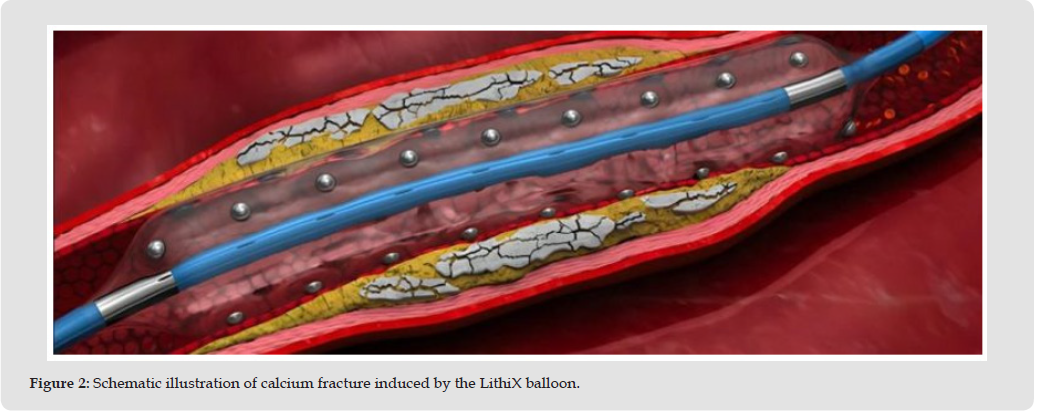
Several plaque-modification techniques have been developed to address heavily calcified coronary lesions, including cutting balloons, scoring balloons, rotational atherectomy, orbital atherectomy, and intravascular lithotripsy (IVL) [3,4]. Among the available plaque-modification strategies, the LithiX Hertz Contact (HC-IVL) system utilizes multiple contact points on the balloon surface to focus mechanical force on calcified plaque, promoting calcium fracture and improving lesion compliance. This mechanism facilitates stent delivery and expansion in lesions resistant to conventional balloon angioplasty. [5-7]. The LithiX IVL system is a novel calcium-modification platform designed for the treatment of heavily calcified coronary lesions [8,9].
Unlike conventional balloon angioplasty, the device incorporates multiple contact elements on the balloon surface that concentrate mechanical force at specific points of contact with the calcified plaque during balloon inflation [10,11]. This targeted force distribution facilitates calcium fracture and plaque modification, resulting in improved lesion compliance and enhanced vessel preparation prior to stent implantation. By improving lesion expandability, the technology may facilitate stent delivery and optimal stent expansion in lesions that are resistant to conventional balloon angioplasty [12]. (Figures 1 & 2) In this report, we present a two-patient case series demonstrating the successful use of the LithiX HC-IVL balloon for the treatment of heavily calcified coronary lesions after unsuccessful conventional lesion preparation. In both cases, lithotripsy enabled effective calcium modification and successful drug-eluting stent implantation with excellent angiographic results and no procedural complications.
Figure 1
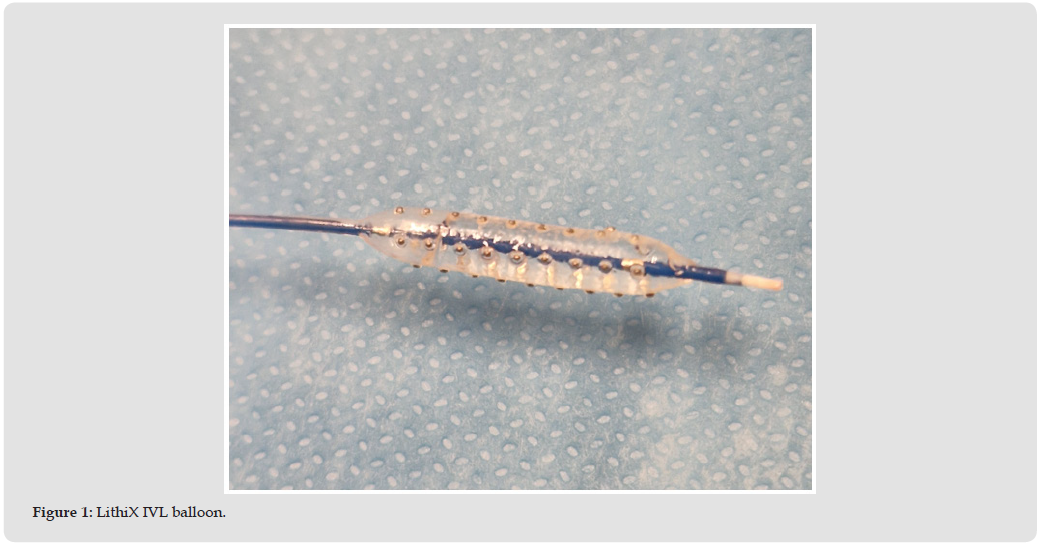
Figure 2
Case 1
A 78-year-old man with a history of hypertension, type 2 diabetes mellitus, chronic obstructive pulmonary disease, and dyslipidemia was referred to our center for persistent angina despite optimal medical therapy. One month before admission, coronary angiography performed at another institution revealed severe single-vessel coronary artery disease with a heavily calcified long stenosis of the proximal right coronary artery (RCA). An attempt at percutaneous coronary intervention was unsuccessful because of severe calcification, marked lesion recoil after balloon angioplasty, and inability to deliver a drug-eluting stent. The patient was therefore referred for advanced calcium-modification therapy. Because of the previous failed PCI attempt and the presence of severe coronary calcification, intravascular lithotripsy was selected as the preferred calcium-modification strategy. At presentation, the patient continued to experience exertional angina and dyspnea with minimal physical activity.
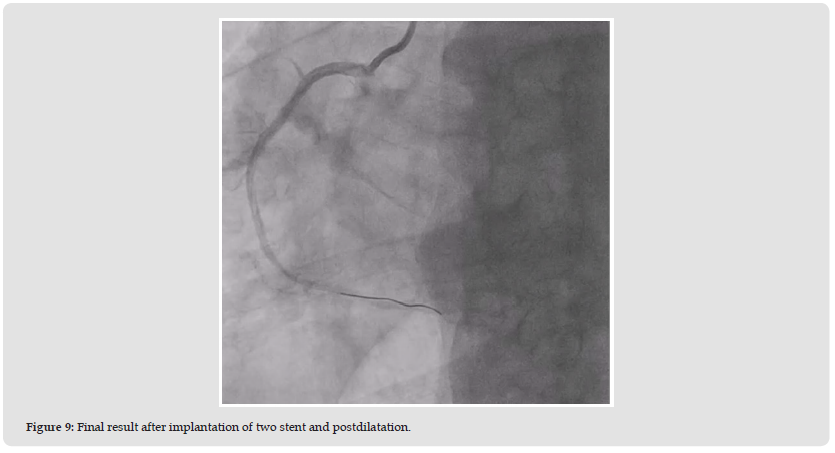
Transthoracic echocardiography demonstrated preserved left ventricular systolic function (LVEF 57%) and moderate mitral regurgitation. Repeat coronary angiography confirmed a long, severely calcified 80% stenosis extending from the proximal to the mid RCA, while non-obstructive lesions were present in the left coronary circulation. PCI was performed via right radial access using a 6 Fr guiding catheter. A Runthrough 0.014’’ coronary guidewire was advanced distally into the RCA. Following predilation with a 2.5 × 30 mm non-compliant balloon, lesion preparation was performed using a 3.0 × 14 mm LithiX Hertz Contact intravascular lithotripsy balloon. The device was inflated to 5 atm. Subsequent balloon expansion demonstrated satisfactory lesion modification, allowing successful delivery of two overlapping drug-eluting stents (3.0 × 32 mm and 3.5 × 12 mm). Final optimization was performed using a 3.5 × 18 mm non-compliant balloon. Final angiography demonstrated excellent stent expansion without residual stenosis and TIMI 3 coronary flow. No procedural complications occurred, and the patient was discharged on dual antiplatelet therapy with significant symptomatic improvement. At follow- up, the patient remained free of recurrent angina and no adverse cardiovascular events were reported (Figures 3-9).
Figure 3
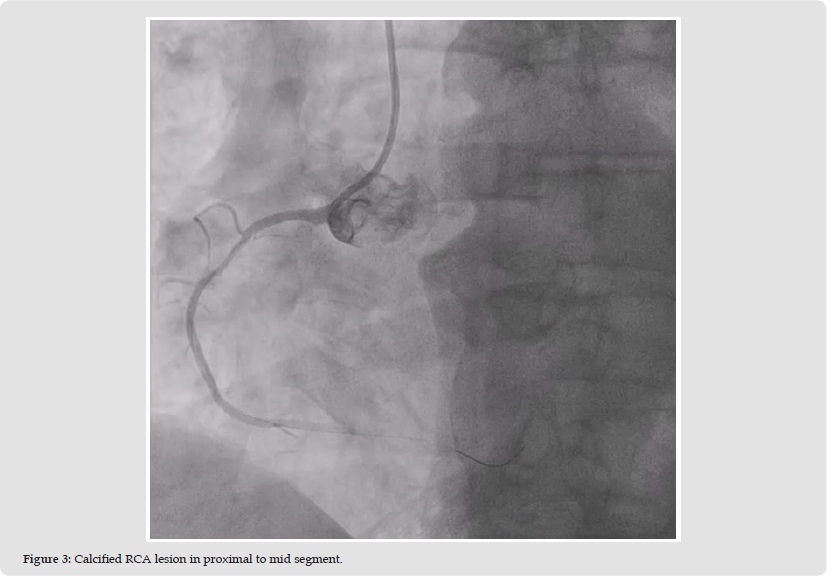
Figure 4
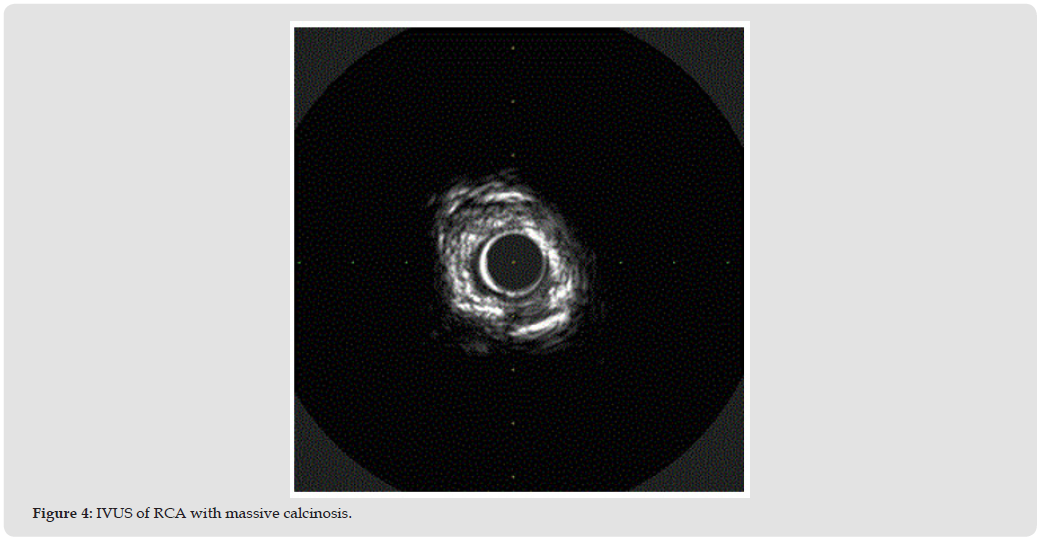
Figure 5
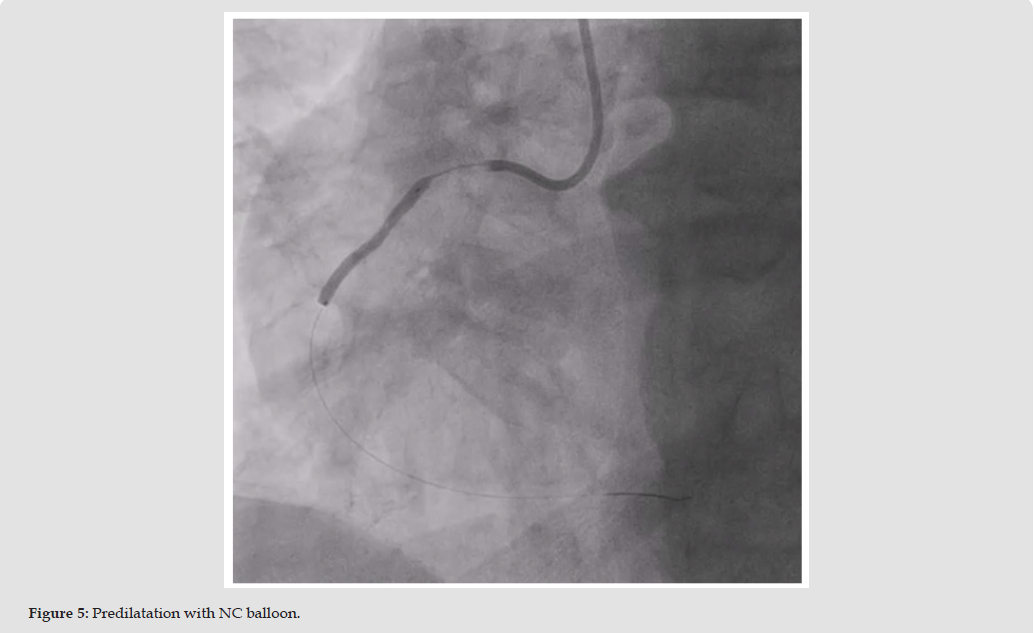
Figure 6
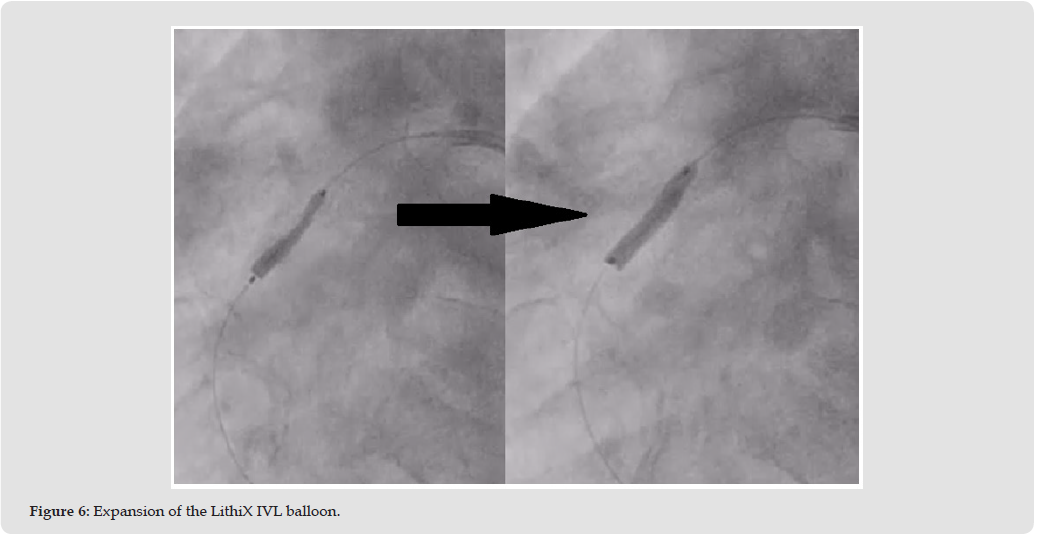
Figure 7
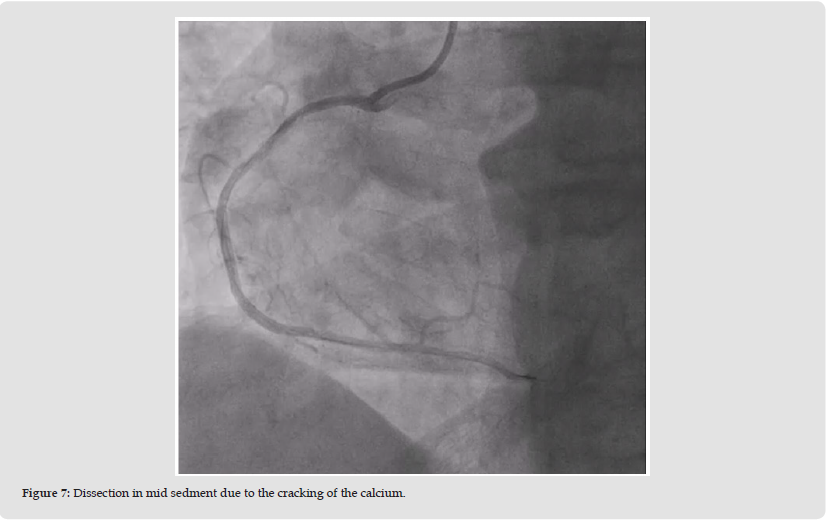
Figure 8
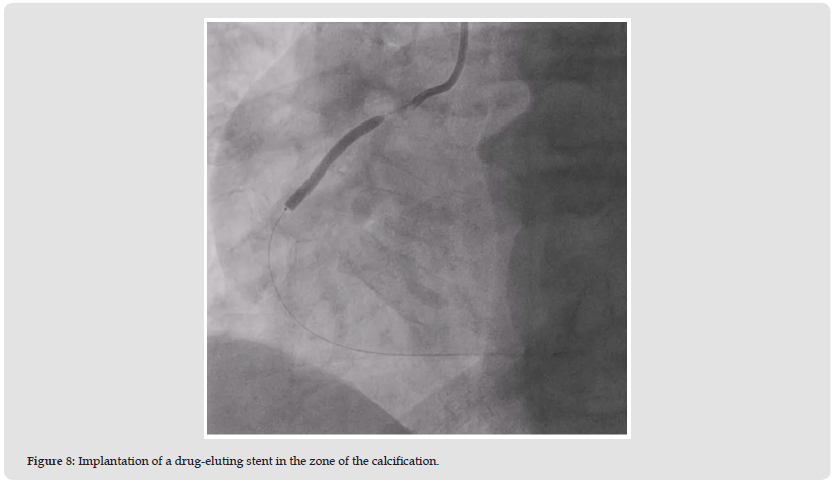
Figure 9
Case 2
An 85-year-old man with a history of arterial hypertension, dyslipidemia, and previous partial prostate resection presented with class III angina. The patient reported exertional chest pain and dyspnea during moderate physical activity that had progressively worsened over the preceding months. Coronary angiography performed during a previous admission demonstrated a significant proximal left anterior descending artery (LAD) stenosis with massive calcification. Two months ago, an attempt at lesion preparation using a non-compliant balloon was unsuccessful because the calcified lesion remained undilatable, and the patient was referred for staged calcium-modification therapy. Given the inability to adequately expand the lesion with conventional balloon angioplasty during the initial procedure, a staged PCI using intravascular lithotripsy was planned. On readmission, the patient remained symptomatic despite medical therapy. Repeat coronary angiography confirmed a critical (90%) proximal LAD stenosis with severe calcification, while the remaining coronary arteries showed no significant obstructive disease. PCI was performed via radial access using a 6 Fr XB 3.5 guiding catheter.
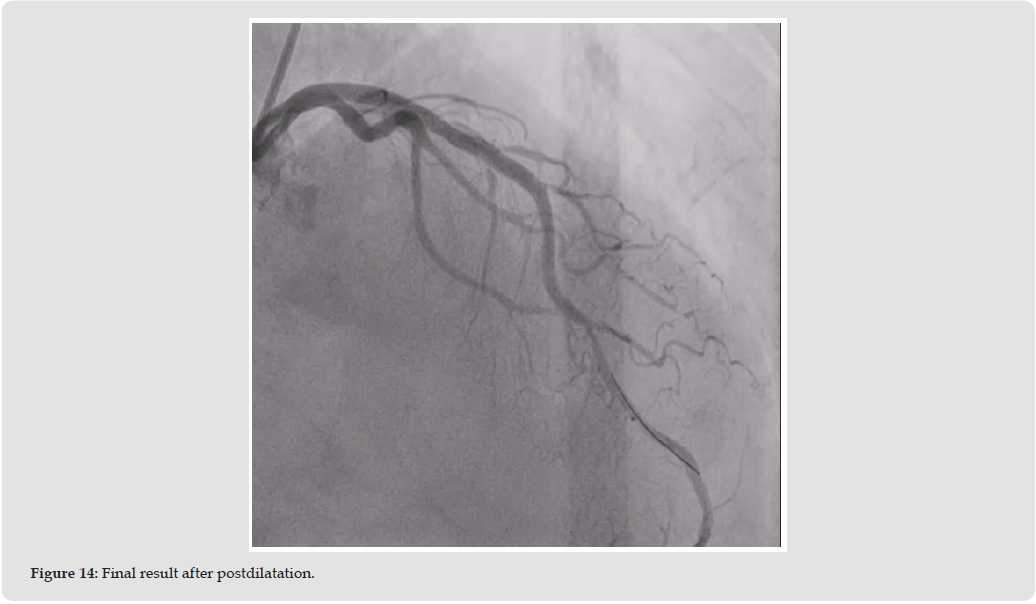
A Runthrough 0.014’’ coronary guidewire was advanced distally into distal LAD. Initial lesion preparation was attempted with a 2.5 × 15 mm non-compliant balloon, followed by intravascular lithotripsy using a 3.5 × 14 mm LithiX HC-IVL balloon. The balloon was inflated to 5 atm and subsequently expanded to 18 atm, resulting in effective calcium modification and improved lesion compliance. Following lithotripsy, a 3.5 × 40 mm drug-eluting stent was successfully implanted from the proximal to the mid LAD. Final optimization was performed with a 3.75 × 18 mm non-compliant balloon. Completion angiography demonstrated excellent stent expansion without residual stenosis and restoration of TIMI 3 coronary flow. No procedural complications occurred. The patient was discharged in stable clinical condition on dual antiplatelet therapy with complete resolution of procedural ischemia. At follow-up, the patient reported significant symptomatic improvement without recurrent angina or major adverse cardiovascular events (Figures 10-14).
Figure 10
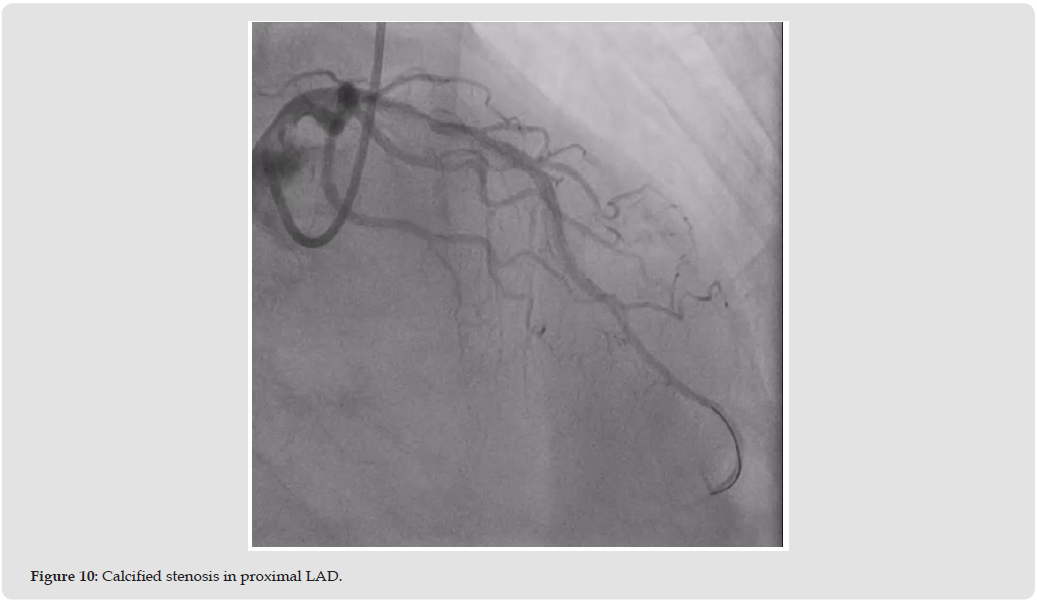
Figure 11
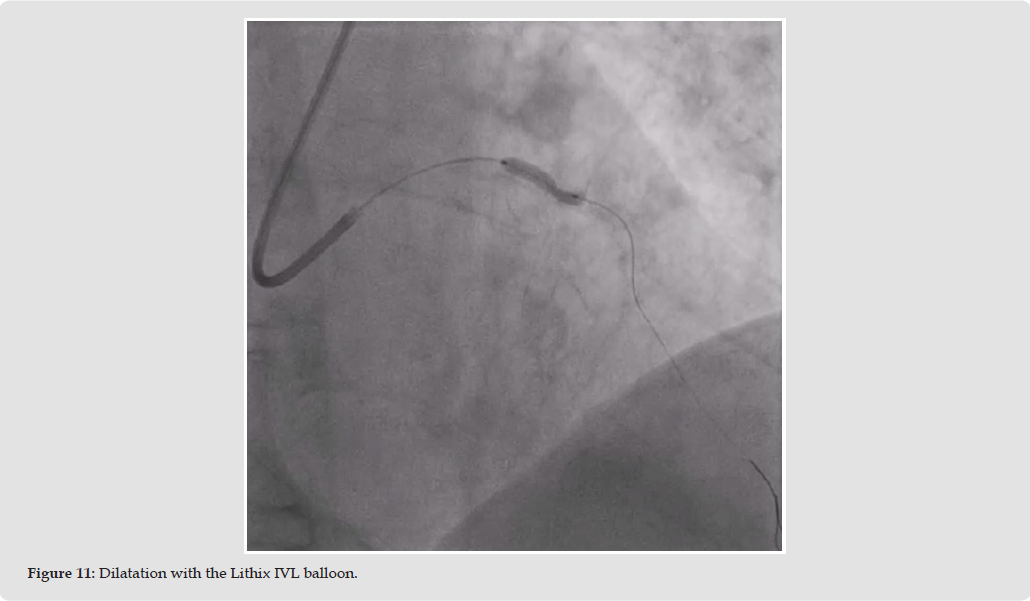
Figure 12
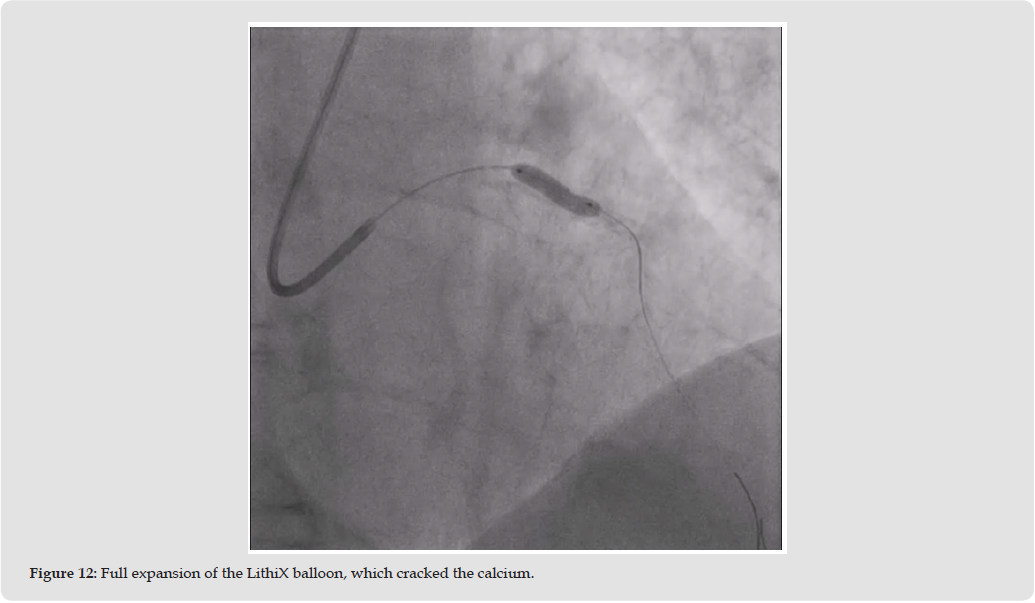
Figure 13
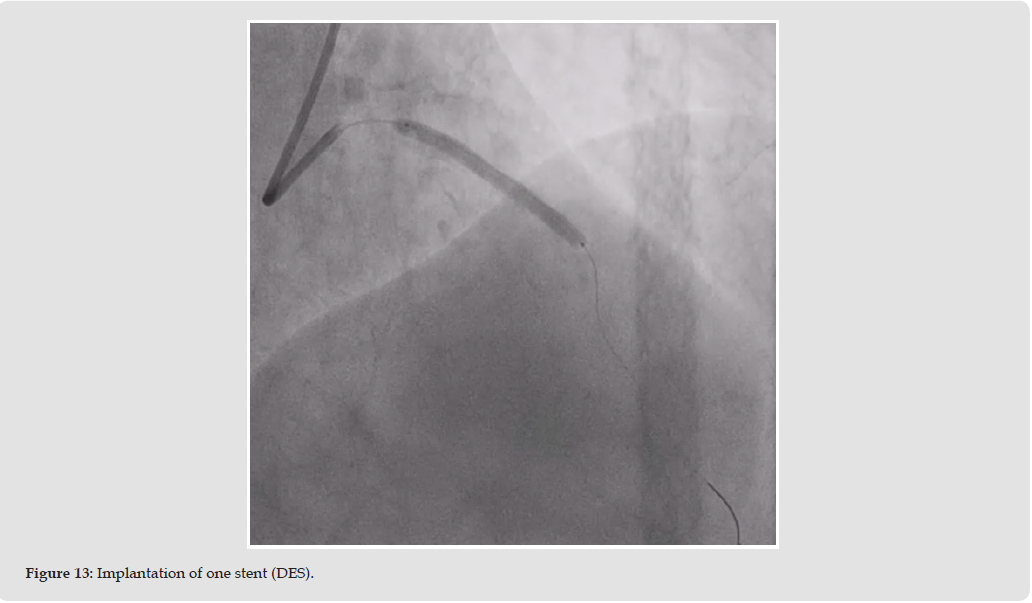
Figure 14
Severely calcified coronary lesions remain one of the most challenging scenarios in contemporary percutaneous coronary interventions. Inadequate lesion preparation may result in unsuccessful stent delivery, stent underexpansion, and suboptimal procedural outcomes. In this two-patient case series, the LithiX Hertz Contact intravascular lithotripsy system enabled effective modification of heavily calcified coronary plaques that had previously proven resistant to conventional balloon angioplasty. In both patients, lithotripsy improved lesion compliance and facilitated successful implantation of drug-eluting stents with excellent angiographic results and TIMI 3 flow. No procedural complications were observed, and both patients experienced significant symptomatic improvement following revascularization. These cases suggest that the LithiX HC-IVL system may represent a safe and effective option for the treatment of complex calcified coronary lesions, particularly when conventional lesion preparation techniques are unsuccessful. Further studies involving larger patient populations and longer follow-up periods are required to confirm the safety, efficacy, and long-term clinical outcomes associated with this novel intravascular lithotripsy platform.
The authors certify that they have no competing financial interests, personal relationships, or affiliations that could have influenced the design, conduct, interpretation, or reporting of the work presented in this manuscript.
The authors would like to thank the nursing staff and catheterization laboratory personnel for their assistance during the procedures and for their contribution to patient care. No external funding was received for the preparation of this manuscript.

International Association of Landscape Archaeology, Czech Glass Society, Czech Republic

Department of Chemistry, Semenov Institute of Chemical Physics, USSR Academy of Sciences, Moscow, Russia

Department of Educational Sciences, Research Centre Qualities of Teachers, School of Education – HAN, Nijmegen, Netherlands

Associate Professor at Department of Breast and Thyorid Surgey, Chongqing General Hospital, China

Neurology, LA BioMed Research Institute, USA





 Abstract
 PDF
PDF



























