info@biomedres.us
+1 (502) 904-2126
One Westbrook Corporate Center, Suite 300, Westchester, IL 60154, USA
Site Map
 ISSN: 2574 -1241
ISSN: 2574 -1241
ISSN: 2574 -1241
Received: June 18, 2026; Published: June 30, 2026
*Corresponding author: Abdullah Msaad Al-Falih, Department of Botany and Microbiology, College of Science, King Saud University P.O. Box. 2455 Riyadh 11451, Saudi Arabia
DOI: 10.26717/BJSTR.2026.66.010280
Auto-Brewery Syndrome (ABS), also known as gut fermentation syndrome, is a rare and often underrecognized medical condition characterized by the endogenous production of ethanol within the gastrointestinal tract through microbial fermentation of dietary carbohydrates. The syndrome is primarily associated with the overgrowth of fermentative yeasts, including Saccharomyces cerevisiae and various Candida species, although recent evidence has highlighted the significant role of ethanol-producing bacteria such as Klebsiella pneumoniae. Endogenously produced ethanol may be absorbed into the bloodstream, resulting in elevated blood alcohol concentrations and clinical manifestations resembling alcohol intoxication despite the absence of alcohol consumption. The pathogenesis of ABS involves complex interactions among microbial dysbiosis, gastrointestinal disorders, dietary factors, host metabolism, immune responses, and genetic susceptibility. Clinical manifestations range from mild neurological and gastrointestinal symptoms to severe neurocognitive impairment, psychosocial dysfunction, and metabolic complications. Diagnosis remains challenging because of the rarity of the condition, the lack of standardized diagnostic criteria, and the need to exclude exogenous alcohol intake and other differential diagnoses. Current diagnostic approaches include carbohydrate challenge tests, blood and breath ethanol measurements, microbiological investigations, and advanced microbiome analyses.
Treatment strategies focus on dietary carbohydrate restriction, targeted antifungal or antibacterial therapy, microbiome restoration, and management of underlying predisposing conditions. Recent advances in molecular microbiology, metagenomics, metabolomics, and systems biology have significantly improved understanding of the disorder and revealed important links between endogenous ethanol production, liver disease, and host– microbiome interactions. This review provides a comprehensive overview of the epidemiology, etiology, pathophysiology, molecular mechanisms, clinical manifestations, diagnostic approaches, treatment strategies, prognosis, and emerging research directions related to Auto-Brewery Syndrome, highlighting current knowledge gaps and future opportunities for improving diagnosis and patient care.
Keywords: Auto-Brewery Syndrome; Gut Fermentation Syndrome; Endogenous Ethanol Production; Saccharomyces cerevisiae; Candida spp; Klebsiella pneumoniae; Gut Microbiome; Dysbiosis; Alcoholic Fermentation; Host–Microbiome Interaction
Abbreviations: ABS: Auto-Brewery Syndrome; FMT: Fecal Microbiota Transplantation; DUI: Driving Under the Influence; ATP: Adenosine Triphosphate; ADH: Alcohol Dehydrogenase; ALDH: Aldehyde Dehydrogenase; NADH: Nicotinamide Adenine Dinucleotide; NAD: Nicotinamide Adenine Dinucleotide; MAFLD: Metabolic Dysfunction- Associated Fatty Liver Disease; NAFLD: Non-Alcoholic Fatty Liver Disease
Auto-Brewery Syndrome (ABS), also known as gut fermentation syndrome or Endogenous Ethanol Fermentation, is a rare and intriguing medical condition characterized by the endogenous production of ethanol (alcohol) within the human body through microbial residing in the gastrointestinal tract fermentation of dietary carbohydrates. Individuals affected by this syndrome can develop elevated blood alcohol concentrations despite having consumed no alcoholic beverages. The condition has attracted increasing attention from clinicians, microbiologists, gastroenterologists, forensic experts, and legal authorities because of its complex pathophysiology, diagnostic challenges, and significant medical and social consequences. Although ABS was once considered an exceptionally rare phenomenon, growing awareness and improvements in diagnostic approaches have led to the recognition of a greater number of cases worldwide, suggesting that the syndrome may be underdiagnosed rather than truly uncommon [1]. The human gastrointestinal tract harbors a diverse and dynamic microbial ecosystem composed of bacteria, fungi, archaea, and viruses that collectively contribute to digestion, metabolism, immune regulation, and maintenance of host health. Under normal physiological conditions, microbial fermentation of carbohydrates produces small quantities of metabolites such as short-chain fatty acids, carbon dioxide, and hydrogen.
However, alterations in the composition of the gut microbiota can create conditions favorable for excessive fermentation by certain ethanol- producing microorganisms. In Auto-Brewery Syndrome, these microorganisms convert ingested carbohydrates and sugars into ethanol through metabolic pathways analogous to those employed in industrial brewing and alcoholic beverage production. As a result, ethanol is absorbed through the intestinal mucosa and enters systemic circulation, leading to symptoms of alcohol intoxication in the absence of alcohol consumption [2]. Several fungal species have been implicated in the development of ABS, with yeasts of the genus Saccharomyces and Candida being among the most commonly reported. Species such as Saccharomyces cerevisiae, Candida albicans, Candida glabrata, Candida tropicalis, and Candida krusei possess the enzymatic machinery necessary to ferment carbohydrates into ethanol under favorable environmental conditions. In addition to fungal organisms, recent studies [3] have identified certain bacterial species, including high-alcohol-producing strains of Klebsiella pneumoniae, as potential contributors to endogenous ethanol production. These findings have expanded the understanding of ABS beyond a purely fungal disorder and highlighted the complex interactions between different members of the gut microbiome in disease development.
The pathogenesis of Auto-Brewery Syndrome is multifactorial and involves a combination of microbial overgrowth, disruption of normal gut microbiota, dietary factors, and host susceptibility. Conditions that alter the intestinal microbial balance, such as prolonged antibiotic use, inflammatory bowel disease, diabetes mellitus, immunosuppression, gastrointestinal surgery, and chronic gastrointestinal disorders, may predispose individuals to excessive colonization by fermentative microorganisms. Antibiotic therapy, in particular, can significantly reduce bacterial populations that normally compete with fungal species, thereby facilitating yeast overgrowth and enhanced ethanol production. Diets rich in refined carbohydrates and sugars further provide abundant substrates for microbial fermentation, amplifying ethanol generation within the gastrointestinal tract [4]. The clinical manifestations of ABS can vary considerably among affected individuals and may range from mild neurological symptoms to severe episodes of intoxication. Common symptoms include dizziness, fatigue, impaired concentration, memory disturbances, mood changes, slurred speech, loss of coordination, and confusion. In severe cases, patients may exhibit behavioral changes and neurological impairment resembling acute alcohol intoxication. Because these symptoms closely mimic those associated with alcohol consumption, patients often experience skepticism from healthcare providers, family members, employers, and legal authorities.
Consequently, delayed diagnosis and misdiagnosis are common, contributing to significant psychological distress and reduced quality of life. Beyond its clinical implications, Auto-Brewery Syndrome presents unique medicolegal challenges. Individuals with ABS may unexpectedly fail breathalyzer or blood alcohol tests despite abstaining from alcohol. Such situations can result in legal disputes, employment difficulties, social stigma, and interpersonal conflicts [5]. The recognition of ABS within forensic medicine has therefore become increasingly important, particularly in cases involving driving under the influence allegations or unexplained elevations in blood alcohol levels. Accurate diagnosis requires careful evaluation to distinguish endogenous ethanol production from covert alcohol consumption, making comprehensive clinical assessment essential. Diagnosing Auto-Brewery Syndrome remains challenging due to its rarity, variable presentation, and lack of standardized diagnostic criteria. A thorough medical history, dietary assessment, microbiological investigations, and controlled carbohydrate challenge tests are often required to confirm the condition. During these tests, patients consume a specified quantity of carbohydrates while blood or breath alcohol concentrations are monitored over time. Identification of fermentative microorganisms through stool cultures, endoscopic sampling, molecular diagnostic techniques, and microbiome analysis can further support diagnosis.
Advances in next-generation sequencing technologies have enhanced the ability to characterize microbial communities associated with ABS and have provided valuable insights into disease mechanisms. Treatment strategies for Auto-Brewery Syndrome focus on reducing endogenous ethanol production, restoring microbial balance, and preventing recurrence. Dietary modification is a cornerstone of management, with restriction of simple sugars and refined carbohydrates aimed at limiting fermentation substrates. Antifungal agents such as fluconazole, nystatin, and other appropriate antifungal medications may be used when fungal overgrowth is identified. In cases involving bacterial contributors, targeted antimicrobial therapy may be required. Probiotic supplementation and microbiome restoration strategies have also shown promise in re-establishing healthy microbial communities. More recently, fecal microbiota transplantation (FMT) has emerged as a potential therapeutic option for refractory cases, highlighting the growing importance of microbiome-based interventions in managing complex gastrointestinal disorders [6]. Research into Auto-Brewery Syndrome [7] has expanded significantly over the past decade, reflecting broader scientific interest in the role of the human microbiome in health and disease. The syndrome serves as a compelling example of how microbial metabolism can profoundly influence host physiology and behavior. Investigations into ABS have provided valuable insights into microbial ecology, host–microbe interactions, intestinal dysbiosis, and the systemic effects of microbial metabolites.
Furthermore, the condition underscores the importance of considering the gastrointestinal microbiome as a dynamic metabolic organ capable of generating biologically active compounds with far-reaching consequences for human health. This review aims to provide a comprehensive overview of Auto-Brewery Syndrome, including its historical background, epidemiology, etiological agents, pathophysiological mechanisms, clinical manifestations, diagnostic approaches, treatment strategies, and future research directions. By synthesizing current scientific knowledge, this review seeks to enhance understanding of this unusual yet clinically significant disorder and to highlight the need for increased awareness among healthcare professionals, researchers, and forensic specialists. Greater recognition of Auto-Brewery Syndrome will facilitate earlier diagnosis, more effective management, and improved outcomes for affected individuals while contributing to a deeper appreciation of the intricate relationship between the human host and its microbial inhabitants.
Auto-Brewery Syndrome was first reported in medical literature in the 1950s. Most early cases were described in patients with gastrointestinal abnormalities or following antibiotic therapy. The condition has gained increasing attention in recent years due to documented medico-legal cases where individuals tested positive for blood alcohol despite denying alcohol intake. Auto-Brewery Syndrome (ABS), also known as Gut Fermentation Syndrome, is a rare medical condition in which microorganisms residing in the gastrointestinal tract ferment dietary carbohydrates into ethanol, leading to endogenous alcohol production. As a result, affected individuals may exhibit signs and symptoms of alcohol intoxication despite having consumed no alcoholic beverages. Although ABS has gained considerable public attention in recent decades due to unusual legal and medical cases, its history extends back more than a century. The evolution of scientific understanding regarding this syndrome reflects advances in microbiology, gastroenterology, medical diagnostics, and human microbiome research [8].
Early Observations (19th Century)
The origins of Auto-Brewery Syndrome can be traced to the late nineteenth century when scientists first began studying microbial fermentation within the human digestive system. During this period, the discovery of microorganisms and their role in fermentation was revolutionized by the pioneering work of French microbiologist Louis Pasteur demonstrated that yeasts could convert sugars into alcohol through the process of fermentation [9]. This discovery led physicians to speculate whether similar fermentation processes might occur naturally within the human body under certain conditions. However, the concept remained largely theoretical because no reliable methods existed to measure internal ethanol production. Several physicians reported isolated cases of unexplained intoxication-like symptoms in patients who denied alcohol consumption. These observations were often dismissed as misreported alcohol intake, psychiatric disturbances, or metabolic disorders because there was insufficient scientific evidence to support endogenous alcohol production.
First Scientific Recognition (Early 20th Century)
In the early twentieth century, researchers began investigating abnormal gastrointestinal fermentation more systematically. Scientists observed that yeasts such as Saccharomyces cerevisiae and Candida albicans could colonize the human gastrointestinal tract and metabolize carbohydrates. Although clinicians occasionally documented unexplained increases in blood alcohol levels, the phenomenon remained poorly understood. The medical community generally regarded endogenous ethanol production as biologically possible but clinically insignificant [9]. During this era, research focused primarily on industrial fermentation and infectious diseases rather than on the possibility of alcohol-producing microbial communities in humans. Consequently, Auto-Brewery Syndrome remained an obscure and largely unrecognized condition.
Japanese Investigations and Formal Description (1950s–1970s)
A major milestone in the history of ABS occurred in Japan during the 1950s and 1960s. Japanese physicians reported several patients who developed recurrent episodes of intoxication without alcohol consumption. These cases attracted scientific interest because Japan had a growing research community specializing in microbial fermentation and gastrointestinal diseases. Researchers [9-10] discovered that certain patients harbored excessive populations of fermentative yeasts within their digestive tracts. Laboratory studies demonstrated that these microorganisms could convert ingested carbohydrates into substantial quantities of ethanol. Japanese investigators were among the first to formally describe the condition as a distinct medical syndrome. They documented:
• Elevated blood alcohol concentrations after carbohydrate-rich
meals.
• Gastrointestinal overgrowth of yeast organisms.
• Resolution of symptoms following antifungal treatment.
• Recurrence when microbial overgrowth returned.
These findings provided the first convincing evidence that endogenous ethanol production could cause clinically significant intoxication.
Recognition in Medical Literature (1970s–1980s)
During the 1970s and 1980s, reports of Auto-Brewery Syndrome began appearing more frequently in international medical journals. Physicians from various countries documented patients who experienced: dizziness, disorientation, slurred speech, fatigue, behavioral changes and elevated blood alcohol levels without consuming alcoholic beverages. Researchers identified several contributing factors:
1. Antibiotic Use: Broad-spectrum antibiotics were found to disrupt normal intestinal microbiota. This disruption allowed opportunistic yeasts, particularly Candida species, to proliferate excessively.
2. Dietary Factors: High-carbohydrate diets supplied abundant fermentable substrates for microorganisms, increasing ethanol production.
3. Gastrointestinal Abnormalities: Structural and functional disorders of the gastrointestinal tract appeared to favor microbial overgrowth and fermentation.
These observations established the syndrome as a legitimate clinical entity rather than a medical curiosity.
Advances in Microbiology and Pathophysiology (1990s)
The 1990s marked a period of significant advancement in understanding the mechanisms underlying Auto-Brewery Syndrome.
Researchers identified several microorganisms capable of producing ethanol within the human gut, including:
• Saccharomyces cerevisiae
• Candida albicans
• Candida glabrata
• Candida tropicalis
• Certain bacterial species
Laboratory experiments demonstrated that these organisms could generate substantial amounts of ethanol when exposed to glucose and other carbohydrates under favorable conditions. Scientists also recognized the importance of:
• Intestinal microbial balance
• Host immune function
• Gastrointestinal motility
• Nutritional status
in regulating endogenous fermentation. During this period, blood alcohol testing and microbiological culture techniques improved, allowing more accurate diagnosis of suspected cases.
Emergence of Forensic and Legal Interest (2000s)
The beginning of the twenty-first century brought widespread public attention to Auto-Brewery Syndrome through several highly publicized legal cases. Individuals accused of driving under the influence (DUI) claimed that elevated blood alcohol levels resulted from endogenous fermentation rather than alcohol consumption. Some cases prompted extensive medical evaluations and courtroom debates regarding the validity of ABS [11]. These legal controversies stimulated scientific research aimed at:
• Establishing diagnostic criteria.
• Determining typical blood alcohol concentrations achievable
through endogenous fermentation.
• Differentiating ABS from covert alcohol consumption.
• Developing standardized carbohydrate challenge tests.
As a result, forensic medicine became increasingly interested in the syndrome.
Modern Scientific Era (2010s)
The rapid expansion of microbiome research during the 2010s transformed scientific understanding of Auto-Brewery Syndrome. Advances in DNA sequencing technologies enabled researchers to analyze microbial communities in unprecedented detail. Investigators [12] discovered that ABS involved complex interactions among:
• Yeasts
• Bacteria
• Host metabolism
• Dietary factors
• Immune responses
Several landmark studies revealed that not only fungi but also certain bacterial species could contribute to endogenous ethanol production. Researchers also linked ABS to conditions such as:
• Diabetes mellitus
• Obesity
• Inflammatory bowel disease
• Short bowel syndrome
• Crohn’s disease
• Liver disorders
This broader perspective shifted ABS from being viewed solely as a fungal infection to being recognized as a disorder of the gut microbial ecosystem.
Recent Developments (2020s–Present)
In recent years [3], Auto-Brewery Syndrome has become an increasingly important topic within microbiome science and gastroenterology.
Current research focuses on:
Precision Diagnosis, modern diagnostic approaches include:
• Blood alcohol monitoring
• Controlled carbohydrate challenge tests
• Stool microbiome sequencing
• Fungal cultures
• Metagenomic analysis
Microbiome-Based Therapies, researchers are investigating:
• Probiotic treatments
• Microbiota restoration strategies
• Dietary interventions
• Personalized antimicrobial therapies
Expanded understanding of etiology, studies now suggest that ABS may arise from complex dysbiosis involving multiple microbial species rather than a single pathogenic organism. Public awareness, media coverage and documented case reports have increased awareness among physicians, helping reduce misdiagnosis and improving patient management. Historical significance, the history of auto-brewery syndrome illustrates how a rare and initially controversial medical phenomenon evolved into a scientifically recognized disorder. From early observations inspired by Pasteur’s discoveries to modern microbiome-based investigations, ABS has highlighted the remarkable metabolic capabilities of the human gut microbiota. The syndrome has contributed significantly to several scientific fields [12], including:
• Gastroenterology
• Medical mycology
• Microbiome research
• Clinical microbiology
• Forensic medicine
• Nutritional science
Today, Auto-Brewery Syndrome serves as a striking example of how microbial activity within the human body can profoundly influence physiology, behavior, and health, while continuing to inspire new research into the complex relationship between humans and their resident microorganisms.
Under normal physiological conditions, carbohydrates are digested into simple sugars such as glucose. These sugars are absorbed in the small intestine. They are metabolized for energy via cellular respiration. Carbohydrates are the primary source of energy for the human body and account for approximately 40–60% of daily caloric intake in most diets. Dietary carbohydrates include monosaccharides (glucose, fructose, galactose), disaccharides (sucrose, lactose, maltose), and polysaccharides (starch and glycogen). Before they can be utilized by cells, complex carbohydrates must be digested into absorbable monosaccharides, transported across the intestinal epithelium, and metabolized through cellular pathways that generate adenosine triphosphate (ATP), the universal energy currency of the cell. Under normal physiological conditions, this process occurs efficiently with minimal microbial fermentation in the gastrointestinal tract [9].
Digestion of Carbohydrates into Simple Sugars
Oral Phase: Carbohydrate digestion begins in the mouth. Mechanical mastication increases the surface area of food particles, while salivary glands secrete salivary α-amylase (ptyalin). This enzyme hydrolyzes internal α-1,4 glycosidic bonds in starch and glycogen, producing shorter polysaccharides, dextrins, and maltose. Although digestion starts in the oral cavity, only a small proportion of total carbohydrate digestion occurs there because food remains in the mouth for a short period [8].
Gastric Phase: After swallowing, food enters the stomach. The acidic gastric environment (pH 1–3) rapidly inactivates salivary amylase. Consequently, little additional carbohydrate digestion occurs within the stomach. Instead, gastric motility mixes food with gastric secretions and prepares it for further digestion in the small intestine [10].
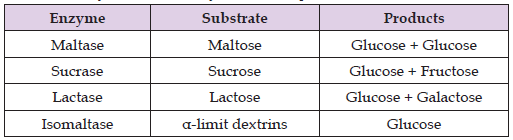
Small Intestinal Phase: The majority of carbohydrate digestion occurs in the small intestine, particularly in the duodenum and jejunum. The pancreas secretes pancreatic α-amylase, which continues the hydrolysis of starch into: Maltose, maltotriose, α-limit dextrins and short oligosaccharides. Pancreatic amylase is highly efficient and performs most luminal starch digestion [11]. The final stage of carbohydrate digestion occurs on the microvilli of intestinal epithelial cells through enzymes known as brush-border disaccharidases: These enzymes convert all digestible carbohydrates into absorbable monosaccharides. As a result, the primary sugars available for absorption are: Glucose, fructose and galactose (Table 1).
Table 1: Enzymes of carbohydrates and products.
Absorption of Sugars in the Small Intestine
Once digestion is complete, monosaccharides are absorbed across enterocytes lining the small intestine. Intestinal Structure for Absorption: The small intestine possesses specialized structures that maximize absorptive capacity: Circular folds (plicae circulares), villi and microvilli (brush border). These structures dramatically increase surface area, facilitating efficient nutrient uptake [11]. Transport of Glucose and Galactose: Glucose and galactose enter enterocytes through the Sodium-Glucose Cotransporter 1 (SGLT1) located on the apical membrane. Characteristics: Secondary active transport mechanism, coupled to sodium transport and driven by the sodium gradient maintained by Na⁺/K⁺-ATPase. This mechanism allows absorption even when luminal glucose concentrations are low [10]. Transport of Fructose: Fructose is absorbed through GLUT5, a facilitated diffusion transporter. Characteristics does not require sodium, passive process and specific for fructose [9]. Exit from Enterocytes: After entering intestinal epithelial cells, monosaccharides leave via the basolateral membrane through GLUT2 transporters and enter: Intestinal capillaries, portal circulation and liver. The liver serves as the primary metabolic hub for carbohydrate processing [8].
Hepatic Processing of Absorbed Sugars
Following absorption, portal blood transports monosaccharides to the liver. Glucose may: Enter systemic circulation, can be stored as glycogen (glycogenesis), or be oxidized for energy or be converted into fatty acids when present in excess. Fructose and galactose undergo conversion into glycolytic intermediates before entering mainstream glucose metabolism. This conversion allows these sugars to contribute to cellular energy production [6].
Cellular Metabolism of Glucose
After entering tissues, glucose undergoes cellular respiration to generate ATP.
1. Step 1: Glycolysis
Glycolysis is the first and universal pathway of glucose metabolism. Location in cytoplasm and process: One molecule of glucose (6 carbons) is converted into: Two molecules of pyruvate, net gain of 2 ATP and 2 NADH. Overall reaction: Glucose→2Pyruvate+2ATP+2NADH [8].
2. Step 2: Pyruvate Oxidation
Location in mitochondrial matrix, the pyruvate is converted into: Acetyl-CoA, CO₂ and NADH. Acetyl-CoA then enters the citric acid cycle [9].
3. Step 3: Citric acid cycle (Krebs Cycle)
Location in mitochondrial matrix, Functions are: Complete oxidation of acetyl-CoA and production of: NADH, FADH₂, GTP/ATP and CO₂. This cycle extracts high-energy electrons from carbon compounds [10].
4. Step 4: Electron transport chain and oxidative phosphorylation
Location in inner mitochondrial membrane, NADH and FADH₂ donate electrons to the electron transport chain. Consequences: proton gradient formation, ATP synthase activation and ATP generation. Final electron acceptor is Oxygen (O₂), products are water (H₂O) and approximately 30–32 ATP per glucose molecule. This stage generates the majority of cellular energy [12].
In regulation of blood glucose, normal carbohydrate metabolism is tightly regulated by hormones. Insulin is secreted by pancreatic β-cells. Functions are increases glucose uptake, stimulates glycogen synthesis, promotes glycolysis and inhibits gluconeogenesis. Glucagon is secreted by pancreatic α-cells. Functions are stimulating glycogen breakdown, promotes gluconeogenesis and raises blood glucose levels. Together, insulin and glucagon maintain blood glucose within a narrow physiological range [4]. The physiological outcome under normal conditions are as follow:
1. Dietary carbohydrates are efficiently digested into monosaccharides.
2. Monosaccharides are absorbed across the small intestinal epithelium.
3. Sugars enter portal circulation and reach the liver.
4. Glucose is distributed to tissues and oxidized through cellular respiration.
5. ATP is produced to support cellular functions.
6. Very little carbohydrate reaches the colon for fermentation, minimizing endogenous ethanol production.
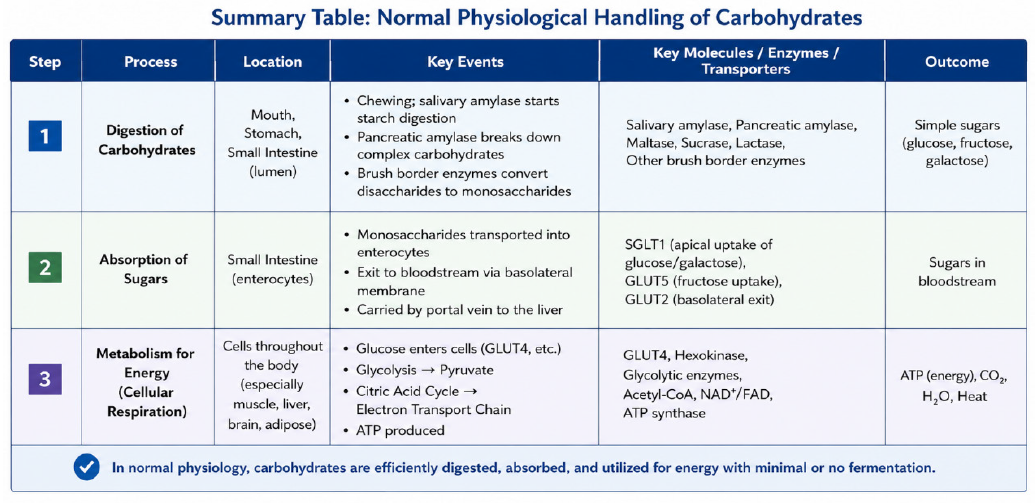
This efficient digestion–absorption–metabolism pathway ensures that carbohydrates serve as the body’s principal source of energy while maintaining metabolic homeostasis (Table 2).
Table 2: Summary of normal physiological carbohydrate metabolism.
The mechanism of Auto-Brewery Syndrome involves three major pathological stages. First, an overgrowth of fermentative microorganisms, including species of Saccharomyces, Candida, and certain ethanol-producing bacteria, occurs within the gastrointestinal tract. Second, these microorganisms ferment ingested carbohydrates and sugars, producing ethanol and carbon dioxide as metabolic by-products. Third, the generated ethanol is absorbed into the systemic circulation through the intestinal mucosa. Although the liver normally detoxifies ethanol through alcohol dehydrogenase (ADH), aldehyde dehydrogenase (ALDH), and related metabolic pathways, excessive endogenous ethanol production can overwhelm hepatic metabolism, leading to elevated blood alcohol concentrations and clinical manifestations of intoxication [13]. Auto-Brewery Syndrome (ABS), also known as Gut Fermentation Syndrome, is a rare medical condition characterized by the endogenous production of ethanol within the gastrointestinal tract. Individuals with ABS may exhibit signs and symptoms of alcohol intoxication despite having no history of alcohol consumption. The syndrome occurs when fermenting microorganisms, primarily yeasts and occasionally certain bacteria, metabolize dietary carbohydrates into ethanol, which is subsequently absorbed into the bloodstream.
Figure 1
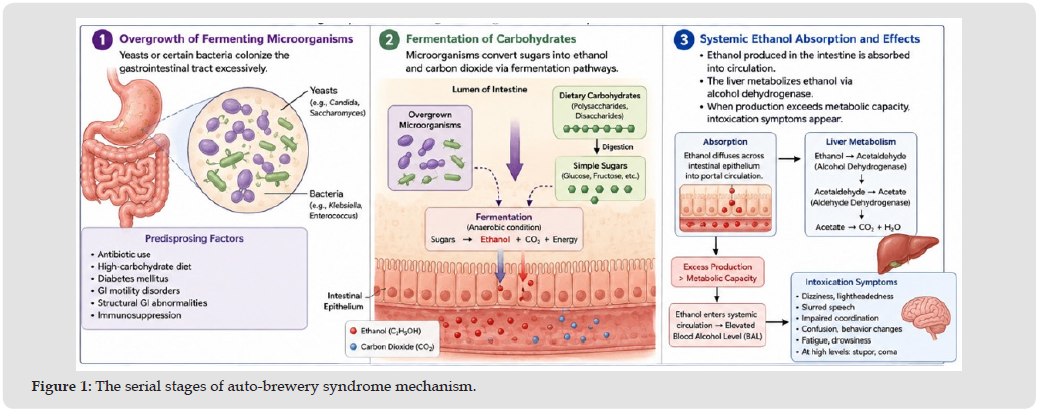
The pathophysiological mechanism of ABS involves three major stages (Figure 1):
1. Overgrowth of fermenting microorganisms
2. Fermentation of carbohydrates into ethanol
3. Systemic absorption and metabolism of ethanol
Overgrowth of Fermenting Microorganisms
Under healthy conditions, the gastrointestinal tract harbors a diverse and complex microbial ecosystem composed of bacteria, fungi, viruses, and archaea. These microorganisms exist in a balanced state and play essential roles in digestion, nutrient metabolism, immune regulation, and the maintenance of intestinal homeostasis. Although fungi are natural members of the intestinal microbiome, their populations are typically present at low levels and are tightly regulated by several mechanisms, including competition from beneficial bacterial communities, host immune defenses, gastric acidity, and normal intestinal motility. Consequently, microbial fermentation within the gastrointestinal tract produces only negligible amounts of ethanol, which do not result in measurable increases in blood alcohol concentrations under normal physiological conditions [14].
Auto-Brewery Syndrome (ABS) develops when the normal balance of the intestinal microbiota is disrupted, a condition known as dysbiosis. This disruption promotes the excessive growth of fermentative microorganisms capable of producing ethanol from dietary carbohydrates. Several factors may contribute to the development of dysbiosis and subsequent ABS. The use of broad-spectrum antibiotics can significantly reduce beneficial bacterial populations that normally inhibit fungal overgrowth. The loss of microbial competition allows opportunistic yeasts, such as Candida spp. and Saccharomyces spp., to proliferate within the gastrointestinal tract [15].
In addition, diets rich in sugars and refined carbohydrates provide abundant substrates for microbial fermentation, thereby enhancing ethanol production by fermentative microorganisms. Several gastrointestinal disorders, including Crohn’s disease, short bowel syndrome, and small intestinal bacterial overgrowth (SIBO), have also been associated with the development of ABS. These conditions may alter intestinal anatomy, motility, nutrient absorption, or microbial composition, creating favorable conditions for microbial fermentation. Furthermore, metabolic disorders such as diabetes mellitus and obesity have been linked to alterations in gut microbiota composition and may increase susceptibility to microbial overgrowth and endogenous ethanol production. Impaired immune function or reduced immune surveillance may further facilitate excessive colonization of the gastrointestinal tract by fermentative fungi and bacteria. Collectively, these factors promote microbial imbalance and create an environment in which fermentative microorganisms can convert dietary carbohydrates into significant quantities of ethanol, ultimately leading to the clinical manifestations of Auto-Brewery Syndrome (Table 3).
Table 2: Mechanism of Auto-Brewery Syndrome.
Fermentation of Carbohydrates
After the consumption of carbohydrate-rich foods, dietary carbohydrates such as starch, sucrose, lactose, and other complex polysaccharides are digested by salivary, pancreatic, and intestinal enzymes into absorbable monosaccharides, primarily glucose, fructose, and galactose. Under normal physiological conditions, these sugars are efficiently absorbed across the small intestinal epithelium and transported via the portal circulation to the liver, where they are utilized for energy production, glycogen synthesis, or other metabolic processes. Consequently, only small amounts of carbohydrates reach the distal intestine, limiting microbial fermentation and endogenous ethanol production [16]. In Auto-Brewery Syndrome (ABS), however, excessive colonization of the gastrointestinal tract by fermentative microorganisms alters this normal process. Large populations of ethanol-producing yeasts and bacteria gain access to dietary carbohydrates before they can be completely absorbed by the host. These microorganisms utilize the available sugars as metabolic substrates and convert them into ethanol through fermentation pathways. This process is analogous to the biochemical reactions used in industrial brewing and wine-making, where microorganisms transform sugars into alcohol under low-oxygen conditions. The fermentation process begins with glycolysis, during which glucose is metabolized into pyruvate while generating a small amount of energy in the form of adenosine triphosphate (ATP). The overall glycolytic reaction can be summarized as:

Under anaerobic conditions [17], pyruvate cannot enter the aerobic pathways of cellular respiration. Instead, fermentative microorganisms convert pyruvate into acetaldehyde through the action of the enzyme pyruvate decarboxylase. During this reaction, carbon dioxide (CO₂) is released as a by-product:

The production of carbon dioxide may contribute to gastrointestinal symptoms frequently reported in patients with Auto-Brewery Syndrome, including bloating, abdominal distension, excessive flatulence, and abdominal discomfort. Subsequently, acetaldehyde is reduced to ethanol by the enzyme alcohol dehydrogenase, which utilizes reduced nicotinamide adenine dinucleotide (NADH) as a cofactor:

The overall fermentation reaction can therefore be represented as:

where glucose (C₆H₁₂O₆) is converted into ethanol (C₂H₅OH), carbon dioxide (CO₂), and a small amount of metabolic energy. As fermentation continues, increasing quantities of ethanol accumulate within the intestinal lumen and become available for absorption into the bloodstream. Several factors can enhance intestinal fermentation and increase endogenous ethanol production. High consumption of carbohydrate-rich foods, including bread, pasta, rice, sweets, desserts, and sugar-containing beverages, provides abundant fermentable substrates that support microbial growth and ethanol synthesis. Delayed intestinal transit or impaired gastrointestinal motility further increases the contact time between microorganisms and dietary carbohydrates, allowing more extensive fermentation to occur. Additionally [18], the gastrointestinal tract provides a relatively low-oxygen (anaerobic) environment, particularly within certain regions of the intestine, which favors the activity of fermentative microorganisms and promotes ethanol production. When these conditions coexist with microbial overgrowth, substantial quantities of ethanol may be generated, contributing to the pathophysiology of Auto-Brewery Syndrome and the development of intoxication symptoms in affected individuals.
Systemic Ethanol Absorption
Ethanol produced within the intestinal lumen is readily absorbed into the bloodstream because it is a small, water-soluble molecule that diffuses rapidly across biological membranes without requiring specialized transport mechanisms. Absorption occurs predominantly in the small intestine, where the large surface area and extensive vascularization facilitate efficient uptake, although a smaller proportion may also be absorbed in the colon. Once absorbed, ethanol enters the portal circulation through the portal vein, which transports blood directly from the gastrointestinal tract to the liver. This route is identical to that followed by ethanol derived from alcoholic beverages, meaning that the body processes endogenously produced ethanol in the same manner as externally consumed alcohol [19]. The liver serves as the primary site for ethanol metabolism and detoxification. Upon reaching the liver, ethanol is first oxidized to acetaldehyde by the enzyme alcohol dehydrogenase (ADH) in a reaction that utilizes nicotinamide adenine dinucleotide (NAD⁺) as a cofactor, producing nicotinamide adenine dinucleotide reduced form (NADH). The reaction can be represented as: Ethanol + NAD⁺ → Acetaldehyde + NADH. Acetaldehyde is a highly reactive and toxic intermediate that contributes significantly to many of the physiological effects associated with alcohol exposure, including cellular damage, oxidative stress, and various neurological symptoms. Subsequently, acetaldehyde is rapidly metabolized to acetate by the enzyme aldehyde dehydrogenase (ALDH).
This reaction also requires NAD⁺ and generates NADH according to the following equation: Acetaldehyde + NAD⁺ → Acetate + NADH. Acetate is considerably less toxic than acetaldehyde and is further converted into acetyl-coenzyme A (acetyl-CoA), a central metabolic intermediate. Acetyl-CoA enters several biochemical pathways, including the tricarboxylic acid (Krebs) cycle, lipid synthesis and metabolism pathways, and cellular energy production processes, ultimately allowing the body to utilize ethanol-derived carbon for normal metabolic functions. Under physiological conditions, the rate of endogenous ethanol production by intestinal microorganisms remains very low and is substantially lower than the liver’s capacity to metabolize ethanol. As a result, blood ethanol concentrations remain negligible and do not produce clinical effects. In Auto-Brewery Syndrome (ABS), however, excessive colonization of the gastrointestinal tract by ethanol-producing microorganisms leads to markedly increased fermentation of dietary carbohydrates [19]. When the rate of ethanol production exceeds the liver’s metabolic clearance capacity, ethanol accumulates in the bloodstream, resulting in elevated blood alcohol concentrations. Clinical studies and documented case reports have demonstrated that individuals with ABS may develop blood alcohol levels comparable to those observed after the consumption of alcoholic beverages. Consequently, affected individuals can experience symptoms of alcohol intoxication despite complete abstinence from alcohol.
These manifestations may include dizziness, fatigue, impaired concentration, confusion, slurred speech, reduced coordination (ataxia), mood alterations, memory impairment, and, in severe cases, loss of consciousness. Symptoms commonly occur after the ingestion of carbohydrate-rich meals because dietary sugars provide abundant substrates for microbial fermentation and subsequent ethanol production. The pathophysiological sequence of Auto-Brewery Syndrome begins with the overgrowth of ethanol-producing microorganisms within the gastrointestinal tract. Following the consumption of carbohydrate-containing foods, these microorganisms ferment dietary sugars into ethanol and carbon dioxide. The ethanol produced is absorbed through the intestinal wall, transported via the portal circulation to the liver, and metabolized through normal hepatic pathways [18]. However, when ethanol production exceeds hepatic metabolic capacity, blood alcohol concentrations rise, leading to recurrent episodes of intoxication. Continued exposure to fermentable carbohydrates perpetuates this cycle, resulting in repeated symptomatic episodes. Overall, Auto-Brewery Syndrome is a rare but clinically significant disorder characterized by excessive endogenous ethanol production by microorganisms such as Candida species, Saccharomyces cerevisiae, and, in some cases, ethanol-producing bacteria including Klebsiella pneumoniae. Understanding the mechanisms of ethanol production, absorption, metabolism, and accumulation is essential for accurate diagnosis, appropriate treatment, and differentiation of ABS from alcohol consumption disorders.
Common Fermenting Microorganisms
The yeast species most frequently implicated in Auto-Brewery Syndrome (ABS) belong to the genera Candida and Saccharomyces. Commonly reported Candida species include Candida albicans, Candida glabrata, Candida tropicalis, and Candida krusei. These yeasts possess metabolic pathways that enable them to convert glucose and other carbohydrates into ethanol under anaerobic conditions. In addition, Saccharomyces species, particularly Saccharomyces cerevisiae (brewer’s yeast), have been strongly associated with ABS. Saccharomyces cerevisiae is widely used in industrial fermentation processes and is highly efficient at producing ethanol from sugars. When present in excessive numbers within the gastrointestinal tract, this yeast can generate substantial amounts of ethanol, contributing to elevated blood alcohol levels [20]. Although bacterial involvement is less common than fungal involvement, several bacterial species have also been implicated in endogenous ethanol production. These include Klebsiella pneumoniae, Enterococcus faecium, and Enterococcus faecalis. Recent studies have shown that certain strains of Klebsiella pneumoniae are particularly efficient producers of ethanol and may contribute significantly to endogenous alcohol generation. The overgrowth of these microorganisms within the gastrointestinal tract can enhance carbohydrate fermentation and increase ethanol production, thereby playing an important role in the pathogenesis of Auto-Brewery Syndrome.
A variety of microorganisms have been associated with the development of Auto-Brewery Syndrome (ABS), with yeasts representing the most frequently identified causative agents. Among these, Saccharomyces cerevisiae, commonly known as brewer’s yeast, is one of the most extensively documented species due to its highly efficient capacity to ferment carbohydrates into ethanol. Several species of the genus Candida have also been implicated, including Candida albicans, Candida glabrata, Candida tropicalis, and Candida krusei. These fungi are often present as normal commensal organisms within the human gastrointestinal microbiota and generally coexist with the host without causing disease [21]. However, under certain conditions, such as prolonged antibiotic use, immunosuppression, diabetes mellitus, gastrointestinal disorders, altered gut microbial composition, or diets rich in fermentable carbohydrates, these organisms may proliferate excessively. Such overgrowth increases their fermentative activity, enabling the conversion of substantial quantities of dietary sugars into ethanol and carbon dioxide. Because these yeasts possess metabolic pathways similar to those employed in industrial brewing and fermentation processes, they can generate clinically significant amounts of endogenous ethanol when favorable conditions exist within the gastrointestinal tract. Although yeasts remain the predominant microorganisms associated with Auto-Brewery Syndrome, growing evidence suggests that certain bacterial species may also contribute to endogenous ethanol production.
Among these, Klebsiella pneumoniae has attracted considerable scientific attention because some strains exhibit exceptionally high alcohol-producing capabilities. These high-alcohol-producing strains can ferment carbohydrates into ethanol at levels sufficient to contribute to elevated blood alcohol concentrations and have also been linked to the pathogenesis of metabolic dysfunction-associated fatty liver disease (MAFLD), previously known as non-alcoholic fatty liver disease (NAFLD). In addition to Klebsiella pneumoniae, other bacterial species, including Enterococcus faecium and specific strains of Escherichia coli, have demonstrated the capacity to produce ethanol through carbohydrate fermentation [22]. Although bacterial ethanol production is generally lower than that of highly fermentative yeasts, bacterial overgrowth within the gastrointestinal tract may contribute substantially to the overall endogenous alcohol burden, particularly when combined with favorable environmental conditions such as abundant carbohydrate availability and disrupted intestinal microbial balance. The recognition of both fungal and bacterial contributors to endogenous ethanol production has broadened the understanding of Auto-Brewery Syndrome and highlights the importance of evaluating the entire gastrointestinal microbiome during diagnosis.
Current evidence indicates that the disorder is not solely a fungal disease but rather a complex microbial dysbiosis in which multiple ethanol-producing microorganisms may act independently or synergistically to generate excessive amounts of alcohol within the gastrointestinal tract. Consequently, accurate identification of the responsible microorganisms is essential for effective treatment, as therapeutic approaches may differ depending on whether fungal overgrowth, bacterial overgrowth, or a combination of both is present [23].
Several predisposing factors have been associated with the development of Auto-Brewery Syndrome (ABS), primarily through their ability to disrupt the normal balance of the gastrointestinal microbiota, alter intestinal physiology, or increase the availability of fermentable substrates. Among the most frequently reported risk factors is the use of broad-spectrum antibiotics. Antibiotics can profoundly alter the composition and diversity of the intestinal microbiome by eliminating beneficial bacterial populations that normally compete with and regulate the growth of fungi and other microorganisms [24]. The reduction of these protective bacterial communities creates an ecological niche that facilitates the proliferation of ethanol-producing yeasts such as Saccharomyces cerevisiae and Candida species. As a result, microbial overgrowth may occur, increasing the capacity of the gastrointestinal tract to ferment dietary carbohydrates into ethanol. Numerous case reports have identified recent or prolonged antibiotic exposure as a common antecedent event in patients subsequently diagnosed with Auto-Brewery Syndrome. Various gastrointestinal disorders have also been implicated in the pathogenesis of ABS. Conditions that alter normal intestinal anatomy, impair gastrointestinal motility, or disrupt microbial homeostasis can create favorable conditions for microbial overgrowth and fermentation. Short bowel syndrome, characterized by a substantial reduction in functional intestinal length, is one of the most well-documented predisposing conditions.
The altered digestive and absorptive processes associated with this disorder may increase the availability of carbohydrates for microbial fermentation. Similarly, inflammatory bowel diseases such as Crohn’s disease can disrupt the integrity of the intestinal mucosa and alter the composition of the gut microbiome, thereby facilitating colonization by ethanol-producing microorganisms. Intestinal stasis, delayed gastrointestinal transit, and motility disorders may further contribute by prolonging the contact time between microorganisms and dietary carbohydrates, allowing more extensive fermentation to occur [25]. In addition, surgical procedures involving the gastrointestinal tract, including bowel resections, reconstructive surgeries, and other anatomical modifications, can create environments that favor microbial proliferation and endogenous ethanol production.
Several metabolic and systemic disorders may also increase susceptibility to Auto-Brewery Syndrome. Diabetes mellitus is considered a significant risk factor because elevated glucose concentrations in the gastrointestinal tract and altered immune responses may promote the growth and fermentative activity of ethanol-producing microorganisms. Liver disease may further exacerbate the condition by reducing the body’s capacity to metabolize and clear ethanol efficiently, thereby increasing the likelihood that endogenous ethanol will accumulate in the bloodstream. Obesity has been associated with alterations in gut microbial composition and metabolic function, which may contribute to increased endogenous ethanol production in some individuals.
Furthermore, immunosuppressive conditions, whether resulting from disease, medication use, organ transplantation, chemotherapy, or other causes, can impair the body’s ability to regulate microbial populations within the gastrointestinal tract, increasing the risk of fungal or bacterial overgrowth and subsequent ethanol production [26]. Dietary habits play a critical role in the development and severity of Auto-Brewery Syndrome because dietary carbohydrates serve as the primary substrates for microbial fermentation. Diets rich in carbohydrates provide abundant sources of glucose and other fermentable sugars that can be metabolized by ethanol-producing microorganisms. High consumption of refined carbohydrates and simple sugars, including sweets, desserts, sweetened beverages, white bread, pasta, and processed foods, may significantly enhance microbial fermentation and increase endogenous ethanol production. Repeated exposure to carbohydrate-rich meals can therefore trigger recurrent episodes of intoxication in susceptible individuals [27]. Consequently, dietary carbohydrate intake is considered one of the most important modifiable factors influencing the manifestation and recurrence of Auto-Brewery Syndrome, and dietary modification often constitutes a fundamental component of clinical management.
The biochemical mechanism responsible for endogenous ethanol production in Auto-Brewery Syndrome closely resembles the fermentation processes employed in industrial brewing and wine production. In both settings, fermentative microorganisms utilize carbohydrates as energy substrates and convert them into ethanol through a series of enzymatic reactions that occur under anaerobic or low-oxygen conditions. This metabolic strategy allows microorganisms to generate energy when oxygen is unavailable or limited [28]. The process begins with glycolysis, a highly conserved metabolic pathway present in yeasts, bacteria, plants, and animals. During glycolysis, one molecule of glucose is enzymatically broken down through a sequence of reactions into two molecules of pyruvate. This process occurs in the cytoplasm and does not require oxygen. In addition to producing pyruvate, glycolysis generates a net gain of two molecules of adenosine triphosphate (ATP), which serve as an immediate source of cellular energy, and two molecules of reduced nicotinamide adenine dinucleotide (NADH), which function as electron carriers. The overall glycolytic reaction can be summarized as:

Under aerobic conditions, pyruvate is typically transported into mitochondria and further oxidized through the tricarboxylic acid (Krebs) cycle and oxidative phosphorylation. However, in fermentative microorganisms such as Saccharomyces cerevisiae and various Candida species, pyruvate undergoes alcoholic fermentation when oxygen availability is limited. This alternative pathway enables the regeneration of NAD⁺ from NADH, thereby allowing glycolysis to continue and sustain ATP production [29]. The first step of alcoholic fermentation involves the decarboxylation of pyruvate to form acetaldehyde and carbon dioxide. This reaction is catalyzed by the enzyme pyruvate decarboxylase:

The carbon dioxide released during this process contributes to gaseous by-products that may cause abdominal bloating, distension, and flatulence in affected individuals. In the second step, acetaldehyde is reduced to ethanol by the enzyme alcohol dehydrogenase. During this reaction, NADH serves as the reducing agent and is oxidized back to NAD⁺:

The regeneration of NAD⁺ is essential because it permits glycolysis to continue producing ATP in the absence of oxygen. The overall alcoholic fermentation reaction can therefore be represented as:

Although alcoholic fermentation yields considerably less energy than aerobic respiration, it provides a sufficient source of ATP for microbial survival and growth under anaerobic conditions. In Auto-Brewery Syndrome, excessive populations of ethanol-producing microorganisms within the gastrointestinal tract continuously perform this metabolic process using dietary carbohydrates as substrates [30]. As a result, substantial quantities of ethanol may be generated within the intestinal lumen. The ethanol produced is subsequently absorbed through the intestinal mucosa, enters the portal circulation, and reaches the liver. When the rate of endogenous ethanol production exceeds the body’s capacity for hepatic metabolism and clearance, ethanol accumulates in the bloodstream, leading to elevated blood alcohol concentrations and the clinical manifestations of intoxication characteristic of Auto-Brewery Syndrome.
The clinical manifestations of Auto-Brewery Syndrome (ABS) are highly variable and depend on several factors, including the amount of endogenous ethanol produced, the rate of ethanol absorption from the gastrointestinal tract, hepatic metabolic capacity, individual genetic variations in alcohol-metabolizing enzymes, body mass, nutritional status, and the composition of the intestinal microbiota [31]. The severity of symptoms may range from mild and intermittent episodes to profound intoxication that closely resembles acute alcohol consumption. In many cases, symptoms develop after the ingestion of carbohydrate-rich meals, which provide abundant substrates for microbial fermentation and subsequent ethanol production. Because the clinical presentation often mimics alcohol intoxication, patients may experience significant social, occupational, legal, and psychological consequences before an accurate diagnosis is established. Neurological manifestations are among the most commonly reported symptoms and result primarily from the effects of ethanol on the central nervous system. As blood alcohol concentrations increase, ethanol readily crosses the blood–brain barrier and exerts depressant effects on neuronal activity [32]. Patients frequently experience dizziness, lightheadedness, impaired balance, and reduced motor coordination. Cerebellar dysfunction may lead to ataxia, unsteady gait, and difficulty performing tasks requiring fine motor control. Cognitive impairment is also common and may include decreased attention span, impaired concentration, slowed reaction times, poor judgment, and reduced executive functioning.
Confusion and disorientation may occur during episodes of elevated blood alcohol levels, particularly in severe cases. Memory disturbances ranging from mild forgetfulness to transient memory impairment have also been documented. In extreme situations, excessive endogenous ethanol production may result in profound central nervous system depression, leading to syncope, stupor, or loss of consciousness requiring emergency medical intervention. Psychological and behavioral manifestations are likewise frequently observed and may significantly affect quality of life. Fluctuating blood alcohol levels can alter neurotransmitter activity within the brain, contributing to mood instability and emotional disturbances [33]. Patients may experience sudden mood swings, irritability, anxiety, depression, or episodes of unexplained emotional lability. Behavioral changes resembling those associated with alcohol intoxication, including impaired judgment, inappropriate social behavior, reduced inhibition, and altered decision-making, have been reported. Persistent fatigue and chronic tiredness are common complaints, even between acute episodes, possibly resulting from repeated ethanol exposure, sleep disturbances, metabolic stress, and alterations in normal neurological function. Some individuals report difficulties with work performance, interpersonal relationships, and daily activities due to recurrent cognitive and psychological symptoms [34]. Gastrointestinal symptoms frequently accompany endogenous ethanol production and are often related to the underlying microbial overgrowth and fermentation processes occurring within the gastrointestinal tract.
Fermentation of dietary carbohydrates by ethanol-producing microorganisms generates not only ethanol but also substantial amounts of carbon dioxide and other gaseous by-products [35]. Consequently, patients commonly experience abdominal bloating, excessive flatulence, abdominal distension, and gastrointestinal discomfort. Additional symptoms may include abdominal pain, nausea, changes in bowel habits, and a sensation of fullness following meals. These gastrointestinal manifestations may precede or accompany neurological symptoms and can provide important clinical clues regarding the presence of excessive intestinal fermentation. In some patients, symptoms are exacerbated following the consumption of foods rich in simple sugars or refined carbohydrates, reflecting the increased availability of substrates for microbial metabolism. The frequency and severity of symptoms vary considerably among affected individuals and may fluctuate over time according to dietary patterns, microbial composition, underlying medical conditions, and treatment adherence. Because many manifestations overlap with those of alcohol intoxication, psychiatric disorders, neurological diseases, and metabolic conditions, Auto-Brewery Syndrome is often underdiagnosed or misdiagnosed. Recognition of the characteristic association between carbohydrate intake, gastrointestinal fermentation, elevated blood alcohol concentrations, and recurrent intoxication-like symptoms is therefore essential for timely diagnosis and appropriate clinical management.
The diagnosis of Auto-Brewery Syndrome (ABS), also known as Gut Fermentation Syndrome, is often challenging because the condition is rare, poorly recognized, and presents with symptoms that closely resemble those associated with alcohol consumption. Accurate diagnosis requires a comprehensive clinical evaluation, careful documentation of symptoms, and exclusion of alternative causes of elevated blood alcohol concentrations. Patients frequently report recurrent episodes of intoxication despite abstaining from alcoholic beverages, and many experience symptoms after consuming carbohydrate- rich meals. Because these clinical manifestations may be misinterpreted as alcohol misuse or psychiatric illness, a systematic diagnostic approach is essential [36]. One of the most important diagnostic procedures is the carbohydrate challenge test, which is considered the cornerstone for confirming endogenous ethanol production. During this test, the patient is placed under controlled conditions to ensure complete abstinence from alcohol and is then administered a standardized carbohydrate load, typically consisting of glucose or another readily fermentable carbohydrate. Blood alcohol concentration (BAC) and/or breath alcohol levels are subsequently measured at regular intervals over several hours. In healthy individuals, carbohydrate consumption does not result in clinically significant increases in blood ethanol concentrations. In contrast, patients with Auto-Brewery Syndrome may demonstrate a progressive rise in blood or breath ethanol levels following carbohydrate ingestion, reflecting microbial fermentation within the gastrointestinal tract [37].
Some protocols also include simultaneous monitoring of blood glucose levels and clinical symptoms to correlate ethanol production with carbohydrate metabolism. Microbiological investigations play a critical role in identifying the microorganisms responsible for endogenous ethanol production. Stool cultures may be performed to detect excessive colonization by fermentative yeasts, particularly Saccharomyces cerevisiae, Candida albicans, Candida glabrata, Candida tropicalis, and Candida krusei. In addition, cultures may reveal the presence of ethanol-producing bacteria such as Klebsiella pneumoniae, Enterococcus faecium, and certain strains of Escherichia coli. However, conventional culture techniques may not identify all relevant microorganisms because many members of the intestinal microbiota are difficult to cultivate under laboratory conditions. Consequently, advanced molecular techniques have increasingly been employed to characterize the gastrointestinal microbiome. Methods such as 16S ribosomal RNA gene sequencing for bacteria, internal transcribed spacer (ITS) sequencing for fungi, metagenomic sequencing, and other microbiome profiling approaches can provide detailed information regarding microbial composition, abundance, and potential fermentative capacity. These techniques may help identify dysbiosis and detect microorganisms capable of excessive ethanol production that would otherwise remain undetected [38]. Measurement of blood ethanol concentrations constitutes another important component of the diagnostic evaluation.
The detection of elevated blood alcohol levels in individuals who have not consumed alcoholic beverages strongly supports the possibility of endogenous ethanol production. Repeated measurements obtained during symptomatic episodes may reveal fluctuating ethanol concentrations that correspond to periods of increased microbial fermentation. In some cases [39], blood ethanol levels may reach concentrations comparable to those observed after moderate or even substantial alcohol consumption. Additional laboratory investigations may include liver function tests, metabolic panels, blood glucose measurements, and assessments of nutritional status to identify associated conditions that may contribute to or complicate the disorder. Because Auto-Brewery Syndrome is a diagnosis of exclusion, differential diagnosis is essential. Alcohol use disorder must be carefully ruled out through detailed clinical interviews, collateral history from family members, and, when appropriate, supervised observation. This step is particularly important because patients are often incorrectly accused of covert alcohol consumption. Psychiatric disorders should also be considered, especially when symptoms such as mood changes, behavioral disturbances, confusion, or cognitive impairment predominate. Conditions including anxiety disorders, depressive disorders, personality disorders, and factitious disorders may occasionally mimic aspects of the syndrome. Furthermore, several metabolic and medical disorders can produce symptoms similar to alcohol intoxication and should be excluded.
These include hypoglycemia, diabetic ketoacidosis, hepatic encephalopathy, urea cycle disorders, mitochondrial diseases, neurological disorders, and other conditions affecting cognitive function or consciousness. A thorough evaluation is therefore necessary to distinguish Auto-Brewery Syndrome from these alternative diagnoses and to ensure appropriate treatment [40]. Given the rarity of the condition and the absence of universally standardized diagnostic criteria, the diagnosis of Auto-Brewery Syndrome typically relies on the integration of clinical history, documented elevations in blood or breath ethanol levels following carbohydrate exposure, microbiological evidence of fermentative microorganisms, and exclusion of other medical, psychiatric, and behavioral causes [41]. Early recognition and accurate diagnosis are essential for preventing unnecessary social stigma, legal consequences, inappropriate treatments, and recurrent episodes of endogenous alcohol intoxication.
If Auto-Brewery Syndrome (ABS) remains undiagnosed or inadequately treated, persistent endogenous ethanol production may result in a variety of medical, psychological, social, occupational, and legal complications. The chronic and recurrent exposure of body tissues to ethanol and its toxic metabolite acetaldehyde can have significant long-term consequences, particularly when elevated blood alcohol concentrations occur repeatedly over months or years. Although ABS is relatively rare, its potential complications can be substantial and may significantly impair an individual’s overall health and quality of life [42]. One of the most important medical concerns associated with prolonged endogenous ethanol production is liver injury. The liver serves as the primary organ responsible for ethanol metabolism, converting ethanol to acetaldehyde through alcohol dehydrogenase and subsequently metabolizing acetaldehyde to acetate via aldehyde dehydrogenase. Chronic exposure to elevated levels of ethanol and acetaldehyde increases oxidative stress, promotes lipid accumulation within hepatocytes, disrupts normal mitochondrial function, and stimulates inflammatory pathways. Over time, these effects may contribute to hepatic steatosis (fatty liver), steatohepatitis, fibrosis, and potentially cirrhosis in susceptible individuals. Recent research [43] has also demonstrated that certain high-alcohol-producing microorganisms, particularly strains of Klebsiella pneumoniae, can generate sufficient endogenous ethanol to contribute directly to the development and progression of metabolic dysfunction-associated fatty liver disease (MAFLD).
Consequently, recurrent episodes of endogenous alcohol production may represent a clinically significant risk factor for chronic liver damage even in individuals who abstain completely from alcoholic beverages. Beyond its physiological effects, Auto-Brewery Syndrome can profoundly affect social and occupational functioning. Recurrent episodes of intoxication-like behavior may interfere with an individual’s ability to maintain employment, perform academic responsibilities, operate machinery safely, or engage effectively in daily activities. Cognitive impairment, reduced concentration, fatigue, memory disturbances, and impaired coordination may adversely affect workplace productivity and increase the risk of accidents. Furthermore, the unpredictable nature of symptomatic episodes often creates challenges in professional environments, where affected individuals may be incorrectly perceived as consuming alcohol during working hours. Family relationships, social interactions, and personal reputation may also suffer when friends, colleagues, or relatives misunderstand the condition and attribute symptoms to intentional alcohol use. Such misunderstandings frequently result in social isolation, emotional distress, reduced self-esteem, and diminished quality of life [44].
Legal complications represent another significant consequence of Auto-Brewery Syndrome. Because affected individuals may develop measurable blood alcohol concentrations without consuming alcohol, they may face accusations of driving under the influence (DUI), public intoxication, workplace misconduct, or other alcohol-related violations.
Several documented case reports have described individuals who tested positive for blood alcohol despite denying alcohol consumption and were subsequently diagnosed with Auto-Brewery Syndrome following extensive medical evaluation. These situations may result in legal disputes, financial burdens, loss of employment, suspension of driving privileges, and reputational damage [43]. The condition therefore has important forensic and medicolegal implications, highlighting the necessity of careful clinical investigation when unexplained elevations in blood alcohol concentration are observed. Nutritional deficiencies may also develop in some patients, particularly when recurrent symptoms lead to restrictive dietary practices, gastrointestinal dysfunction, or chronic alterations in gut microbial composition. Excessive microbial fermentation can interfere with normal nutrient absorption and may contribute to deficiencies in vitamins, minerals, and other essential nutrients. Furthermore, patients are often advised to follow low-carbohydrate or carbohydrate-restricted diets as part of treatment, and poorly planned dietary modifications may inadvertently reduce nutrient intake. Chronic gastrointestinal symptoms such as bloating, abdominal discomfort, nausea, and altered bowel habits may further compromise nutritional status. In addition, longterm microbial dysbiosis can affect the synthesis and absorption of micronutrients, particularly certain B vitamins, potentially contributing to fatigue, neurological symptoms, and impaired metabolic function [44].
The cumulative effects of chronic endogenous ethanol exposure, recurrent intoxication episodes, social stigma, occupational difficulties, legal challenges, and nutritional disturbances underscore the importance of early recognition and effective management of Auto- Brewery Syndrome. Prompt diagnosis, appropriate antimicrobial therapy when indicated, dietary modification, microbiome restoration, and regular medical follow-up are essential to prevent longterm complications and improve patient outcomes.
The management of Auto-Brewery Syndrome (ABS) requires a comprehensive and individualized approach aimed at reducing endogenous ethanol production, eliminating ethanol-producing microorganisms, restoring normal gastrointestinal microbial balance, and preventing recurrence. Because the disorder results from the interaction of microbial overgrowth, dietary carbohydrate availability, and host-related factors, successful treatment typically involves a combination of dietary modification, pharmacological therapy, and microbiome restoration strategies. Long-term follow-up is often necessary to monitor treatment response and prevent relapse [41]. Dietary management represents one of the most important components of treatment because dietary carbohydrates serve as the primary substrates for microbial fermentation and endogenous ethanol production. Restricting carbohydrate intake reduces the availability of fermentable sugars and thereby limits ethanol synthesis within the gastrointestinal tract. Many patients benefit from a low-carbohydrate diet, particularly during the initial stages of treatment. Foods rich in refined sugars and rapidly absorbable carbohydrates, including sweets, desserts, sugar-sweetened beverages, white bread, pastries, and highly processed foods, are generally avoided because they can rapidly stimulate microbial fermentation. Emphasis is often placed on consuming foods rich in protein, healthy fats, and dietary fiber, which provide nutritional support while minimizing excessive glucose availability for fermentative microorganisms [45].
High-fiber foods may also promote gastrointestinal health by supporting beneficial microbial populations and improving intestinal function. In some cases, gradual reintroduction of carbohydrates may be possible once microbial overgrowth has been successfully controlled and symptoms have resolved. Careful dietary counseling by a registered dietitian can help ensure adequate nutritional intake while minimizing the risk of recurrent ethanol production. Pharmacological therapy is directed toward eliminating the specific microorganisms responsible for endogenous ethanol production. Because fungal overgrowth is the most commonly identified cause of Auto-Brewery Syndrome, antifungal medications are frequently used as first-line treatment. Fluconazole is among the most commonly prescribed antifungal agents due to its effectiveness against many Candida species and its favorable oral bioavailability. Nystatin may also be employed, particularly because it acts locally within the gastrointestinal tract and exhibits minimal systemic absorption. In cases involving resistant fungal strains or severe infections, amphotericin B may be considered, although its use is generally reserved for selected situations because of its potential adverse effects. The choice of antifungal therapy should ideally be guided by microbiological culture results, susceptibility testing, and clinical response.
Although fungi are the most frequently implicated organisms, increasing evidence suggests that certain bacteria can also contribute significantly to endogenous ethanol production. When bacterial overgrowth is identified through microbiological or molecular testing, appropriate antibiotic therapy may be indicated. The selection of antimicrobial agents depends on the specific bacterial species involved, susceptibility patterns, and the overall clinical context. Careful use of antibiotics is important because indiscriminate antimicrobial treatment may further disrupt the intestinal microbiome and potentially increase the risk of recurrent dysbiosis. Consequently, treatment decisions should be guided by microbiological evidence whenever possible. Restoration of a healthy intestinal microbiome has emerged as an important therapeutic objective in the management of Auto-Brewery Syndrome. Probiotic supplementation is frequently used to promote recolonization by beneficial microorganisms that compete with ethanol-producing fungi and bacteria. Various probiotic species, particularly members of the genera Lactobacillus and Bifidobacterium, have been investigated for their potential to improve microbial balance, enhance intestinal barrier function, and suppress the growth of pathogenic microorganisms. Although evidence remains limited, probiotics may contribute to reducing recurrence rates when combined with dietary and pharmacological interventions [46].
In severe, refractory, or recurrent cases that do not respond adequately to conventional therapy, fecal microbiota transplantation (FMT) has been explored as a potential treatment option. FMT involves the transfer of processed stool from a healthy donor to the gastrointestinal tract of the affected patient with the goal of restoring a balanced and diverse microbial ecosystem. Several case reports have described successful resolution of symptoms following FMT in patients with persistent Auto-Brewery Syndrome, suggesting that restoration of normal microbial diversity may reduce endogenous ethanol production. However, the use of FMT for ABS remains investigational, and additional clinical studies are needed to establish its long-term efficacy, safety, optimal protocols, and indications. Overall, effective management of Auto-Brewery Syndrome requires not only the elimination of ethanol-producing microorganisms but also correction of the underlying factors that permit microbial overgrowth and fermentation. A multidisciplinary approach involving gastroenterologists, infectious disease specialists, microbiologists, dietitians, and primary care physicians is often necessary to achieve sustained remission and prevent recurrence. Early diagnosis, targeted antimicrobial therapy, appropriate dietary modification, and restoration of a healthy intestinal microbiome remain the cornerstones of successful treatment.
The prognosis of Auto-Brewery Syndrome (ABS), also known as endogenous ethanol fermentation syndrome, is generally favorable when the condition is recognized early and managed appropriately. Most reported patients experience substantial clinical improvement following targeted therapeutic interventions, including dietary carbohydrate restriction, eradication of ethanol-producing microorganisms, and restoration of a healthy intestinal microbiota. Successful treatment often results in complete resolution of symptoms and normalization of blood ethanol concentrations, allowing patients to resume normal social, occupational, and daily activities. However, because ABS is frequently underdiagnosed or misdiagnosed, delays in diagnosis may prolong patient suffering and increase the risk of medical, psychological, social, and legal complications [37]. The long-term outcome largely depends on identifying and correcting the underlying predisposing factors responsible for microbial overgrowth and excessive endogenous ethanol production. Patients with gastrointestinal disorders, structural abnormalities of the digestive tract, diabetes mellitus, immune dysfunction, or a history of prolonged antibiotic use may remain susceptible to recurrent episodes if these conditions are not adequately managed. Recurrence of symptoms has been reported in some patients following the reintroduction of high-carbohydrate diets or discontinuation of antifungal, antibacterial, or probiotic therapies. Consequently, long-term dietary adherence and regular clinical monitoring are often recommended to minimize the risk of relapse.
Early diagnosis plays a critical role in improving clinical outcomes and preventing secondary complications. Prompt recognition enables timely initiation of appropriate treatment, reducing exposure to elevated endogenous ethanol levels and preventing unnecessary diagnostic procedures, psychiatric evaluations, or legal consequences associated with unexplained intoxication. In contrast, prolonged exposure to endogenous ethanol may contribute to metabolic disturbances, hepatic injury, nutritional deficiencies, impaired cognitive performance, and reduced quality of life [38]. Studies have also suggested that chronic endogenous ethanol production may promote oxidative stress and inflammatory responses that could contribute to the development or progression of liver disease, particularly in susceptible individuals. Although the overall prognosis is favorable, long-term follow-up remains important because the natural history of ABS is not fully understood. The rarity of the condition and the limited number of documented cases make it difficult to establish standardized prognostic criteria. Nevertheless, available evidence indicates that most patients achieve significant clinical improvement when management strategies are individualized and focused on controlling microbial fermentation, maintaining dietary modifications, and addressing underlying gastrointestinal or metabolic abnormalities. Continued research is needed to better define long-term outcomes, recurrence rates, and optimal management protocols for this uncommon but clinically significant disorder [39].
Here is a corrected, expanded, and academically written version in a continuous scientific style suitable for a scientific review article, with references and without subtitles:
Current research [40] on Auto-Brewery Syndrome (ABS) has expanded considerably in recent years, driven by advances in microbiome science, molecular diagnostics, and the growing recognition of endogenous ethanol production as a clinically significant phenomenon. Although ABS remains a rare and often underdiagnosed disorder, emerging evidence suggests that its pathophysiology may provide important insights into host–microbiome interactions, microbial metabolism, and the development of various metabolic and gastrointestinal diseases. Consequently, contemporary research efforts are focused on elucidating the microbial, genetic, biochemical, and immunological factors that contribute to excessive endogenous ethanol production and its systemic consequences. One of the most active areas of investigation involves comprehensive profiling of the gut microbiome using next-generation sequencing technologies, metagenomics, metatranscriptomics, and metabolomics. These approaches enable researchers to identify specific microbial communities associated with increased ethanol production and to characterize the metabolic pathways responsible for carbohydrate fermentation within the gastrointestinal tract. Studies have demonstrated that alterations in microbial diversity and composition, commonly referred to as dysbiosis, may create favorable conditions for the proliferation of ethanol-producing yeasts and bacteria. High-throughput sequencing techniques are increasingly being used to distinguish microbial signatures associated with ABS and to improve understanding of the ecological factors that promote endogenous alcohol production [41].
Another important research focus concerns the role of ethanol- producing bacteria in metabolic disorders and liver disease. Recent investigations have identified high-alcohol-producing strains of Klebsiella pneumoniae capable of generating substantial quantities of ethanol within the intestine. These microorganisms have been implicated not only in Auto-Brewery Syndrome but also in the pathogenesis of metabolic dysfunction-associated steatotic liver disease (MASLD), formerly known as non-alcoholic fatty liver disease (NAFLD). Experimental studies have shown that colonization with high-ethanol-producing bacterial strains can induce hepatic steatosis, inflammation, oxidative stress, and metabolic disturbances in animal models, suggesting that endogenous ethanol production may represent a previously underrecognized contributor to liver injury and metabolic disease progression. Genetic susceptibility has also emerged as an area of growing scientific interest. Researchers are investigating whether host genetic factors influence the likelihood of developing ABS through effects on immune function, intestinal barrier integrity, microbial colonization patterns, carbohydrate metabolism, or alcohol detoxification pathways. Particular attention has been directed toward genetic polymorphisms affecting alcohol dehydrogenase (ADH) and aldehyde dehydrogenase (ALDH) enzymes, which are responsible for ethanol metabolism and acetaldehyde detoxification [42].
Variations in these enzymes may influence individual responses to endogenously produced ethanol and could partially explain the variability in symptom severity observed among affected patients. Future studies may help identify genetic biomarkers associated with increased susceptibility to endogenous ethanol accumulation and its clinical manifestations. Significant efforts are also being directed toward the development of improved diagnostic biomarkers and standardized diagnostic protocols. Current diagnostic approaches rely heavily on carbohydrate challenge testing, blood alcohol measurements, and microbiological analyses, which may lack sensitivity or reproducibility in some cases. Consequently, researchers are exploring novel biomarkers derived from microbial metabolites, volatile organic compounds, metabolomic profiles, and molecular microbial signatures that could facilitate earlier and more accurate diagnosis. Advances in microbiome sequencing and metabolomic technologies may eventually allow clinicians to identify characteristic biological markers capable of distinguishing ABS from alcohol consumption, psychiatric disorders, and other conditions with similar clinical presentations [43]. Additional research is evaluating innovative therapeutic strategies aimed at modifying the gut microbiome and reducing endogenous ethanol production. These include targeted antimicrobial therapies, precision probiotics, synbiotics, microbiota-directed dietary interventions, bacteriophage therapy, and fecal microbiota transplantation.
Such approaches seek not only to eliminate ethanol-producing microorganisms but also to restore microbial balance and prevent disease recurrence. As understanding of host–microbiome interactions continue to evolve, personalized treatment strategies based on an individual’s microbial and genetic profile may become an important component of future ABS management. Despite substantial progress, many aspects of Auto-Brewery Syndrome remain poorly understood, including its true prevalence, long-term natural history, mechanisms of recurrence, and relationship with broader metabolic and hepatic disorders [45]. Continued multidisciplinary research integrating microbiology, gastroenterology, hepatology, genomics, and metabolomics is essential to clarify the underlying mechanisms of the syndrome and to improve diagnostic accuracy, therapeutic outcomes, and patient quality of life.
Recent advances in microbiology, molecular genetics, metabolomics, and systems biology have substantially expanded scientific understanding of Auto-Brewery Syndrome (ABS), revealing that the disorder is considerably more complex than a simple overgrowth of fermentative microorganisms within the gastrointestinal tract [5]. Current evidence indicates that ABS results from intricate interactions among the intestinal microbiome, host genetic factors, immune responses, metabolic pathways, dietary composition, and environmental influences. These interactions collectively determine the capacity of the gastrointestinal ecosystem to generate endogenous ethanol and influence the clinical manifestations observed in affected individuals [46]. At the molecular level, ethanol-producing microorganisms possess specialized genetic and enzymatic machinery that enables the conversion of dietary carbohydrates into ethanol through anaerobic fermentation pathways. In yeasts such as Saccharomyces cerevisiae, Candida albicans, Candida tropicalis, and Candida glabrata, genes encoding glycolytic enzymes, pyruvate decarboxylase (PDC), and alcohol dehydrogenase (ADH) play central roles in alcoholic fermentation. Following glycolysis, glucose is converted into pyruvate, which is subsequently decarboxylated by pyruvate decarboxylase to form acetaldehyde and carbon dioxide [37]. Alcohol dehydrogenase then catalyzes the reduction of acetaldehyde to ethanol while regenerating nicotinamide adenine dinucleotide (NAD+), thereby maintaining cellular redox balance under anaerobic conditions.
The expression of these genes is tightly regulated by environmental factors including oxygen availability, glucose concentration, pH, and nutrient status. Genomic studies have demonstrated that fermentative yeasts possess multiple isoforms of alcohol dehydrogenase genes that allow metabolic adaptation to fluctuating intestinal conditions and enhance ethanol production under favorable circumstances. Recent genomic investigations [5] have similarly identified highly fermentative bacterial strains capable of producing clinically significant quantities of ethanol. Among these organisms, high-alcohol- producing strains of Klebsiella pneumoniae have attracted particular attention. Whole-genome sequencing studies have revealed enrichment of genes associated with carbohydrate transport systems, pyruvate metabolism, mixed-acid fermentation pathways, and alcohol biosynthesis. These bacteria utilize several metabolic routes, including the 2,3-butanediol fermentation pathway, which enables efficient conversion of sugars into ethanol and other fermentation products. Comparative genomic analyses suggest that specific virulence-associated genetic determinants may simultaneously enhance bacterial colonization, persistence, and ethanol production, thereby contributing to disease development. The molecular mechanisms governing host– microbiome interactions represent another major area of research. Under physiological conditions, the intestinal microbiota exists in a state of dynamic equilibrium that limits excessive proliferation of fermentative organisms.
Beneficial bacterial populations compete for nutrients, produce antimicrobial compounds, regulate luminal pH, and maintain mucosal barrier integrity. Disruption of this ecological balance, commonly referred to as dysbiosis, can create favorable conditions for ethanol- producing microorganisms to proliferate. Antibiotic exposure, gastrointestinal surgery, inflammatory bowel disease, diabetes mellitus, and dietary factors may all contribute to alterations in microbial community structure. Once dysbiosis develops, increased fermentation activity may lead to elevated endogenous ethanol concentrations within the intestinal lumen and systemic circulation [43]. Emerging evidence suggests that endogenous ethanol production can profoundly influence intestinal barrier function. Ethanol and its primary metabolite, acetaldehyde, disrupt epithelial tight junction proteins including occludin, claudins, and zonula occludens proteins, resulting in increased intestinal permeability. This phenomenon, often described as “leaky gut,” facilitates translocation of bacterial endotoxins, microbial metabolites, and inflammatory mediators into the portal circulation [40]. Activation of innate immune receptors, including Toll-like receptors (TLRs) and nucleotide-binding oligomerization domain (NOD)-like receptors, stimulates the production of pro-inflammatory cytokines such as tumor necrosis factor-alpha (TNF-α), interleukin-6 (IL-6), and interleukin-1β (IL-1β). Chronic activation of these inflammatory pathways may contribute not only to gastrointestinal symptoms but also to hepatic injury, metabolic dysfunction, and systemic inflammatory responses.
The metabolic pathways involved in endogenous ethanol production are increasingly understood through metabolomic and systems biology approaches. In the classical yeast fermentation pathway, glucose undergoes glycolysis to generate pyruvate, ATP, and reducing equivalents in the form of NADH. Pyruvate is then converted to acetaldehyde through pyruvate decarboxylase, followed by reduction to ethanol through alcohol dehydrogenase. The overall reaction can be summarized as:

In contrast, bacterial fermentation pathways are considerably more diverse and may involve multiple intermediates. Ethanol-producing bacteria can utilize mixed-acid fermentation, butanediol fermentation, heterolactic fermentation, or alternative pyruvate metabolism pathways. These pathways generate a complex mixture of metabolic products including ethanol, acetate, lactate, succinate, formate, hydrogen gas, and carbon dioxide. Consequently, bacterial fermentation often exerts broader physiological effects than fungal fermentation because multiple metabolites interact with host metabolic and immune pathways simultaneously.
Important distinctions exist between fungal and bacterial fermentation in ABS. Fungal fermentation, particularly that mediated by Saccharomyces and Candida species, generally produces relatively high ethanol concentrations through efficient alcoholic fermentation pathways closely resembling those employed in industrial brewing and winemaking. Fungi typically possess highly specialized enzymatic systems optimized for ethanol production and can generate substantial amounts of alcohol from relatively small carbohydrate loads. In contrast, bacterial fermentation often produces lower ethanol concentrations but generates a wider spectrum of biologically active metabolites. Recent studies have demonstrated that certain strains of Klebsiella pneumoniae may approach or even exceed the ethanol-producing capacity of some yeasts, challenging the traditional assumption that fungi are the sole clinically relevant agents in ABS.
This finding has expanded the conceptual framework of the syndrome and highlighted the importance of considering bacterial contributions during diagnosis and treatment. Despite significant scientific progress, numerous controversies remain regarding the pathogenesis, diagnosis, and prevalence of Auto-Brewery Syndrome. One major challenge concerns the absence of universally accepted diagnostic criteria. Existing diagnostic protocols vary considerably among institutions and often rely on carbohydrate challenge testing, blood alcohol measurements, stool cultures, and clinical observation [40]. However, each of these approaches possesses significant limitations. Stool cultures may fail to detect microorganisms residing in the small intestine, while blood ethanol concentrations can fluctuate substantially depending on dietary intake, microbial activity, intestinal transit time, and hepatic metabolism. Furthermore, transient endogenous ethanol production may occur in healthy individuals without producing clinical symptoms, complicating interpretation of laboratory findings. Another ongoing controversy involves determining the threshold at which endogenous ethanol production becomes clinically significant. Small amounts of ethanol are produced naturally by the normal intestinal microbiota in many healthy individuals. Distinguishing physiological ethanol production from pathological fermentation therefore remains challenging. Researchers continue to debate whether ABS represents a distinct clinical entity or the extreme end of a broader spectrum of microbiome-associated ethanol production.
Variability in symptom severity among patients with similar blood ethanol concentrations further complicates this issue and suggests that host-specific factors play an important role in disease expression. The role of host genetics has emerged as an additional area of investigation. Genetic polymorphisms affecting alcohol dehydrogenase (ADH), aldehyde dehydrogenase (ALDH), cytochrome P450 enzymes, immune regulatory genes, and intestinal barrier proteins may influence susceptibility to endogenous ethanol accumulation and tissue damage. Individuals with reduced acetaldehyde detoxification capacity may experience more severe symptoms despite relatively modest ethanol production. However, the precise contribution of genetic factors remains incompletely understood and requires further investigation through large-scale genomic studies [38].
Future research increasingly incorporates multi-omics technologies, including genomics, transcriptomics, proteomics, metabolomics, and microbiome profiling, to provide a comprehensive understanding of ABS pathophysiology. These approaches may facilitate identification of novel microbial biomarkers, improve diagnostic accuracy, clarify mechanisms of disease development, and support the emergence of personalized therapeutic strategies. As scientific understanding advances, Auto-Brewery Syndrome is increasingly recognized not merely as an unusual gastrointestinal disorder but as a complex model of host–microbiome metabolic interactions with potential implications for hepatology, gastroenterology, microbiology, and precision medicine.
Auto-Brewery Syndrome represents a unique and clinically important disorder in which alterations in the gastrointestinal microbiome result in excessive endogenous ethanol production and subsequent systemic manifestations. Although traditionally considered a rare condition, increasing recognition of microbial dysbiosis and advances in microbiome research suggest that ABS may be more prevalent than previously appreciated, particularly among individuals with gastrointestinal disorders, metabolic diseases, or disrupted intestinal microbial communities. The syndrome illustrates the profound influence of host–microbiome interactions on human metabolism and highlights the capacity of intestinal microorganisms to generate physiologically significant quantities of ethanol under favorable conditions. Current evidence demonstrates that both fungal and bacterial microorganisms can contribute to endogenous alcohol production, with recent studies emphasizing the role of high-alcohol-producing bacterial strains in addition to classical fermentative yeasts. Advances in molecular genetics, microbiome profiling, and metabolomic analyses have provided valuable insights into the mechanisms underlying microbial fermentation, intestinal barrier dysfunction, immune activation, and associated metabolic consequences. Nevertheless, significant challenges remain regarding disease recognition, diagnostic standardization, and understanding of the factors that determine individual susceptibility and symptom severity.
Early diagnosis and appropriate management are essential for preventing medical, psychological, social, and legal complications associated with the syndrome. Dietary modification, targeted antimicrobial therapy, and restoration of a balanced intestinal microbiota remain the cornerstone of current treatment strategies, while emerging microbiome-based interventions offer promising therapeutic opportunities. Future multidisciplinary research integrating microbiology, genomics, gastroenterology, hepatology, immunology, and systems biology will be crucial for clarifying the pathophysiology of ABS, identifying reliable diagnostic biomarkers, and developing personalized treatment approaches. A deeper understanding of Auto-Brewery Syndrome will not only improve patient outcomes but also contribute to broader knowledge regarding the complex relationships between the human microbiome, metabolism, and health.

International Association of Landscape Archaeology, Czech Glass Society, Czech Republic

Department of Chemistry, Semenov Institute of Chemical Physics, USSR Academy of Sciences, Moscow, Russia

Department of Educational Sciences, Research Centre Qualities of Teachers, School of Education – HAN, Nijmegen, Netherlands

Associate Professor at Department of Breast and Thyorid Surgey, Chongqing General Hospital, China

Neurology, LA BioMed Research Institute, USA





 Abstract
 PDF
PDF



























