info@biomedres.us
+1 (502) 904-2126
One Westbrook Corporate Center, Suite 300, Westchester, IL 60154, USA
Site Map
 ISSN: 2574 -1241
ISSN: 2574 -1241
ISSN: 2574 -1241
Received: April 28, 2026; Published: May 08, 2026
*Corresponding author: Tímea Hevér, Central Hospital of Northern Pest - Military Hospital, Hungary
DOI: 10.26717/BJSTR.2026.65.010214
Oxygen is an essential element for living organisms, and under normal physiological conditions it is delivered to cells and tissues through an intact circulatory system. In many pathological states, such as diabetes mellitus or chronic vascular diseases, impairment of the microcirculation leads to tissue hypoxia, which plays a key role in the development of chronic, non-healing leg ulcers. In this study, a self-developed oxygen pressure therapy device is presented, in which an oxygen generator produces up to 90% pure oxygen while a compressor applies a controlled pressure of 10–50 mbar to the affected limb, which is locally isolated during treatment. This configuration enables high-concentration oxygen to diffuse directly into deeper tissue layers, thereby supporting cellular metabolism and wound healing processes. Preliminary experience indicates that localized high-pressure oxygen therapy can significantly improve wound healing outcomes and, in several cases, may help to avoid limb amputation. In addition, the system allows for the optional integration of a patented low-intensity, pulsating electromagnetic field therapy (BEMER® Bio-Electro-Magnetic-Energy-Regulation), which stimulates microcirculation through enhanced arteriolar vasomotion. The combined application of external oxygen diffusion and internal microvascular stimulation represents a novel, synergistic approach to the treatment of therapy-resistant leg ulcers. The presented device and treatment concept provide a promising foundation for further clinical investigations aimed at evaluating efficacy, safety, and long-term therapeutic benefits in chronic wound management.
Keywords: Hyperbaric Oxygen Therapy; Wound Care; BEMER® Therapy
Abbreviations: AC: Alternating Current; BEME: Bio Electro Magnetic Energy Regulation; CDO: Continuous Diffusion of Oxygen; DC: Direct Current; DFU: Diabetic Foot Ulcers; Hz: Hertz; kPa: Kilopascal; m3/h: Millibar; mbar: Millibar; mm: Millimeter; mmHg: Millimeters of Mercury; ml/h: Milliliters Per Hour; O2: Oxygen; pO2: Partial Pressure of Oxygen; pO2: Partial Pressure of Oxygen; PSA: Pressure Swing Adsorption; PVC: Polyvinyl Chloride; TWO2: Topical Wound Oxygen; V: Volt; VA: Volt Amper
Chronic leg ulcers caused by impaired microcirculation represent a major global healthcare challenge with limited effective treatments. This study introduces a novel, integrative therapeutic approach combining localized high-pressure oxygen delivery with microcirculation- enhancing electromagnetic stimulation, offering a promising strategy to improve wound healing outcomes and potentially reduce the risk of limb amputation in therapy-resistant cases.
Microcirculation plays a key role in maintaining the health and function of the lower extremities, especially the legs. It refers to the circulation of blood in the smallest blood vessels, including capillaries, arterioles, and venules. This system delivers oxygen, nutrients, and immune cells to the tissues while removing metabolic waste products. Effective microcirculation in the lower extremities is essential because these areas are farther from the heart and more exposed to gravitational pressure. When microcirculation is impaired, tissues in the legs do not receive adequate oxygen and nutrient supply. This leads to tissue hypoxia, delayed healing, and increased vulnerability to infection. Poor microcirculation is often associated with conditions such as chronic venous insufficiency, diabetes, and peripheral arterial disease, all of which commonly affect the lower extremities. One of the most serious consequences of poor circulation in the legs is the development of leg ulcers. Reduced blood flow weakens the skin and underlying tissues, making them fragile and less resistant to minor injuries.
Even minor wounds or pressure points do not heal properly due to a lack of oxygen and nutrients. Over time, this can lead to chronic, non-healing ulcers. Numerous studies have been conducted in recent years on the beneficial effects of oxygen therapy in the treatment of ulcerated feet. Gong, et al. [1] shows systematically compares non-pharmacological nursing interventions for diabetic foot ulcers using a network meta-analysis of 67 randomized controlled trials involving nearly 6,000 patients. It shows that different interventions excel at different clinical goals: light and ultrasound therapy best improve healing and wound reduction, shock-wave therapy shortens healing time and lowers amputation risk, exercise reduces recurrence, and continuous oxygen diffusion is safest. Niederauer, et al. [2] shows that continuous diffusion of oxygen (CDO) therapy significantly improves healing outcomes in people with diabetic foot ulcers compared with a placebo device.
Patients receiving CDO had a higher proportion of healed ulcers and a faster time to wound closure, without an increase in adverse events. The benefit of CDO was especially pronounced in larger, more chronic, and weight-bearing ulcers. Blackman, et al. [3] shows in a prospective controlled study found that pressurized topical wound oxygen therapy (TWO₂) led to significantly higher and faster healing rates in severe diabetic foot ulcers compared with silver-containing dressings, despite the treatment group having more severe and longer- standing wounds. No adverse events or ulcer recurrences were observed over 24 months, suggesting TWO₂ is a promising option for difficult-to-heal Diabetic Foot Ulcers (DFUs), though further randomized and cost-effectiveness studies are needed. Frykberg, et al. [4] summarized oxygen therapy foot treatments and classified them into three groups based on the devices available on the market, as shown in the table below (Table 1).
Table 1: Foot therapy oxygen devices specifications.

Andrew, et al. review the latest evidence-based therapies for the treatment of diabetic foot ulcers, with a focus on topical oxygen therapy, negative pressure wound therapy and novel biological dressings. They present the results of clinical trials over the past decade in neuropathic and neuroischemic wounds, discuss future therapeutic directions and discuss the role of digital, wearable technologies in preventing recurrence.The delivery of oxygen to the tissues begins in the lungs, where arterial blood is saturated with oxygen. The oxygen is then transported by hemoglobin through the bloodstream to the tissues. The balance between arterial blood flow and tissue oxygen consumption is called oxygen tension, or the partial pressure of oxygen. In muscle tissue, where capillaries are densely packed and oxygen demand is high, the primary source of oxygen is oxygen bound to hemoglobin, not arterial oxygen tension. In contrast, in tissues where the distance between capillaries is greater and oxygen consumption is lower—such as subcutaneous connective tissue—arterial oxygen tension plays a decisive role in oxygen delivery. In the event of tissue damage, such as the formation of a wound, diffusion distances in the microcirculation increase, so arterial oxygen tension becomes the most important factor in oxygen transport.
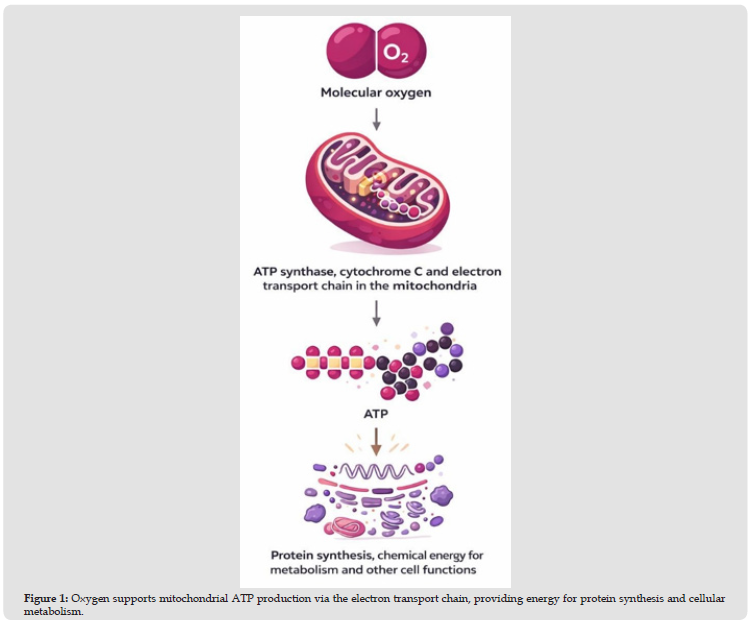
Oxygen supports the production of energy, proteins, and nitric oxide through oxidative metabolism. Nitric oxide is essential for regulating vascular tone—controlling both vasodilation and vasoconstriction— and for promoting the formation of new blood vessels (angiogenesis). Adequate oxygen levels are also necessary for the synthesis of adenosine 5’-triphosphate, which is generated in the mitochondria by adenosine 5’-triphosphate synthase, cytochrome c, and the electron transport chain. [5,6] Figure 1 shows the process this process. Despite advances in modern wound management, the management of chronic leg ulcers remains a significant clinical and economic burden worldwide. The global prevalence of chronic wounds affects 1–2% of the population in developed countries, with significantly higher rates in the elderly and diabetics. Prolonged healing time not only impairs quality of life but also increases the risk of serious complications, including infection, sepsis, and limb amputation. Conventional therapies often focus on improving local oxygenation or increasing blood flow; however, few approaches address both external oxygenation and internal microvascular regulation simultaneously. Therefore, the development of integrated therapeutic systems that combine controlled oxygenation with targeted stimulation of the microcirculation represents a rational and innovative direction in chronic wound management research. In clinical practice, there are many cases of low oxygen levels in wounds. One of the most effective ways to heal these wounds is to introduce oxygen into the wound in some way. One of the most effective ways is to create a high-pressure, high-oxygen environment by isolating the wound.
Figure 1
This section describes the technical design and operating principles of the self-developed oxygen pressure therapy system and its auxiliary components. The development process focused on creating a compact, clinically applicable device capable of delivering high concentrations of oxygen under controlled local pressure conditions. Special attention was paid to safety, adjustability and compatibility with auxiliary therapeutic modalities. The selected materials were chosen to ensure durability, hygiene and ease of maintenance in a clinical environment. In addition, the integration options for auxiliary microcirculation stimulation therapy were also taken into account during the design phase. The following subsections present the main structural elements and technical data of the system in detail.
Construction of a Self-Developed Oxygen Dressure Therapy Device
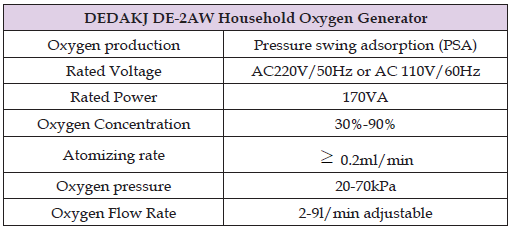
Oxygen Generator: The high-purity oxygen required for oxygen pressure therapy can be provided in two ways: one is a commercially available bottled package when 99.5% pureoxygen at a pressure of 200 bar is led to the treatment site through a reducer. The other solution is the use of an oxygen generator which extracts nitrogen from the ambient air through a special filter system and produces high-purity oxygen in unlimited quantities. For the development of the device, the oxygen is provided by a commercially available DEDAKJ DE-2AW oxygen generator, the technical specifications of which are included in Table 2. The high-purity oxygen required for oxygen pressure therapy can be provided in two ways: one is a commercially available bottled package when 99.5% pure oxygen at a pressure of 200 bar is led to the treatment site through a reducer. The other solution is the use of an oxygen generator which extracts nitrogen from the ambient air through a special filter system and produces high-purity oxygen in unlimited quantities. For the development of the device, the oxygen is provided by a commercially available DEDAKJ DE-2AW oxygen generator, the technical specifications of which are included in Table 2.
Table 2: Specifications of DEDAKJ DE-2AW oxygen generator.
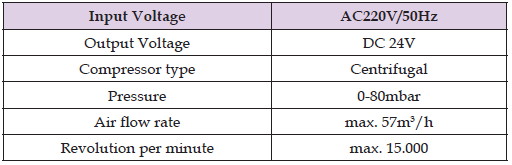
Compressor: To produce and maintain air pressure, a compressor is required that can be properly regulated according to the desired parameters. The most suitable for this from a flow engineering perspective is the centrifugal compressor, which as a flow engineering device is capable of delivering a sufficient amount of air and its pressure maintenance can be varied according to the desired aspects. During the design, several aspects had to be taken into account, such as a quiet engine, small compact size, low weight, and long service life. The parameters of the designed device are contained in Table 3.
Table 3: Specification of self-developed compressor.
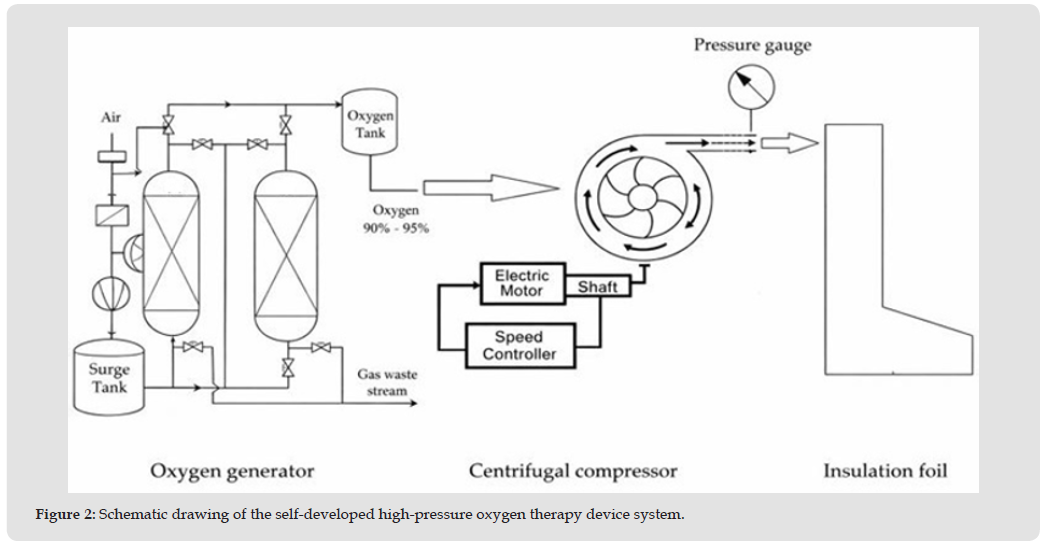
Foot Insulation: To keep the high-pressure oxygen locally, it is necessary to isolate the treated leg. For this, a 0.3 mm thick, weldable PVC (Polyvinyl chloride) foil was used, which is not suitable for maintaining high pressure on its own and must be placed in a canvas cylinder. The foil must be replaced after each treatment to prevent infection. The schematic diagram of the self-developed high-pressure oxygen therapy device system is shown in the figure below (Figure 2).
Figure 2
The use of electromagnetic fields in medicine has been known for centuries and its description in the literature has existed for decades. [7] In the 1960s, Bassett demonstrated that this therapy stimulates callus formation; therefore, one of the objectives of this study was to investigate the effects of pulsed electromagnetic fields on osteoblastic activity both in vitro and in vivo. [8] BEMER® is a specific, biorhythmically defined stimulation that can influence spontaneous arteriolar vasomotion and thereby the regulation of inadequate blood flow. [9] This physical vascular therapy increases vascular motility and microcirculation, opens capillaries, increases red blood cell flow velocity and the difference between arterial and venous pO2, in order to improve blood flow to organs, nutrient supply and metabolic removal. products. BEMER® uses a low-frequency, pulsating magnetic field that creates a series of half-wave sinusoidal intensity changes. This is due to spontaneous autorhythmic arteriolar motility, which is the most important regulatory mechanism for organ perfusion. In a deficient state, it is necessary to stimulate the body’s regulatory mechanisms with an appropriate physiological stimulus so that they can independently eliminate the established disorder. [10] Based on earlier research of Hevér [11] presents a severe lower-limb ischemia caused by long-term anabolic steroid abuse in a middle-aged patient, where repeated surgical thrombectomies alone were insufficient to restore adequate circulation. Adjunctive treatment with iloprost infusion and home-based physical vascular therapy (BEMER®) significantly improved microcirculation, promoted wound healing, reduced pain and ultimately prevented limb loss. The author concludes that physical vascular therapy can be an effective complementary treatment in critical limb ischemia when conventional surgical and pharmacological interventions are limited or unsuccessful. Due to the above-described beneficial properties of BEMER® therapy, it may be suitable for supplementing high-pressure oxygen therapy, as the diffusion of pure oxygen is significantly easier by stimulating vasomotion. During the high-pressure oxygen therapy treatment, an intensive applicator is placed under the isolation boot, and the treated limb must be placed on it. The figure below shows the self-developed high-pressure oxygen therapy device system (left) and the supplement of the therapy with the BEMER® intensive applicator (right) (Figure 3).
Figure 3
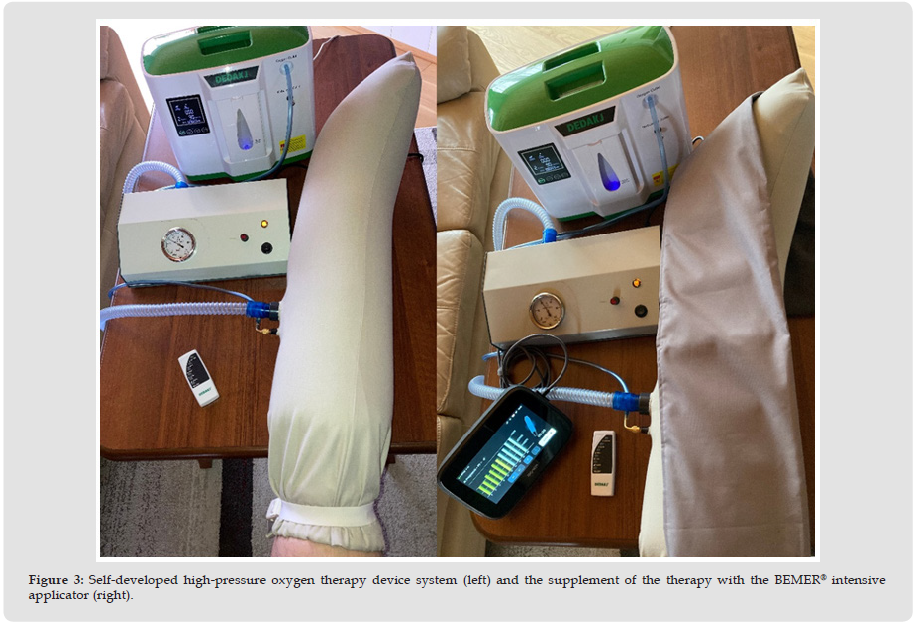
Several studies have addressed the results obtained when using oxygen therapy. Driver, et al. [12] studied whether transdermal continuous oxygen therapy (TCOT) improves healing of diabetic foot ulcers compared with moist wound management (MWT). The prospective, randomized, blinded, multicenter study included 122 patients with type 1 or type 2 diabetes with nonhealing, noninfected foot ulcers. Participants received TCOT or a sham device in addition to standard moist wound management for up to 12 weeks. The primary endpoint was the rate of complete wound closure at week 12. In the intent-to-treat population, 54% of the TCOT group healed compared to 49% of the control group, which was not statistically significant. A per-protocol analysis showed similar results (56% vs. 49%). However, in the subgroup of patients aged 65 years and older, significantly more wounds were healed in the TCOT group (82% vs. 50%). The median healing time was shorter in the TCOT group (63 days) than in the control group (77 days), but this was not statistically significant. No serious device-related adverse events occurred in either group. Overall, TCOT was not shown to be more effective than standard moist wound management for small, non-severe ulcers, but it may have potential benefits for older patients, which needs to be confirmed by further studies. Chan et al. Chan et al. studied whether continuous oxygen delivery (CDO) was cost-effective compared with negative pressure wound therapy (NPWT) for the treatment of advanced diabetic foot ulcers in Ontario, Canada. Using a 5-year microsimulation model based on published data, the researchers found that CDO therapy reduced costs by approximately $4,800 and increased quality-adjusted life years (QALYs) by 0.025 compared with NPWT. Sensitivity analyses confirmed the robustness of these results. Overall, the results suggest that CDO therapy may reduce healthcare costs while slightly improving patients’ quality of life, making it a potentially valuable treatment option for public health systems.
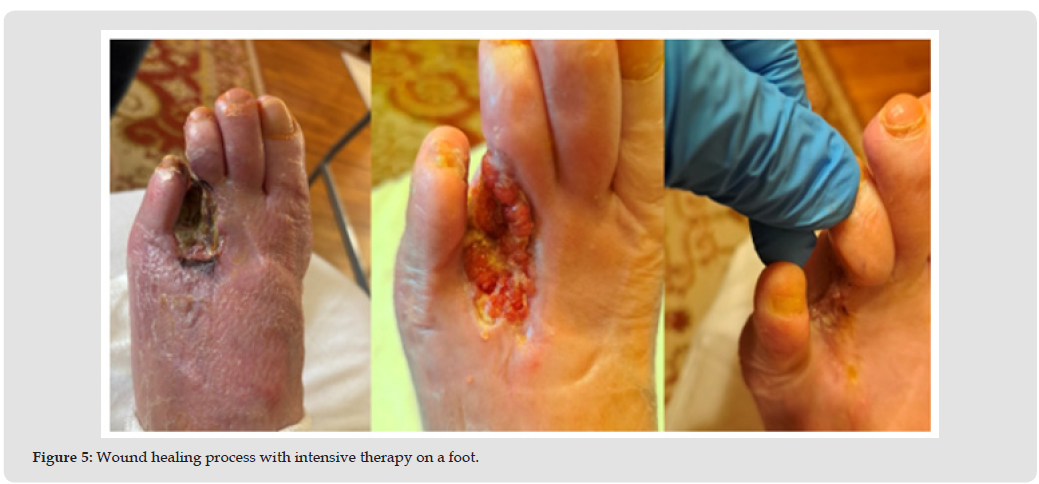
Cole, et al. [13] describe a case study of a 56-year-old woman with end-stage renal disease receiving home peritoneal dialysis who developed a biopsy-proven calciphylaxis wound during the COVID-19 pandemic. To maintain continuity of care and minimize viral transmission, the wound was managed at home with twice-weekly voluntary continuous topical oxygen therapy (cTOT) and weekly telemedicine follow-up visits. The wound healed completely without complications after 9 weeks. The authors conclude that cTOT may be a promising adjunctive treatment for calciphylaxis wounds and highlight the importance of innovative, low-exposure care strategies for high-risk patients during public health crises. Clinical experience has shown that significant wound healing results can be achieved when combined with BEMER® therapy. The case shown in the pictures below shows (Figure 4) the healing process of a leg wound of a female patient born in 1948. The first picture shows the initial state of the treatment on September 2, 2024, the middle picture shows the improvement after 16 weeks, and also after 16 weeks, a significant improvement in the wound on the foot was observed. Although the patient later died due to circulatory collapse, the intensive treatment (5-10 times a day) resulted in a significant improvement in wound healing. The picture below shows (Figure 5) the healing process of a wound on the foot of a patient born in 1938. The treatment began on 18. 05. 2025, the middle picture was taken on 18. 08. 2025, and the third picture was taken on 17. 11. 2025. In this case, too, intensive therapy was applied 5-10 times a day. The presented cases also prove that oxygen supply and improvement and restoration of microcirculation play a significant role in wound healing, which can be effectively performed with the BEMER® device.
Figure 4
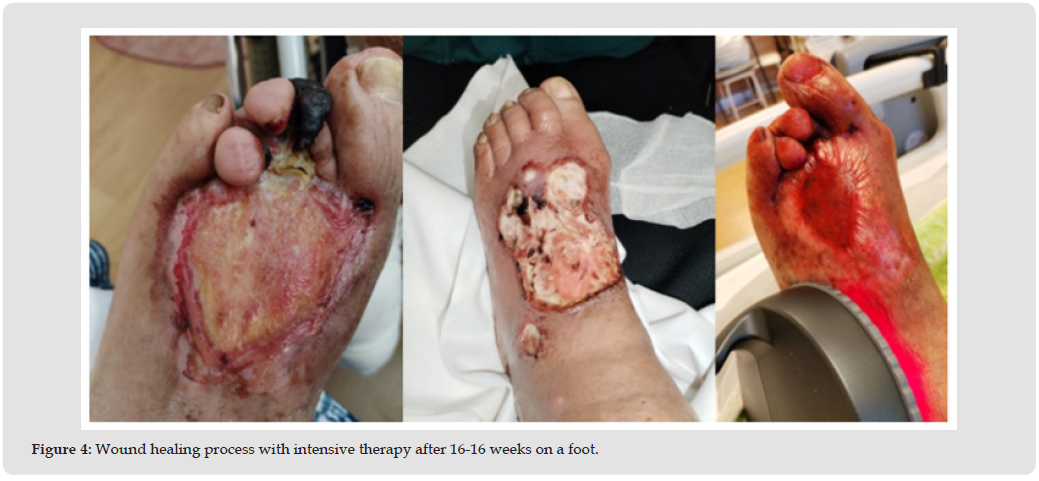
Figure 5
This study presented the design and operating principles of a proprietary oxygen pressure therapy device intended for the treatment of chronic leg ulcers associated with impaired microcirculation. By locally isolating the affected limb and applying oxygen at a controlled pressure of 10–50 mbar with an elevated oxygen concentration, the system allows for increased diffusion of oxygen into hypoxic tissues, thereby directly addressing one of the key limiting factors in wound healing. Compared to existing topical oxygen therapies, the developed device allows for greater oxygen penetration in combination with cyclic, non-contact compression and humidification, which may further support tissue regeneration. Furthermore, the optional integration of BEMER® physical vascular therapy represents a novel and promising complementary approach. By stimulating spontaneous arteriolar vasomotion and improving microcirculatory dynamics, BEMER® therapy can promote oxygen delivery at microvascular level, potentially amplifying the therapeutic effect of localized high-pressure oxygen delivery. The combined application targets both external oxygenation and internal circulatory regulation, offering a synergistic strategy for complex, therapy resistant wounds. Preliminary experiences and supporting literature suggest that such combined therapies may accelerate wound healing, reduce complications, and in certain cases help to avoid limb amputation. While the presented results are primarily based on technical development and theoretical as well as clinical rationale, they provide a strong foundation for further clinical investigations. Future work should focus on controlled clinical trials to quantitatively evaluate efficacy, safety, optimal treatment parameters, and cost-effectiveness in comparison with established wound care modalities. Overall, the developed system represents a flexible and innovative contribution to advanced wound management and microcirculation- focused therapies.
The authors declare that all the data supporting the findings of this study are contained within the paper.

International Association of Landscape Archaeology, Czech Glass Society, Czech Republic

Department of Chemistry, Semenov Institute of Chemical Physics, USSR Academy of Sciences, Moscow, Russia

Department of Educational Sciences, Research Centre Qualities of Teachers, School of Education – HAN, Nijmegen, Netherlands
Associate Professor at Department of Breast and Thyorid Surgey, Chongqing General Hospital, China

Neurology, LA BioMed Research Institute, USA





 Abstract
 PDF
PDF