info@biomedres.us
+1 (502) 904-2126
One Westbrook Corporate Center, Suite 300, Westchester, IL 60154, USA
Site Map
 ISSN: 2574 -1241
ISSN: 2574 -1241
ISSN: 2574 -1241
Received: April 15, 2026; Published: April 28, 2026
*Corresponding author: Luiz Eduardo Imbelloni, Av. Epitácio Pessoa, 2356/203, Lagoa 22411-072- Rio de Janeiro, RJ - Brazil
DOI: 10.26717/BJSTR.2026.65.010190
Monitoring during anesthesia is one of the fundamental pillars of patient safety in the perioperative period. From the beginnings of modern anesthesia in the mid-19th century to current integrated and predictive systems, the evolution of monitoring reflects technological advances, a greater understanding of human physiology, and the development of anesthesiology as a medical specialty. This article reviews, in a narrative and historical manner, the main milestones in anesthetic monitoring, highlighting its direct influence on reducing anesthesia- related morbidity and mortality and its consolidation as a mandatory practice in contemporary international guidelines. However, it is fundamental for patient safety that anesthesiologists look first at the patients instead of searching for errors in the various monitors. The patient is sovereign and sends signals throughout the anesthetic/ surgical procedure. for each procedure. In conclusion, it is essential that the anesthesiologist always remain at the patient’s bedside, as the wise Chinese man said in the 5th century: “while some sleep (the patient), others keep care (the anesthesiologist)”.
Keywords: Anesthetic Monitoring; History of Anesthesia; Patient Safety; Anesthesia Guidelines; Anesthesia Technology
Abbreviations: SBA: Society of Anesthesiology; AI: Artificial Intelligence; BP: Blood Pressure; ECG: Electrocardiogram; ZHF: Zero Heat Flux; CRT: Capillary Refill Time; CO2: Carbon Dioxide; TOF: Train of Four; TG: Tetra Graph; TS: TOFscan; ML: Machine Learning; ADEs: Adverse Drug Events; EHRs: Electronic Health Record Data
Anesthesiology originated with dentist William Morton, who performed the first demonstration of the technique using ether inhalation in 1846 [1]. He described five stages of anesthesia, from early excitement to respiratory failure and eventual death, recommending that patients be operated on in the fourth stage when completely relaxed. In 1948, 102 years later, a group of anesthesiologists in Rio de Janeiro created the Brazilian Society of Anesthesiology (SBA) with the goal of organizing the specialty, promoting education and scientific research, and establishing quality and safety standards in anesthesiology, a role it continues to this day, including strong alignment with international guidelines. The history of monitoring during anesthesia reflects the very evolution of anesthesiology: from an empirical and high-risk practice to a specialty based on safety, technology, and applied physiology. This evolution has been witnessed and participated in during 52 years of practice in the specialty. I entered the Faculty of Medicine at UFRJ (Federal University of Rio de Janeiro) in Praia Vermelha, Rio de Janeiro, RJ in 1969, graduating six years later in 1974. At that time it was possible to do the final year of training in a specialty, I initially chose surgery, but after four months, having spent two years in the ICU at Andaraí Hospital, I had to leave surgery and finish my last year of training in Anesthesiology.
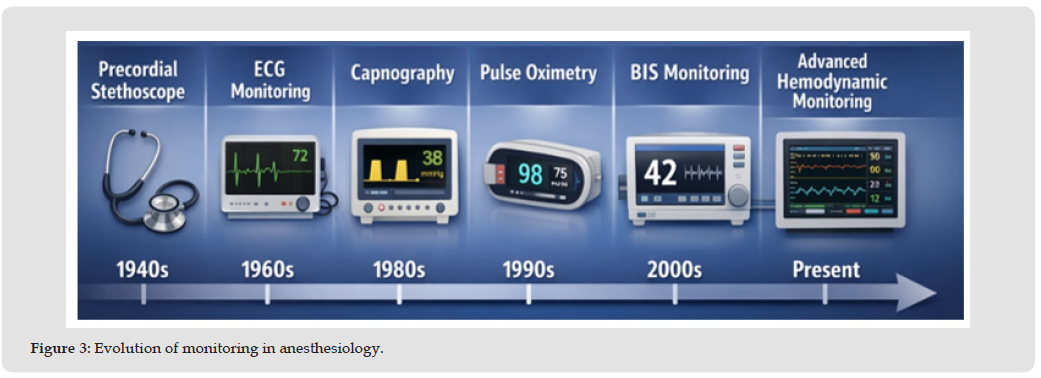
In 1975, the residency program in Anesthesiology was only one year long, and at the end of my residency I was hired as an Anesthesiologist at the Ipanema Hospital in Rio de Janeiro, which, added to the one year in my final year of medical school, meant I completed one year of specialization. Safe anesthesia depends not only on pharmacological and physiological knowledge, but also on the ability to continuously monitor the patient’s vital functions. How did I start in a specialty where the monitoring I was introduced to was limited to a hand on the patient’s pulse? I was taught to check the temporal pulse, use a stethoscope in the patient’s ear and chest, measure blood pressure manually, check the color of the extremities (coloration and perfusion), and most often perform intubation and manual ventilation without a respirator (Figure 1). The temporal pulse is superficial and depends on systolic pressure being sufficient to generate a palpable pulse wave in a small, peripheral artery [2]. One of the first and most important lessons I received from my preceptors during my anesthesiology training was “while some sleep (patient), others keep watch (anesthesiologist)” attributed to Lao-Tse, a 5th century BC Chinese philosopher [3]. Was taught to me by my professors during my anesthesiology residency, as described above, and never leave the patient alone (Figure 2). The evolution of monitoring during more than 52 years of my profession began with a stethoscope in the precordium, blood pressure measured with a handheld device. assessment of the pulse in the temporal artery, and the appearance of each monitor in its decade (Figure 3). The main objective of this article is to present a chronological overview of the monitoring used in anesthesiology, paying primary attention to its use in Brazil after 1975, upon starting residency in anesthesiology up to the present date (Table 1).
Figure 1
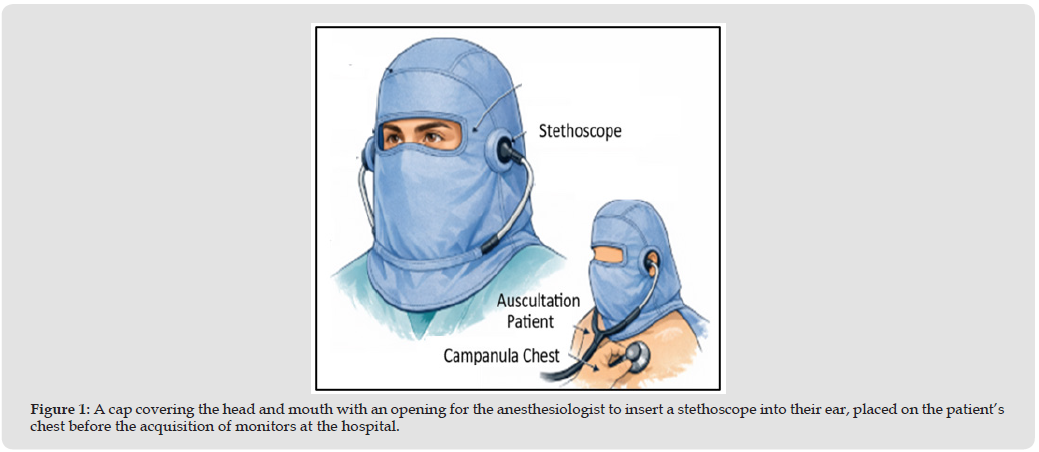
Table 1: Evolution of monitoring in anesthesia.
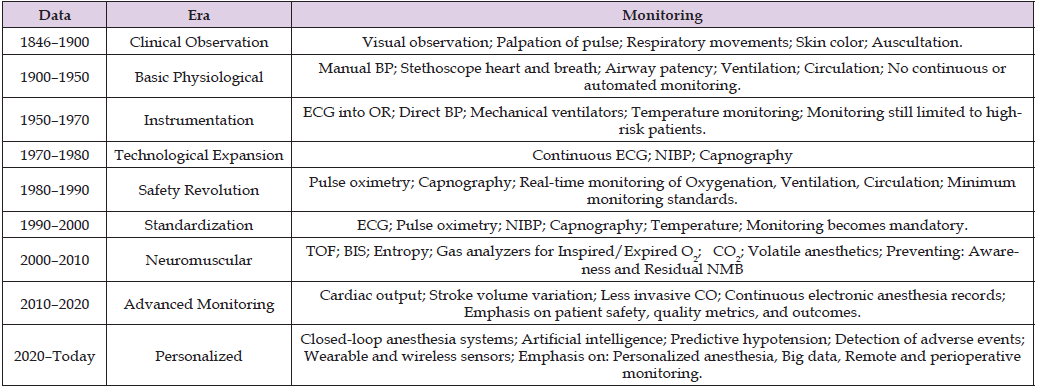
Figure 2
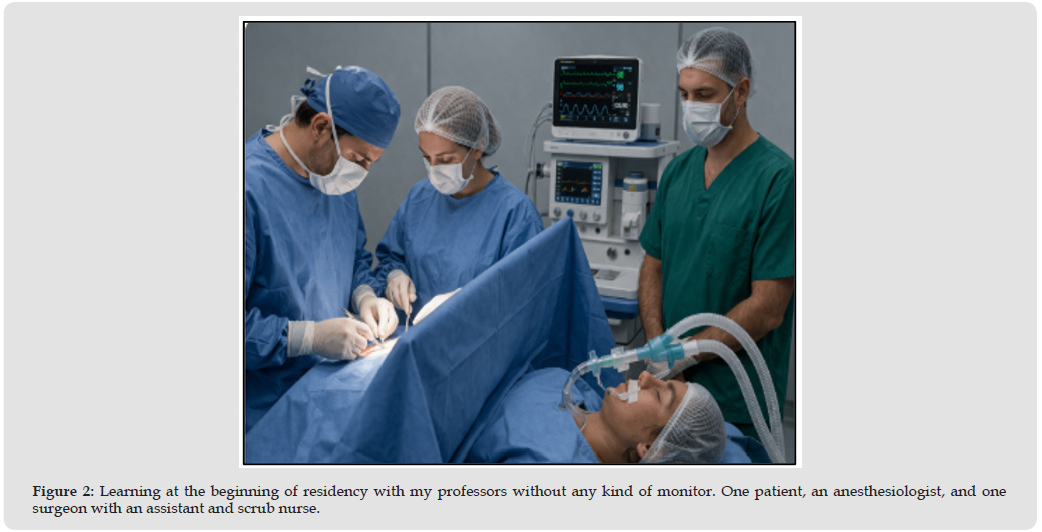
Figure 3
In 1500 BC, the Ebbers Papyrus contains a reference to the habit of listening to the breathing sounds of their fellow humans [4]. Most sources cite that french physician René-Théophile-Hyacinthe Laennec in 1816 was the first physician to use an instrument to listen to both heart beats and sounds emitted in the thorax [5]. In the 1960s, a new stethoscope model was designed by cardiologist David Littmann, acquired, and patented by the 3M company, which is like the one used in medicine today [6]. Since its creation, the stethoscope has evolved from a paper tube to a horn-shaped instrument, to the Littmann stethoscope, and finally to electronic and recording stethoscopes, and continues to evolve and improve. As everything can change, the stethoscope continues to evolve and modify itself to reach its most efficient, effective, and precise form. We must dream and hope that with the participation of artificial intelligence (AI) today, we can reach the pinnacle of medical technology in the best stethoscope to be designed. Biochemical engineers have been working on a type of stethoscope that is even more efficient which is very different from what we are used to date, and a better product will be produced [4]. Currently the stethoscope is underutilized during anesthetic procedures, as other monitors are believed to be more effective.
Figure 4
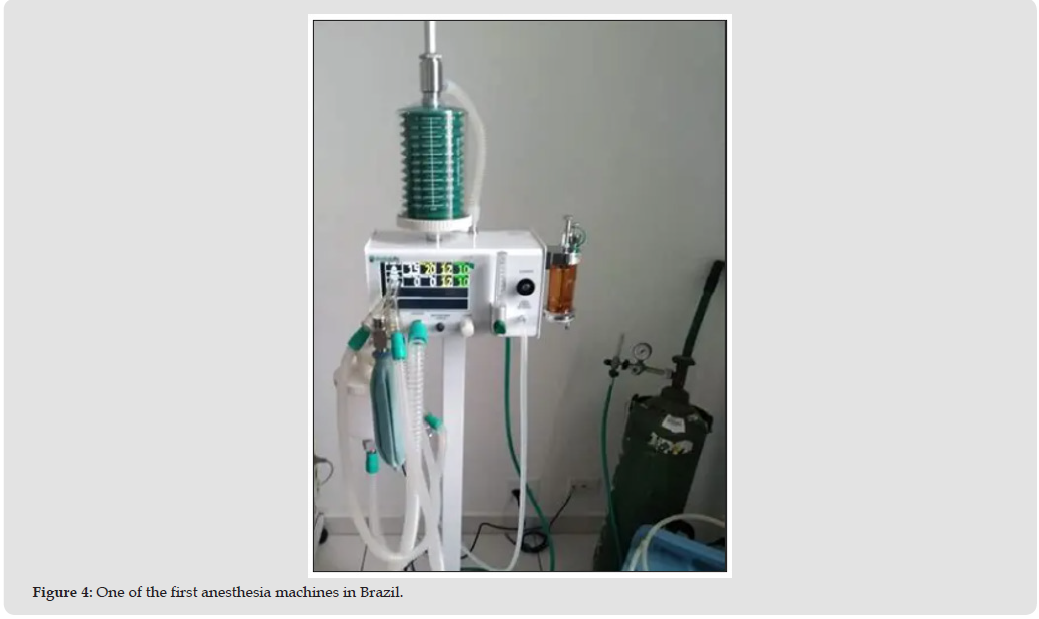
Figure 5
The blood pressure (BP) measurement method has a long history in clinical medicine being used to be measured in the office using invasive or auscultatory methods. Arterial cannulation was the first proven method for assessing BP back in the 19th century [7]. Later, the auscultatory method, also known as Korotkoff sound, using the oscillometric method, made it possible to measure BP in clinical practice [7]. New methods have emerged to make BP measurement more convenient and easier, driven by technological advances such as sensors, wearable devices, and artificial intelligence. Monitoring BP during anesthesia is a cornerstone of safe perioperative care because it directly reflects organ perfusion, cardiovascular stability, and the patient’s response to anesthetic and surgical stimuli.
A systematic review of 42 articles suggests that organ damage can occur when mean arterial pressure decreases to <80 mmHg for ≥10 min, and that this risk increases with progressive reduction in BP [8]. Periodic BP assessment has been a standard anesthetic monitoring practice since the early days of anesthesia, while invasive arterial monitoring is indicated in cases where there is a potential risk for hemodynamic instability [9]. There is growing concern about the accuracy and precision of new BP measurement devices, and validation protocols exist for evaluating cuffless BP measurement devices [7]. For physicians wishing to adopt a recent technology in their practice, it is crucial to understand its specific advantages and disadvantages. Scientists who are eager to develop an innovative method also need to understand the history of BP measurement and the importance of validation protocols for application during anesthesia.
The first description of a tracing of the human heart was made in 1887 at St. Mary’s Hospital in London and was termed the first electrocardiogram (ECG) [10]. The story of ECG was recently published, and the modern ECG has evolved to 12 leads, with the establishment of standards regarding technique and nomenclature [11]. The ECG has become one of the most used tests in patients’ evaluation and an essential part of cardiac assessment in the modern era. After the emergence of the ECG, it became one of the cornerstones of intraoperative monitoring and is formally recommended by all anesthesiology societies worldwide. Its importance during anesthesia involves several critical aspects: Early detection of arrhythmias, identification of myocardial ischemia, evaluation of anesthetic effects, correlation with hemodynamic changes, monitoring during critical events [12]. According to international guidelines, ECG should be used continuously throughout the anesthetic procedure, from induction to recovery, and subsequently during PACU.
ECG monitoring allows real-time assessment of cardiac rhythm, conduction abnormalities, and myocardial ischemia, contributing significantly to patient safety during anesthesia. Given that leads V5 + DII are the best clinical monitoring strategy during anesthesia, as they significantly increase the detection of ischemia, arrhythmias, and hemodynamic changes [12]. Perioperative myocardial infarction type 1 is often difficult because it can occur without symptoms in anesthetized or sedated patients due to ECG changes are transient, and the creatine kinase-MB isoenzyme has limited sensitivity and specificity because of coexisting skeletal muscle injury [13]. Postoperative tachycardia, hypotension, hypertension, anemia, hypoxemia, and systolic and diastolic myocardial dysfunction are common causes of prolonged ST-depression and type 2 infarction in patients with stable [13]. Evaluating 427 patients in two distinct groups, aged over 50 years without comorbidities, who underwent surgical intervention under general anesthesia, with the objective of determining the importance of preoperative ECG, showed that it could not predict an increased risk of adverse outcomes in the patients studied, during the hospital phase [14]. The ECG evolved from a primitive detection of cardiac electrical activity into a sophisticated test for detecting hidden diseases, predicting impending illnesses, and monitoring the therapeutic effect, primarily for patient monitoring during surgery.
The first mercury thermometer was developed by Carl Reinhold August Wunderlich in the 19th century, being the first instrument widely used in medicine, and he stated that fever was a symptom and not a disease [15]. There was no continuous monitoring. Core body temperature is normally tightly regulated to within a few tenths of a degree, and the main defenses are sweating, vasoconstriction via arteriovenous shunt, and shivering. Core temperature monitoring can be assessed in several ways such as tympanic membrane, pulmonary artery, distal esophagus, nasopharynx, and rectal temperature is used to monitor intraoperative hypothermia, prevent overheating, and facilitate detection of malignant hyperthermia. The mercury clinical thermometer was the first instrument widely used through intermittent measurement, usually axillary, oral, or anal. For many years in the evolution of anesthesia, it was not routine to assess patients’ temperature, and hypothermia was not recognized because there was no continuous monitoring. Temperature monitoring during anesthesia and surgery has evolved significantly over the last century, moving from rudimentary and intermittent methods to continuous, precise systems integrated with multiparameter monitors.
During anesthesia, hypothermia initially results from an internal redistribution of body heat from the center to the periphery, followed by a greater loss of heat than metabolic heat production, leading to complications such as coagulopathy and increased need for transfusion, surgical site infection, delayed drug metabolism, prolonged recovery, shivering, and thermal discomfort [16]. Core temperature has gained recognized importance in coagulopathy, pharmacokinetics of various drugs, and surgical outcomes [17]. A study conducted in five Australian hospitals aimed to investigate the incidence of temperature monitoring at all stages of perioperative care. It concluded that initiative-taking temperature monitoring is necessary at all stages of perioperative care to improve patient safety outcomes [18]. With the aim of evaluating the consistency of the optimized Zero-Heat-Flux (ZHF) thermometer with esophageal temperature monitoring under general anesthesia, is highly dependable for diagnosing hypothermia, although further research is needed to evaluate its accuracy [19].
Prior to the widespread availability of current technological resources, there was a very consistent appreciation of direct clinical parameters as central monitoring tools, the importance of assessing peripheral perfusion, especially through the so-called capillary refill time (CRT), as well as the overall characteristics of the patient’s skin [20]. CRT is a simple, fast, and non-invasive clinical method widely used to assess peripheral perfusion in children, especially in emergency and critical care settings. Clinical signs of poor peripheral perfusion consist of a cold, pale, clammy, and mottled skin, associated with an increase in capillary refill time [21]. Monitoring of peripheral perfusion and oxygenation does not need any intravascular catheter, transesophageal probe insertion, blood component analysis, or penetration of the skin [21]. The observation of these signs, whether through digital pressure on the nail bed, fingertips, earlobe, lips, sublingual tissues, or other accessible areas, was repeatedly emphasized as an essential element of continuous clinical monitoring. CRT is widely recommended as part of the routine assessment of unwell children. In a systematic review and meta-analysis selecting 24 papers from 1,265 references in children, it was shown that capillary refill time is a specific sign and can be used as a warning sign [22]. Children with prolonged capillary refill time have a four times greater risk of death compared to children with normal capillary refill time. The low sensitivity means that a normal capillary refill time should not reassure physicians.
Capnography, which involves the continuous measurement and graphical representation of carbon dioxide (CO2) in respiratory gases, has enabled advances in physiology, infrared spectroscopy, and clinical monitoring. The development of capnography involved fascinating scientific research by John Scott Haldane, who first described a CO2 analyzer in the early 20th century [23]. Clinical capnography was launched in 1978 during a world congress of intensive care medicine and five anesthesiologists participated in the launch and two of them concluded that it would prove to be of “little value” [24]. However, at the same time a Canadian medical malpractice insurance company was offering considerable discounts to anesthesiologists who used capnography. Capnography was immediately used in anesthesia, primarily to verify that endotracheal intubation was successful and to monitor ventilation during surgery. The introduction of continuous capnography showing the EtCO2 waveform always confirmed that intubation and ventilation were correct. Capnography is now standard in multiple situations such as: operating rooms, ICU, during emergency room, during sedation, for confirmation of airway placement, monitoring ventilation and perfusion, detection of respiratory depression and assessment during cardiopulmonary resuscitation [25]. Addition to the other monitors considered essential, there are two types that are regarded as extremely important, particularly in procedures performed under sedation: pulse oximetry and capnography, however, most anesthesiologists only use the pulse oximeter, even though capnographs are attached to all modern anesthesia machines. Thus, the use of capnography combined with oximetry certainly increases patient safety undergoing regional anesthesia or even sedation [3].
Pulse oximetry was first used in Japan by Takuo Aoyagi discovered in 1974 that the pulsatile component of the light signal could be isolated, allowing for the exclusive measurement of arterial blood, and this principle is the basis of modern pulse oximetry [26]. The perception of cyanosis by the human eye is exceedingly difficult. Thus, under ideal conditions, skilled observers cannot consistently detect hypoxemia until the oxygen (SpO2) saturation is below 80% [27]. Pulse oximetry is one of the most important innovations in anesthetic and ICU monitoring, allowing for continuous and non-invasive assessment of peripheral oxygen saturation. Continuous use of a pulse oximeter assesses the following parameters: peripheral oxygen saturation, pulse rate and heart rate, pulse waveform, and perfusion index. There are two important monitors during sedation and regional anesthesia: pulse oximetry and capnography. However, most anesthesiologists only use the pulse oximeter, even though capnographs are attached to all modern anesthesia machines. Monitoring with capnography and pulse oximetry increases patient safety during surgery.
In the 20th century, the concept of repetitive stimulation of peripheral nerves was created, arising from an understanding of the physiology of the neuromuscular junction. The monitoring was described based on four supramaximal stimuli at 2 Hz called train-offour (TOF), representing a major advance in the safety of anesthetized patients [28]. In an editorial published in 2000, it was demonstrated that residual postoperative block is associated with the appearance of hypoxia, atelectasis, pulmonary aspiration, and pharyngeal muscle impairment, and that quantitative monitoring significantly reduced these events [29]. A systematic review of the literature published between 1995 and 2022 in the databases concluded that TOF monitoring allows an objective measure of the degree of neuromuscular blockade and, consequently, a better titration of neuromuscular blocking drugs, and should be used to reverse the neuromuscular blocking agent used [30]. The results i-TOF demonstrates a comparable efficacy to TOF WATCH SX, suggesting that it could be a proven alternative to standard devices for neuromuscular block monitoring [31]. A study with 120 patients receiving neuromuscular blockade during elective surgery compared the TetraGraph (TG) and TOFscan (TS) in PACU and showed that there was no significant difference in the mean obtained with the TG and TS, providing interchangeable quantitative measurements once the TOF ratio has returned to a value of 0.90 [32]. Future trends in neuromuscular monitoring include integration with artificial intelligence for automatic dose adjustment, continuous real-time monitoring with closed-loop systems, and wireless, non-invasive sensors.
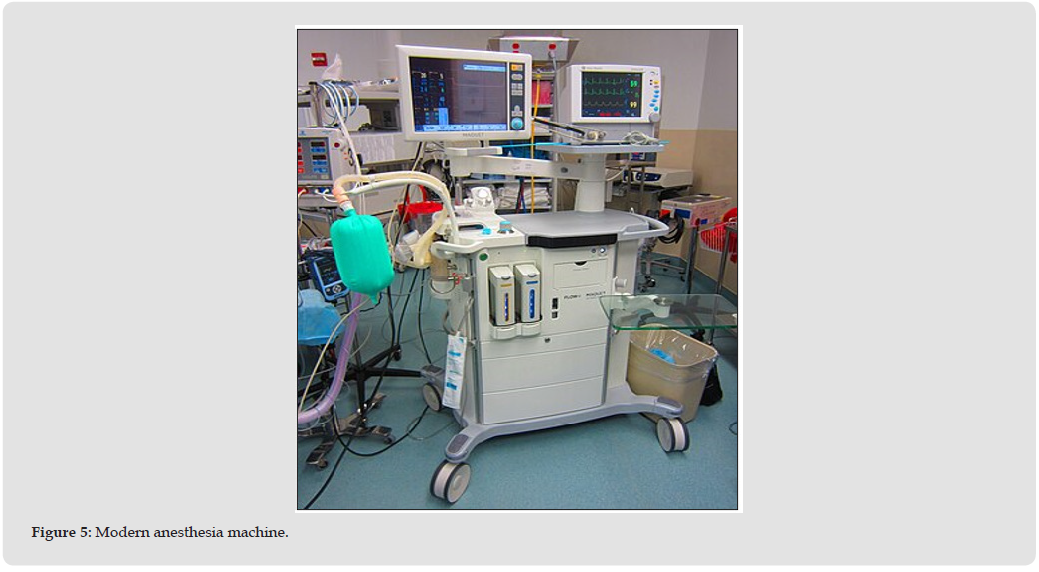
In 1846, Dr. William T.G. Morton introduced ether anesthesia, marking the advent of modern anesthesia. Early machines, such as Morton’s ether inhaler, were rudimentary, lacking precision in dosing and gas delivery, is considered the first real anesthesia device, were simple inhalers based on the evaporation of the ether anesthetic agent. The anesthesia machine, from the first ones that appeared in our hospital (Figure 4), to the latest generation (Figure 5), is one of the most important tools used by anesthesiologists, and understanding its characteristics and functions is fundamental to the practice of anesthesia. Anesthesia machine is a medical device used to generate and mis a fresh gas flow of medical gases and inhalational anesthetic agents for the purpose of inducing and maintaining anesthesia [33]. The anesthesia machine is commonly used together with a mechanical ventilator, breathing system, suction equipment, patient monitoring devices, alarm, and protection systems [34]. In 2021, an excellent narrative review was published showing the entire evolution of machines anesthesia from Morton to the present day, showing diverse types of machine anesthesia during this evolution [35]. Anesthetic machines have undergone remarkable transformations since their inception, evolving from simple devices delivering ether to sophisticated systems utilizing artificial intelligence (AI) [36]. By the early 20th century, anesthesia machines became more sophisticated, focusing on safer gas delivery and precise control of anesthetic concentrations. The mid-to-late 20th century emphasized safety, with the integration of monitoring devices and alarms to prevent hypoxia and overdosing. Newer anesthetic agents prompted further innovation in anesthetic delivery mechanisms, enhancing the accuracy and predictability of anesthesia. Today’s anesthetic machines are highly advanced, utilizing AI and automation for precision anesthesia delivery and enhanced patient safety [36].
Bispectral Index (BIS) was introduced in 1960 to monitor the depth of anesthesia in the OR. Patient-perceived awareness during anesthesia is a serious complication with potential long-term psychological consequences, and a complication that is difficult to measure. The use of the BIS, developed from a processed electroencephalogram, has been shown to decrease the incidence of anesthetic awareness when the BIS value is kept below 60 [37]. In a systematic review and meta-analysis on 40 randomized controlled trials without gender or age restrictions, BIS monitoring reduced postoperative cognitive dysfunction risk, shortened the eye-opening time, orientation recovery time, extubation time, lowered the anesthesia drug dosage and PACU time [38]. This systematic review provided evidence for the use of BIS during anesthesia, suggesting caution in all clinical contexts of anesthesia. Prolonged periods of deep anesthetic levels with BIS less than 45 have been associated with increased postoperative mortality [39]. Studying 1,473 patients undergoing non-cardiac surgery, no evidence was found that any BIS values below a threshold of 40 or 45, or cumulative doses of inhaled anesthetic, were injurious to the patients studied [40]. BIS monitoring has provided an advancement in patient control and in preventing awareness during anesthesia. There are several other modern technological resources aimed at patient monitoring and safety, encompassing cardiovascular, respiratory, metabolic, neurological, and coagulation systems, among others. However, an exhaustive discussion of all these methods is beyond the scope of this text.
Artificial intelligence is a technology that allows computers and machines to simulate human learning, understanding, problem-solving, decision-making, creativity, and autonomy [41]. AI is rapidly transforming anesthesiology, with applications ranging from intraoperative monitoring to clinical decision support and personalized perioperative medicine. AI in anesthesiology uses machine learning, deep learning, and big data analysis techniques to interpret physiological signals and to help make decisions about the drugs used and to avoid the complications that arose [42]. Regarding the various monitoring methods during anesthesia and the prediction of various events with hypotension, continuous analysis of the ECG, blood pressure curve, capnography, pulse oximetry, prediction of intraoperative consciousness, faster and data-driven decisions [41].
In a systematic review, 19,300 articles were evaluated between 2015 and 2023, remaining 5,720 articles, showing that the AI in anesthesia were in favor of the use of AI as it enhanced or equaled human judgment in drug dose decision and reduced mortality by early detection [43]. AI does not replace the anesthesiologist, but acts as a powerful support tool, expanding the capacity for monitoring, prediction, and decision-making. The future points to an increasingly precise, personalized, and data-driven anesthesiology.
Predictive Monitoring of Adverse Events
In a systematic review conducted until November 2023 on a comprehensive overview of the application of machine learning (ML) in predicting multiple adverse drug events (ADEs) using electronic health record data (EHRs), provided evidence supporting the potential of ML to be incorporated into EHRs for prediction multiple ADEs, improving the quality of patient care, and reducing drug-related harm [44].
Full Real-Time Data Integration
Real-time data integration involves capturing and processing data from multiple sources as soon as it’s available, then immediately integrating it into a target system [41]. Innovations in anesthesia monitoring with AI improve the accuracy of monitoring vital signs and physiological parameters, enabling anesthesiologists to make informed decisions promptly, and the technology continues to evolve with the goal of increasing the safety of the technique for patients [45].
Automation of Anesthetic Systems (Closed-Loop)
With the use of AI as closed-loop systems have emerged to automate anesthesia administration, enhancing dosing accuracy, reducing workload, and improving patient safety [46]. A closed-loop automatically controls a variable using the principle of feedback, thus the automation within anesthesia aims to improve the stability of a controlled variable and reduce workload associated with simple repetitive tasks [46]. Closed monitoring requires the presence of an anesthesiologist to supervise events during the procedure, communicate with the entire team, and anticipate and correct any adverse events. Most importantly, the anesthesiologist must be constantly monitoring the patient and overseeing the various monitors.
I started my residency in Anesthesiology in 1975 without any monitor to accompany the patients. However, the teachings of the preceptors at that time were fundamental, stating that the best monitoring was to always be evaluating the patients, whether by stethoscope on the precordium and listening to the anesthesiologist, by assessing blood pressure with a manual device, and by evaluating these parameters every 5 minutes along with the presence of a pulse in the temporal artery. The most important lesson I received from my residency professors was to never leave the patient alone, and to never leave the patient’s bedside, not only to monitor patient data and observe the surgeons, but also to learn about surgical timing and to recognize the differences between everyone. Gradually, the various monitors described in this article began to appear, but even as a preceptor in the same residency program, I continued to teach that before checking the problem with the reported monitor, one should first check the patient. The patient tells you everything that is happening; you just need to assess them properly. AI enhances anesthesiology by introducing adaptive systems that improve clinical precision, safety, and responsiveness. Monitoring during anesthesia for surgical or examination procedures is one of the fundamental methods for increasing patient safety, allowing for the early detection of physiological changes and immediate intervention.
Technological advancements and the standardization of practices have led to a significant reduction in anesthetic morbidity and mortality. All anesthesiology societies worldwide have established minimum monitoring standards for each procedure. Despite technological advances and the wide availability of resources, it is essential to emphasize to anesthesiologists that nothing replaces the physician’s direct observation of the patient. Continuous vigilance, timely decision- making, and, above all, patient-centered care with proper preoperative, intraoperative, and postoperative follow-up remains fundamental pillars of safe anesthetic practice.

International Association of Landscape Archaeology, Czech Glass Society, Czech Republic

Department of Chemistry, Semenov Institute of Chemical Physics, USSR Academy of Sciences, Moscow, Russia

Associate Professor at Department of Breast and Thyorid Surgey, Chongqing General Hospital, China

Professor of Nuclear Medicine, Faculty of Medicine and Surgery, University of Milan, Milan, Italy

Department of Pharmaceutical Sciences, South University School of Pharmacy, USA





 Abstract
 PDF
PDF



























