info@biomedres.us
+1 (502) 904-2126
One Westbrook Corporate Center, Suite 300, Westchester, IL 60154, USA
Site Map
 ISSN: 2574 -1241
Received: August 12, 2025; Published: August 25, 2025
*Corresponding author: Alpesh R Patel, Genexplore Diagnostics and Research Centre Pvt. Ltd., 1201-1210, Iconic Shyamal, Shyamal Cross Road, Ahmedabad 380015, Gujarat, India
DOI: 10.26717/BJSTR.2025.63.009834
Objective: To carryout Whole Genome Sequence analysis of a beta-hemolytic P. aeruginosa GXDRC_02 isolated
from an enriched LIM broth inoculated with a vaginal swab from a pregnant woman in Gujarat, India to serve as
a reference for future research.
Methods: The strain was isolated on Blood agar plate and pure culture was obtained. Whole genome sequence
analysis of the DNA extracted from this isolate was carried out using the MGI DNBSEQ-G400 platform to investigate
the genomic characteristics. Various bioinformatics tools were used to analyse the NGS data such as BV-BRC
genome analysis pipeline, PGAP, Phylogenetic analysis, RAST toolkit (RASTtk), eggNOG-mapper v2, KEGG Automatic
Annotation Server, CheckM, CARD, ResFinder v4.1, VFDB, antiSMASH v7.0, PlasmidFinder, PHASTEST, etc.
Results: The genome consisted of 60 contigs, with a total length of 6,233,771bp. The assembly displayed a GC
content of 66.38%, metrics included an N50 of 306,098bp and an L50 of 8, indicating a relatively contiguous
assembly. No plasmids or chromosomal circularization were reported. Phylogenetic analyses, including codon
tree-based, further established a close relationship with P. aeruginosa PAO1. The annotated genome comprised
5,913 protein-coding sequences (CDS), 55 transfer RNA (tRNA) genes, and 3 ribosomal RNA (rRNA) genes.
Among the CDSs, 4,813 proteins were assigned functional annotations, while 1,100 proteins were identified
as hypothetical. The genome contained one intact prophage (32.3kb). The probability score for it as a human
pathogen was 0.752. BioProject No. PRJNA1231733; Sample ID: SAMN47218841
Conclusion: These findings provide important scientific insights into the genome of this opportunistic pathogen
and its impact on nosocomial infections during pregnancy.
Keywords: Pseudomonas aeruginosa; beta-hemolytic; WGS; Vaginal Swab; Pregnancy; LIM Broth; MGI DNBSEQ-G400
Abbreviations: UTIs: Urinary Tract Infections; ICUs: Intensive Care Units; ACOG: American College of Obstetricians and Gynaecologists; LOGBS: Late-Onset GBS Disease; ACNM: American College of Nurse-Midwives; EOD: Early Onset Disease; EF: Enzymatic Fragmentation; RCA: Rolling Circle Amplification; PGAP: Prokaryotic Genome Annotation Pipeline; BGC: Biosynthetic Gene Cluster; LB: Luria-Bertani; BP: Base Pairs; ANI: Average Nucleotide Identity; GO: Gene Ontology; EC: Enzyme Commission; COG: Clusters of Orthologous Groups; GO: Gene Ontology; KO: KEGG Orthology; WHO: World Health Organization
P. aeruginosa can colonize the vagina, however does not commonly cause vaginal infections. It is a primary pathogen that causes infections in respiratory tract, burn infections, bacteremia, urinary tract infections (UTIs), vaginal infections, diverse sepsis syndromes in medically fragile populations and intensive care units (ICUs). It produces biofilm, which increases its resistance to environmental stress, antibiotics, and host immune systems. This transient behaviour is important for establishing chronic infections, specifically in the chronic lung infection of cystic fibrosis patient due to adherence to medical devices [1]. The epidemiology, risk factors, maternal and neonatal outcomes of nosocomial acquisition of P. aeruginosa and its role in preterm premature rupture of membranes has been studied. Out of 63 women who received co-amoxiclav as a prophylactic antibiotic, 11 acquired P. aeruginosa vaginal carriage. All the five neonates born to these positive mothers were colonized or infected, out of which three died of fulminant sepsis. Vertical transmission was suggested between mother and neonates [2]. Group B streptococcus (GBS, Streptococcus agalactiae) colonizes in recto-vaginal tract of normal as well as pregnant women, and leads to serious complications such as urinary tract infections, chorioamnionitis and postpartum endometritis in the later.
Neonates with early-onset GBS disease develop sepsis, pneumonia and meningitis leading to severe neurological outcomes that may end in death. The bacterium’s dangerous nature becomes evident through late-onset GBS disease (LOGBS) whose symptoms emerge after the first week of birth [3]. American College of Obstetricians and Gynaecologists’ (ACOG) Committee in collaboration with American College of Nurse-Midwives (ACNM) published an interim update in 2019 on GBS screening for the prevention of GBS Early Onset Disease (EOD) in new-borns. According to this guideline it is recommended that all woman should undergo screening for GBS at 36 0/7–37 6/7 weeks of gestation, exception: intrapartum antibiotic prophylaxis for GBS due to GBS bacteriuria during the pregnancy or history of a previous neonatal GBS-infection [4-6]. LIM broth (Todd -Hewitt broth supplemented with selective antibiotics such as colistin and nalidixic acid is primarily used as a selective enrichment medium for GBS detection [7]. However, bacteria such as Streptococcus faecalis, Lactobacillus, Gardnerella vaginalis, Mycoplasma hominis, or other anaerobic bacteria resistant to the inhibitory agents can also grow in the LIM broth [8-10]. P. aeruginosa is a gram-negative, aerobic, rod-shaped, motile, chemoorganotrophic, bacterium present in diverse habitats including soil, water, animals, plants, and humans [11]. Due its resistance to several drugs and ability to degrade phenolic disinfectants it has been reported commonly in nosocomial infections [12,13].
Its virulence systems include: cell-associated factors (lipopolysaccharides, flagella, pili) and an array of extracellular secretions such as proteases, exotoxins, elastases, siderophores, extracellular polysaccharides, etc. [14,15]. Hemolysins or cytolysins are extracellular toxic proteins produced by many gram-positive and gram-negative bacteria that form pores in membranes host (RBCs, epithelial cells, leukocytes leading to cell lysis and ultimately cell death [16,17]. The first whole genome of P. aeruginosa was reported in 2000 for the strain PAO1, with a genome size of 6.3Mb (the largest reported at that time) [18]. The hemolytic trait in P. aeruginosa is reported to occur in environmental isolates as much as in clinical isolates. P. aeruginosa PAO1 causes plant damage when present in the rhizosphere and disruption of the hemolysin gene lowers virulence towards poplar and barley [19,20]. This is a first report on the WGS of a beta-hemolytic P. aeruginosa strain isolated from enriched LIM broth inoculated with a vaginal swab of pregnant woman from Gujarat, India.
Sample Collection and Isolation
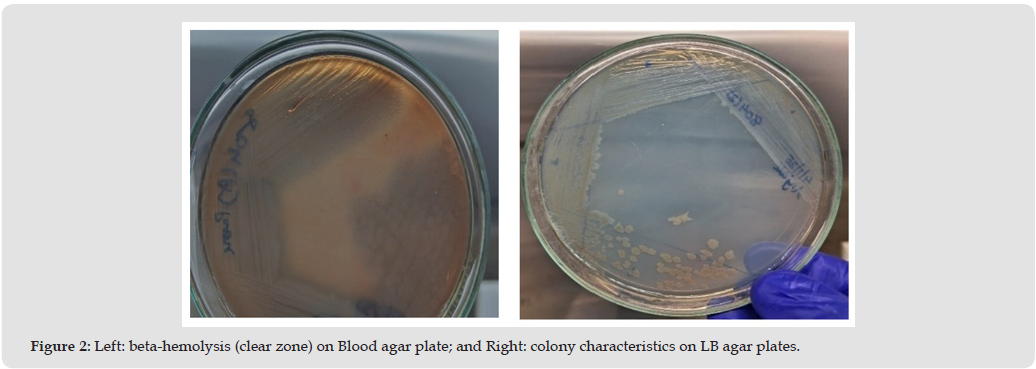
A vaginal swab sample was collected with informed written consent from a pregnant woman with premature membrane rupture from a tertiary hospital in Ahmedabad for detection of GBS (group B Streptococcus). It was inoculated into LIM broth and incubated at 370C for 24-48 hours for enrichment. After incubation it was streaked onto Blood agar plate, incubated at 37ºC for 24-48 hours, and observed for colonies with clear zone of hemolysis (beta-hemolysis) as described earlier [21,22]. A beta-hemolytic Pseudomonas strain designated as GXDRC_02 (earlier designated as 830) was isolated on Luria-Bertani agar plate. Primary identification was done by routine microbiological tests such as gram staining, catalase, oxidase test, motility, pigmentation, etc. Glycerol stocks of the pure culture was prepared and stored at -20oC. for further studies.
Whole Genome Sequencing (WGS)
WGS of the bacterial isolate was carried out by an optimized workflow using the high-quality genomic DNA (gDNA). The extraction procedure included cell lysis using DNA Extraction Buffer (DEB), phase separation with phenol: chloroform: isoamyl alcohol (25:24:1) for the removal of proteins and other contaminants, followed by ethanol based precipitation of the aqueous phase to obtain gDNA. It was then purified through silica-based spin column, ensuring intact and high-purity gDNA acceptable for the library preparation. Quantification of DNA was measured by using Qubit 3.0 Fluorometer (Thermo Fisher Scientific) and DNA integrity was confirmed by 0.8% agarose gel electrophoresis. Library preparation was carried out step-by-step as per the manual using the Twist Library Preparation Enzymatic Fragmentation (EF) Kit 2.0 (Twist Bioscience, USA) for the enzymatic fragmentation, end-repair, A-tailing, adapter ligation with dual indexes, and enrichment PCR. Fluorometric Quantification of final library was done with Qubit 3.0 Fluorometer (Thermo Fisher Scientific), and the library quality based on fragment distribution was assessed by Agilent Bioanalyzer 2100. This was an Illumina-compatible library, so a conversion step was performed to render the library compatible with the MGI DNBSEQ-G400RS platform. The constructed library was processed for step-by-step conversion and sequencing of the library by using MGI’s proprietary reagent kits.
Library conversion was done by AC-PCR kit and circularized to form single-stranded DNA nanoballs (DNBs) using Rolling Circle Amplification (RCA) chemistry. These DNBs were loaded onto the patterned flowcell using the MGI DNB loader followed by placing the flowcell into the MGI DNBSEQ-G400RS sequencer. High-throughput sequencing was done using paired-end 150bp read chemistry (2 x 150bp). The sequencing run generated high-quality reads with minimal duplication and error rates, which is required for the downstream bacterial genome assembly, annotation, comparative genome analysis and for other additional bioinformatics analysis parameters.
Assembly Quality Assessment and Annotation
The quality assessment of the genome completeness and contamination levels of the assembled genome was evaluated by using BUSCO and CheckM based on conserved single-copy orthologs and lineage-specific marker genes, respectively. The filtered high quality assemblies with contig lengths >500 bp were further annotated for downstream analyses. Multiple platforms were employed for genome annotation, including Bakta (version 1.9.4), the RASTtk pipeline (https://rast.nmpdr.org/rast.cgi), and the NCBI Prokaryotic Genome Annotation Pipeline v 6.6 (PGAP), to ensure comprehensive prediction of the gene and its functional assignment. For further exploration of the genomic content for orthologous pan-genome analysis and generation of a gene presence-absence matrix, which aids in the identification of conserved and additional genomic features across isolate using the Roary pipeline [23].
Genome Assembly and Annotation
The sequencing data was analysed using the BV-BRC genome analysis pipeline, which assists for quality filtering, adapter trimming, assembly, and annotation [24]. Raw reads were processed using Trim Galore v0.6.5, a wrapper around Cutadapt v2.2 [25], and FastQC. de novo assembly was conducted using Spades v4.0.0 with a criterion of minimum contig length threshold of 500bp [26]. Genome annotation was processed using the RAST toolkit (RASTtk), which provides annotated subsystem classification and gene function prediction [27]. Further functional annotation was carried out using eggNOG-mapper for orthology and GO term assignments [28], and the KEGG Automatic Annotation Server (KAAS) (https://www.genome.jp/tools/kaas/) for metabolic and pathway annotation [29,30].
Pangenome and Phylogenetic Analysis
The classification of core, soft-core, shell, and cloud genes among multiple isolates was performed by Pan-genome analysis using Roary v3.12.0 [23,31]. A core gene-based phylogenetic tree was built using the Codon Tree method within BV-BRC utilizing RAxML. Additionally, a reference-based phylogenetic analysis was performed along with a total of 52 related genomes from BV-BRC’s Similar Genome Finder, followed by codon-alignment and reconstruction of phylogeny. The phylogenetic tree results were visualized using the Phylogenetic Tree Viewer tool within BV-BRC (https://www.bv-brc.org).
Genome Characterization and Species Identification
A combination of sequence-based and genome-wide comparative approaches were used for genome characterization and species identification. The sequences of 16S rRNA gene and housekeeping gene sequences were aligned against the NCBI database for initial taxonomic assignment using the BLAST algorithm. Further detailed resolution on sequence typing of the assembled genomes using allelic profiles of core genes to accurately assign sequence types (STs) was obtained through Ribosomal Multilocus Sequence Typing (rMLST) (https://pubmlst.org), cgMLST-based typing was done via the BacWGSTdb (http://bacdb.cn/BacWGSTdb/analysis_single.php) and MLST 2.0 tools (https://cge.food.dtu.dk/services/MLST-2.0/). The similarity searches for the whole genome was performed using the BV-BRC Similar Genome Finder and confirmed using Mash v2.3 [32]. The visualization of circular genome and CRISPR-Cas identification were conducted by using Proksee (https://proksee.ca).
Antimicrobial Resistance and Virulence Genes
The genes responsible for Antimicrobial Resistance (AMR) were ascertained using the BV-BRC (PATRIC) tools [33], CARD (https:// card.mcmaster.ca0 [34], and ResFinder v4.1 (http://genepi.food.dtu. dk/resfinder) [35]. Virulence factors included genes associated with iron acquisition, toxin production, adhesion and colonization, secretion systems, immune evasion, invasion and intracellular survival, as well as regulatory systems controlling virulence gene expression were predicted and categorized using VFDB (http://www.mgc.ac.cn/ cgi-bin/VFs/v5/main.cgi) [36]. These were also analysed by Victors, and PATRIC VF annotation tools and further confirmed with Abricate- VFDB for identified key virulence determinants.
Secondary Metabolites Biosynthetic Gene Cluster (BGC) Prediction
Secondary metabolite biosynthetic gene cluster (BGC) analysis was done by using antiSMASH v7.0 (https://antismash.secondarymetabolites. org) [37]. Additionally, analysis for bacteriocin-related gene clusters was done by BAGEL4 (http://bagel4.molgenrug.nl) specifically suggesting the strain’s ability for the production of ribosomally synthesized antimicrobial peptides [38].
Mobile Genetic Elements and Pathogenicity
Mobile genetic elements were identified using multiple databases: PlasmidFinder (https://cge.food.dtu.dk/services/PlasmidFinder/) for plasmid-associated sequences; PHASTEST (https://phastest.ca) for prophages and its regions, and ISfinder (https://www-is.biotoul. fr/blast.php) for insertion sequences (IS elements). PathogenFinder v1.1 (Cosentino, et al. 2013) was employed to predict the likelihood of the isolate being a human pathogen [39].
Enrichment, Isolation and Identification
Growth (after 24 hours of incubation) from LIM broth inoculated with a vaginal swab from pre-term pregnant woman was streaked on Blood agar plate, beta-hemolytic, pigmented colonies were observed. A pure culture was obtained and maintained as a glycerol stock at -20oC. The colonies were slightly raised, mucoid, translucent and brownish on Luria-Bertani (LB) agar plates (Figures 1 & 2). The gram-negative, catalase and oxidase positive isolate was designated as GXDRC_02 (earlier as strain 830) and used for further studies.
Figure 1
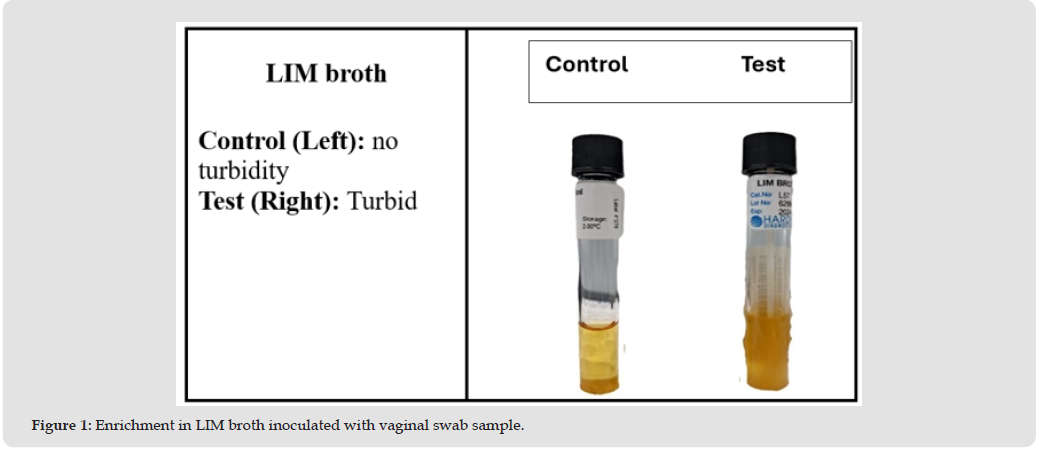
Figure 2
Genome Assembly and Annotation
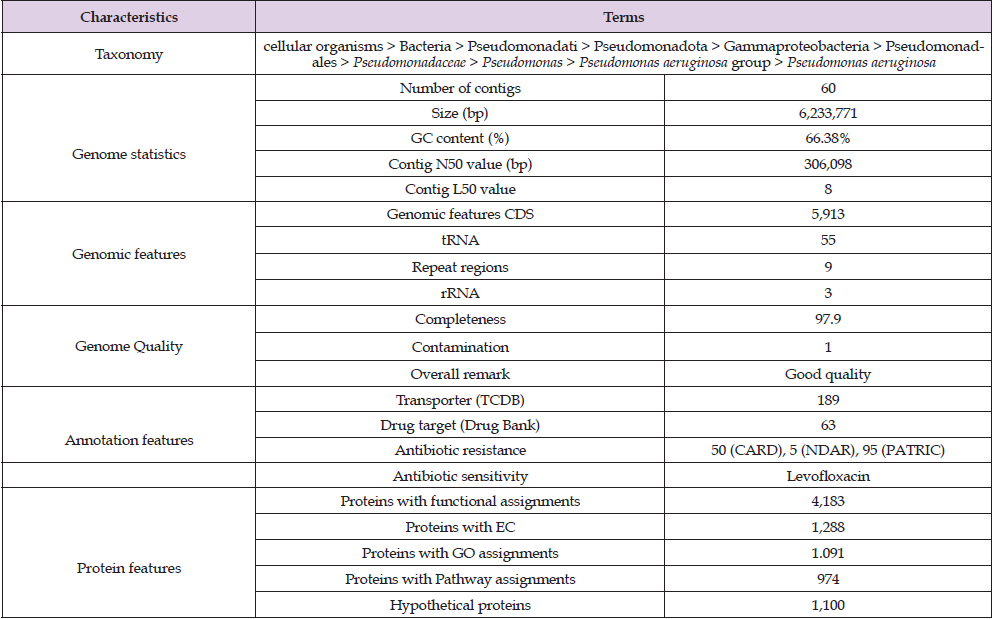
The assembled genome of P. aeruginosa GXDRC_02 by PATRIC consisted of 60 contigs, with a total length of 6,233,771bp. The assembly displayed a GC content of 66.38%, metrics, included an N50 of 306,098bp and L50 of 8, indicating a relatively contiguous assembly. No plasmids or chromosomal circularization were reported. Whereas, the genome was assembled using SPAdes genome assembler v4.0.0 contained 95 contigs, with 74 of these being at least 1000 base pairs (bp) long. The total genomic length across all contigs was 6465243bp (6.46Mb), of which 5,678,405bp accounted for contigs longer than 1000bp. The largest contig within the assembly stretches to 550357bp. The assembly had a GC content of 66.27%. The N50 statistic, a measure of assembly quality, is 266902bp, suggesting that half of the total genome is contained in contigs of this length or longer. Similarly, the N90 is 63427bp, suggesting 90% of the genome is composed of contigs of at least this length. The average contig size weighted by the length of the contigs, known as auN, was 274162.9bp. The L50 and L90 values were 9 and 26, respectively, reflecting the number of contigs required to cover 50% and 90% of the genome. The assembly and annotation features are listed in Table 1.
Table 1: Assembly and annotation features of P. aeruginosa GXDRC_02 (BV-BRC).
Taxonomic Classification
The taxonomic placement of the genome was based on NCBI’s bacterial taxonomy, confirmed through multiple layers of annotation and classified under the lineage (Table 1): The genome was annotated using genetic code 11, which is standard for bacterial genomes, and was assigned the unique genome identifier 287.42117.
Phylogenetic Analysis
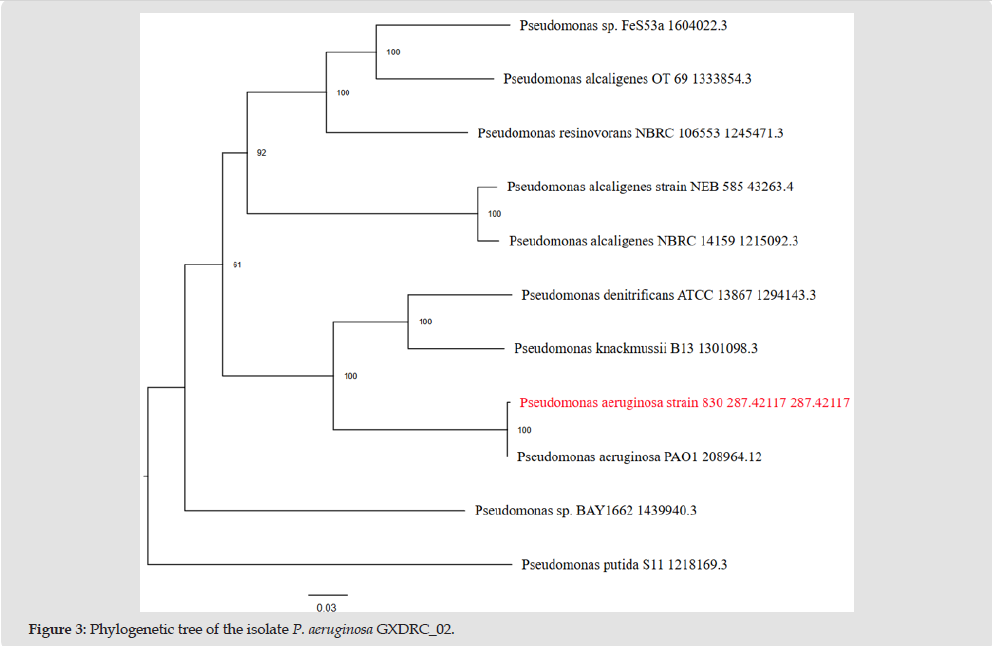
Phylogenetic placement was achieved using reference and representative genomes selected by NCBI and aligned using PATRIC Global Protein Families (PGFams). Sequence alignments were performed with MUSCLE, and phylogenetic trees were constructed using RAx- ML, incorporating bootstrap support. The analysis employed Mash/ MinHash for rapid similarity-based genome selection and confirmed that strain 830 clusters tightly with other P. aeruginosa strains. This robust phylogenomic evidence reinforces the strain’s taxonomic classification. Whole-genome taxonomic identification using Similar genome finder (BV-BRC) confirmed the isolate as P. aeruginosa. Phylogenetic analyses, including codon tree-based, further established a close relationship with P. aeruginosa PAO1 (Figure 3). Additional sequence analysis using BIGSdb (targeting loci: BACT000001 to BACT000065) supported the species identification, with all alleles matching with known entries in the pubMLST database. No novel alleles were detected across the loci analysed. Species identification was consistently aligned with P. aeruginosa, with each locus showing highest similarity to this species across multiple matched alleles. To further validate the taxonomic identity, Average Nucleotide Identity (ANI) analysis was conducted using the assembled genome (501100830_Ps_830_contigs. fasta). The analysis revealed a highest ANI value of 99.429% with P. aeruginosa (GCA_008801675.1, ASM880167v1), along with high query and subject coverage values (96.5% and 93.7%, respectively).
Figure 3
Multiple reference genomes of P. aeruginosa also demonstrated ANI values exceeding 99.4%, with consistent high coverage, reinforcing the species-level assignment. Notably, the submitted genome showed markedly lower ANI values (<94%) with other Pseudomonas species, such as P. paraeruginosa, and significantly lower values (<84%) with more distantly related taxa. These findings, in conjunction with MLST-based allele typing, confidently confirm the organism as P. aeruginosa, with high confidence and no ambiguity in species delineation. The annotated genome using the RAST toolkit (RASTtk) integrated within the PATRIC framework comprised 5,913 protein- coding sequences (CDS), 55 transfer RNA (tRNA) genes, and 3 ribosomal RNA (rRNA) genes. Among the CDSs, 4,813 proteins were assigned functional annotations, while 1,100 proteins were identified as hypothetical. Functional annotation revealed that 1,288 proteins were associated with Enzyme Commission (EC) numbers, 1,091 with Gene Ontology (GO) terms, and 974 proteins were mapped to KEGG metabolic pathways (Table 1).
Protein Family Classification
PATRIC annotation includes two types of protein families; this data set contains 5,756 proteins belonging to the genus-specific protein families (PLFams), and 5,833 proteins belong to the cross-genus protein families (PGFams). This highlights the comprehensive functional coverage and supports evolutionary analysis across different bacterial taxa (Table 1).
Graphical Visualization
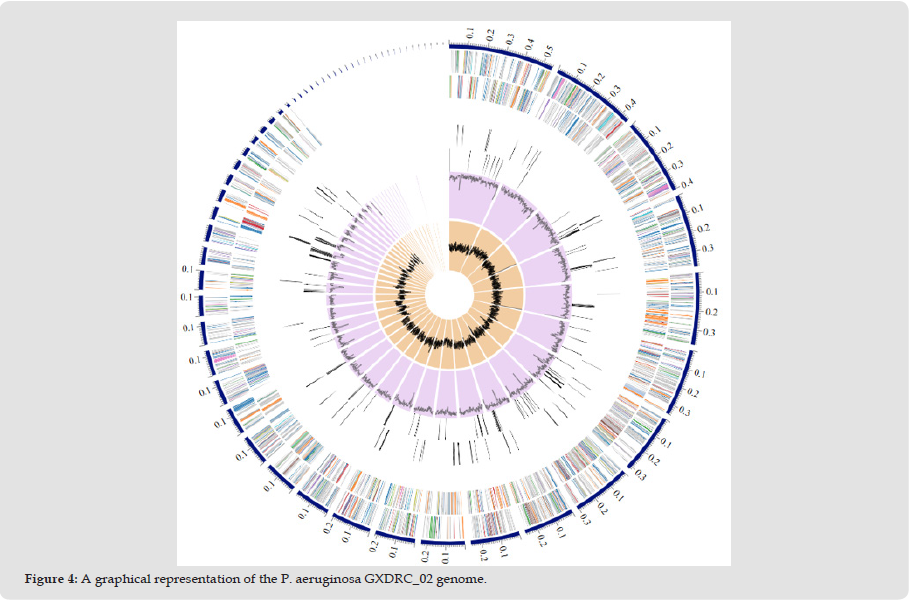
A circular genome map was generated depicting various genome elements including contigs, CDS (on both strands), RNA genes, virulence factors, antimicrobial resistance genes, GC content, and GC skew. The graphical representation also indicated subsystem affiliations, offering insight into the genome’s structural and functional organization (Figure 4).
Figure 4
Subsystem Analysis
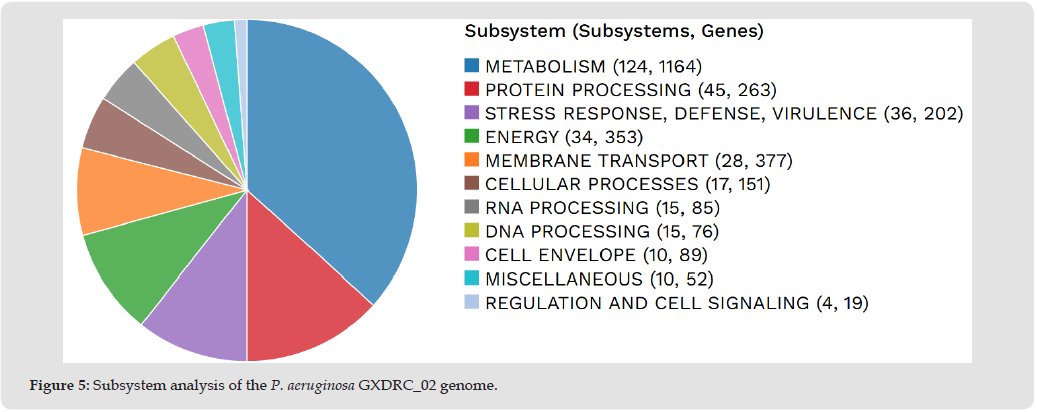
Subsystem annotation revealed a broad distribution of functional roles within the genome. Using the PATRIC RASTtk pipeline, genes were assigned to biological subsystems that represent coherent sets of proteins responsible for specific cellular processes or structural complexes. Major categories identified include Metabolism (124 subsystems, 1164 genes), Protein Processing (45, 263), Stress Response, Defense, and Virulence (36, 202), and Membrane Transport (28, 377). Additional assignments included functions in Energy Production, Cellular Processes, DNA/RNA Processing, and Cell Envelope structure and signalling, underscoring the organism’s adaptability and pathogenic potential (Figure 5). The genome harbored numerous genes with known roles in virulence, antibiotic resistance, and host-pathogen interactions. Using curated databases, PATRIC identified: Virulence Factors from VFDB (230 genes), Victors (88 genes), and PATRIC_VF (1 gene); Antibiotic Resistance Genes from CARD (50), NDARO (5), and PATRIC (95); Drug Targets from DrugBank (63) and TTD (9); Transporters from the TCDB database (189 genes). These genes contribute to the bacterium’s ability to survive hostile environments, evade host immunity, and resist treatment, making them important for clinical risk assessment (Table 1).
Figure 5
Antimicrobial Resistance Analysis
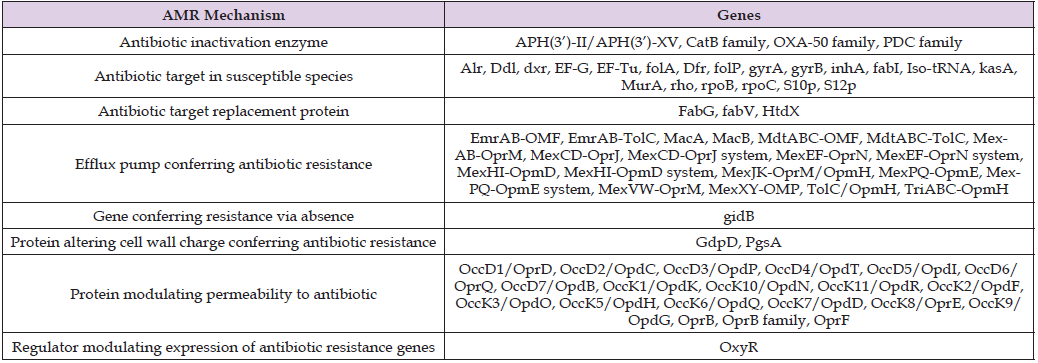
Phenotypic resistance prediction was performed using Ada- Boost-based machine learning models. The analysis showed that P. aeruginosa GXDRC_02 is susceptible to levofloxacin. This prediction is based on genome sequence features and highlights the potential usefulness of levofloxacin for treating infections caused by this strain. A comprehensive AMR gene analysis identified multiple resistance mechanisms. Annotated AMR genes indicates a variety of mechanisms for antibiotic resistance. The majority of these genes are involved in utilizing efflux pumps for example: EmrAB-OMF, MacA, MacB, etc. to confer resistance, and proteins such as OccD1/OprD, OccK2/OpdF, OccK9/OpdG, etc. for modulating permeability to antibiotics. It also encodes enzymes involved in antibiotic inactivation (such as: APH(3’)-II, OXA-50 family, PDC family, etc.), as well as protein (OxyR) modulating the expression of antibiotic resistance genes (Table 2). These findings underscore the strain’s arsenal of resistance determinants and provide molecular insight into its potential drug resistance phenotype.
Table 2: Antimicrobial resistance gene.
Functional Annotation using EggNOG-mapper
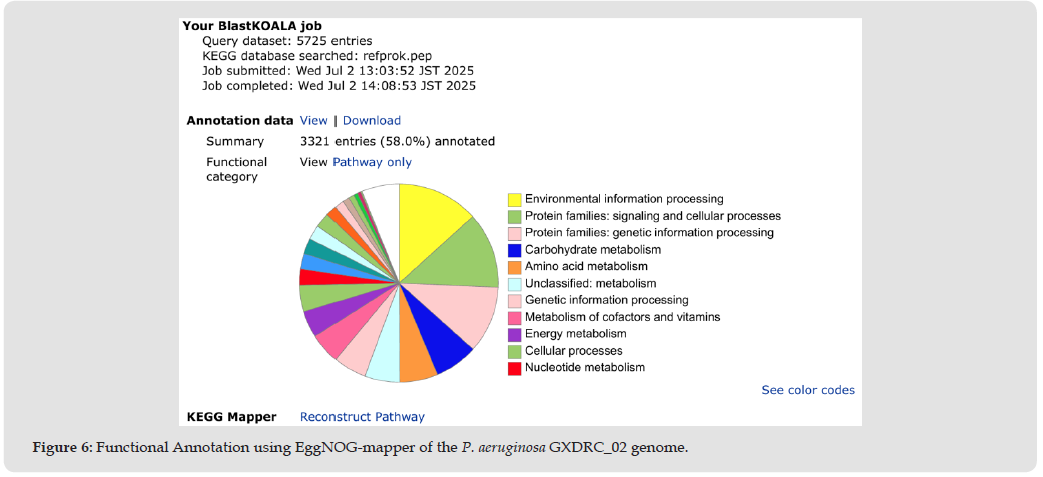
To enhance the functional annotation of protein-coding genes, the predicted proteome of P. aeruginosa GXDRC_02_was analyzed using EggNOG-mapper v2.1.12. A total of 5,481 proteins were subjected to orthology-based annotation using the DIAMOND search mode against the EggNOG v5.0 database. This annotation revealed that 14.62% of the proteins were associated with information storage and processing, which included functions such as DNA replication, recombination and repair, transcription regulation, translation, and ribosomal structure biogenesis. Approximately 9.47% of proteins were categorized under cellular processes and signalling, covering pathways related to cell wall/membrane/envelope biogenesis, signal transduction, post-translational modifications, intracellular trafficking, and secretion systems. Out of all proteins analysed, 5,478 proteins (99.9%) were assigned putative functional descriptions and Clusters of Orthologous Groups (COG) categories. COG assignments enabled broad classification of protein functions, contributing to the understanding of metabolic and cellular pathways in the strain. A total of 1,333 proteins were annotated with Gene Ontology (GO) terms, encompassing molecular functions, biological processes, and cellular components. Additionally, 3,390 proteins were mapped to KEGG Orthology (KO) identifiers, linking gene products to canonical metabolic and signalling pathways.
Notably, 5,051 proteins were also associated with conserved Pfam protein families, highlighting structurally or evolutionarily conserved domains. Further, 32.46% of annotated proteins were linked to metabolic processes, including those involved in amino acid transport and metabolism, carbohydrate metabolism, energy production and conversion, and inorganic ion transport. Also, 22.05% of the proteome fell under the poorly characterized category, highlighting genes with either general predictions or unknown functions. These findings reflect the functional diversity and metabolic versatility of this strain, consistent with its adaptability and environmental resilience (Figure 6).
Figure 6
Prophage Prediction and Characterization
Analysis of the genome using PHASTEST identified one intact prophage region within the genome, located between nucleotide positions 16,504 and 48,860 on contig_4, with a length of approximately 32.3 Kb. This region was classified as intact with a total score of 150, based on the presence of multiple structural phage proteins, including tail and plate proteins, and a high proportion of phage-related coding sequences. Specifically, 35 of the 41 predicted proteins (85.4%) in this region were phage-related, with an additional 1 hypothetical protein, resulting in a phage + hypothetical protein representation of 87.8%. These characteristics strongly support the presence of an actively integrated prophage.
Secondary Metabolite Biosynthetic Gene Cluster (BGC) Prediction
To explore the biosynthetic potential, the genome was analyzed using antiSMASH v8.0.1. A total of 17 putative biosynthetic gene clusters (BGCs) were identified under relaxed detection stringency, distributed across multiple genomic contigs. These BGCs represented diverse classes of secondary metabolites, suggesting a rich biosynthetic repertoire. Among the predicted clusters, several were identified with high similarity to known secondary metabolite pathways. Notably: An opine-like metallophore cluster (Region 1.1) was predicted with high confidence, closely resembling the pseudopaline biosynthetic pathway; a Type I NRPS cluster (Region 3.2) matched the azetidomonamide A/B pathway, indicating the potential for cyclic peptide production; Hydrogen cyanide biosynthesis genes (Region 19.1) were also detected with high similarity to known clusters, highlighting the strain’s possible cyanogenic capability; a cluster in Region 25.1 showed high similarity to the pyochelin biosynthetic pathway, a well-characterized siderophore involved in iron acquisition; Additional clusters included: RiPP-like; NRPS-like; and hserlactone clusters, distributed across contigs 3, 9, 20, and 23; a phenazine biosynthetic cluster (Region 30.1), known for antimicrobial pigment production; Multiple NRP-metallophore and betalactone-associated clusters suggesting metal-chelation and potential antibiotic activity; One cluster (Region 24.1) was weakly similar to azotobactin D, while others were classified as novel with no close reference in the MiBIG database.
Pathogenic Potential
To assess the likelihood of human pathogenicity, the genome was analysed using PathogenFinder, the analysis predicted that the organism is a probable human pathogen, with a probability score of 0.752. A total of 682 protein sequences matched with known pathogenic families, whereas only 56 matched non-pathogenic families, covering 11.92% of the genome. The Z-score of 25.37 and a high prediction score of 1355.323 further support the confidence of classification it as a pathogenic strain. These matches include proteins with known virulence associations such as penicillin-binding proteins, type III secretion system components, siderophore receptors, and multiple hypothetical and conserved hypothetical proteins aligned with P. aeruginosa reference strains (e.g., PAO1 and LESB58).
Pangenome Composition and Genomic Plasticity
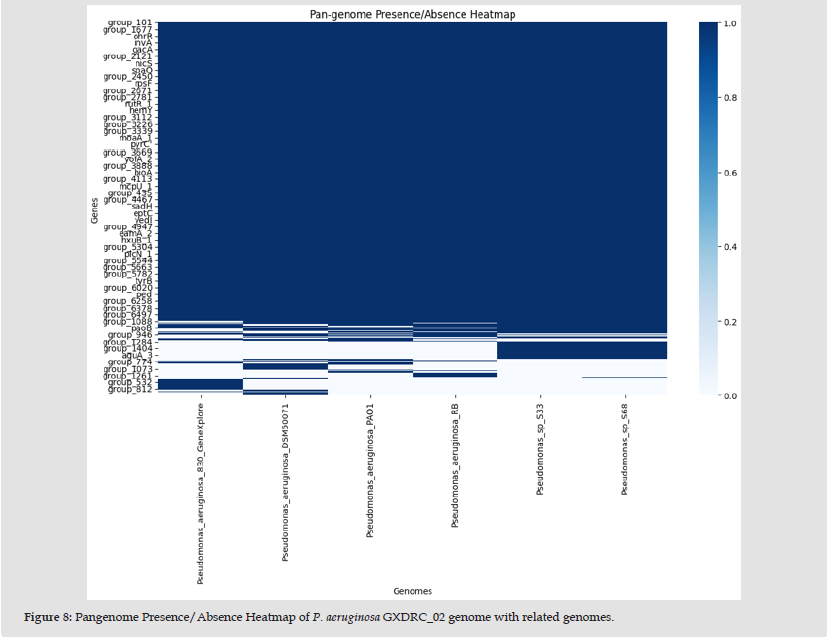
Pangenome analysis was performed to assess the genomic diversity and evolutionary dynamics among P. aeruginosa isolates. The analysis yielded a total of 6,592 gene families, partitioned into distinct genomic categories based on their prevalence across strains. The core genome, comprising genes present in 99–100% of strains, accounted for 5,269 genes, representing approximately 79.95% of the total pangenome. These genes are highly conserved and likely responsible for essential cellular functions and species-specific characteristics. No soft core genes (present in 95–99% of strains) or cloud genes (present in <15% of strains) were detected, suggesting a stable genomic backbone with minimal strain-specific outliers in this dataset. The remaining 1,323 genes (20.05%) were classified as shell genes, present in 15–95% of the strains (Figures 7 & 8). These genes represent the accessory genome and may encode functions related to environmental adaptability, stress response, host interactions, or antimicrobial resistance. The absence of cloud genes and soft core genes suggests a relatively closed pangenome, indicative of strong genomic conservation among the studied strains. However, the substantial shell genome component points to a degree of functional flexibility, potentially reflecting adaptations to clinical or ecological niches. Overall, these findings underscore the balance between genomic stability and adaptive potential in P. aeruginosa, contributing to its success as a ubiquitous opportunistic pathogen.
Figure 7
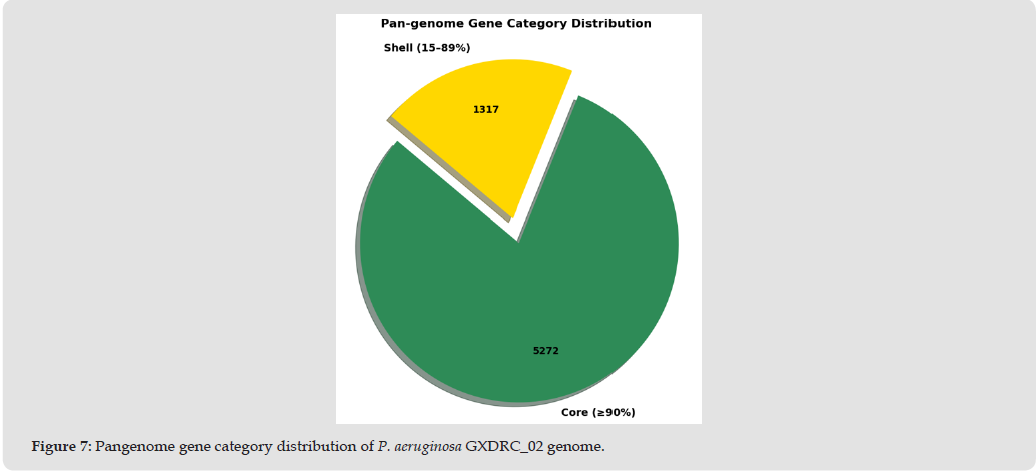
Figure 8
P. aeruginosa is one of the most widely studied opportunistic pathogen as per literature search in Google scholar as on date (4,20,000 results for opportunistic pathogen and 2,67,000 results for P. aeruginosa + opportunistic pathogen). The virulent strains of this bacterium cause a variety of acute and chronic infections which is of concern due its socio-economic burden to healthcare worldwide [40]. The World Health Organization (WHO) has classified P. aeruginosa among the ESKAPE (Enterococcus faecium, Staphylococcus aureus, Klebsiella pneumoniae, Acinetobacter baumannii, Pseudomonas aeruginosa, and Enterobacter species) pathogens for discovery of novel therapeutics and of critical need [41]. GBS detection during 35-37 week of pregnancy is mandatory in the U. S. and other developed countries. As mentioned in the introduction, LIM broth is recommended as a selective and enrichment medium for this purpose, but it also allows the growth of other bacteria resistant to the inhibitory substances that may also cause complications during pregnancy solely or by interactions with other microflora. This concept of interactions between pathogens or microbial flora that have an impact on virulence in multi-strain and multi-species infections has been reviewed using P. aeruginosa as a case example [42].
Phylogenetic analyses of P. aeruginosa GXDRC_02 established a close relationship with the widely studied P. aeruginosa PAO1 a derivative (resistant to chloramphenicol) of the original strain POA isolated from a wound in Australia in 1954 [43]. Taxonomic identity based on ANI revealed a highest ANI value of 99.429% with P. aeruginosa (GCA_008801675.1 and ASM880167v1), along with high query and subject coverage values (96.5% and 93.7%, respectively). PAO1 and PA14 are the two most frequently used P. aeruginosa strains for research, the former being less virulent. The genome size of P. aeruginosa GXDRC_02 was approx. 6.23 - 6.46Mb (66.38% G+C), containing 5913 CDS; whereas the genome of PAO1 is 6.3 Mbp (66.6% G + C content) in size, possesses 5,700 genes with 5,584 predicted open reading frames (ORFs) [44,45]. Among the bacterial genomes sequenced as on date Pseudomonas has one of the largest genome (7.0 Mb) which is at the higher end of the genome size [46]. This isolate possessed genes that encode proteins with known virulence associations such as penicillin-binding proteins, type III secretion system components, siderophore receptors, and multiple hypothetical and conserved hypothetical proteins aligned with P. aeruginosa reference strains (e.g., PAO1 and LESB58).
These results are consistent with the established clinical relevance of P. aeruginosa as an opportunistic pathogen, particularly in immunocompromised hosts. The presence of such virulence-related protein families reinforces the genome’s pathogenic capacity and supports its prioritization for further investigation of virulence mechanisms and resistance traits. Various virulence factors that enable this bacterium to cause infection and regulatory systems controlling these factors is elaborated by Veetilvalappil, et al. [47], therefore it is important to understand/study the virulence of P. aeruginosa GXDRC_02 strain for better clinical management of infections in various settings. PHASTEST revealed the presence of an actively integrated prophage in the genome. The most common phage homologs identified within this region were associated with several Pseudomonas-specific phages, including PHAGE_Pseudo_YMC11/02/R656 (8 hits) and PHAGE_Pseudo_phiCTX (5 hits), among others. The GC content of the prophage region was 66.53%, closely matching that of the host genome, suggesting evolutionary adaptation. The role of plasmids, phages or phage-plasmids elements in bacterial evolution and horizontal gene transfer has been reviewed [48]. The identification of this intact prophage underscores the genomic plasticity of P. aeruginosa and indicates potential for horizontal gene transfer, which may contribute to strain-specific variation in virulence, stress response, or antimicrobial resistance.
The present study reports for the first time the isolation of a beta- hemolytic P. aeruginosa strain from LIM broth inoculated with a vaginal swab from a woman with preterm membrane rupture from Gujarat, India. Therefore, whole genomic sequencing and bioinformatics analysis of P. aeruginosa GXDRC_02 was carried out to reveal its identity with other related stains, metabolic and AMR profiling, virulence, pathogenicity, etc. It highlights the importance of surveillance for this opportunistic pathogens besides GBS during pregnancy, and other nosocomial infections. Collectively, these findings also underscore the biosynthetic versatility of P. aeruginosa GXDRC_02 and supports its potential for producing diverse natural products, including siderophores, antimicrobial compounds, and signalling molecules.
The authors thank Niraj Sheth, Dean, Gujarat Vidyapith for academic support to ADP, and Taral Patel for technical assistance.
The authors declare no conflict of interest.
AP, SSC, SRS, VNU DDJ have conceptualized, designed, provided resources and written the original draft paper. ADJ, HPP and VNU have carried out the microbiological experimental work. NGS and Bioinformatics analysis and methodology was written by JN and ZS. All the authors have reviewed and provided inputs for the final submission.
This research did not receive any specific grant from funding agencies in the public, commercial, or not-for-profit sectors.
Informed written consent has been obtained from the human subject for the clinical sample used in this research work. No human clinical trails or unethical practices have been involved.

International Association of Landscape Archaeology, Czech Glass Society, Czech Republic

Department of Chemistry, Semenov Institute of Chemical Physics, USSR Academy of Sciences, Moscow, Russia

Neurology, LA BioMed Research Institute, USA

Associate Professor at Department of Breast and Thyorid Surgey, Chongqing General Hospital, China

Professor of Nuclear Medicine, Faculty of Medicine and Surgery, University of Milan, Milan, Italy





 Abstract
 PDF