info@biomedres.us
+1 (502) 904-2126
One Westbrook Corporate Center, Suite 300, Westchester, IL 60154, USA
Site Map
 ISSN: 2574 -1241
ISSN: 2574 -1241
ISSN: 2574 -1241
Received: August 12, 2025; Published: August 19, 2025
*Corresponding author: Issack Biyong, MD,CTS,MAS,MSc,FMH Child, Adolescent and Adult Psychiatrist, Psychotraumatologist and Psychotherapist/FMH, Swiss society of interventional psychiatrist (SSIP), Switzerland
DOI: 10.26717/BJSTR.2025.63.009825
Background: Fibromyalgia with psychiatric comorbidities represents a major therapeutic challenge, often resistant
to conventional treatments. Repetitive transcranial magnetic stimulation (rTMS) emerges as a promising
approach for these complex cases.
Objective: To evaluate the therapeutic efficacy of rTMS in complex fibromyalgia with multiple psychiatric disorders
in a patient with significant trauma history.
Methods: Longitudinal descriptive study over 32 months (June 2018-February 2021) with 6-month follow-up.
43-year-old female presenting severe recurrent major depression, generalized anxiety disorder, chronic PTSD,
and secondary fibromyalgia. rTMS protocol: 27 sessions, 20 Hz, 90% motor threshold, targeting primary motor
cortex (M1). Assessment using validated scales (SDUS, HAS, BDI, FIQ-R) and correlational analysis across four
progressive therapeutic phases.
Results: Significant mood improvement from -2.199 (±2.884) in Phase A to +0.766 (±3.403) in Phase B, with
positive stabilization in Phases C and D. Remarkable functional recovery: work capacity improved from 0% to
50-60%, disability reduced from 100% to 50%. GAF score improved from 30-40 to 45-50. Correlational analysis
revealed rTMS emergence as autonomous therapeutic factor (r = 0.092 in Phase C), with sustained benefits after
medication withdrawal. Quarterly maintenance sessions preserved clinical stability without deterioration.
Conclusion: This study demonstrates remarkable rTMS efficacy in complex fibromyalgia with psychiatric comorbidities.
The extended protocol (27 sessions) achieved durable functional recovery, transforming complete
disability into partial work capacity. rTMS proved capable of inducing lasting neuroplastic changes, enabling
medication withdrawal and benefit maintenance with minimal interventions. These findings support rTMS integration
as cornerstone therapy for fibromyalgia resistant to conventional treatments.
Keywords: Repetitive Transcranial Magnetic Stimulation; Fibromyalgia; Psychiatric Comorbidities; Post-Traumatic Stress Disorder; Neuroplasticity; Functional Recovery
Abbreviations: CPM: Centre De Psychotraumatologie Et De Médiation; rTMS: Repetitive Transcranial Magnetic Stimulation; LEI: Loss-of-Earnings Insurance; SDIO: Swiss Disability Insurance Office; PA: Panic Attacks; RMDD: Recurrent Major Depressive Disorder; GAD: Generalized Anxiety Disorder; PTSD: Posttraumatic Stress Disorder; MPD: Mixed Personality Disorder; MVS: Mood Variation Scale; WPI: Widespread Pain Index; SSS: Symptom Severity Scale; CBT: Cognitive Behavioral Therapy
Transcranial magnetic stimulation, TMS for short, is a well-tolerated, targeted therapy for a variety of psychiatric illnesses. Depression is most often treated, but TMS [1] can also be used in schizophrenia to treat voices or negative symptoms [2]. Because of its high efficacy profile and virtually non-existent side effects, it is also increasingly used in the treatment of addictions or obsessive-compulsive disorders [3], Post-traumatic stress disorder, General anxiety disorders [4], Somatoform pain disorders and even Fibromyalgia [5]. TMS treatment can be combined with the usual psychopharmacological [6] and psychotherapeutic treatments or used in place of these methods when psychotherapy and medication are not sufficient [7]. It has the effect of specifically compensating for unbalanced brain activity. An electric current flows through a coil, which is held over the areas of the brain proven to be affected by the disorders to be treated. The magnetic field generated by the current enables the brain to evolve positively towards a balancing normalization of cerebral activity [8].
It is stimulated daily, hence the name Repetitive Transcranial Magnetic Stimulation (rTMS). Today, there are several different treatment protocols for high and low frequency stimulation, as well as pulsed stimulation [9]. In the meantime, stimulation several times a day has even come to be used, so that treatment success can be seen more quickly - while maintaining good tolerance. The critical point at present in Switzerland is that rTMS treatment is still not reimbursed by health insurance companies, despite years of proven efficacy - apart from the CSS Insurance, which apparently covers rTMS under the supervision of a psychiatrist trained by the Society of Biological and Interventional Psychiatry [10]. There are situations in which rTMS cannot be used, or only after very careful examination. These include implanted intracranial electrodes, cochlear implants, acute cardiac disease or injury, pacemakers or defibrillators [11].
Presentation of our Case Study
General Information: Ms. Muda (name given to the patient for reasons of anonymity), a 43-year-old woman at the time of writing, single with no dependent children, has been treated at the Centre de Psychotraumatologie et de Médiation (CPM) in Neuchâtel since 2008. This detailed presentation enabled us to assess the evolution of her ability to return to work at 100%, following the expert assessment carried out on 05.09.2016 by the expert psychiatrist on the joint mandate of her loss-of-earnings insurance (LEI) for her loss of earnings during her period of work incapacity and the Swiss disability insurance office (SDIO).
Diagnosis According to DSM-5 and ICD-10: Ms. Muda diagnosis was gradually refined during follow-up, due to the accumulation of psychosocial factors and the patient’s slow, gradual openness thanks to the therapeutic relationship that was painstakingly established.
Axis I - Mental Disorders
• F33.2 [296.32] Severe recurrent major depressive disorder without psychotic symptoms
• F41.1 [300.02] Generalized anxiety disorder
• F43.1 [309.81] Chronic Post-traumatic stress disorder
Axis II - Personality Disorder
• F60.09 [301.9] Unspecified personality disorder: mixed avoidant, dependent, obsessive and narcissistic personality.
Axis III - Medical Conditions: Fibromyalgia (diagnosis secondary to PTSD, confirmed family physician, internist at, Neuchâtel).
Axis IV - Psychosocial Stress Factors
• History of childhood sexual abuse by a stranger • Home invasion by an escaped thief • Recent death of her mother (September 27, 2016) • Persistent family conflicts • Harassment at work
Axis V - Global Assessment of Functioning: GAF (Global assment of functioning) scale in May 2008: estimated at 30-40 with suggests severe psychiatric symptoms with major functional impairment.
Current GAF: estimated at 45-50, with serious symptoms and serious impairment in social, occupational, or school functioning. While still indicating significant challenges, this represents notable improvement
Current Symptoms and Clinical Status: Ms. Muda presents persistent PTSD symptoms, with dissociative amnesia concerning the end of the story of the aggression that occurred at the age of 6. The symptoms, relatively present since childhood, became incapacitating and necessitated several months off work following an attack by a stranger in her home. The main clinical disabling feature due to. The Posttraumatic stress disorder (PTSD) constitutes the main syndromic core, complicated by psychiatric comorbidities including Recurrent Major Depressive Disorder (RMDD), Generalized anxiety disorder (GAD) with panic attacks (PA) Secondary mixed personality disorder (MPD). But the Fibromyalgia, absent at the start of treatment at the CPM, developed secondary to the PTSD and is the subject of parallel follow-up in internal medicine first by his family physician and secondly by the rheumatologist who confirmed this diagnosis.
Detailed Traumatic History
Primary Trauma (Age 6): The central traumatic event occurred at the age of 6, when she was sexually assaulted by a stranger. After almost two years of therapy, the patient was able to reconstruct a detailed account of this event: The assailant had lured the patient and her sister, claiming the presence of “beasts” in their hair. He isolated the patient in a dark corner, lifted her little floral summer dress, pulled down her white panties, and proceeded to touch her genitals, pretending to be looking for these “beasts”. The assault stopped when the father arrived, having heard the noise. The assailant tried to flee by carrying the child, before putting her back on the ground and running off. The patient retains precise images: her panties pulled down to the ground, the sensation of paralysis, her eyes fixed on the windows. She reports an “immense emptiness” until suppertime, and partial amnesia for the rest of the event.
Secondary Traumas
Childhood (7-8 years): Repeated molestation and penetrative rape by an older cousin aged 18-20 over several years
Adolescence (12-18): Self-destructive phase with risky behaviors Transitional Age (22-24): Risky behavior (alcohol, sexual experimentation, provocation)
Adulthood: Home invasion by a thief, reactivating the initial trauma. Developmental evolution and adaptation
Childhood and Adolescence: From childhood, the patient showed signs of anxiety: fear of being alone, inability to respond to verbal aggression from pupils, compulsive tidying up. In adolescence, confrontation with maternal alcoholism around age 16, episodes of anxiety, expulsion from school for failure, then positive experience as an au pair in England.
Professional Life: Employment in a field related to childhood, which is very important to her. Recurrent difficulties with colleagues, feeling jealous of her know-how, conflicts with superiors. Symptomatic reactivation during environmental changes (relocation of workplace).
Relationships: Single, childless, relationships marked by failure and disappointment. Attachment difficulties linked to early trauma and personality disorder. Tendency towards social isolation and avoidance mechanisms.
Family Background
• Mother alcoholic and depressive, died in December 2015
• Her elder sister present during initial trauma but did not tell the real story to parents.
• Persistence conflicting family relationships with denial mechanisms and lack of family support for late revelations (after age 15)
Current Clinical Presentation: At the time of assessment, Ms. Muda presents a complex clinical picture combining:
Post-Traumatic Symptoms
• traumatic flashbacks in the form of recurrent nightmares
• Avoidance of situations reminiscent of the trauma
• Hypervigilance and startle reactions
• Partial dissociative amnesia
• Intense emotional distress on exposure to reminders
Depressive Symptoms
• Depressed mood with wide variations
• Anhedonia and loss of interest
• Sleep disturbances
• Chronic fatigue and asthenia
• Significant weight loss
• Episodic suicidal ideation (stage I)
Anxiety Symptoms
• Generalized anxiety with panic attacks
• Excessive preoccupation with work
• Situational behavioral avoidance
• Somatic symptoms (anxiety balls, abdominal tension)
• Compulsive checking (doors, home security)
Personality Manifestations
• Avoidant traits: avoidance of conflictual situations
• Obsessive traits: perfectionism, rigidity
• Dependent traits: need for excessive reassurance
• Narcissistic traits: sensitivity to criticism
• Emotional instability with affect deregulation
Somatic Manifestations
• Fibromyalgia with diffuse pain
• Menstrual disorders (amenorrhea)
• Hypersensitivity to medication
• Various psychosomatic manifestations
• This complex clinical presentation illustrates the intertwining of early trauma, personality development and somatic complications, requiring an integrated and adapted long-term therapeutic approach.
General Objective
To measure the therapeutic efficacy of the different therapeutic approaches used in the management of this patient during treatment, at the end of the study and post-study.
Specific Objectives
To measure the therapeutic efficacy of the therapeutic approaches used during the 3 therapeutic phases A (Mood is negative phase), B (Mood is positive and very unstable phase), C (observation phase of consolidation of the patient’s recovery with a positive and stable mood after this study) or catamnestic period.
Psychiatric evaluation prior to the start of treatment and medical history and the patient in collaboration with her family physician and rheumatologist.
Materials
• Psychometric tests for psychiatric comorbidities: with the HAS, IDB, PTS-L5 and SCID-II.
• Mood Variation Scale (MVS), Epworth scale, etc.
• Fibromyalgia symptom assessment q u e s t i o n - naires:
• FIQ-R (Fibromyalgia Impact Questionnaire), revised: measures pain intensity, fatigue, sleep quality, cognitive problems (e.g. difficulty concentrating), physical function and ability to perform daily activities. Scale is from 0 to 10 for each domain.
• WPI + SSS (Widespread Pain Index & Symptom Severity Scale). These two elements are part of the ACR 2010/2011 diagnostic criteria (American College of Rheumatology), [12] Widespread Pain Index (WPI): Score the number of painful areas out of 19.
• Symptom Severity Scale (SSS): Assesses fatigue, sleep disturbance, cognitive impairment, and other somatic symptoms on a scale of 0 to 3.
• The transcranial magnetic stimulation device used was rTMS- Tiny, a portable rTMS device.
Type and Period of Study
Type of Study: A clinical, descriptive, longitudinal and analytical study of other parameters considered in the Fibromyalgia during the PPIT, such as psychiatric comorbidities with their symptoms, medications, CBT, etc. The Fibromyalgia PPIT for this case was done with psychopharmacotherapy, cognitive behavioral therapy (CBT) and repetitive transcranial magnetic stimulation (rTMS).
Study Period: The study began on 1stJune 2018 with the first phase (A) and ended on 01.02.2021 for the third phase (C). Catamnesis began after 3 months of phase C until December 2022 corresponding to maintenance follow-up according to the patient’s need and request.
Procedure: The patient was admitted for outpatient treatment at the CPM at her request for an anxiety- depressive mood disorder. After a thorough psychiatric evaluation by the CPM’s head psychiatrist, an initial diagnosis was made according to ICD-10 and DSM-5, with a multi-axial diagnosis of:
• Generalized anxiety disorder (GAD)
• Recurrent Major Depressive Disorder (RMDD)
• Post-traumatic stress disorder (PTSD)
Diagnosed by our team at CPM’s, Trauma and Transcultural Psychiatry Clinic (CTPT), she was also diagnosed with Fibromyalgia by his Rheumatologist after 2 years of psychiatric and family medicine care. “After 3 years of treatment for major depressive disorder (MDD), generalized anxiety disorder (GAD), and Post-traumatic stress disorder (PTSD), the patient remained on 100% functional disability status and was registered with the Swiss Disability Insurance Office under documented diagnoses of GAD, MDD, PTSD, and Fibromyalgia. Typical treatment protocols as follows:
Frequency of Sessions
• Induction phase: 10 sessions over 2 weeks for 2 months
• Maintenance phase: weekly sessions for 6 weeks, then twice weekly for 8 weeks.
• Consolidation phase: 1 session every 3 months, if necessary, for 6 months and 25 days.
• The study was closed because of the patient’s good progress and her desire to take a vacation abroad in February 2021 to enjoy the improvement in her overall health and quality of life after treatment.
• This made a total of 27 sessions during this phase of non-invasive rTMS treatment.
Device Calibration: Calibration of the rTMS device prior to repetitive transcranial magnetic stimulation sessions for the treatment of fibromyalgia:
• 20 Hz according to validated protocols
• Calibrate intensity to 90%, recommended range is (80- 120%) of individually measured resting motor threshold
• Standardize according to recommendations: high-frequency stimulation of the primary motor cortex (M1) has the highest level of evidence for reducing pain intensity
• 30-minute session duration
Extended Induction Time: Was 2 months, longer than the standard 2-4 weeks.
Data Collection Psychometrics and Analysis: This data collection was carried out before the start of treatment by the treating psychiatrist and by the psychologist with psychometric assessments using the following validated scales Hamilton Anxiety scale (HAS) [12], BDI (Beck inventory depression) [12], Posttraumatic stress check List (PLS-20) [12], SCID-II Questionnaire for personality disorder [12] over3 years as material.
FIQ-R (Fibromyalgia Impact Questionnaire) Revised: Measures pain intensity, Fatigue, sleep quality, cognitive problems (e.g. difficulty concentrating), physical function and ability to perform daily activities. Scale is from 0 to 10 for each domain. Then, the patient’s self-assessment of mood as a homework assignment, using the Subjective Distress Unit Scale (SDUS) ranging from 0 absence of distress or mental suffering to extreme distress on a 10-point scale. One day before each session, the patient was asked to send us the results of her ESUD by email on an Excel file. She was asked to do this self-evaluation on ESUD for 3 years. The analysis was carried out using SPSS software, with cross-tabulation of the variables as sub-mentioned in the tables of correlation matrices to the different treatments A, B and C.
Statistical Validation of Central Measures
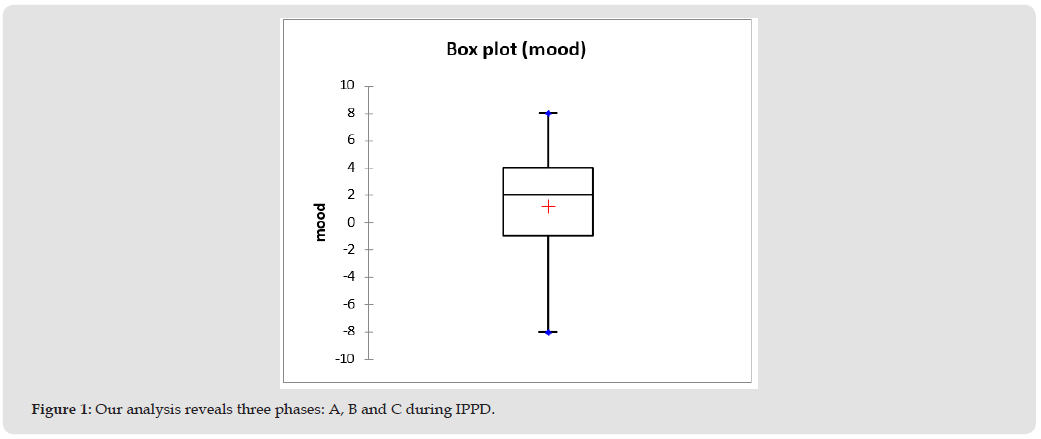
Exploratory box plot analysis reveals a satisfactory distribution of mood data, with no extreme values. This fundamental statistical observation validates the use of arithmetic means as reliable measures of central tendency for our longitudinal analysis. Indeed, the homogeneous distribution of mood scores ensures that the averages are not artificially shifted by atypical observations. Statistical robustness means that mean variations can be interpreted as representative of the actual evolution of clinical state. What’s more, the absence of distributional bias allows direct comparisons between therapeutic phases. This preliminary validation is crucial, as it confirms that the differences observed between phases (negative mood in Phase A: -2.199 vs. positive mood in Phase B: +0.766) reflect genuine clinical changes rather than statistical artifacts (Figure 1).
Figure 1
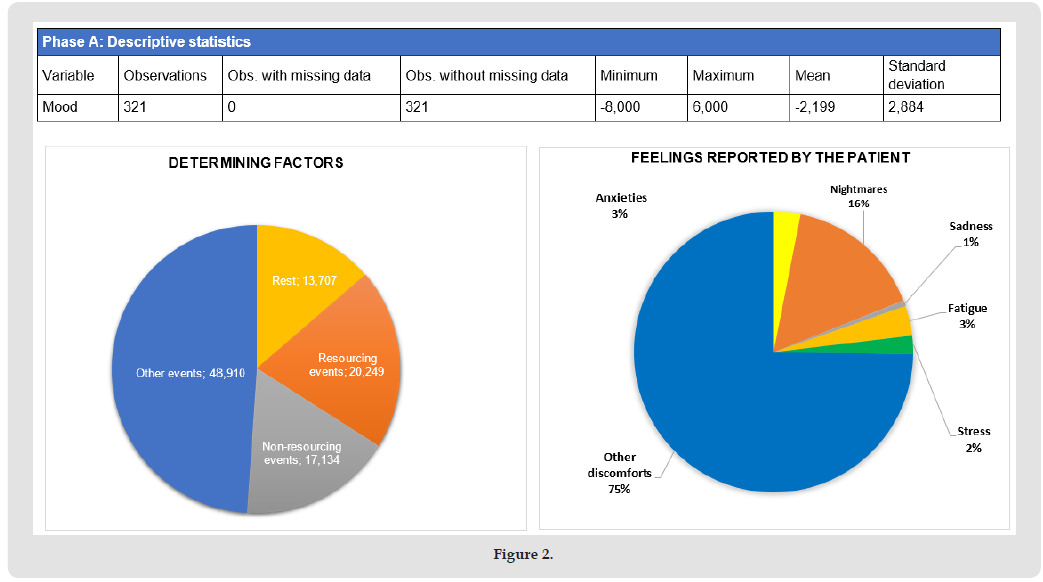
Phase A, Negative Mood: Phase A is the baseline period of our study, corresponding to the initial phase of care for a patient presenting with a complex clinical picture combining generalized anxiety disorder (GAD), recurrent major depressive disorder (MDD) and posttraumatic stress disorder (PTSD), with a subsequent diagnosis of fibromyalgia. This 9-month, 19-day phase (05/22/2018 - 04/10/2019) was characterized by the initiation of conventional treatment combining psychotropic medication and cognitive-behavioral therapy with simple exposures. The primary objective was to assess the efficacy of standard therapeutic approaches prior to the introduction of rTMS, thereby enabling a comparative baseline to be established for subsequent phases. Descriptive statistics revealed a significantly negative mean mood of -2.199 (±2.884) on a scale ranging from -8 to +6, with 321 complete observations with no missing data. This substantial negative mean confirms the patient’s state of major psychological distress during this initial period. The standard deviation of 2.884 indicates moderate variability around the mean, suggesting relatively predictable mood fluctuations in a predominantly negative register. The total amplitude of 14 points (from -8 to +6) nevertheless demonstrates the patient’s residual capacity to experience moments of transient improvement, even if these episodes remain in the minority.
The distribution of the data, validated by the absence of extreme values in the box plot, confirms that this negative mean faithfully represents the patient’s clinical state without statistical bias. Analysis of the correlation matrix reveals a psychopathological profile characterized by predominantly negative impact factors. Nightmares emerge as the most deleterious factor (r =-0.325), reflecting the major impact of PTSD on mood quality and confirming the literature on posttraumatic disorders. Non-resourceful events showed a similar negative correlation (r = - 0.327), underlining the patient’s vulnerability to environmental stressors. Anxiety, although negatively correlated (r = -0.075), shows a more moderate but consistent impact. In contrast, nurturing events were the only significant protective factor identified (r = 0.358), suggesting the preservation of residual adaptive capacities. Remarkably, the lack of representation of rMST and drug treatments in this correlational matrix indicates the limited therapeutic efficacy of conventional approaches at this stage, justifying the exploration of innovative therapeutic alternatives in later phases (Table 1 & Figure 2).
Table 1: MATRIX OF CORRELATIONS(PHASE-A).

Figure 2
Phase B, Positive, Highly Unstable Mood: Phase B marks a decisive turning point in therapeutic management, spanning 14 months and 19 days (04/11/2019 - 07/31/2020). This phase is characterized by the introduction of repetitive transcranial magnetic stimulation (rTMS) at a rate of 3 sessions per week, combined with continued drug treatment and the integration of stabilization and desensitization- retreatment psychotherapy (DSP-R). This multimodal therapeutic combination aims to optimize treatment efficacy by simultaneously targeting neurobiological, pharmacological and psychotherapeutic aspects of comorbid disorders. The main objective was to evaluate the synergistic effect of these combined approaches on improving mood and functional symptoms, while monitoring the gradual emergence of the specific efficacy of rTMS. Descriptive statistics reveal a fundamental transformation, with mean mood becoming positive at +0.766 (±3.403) on a scale now extended from -8 to +8, representing 774 complete observations with no missing data. This reversal towards a positive mean mood constitutes a clinically significant change compared with Phase A (-2.199), demonstrating the efficacy of the multimodal therapeutic strategy. The substantial increase in standard deviation (3.403 vs. 2.884) reflects the emotional instability characteristic of this transitional phase, with more marked mood oscillations testifying to the neuroplastic reorganization underway.
The extension of the amplitude towards positive values (maximum +8) illustrates the patient’s newfound ability to experience frankly positive mood states, in contrast to the previous limitation at +6. This increased variability, while reflecting transient instability, is paradoxically a positive indicator of therapeutic responsiveness and regained emotional plasticity. Analysis of the Phase B correlation matrix reveals the emergence of powerful therapeutic factors and the transformation of the correlational profile. Energy and well-being emerge as the strongest predictive factor (r = 0.658), establishing a robust correlation with mood improvement and suggesting a restoration of the patient’s vital capacities. The drugs showed confirmed pharmacological efficacy (r = 0.636), with a particularly strong correlation with energy and well-being (r = 0.749), indicating optimal therapeutic synergy. Significantly, rTMS made its first appearance in the correlational matrix with a positive coefficient (r = 0.110), testifying to the measurable emergence of its therapeutic efficacy. This correlation, albeit moderate, is reinforced by the positive correlation between rTMS and energy/well-being (r = 0.185), suggesting that magnetic stimulation is beginning to exert its beneficial effects via improvements in general vitality. Negative factors persist, but with attenuated intensity: nightmares (r = -0.380) and non-resourceful events (r = -0.369) maintain a deleterious but reduced impact compared to Phase A, indicating increased resilience to stressors (Table 2 & Figure 3).
Figure 3
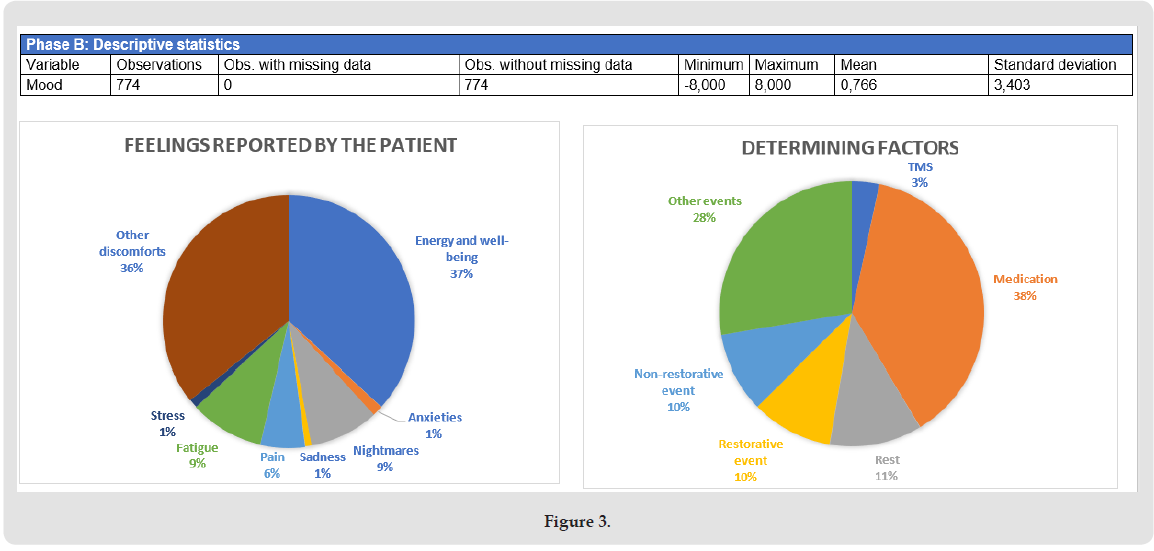
Table 2: MATRIX OF CORRELATIONS(PHASE-B).

Phase C, Therapeutic Consolidation: Phase C represents the culmination of the integrated therapeutic strategy, extending over 12 months and 24 days (01/08/2020 - 02/02/2021). This phase is distinguished by a major change in the therapeutic protocol: the complete cessation of psychotropic drug treatments, leaving only rTMS at a rate of 3 sessions per week. The aim of this bold therapeutic decision was to evaluate the efficacy of transcranial magnetic stimulation as a substitution treatment, while minimizing the potential long-term side effects of psychotropic drugs. The aim was to determine whether rTMS alone could maintain and enhance the therapeutic benefits acquired, thus demonstrating its ability to induce lasting neuroplastic changes. This phase represents a crucial test of the therapeutic autonomy of rTMS in the integrated treatment of fibromyalgia with psychiatric comorbidities. Although specific descriptive statistics are not presented in the data available for this phase, correlation analysis suggests stabilization and continued improvement of clinical status. The absence of overt deterioration in clinical parameters despite discontinuation of medication is in itself a remarkable indicator of the efficacy of rTMS. The clinical observations reported in the comparative table indicate a consolidation of the healing process, with mood described as “positive and increasing”.
This positive evolution without pharmacological support demonstrates that the neuroplastic changes induced by rTMS have reached a threshold of stability sufficient to maintain clinical improvement. The duration of this phase (12 months and 24 days) testifies to the robustness and durability of the therapeutic benefits obtained, constituting a major clinical validation of the long-term efficacy of transcranial magnetic stimulation. Analysis of the Phase C correlation matrix reveals a fundamental transformation of the therapeutic profile with the emergence of rTMS as an autonomous therapeutic factor. Energy and well-being maintain their status as major predictive factors, with an exceptionally strong correlation (r = 0.708), testifying to the consolidation of the patient’s vital capacities. rTMS now shows a direct positive correlation with mood (r = 0.092), confirming its therapeutic efficacy independently of medication. This correlation, albeit moderate, is reinforced by the positive correlation between rTMS and energy/well-being (r = 0.079), suggesting that magnetic stimulation exerts its beneficial effects via a lasting improvement in general vitality. Remarkably, medications now show a negative correlation with mood (r = -0.103), suggesting that their discontinuation has contributed positively to clinical improvement, possibly through the elimination of latent side effects. Negative factors persist, but with considerably reduced intensity: anxieties (r = -0.497) and non-resourceful events (r = -0.497) maintain a deleterious impact, but in an overall context of improvement, while nightmares see their impact drastically reduced (r = -0.123), testifying to a significant improvement in post-traumatic symptoms (Table 3).
Table 3: MATRIX OF CORRELATIONS(PHASE-C).

Phase D: Catamnesis: Phase D is the period of catamnesis or intensive post-therapy follow-up, extending over 6 months and 25 days (03/02/2021 - 08/30/2021). This phase is characterized by a significant reduction in the frequency of rTMS sessions, from 3 weekly sessions to 1 quarterly session or even no rTMS after 3 months, depending on the patient’s clinical needs, while maintaining the total absence of psychotropic medication. The aim of this minimal therapeutic maintenance approach was to assess the durability of the therapeutic gains achieved in previous phases, and to determine the optimal frequency of stimulation needed to prevent relapse. The main objective was to confirm the patient’s therapeutic empowerment and validate the long-term efficacy of rTMS as a maintenance treatment in fibromyalgia with psychiatric comorbidities, while minimizing the therapeutic burden. Although specific statistical data are not detailed for this phase, qualitative analysis of clinical observations reveals a remarkable stabilization of the patient’s general condition. The maintenance of a satisfactory clinical state with a reduced frequency of rTMS (quarterly versus no rTMS at all), testifies to the robustness of the neuroplastic changes induced by the intensive treatment of the previous phases.
This ability to maintain therapeutic benefits with a minimum of interventions is a major indicator of the lasting efficacy of rTMS. The duration of this phase (6 months and 25 days) without significant clinical deterioration confirms that the changes achieved are not merely symptomatic but reflect a stable neurobiological reorganization. The absence of relapses or requests for drug reintroduction validates the hypothesis of autonomous therapeutic neuroplasticity, suggesting that rTMS has induced lasting changes in the neural circuits involved in mood and pain regulation. Analysis of this phase reveals the emergence of a new therapeutic paradigm based on maintenance magnetic stimulation. The drastic reduction in fibromyalgia symptoms with improved quality of life in this patient from the frequency of 27 sessions per year, and even the absence of rTMS demand for periods of 3 months without the patient requesting follow-up at the CPM. Moreover, we note that there was no collapse in the patient’s functional capacity to work, as she returned to work at 100% shortly after her recovery, but then at 80%, and finally accepted that her functional limitations only allowed her to work at 50 to 60%. She applied for a revision of her Disability Insurance (DI) pension to 50% instead of the previous 100%, which was granted. This phase enabled the patient to work therapeutically towards acceptance of what she had become with a chronic condition such as fibromyalgia, rather than the ideal of what she thought would return her to working at more than 60% for 80 to 100%.
This dynamic young woman was forced to accept reality instead of her desire for a full physical recovery. She settled for good mental health with reasonable physical functional limitations due to her chronic condition of fibromyalgia, partially recovered and not totally disabling as before the introduction of rTMS. This resumption of occupational activities, domestic activities and activities of daily living, as well as social, recreational and leisure activities, confirmed by the Sheehan Disability Scale (SDS) [13], confirms the existence of a cumulative and lasting therapeutic effect of rTMS. In magnetic stimulation (TMS) for major depression: “a multisite, naturalistic, observational study of acute treatment outcomes in clinical practice” by Carpenter and Richieri [14] shows that maintenance protocols, even with spaced sessions (e.g. 1-2 per month), maintain clinical improvements over several months to a year. A meta-analysis by Senova [15] reinforces these findings, highlighting the durability of rTMS antidepressant effects beyond 3 months, especially when a maintenance regimen is applied. These results therefore fully justify the adoption of a new therapeutic paradigm based on maintenance rTMS with fewer annual sessions of around 27 rTMS instead of around 80 to 120 sessions of IPPT, i.e. CBT and Pharmacotherapy over 2 to 3 years, without compromising efficacy, capitalizing on the prolonged neurobiological effect of brain stimulation.
This observation suggests that rTMS induced epigenetic or structural modifications in the targeted neuronal networks, enabling dysfunctional circuits to be self-regulated. The maintenance of clinical improvement with this minimum number of sessions per year in a case of complicated fibromyalgia with psychiatric comorbidities on a history of early sexual, emotional and psychic trauma constitutes an exceptional validation of the long-term efficacy of rTMS in the treatment of complex fibromyalgia. This phase also demonstrates the importance of a progressive and adaptive therapeutic approach, where the intensity of treatment can be modulated according to the terrain, etiology and clinical course. The prognostic implications are particularly encouraging, suggesting that patients with a favorable response to rTMS may benefit from sustained improvement with a minimum of therapeutic interventions, thus optimizing the cost- effectiveness of treatment (Table 4 & Figure 4).
Table 4: Comparative tables of the three phases.

Figure 4

Discussion of Results
The results of the study reveal a particularly coherent and significant therapeutic trajectory. From Phase A onwards, the very negative and stable mood in the depressive register testifies to a severely altered psychological state, linked to a complex anxiety-depressive and post- traumatic symptomatology. The homogeneous distribution of the data and the absence of extreme values confirm the reliability of the averages measured and allow us to assert that the results observed reflect a genuine clinical reality. With Phase B, a notable change has taken place: the introduction of transcranial magnetic stimulation (rTMS), as a complement to existing treatment, has led to a tangible improvement in mood. The mean becomes positive, although emotional instability increases, as shown by the high standard deviation. This instability does not reflect a worsening, but rather an emotional reactivation: the patient regains the ability to experience positive emotions, even if they still coexist with negative feelings. Phase C marks a turning point: complete cessation of medication, without clinical relapse, and maintenance of a positive emotional state indicate that rTMS alone is now sufficient to stabilize mood. The observation of a “positive and increasing” mood testifies to the consolidation of the therapeutic process, and above all, to the autonomy of magnetic stimulation treatment in the regulation of mood and chronic pain. Finally, Phase D (catamnesis) validates the hypothesis of lasting therapeutic efficacy. Reducing the frequency of sessions to one per quarter did not result in any decompensation. This suggests that the beneficial effects of rTMS have been sustainably integrated, and that the body can maintain emotional equilibrium with minimal therapeutic support.
Discussion of Clinical and Therapeutic Aspects
The therapeutic evolution observed supports the idea of a progressive transformation of the patient’s psychological and neurophysiological functioning. Initially, conventional approaches (psychotropic drugs and cognitive-behavioral therapy) were only partially effective, alleviating some symptoms but not bringing about profound change. This led to the introduction of a more targeted therapeutic tool, such as rTMS, which gradually became the mainstay of treatment. The various phases show that the initial combination of medication and stimulation brings about a clear improvement, but it is when rTMS becomes the sole modality that the most stable and lasting effects appear. This evolution suggests a profound internal reorganization, with reduced dependence on chemical treatments. Clinically, the patient’s ability to maintain a positive mood with minimal external support is evidence of an advanced recovery process. Energy, well-being, concentration and the progressive reduction of negative symptoms (anxiety, nightmares, non-relieving events) confirm this dynamic.
Finally, this patient’s experience suggests a new management strategy for complex cases of fibromyalgia with psychiatric comorbidities: a progressive, multimodal approach at first, which could evolve towards therapeutic simplification based on non-invasive brain stimulation. The 2-month duration of rTMS, longer than the standard 2-4 weeks, with a 3-month maintenance phase to prevent relapses, at the rate of one session per month if necessary, was due to the complex picture of this fibromyalgia, which was associated with PTSD with complex trauma and other recurrent psychiatric disorders such as depression and anxiety, which often amplify fibromyalgia pain in these types of patients.
Discussion of This Case in Relation to the Medical Literature Review: This case study illustrates the successful application of rTMS in fibromyalgia resistant to conventional treatments. rTMS protocols for fibromyalgia generally vary from 10 to 15 daily sessions over several weeks, ranging from 2 to 6 weeks Repetitive Transcranial Magnetic Stimulation for Fibromyalgia: Systematic Review and Meta-Analysis - PubMed [16], although there is no standardized protocol for the treatment of fibromyalgia with rTMS Role of Repetitive Transcranial Magnetic Stimulation in... Annals of Indian Academy of Neurology [17]. The use of 27 sessions in this case is therefore in the upper range of reported protocols, and represents prolonged treatment justified by the progressive clinical improvement observed. The results obtained - a reduction in work disability from 100% to 50% - are remarkable compared with the data in the literature. Studies generally report an average 29% reduction in pain symptoms with 10 sessions Ten sessions of adjunctive left prefrontal rTMS significantly reduces fibromyalgia pain: a randomized, controlled pilot study - PubMed [18], while other studies show that a clinical response can be maintained over 6 months with protocols of 20 sessions over 4 weeks [19].
Maintenance sessions maintain a significant clinical response (≥30% pain reduction) over 6 months Effectiveness of Repetitive Transcranial Magnetic Stimulation on Fibromyalgia Patients Responding to a First Repetitive Transcranial Magnetic Stimulation Induction Course After Six Months of Maintenance Treatment: A Randomized Pilot-Controlled Study - ScienceDirect [20,21]. High frequency rTMS directed at the primary motor cortex (M1) offers the strongest support in the literature for reducing pain intensity Repetitive Transcranial Magnetic Stimulation in Fibromyalgia: Exploring the Necessity of Neuronavigation for Targeting New Brain Regions [16], and the effects appear more pronounced when psychiatric comorbidities are stabilized prior to the introduction of neuromodulation. This case demonstrates the value of extending the rTMS protocol beyond standard regimens when clinically warranted, particularly in complex fibromyalgia with previously stabilized psychiatric comorbidities.
This longitudinal case study demonstrates the remarkable therapeutic potential of repetitive transcranial magnetic stimulation (rTMS) in treatment-resistant fibromyalgia with complex psychiatric comorbidities. The progressive four-phase approach revealed rTMS as capable of inducing sustained neuroplastic changes, transforming a patient from complete disability (100%) to functional work capacity (50-60%) over 32 months. The extended 27-session protocol, while exceeding standard recommendations, proved essential for this complex trauma-related presentation. Most significantly, the patient maintained clinical stability after complete medication withdrawal, with rTMS emerging as the sole therapeutic intervention. The quarterly maintenance regimen successfully preserved therapeutic gains, suggesting durable neurobiological modifications. Key clinical achievements include: [1] mood transformation from severely negative (-2.199) to positive and stable; [2] functional recovery enabling partial work resumption; [3] successful medication discontinuation without relapse; and [4] sustained improvement with minimal maintenance interventions. These findings challenge conventional treatment paradigms for fibromyalgia with psychiatric comorbidities. The correlation analysis demonstrating rTMS as an autonomous therapeutic factor (r = 0.092) provides evidence for neuroplasticity-based recovery independent of pharmacological support.
While this single-case study limits generalizability, the results support expanded clinical investigation of extended rTMS protocols in complex fibromyalgia cases. The successful transition from multimodal therapy dependence to rTMS monotherapy offers a new treatment paradigm prioritizing neuroplasticity over chronic pharmacotherapy. Future research should focus on randomized controlled trials comparing extended versus standard rTMS protocols, identification of predictive biomarkers for treatment response, and cost-effectiveness analysis of maintenance neurostimulation approaches. This case provides compelling evidence that rTMS can serve as cornerstone therapy for treatment-resistant fibromyalgia, offering hope for patients with complex trauma-related pain conditions while establishing a foundation for paradigm-shifting clinical applications in chronic pain management.
Conflict of Interest
The authors declare no conflicts of interest in relation to this work.
Funding
This research received no financial support from government or private sector sources.

International Association of Landscape Archaeology, Czech Glass Society, Czech Republic

Department of Chemistry, Semenov Institute of Chemical Physics, USSR Academy of Sciences, Moscow, Russia

Department of Educational Sciences, Research Centre Qualities of Teachers, School of Education – HAN, Nijmegen, Netherlands

Associate Professor at Department of Breast and Thyorid Surgey, Chongqing General Hospital, China

Neurology, LA BioMed Research Institute, USA





 Abstract
 PDF
PDF



























