info@biomedres.us
+1 (502) 904-2126
One Westbrook Corporate Center, Suite 300, Westchester, IL 60154, USA
Site Map
 ISSN: 2574 -1241
ISSN: 2574 -1241
ISSN: 2574 -1241
Received: July 10, 2025; Published: July 17, 2025
*Corresponding author: Juan José Dosta Herrera, Médico Jefe Dpto, Hospital General Centro Médico Nacional “La Raza”, Mexico
DOI: 10.26717/BJSTR.2025.62.009780
Recently, numerous publications have emerged in relation to the application of transverse thoracic muscular plane (BMT) block in the adult population, however there are few reports of this type of block in pediatric cardiothoracic surgery. Surgical procedures involving incisions in the chest wall regularly present challenges for intra- and postoperative analgesia. Postoperative pain is one of the main complications after cardiac surgery, affecting between 47 and 75%. For many decades, opioids have been widely administered to treat acute and chronic incisional pain following surgery. BMT is a novel nerve block of the fascial plane that provides analgesia to the sternum and anterior chest wall [1]. Sternal pain after a median sternotomy or open cardiothoracic surgery is very common and can be debilitating for patients. It was designed primarily for these patients and has been shown to significantly reduce pain and improve clinical outcome. It is performed at the T4-T5 level under ultrasound guidance and is a good alternative to neuraxial anesthesia when these techniques are contraindicated, likewise the block is useful outside major cardiothoracic surgeries and can be ideal for the treatment of sternal fractures, chronic pain and any pain located in the anterior chest wall. making it a versatile choice in the anesthesiologist’s repertoire for pain management. Our objective was to report a case of a 15-year-old adolescent who underwent ASD closure with a pericardial patch, she was managed with general anesthesia, the block was performed before surgery with the patient in a dorsal decubitus position, guided by ultrasonography. During their hospitalization, the values of the Visual Analog Scale were less than 4, and the use of long-term opioids was not required during the intraoperative or postoperative period.
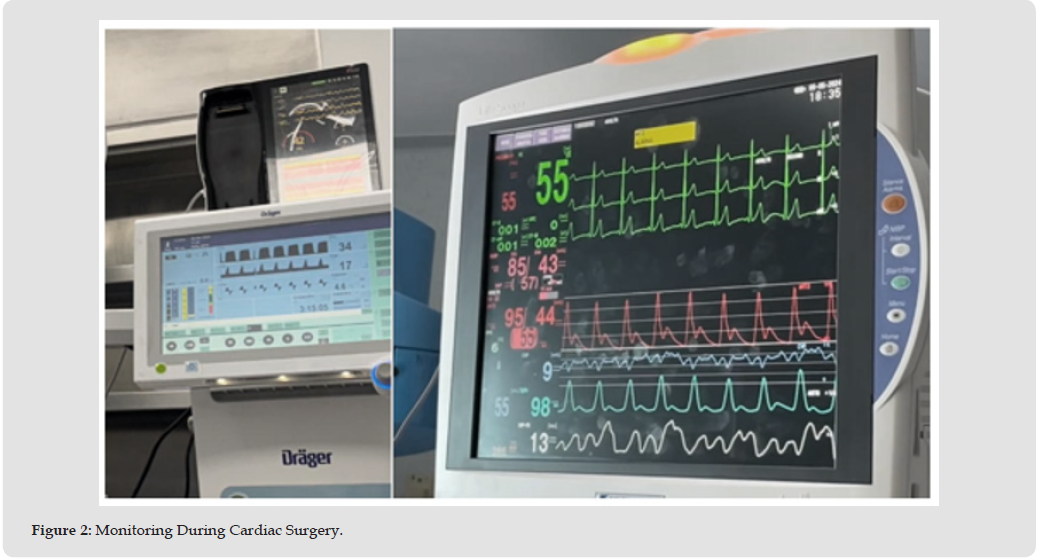
A 15-year-old female with an ostium secundum atrial septal defect diagnosis plus mild pulmonary hypertension was electively scheduled to close the ASD with a pericardial patch, NYHA functional class II on treatment with spironolactone and propafenone, LVEF 71%, FAC 40%. (Figure 1) Allergic to metamizole and sulfas, rest of the history denied. Weight 48.2 kg, size 1.60. Balanced general anesthesia, type II monitoring, hemodynamically stable was administered. Bilateral ultrasound-guided transverse thoracic flat block was placed with ropivacaine 0.375% + dexamethasone 4mg, bilateral volume of 10 cc without incident, maintenance with fentanyl 2-5ng/ml total 742 mcg CP 4.6 ng/ml. Total CPB time 50min, aortic clamping 20min, exit of CPB with the presence of ventricular fibrillation requiring defibilation 10 joules, with sinus bradycardia 35 bpm, placing ventricular pacemakers, recovering a frequencyof 80-100bpm. (Figure 2) Inotropic support with dobutamine 5 - 8 mcg/kg min. At the end of the surgery, arterial blood gases were taken in accordance with extubation criteria, which was performed in the operating room on the first attempt, without incident, he was discharged to the PICU with 82% cerebral NIRS, 82% renal NIRS, with spontaneous ventilation and supplemental oxygen. Aldrete 9/10, Ramsay 3/6 Flacc 3/10. Adjuvants: paracetamol 1 g, ondasetron 4 mg IV, dexmedetomidine 20 mcg intranasal, Cefotaxime 1 g, methylprednisolone 500 mg, tranexamic acid 500 mg IV, magnesium sulfate 1 gr IV.
Figure 1
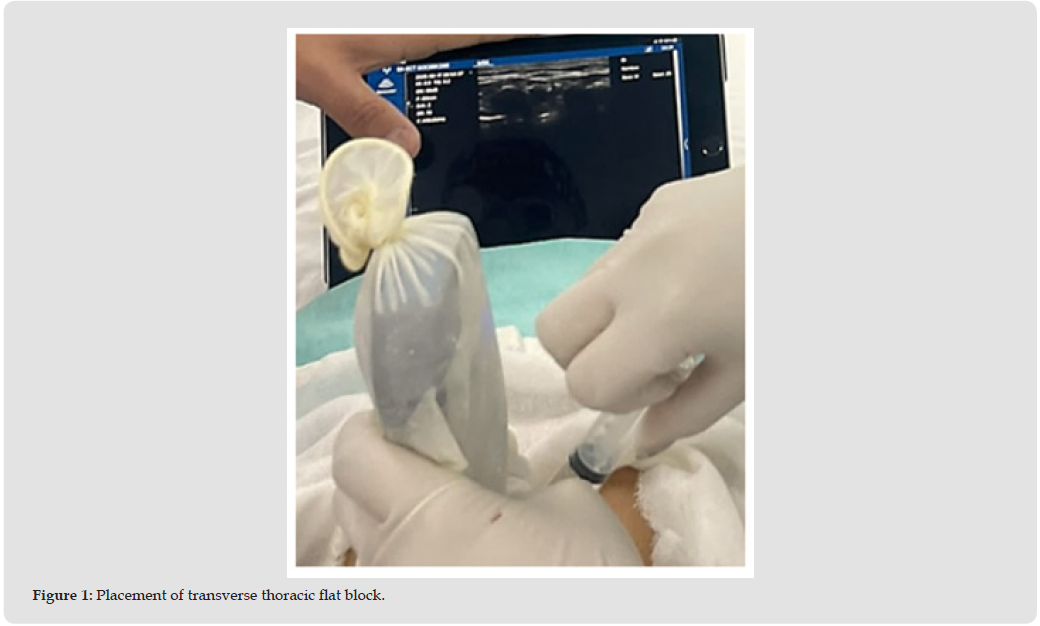
Figure 2
Transverse thoracic muscular plane (BMT) block is a novel nerve block of the fascial plane that provides analgesia to the sternum and anterior chest wall, there are few cases reported in pediatric patients, however the few reports have evidenced its effectiveness in this group of patients. Sternal pain after a median sternotomy or open cardiothoracic surgery is very common and can be debilitating for patients. BMT was designed primarily for these patients and has been shown to significantly reduce pain and improve clinical outcome. It is performed at the T4-T5 level under ultrasound guidance and is a good alternative to neuraxial anesthesia when these techniques are contraindicated. It is most often performed after cardiothoracic surgeries (or any surgery that requires sternotomy) to provide analgesia to the anterior chest wall [2,3]. BMT and thoracic fascial plane blocks are increasingly used as part of enhanced postoperative recovery (ERAS) protocols for cardiothoracic procedures. They have been shown to significantly reduce the time to extubation and the incidence of acute and chronic perioperative pain [4].Postoperative pain is common and sometimes severe after thoracic surgery. Inadequate postoperative analgesia has been associated with insufficient mobility,more atelectasis, prolonged hospital stays, and higher costs for the health system [1-3].
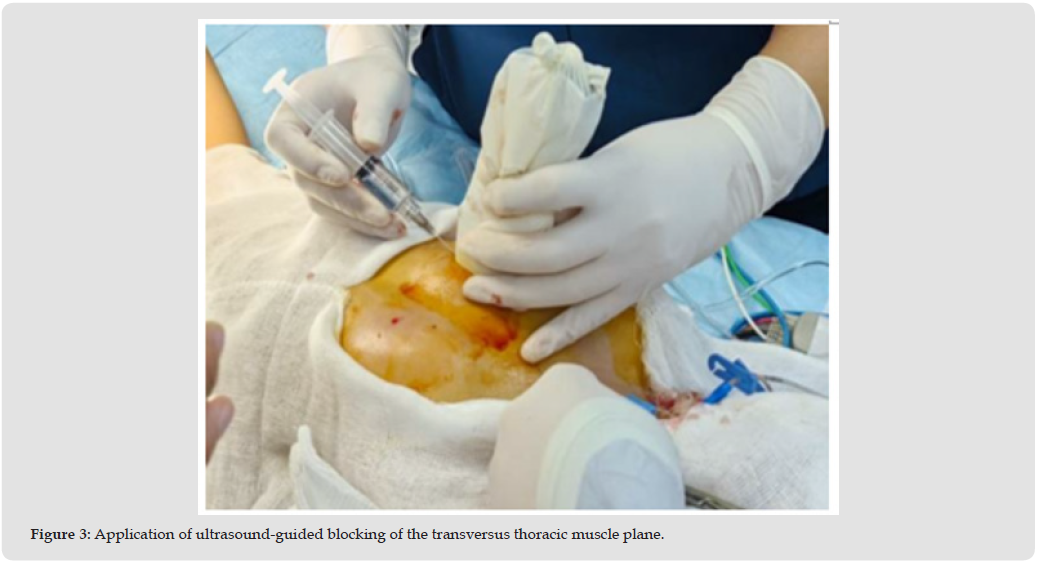
The use of high-dose opioids is not ideal due to undesirable side effects such as nausea, vomiting, constipation, urinary distress, respiratory depression, sedation, possible persistent post-surgical pain, and concerns related to opioid use dependence [5,6]. For this reason, balanced multimodal analgesia techniques have been used in recent years and regional anaesthesia has become one of the indispensable pillars (Figure 3). Inadequate pain management following cardiothoracic surgery can lead to significant cardiopulmonary complications due to an increase in sympathetic surge as a result of catecholamine release. This causes an increase in blood pressure, heart rate, and respiratory rate, which can cause sequelae such as increased post-surgical bleeding, increased myocardial demand, and ischemia. The pain experienced can also cause chest immobilization and hypoventilation, which can lead to problems such as delayed extubation, extubation failure, and reintubation. [7-9] In our case, the patient was able to be extubated in the operating room at the end of surgery. In our patient, it was shown that the block of the transverse thoracic muscular plane provides effective intraoperative analgesia, the intraoperative consumption of opioids was reduced by up to 50%, since in cardiac surgeries without regional anesthesia the doses of fentanyl in infusion used are up to 10ng/ml, while in our case the total dose was 742 mcg, maintaining a plasma concentration of 4.6ng/ml; with the application of BMT, in addition to reducing opioid consumption, greater hemodynamic stability during sternotomy was achieved. It effectively attenuated the sympathetic response associated with sternotomy, which is desirable in patients undergoing cardiac surgery.
Figure 3
No other vasoactive agents were used to suppress the sympathetic response to surgery, the infusion of Propofol was adjusted to the PSI index of 40-60. The intraoperative opioid-sparing effect of thoracic transverse muscle plane block makes it an important adjunct to analgesia in cardiac surgery and reduces the potential for syndromes related to high-dose opioid use. Ultrasound-guided BMT block has been reported in various studies to be safe despite the proximity of the transverse thoracic muscle plane to the pleura, pericardium, and internal mammary artery. This has important implications for CABG (Coronary Artery Bypass Grafting) procedures because the left internal mammary artery (LIMA) is located in the same plane as the transverse thorax muscle.
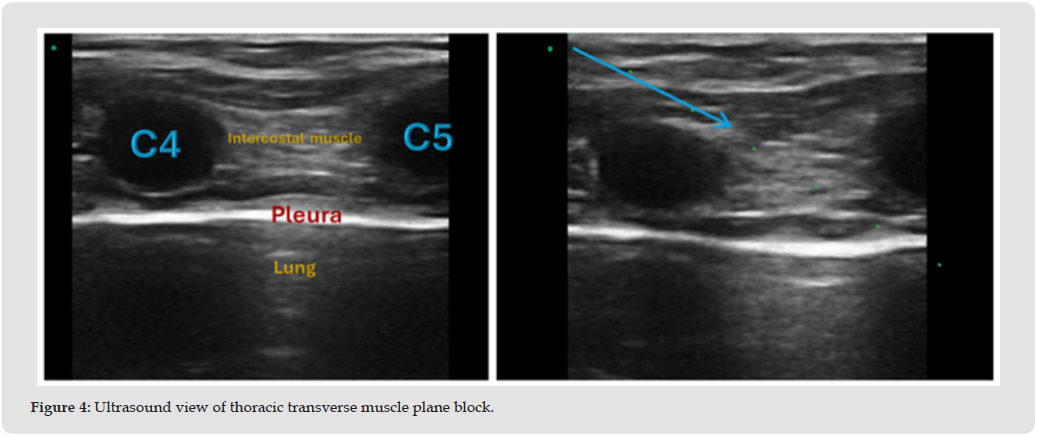
(Figure 4) Pain management in cardiac surgery has been poorly recognized and undertreated. Poorly controlled acute pain has been shown to be associated with the development of chronic post-surgical pain,8 with a reported incidence of up to 56% in cardiac surgery patients. [5-8] Opioids have traditionally been used in cardiac surgery for pain management and to attenuate the accompanying hemodynamic response, but opioid overuse can lead to prolonged intubation and opioid-related pain syndromes, such as opioid-induced hyperalgesia [9] BMT block has utility outside of major cardiothoracic surgeries and can be ideal for the treatment of sternal fractures, chronic pain, and any pain localized to the anterior chest wall, making it a versatile option in the anesthesiologist’s repertoire for pain management [7-9].The increase in surgical demand for cardiothoracic surgery directly correlates with the need for continued advancement in pain management, as this type of open surgery is directly related to poorly controlled postoperative pain and the development of chronic poststernotomy pain syndromes (PCPS) [3-12] .
Figure 4
Neuraxial techniques, such as thoracic epidural analgesia and paravertebral nerve block, (Figure 5) would be ideal for many open cardiothoracic procedures; however, the risk of epidural hematomas formation, especially when these patients are fully anticoagulated intraoperativelymakes these options unfavorable in most circumstances. [2,7-9] For this reason, fascial plane blocks, such as BMT, have become widespread, as they eliminate this risk and usually do not require the need to be used to reduce the risk of the fascial plane, that patients stop receiving anticoagulation for its performance [3] Complications specifically related to BMT transverse thoracic muscular plane block are quite rare. In general, classic complications seen during or after regional anesthetic blocks include excessive bleeding at the puncture site, development of infection at the site of the block, neurovascular damage, and LAST [7] Given the surrounding anatomy, proximity of the thoracic transverse muscle to the pleura, puncture of the pleural layer with an errant needle tip may result in the development of a pneumothorax. Similarly, the internal thoracic artery and pericardium are nearby structures that can also be damaged by poor needle placement, which can lead to complications such as hemothorax and hemopericardium [12-16].
Bilateral transverse thoracic muscle plane block, in a single injection, was effective as an analgesic technique for intra- and postoperative in surgeries for correction of congenital heart disease [17- 21]. The number of cardiothoracic surgeries continues to increase, this increase in surgical demand directly correlates with the need for continued advancement in pain management, as open cardiothoracic surgery is directly linked to poorly controlled postoperative pain and the development of chronic post-sternotomy pain syndromes (PCPS). (The clinical case should focus on the pediatric patient and patient with congenital heart disease) [3,7-9].

International Association of Landscape Archaeology, Czech Glass Society, Czech Republic

Department of Chemistry, Semenov Institute of Chemical Physics, USSR Academy of Sciences, Moscow, Russia

Department of Educational Sciences, Research Centre Qualities of Teachers, School of Education – HAN, Nijmegen, Netherlands

Associate Professor at Department of Breast and Thyorid Surgey, Chongqing General Hospital, China

Neurology, LA BioMed Research Institute, USA





 Abstract
 PDF
PDF



























