info@biomedres.us
+1 (502) 904-2126
One Westbrook Corporate Center, Suite 300, Westchester, IL 60154, USA
Site Map
 ISSN: 2574 -1241
ISSN: 2574 -1241
ISSN: 2574 -1241
Received: June 06, 2025; Published: June 13, 2025
*Corresponding author: Arturo Solís Herrera, Human Photosynthesis™ Study Center, Aguascalientes 20000, México
DOI: 10.26717/BJSTR.2025.62.009722
Age-related macular degeneration (AMD) is the leading cause of legal blindness in cold countries. AMD is characterized by accumulation of extracellular deposits, (drusen), along with progressive degeneration of photoreceptors and adjacent tissues. AMD is a multifactorial disease encompassing a complex interplay, poorly understood, between ageing, environmental risk factors and genetic susceptibility. Chronic inflammation, lipid deposition, oxidative stress and impaired extracellular matrix maintenance are strongly implicated in AMD pathogenesis. The unmet medical need related to AMD remains substantial. So far, no efficacious treatment is yet available to prevent progressive irreversible photoreceptor degeneration, which leads to central vision loss. The unsuspected ability of human eukaryotic cells to oxygenate themselves constitutes a watershed in the diagnosis and therapeutic management of macular problems.
Keywords: Hydrogen; Choroid Layer; Eucaryotic; Photoreceptors; Oxygen; Water Dissociation
Age-related macular degeneration (AMD) affects approximately 20 million people in the US and 196 million people worldwide. AMD is a leading cause of severe central vision impairment in older people in cold countries and is expected to affect approximately 288 million people worldwide by 2040 [1]. AMD occurs when extracellular deposits accumulate in the outer retina, ultimately leading to photoreceptor degeneration and loss of central vision. The advanced stages of AMD are characterized by outer retinal atrophy, termed geographic atrophy, or neovascularization associated with subretinal and/or intraretinal exudation, termed exudative neovascular AMD. Although AMD is not a life-threatening disease, reduced vision profoundly compromises quality of life and necessitates living assistance for many patients. Over the past 2 decades, advances in prevention (vitamin supplementation) and therapy (antiangiogenic endothelial growth factor and complement inhibitor drugs) have reduced modestly the vision loss and blindness. Further research is needed to decrease the incidence of blindness in patients with advanced diseases.
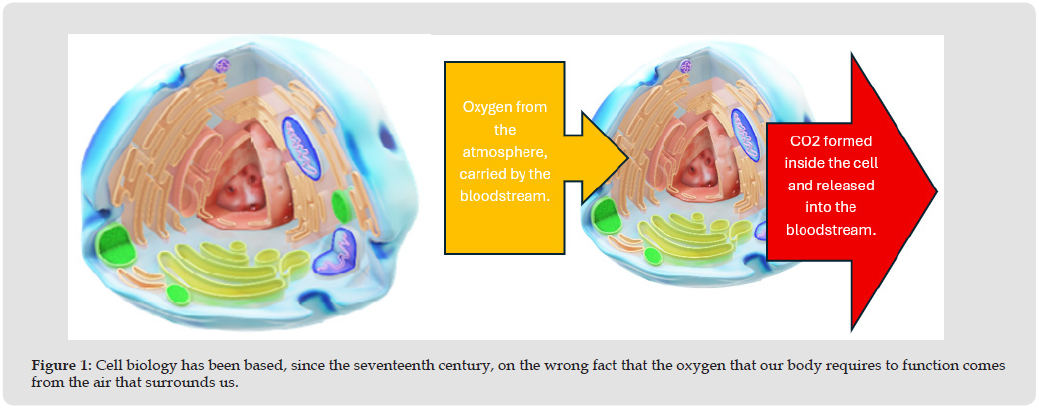
Our finding that human cells oxygenate themselves [2] breaks the dogma that our body takes oxygen from the air around us, dismissing the idea that gas exchange in the lungs allows oxygen in and CO2 out. In reality, the main purpose of respiration is to expel the CO2 that is constantly formed inside the cells, and the air we introduce is to insufflate the lung which allows us to expel CO2 in small quantities (4% of the total inspired), because if we were to wait for the lung to be inflated with the CO2 that comes from the bloodstream, we would quickly become intoxicated. So not only CO2 is formed inside each of our cells, but also oxygen (O2). (Figure 1). So, we must implement a new physiology because both oxygen (O2) and CO2 are formed strictly inside each cell. But it was during an observational, descriptive study, which began in 1990 and ended in 2002, which included the ophthalmological records of almost six thousand patients, and whose working hypothesis was to find possible anatomical correlations between the tiny vessels that enter and leave the optic nerve and the three main causes of blindness in the world (AMD, diabetic retinopathy, and glaucoma), that it was possible to detect the unsuspected ability of human cells to transform the power of light into chemical energy, by dissociating water, as in plants.
Figure 1
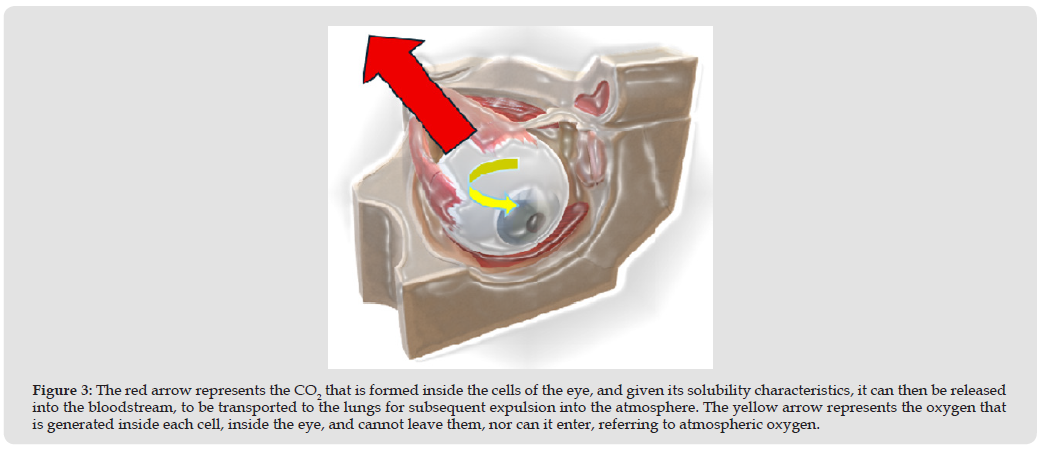
This gives rise to a new and different paradigm: both CO2 and oxygen (O2) are generated, strictly speaking, inside cells. (Figure 2) The curved yellow arrow represents the molecular oxygen that is generated mainly in the perinuclear space, but that cannot leave the cell, since the physiological barriers that prevent oxygen from the atmosphere from penetrating into our body, also prevent it from leaving the cell, since the barriers are the same. What does not change is the way CO2 is formed inside cells and is released into the bloodstream to finally be expelled into the atmosphere through the lungs. So, literally, only half of the dogma is modified, that is, what corresponds to oxygen (O2). The origin of oxygen inside the tissues of the eye is not the bloodstream, but the water it contains within it, mainly from the vitreous body. (Figure 3). The hitherto unknown property of eukaryotic cells of transforming the power of sunlight into chemical energy, by dissociating water, as in plants; explains the high levels of dissolved oxygen in the vitreous body, because despite not having direct contact with the blood vessels of the choroid nor retina, the water in the vitreous body never loses oxygen throughout the individual’s life, nor does it acidify. Hence the centuries-old concept that the water in the vitreous body is never replaced. Brief description of the mechanism of water dissociation. The transformation of sunlight into chemical energy, by dissociating water, can be represented as follows:
The ABG device is an advanced therapeutic device designed with proprietary technology to emit biophotons automatically and simultaneously within the wavelength range of 500 to 1000 nm. These emissions are delivered at intensities at least one million times greater than a healthy adult. Each ABG is rigorously characterized and analyzed using four highly sensitive, specialized instruments, and they were verified to automatically form a strong 3-dimensional biophoton field for at least three years without other energy resources, as illustrated in Figure 1. The ABG device is simple to use—users only need to place it near their body at any time, day or night, as illustrated in Figure 1. To date, more than 40,000 individuals with various chronic health conditions have used ABGs over periods ranging from weeks to years, with no reported side effects. Comprehensive clinical studies have been conducted to assess the safety and efficacy of ABGs in addressing common chronic diseases. The positive results from these studies have been submitted for publication in leading scientific and medical journals. Notably, one manuscript, suggested by a senior editor of Science, was submitted to Science Translational Medicine for peer review by top experts in the field. The illustrated 3-D biophoton field represents the dynamic quantum energy emitted by the Tesla BioHealing® ABGs. These devices are designed to harness and amplify natural biophoton emissions generated by all living cells during metabolic processes.
Figure 1
Biophotons play a pivotal role in cellular communication, regulation, and repair. Studies suggest that they are integral to maintaining homeostasis and supporting the natural healing processes of biological systems. The biophoton field created by these generators envelops the body, penetrating tissues at a cellular level. This field is theorized to enhance mitochondrial function, the powerhouse of the cell, by improving ATP production and reducing oxidative stress. By stimulating cellular energy production and repairing mechanisms, the biophoton field may promote a cascade of regenerative effects, including improved circulation, reduced inflammation, and accelerated detoxification. The design of the biophoton generators ensures a consistent and evenly distributed energy field, creating an optimal therapeutic environment. The placement of two generators beneath the patient’s bed maximizes the exposure of the biophoton field to the entire body during sleep, a period when the body is naturally inclined toward repair and regeneration. This non-invasive and passive therapy aligns with the circadian rhythm, potentially amplifying the benefits of natural recovery processes.

Figure 2
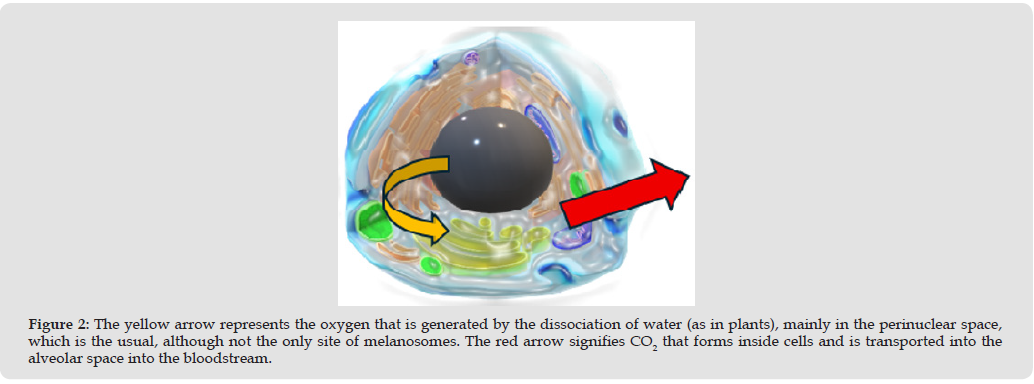
Figure 3
The part highlighted in green occurs strictly inside the melanin, the portion highlighted in blue can occur inside and outside of it. The poor results of current treatments for maculopathy are because the oxygen that the cells of the macular region require for their metabolism comes from the bloodstream, which is contrary to the physical- chemical properties of oxygen. But considering the new paradigm, we have that if the amazingly accurate mechanism of water dissociation works properly, the macula and the body in general, works well, because it is so well done. But in today’s life, this reaction is altered mainly by polluted water, polluted air and contaminated food. Therefore, any disease must start by altering the very delicate balance between the dissociation of water and the metabolic needs of cells. Only then will our body give some signs or symptoms. Which means that the name of the disease does not matter, the body does not pay attention to them, and even less so when all diseases, or almost all diseases, begin in the same way: unbalancing the amazingly exact mechanism of water dissociation. The drugs that we have developed in our study center, for example, QIAPI 1™, have as their main effect to restore the balance of this reaction, which is fundamental for the physiology of our body and therefore for health. The case described below is irrefutable proof of this.
• Patient’s Name: O.A.G.A.
• Date of Birth: 12/Sep./1955 TODAY’S DATE: 27/April/2021 GENDER: Male.
• Address: Zapopan, Jalisco. Mexico.
DM-, HAS -. Phototype IV. Left eye almost can’t see, Dx. Ophthalmological: cataract, they tell him that it requires surgery on the left eye. He does not take medication. He had a great ball in left eye a long time ago. On general examination we have: SpO2%: 94%, heart rate of 75 x ́, and a refractive exploration that casts neutral shadows. The ophthalmological examination on 4/27/2021 shows us in OD, a crystalline lens with 95% transparency preserved. And in the back of the eye, some soft exudates in macular region. Excavation of the optic nerve within acceptable limits. (Figures 4 & 5) The ophthalmological examination of the left eye allows us to rule out the presence of cataract, since in the photograph in Figure 6, the transparency of the lens is unremarkable (Figure 7). Once the examination was completed, the patient was explained the nature of our treatment, which was accepted by both the patient and his or her relatives, and once the informed consent was signed, the administration of QIAPI 1™, sublingual drops, at the dose of three drops every hour, was initiated, as long as the patient is awake. Likewise, he was instructed to return for a checkup after six months, without suspending the treatment. The following photographs were taken on 11/10/2021. (Figures 8-11).
Figure 4
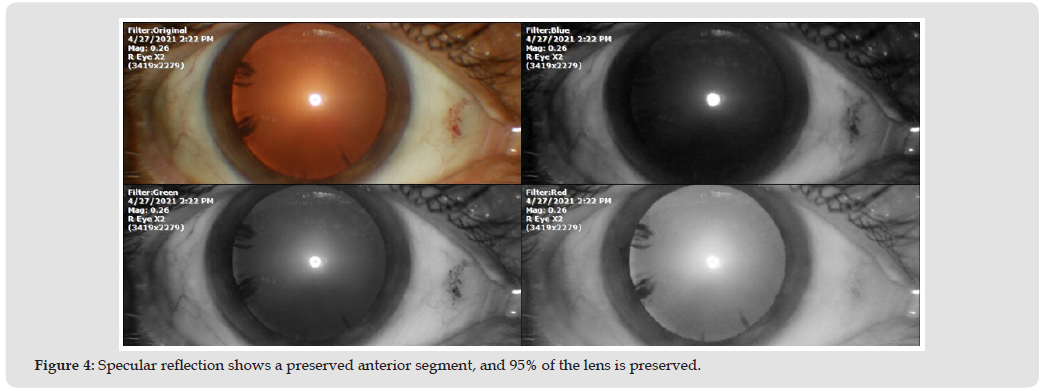
Figure 5
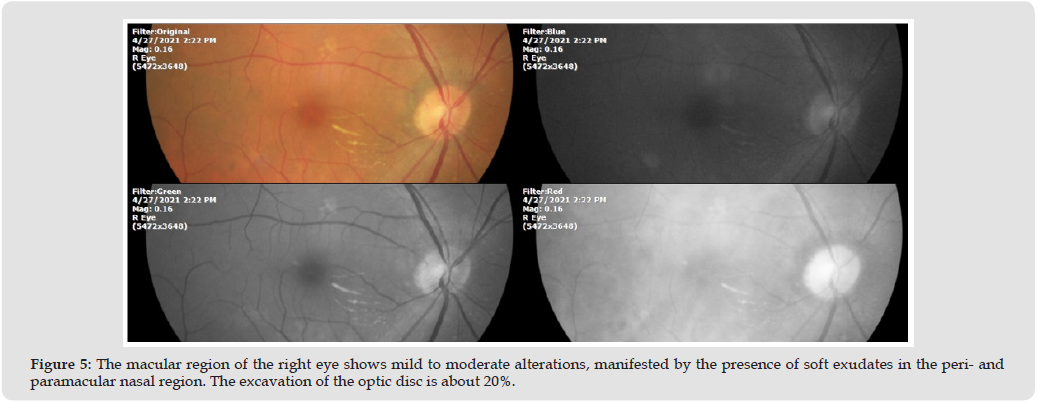
Figure 6
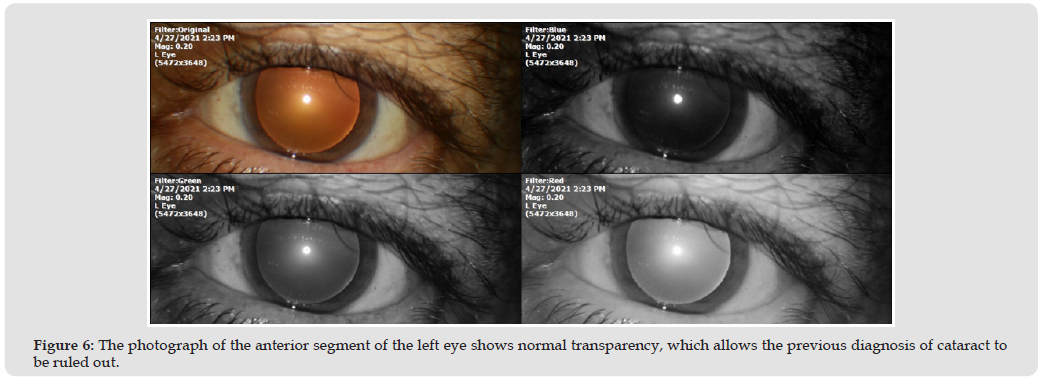
Figure 7
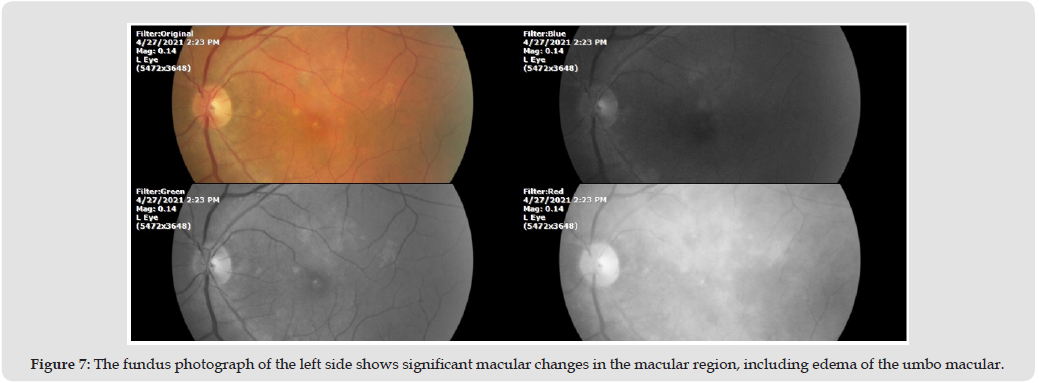
Figure 8
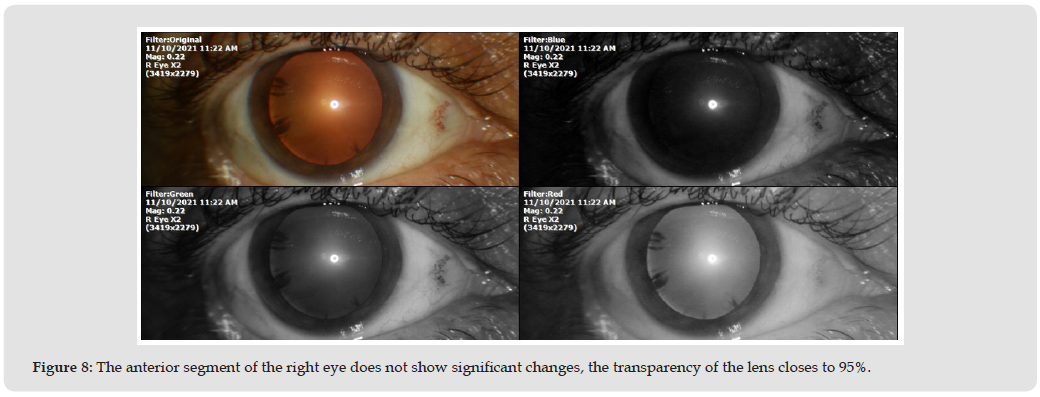
Figure 9
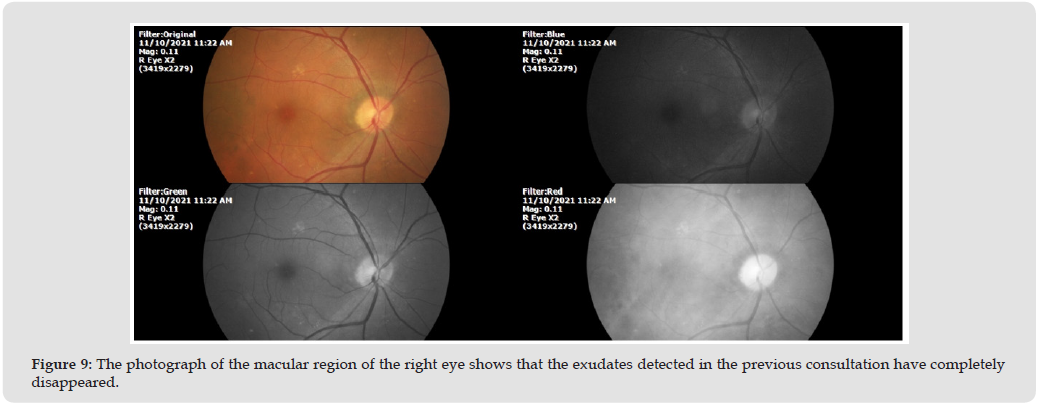
Figure 10
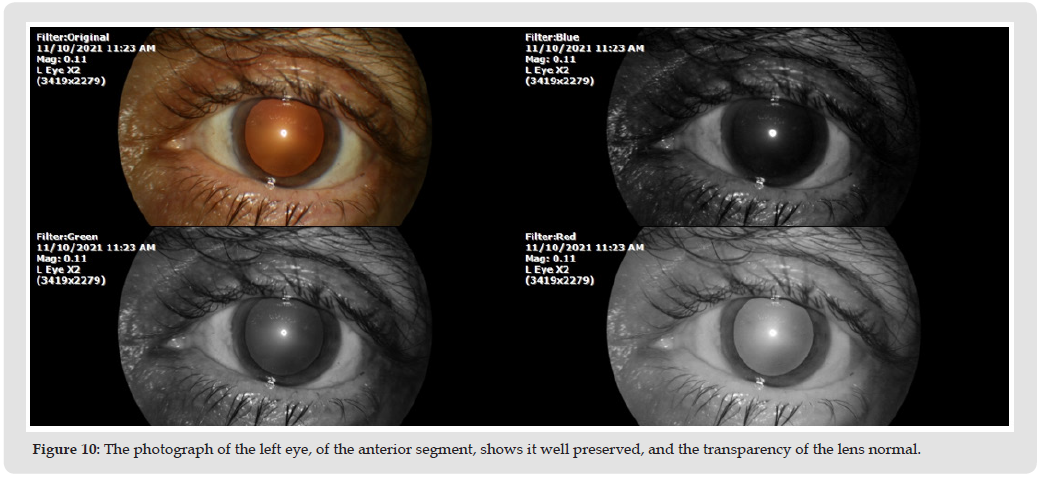
Figure 11
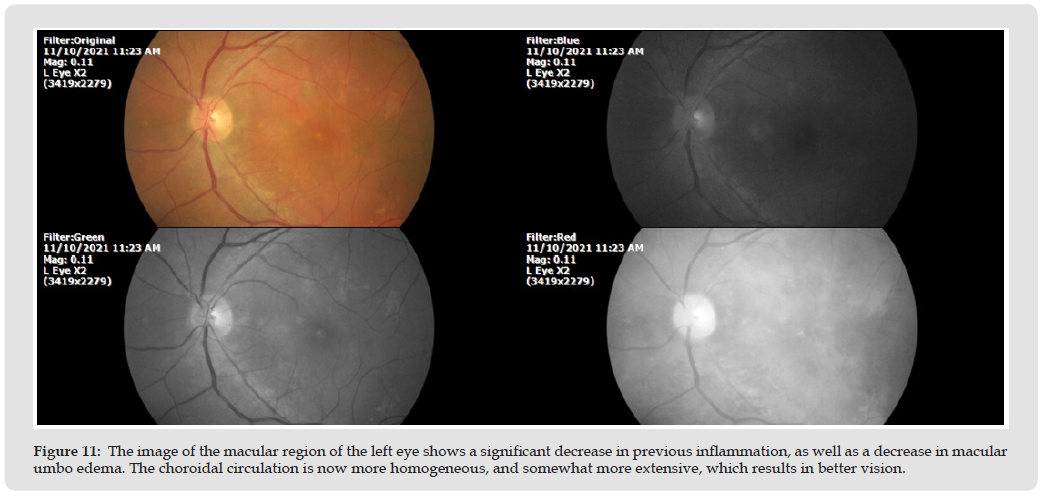
The therapeutic results of restoring oxygen at the intracellular level are more than acceptable, in addition to the fact that it does not present a risk to the patient. The results, which can be described as surprising, are due to the fact that we only restore the balance of oxygen at the intracellular level, since it must come from the inside to the outside, and not from the atmosphere inside the body, as was mistakenly believed.
Once cells regain oxygen balance, they begin to repair themselves, just as they have millions of years, millions of times, every day.
This work was possible thanks to the unrestricted support of the Human Photosynthesis™, research center. Aguascalientes 20000, Mexico.
The unsuspected ability of human cells to oxygenate themselves, as well as the development of the drug, was carried out in our study center.

International Association of Landscape Archaeology, Czech Glass Society, Czech Republic

Department of Chemistry, Semenov Institute of Chemical Physics, USSR Academy of Sciences, Moscow, Russia

Pharmaco-kinetics, dynamics and Drug Metabolism, Touro College of Pharmacy, USA
Professor of Nuclear Medicine, Faculty of Medicine and Surgery, University of Milan, Milan, Italy

Clinical Radiologist (MD) - Department of RADIOLOGY, Cosenza Hospital, Cosenza, Italy





 Abstract
 PDF
PDF



























