info@biomedres.us
+1 (502) 904-2126
One Westbrook Corporate Center, Suite 300, Westchester, IL 60154, USA
Site Map
 ISSN: 2574 -1241
ISSN: 2574 -1241
ISSN: 2574 -1241
Received: April 25, 2025; Published: May 07, 2025
*Corresponding author: Chekwube Martin Obianyo, Jiann-Ping Hsu College of Public Health, Georgia Southern University, USA
DOI: 10.26717/BJSTR.2025.61.009650
The field of healthcare is revolutionized by AI and ML to boost the power of diagnosis and personalise medicine. In healthcare, AI and ML are being brought to the systems to enhance the accuracy and speediness of diagnostic algorithms, for example, medical imaging, genomic sequencing and clinical choice making. A major application of ‘AI’ is in diagnostic where they help in detecting diseases at an early stage thus enhancing patient outcomes and reducing healthcare costs. AI and ML based personalized medicine uses a patient’s genetic, lifestyle and environmental factors to create personalized treatment plans for better and targeted lines of therapies. Nevertheless, standard issues include data privacy, algorithmic bias, affiliation with existing medical delivery system, and regulatory issues. AI and ML in the future of healthcare seem to be on a good path – real-time diagnostics, remote healthcare and assimilation of the patient into a continuous healthcare ecosystem. Vehicleing these new advances is not a better way to deliver healthcare, it also has the potential to deliver more personal healthcare while tapping into cases such as oncology, cardiovascular disease and chronic conditions such as diabetes and mental health disorder. It is only when developed transparent, explainable algorithms and well-defined ethical standards exist around AI/ML will they be able to scale throughout healthcare systems.
Keywords: AI in Healthcare; Algorithmic Bias; Clinical Decision Support; Data Privacy; Deep Learning; Personalized Medicine; Real-Time Diagnostics
A system designed by Artificial Intelligence (AI) emulates human intelligence to carry out human-like reasoning functions and decision making and learning and problem-solving tasks [1,2]. Machine Learning (ML) functions as an AI subset which creates algorithms for computers to acquire knowledge from data while bypassing programming requirements. The range of technologies under AI is broader than ML since ML describes systems which build intelligence through data pattern recognition with time-based improvement processes. The subset technology of Machine Learning called Deep Learning employs neural networks to study extensive datasets in order to detect patterns for medical diagnostics and image analysis in healthcare. Healthcare institutions started integrating AI and ML technologies throughout the last several decades because of advancements in both computational capabilities and data collection methods [3]. The first utilization of AI featured individual use cases such as medical expert systems and robotic surgery aides. AI became essential in all healthcare operations including predictions and personalized medical approaches because of advanced ML technology alongside big data access. The diagnostic ability and disease classification capabilities and prediction of patient prognoses have significantly improved through deep learning and other ML algorithm applications [4]. The development of AI leads to more powerful capabilities for medical revolution which show the most promising advancements in diagnostic tools and personal medicine.
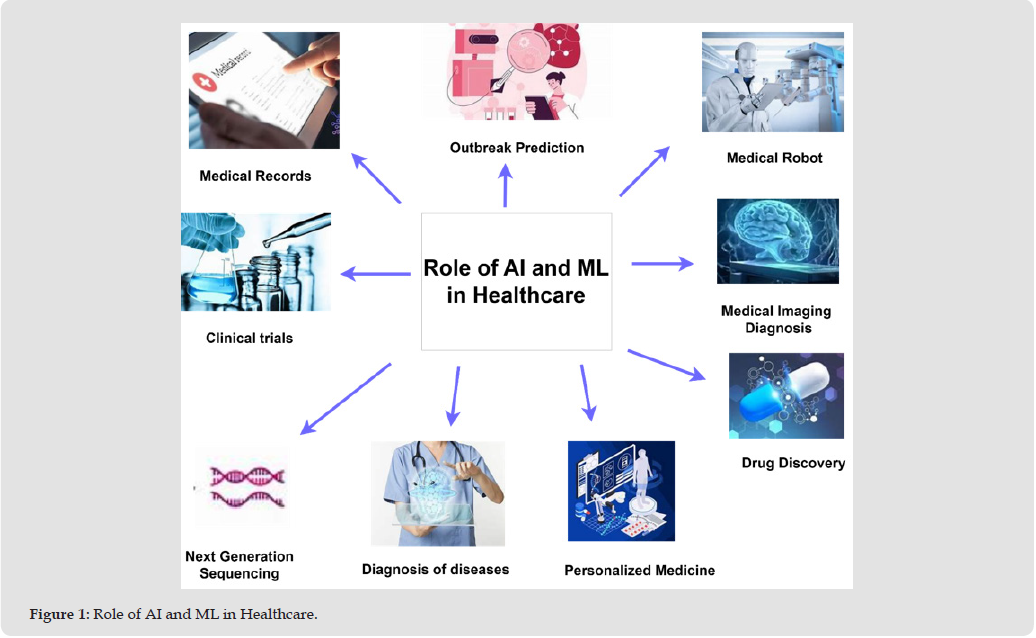
Healthcare achieves a major improvement through the implementation of AI along with ML technology in diagnostic procedures as well as customized medicine. Diagnostic machines empowered by AI reveal higher levels of accuracy as well as swifter results than medical specialists when analyzing images [4]. The processing of genetic as well as clinical together with environmental information by ML algorithms supports personalized medicine by creating individualized treatments. Precision medicine based on individual characteristics brings better treatment results and fewer negative effects to patients [5]. As depicted from Figure 1, we see that Artificial Intelligence (AI) and Machine Learning (once used in healthcare) play their multifaceted role: improve the diagnostic accuracy, increase the speed of clinical procedures and facilitate more personalised treatment plans for a patient. AI and ML are revolutionizing the traditional medical practices by integrating real time data analysis, predictive modelling and decision support system in the daily health care operations as illustrated in this figure. Doctors traditionally used their expertise to assess both patient information alongside test outcomes and X-ray results. Healthcare diagnostic practices have been beneficial yet they tend to experience problems due to human mistakes together with variable outcomes and extended data assessment times. Medical imaging requires specialists to interpret its data while the diagnostic approach remains subjective and slow which amounts to delayed treatment [6].
Figure 1
The diagnostic methods available today sometimes fail to detect faint patterns during analysis of complicated diseases including nervous system conditions and cancer [7]. Healthcare data complexity creates obstacles that prevent clinicians from handling their dataset properly which results in suboptimal practice along with consecutive mistakes. The healthcare field adopts precision medicine for treatment individualization that considers genetics from patients along with factors such as their lifestyle and environment. Traditional standard therapy approaches neglect individual patient characteristics because this practice results in unsuccessful therapeutic methods and harmful adverse effects [8]. Interventions in personalized medicine fit treatment plans to each patient which leads to better outcomes and fewer negative side effects [9]. The recent progress in genomics as well as AI and ML enables personalized medicine because these modern technologies can analyze intricate patient data to forecast their treatment responses [10]. The combination of AI and ML functions as a diagnostic and personalized medical force that improves operational speed and diagnostic accuracy. AI diagnostic algorithms provide exceptional accuracy in analyzing medical images which aids healthcare providers to detect cancer together with cardiovascular issues and neurological disorders ahead of effective treatment stages [11].
New technological systems support healthcare providers by cutting down diagnostic mistakes while developing efficient clinical operations which increases professional time for patient attention [12]. AI systems also have the ability to integrate disparate data sources such as electronic health record (EHR), patient history and live data from wearables to attain a more exhaustive view of a patient’s condition [5]. AI and ML are used in personalized medicine to bring in the development of highly personalized treatment plans. ML models can review a patient’s lifestyle factors, genetic information, and clinical data to identify and recommend the most effective treatments or drug prescriptions, reducing especially therapeutic outcomes [1]. For example, in oncology, AI tools powered by AI are used to predict what a specific cancer treatment will do to a patient based on our genetic profile and avoid providing someone who will be a catastrophic case [6,13]. By using this approach, patient outcomes are improved as well as new drugs and therapies are developed based on new identified biomarkers and therapeutic targets [14]. What’s more, AI and ML integration in healthcare also has a potential to cut down on the healthcare costs. Through accuracy and faster way of diagnosing, AI can improve resource allocation, reduce unnecessary procedures and make the healthcare system run more effectively [1,2].
Real time decision making is also a critical requirement of machine learning models which is available from them in a high-pressure environment such as emergency room where timely decision can save lives [15]. In other words, AI and ML are making the diagnosis better as well as the personalised treatment strategies better in healthcare. Apart from improving the accuracy of diagnoses these technologies also optimize how patient care is managed to make the healthcare more effective, efficient, and personalized.
Introduction to AI and ML in Healthcare
Artificial Intelligence (AI) and Machine Learning (ML) integration in healthcare is a revolutionary change which incorporates Artificial Intelligence (AI) as a technology to add dimension to traditional approaches in healthcare such as diagnosis, treatment, and management of diseases [8,16]. An AI is defined as machines or computer system designed to show human like cognitive processes like problem solving, thinking or learning. However, one of its subset of AI, ML uses the algorithm and statistical models which makes the computers learn from data and predict based on the data with no explicit programming [17]. Such technologies have turned into a frequent application in different areas of healthcare, ranging from diagnostics to personalized medicine. Large amounts of data in health care are being analysed using advanced algorithms which incorporate AI and ML in health care. It covers data coming from electronic health records (EHR), medical imaging, patients monitoring systems as well as wearable devices. For instance, AI has been applied to medical scanning, especially CT scanning, X-rays, and MRIs to help with diseases such as cancer, heart disease, and neurological disorders. In predictive analytics, ML algorithms are also used to predict patient’s outcomes, disease’s progression, and even potential responses to treatments [17]. By using robotics, supported by AI and ML, surgeries are undergoing a revolution that provides more precisions, quicker recoveries, and more safe patients [18]. AI and ML are not only found to help in improving the accuracy of diagnosis, they also have a major role in optimizing the healthcare operations. AI-driven systems are used by hospitals in order to automate administration like patient flow management, scheduling and resource allocation. As a result, these improvements not only help in lowering down original cost and improving its operational efficiency but also much contribution towards making healthcare more accessible and affordable to the people.
AI and ML Algorithms
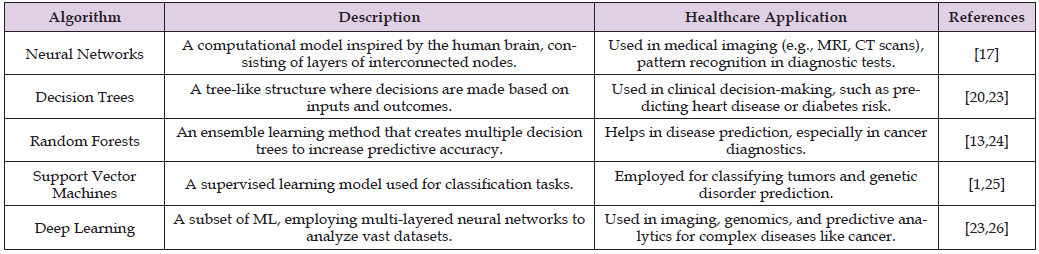
The field of medical diagnostics has become important because several of the AI and ML algorithms it relies on are crucial. Vast datasets are processed by these algorithms to extract patterns in the data that are meaningful to clinicians who can use the resulting decisions in managing their patients. Some of the common algorithms used in the healthcare are:
Neural Networks: Neural network is based on the human brain, it is constituted from layers of nodes called neurons or neurons that process information and learn from the data. In particular, analyzing medical images can be done well by deep learning, which is a type of neural network. Since deep learning models can be trained on thousands of labeled images, they can also detect anomalies, like tumors, with such high precision [19].
Decision Trees: A decision tree is a flowchart-like structure that helps decision-making by mapping out different possible outcomes based on various input conditions. In healthcare, decision trees are used to predict patient outcomes based on clinical data and assist in diagnosing diseases like heart disease and diabetes [20-22].
Random Forests: Ensemble learning method consists of combining multiple decision trees together to enhance the accuracy. This algorithm is especially useful in building clinical decision support systems, since it can allow predictions from several models to be combined by aggregating predictions and, hence, improve reliability and mitigate errors [23].
Support Vector Machines (SVM): SVM is a supervised learning type which classifies data by finding the line in the hyperplane that can maximises this gap (distance) between the two classes. SVM has been used for medical diagnostics, e.g. in medical diagnosis, including cancer detection and genetic disease prediction [17], whereby these data are classified into categories by using patterns extracted from historical cases. Table 1 shows several AI and ML algorithms such as neural networks, decision tree, and support vector machines to mention a few, in regards to their use in disease prediction and diagnostic applications. These algorithms are very capable to process huge datasets such as Medical Images, Patient records and Genomic data. Hidden patterns in the data that we may not notice in the first place, but that they can pick up on, will then enable them to make more accurate diagnosis and personalized treatment plan [23-26].
Table 1: AI and ML Algorithms Used in Healthcare.
Data Types in Healthcare
The training on which AI and ML run heavily depend on various types of data. It is essential that this data is of good quality and integrity to make these technologies work. The main types of data that are used in healthcare is a) demographics and b) related experiences.
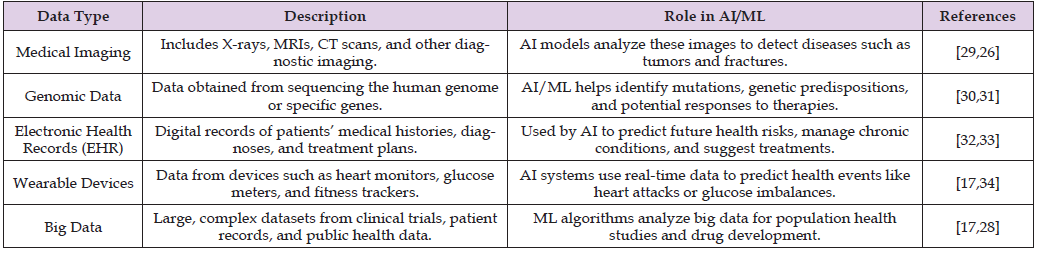
Medical Imaging: Medical images such as MRIs, CT scans and X-rays have a lot of visual information available about the patient’s condition. Image recognition algorithms are used by AI powered systems to identify and break abnormalities including tumor, fractured parts of the body and anomalies applied in intending organs [27]. CNN particularly have been found to be very effective deep learning models in medical imaging analysis, with high accuracy and good speed in disease detection at early stage [17].
Genomic Data: DNA sequencing, and other forms of genomic data, helps to identify genetic predispositions to particular diseases from patients’ genetic makeup. Genomic data can be analyzed by ML models to predict the likelihood of a patient to develop certain conditions and thus help in developing personalized prevention as well as treatment strategies [17]. For instance, oncology uses AI algorithms to recognize genetics mutations and suggest the ideal therapy for a patient, depending on a unique genetics profile [11].
Electronic Health Records (EHR): There is a lot of information stored in EHRs about that patient’s medical history, diagnoses, treatments, medications and lab results. An integration of EHR data along with the AI and ML models can predict outcomes, treatment conjectures, and risk factors of the diseases [22]. Just like any step, doing this could mean making medical errors become fewer and patient care improve by making more informed decisions, which is exactly what this data-driven approach helps clinicians make [23].
Wearables: Real time data for vital signs including heart rate, blood pressure and physical activity is collected from devices like smartwatch, fitness trackor etc. This continuous data is used by AI algorithms in order to monitor patient health, to analyze abnormalities and to be able to predict potential health issues before they become critical. Fatumbiu [17] also states that early intervention and better chronic disease management is possible using this real-time monitoring.
Big Data: Big data is datasets that are too large and complex to be processed in deliberated ways. In healthcare, the so-called big data includes clinical data, EHRs, genomic data and social determinants of health as well. Using big data analytics and AI, the healthcare providers can understand their patient population entirely, disease trends, and treatment efficacy [28]. Table 2 shows how each type of data contributes to AI and ML models in diagnosing diseases, monitoring patients, and personalizing treatment plans. The accuracy of AI and ML systems depends on the quality and trustworthiness of the datasets they are trained on. AI models can provide correct predictions and advice only when they are developed on top of high-quality data, which is free of errors, biases and irregularities. That’s why data preprocessing and cleaning are critical prerequisites for successfully deploying AI and ML in healthcare [29-34].
Table 2: Types of Data in Healthcare for AI/ML Models.
Diagnostic Imaging
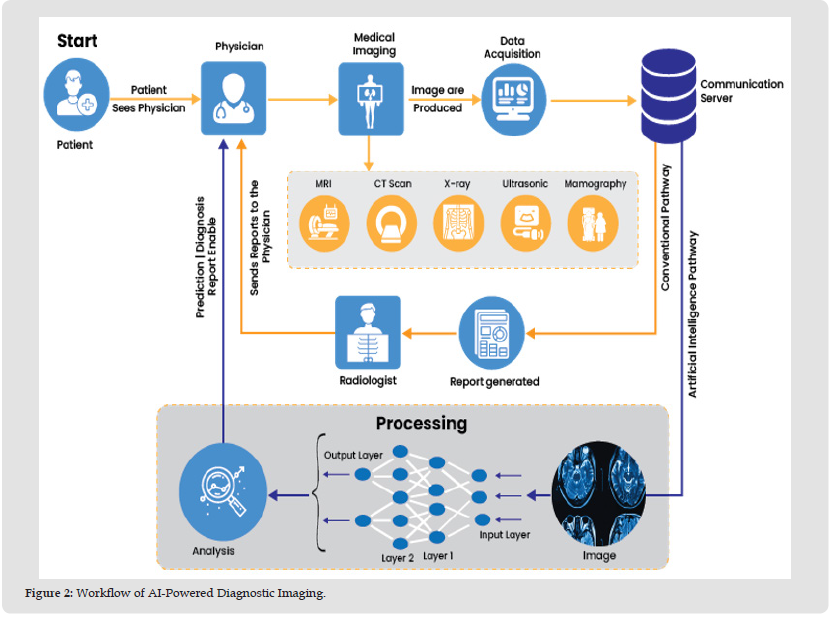
Artificial Intelligence (AI) and Machine Learning (ML)have transformed diagnostic imaging into an indispensable area in healthcare sector, especially in radiology. They help to identify and help analyze medical images with improved accuracy. Among the diagnostic imaging systems in medicine, AI-driven diagnostic systems have demonstrated superior performance in detecting issues with X-rays, MRIs, and CT scans. Deep-learning models, a subset of ML, are particularly valuable for image recognition, where they can learn to recognize patterns or features that might be subtle or difficult to see for radiologists [11]. For example, deep learning algorithms can be utilized to identify lung nodules on CT scans with the same accuracy as radiologists and identify breast cancer on mammograms with comparable sensitivities [23]. AI-based diagnostic results for imaging followed by human consultation have several advantages, including greater diagnostic accuracy, effectiveness and efficiency. These technologies in the diagnostic imaging space are capable of quickly analyzing large quantities of medical images, leading to faster diagnosis times, thereby increasing the chances of preventing early-stage diseases. However, there are several challenges, including the need for large, annotated datasets for training, algorithmic biases and how AI can be integrated in healthcare systems, as well as concerns about the explainability of these AI systems so healthcare providers can trust them in critical situations [29]. AI in Medical Imaging from the perspective of AI powered diagnostic imaging and how the medical images such as X-rays, CT scans and MRIs go through the steps of the advanced deep learning algorithms and the step-by-step workflow of AI powered diagnostic imaging is depicted in Figure 2. Many of these algorithms work to analyze large amount of imaging data looking for patterns and anomalies (once human eye misses them) which can lead earlier detection and better diagnosis of diseases such as cancer, cardiovascular disorders and others.
Figure 2
Pathology and Genomic Data
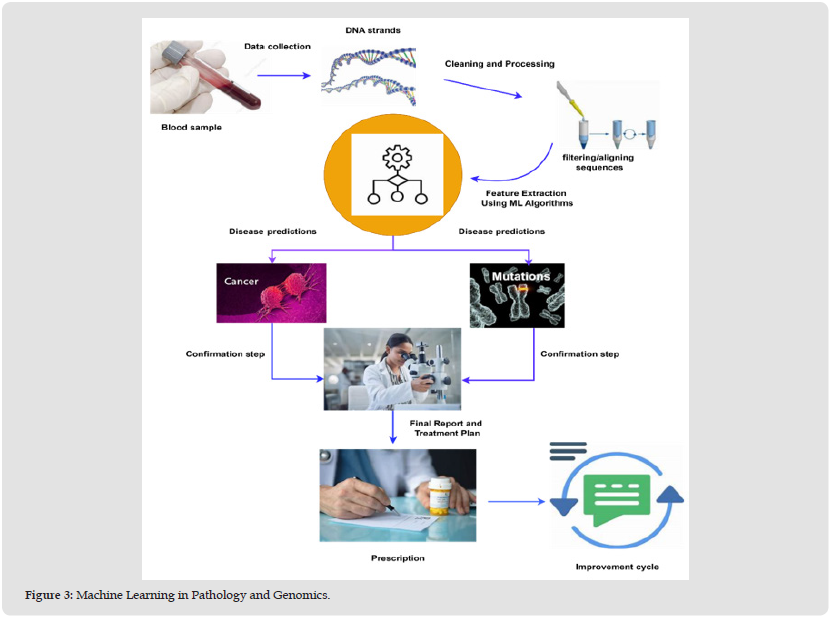
Machine learning technologies have advanced the work done in pathology, especially with regard to automating the analysis of pathology slides for cancer detection and diagnosis. The utilization of ML algorithms in analyzing tissue samples for tumors, abnormalities, or any other indicators of disease is on the rise. These models are capable of recognizing intricate features of cancerous cells that are not easily visible to the human eye after being trained on vast datasets of histopathological images [19]. In the sphere of genomic data analysis, the capability to interpret complex genomic sequences has been fundamentally changed by the integration of AI and ML. Particularly, the processing of genomic data to identify genetic mutations, variations, and even markers which link with certain diseases is now possible with AI models. Such a capability is vital in personalized medicine where treatments can be designed specifically for a patient, factoring their unique genetic information [18]. For instance, ML algorithms are employed in predicting the impact of certain cancer treatments on a patient’s genetic profile which enables more accurate individualized therapies [17]. However, issues on the ethics of genetic research, data privacy, and the lack of uniform standards for organizing the data poses significant challenges [35]. Machine learning is applied in both pathology and genomics work shown in Figure 3 whereby the scope is to understand how these tools can aid cell detection of cancerous cells in tissue samples and gene discovery of associated genetic mutations. Using large datasets of histopathological slides and genomic sequences, it describes how the AI model is trained and how health care practitioners can subsequently make more informed decisions when treating individuals with cancer and develop targeted treatment strategy.
Figure 3
Clinical Decision Support Systems (CDSS)
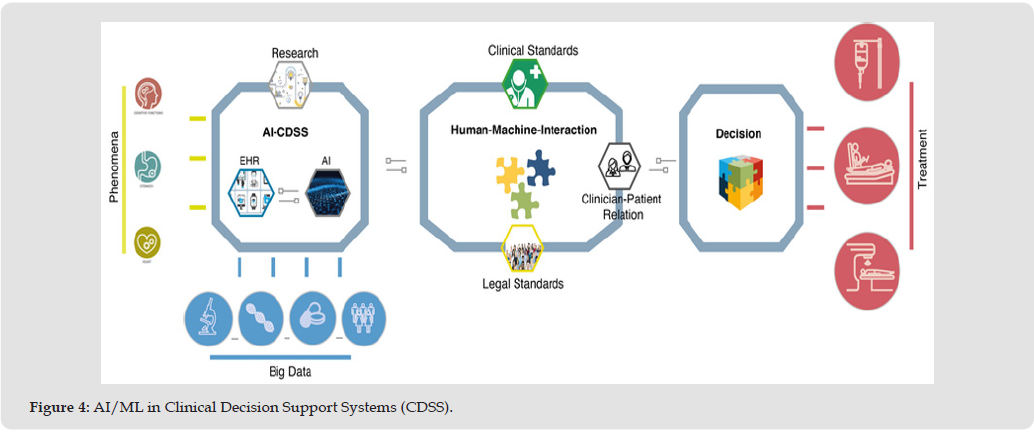
The development of clinical support decision making systems, CDSS for short, uses AI and ML tools to assist doctors in healthcare routines that require decision making based on multiple criteria. These systems provide recommendations concerning a person’s clinical management by analyzing patients’ data, history, and guidelines in real time [36]. Through the integration of diverse information such as medical records, laboratory data, and imaging studies results, CDSS enables better decision making, error reduction, and improved outcome on the care delivered to patients. In context of diagnosing pathological conditions like diabetes, cancers and cardiovascular diseases, AI has taken center stage. An instance would be predicting a patient’s likelihood of suffering from heart disease through advancing viewing of patient’s data which includes vital signs, medical history, and imaging results [37]. Such predictive models are capable of identifying high risk patients at an early stage, giving the necessary prescription to avert the disease or lessen the severity of the condition [17]. Nevertheless, the effectiveness of CDSS is solely reliant on the data fed into the system and how transparent the AI models used are in their reasoning and workings. Figure 4 depicts the design and function of AI and ML driven Clinical Decision Support Systems (CDSS) that assists the medical practitioners in taking accurate and timely clinical decisions. This figure describes how these systems incorporate different data sources of patient data such as medical history, lab results and imaging studies into actionable insight and evidence-based recommendations in order to improve the patient outcomes and reduce the potential susceptibility of diagnostic errors.
Figure 4
Wearable Devices and AI Diagnostics
AI and ML technologies are undeniably changing how diagnostics are performed, especially with the incorporation of smart AI powered wearable devices such as smart watches, fitness bands and even medical wearables. These devices capture real time data pertaining to heart rate, blood pressure, glucose levels, and even respiratory rate. AI algorithms are then able to analyze this data to identify early warning signals of diseases like diabetes, atrial fibrillation, hypertension, etc., [17]. The constant monitoring provided by wearables allows for faster and easier healthcare provider responses. For instance, AI systems integrated with wearables have the ability to analyze data as it flows in and thus predict potential issues before they become critical. This in turn allows for timely interventions drastically improving patient outcomes [32]. In addition, using AI aids in chronic disease management as it can help by recognizing patterns in health data and modifying treatment accordingly [37]. Despite the numerous advantages, the issues relating to data privacy, measurement accuracy, and incorporation of wearable data into the clinical decision-making process are still unsolved.
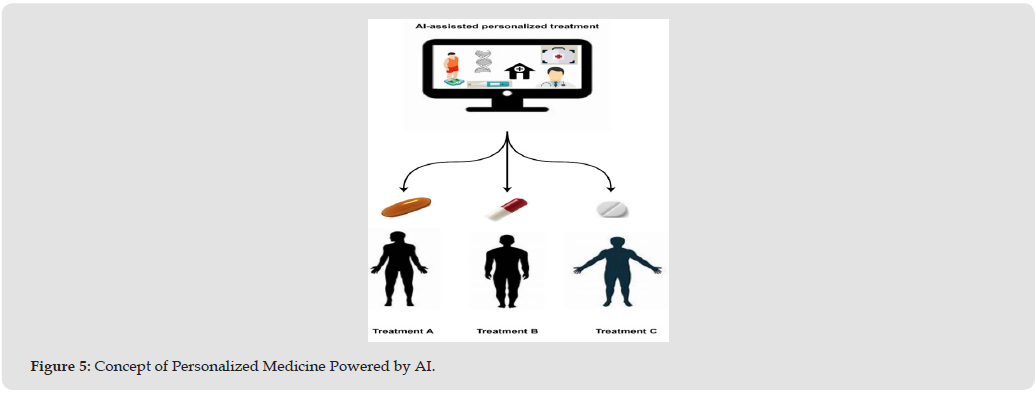
Similarly to this, Figure 5 depicted the concept of personalized medicine by AI, where the difference exists between the one size fits all towards a highly personalized healthcare approach. This figure shows how different aspects of genetic information and lifestyle information and environmental influences are combined in AI systems to develop individual highly effective and precise treatment plans and to reduce the occurrence of adverse effects in this aspect.
Figure 5
Overview of Personalized Medicine
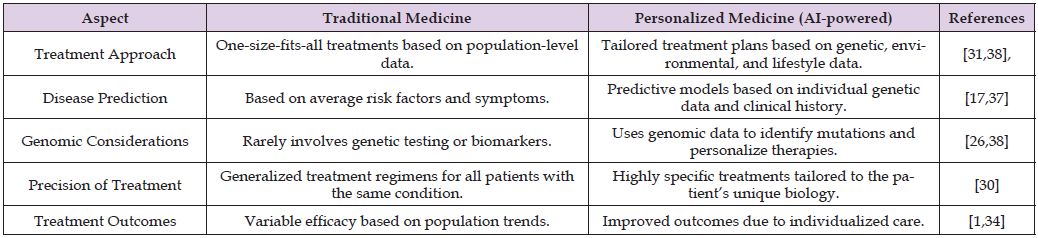
Precision medicine or as some may phrase it, “personalized medicine” is a model of healthcare that seeks to customize treatments for each patient based on factors like their genetics, lifestyle, and surrounding environment. It aims to eliminate unnecessary effects while making therapies more effective and tailoring the treatment to the correct person at the optimal time [31]. Unlike the approach of treating everyone with the same disease and providing identical treatment to all patients, personalized medicine shifts focus on the individual’s genetic composition, surroundings, and daily habits, ensuring that all patients are looked after professionally [38]. Advancements in genomics are the leading contributors to the growing adoption of personalized medicine. Genomic sequencing has provided the capability of identifying variations in one’s DNA that could lead to illness or even expedite its progression. Such variations can guide the healthcare professional in knowing the predisposition the particular patient has towards specific diseases and how they would react to different types of medicine along with the side effects. AI and ML technologies also contribute immensely while working with intricate genetic datasets and automating the preparation of treatment plans tailored to an individual’s requirements [39]. The main differences between this two approaches are presented in Table 3. Conventional medicine is based on population-level data and guidance that implement a “one-size-fits-all” approach to patient treatment, whereas personalized medicine utilizes AI and ML to custom-tailor treatment plans to each patient by incorporating their genetic, environmental and lifestyle factors. This move towards more tailored, personalized care allows healthcare professionals to provide treatments that are increasingly effective with lesser side effects leading to better overall patient outcomes.
Table 3: Comparison of Traditional Medicine vs. Personalized Medicine.
AI and ML in Genomic Medicine
The combination of AI technology with ML techniques drives breakthroughs in genomic medicine which enables researchers to predict genetic predispositions with unmatched precision. Genomic medicine focuses on analyzing genetic variations which can influence disease development and management. Deep learning models together with other machine learning algorithms effectively manage large sequencing data from next-generation sequencing technologies. The algorithms identify patterns in genomic information which might help reveal the mysteries behind diseases such as cancer, cardiovascular conditions, and genetic disorders [40]. AI models enable the examination of genetic data complexity by processing single nucleotide variants (SNVs), structural variants, and copy number variants (CNVs) which traditional analysis methods cannot handle [30]. Through this method AI and ML systems enable healthcare providers to predict disease risk which enables early detection of specific illnesses. AI-driven genomic analysis enhances disease prediction capabilities while enabling researchers to develop both preventive methods and individualized treatment plans [35]. AI and ML serve to strengthen pharmacogenomics which operates as a genomic medicine sector. AI and ML enable researchers to evaluate how genes affect drug responses so they can choose drugs and dosages with maximum efficacy and minimal side effects [17]. Personalized medicine relies on this element because it enables medical professionals to select treatments that are best suited to patients’ genetic profiles.
Tailoring Treatments Based on Patient Data
Machine learning is also being used to recommend personalized treatment plans. In cancer, cardiovascular disease and mental health disorders ML algorithms look at patient data including genetic information, medical history and lifestyle factors to suggest customized treatment options [32]. For example, in cancer treatment precision oncology uses genetic sequencing and AI models to identify specific mutations in tumors and guide the selection of targeted therapies [41]. These therapies are more likely to work because they are tailored to the genetic makeup of the cancer cells, increasing the chances of success and reducing side effects. In cardiovascular medicine AI and ML models look at risk factors like cholesterol levels, blood pressure and genetic predispositions to predict the likelihood of heart attacks, strokes and other cardiovascular conditions. Based on these predictions, healthcare providers can recommend lifestyle changes, medications and even surgical interventions tailored to the individual [17]. In mental health AI algorithms are being used to personalize treatment plans for depression and anxiety by looking at a patient’s response to previous treatments and predicting the most effective interventions [42]. Examples of personalized drug prescriptions are also emerging where AI models look at a patient’s genetic profile to predict which drugs will work best for them, reducing the trial-and-error approach used in prescribing medications [41]. This not only improves treatment outcome but also patient satisfaction by reducing adverse drug reactions.
Pharmacogenomics and AI/ML Integration
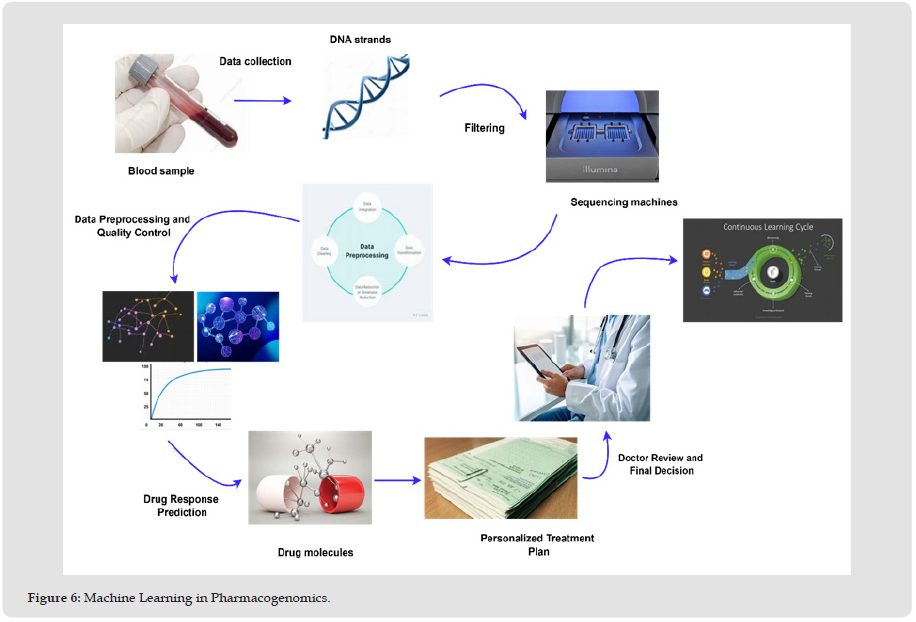
Pharmacogenomics, which investigates at how genetic differences affect drug responses, is one of the most exciting areas of personalised medicine. AI and ML are being increasingly used in pharmacogenomics to predict patient responses to drugs so healthcare providers can choose the right medication and dosage for each patient. By looking at genetic variations in drug metabolism, AI models can predict how well a patient will respond to a particular drug and prevent adverse drug reactions and improve outcomes [40]. A great example of AI in pharmacogenomics is in chemotherapy for cancer patients. Cancer treatment often involves powerful drugs that can have serious side effects. By using AI to look at a patient’s genetic profile, clinicians can predict how the body will metabolise the chemotherapy drugs and adjust dosages accordingly to minimize side effects and maximise efficacy [31]. In cardiovascular medicine, AI driven pharmacogenomics is helping to optimise the use of statins, anticoagulants and antihypertensives by looking at genetic factors that affect drug metabolism [34]. Pharmacogenomic case studies show how AI can help choose the most appropriate drug or dosage for specific individuals. For example, AI was implemented in devising an optimal treatment plan for hypertensive patients and has helped prescribe the right medication to patients considering their genetic factors [17]. This advancement has enhanced patient outcomes and minimized negative complications, moving closer to fully personalized healthcare. Integration of machine learning in pharmacogenomics is shown in the Figure 6 where different patients predicted how they will react to specific medicine by their genetic profile is taken into account. This figure shows how the data derived from genetic sequencing can be used to assist in choosing the best drug and dosage, which increases the treatment effectivity and safety and points the way to fully personalized pharmaceutical care.
Figure 6
AI and ML in Cancer Diagnosis
Artificial Intelligence (AI) and Machine Learning (ML) have emerged as useful tools in cancer diagnosis, especially the detection of cancer at its initial stage in different types of cancer including breast and lung cancer [13]. These technologies use advanced algorithms to examine medical images and data of the patients, and hence, deliver more precise and quicker diagnoses compared to conventional techniques. For instance, diagnostic systems using AI, such as deep learning models, have been effectively applied to examine breast cancer using a mammogram and lung cancer using CT scan. Such models are trained on large databases, so they can identify minute indicators of tumors or anomalies that might not be captured by radiologists [43]. AI tools have come a long way in identifying lung nodules in CT scans, and the levels of their performance tend to surpass that of radiologists [44]. One of these tools has also been created to forecast the risk of pancreatic cancer on the basis of medical records and clinial data, with the ability to achieve high levels of precision at the stage of early diagnosis [43]. With the use of machine learning algorithms such as regression and deep learning, cancer occurrence can be forecasted by AI models months prior to traditional clinical diagnosis, enhancing the survival rate of the patient and facilitating early interventions [43]. These developments bring a paradigm change in cancer diagnostics, not only increasing the precision of diagnoses but also facilitating the detection of cancer at its earliest, treatable levels.
AI and ML in Cardiovascular Disease
AI and ML are also profoundly advancing the forecasting, diagnosis, and treatment of cardiovascular diseases (CVD). They are being applied to create predictive models that can predict the risk of heart attack, arrhythmias, and other cardiovascular diseases. They use AI algorithms to study a variety of data, including medical images, electronic health records, and vital signs, to forecast the risk of cardiovascular events and propose personalized interventions. For example, deep learning models are applied in the forecasting of heart attack onset using medical imaging data, including echocardiograms and CT imaging, with levels of accuracy that can surpass experienced cardiologists [7]. In the detection of arrhythmia, ML models have been taught to detect abnormal heart rhythms using electrocardiograms (ECGs), allowing faster diagnosis and intervention [44]. Aside from diagnosing cardiovascular diseases, AI is applied in the management of risk factors like high blood pressure, cholesterol, and lifestyle habits. Predictive models are able to detect high-risk patients and give advice on prevention or tailor-made treatment to mitigate the risk of heart disease [14,27,44]. These uses not only enhance outcomes but also decrease healthcare expenditures by avoiding serious cardiovascular events by intervening in a timely manner.
Personalized Treatment in Diabetes and Endocrinology
In the treatment of diabetes and other endocrine conditions, AI and ML are revolutionizing the manner in which treatment protocols are tailored to individuals. Machine learning algorithms examine the data of the patient, including their genes, medical history, and lifestyle, and use these data to forecast insulin requirements in Type 1 and Type 2 diabetes patients. These algorithms provide a degree of personalization previously unseen in the use of conventional techniques, and as a result, health professionals can devise personalized treatment regimens that achieve maximal efficacy while exercising minimal side effects [34]. For instance, the use of AI-based technologies is applied in monitoring real-time blood glucose levels in diabetic individuals by utilizing continuous glucose monitors (CGMs), which facilitate dynamic insulin therapy adjustment. Historical data and models are applied by these systems in predicting insulin needs in line with the daily routine, diet, and activity of the patient [34]. Additionally, AI facilitates forecasting of the progression of diabetes and detection of susceptible individuals at risk of complication, helping in the timely intervention and improved management of the disease [34]. In the future, the potential of AI in the treatment of endocrine diseases goes far beyond diabetes, with the development of models to detect and treat thyroid diseases, obesity, and other conditions at the earliest stage, boosting the field of personalized medicine even further.
AI and ML in Mental Health
AI and ML are also being increasingly applied in diagnosing and treating mental health disorders, such as depression, anxiety, and disorders caused by stress. Mental health conditions have traditionally relied on the diagnostic method of self-reporting, as well as subjective assessment, both of which are dependent on patient bias or incomplete data. AI models, in turn, present a more objective method of diagnosing mental health conditions by analyzing data gathered from the patient, including speech, facial expressions, and behavioral data, to detect the earliest possible symptoms of mental health conditions. For example, ML algorithms are being applied to examine speech tone and speech patterns to recognize symptoms of depression or anxiety, prior to the verbal communication of the same by the patients. These models are able to forecast the severity of the symptoms and suggest suitable interventions in line with the individualised profile of the patient [45]. AI-based chatbots and virtual assistants are also being utilised to support mental health by dispensing therapy and self-help in real time to the respective patients [38]. In addition, personalized mental health treatment is being improved by leveraging AI models that incorporate the unique characteristics of the individual, including genetics, lifestyle, and environmental conditions. This will enable more customized treatment protocols, possibly including medication, therapy, or lifestyle modifications that are specially devised to meet the needs of the specific individual [46]. Through facilitating a more customized care provision, AI in mental health treatment is poised to alleviate the burden on the healthcare system and also increase the outcomes achieved by the patients.
Data Privacy and Security Concerns
Data security and privacy are paramount when adopting AI and ML in the healthcare sector. Voluminous amounts of personal data, medical histories, diagnostic reports, and gene details of the patients are stored in healthcare systems. Their analysis by AI and ML models elevates the risk of the data being breached, hacked, or misused, considering the high value of the data in the black market [17]. AI models need to have access to massive data sets, which in many instances include sharing the data of the patient amongst different organizations and technologies. Although this results in more accurate models, it also exposes the data to unauthorized use and breaches of patient confidentiality. In the rapidly digitizing healthcare landscape, security of this data is paramount in order to preserve the trust of the patient and abide by regulations like the Health Insurance Portability and Accountability Act (HIPAA) and the General Data Protection Regulation (GDPR) [27]. Ensuring ethical AI usage also requires that patients are adequately informed about how their data will be used. Challenges in implementing ethical AI usage stem from difficulties in providing transparency regarding data collection, usage, and sharing. Furthermore, informed consent processes must evolve to address AI’s complexities, ensuring patients understand how AI models make decisions [33].
Bias in AI Models
Bias in AI models is a deciding factor when it comes to the adoption of AI and ML in healthcare. Machine learning models are no better than the data they are being trained on. Training data in which the data points do not cover populations of diverse types can result in the generation of biased models, especially in the case of underrepresented populations [13]. As an example, models that are trained on data of one ethnic group or geographic area might not work well on diverse populations, which can result in incorrect diagnoses and discriminatory treatment options. One of the best examples of this problem is the deployment of AI in skin cancer detection. If the dataset is dominated by images of light-skinned subjects, the AI system might not effectively detect skin cancer in dark-skinned individuals [13]. Such bias can result in grave consequences, including misdiagnosis and unequal healthcare outcomes [25]. Reducing bias in AI models involves the use of diverse and representative data, and the continuous monitoring of how models work in different demographic populations of patients. It also involves creating transparent and explainable AI systems whereby healthcare providers can know the processes by which the AI models arrive at their conclusions and correct the models if they develop a problem of bias [6]. Creating “fair” algorithms that provide fair treatment to all the patients is directly related to enhancing the trustworthiness of AI in healthcare.
Integration into Existing Healthcare Systems
Integrating the technologies of AI and ML in healthcare is one of the major obstacles to their use in the healthcare system. Much of the healthcare system is dependent on legacy technologies, including paper- based and legacy electronic health record systems, which are incompatible with contemporary AI tools [4]. Implementation of the AI models in these systems calls for huge investments in infrastructure, system upgrades, and training, the costs of which are prohibitively high for the majority of healthcare institutions. Aside from technical problems, there is also opposition to AI integration by healthcare professionals. Several clinicians fear AI systems will replace them or reduce the significance of their work, and therefore, they are reluctant to incorporate AI tools in their work. These concerns are addressed by showing the benefits of AI in supporting rather than replacing the expertise of healthcare providers. Training and ongoing education are necessary so that healthcare professionals feel comfortable using AI tools in their decision-making [11]. In addition, AI systems must also be constantly maintained so that they stay relevant and effective. This involves continuous consultation and collaboration among healthcare professionals, AI vendors, and the regulating organizations to facilitate harmonize and ensure continuous operation and upkeep of the systems.
Regulatory and Legal Issues
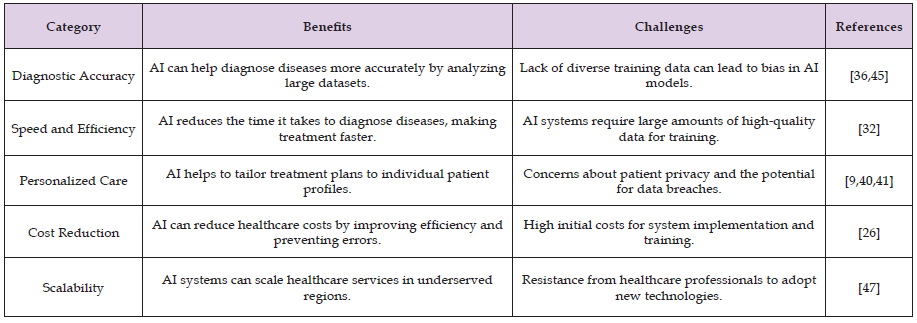
Regulatory guidelines for AI-driven diagnostic tools and medical devices are in their infancy stage. As AI and ML technologies in healthcare progress, it is imperative that there are transparent and solid regulatory guidelines in place to assure the safety, efficacy, and ethical use of these technologies. Regulatory organizations such as the U.S. Food and Drug Administration (FDA) and the European Medicines Agency (EMA) are attempting to create guidelines for the clearance of AI-based medical devices. Technological development, however, tends to race ahead of the capabilities of the regulators, and the use of unregulated or underregulated AI systems pose potential risks [25]. Another of the major concerns is the accountability and responsibility of AI-driven decision-making in healthcare. Who is held accountable if an AI system causes injury, either by misdiagnosis or inappropriate treatment advice? There are no easy answers to these questions at present, and as AI plays a larger role in the decision-making of clinicians, there is a potential increase in errors and harm to the patient. Legal frameworks must evolve to deal with these new complexities, including defining clear lines of responsibility and accountability for AI decisions [47]. Another problem is explainability in the use of AI models in the healthcare sector. “Black-box” AI models, which give results but not explanations of the decision-making processes, are a hindrance in accountability. It is crucial that healthcare systems applied in healthcare are interpretable, so that clinicians are able to know the rationale behind the recommendation of an AI, so that the ultimate decision is always in the hands of a human expert [33]. Table 4 illustrates the ways AI enhances diagnostic precision, timeliness, and customized care while solving problems of data privacy and algorithmic prejudice.
Table 4: Benefits and Challenges of AI in Healthcare.
AI and ML in Real-Time Diagnostics
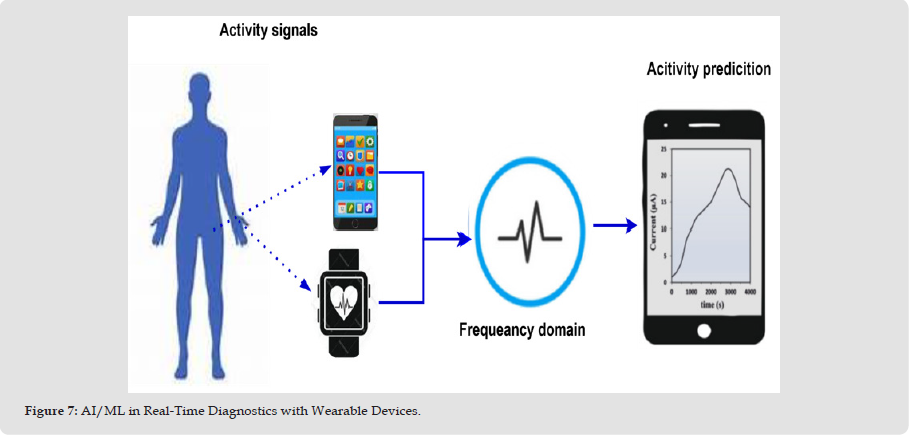
The imminent future of healthcare is one of continuous, real-time diagnostics driven by AI and ML, potentially having a revolutionary impact on the way in which patients are treated and monitored. Wearable technology and sensors are becoming more advanced, and they supply real-time data, which in turn can be instantly analyzed in order to instantly indicate any changes in the health of a patient. AI can instantly crunch millions of data points, allowing the healthcare professionals to readjust when irregularities are noticed. AI diagnostics are already implemented in wearable technology to manage chronic diseases, including the tracking of blood glucose levels in diabetic patients, heart rate and blood pressure in cardiovascular patients, and even the detection of the initial symptoms of mental health conditions. These systems not only keep track of a patient’s vitals in real time but also detect possible health complications before they become serious. For example, wearable AI-enabled ECGs are even able to detect arrhythmias and warn healthcare professionals in real time, potentially averting life-threatening situations [6]. As technology in wearable equipment continues to grow in its capabilities, so will the potential of AI to provide ongoing monitoring of the patient, minimizing hospital trips, and facilitating more proactive treatment. So too, the use of AI in conjunction with the equipment might facilitate highly customized treatment regimens, correcting medications and therapies in real time as a result of the constant reviewing of data on the patient [40]. As shown in Figure 7, Artificial Intelligence (AI) and Machine Learning (ML) are put into use through wearable devices to provide real time diagnostics. Carefully taking into account how a set of wearable technologies gathers information about heart rate, blood pressure, glucose levels, and so forth, it illustrates how continuous streams of biometric data are collected through smartwatches, fitness trackers, and medical grade monitors. This also gives the figure on how AI algorithms process this data in real time, detecting early warning signs of disease, in order to provide timely interventions. Among other things, this capability supports both remote patient monitoring and proactive treatment adjustment using live health analytics, which leading to reduction in the need for in-person visits.
Figure 7
AI and ML in Remote Healthcare
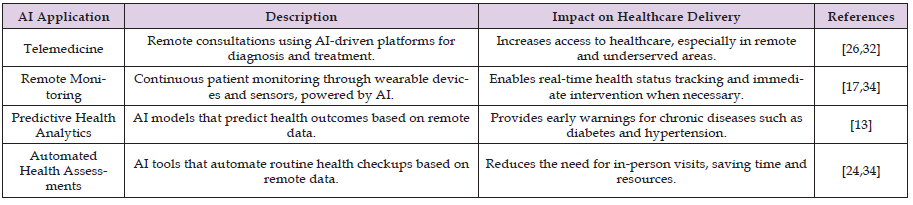
AI and ML are increasingly contributing to the new landscape of remote healthcare, specifically by fueling the growth of telemedicine and remote patient monitoring (RPM). Remote healthcare is growing at a rapid rate, especially in the context of the COVID-19 outbreak and demands by the healthcare sector during the ongoing crisis. Telemedicine systems using AI facilitate delivering consultations, diagnoses, and treatment advice by professionals remotely, avoiding the necessity of in-person consultations, which can prove to be highly beneficial in remote areas [32]. Telemedicine technology combined with AI and ML algorithms can also increase diagnostic precision by processing patient data in real-time. For instance, AI-based diagnostic equipment is being applied in telemedicine in conditions like cardiovascular diseases and diabetes, wherein algorithms process health data from wearable technologies and medical history to support decision-making at the clinician’s side [7]. Additionally, the growing use of telemedicine in rural and low-income nations, where specialized care is not always available, is one of the most viable uses of AI. These technologies can facilitate healthcare professionals to view chronic conditions remotely, monitor disease progression, and modify treatment plans in a timely manner. The seamless integration of artificial intelligence in telemedicine systems is set to redefine the provision of healthcare by enhancing its accessibility, affordability, and efficiency while lowering the cost of healthcare [26]. As telemedicine becomes a core element of healthcare systems, new algorithms and more effective communication mediums will further increase its functionality. Table 5 shows how artificial intelligence is revolutionizing the provision of healthcare services, especially in the use of telemedicine, remote patient monitoring, predictive health analytics, and automated health checks. These AI-driven technologies fill the gap in the provision of healthcare, both in underserved and rural populations, by constantly monitoring and analyzing data in real time.
Table 5: AI Applications in Remote Healthcare.
Advancements in AI and ML Algorithms
Artificial intelligence and machine learning algorithms are revolutionizing healthcare by powering remarkable progress in the sector. Deep learning, reinforcement learning, and explainable AI (XAI) are becoming some of the strongest technologies in healthcare. Large data sets like medical imaging, genomics, and electronic health records (EHRs) are being addressed by deep learning models to detect patterns and forecast health outcomes more accurately than ever before [4]. Reinforcement learning (RL) is one of the new frontiers in AI expanding its reach in the healthcare sector too. RL algorithms can learn decision-making policies over time by interacting sequentially and dynamically with healthcare environments, and it is especially beneficial in personalized treatment and treatment optimization. For instance, RL is being investigated in cancer treatment planning, whereby the model makes progressive learning of patient responses to treatment and adapts the treatment protocol accordingly [17]. Explainable AI or XAI is a growing trend to ensure that AI decision outcomes are transparent and explainable to medical professionals. While more and more medical decision-making is entrusted to AI, it’s essential that healthcare professionals know how the systems reach their conclusions. It promotes trust in the AI system and helps clinicians make effective decisions using AI advice [42]. Creating more explainable and interpretable AI models will mean that AI will not remain a “black box” but a supporting ally, which clarifies and augments clinical work.
AI and Personalized Medicine
AI and ML will also play a major role in the future of personalized medicine, in which treatment is adjusted according to the specific genetic makeup, habits, and environmental conditions of a person. One of the most promising uses of AI in personalized medicine is its fusion with precision diagnostics, immunotherapy, and next-generation genomics. AI will change the manner in which physicians and other health professionals tailor treatment to diseases such as cancer [13], diabetes, and neurological conditions by using the best therapies that suit specific patients [30]. The use of AI in conjunction with genomic data is highly promising in the area of precision oncology. Machine learning algorithms are being implemented to examine genomic sequencing data and detect genetic mutations in cancer, which are then used to choose targeted therapies [11]. These approaches not only increase the diagnostic rate but also facilitate the detection of novel biomarkers, paving the way for more effective and personalized treatment options [48].
In immunotherapy, AI can also predict the patients likely to benefit from particular treatments by examining immune system and genomic data. AI, by examining massive datasets of data on clinical trials and patient histories, can identify new targets of therapy, expediting the development of new medicines [31]. With the integration of precision diagnostics, AI, and immunotherapy, the future of personalized medicine is poised to enhance the efficacy of treatment, minimize side effects, and promote better outcomes in patients. In addition, the use of AI in wearable technology to monitor the health of individuals in real time will enable the continuous optimization of treatment plans so that the appropriate care is always provided to the patient. Personalized medicine driven by the use of AI will bring about a new horizon in healthcare, as it not only improves the efficacy of treatment but also tailors the treatment to the specific needs of the patient [24].
The future of healthcare is being transformed by AI and ML, through innovations in real-time diagnostics, remote healthcare, algorithm development, and personalized medicine. Integration of AI in wearable sensors and devices enables ongoing, real-time monitoring of patients, facilitating improved early detection and intervention. Telemedicine, supported by AI, is transforming the delivery of healthcare by enabling remote consultation, enhancing accessibility, and maximizing treatment. With the development of algorithms in AI, deep learning, reinforcement learning, and explainable AI will further strengthen diagnostic precision, treatment, and decision-making in healthcare. Integration of AI and personalized medicine and precision oncology will also have tremendous potential to deliver more tailored and effective treatment. As the technologies develop, they will surely play a leading role in enhancing patient outcomes, lowering costs, and reshaping the health system worldwide.
C.M.O was in charge of the conceptualization, project management, initial draft writing, and manuscript revision. J.M.Y contributed to the preparation of the original draft and its review and editing. P.N.,H.Z.A.,A.L, A.D. and L.R.G. were involved in validation and oversight. All authors have reviewed and approved the final version of the manuscript.
This study did not receive any external financial support.
Not applicable.
Not applicable.
This manuscript does not include any raw data. It is based solely on secondary data from published sources, and proper citations have been provided.
The authors declare no conflicts of interest.

International Association of Landscape Archaeology, Czech Glass Society, Czech Republic

Department of Chemistry, Semenov Institute of Chemical Physics, USSR Academy of Sciences, Moscow, Russia

Neurology, LA BioMed Research Institute, USA

Associate Professor at Department of Breast and Thyorid Surgey, Chongqing General Hospital, China

Professor of Nuclear Medicine, Faculty of Medicine and Surgery, University of Milan, Milan, Italy





 Abstract
 PDF
PDF



























