info@biomedres.us
+1 (502) 904-2126
One Westbrook Corporate Center, Suite 300, Westchester, IL 60154, USA
Site Map
 ISSN: 2574 -1241
ISSN: 2574 -1241
ISSN: 2574 -1241
Received: March 17, 2025; Published: March 27, 2025
*Corresponding author: Tomáš Hájek, Expert consultant of the Guild of Tinsmiths, Roofers and Carpenters of the CR, the Economic and Social Council of the Most Region, Czech Republic
DOI: 10.26717/BJSTR.2025.61.009556
Abbreviations: AIA: Asbestos International Association; CSF: Cancer Slope Factor; UCR: Unit Cancer Risk; DB: Determination of Noise Level L; PVC: Polyvinyl Chloride; VOC: Volatile Organic Compounds
The presented study is a summative and generalising step in the author’s elaboration on the topic [1-4]. The aim of this study is to define the basic structure of the scientific problem, to document a holistic view of the mankind and monuments and thus progress towards an important topic of theoretical reasoning and empirical evidencing of the necessity of use and transformation of historic monuments as a key condition for preserving them long-term in their mass and shape.
Beginning of Manufacture of Asbestos Cement Products On 15 July 1901, Ludwig Hatschek was granted the Austrian patent for the manufacture of fibre cement products. From 1903, this material was used to produce roof covering called Eternit using a patented manufacturing technology. L. Hatschek established the largest European concern of his time with branches in all countries. Besides the Eternit patented brand name, Eternitas patented brand name from 1920, owned by the EWLH Vöcklabruck concern founded by L. Hatschek was also used in the past. Similarly to numerous previous cases, the topical technological invention, in this case the use of the Portland cement combined with the mixture of asbestos fibres of various sizes, appeared in several locations simultaneously. In 1910, production of the Zenit asbestos cement roof tiles was launched in the historical Czech lands in the Šumperk region and was subsequently taken over by L. Hatschek. Primalit, the name of the manufacturing facility in Olomouc in the historical Czech lands, where asbestos cement roof covering bearing the same name was produced, is also worth mentioning. An interesting patent registered in 1930 covered the production of artificial marble from slate or asbestos cement tiles; according to this method, asbestos cement tiles are boiled in a solution of water, waterglass, KCl and MgCl [5].
In addition to insulation boards and brake pads, ovens were also produced from asbestos cement. Mr. Mazza registered the patent for their manufacture in Italy and started to produce these ovens in a facility near Milan. Subsequently, the production of ovens expanded to the Czech Republic, among other countries, specifically to Beroun.
On Development of Replacements for Asbestos in Asbestos Cement Products
a) Replacements For Asbestos for Business and Economic Reasons in the Historical Czech Lands: Asbestos may be short in supply owing to the import limitations applicable at the time to the countries where it is extracted. To name but a few, Canada, Russia and Zimbabwe. There is also economic pressure on finding replacement for asbestos due to its high price. Prior to World War II, the so-called Durnat boards were produced. In these boards, asbestos is replaced with wooden, textile and cellulose fibres. During World War II, manufacture was forced to adapt to the lack of asbestos on the market and introduced the so-called Gela boards and tiles made from waste cellulose and short fibres. In the 1950s, basalt, cellulose and glass staple was used in the Czechoslovak industry as a replacement for asbestos. Asbestos cement materials with a reduced content of asbestos represent an intermediate step between almost complete elimination of asbestos. A strategically promising approach, gradual replacement of asbestos with natural and synthetic polymer fibres, emerged as early as in the 1960s. Non-flammable boards with the tradename Ezalit were developed in Czechoslovakia in the 1970s and subsequently successfully manufactured. Owing to its excellent fire properties, Ezalit B was used mainly around cabling and as panelling in fire passages. Based on Ezalit B, the product named Ezalit C was developed with reduced content of asbestos fibre, as asbestos fibre was replaced with cellulose fibre. The production of Ezalit B and Ezalit C was terminated in 1993. The fire resistant material called Unicel is another example of a product designed to reduce the quantity of asbestos by replacing it with polymers.
b) Replacements For Asbestos from The Public Health and Ecological Perspective in Historical Czech Lands: The strategic objective to find a replacement for asbestos in fibre cement products was gradually asserted during the last decades of the 20th century, mainly due to the public health risk associated with asbestos. This was despite certain excellent technological properties of asbestos: for example resistance to temperatures of up to 500 °C, ability to endure alkaline environment in binders used in construction materials combined, on the other hand, with resistance to acids, easy bonding and processing, very good filtering properties and catalysis properties. Pyrolit is a product that responds to the increasing pressure to reduce the content of amosite and crocidolite fibres, crocidolite being generally considered to be the type of amphibole with least risk to the human health. Pyrolit is used for interior fire structures. The range of products sold under the tradename Dekalit Perfect is fully asbestos free, replacing asbestos with siliceous fibre admixtures and kaolin. The range includes lightweight boards for interior wall cladding, fire resistant ceiling boards, fire resistant cladding for steel structures and dividing boards for cabling ducts. The strategic plan to replace asbestos with natural or synthetic polymer fibres in roof covering in Czechoslovakia resulted in the Dekanit roofing boards and the Dekalux range of facade boards.
Asbestos and its Use in Industry and Construction
Asbestos is a mineral belonging to a group of silicates occurring in nature in two main forms; as serpentines (such as chrysotile) and amphiboles (such as crocidolite, actinolite, anthophyllite, amosite and tremolite). All asbestos materials have a fibrous structure with fibres of much greater length compared to their width. Various types of asbestos have different fibre separation capacity. Even dispersion of fibres in the cement matrix was one of the properties monitored in asbestos cement products; crocidolite provided even dispersion, while dispersion was very poor in the case of chrysotile, as its fibres are visible and unevenly distributed [6]. Asbestos can be used for the following purposes owing to its excellent technological properties:
a) In the production of filters and as a catalyst carriers.
b) Asbestos fibres can be easily processed into various forms of woven
or spun products.
c) The reinforcement effect of the fibrous structure of asbestos in a
whole range of materials is a major technical advantage; asbestos
was used to manufacture brake pads.
d) Asbestos is divided in construction according to the level of binding
into:
- Asbestos products with poor binding, i.e. sprayed asbestos used
as mortar for fire protection purposes.
- Asbestos cement products, such as pipes, roof tiles and corrugated
or flat boards.
On the Relationship between Asbestos, Environment and Health Risks
Asbestos dust is released from asbestos and asbestos cement products:
a) during processing
b) while using asbestos products; for example braking or using asbestos
brake pads may result in high concentrations of asbestos
fibres in the environment
c) during disintegration; according to literature, the natural abrasion
in the case of uncovered boards about 4 mm thick in an urban
environment is approximately 0.3-0.4 mm over 40 years
d) during disposal of asbestos cement roof covering and other
products.
The interest of the specialised and general public was shifting from asbestosis to the carcinogenic properties of asbestos during the 20th century. The debate on health risks of asbestos has been conducted since the 1920s and its course has been complicated. This is shown in the quote from the specialized press from the end of the 1980s: “As the fight against asbestos causes social problems in mining areas, as well as in processing industries (in asbestos cement, rubber and plastic, textile and automotive industry, etc.) and on the other hand, incomplete or biased information result in inadequate responses of various bodies and institutions, as well as public opinion, the Asbestos International Association (AIA) was established in 1976 with the aim to ensure safe use of asbestos with full awareness of its health risks [7].” Biological effects of chemical substances are based on their physical and chemical properties; they depend on the type of exposure, dose size, distribution and biotransformation in the organism. The effects are also influenced by sensitivity of organisms to the relevant substance, which also interacts with other substances and the environment as such. Data on the effects on human health is not available for most chemical substances. In these cases, studies based on experiments with mammals, mice, rats, rabbits, guinea pigs, hamsters and dogs are used. The issue of asbestos is viewed from the perspective of occupational diseases in the Czech legal order [8].
• To Summarise: The health risks of long-term exposure to asbestos mainly in the working environment are as follows:
Asbestosis, i.e. gradual replacement of lung tissue with connective tissue. Its course is typically slow with typical finding in X-ray examination. It is associated with lifelong exposure to asbestos dust, mainly in the working environment, and currently is rare. Pleural hyalinosis manifested by connective tissue changes on the pleura. It does not lead to deterioration of the quality of life. Oncological risks include lung cancer and pleural mesothelioma, which is a rare malign tumour with serious course and proven causal link to exposure to asbestos. The effect of smoking as a potentiating factor for the growth of carcinogenicity of asbestos is among the discussed issues in terms of wider context. To quote press specialising in construction from the 1980s: “…In people working with asbestos, who also smoke, the risk of the development of bronchogenic carcinoma is 90times greater compared to asbestos exposure in non-smokers [9]”.
More Details on the Issue of Dust
As regards health risks associated with asbestos and mineral fibres, the key condition is for the fibre to be respirable. A respirable countable fibre means any fibre with the length greater than 5 μm and the diameter smaller than 3 μm, and the ratio of the length to the diameter must be at least 3:1. In terms of effect on human health, dust is divided into: Dust with mainly non-specific effect; long-term exposure to dust that is not inert and has no fibrogenic, irritating or other effect places excessive burden on the self-cleaning mechanisms or lungs, reduce the overall immunity of the affected individual and may contribute to the development of chronic bronchial inflammation. Dust with potentially or mainly fibrogenic effect is capable of causing the development of pulmonary fibroses, i.e. increased growth of connective tissue in lungs. Dust containing more than 1% of a fibrogenic component is considered to be fibrogenic dust. Amorphous SiO2, welding fumes and bentonite are examples of dusts with potential fibrogenic effect. Irritating dust is characterised by mechanical irritation of the mucous membrane in the airways, conjunctivae and skin. Irritation is manifested by allergic reactions and bronchial asthma may develop in the case of certain organic substances. Mineral and fibrous dust includes asbestos fibres from all types of asbestos and synthetic mineral fibres (basalt, glass, cinder).
More Details on Carcinogenicity of Asbestos
Carcinogenic substances are divided into substances with direct mutagenicity (the so-called genotoxic carcinogenicity in substances such as acrylonitrile, arsenic trioxide, benzene, chromium) and substances without direct mutagenic effects, i.e. substances that do not interact directly with DNA (non-genotoxic carcinogenicity for example in polychlorinated dibenzodioxins). In addition, there is a combined type. Genotoxic carcinogens influence human health regardless of any threshold, which means that no safe concentration that does not produce any effects can be defined. On the contrary, even the smallest of effects on the level of cells are cumulated and may lead to the development of a malign tumour with certain probability defined, for example, as the Cancer Slope Factor (CSF) or Unit Cancer Risk (UCR) in the case of substances present in the atmosphere. Asbestos, as well as formaldehyde, heat-resistant fibres and other carcinogens in interiors of buildings influence human health regardless of threshold, i.e. there is no “safe dose”. The admissible exposure limit is therefore determined according to the “acceptable risk limit” rather than a threshold as in the concept of Tolerable Daily Intake, in which the relevant substance does not pose a health risk even in the case of lifelong exposure. The evidence of potential carcinogenicity of chemical substances for humans is obtained from two main sources: from longterm experiments with animals and from epidemiological studies.
Outcomes of these studies are supplemented with available information from short-term tests, pharmacokinetic studies, comparative metabolic studies, studies of the relationship between the structure and effect, and other studies [10]. Procedures based on sophisticated statistical prediction of processes in lifelong perspective, and methodically highly sophisticated topics, such as extrapolation of outcomes of animal experiments for humans or extrapolation of high doses with evident effects for settings with repeated low doses, play a major role in the highly complex evidencing of carcinogenicity for humans. All these methodological problems resulted in the complexity and exigency of the discussions over carcinogenic effects of asbestos exposure, which continued for decades. The following table shows chemical substances according to individual carcinogenicity groups according to IARC with carcinogenicity evidenced in human studies along with UCR expressed for 1 μg of the relevant substance per m3 of air. The first group is the group with the highest carcinogenic risk according to IARC [11] (Table 1).
Table 1: Classification of substances with potential effect of indoor exposure in carcinogenicity groups with the expression of the carcinogenicity risk.

Eternit as Model Example of Confrontation between Health Protection and Monument Care
The Eternit roof covering is a European and Central European historical cultural phenomenon, perhaps also because asbestos as such is clearly a cultural phenomenon throughout history; it was used in religious and mystical rites in Ancient Egypt, China and Ancient Rome. Eternit may also be a historical cultural phenomenon as the inventor of asbestos cement technologies, L. Hatschek reflected a part of the objectives of monument care in the name of the product, calling it “Eternit”, i.e. “eternal”. While these associations are purely symbolic, Eternit became a historical cultural phenomenon in practice due to its useful properties. It is low-cost roof covering, it is lightweight and as asbestos has excellent insulating and fire resistant properties, the manufacturer anticipated that Eternit would be highly durable roof covering. This third assumption needs to be corrected in terms of corrosion, as Eternit shows signs of significant degrading and release of fibres after twenty years of use [12]. The key methodology applied in the Czech monument care states the following on the topic of historical roofing with Eternit: “Where possible with regard to the technical condition of the roof covering, old, dark concrete or Eternit roof tiles, often overgrown with lichen, are best preserved mainly in countryside…. They make relatively positive impression and have even gained a certain historical value over many decades [13]”. In addition, this methodology does not recommend replacing historical Eternit roof covering with historical plain tiles.
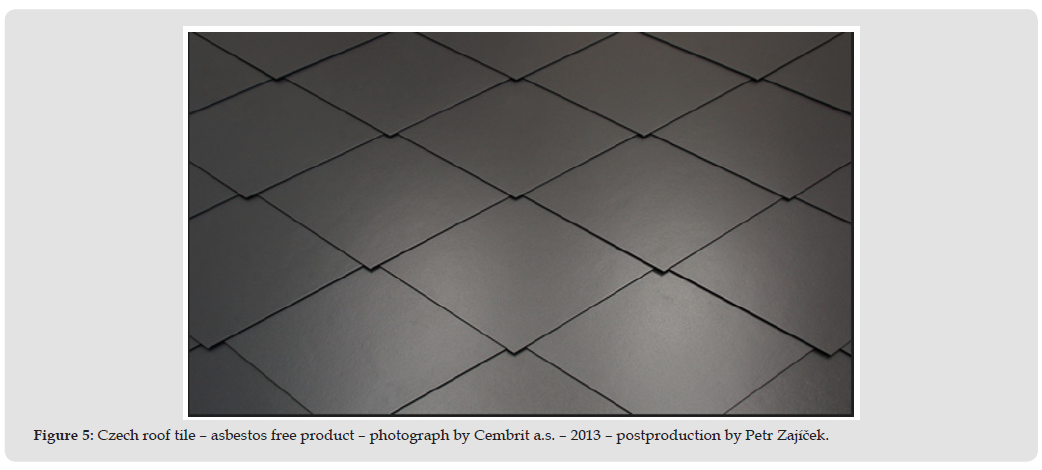
Where Eternit is to be replaced with asbestos-free Eternit using roof tiles, their shape, colour and technology must reflect the original Eternit roof covering. The methodology in the “Principles of Care for Rural Structures” presents a relatively positive attitude to the architectural value of Eternit roof covering with regard to historic monuments and elaborates on the options available when replacing this type of roof covering. Initially, the methodology states; “…while Eternit roof covering was mostly rejected in monument care in the 1960s and 1970s, its massive application mainly in submontane regions helped to save many buildings, in particular timbered houses, where Eternit was used to great extent. Eternit is preferable over sheet metal, as its appearance with weathering over time is similar to the traditional slate.” The methodology explains the options when replacing Eternit as follows: “Tiles are the only acceptable type of Eternit. Large corrugated pieces are highly unsuitable. Since Eternit is an alternative roof covering material, it is logical to replace it with the original type of covering, i.e. shingle or slate. Alternatively, it can be replaced with the same type. This is the so-called Beronit, available in various tones and with surface resembling that of slate [14]”. On the other hand, asbestos cement roof covering on historical roofs, i.e. Eternit, is the most significant source of asbestos exposure in construction. Eternit contains 10-12% of asbestos. Eternit seems to be a model example of confrontation between the objectives of monument care and those of health protection.
System Issues in Monument Care concerning Replacement and Conservation of Historical Asbestos Cement Roof Covering
What should be the preferred approach to the vast quantity of original Eternit roof covering? Václav Kupilík wrote in his paper “The Most Important Carcinogenic Materials in Construction” in 1994:
• The concentration of asbestos fibres in open space without asbestos
cement roofs is approximately 100 fibres/ m3.
• The concentration of asbestos fibres in open space near buildings
with asbestos cement roof covering is up to 300 fibres/m3
[15].
This study considers these details to be relevant. These details are clear arguments for careful and long-term approaches. And now briefly on the topic of asbestos-free roof covering that can be used in historically valuable settings – documents concerning the state’s monument care use the term “Beronit”. Brief description of the his tory of this term may be useful; from the beginning of the 1980s, the factory producing Eternit in Beroun sought ways for transforming the production to asbestos-free roof covering. After merging with the foreign partner, Dansk Eternit Holding, the company was transformed into Beronit a.s. in the first half of the 1990s and produced new asbestos- free covering under this name. Roof covering for valuable historical buildings based on cement and cellulose and synthetic fibres is currently produced under different trade names, such as Betternit, Dominant and Horal. The applied surface finish including acrylate paints and waxing provide a certain level of protection against weather conditions. The viability of conservation of original asbestos Eternit roof covering is a question.
The available literature shows that as the awareness of health risks associated with asbestos grew in the 1970s and 1980s, increasing attention was paid to the options of surface finishing and thus stabilising asbestos cement products. For example, a top coat entitled Eternex, polyacrylate water dispersion, appeared on the market. However, no methods achieved the necessary long-term stabilisation of Eternit roof covering. The following technological consideration was interesting at the time: “Virtually all coatings degrade, crack and peel off after a certain time of exposure to challenging conditions. Preliminary stabilisation of the asbestos cement mixture through autoclaving or drying, i.e. removing all mass after the required strength is achieved, is an effective way of addressing flawless surface finish [16]” (Figures 1-5).
Epilepsy is a symptom of many diseases. Before a diagnosis of idiopathic epilepsy can be made primary metabolic disorders or intracranial lesions must be excluded. A diagnosis can usually be made after a careful history and examination, but simple outpatient investigations such as electroencephalography, radiographs of the skull, and biochemical tests are often helpful. Occasionally full inpatient studies are necessary. If there is an underlying metabolic disorder or intracranial lesion, such a tumor, the primary condition must be treated. In the management of epilepsy there are two major considerations. The first is the control of the seizures. Drug therapy should aim to prevent the attacks without producing disabling unwanted effects. Second is the social care of the of the patient, for children education may be difficult, and for adults there are often problems with employment and personal life [7]. In the normal brain, dentate granule cells block seizure from entorhinal cortex to the hippocampus. A hypothesis is that granule cell dispersion may disrupt the normal massy fiber pathway connecting granule cells CA3 pyramidal cells leading to massy fiber sprouting and new excitatory networks capable of generating seizures [8]. Cortical dysplasia is a brain malformation may cause abnormal cortical layers (dyslamination), occur with abnormal neurons (dysmorphic neurons, ballon cells) and may occur with a brain tumor or vascular malformation [6]. It is very pleasure for us to insert a beautiful sentence by Sir William Turner [9].
Just as it is desirable before studying the geology of a district to have the surface carefully surveyed and accurately mapped out, so it is advisable that the topography of the convolutions of the human cerebrum should be satisfactorily ascertained before an analysis of the intimate structure and deep connexons of the gray matter can be put forth with the necessary exactness.
Figure 1
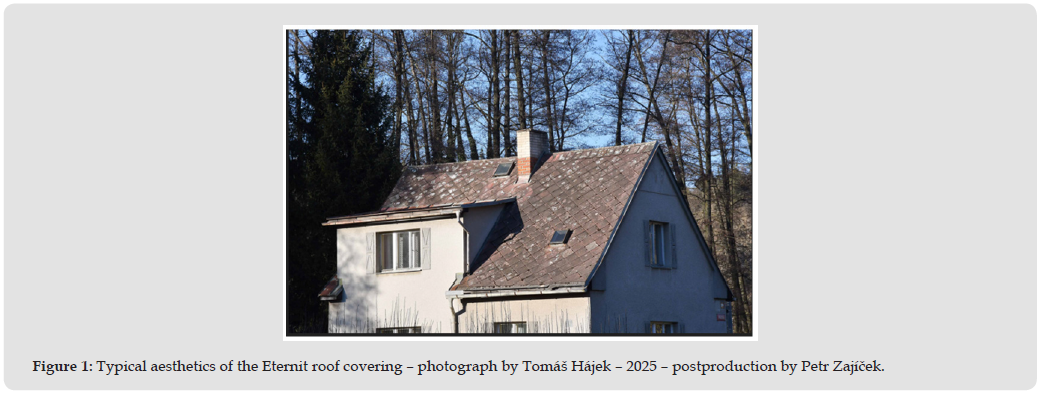
Figure 2

Figure 3

Figure 4
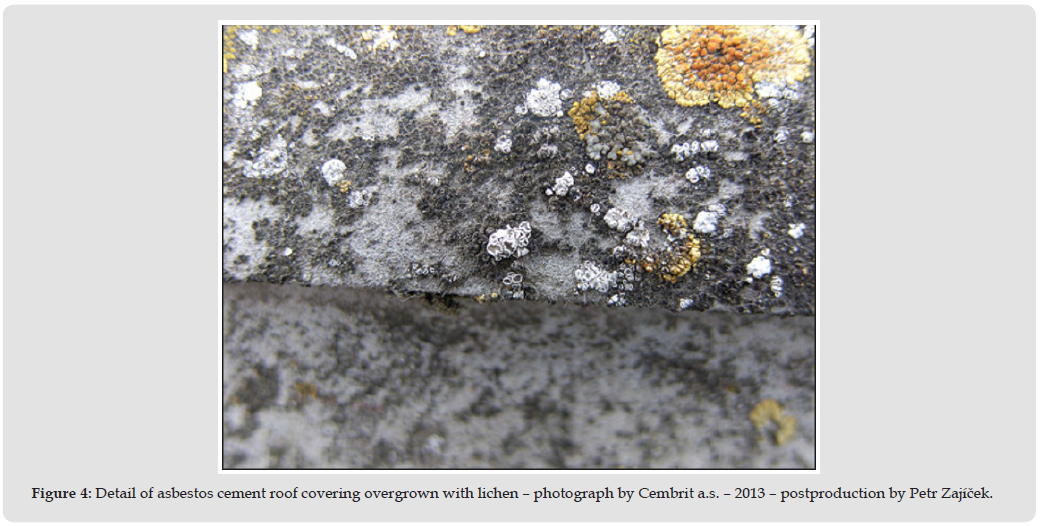
Figure 5
The internal microclimate of historic monuments is a key factor for preservation and use of historic monuments. The microclimate depends on the design of their structure and continuously changes depending on the current external conditions and the character of interior use. Agents are the starting point for classification and identification of internal microclimate; these have the character of energy or substance. Individual combined agents can be converted to their “prime elements”, i.e. individual key components of internal microclimate. As regards microclimate components, the basic definition considers odour, thermal and moisture, acoustic, aerosol, microbial, ionising and light microclimate.
Overview of Components of Internal Microclimate of Buildings
Odour Microclimate: This component of microclimate is formed by gaseous components of the climate, the so-called odours and their flows, which are perceived by people as good or bad smells and influence the overall conditions. According to the Zwaardemaker scale, five basic types of odour can be defined: ethereal (human scent), aromatic (scent of decaying ripe fruit), isovaleric (smell of smoking tobacco, smell of sweat), rancid (smell of dairy products), and narcotic (smell of disintegrating proteins). Air quality is generally difficult to identify and interpret. The so-called stuffy air, as frequent subjective manifestation of deteriorated quality of odour microclimate with certain overlap to thermal and moisture microclimate, is characterised by concentration of CO2, content of vapour or other odours, but not by concentration of O2. “Sultry” climate is another odour characteristic that points to overlapping of individual microclimate components.
Thermal and Moisture Microclimate: This component of microclimate determines the character of the overall subjective feeling as regards the general condition of the internal microclimate. It consists of heath and vapour mainly produced by people. Heat is generated in the human core, mainly in the liver, and distributed around the body via bloodstream. In the case of hypothermia, the organism protects itself by reducing the flow in peripheries, i.e. by physical thermoregulation, and if hypothermia continues, heat is produced using chemical and metabolic pathways. “Thermal comfort” is a traditional subjective criterion applicable to the condition of the thermal and moisture microclimate. It is determined by the combination of temperature of the air, temperature of surfaces, air flow rate, air humidity, thermally insulating properties of clothes and physical activity of an individual.
Acoustic Microclimate: Sound is characterised by acoustic pressure and frequency. Energy or the intensity of sound is directly proportional to the squared value of acoustic pressure; the human ear registers p2 in thirteen orders – this results in determination of noise level L (dB). Noise is described as unwanted or bothersome sound. Acoustic microclimate has a defined threshold, below which the relevant health effect will not manifest over long term, but at the same time influences humans regardless of threshold, as any relevant limit cannot be determined for certain effects of this microclimate. Threshold is typical for specific effects of noise, i.e. effects on the hearing apparatus. Although hearing loss, in particular in higher frequencies, is typical for ageing, this process is significantly accelerated when values above the relevant threshold are reached. In the case of the effect regardless of threshold, the acoustic microclimate may threaten the human health significantly owing to cumulation of small doses, for example by deviation of parameters essential for proper physiological functioning of the cardiovascular system. Healthy sleep as a key condition for healthy functioning of an individual may be disrupted even by very low exposure to sound and noise and this may lead to major nervous disorders. Generally, the effects of acoustic microclimate on people depend on how the acoustic information is processed by the recipient. The effect is not influenced by the fact whether the sounds are musical, euphonic or non-musical.
Stronger manifestations of acoustic microclimate interrupted with tonal components, impulses or impacts are biologically more effective and therefore more harmful to human health. Manifestations of acoustic microclimate in the form of quiet and stable sounds and noises are associated with lower risk. Broadband noise has more significant effect on circulation, while narrowband or tonal noise has stronger effect on the hearing apparatus and is subjectively perceived as more disruptive. Approximate values for certain non-specific or specific effects of noise are defined in terms of intensity:
• Over 30 dB influences the nervous system and mental state,
• Over 60–65 dB influences the vegetative system (such as blood pressure, increase of sugar in the blood),
• Over 90 dB poses a risk for the hearing apparatus,
• Over 120 dB damages cells and tissue,
• Over 140 dB entry to workers is prohibited even when using personal protective equipment.
Practical examples of varying biological effects of noise in different environments:
• Critical effects on health in a bedroom may occur at the sound level of 30 dB over eight-hour interval of exposure.
• Critical health effects on hearing disorders occur in industrial, commercial and transport premises at the sound level of 70 dB with 24-hour exposure.
Aerosol Microclimate: This component of internal microclimate is formed by solid and liquid aerosol of organic or inorganic origin. Health risks of the aerosol microclimate are wide ranging.
Microbial Microclimate Mainly from the Aspect of Multilevel Impact of Mould on Health
The following can be stated from the perspective of the Czech legislation when describing the microbial microclimate of the interior of buildings:
a) Microorganisms and dust mite allergens are considered to be biological indicators affecting the human health.
b) Microorganisms include bacteria and moulds. Digestive enzymes of dust mites from the Pyroglyphydae family contained in their digestive tract and excreted along with dust mite excrements are considered dust mite allergens.
c) Guanin is the indicator of the presence of dust mites.
d) Adequate condition of living spaces in terms of microbial microclimate is determined, among other factors, by unacceptability of visible growth of moulds on walls. Concentration of mould may not exceed 500 CFU/m3 and concentration of bacteria with defined collection procedures may not exceed 500 colonies/1 m3 of air.
Let’s focus in more detail on fungi and moulds. Fungi are heterogeneous organisms with nourishment dependent on organic substrate, such as hummus in the soil. They are classified as a separate Mycota division under thallus plants. Moulds specifically mean microscopic fungi that form fine fibrous coatings on various substrates. Mycelia of basidiomycota may have a mould-like character, i.e. fine, fibrous cover, but these are not classified as moulds. Moulds are individual genera and species from the Mucorales order, Moniliales order and Mycelia sterilia order. The Mucorales order consists of the most common moulds. These are the first to occupy an organic substrate. The Moniliales order (formerly referred to as Hypomycetes) forms free mycelium on a substrate, penetrating it partially. The Mycelia sterilia order contains genera that only form mycelial cover with vegetative reproduction with sections of fibres, clusters of cells or sclerotium. Microscopic fungi affect human health as pathogens at several levels:
a) Mould spores are potent allergens in the interiors of residential buildings, causing atopic disorders and bronchial asthma, in particular in children.
b) Mycelium of moulds, as well as spores produce mycotoxins that may have acute toxic effects and from a longer-term perspective mutagenic, teratogenic and carcinogenic effect.
c) In the process of growth, moulds produce volatile organic substances, which are perceived by people as mouldy odour. These may damage the mucous membranes of the airways and eyes and cause skin irritation and headache.
d) Moulds may also be dangerous as the cause of mycotic diseases, although this is not common in regular conditions of living spaces in residential buildings.
Let’s focus on individual moulds occurring in the interiors of buildings as more or less dangerous pathogens [17]:
The Aspergillus Fumigatus Group: the group belongs to the Moniliales order and is intensively present around the world in soil, on organic matter and often on damp stored grains. It is a pathogen for animals, as well as humans. It produces the antibiotic fumigatin. It causes bronchiectasis and pulmonary mycetoma in humans and generally is a dangerous pathogen for people with weak immunity. Aspergillus fumigatus growing indoor on certain materials produces the so-called gliotoxin, a genotoxic and cytotoxic mycotoxin.
Penicillium Marffenei: The Penicillium genus from the Moniliales order includes a great variety of species spread worldwide. These form low growth of predominantly green colour. The genus is considered to be relatively unimportant with regard to pathogenicity to humans, with the exception of Penicillium marffenei, which may cause systemic infection with anaemia and pyrexia with possible lethal effects. The occurrence of Penicillium marffenei is associated with the presence of rodents, in particular rats. Aspergillus versicolor is a typical slowly developing mould in damp indoor environments on food or permanently moist materials, such as textile or wood. It produces an odour typical for damp indoor spaces and hepatotoxic and carcinogenic mycotoxin sterigmatocystin. Similarly to the rest of the Aspergillus genus, it strongly irritates the eyes, nose and throat.
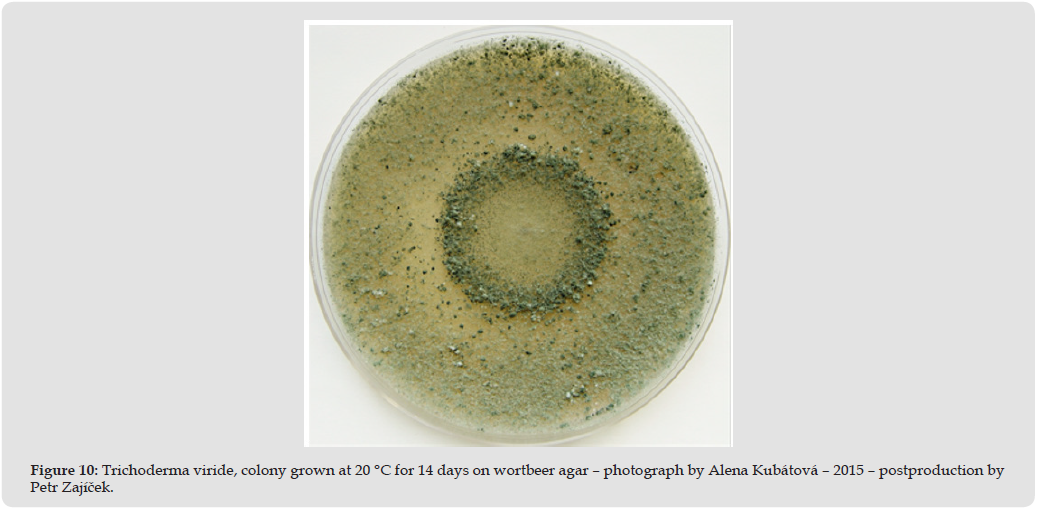
The Aspergillus ochraceus group can be found in soil and on fermenting residues. It produces ochratoxin, a toxin with neurotoxic, immunosuppressive, carcinogenic and teratogenic effect for animals and humans. The spores of Aspergillus ochraceus cause asthma, in particular in children. The mould may cause a specific mycotic disease in humans. Stachybotrys chartarum develops on damp construction materials rich in cellulose. When widely spread on straw or old paper, the spores may cause allergic diseases of the respiratory tract, the socalled farmer’s lung disease or librarian’s lung disease. This mould is associated with the so-called sick building syndrome. Trichoderma viride belongs to the Moniliales order. It is present in attics, on stored cereals and often on wood, which may degrade due to the enzymes produced by the mould. Toxins that may cause enterotoxicoses have been found in this mould. The Aspergillus niger group very frequently contaminates food, as well as indoor spaces. It is frequently isolated from the outer ear canal and identified as the cause of otomycoses. It also causes pulmonary aspergillosis and produces mycotoxins. Rhizopus oryzae from the Mucorales order develops on dead organic material and is an occasional human pathogen. It may cause a mycotic disease in humans. Rhizopus nigricans Ehrenberg is one of the most frequently occurring moulds from the Mucorales order. It may contaminate food and produces toxins (Figures 6-10).
Figure 6
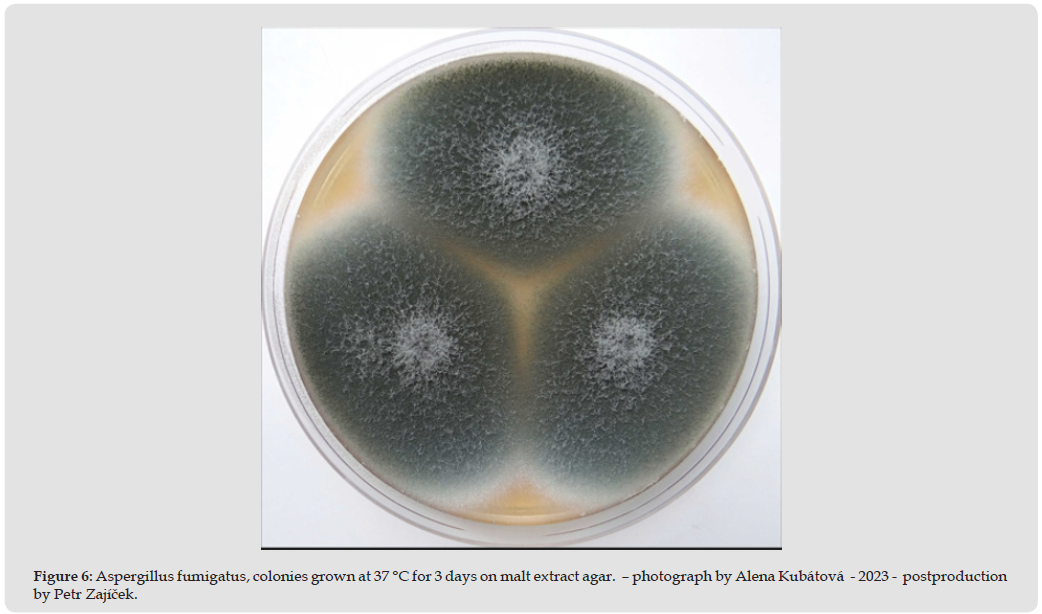
Figure 7
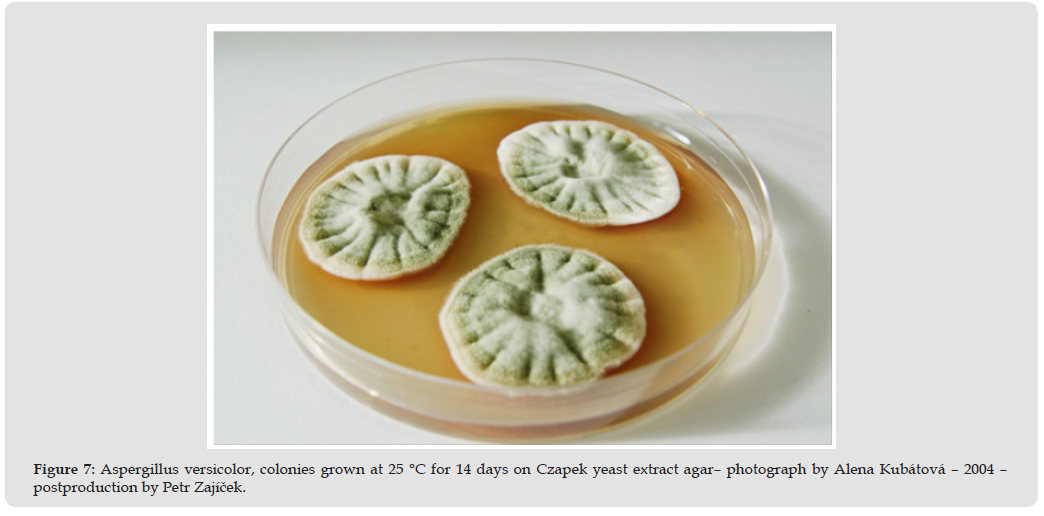
Figure 8
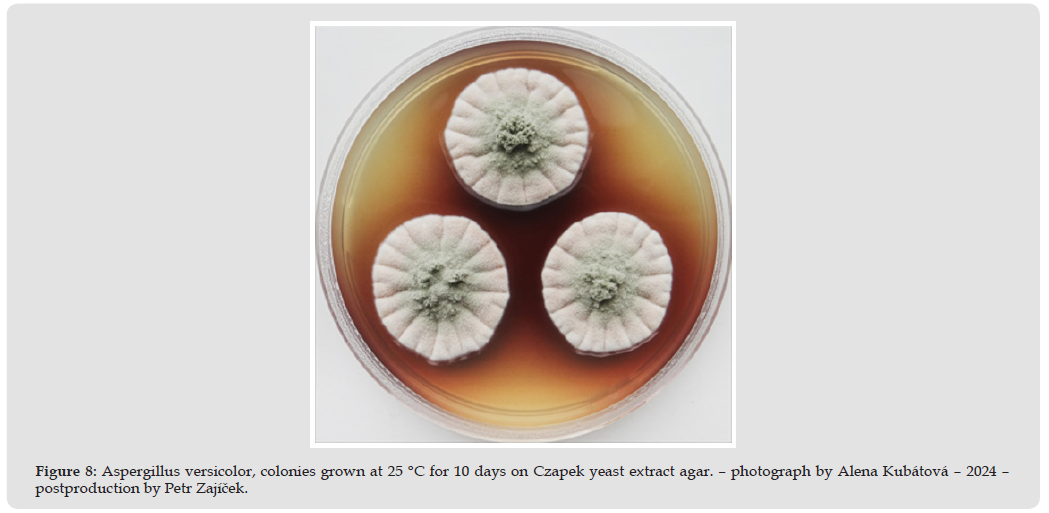
Figure 9
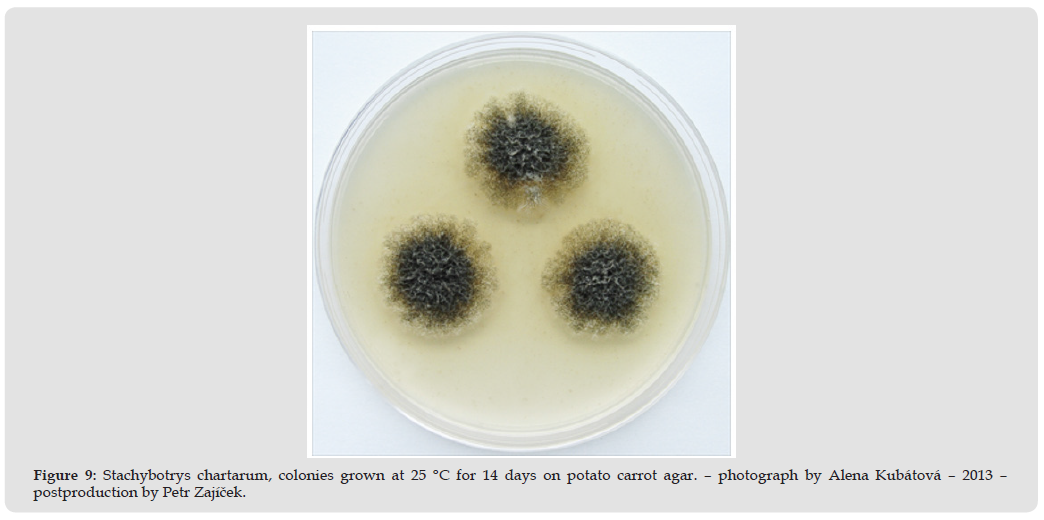
Figure 10
Ionising Microclimate
The topic of ionising microclimate is multifaceted, and its importance is increasing. From the perspective of this microclimate, distinguishing between light ions and heavy ions is important. Light ions are individual ionised molecules, while heavy ions are form by adsorption of light ions on dust particles or other condensation cores, or by aggregation of light ions. High concentrations of light ions can be found in upper layers of the atmosphere, above oceans. The environment of industrial and residential areas is mainly occupied with heavy ions, but these are an instable component of the atmosphere, as they rapidly sediment and lose their charge. The impact of ionised air on human health is manifested in the airways, where ions easily hand over their charge. Their physiological effect is evident in the activities of the ciliated epithelium of the airways, including the production of mucus. The effects are also manifested in changes in electroencephalogram, or in changes in blood pressure and metabolic indicators, including the blood pH. The positive effect of light negative ions on human health should also be mentioned. These produce fresh sensation and have a general positive impact on the organism owing to improved tissue respiration and direct impact on the central and peripheral nervous system. Their effect on certain pathological conditions, such as hypertension, Basedow disease, bronchial asthma, rheumatism, tuberculosis is therapeutic [18].
The phenomenon of the intense subjective feeling of rooms that are not aired is associated with the drop in concentration of light negative ions; no objective changes in the chemical composition of the atmosphere in rooms that are not aired cannot provide satisfactory explanation for this phenomenon. The so-called air ionisers have been developed in connection with the effects of light negative ions and sick building syndrome has been considered more widely.
Light Microclimate
The topic of light microclimate has a major impact on the character of design and usage of buildings. The usage of light or daylight is essential at three levels:
a) It satisfies the basic physiological need in humans, as we need daylight during the day to control biorhythms and to support immune and reproductive system. A certain physiological minimum level is determined by the so-called daylight factor, the minimum daylight factor for side arrangement being 15% and the average daylight factor being 3% for upper or combined lighting arrangement.
b) It satisfies the basic hygienic needs in humans, in particular with regard to the quality of optic perception. Daylight with its dynamic changes allows the optic organ to perceive brightness and colour contrasts important for distinguishing details.
c) It satisfies people’s needs with regard to their mental comfort. Preferring artificial light over natural daylight leads to the sick building syndrome as a typical mental discomfort of the modern times similarly to light effects such as dazzling, flashing artificial light at night or loss of visual contact with the outer environment.
Components of Internal Microclimate in Internal Environment of Historic Monuments Odour Microclimate in Internal Environment of Historic Monuments
The specific character of the creation of odour microclimate in historic monuments stems from the fact that most of these monuments are now used for purposes greatly different from the purposes defined at the time of their creation. Historic monuments currently function in radically different social settings, often serving public cultural purposes with the associated smaller or greater numbers of visitors. The odour microclimate of historic monuments may be influenced significantly and specifically by their interiors containing the original historical furniture, including original works of art and craft, which are conserved and restored. The interiors including furniture are used to present historical and monument values to the public through various installations or museum methods. Various types of chemical substances are released into the indoor atmosphere of historic buildings from conserved and restored cultural heritage items and these significantly contribute to the specific character of odour microclimate of historic buildings [19]. The following overview is presented as an example:
• Organic acids are released from wood (oak, birch, beech).
• Volatile sulphides are released from protein glues, wool and rubber.
• Nitrogen oxides are released from nitrocellulose (nitrocellulose lacquer, celluloid).
• Hydrogen chloride vapours or polymer softeners are released from polyvinyl chloride (PVC).
• Formaldehyde is released from Bakelite, Formica or chipboard.
Naturally, these chemical substances specific to the interiors of historic buildings interact with traditional components of odour microclimate. VOC (volatile organic compounds) are a promising new topic. A group of indoor VOC pollutants, such as formaldehyde, acetaldehyde and other chemical components are typical for interiors of libraries and archives. Therefore, these are mainly aldehydes released during depolymerising and degradation processes in cellulose and lignin. The highest concentrations are reached in depositaries with a lack of airing. The holistic unity of the man and the historic monument is typical for these pollutants; on the one hand, they pose a risk for maintaining the value of the historical environment including any collected items, on the other hand they may pose a risk to the health of staff and visitors [20].
Thermal and Moisture Microclimate in Internal Environment of Historic Monuments
Similarly to the odour microclimate, the thermal and moisture microclimate in historic monuments is specific owing to the majority of these serving functions different from those defined at the time of their establishment. In addition, historic monuments are in radically changed environment, in particular in urban areas, and people change too. The thermal and moisture microclimate of historic monuments open to public is a typical problem, as it reflects the conflict between the burden of visitors arriving and the need to maintain a good condition of the interior and furniture of historic monuments as an exhibit with regard to conservation and restoration [20]. The complexity of this topic is compounded by the specificity of urban, architectural and construction design of the relevant historic monument. For example any usage of air conditioning equipment in historic buildings is highly problematic due to the pressure on maintaining valuable historic materials and construction arrangement. Interaction between individual components of thermal and moisture microclimate may cause direct risks for human health. However, these can be expected mainly in extreme cases, for example with major increase in the moisture content in the interior and its biological effects. These are often the end result of a series of unsuitable decisions in the management of a historic building used, for example, as a museum [21].
Once more, the holistic unity of the man and the historic building is evident: the increasing and measurable risk to human health indicates that the environment may be degraded at the same time from the perspective of historical and monument values. Old buildings are typical for their thermal properties not meeting the requirements for economical energy management. The current trend in modernising renovations involves mainly thermal insulation of outer walls and replacement of windows. Low permeability results in significant reduction of natural ventilation and elimination of vapour. Increased moisture may lead to the growth of microscopic fungi with all risks arising from this situation for the man and the historic building. The need to revise the approach to transformation of historic monuments is evident. However, the need for continued transformation of historic monuments should not be questioned.
Aerosol Microclimate in Internal Environment of Historic Monuments
To summarise the knowledge of this topic:
a) The assumption is that indoor pollutants generally represent a wide range originating outdoors with a significant impact of airborne dust, and indoors. The manner and the extent to which building cases influence the composition of indoor atmosphere is an important direction in the current research in aerosol climate of historic monuments [22].
b) The evidence points to clear outdoor origin of SO2, NO2 and O3 in particular due to combustion processes in vehicles. On the other hand, VOC are clearly of indoor origin. Indoor concentration of gaseous NH3 is caused by infiltration of NH4NO3 from outdoors, as ammonium nitrate subsequently disintegrates into gaseous ammonia and nitric acid, which is promptly adsorbed on materials. These degrade within a short time and concentration of nitric acid in the indoor atmosphere is subsequently close to zero.
c) The fact that indoor pollutants in historic monuments used for museum purposes have negative effect on materials, as well as human health is an important aspect with regard to methodology. O3 as a powerful oxidant, which reacts, for example, with terpenes, and NO2, which is disintegrated into NO and atomic oxygen, which subsequently trigger additional reactions, have an impact on materials, as well as human health, including carcinogenesis. Acidic pollutants have corrosive effect on materials such as stone or metal, and facilitate the occurrence of respiratory diseases, i.e. allergies and bronchial asthma. VOC pollutants released from carpets, furniture, paints and lacquers, among other sources, have an impact on materials through depolymerisation of cellulose, as well as human health, for example in the sense of carcinogenic effect of formaldehyde. NH3 in the indoor atmosphere has degrading effect on materials and facilitates diseases in humans, such as mucous membrane pemphigoid or lung cancer.
Microbial Microclimate in Internal Environment of Historic Monuments
This topic highlights the significant interconnection among individual components of the microclimate of the interior of historic monuments and the fact that their division is rather arbitrary. This can be demonstrated on the example of interconnections between the thermal and moisture microclimate with the microbial microclimate in the context of moisture in historic monuments and the consequential growth of microscopic fungi indoors. The microbial microclimate in particular with regard to moulds is a traditional topic tackled in monument care. It is important to point out that a certain water content in the substrate the moulds grow on is the key prerequisite for their occurrence. What are the causes of moisture in historic monuments? There are generally two sources. The first set of causes involves construction and technical defects of the relevant historic monument. This may mean water leaking into the structure through unsuitable or unmaintained roof covering or poor sealing around windows. Ground moisture may also rise or condensed vapour from the air may affect places with poor thermal insulation properties of a part of the construction (the so-called thermal bridge). In these cases, water moves into walls in small amounts but over a long period of time. Major construction defects, such as burst water pipes, with one-off and rapid intake of water into walls are also one of the possible causes.
Unsuitable usage of individual historic monuments is the second reason for mould growth. Mould growth is promoted by activities associated with production of vapour in combination with poor ventilation. Vapour condenses on walls and water is subsequently absorbed in walls. Historic monuments may also be colonised with moulds due to insufficient or occasional heating and ventilation. Insufficient cleaning due to unsystematic and limited use of a historic monument may also lead to the growth of moulds. Moulds occur frequently in spaces with plastic window frames and glassed in balconies, and this situation may occur in the case of historic monuments after unsuitable transformation. The topic of hygienic parameters of swimming pools, for example in hotels, is a marginal topic, which should be mentioned for completeness. These swimming pools often increase in historic value and may even become monuments, at the same time they significantly contribute to the completeness of the historical environment or support the usage of the historical environment. Content of free and combined chlorine is worth mentioning in the context of the Czech legal environment. Free chlorine content in particular indicates potential exposure to carcinogens. Maximum attention is paid to bacterial assay of pool water, during which, for example Legionella, the cause of the so-called legionnaires’ disease is monitored.
Ionising Microclimate in Internal Environment of Historic Monuments
The sick building syndrome is specific especially to office buildings, yet it affects any buildings after low-quality reconstruction with poor ventilation. This issue therefore potentially applies to historic monuments after insensitive modifications.
Light Microclimate in Internal Environment of Historic Monuments
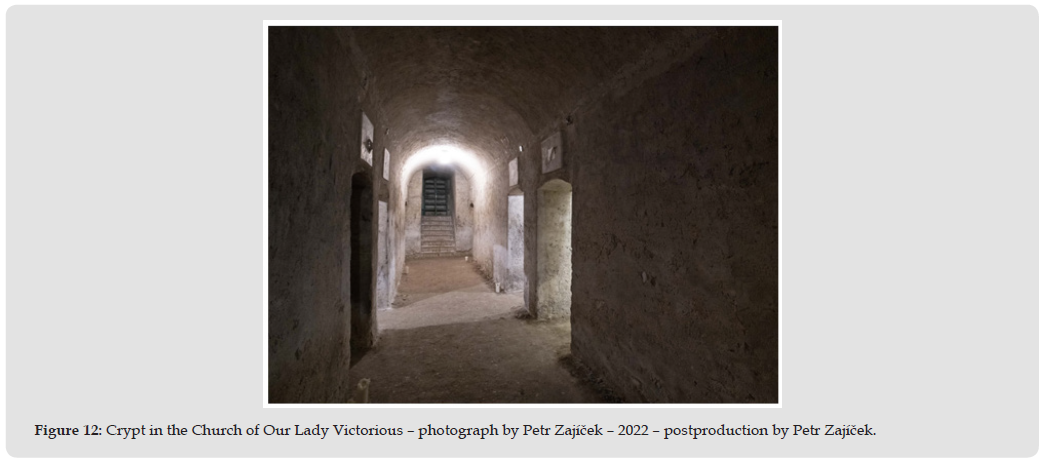
The light microclimate in internal environment of historic buildings is greatly influenced by the construction and technical parameters of the relevant building. From this perspective, appropriate transformation of the relevant historic monument may often be the prerequisite for ensuring suitable light microclimate in the relevant building. This means overall modification of the building, including any change to the layout to satisfy the basic hygienic standards concerning indoor lighting. The effects of light, including the effects of artificial light, on museum exhibits in the interiors of historic monuments have been greatly studied and described amply [23,24] (Figures 11 & 12).
Figure 11

Figure 12
Microscopic Fungi as A Factor in Degradation of Artworks
The following table is adapted from foreign literature on this topic [25] (Table 2).
Table 2: Overview of microscopic fungi as factors in artwork degradation.

Mycotoxins of Microscopic Fungi in Museum Interiors The topic of stability and degradation of mycotoxins and their highly complex effects needs to be continuously discussed in the context of the occurrence of microscopic fungi in museum interiors. As regards microscopic fungi, the most significant mycotoxins are metabolic products of the Aspergillus, Penicillium, Fusarium, Claviteps, Alternariaa and Stachybotrys genera. It is therefore clear that a wide range of mycotoxins with significant health risks may be encountered in interiors of museums. On the most important mycotoxins from the Aspergillus, Penicillium and Fusarium genera:
a) Aspergillus flavus and Aspergillus parasiticus are producers of aflatoxin, along with aflatrem, kyselina α-cyklopropiazonová, ochratoxin.
b) The most significant toxins of the Penicillium genus include anthraquinones, citreoviridin, citridin, patulin, penicilloic acid.
c) Toxins from the Fusarium genus include a group of trichotecene toxins, such as T-2 toxin or deoxynivalenol. As regards major trichotecenes, it should be mentioned that the Trichoderma viride species produces the Trichodermin mycotoxin [26].
What are the biologic effects of individual mycotoxins?
a) Acute and chronic toxicity. Out of the four major aflatoxins (B1,B2,G1,G2), aflatoxin B1 has the highest toxicity. Besides general toxicity, there is also organ-specific toxicity; aflatoxins and ochratoxines are hepatotoxic, citridin causes nephrotoxicity, and citreovirin is cardiotoxic. Aflatoxins are toxic substances produced by microscopic fungi growing in particular on plants and seeds. As countries with colder climatic conditions import agricultural products from areas with high occurrence of aflatoxins, their presence is a serious worldwide problem [27]. As regards aflatoxins, it is important to point out that they belong to “toxic and infective antipersonnel agents stockpiled or otherwise weaponized for state forces since 1946 according to official documents of their possessor states [28].
b) Cytotoxicity and immunosuppressive effects are also among the effects caused by mycotoxins. Cytotoxicity inhibits growth and limits mitosis. Generally it is associated for example with carcinogenicity. As regards immunosuppressive effects, for example food poisoning that caused the so-called alimentary toxic aleukia was observed in Siberia in 1913. The immune system was suppressed, and mortality reached 60%. The isolated moulds included Fusarium sporotrichoides, which infects stored grains and produces the epoxytrichotecene toxin.
c) Additional effects of mycotoxins include teratogenicity, mutagenicity and carcinogenicity. In particular aflatoxins are clear etiological factors in the development of primary liver tumours. Sterigmatocystin is also a strong hepatocarcinogen. Ochratoxin caused kidney cancer in animal experiments.
d) Biological effects of mycotoxins may also include specific mycotoxicosis types: alimentary toxic aleukia, dendrodochiotoxicosis (humans and horses), Kashin Beck disease, Urov disease, stachybotryotoxicosis, cardiac beriberi, egotisms, Balkan nephropathy, Rey syndrome, hepatocarcinoma, etc.
Mycotoxins and their Anticancer, Insecticide, Antimicrobial and Phytotoxic Effects
Besides being carcinogenic, mycotoxins may also have cancerostatic effects, which means that they inhibit the growth of cancer. Findings suggesting cancerostatic effects of mycotoxins in animals with regard to trichotecene vukadin and roridin appear in literature. In addition, aflatoxin B1, fusaric acid and other mycotoxins work as insecticides. Many fungal metabolites currently classified among mycotoxins were originally discovered as antibiotics. Mycotoxins inhibit viruses, bacteria, fungi, protozoans, etc. Certain mycotoxins of the Alternaria genus are toxic to taller plants.
Mycotoxin Contamination and Interiors of Museums
Hygienic status of museums is undoubtedly an interesting and pressing topic. To quote: “Major European museums have recently introduced microbial monitoring programs including the measurement of fungal spores (in the air and on objects). These measurements may be used to determine the hygienic status of museums, including concepts for optimising this status, and special plans for extraordinary events may be developed.” Since the 1990s, opinions have been heard claiming that practically any obvious mycotic contamination of a museum interior is an extraordinary event, as air conditioning tends to spread local contamination throughout buildings and despite the existing range of protective methods, there are no reliable procedures capable of destroying moulds while avoiding any damage to artworks [29]. Let’s reiterate the issue of contamination mainly with moulds in the context of the discussed concept of hygienic status of museums: a) Microscopic fungi grown in the interiors of museums in historic, as well as newly built buildings.
b) The character of mycotic contamination depends on temperature, moisture, presence of dust and other pollutants in the indoor space. In addition, the development of microscopic fungi is further facilitated by their good metabolism of polycyclic aromatic hydrocarbons invading the indoor environment from the external environment on dust particles. Mycotic contamination is influenced by the character of the relevant building with regard to its thermal insulation, meaning that moulds occur on cold walls in contrast to the warm and moist interior.
c) In view of the mostly dry environment in the interior of museums with moisture changes associated, for example, with greater number of visitors, the mycotic diversity under normal circumstances is essentially limited to xerophilic and xerotolerant genera.
d) The mycotic diversity may only develop where relative humidity reaches 70%. However, studies have shown that hygroscopic materials allow moulds to grow even in significantly lower relative humidity. The relative humidity of 55%is the general threshold for the occurrence of mycotic contamination. However, certain empirical data shows that mycotic contamination also occurs in museums with relative humidity lower than 55%.
e) Microscopic fungi grown below the threshold of 55% relative humidity where the microclimatic structure of museums has been underestimated, for example with regard to local airing in particular in those places where dew point is reached near cold walls. Mycotic contamination may appear despite the overall monitoring of relative humidity not indicating increasing level of risk when major pollution with dust outdoors directly implicates dust pollution indoors. Naturally, any water leakage or floods are a risk.
f) There are limited options in effective disinfection methods. Gama rays are preferred (10-20 KGy), although these damage the structure of cellulose fibres. Chemical disinfection involves, for example, the use of methyl and ethyl bromide. The topic is subject to further studies.
The author would like to thank for assistance with working on the topic to:
Martin Maršík (member of leadership of the Guild of Tinsmiths, Roofers and Carpenters of the CR)
Pavel Vanoušek (member of the Parliament of the CR, Hygienic and Ecological Laboratories Cheb)
Miroslava Fridrichová (National Institute of Public Health)
Milan Mašek (management of Cembrit a.s.)
Petr Kotlík (Chairman of the Society for Technology of Monument Protection)
Olga Kotlíková (Society for Technology of Monument Protection)
Pavel Fára (Society for Technology of Monument Protection)
Alena Georgiadisová (Chief Editor of the specialised magazine Roofs, Facades, Insulation)
No conflict of interest.
Review comments pointed out three aspects that could be included to expand the presented study. To quote:
1. Expanding Case Studies – While the paper covers historical and technological perspectives well, including more case studies on contemporary solutions to similar problems would enhance its practical applicability.
2. Policy Implications – A discussion on how current regulations influence the intersection of health and heritage conservation would be beneficial.
3. Emerging Materials – The study could explore recent advancements in asbestos alternatives that maintain structural integrity while ensuring safety.
However, according to the overall evaluation of the Editorial Board Members, the study may be published in its current version. Therefore, the author decided to publish the study in this version, as the intended first step in international publication on this topic was to clearly define the key relationships between medical sciences and cultural heritage care. Review comments have pointed out a direction for further research in this relatively little studied interdisciplinary topic. The author of the study is grateful for these comments and will keep them in mind in his future work.

International Association of Landscape Archaeology, Czech Glass Society, Czech Republic

Department of Chemistry, Semenov Institute of Chemical Physics, USSR Academy of Sciences, Moscow, Russia

Department of Educational Sciences, Research Centre Qualities of Teachers, School of Education – HAN, Nijmegen, Netherlands

Associate Professor at Department of Breast and Thyorid Surgey, Chongqing General Hospital, China

Neurology, LA BioMed Research Institute, USA





 Abstract
 PDF
PDF