info@biomedres.us
+1 (502) 904-2126
One Westbrook Corporate Center, Suite 300, Westchester, IL 60154, USA
Site Map
 ISSN: 2574 -1241
ISSN: 2574 -1241
ISSN: 2574 -1241
Received:October 04, 2018; Published: October 15, 2018
DOI: 10.26717/BJSTR.2018.10.001895
After surgical operation or trauma, postoperative hyperglycaemia develops as a result of increased glucose production combined with decreased glucose uptake in peripheral tissues [1-2]. This is largely as a result of insulin resistance which is transiently induced within the stressed patient. It has been suggested that mechanisms for this phenomenon include the action of pro-inflammatory cytokines and the decreased responsiveness of insulin-regulated glucose transporter proteins [1-2].
Introduction | Background & Review of Literature| References|

International Association of Landscape Archaeology, Czech Glass Society, Czech Republic

Department of Chemistry, Semenov Institute of Chemical Physics, USSR Academy of Sciences, Moscow, Russia

Associate Professor at Department of Breast and Thyorid Surgey, Chongqing General Hospital, China
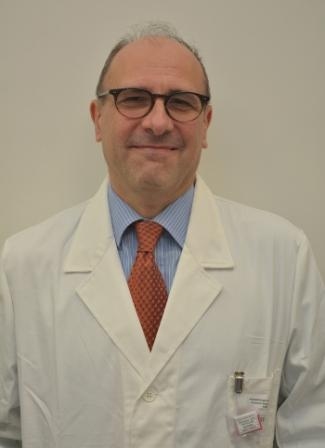
Professor of Nuclear Medicine, Faculty of Medicine and Surgery, University of Milan, Milan, Italy

Department of Pharmaceutical Sciences, South University School of Pharmacy, USA





 Full Text
 PDF
PDF



























