info@biomedres.us
+1 (502) 904-2126
One Westbrook Corporate Center, Suite 300, Westchester, IL 60154, USA
Site Map
 ISSN: 2574 -1241
ISSN: 2574 -1241
ISSN: 2574 -1241
Received: March 12, 2026; Published: April 06, 2026
*Corresponding author: Elnaz Abedini, Faculty of Engineering, Department of Biomedical Engineering, Karabuk University, Karabuk, Turkey
DOI: 10.26717/BJSTR.2026.65.010161
Cell ecology and its mechanical characteristics have a significant effect on the behavior of cells. Although the biochemical elements of cell signaling have long been the focus of research, recent evidence indicates that physical signals play a crucial role in determining the processes in the cell. The present review is an important contribution to the existing body of knowledge as it explains the complex nature of the interaction between mechanobiology and epigenetics, especially in the area of stem cell fate regulation. Our hypothesis is that mechanical forces are bona fide epigenetic architects, which convert physical sensations into hereditary changes in the chromatin topography, which form the basis of stem cell identity and differentiation [1-3]. This paper is a synthesis of the existing literature on the methods of transducing extracellular matrix (ECM) stiffness, tensile stretch, and cellular geometry to nuclear signals directly and indirectly remodelling chromatin. We explore the molecular action, spanning the transmission of forces to the nucleus via the LINC complex, and their nuclear deformation [4-6] to the direct mechanical perturbation of chromatin architecture, both phase separation and alterations in accessibility [7-10]. More importantly, we examine the role of these physical signals in regulating the activity and localization of essential epigenetic enzymes, including histone deacetylases (HDACs), histone acetyltransferases (HATs), and Ten-Eleven Translocation (TET) methylcytosine dioxygenases, and thereby redefining the epigenomic state of stem cells [2,11].
We provide an illustrative example of cell type-specific mechano-epigenetic signatures that regulate differentiation, reprogramming, and quiescence through an in-depth analysis of mesenchymal stem cells (MSCs), induced pluripotent stem cells (iPSCs), and hematopoietic stem cells (HSCs) [12-14]. More so, we comment on the deep-seated pathological implication of broken mechano-epigenetic signaling on diseases such as fibrosis and cancer, where pathological epigenetic remodelling and disease progression are driven by abnormal mechanical environments [15-17]. Lastly, we also note the future therapeutic opportunities, including highly biomaterial design to CRISPR-based mechano-epigenetic editing, that use this “mechano-epigenetic code” of regenerative medicine and disease treatment [18-20]. It is desirable that a paradigm shift be encouraged in this review by understanding that physical forces are not just modulators but are the determinants of the epigenetic state and cellular fate.
Keywords: Mechanobiology; Epigenetics; Stem Cell Fate; Chromatin Remodelling; Matrix Stiffness; Mechanotransduction
Abbreviations: ECM: Extracellular Matrix; HDACs: Histone Deacetylases; HATs: Histone Acetyltransferases; TET: Ten-Eleven Translocation; MSCs: Mesenchymal Stem Cells; iPSCs: Induced Pluripotent Stem Cells; HSCs: Hematopoietic Stem Cells; HSCs: Hematopoietic Stem Cells; LINC: Linker of Nucleoskeleton and Cytoskeleton; ONM: Outer Nuclear Membrane; LADs: Lamin-Associated Domains; ATAC-seq: Assay for Transposase-Accessible Chromatin Using Sequencing; PRC2: Polycomb Repressive Complex 2; (TME) : Tumor Microenvironment; CSC: Cancer Stem Cell; scRNA-seq: Single-Cell Rna Sequencing
Cells are very sensitive to their surroundings and regularly mix biochemical and biophysical signals to make decisions regarding vital issues for their survival. This has been done at the expense of the physical microenvironment, which nonetheless is equally influential. The initial investigation of Engler et al. in 2006 [21] provided some light on a guiding principle: extracellular matrix (ECM) stiffness on its own had the potential to drive mesenchymal stem cell (MSC) differentiation, making mechanobiology one of the central pillars of cell biology. This finding brought forth a burst of knowledge in the sensing of physical forces by cells, mainly by integrin-mediated adhesion and cytoskeleton tension, and then translated into biochemical signals, commonly converging on transcription factors such as YAP/TAZ [22]. But the question remains, how do these temporal physical experiences get encoded into heritable cellular memories, as directing long-term cellular action and fate choices? This basic question is the basis of the idea of the so-called mechano-epigenetic code, a language according to which the mechanical forces impose permanent epigenetic codes on the genome [1,2].
Epigenetics, as a science, has concurrently transformed how we view the regulation of genes and is able to show how heritable modifications in the expression of genes can be made without necessarily having to influence the underlying DNA sequence [23]. Such changes, such as DNA methylation, histone changes, and chromatin remodeling, coordinate cell identity and plasticity [24,25]. Although unparalleled success has been achieved in the dissection of the enzymes and pathways that form and sustain epigenetic marks, the upstream signals that trigger and regulate these processes have been considered mainly through a biochemical prism. The majority of the extant reviews have therefore either been on either of the two domains (mechanotransduction mechanisms: how forces are sensed and transduced) or on epigenetic regulation (how chromatin is modified), but not necessarily in a comprehensive and mechanistic way [3]. This limited view leaves a critical gap, especially in the interpretation of complex cellular processes such as stem cell differentiation, where environmental cues determine the course of development.
This conclusion praises the thesis that mechanical forces are not strict modulators, but bona fide epigenetic regulators, which directly and indirectly modify the chromatin pattern to control gene expression and ultimately define stem cell fate [1-3]. Our hypothesis is that the interaction between physical cues and the epigenetic machinery constitutes a complex mechano-epigenetic code, which provides cells with a system allowing them to transform mechanical data into epigenetic memories that are stable and hereditary [12,26]. This feedback mechanism is necessary to ensure that the physical environment not only teaches epigenetic state but also the ensuing epigenetic changes; conversely, it can re-tune the mechanosensing capacity of the cell, hence creating a dynamic and responsive system [26,27]. In order to establish this complex connection, we shall initiate with the basic mechanistic framework describing the processes of transmitting physical forces of the ECM to the nucleus and eventually affecting the architecture of chromatin and activity of epigenetic enzymes [1,4,5]. Afterward, we will use it to discuss particular types of stem cells, namely, mesenchymal stem cells (MSCs), induced pluripotent stem cells (iPSCs), and hematopoietic stem cells (HSCs), to show how the mechano-epigenetic code controls their plasticity and fate choice [11,14,28]. Next, we will discuss the deep pathologic consequences of the failure of aberrant mechano-epigenetic signaling in diseases like fibrosis and cancer, where a disturbed mechanical homeostasis promotes pathological remodeling of the epigenome and disease progression [16,17]. Lastly, we will explore new ideas and directions and point out the enormous therapeutic possibilities emerging from decoding and manipulating this mechano-epigenetic code to regenerative medicine and specific disease protocols, including, but not confined to, the state-of-the-art biomaterial design and state-of-the-art CRISPR-based epigenome editing [18-20]. This interdisciplinary view is vital in a complete view of cell biology and has tremendous potential in establishing novel therapeutic options.
These mechanisms are complex signal transduction pathways where a complex series of molecular events, beginning with an extracellular mechanical stimulus and ending in an intracellular epigenetic modification, occurs. This mechano-epigenetic code demands the physical delivery of forces to the nucleus as well as subsequent transduction of such forces into biochemical signals that alter chromatin. This process is mediated by a complex net of proteins that preclude the notion that the mechanical sensations are only transient cellular responses, and can be transformed into long-lasting and hereditary epigenetic memories [1,12].
The Transmission of the Force to the Genome
The transmission of the force to the genome occurs via the action of transcription factors, which are innate elements of the innate immune system, and via the action of anti-inflammatory cells, which are natural arms of innate immunity.is through the action of transcription factors, which are natural components of the innate immune system, and through the action of anti-inflammatory cells, which are natural components of the innate immune system. The first stage in the process of transducing ECM-based mechanical signals into epigenetic modifications entails the physical transmission of the ECM forces to the nucleus [4,5]. This mechanosignaling pathway starts at the cell surface and goes deep into the nucleus, ending in chromatin remodeling. Integrins, transmembrane proteins that mediate binding to ECM components and link to the intracellular actin cytoskeleton, are the main mediators of extracellular mechanical forces [21]. The cytoskeleton is a dynamic network of actin filaments, microtubules, and intermediate filaments that forms a tensional network and produces and transmits forces throughout the cell [29]. This cytoskeletal prestress is essential for cell shape and integrity and is a significant determinant of force relay to the nucleus [29]. As an example, cytoskeletal changes in contractility, which can be transduced by Rho GTPases and myosin-II, have a direct impact on nuclear tension and deformation [30,31].
It is now known that the nucleus, which was traditionally viewed as a static organelle, is a mechano-sensitive organelle that is dynamically connected to the cytoskeleton [32,33]. The essential interface that supports this linkage is the Linker of Nucleoskeleton and Cytoskeleton (LINC) complex [1,4,5,6]. The LINC complex is a cross-linking complex of the nuclear envelope, a combination of inner nuclear membrane (INM) SUN domain proteins and outer nuclear membrane (ONM) KASH domain proteins [34,35]. SUN proteins (e.g., SUN1, SUN2) attach to nuclear lamins, intermediate filaments, creating a meshwork under the INM and chromatin, hence giving them a direct connection to the genome [1,4,36]. KASH proteins (e.g., Nesprins) are known to interplay with any form of cytoskeleton (e.g., actin filaments, microtubules, intermediate filaments, etc.) in the cytoplasm [37]. It is a physical bridge over which forces produced by the cytoskeleton may be directly relayed across the nuclear envelope into the nuclear lamina and thence to chromatin [4,5,38].
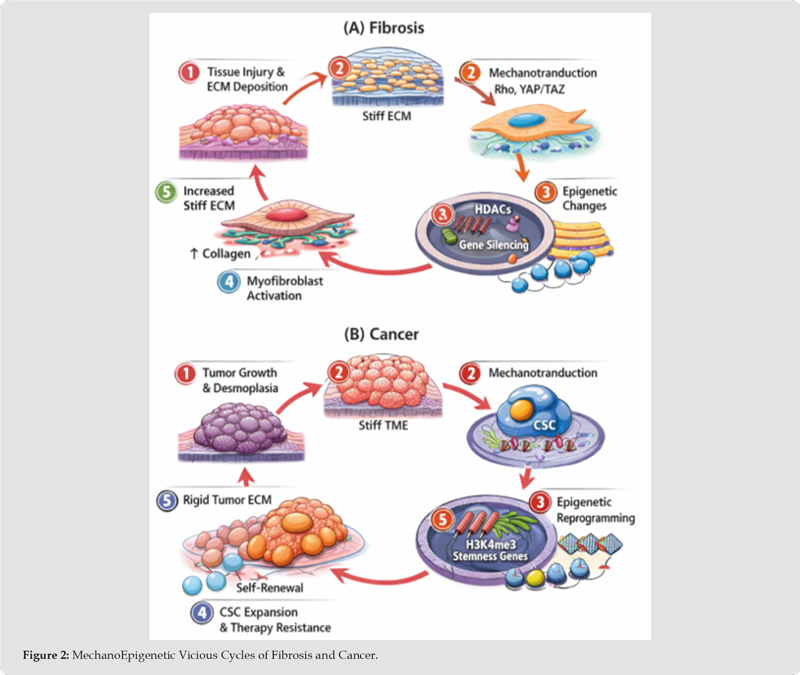
A direct outcome of the transmission of cytoskeletal forces through the LINC complex is nuclear deformation, which is a key trigger of downstream epigenetic changes [32,33,39]. Under applied mechanical strain, or cells on stiffer substrates show an increase in their nuclear stiffness and nuclear deformation [30,31,40]. This mechanical deformity of the nucleus is capable of directly changing the internal structure of chromatin, as in the following section, and this is an immediate mechanical input to the genome [32,41]. The nuclear lamina itself, which is mostly made of Lamin A/C, is a mechanosensor and a transducer [42]. The expression and phosphorylation state of Lamin A/C are mechanosensitive and highly affect the nuclear stiffness and control the accessibility of the chromatin and gene expression in relation to mechanical load [42,43]. The complex combination of these components: integrins, cytoskeleton, LINC complex, and nuclear lamina is the so-called mechano-signaling axis, which conveys physical signals to the environment on the genome, triggering the writing of the mechano-epigenetic code (Figures 1 & 2).
Figure 1
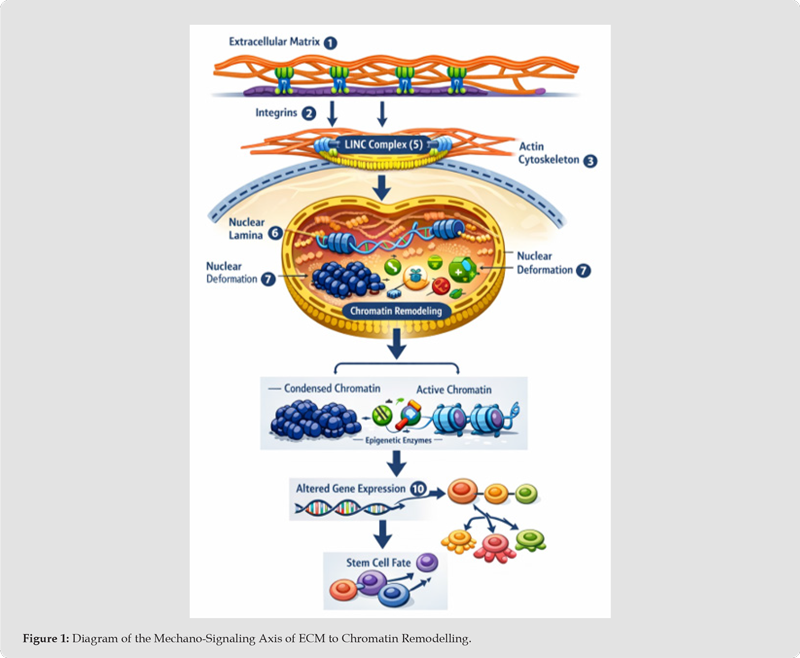
Figure 2
This schematic illustration shows a sequence of transduction of
mechanical forces by the extracellular matrix (ECM) to the nuclear
genome. Integrin receptors
1. That sense extracellular stiffness
2. Bind to the intracellular actin cytoskeleton
3. A signal of cytoskeletal tension and contractility
4. Is relayed across the nuclear envelope via the LINC complex
5. The LINC complex is a complex of SUN (inner nuclear membrane)
and KASH (outer nuclear membrane) proteins, which
physically binds the cytoskeleton with the nuclear lamina
6. The deformation of nuclear lamina
7. Has a direct impact on chromatin organization
8. Resulting in alterations in chromatin compaction, accessibility,
and recruitment/activity of epigenetic enzymes
9. Such mechano-epigenetic changes eventually remodel the
gene expression program
10. And this has an effect on stem cell fate. This orchestron is
a primary part of the so-called mechano-epigenetic code,
which converts physical information into the hereditary epigenetic
memory.
Direct Mechanical Action on Chromatin
In addition to the role of mechanically permitting the entry of forces into the nucleus, the mechanical cues have direct effects on the chromatin, which change its physical characteristics and accessibility. These would be the direct mechanical perturbations, which are a major pathway through which physical signals play a role in the mechano-epigenetic code [1,3,38]. Not only is the nuclear lamina deformation, which is a consequence of cytoskeletal tension, a passive effect of the transmission of forces, but it is also an active reorganization of chromatin [39,43]. The nuclear lamina intermingles with heterochromatin, especially through Lamin-Associated Domains (LADs) [44]. The tethering of the peripheral heterochromatin to the lamina may be altered due to changes in the mechanical stress or modification in the matrix rigidity [43-45]. As an example, soft environments have been demonstrated to cause heterochromatin dissociation of the nuclear periphery and lead to a more decondensed chromatin state and greater access to genes [43]. Stiffer conditions, on the other hand, may enhance heterochromatin condensation in the nuclear periphery and might prevent accessibility of certain loci of genes [45]. Lamin A/C and its integrity play a critical role in this process because they prevent the loss of chromatin accessibility during mechanical loading [42]. It has been shown that mechanical force can induce genes directly, not by compression of chromatin, but by stretching of certain chromatin domains, which can promote the recruitment of transcriptional machinery [36].
The other interesting feature of direct mechanical effects is the new role of chromatin phase separation [7,8]. A macro-environment in the cell nucleus is structured and in close proximity, such that different macromolecules, such as chromatin, can also phase separate into condensates, which isolate nuclear functions [8]. These nuclear condensates have been demonstrated to be induced or remodelled by mechanical stress and nuclear deformation, especially the chromatin- rich ones [7]. Indicatively, the development of nuclear condensates may be triggered by chromatin compaction during confined cell migration and indicates a mechanosensitive mechanism of control of chromatin organization [7]. Additionally, phase separation has also been postulated to be mechanically frustrated by chromatin as such, with the mechanics and formation of such liquid-like structures being regulated by the physical characteristics of chromatin [46,47]. This implies that there is a two-way interaction: the phase separation is determined by the state of chromatin, and the phase behavior of nuclear components can be altered by mechanical forces or by perturbing chromatin [48]. These changes of chromatin structure and phase behavior induced by the measures of the mechanical forces can directly affect the binding of transcription factors and the accessibility of epigenetic enzymes, thereby affecting the expression of genes (Tables 1-3).
Table 1: Overview of Mechano-Sensitive Chromatin Regions of Stem Cells.
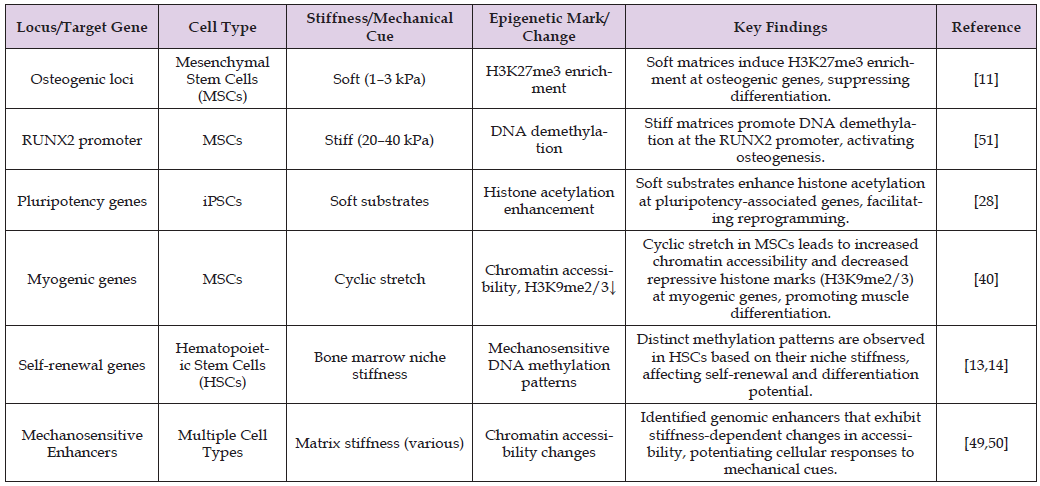
Table 2: Relative Comparative Mechano-Epigenetic Signatures of Stem Cell Type.
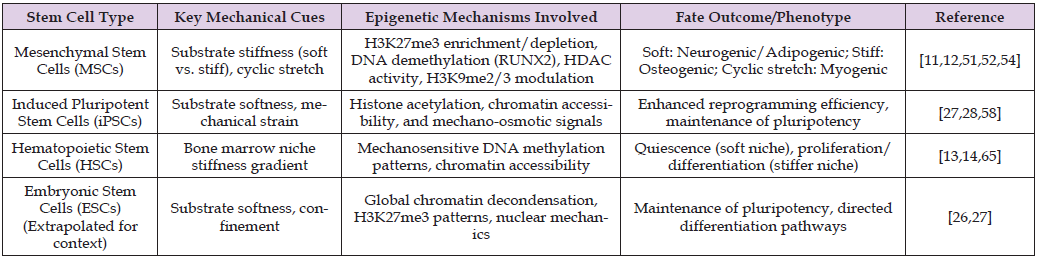
Table 3: Therapeutic Opportunities in Mechano-Epigenetics.

Direct measures, including Assay for Transposase-Accessible Chromatin using sequencing (ATAC-seq), have given strong evidence of the application of forces to alter chromatin accessibility [10,40]. It has been demonstrated that nuclear mechanosensing induced by temporal stretch, as an example, can coordinate early changes in chromatin accessibility, and that mechanical forces can quickly prime the epigenome [40]. Research has found that certain regions of the genome, such as mechanosensitive enhancers, can change their accessibility with a change in the stiffness of the matrix [49,50]. These domains are genomic “mechano or mechanoreceptors” the opening or closing of which, under mechanical force, determines the recruitment of transcription factors and epigenetic modifiers, and hence regulates gene expression programs. The association between viscoelastic chromatin reorganization and chemo-mechanical environmental cues further underlines the use of physical forces in nuclear responses and the pattern of chromatin organization [9]. These immediate and dynamic responses of epigenetics to the physical environment are essential elements of the mechano-epigenetic code that enable these direct effects on chromatin architecture and accessibility.
Mechano-Epigenetic Enzyme Networks
Physical forces have the most direct connection with the epigenetic programming because of the power to regulate the activity, localization, and expression of epigenetic modifying enzymes [2,3]. This mechanical-to-chemical conversion of mechanical signals by this enzyme is the writing of the mechano-epigenetic code. Histone deacetylases (HDACs) are proteins that deacetylate histones, typically causing chromatin to be compact and transcription to be repressed [23]. New evidence shows that mechanical cues can directly control HDAC activity and localization. As an example, it has been demonstrated that using HDAC3 as a mechanosensory regulator, nuclear exportation occurs in cases of soft matrix conditions [11]. This implies that the repression of HDAC3 could be diminished in soft environments, resulting in a less repressed chromatin condition and a change in gene expression. In contrast, in harsher conditions, HDACs may stay nuclear or may be more active, and they would help in the process of chromatin condensation and gene silencing, which is involved in the process of fibrosis [16]. It has also been seen that mechano-recruitment of certain HDACs to chromatin can occur, and, therefore, physical tension is able to directly signal these enzymes to specific loci of the genome to form repressive marks [11].
On the other hand, histone acetyltransferases (HATs), which acetylate histones and typically cause transcriptional activation, are also mechanosensitive [2]. Major HATs, including p300/CBP, have played a role in mechano-epigenetic regulation. Nuclear translocation and activation of p300/CBP can be induced by mechanical stretch or a stiffer substrate, and result in a subsequent increase in histone acetylation of target genes [2,52]. This mechano-activation of HATs is able to help in the opening of chromatin and transcriptional priming of genes required to mediate a particular cell fate, like osteogenesis in MSCs [52]. Mechanical inputs control the balance between HDAC and HAT activity and hence are a key determinant of the epigenetic state of the cell and its physical-environment response.
The DNA methylation, mostly of cytosine bases [24], is another fundamental epigenetic mark, which is generally associated with gene silencing. Active DNA demethylation uses dioxygenases of the Ten-Eleven Translocation (TET) family, which oxidize 5-methylcytosine (5mC) to 5-hydroxymethylcytosine (5hmC) and further oxidized products [53]. Recent studies show that the activity of the TET enzyme can be controlled by the stiffness of the matrix. Indicatively, TET activity may be enhanced by more rigidity that results in the demethylation of particular gene promoters [53]. It is especially applicable in stem cell differentiation, e.g., the demethylation of the RUNX2 promoter during osteogenic differentiation on stiff substrates [50]. Moreover, the mechanosensitive cellular metabolic state may also have a role to play in TET activity, because TET enzymes are cofactors in agreement with alpha-ketoglutarate, connecting metabolism, mechanics, and epigenetics [53].
Histone methyltransferases (HMTs) and demethylases (HDMs) are also becoming recognised as mechanosensitive participants. As an example, the histone H3K9 demethylase JMJD2 /KDM4B activates osteogenic differentiation of MSCs by regulating H3K9me2 on RUNX2 [54], and its activity may be potentially affected by mechanical cues. Likewise, the presence of EZH2 in polycomb repressive complex 2 (PRC2) that deposes H3K27me3 is essential in the maintenance and differentiation of the stem cell, and its localization or activity may be mechanically controlled as observed in the H3K27me3 enrichment in osteogenic loci in soft matrices [11]. Mechanical forces precisely control these enzymatic networks in space and time to establish a key stratum of the mechano-epigenetic code, with cells able to reconfigure their gene expression programs in response to physical changes in their microenvironment.
Stem cells are the best models to study the “mechano-epigenetic code” as they are plastic. Performing a range of cell fates strictly dependent on environmental signals is inherently controlled by a highly precise epigenetic program, the precise nature of which we now realize is largely dictated by mechanical signals [11,12,21,52]. The study of various stem cell species shows that, despite some common and distinct mechano-epigenetic methods of determining fate, there exist common strategies of determining fate.
Mesenchymal Stem Cell
With great dependency on the mechanical characteristics of their environment [12,21], mesenchymal stem cells (MSCs) are multipotent cells that may be differentiated to create several lineages, including osteoblasts (bone), adipocytes (fat), chondrocytes (cartilage), and myocytes (muscle). Engler and colleagues demonstrated that MSCs promote differentiation along certain lineages according to substrate stiffness: soft (1-3 kPa) and medium (8-15 kPa), correspondingly boosting neurogenic, myogenic, and osteogenic differentiation [21]. This is a mechanistic teaching closely linked with epigenetic changes [11]. On soft surfaces (e.g., 1-3 kPa), MSCs become either neurogenic or adipogenic, usually with a more permissive state of chromatin and with repressive histone marks in locus-specific positions of the lineage-commitment [11]. Most importantly, soft environments cause the enrichment of the repressive histone mark H3K27me3 at osteogenic gene loci, effectively silencing the bone differentiation program [11]. On the other hand, hard substrates (e.g., 20-40 kPa) encourage osteogenesis. It entails a massive DNA demethylation of the promoter of major osteogenic transcription factors such as RUNX2 [51]. The stiffening of the matrix can trigger TET enzymes, which facilitate the demethylation of the process and express RUNX2, which is an important step in osteoblast differentiation [53]. Mechanical cues determine the balance of repressive H3K27me3 and activating DNA demethylation, which governs MSC fate.
The role of histone methylation is also very critical. There is an example of the H3K9 demethylase JMJD2B/KDM4B that facilitates osteogenic differentiation by deactivating repressive H3K9me2 on RUNX2 [54]. Although the direct mechanical control of JMJD2B/ KDM4B remains to be clarified, it is a possible location of the mechano- epigenetic regulation. Likewise, a constituent of PRC1, Bmi-1, epigenetically regulates the balance between osteogenic and adipogenic differentiation, and its functioning may be mechanosensitive [55]. One current work notes the strong mechanical memory of MSCs in which prolonged exposure to a stiff microenvironment results in long-lasting chromatin rearrangements, which affect future differentiation capacity [11,12]. Such maintenance of epigenetic marks despite the elimination of the original mechanical stimulus indicates that mechanical inputs can form a long-term mechano-epigenetic code, which controls future cell behavior [12]. The cyclic stretch capability to induce myogenic differentiation by enhancing chromatin accessibility and reducing repressive histone marks (H3K9me2/3) of myogenic genes also highlights the dynamic nature of mechanical force in the remodelling of MSC epigenetic landscapes [40]. Induced Pluripotent Stem Cells (iPSCs) represent a category of stem cells linked to the human embryo.
Induced Pluripotent Stem Cells (iPSCs)
This group of stem cells is associated with the human embryo. Induced pluripotent stem cells (iPSCs) are cells with unrivaled regenerative medicine potential due to their high reprogramming efficacy and stability in epigenetics [56,57]. The epigenetic remodeling of somatic cells to iPSCs is an extreme process, one that is being increasingly observed to be modulated by mechanical signals [58,59]. Mechano-epigenetic barriers to reprogramming are typically faced during the generation of iPSCs. In the reprogramming process, cells normally pass through a stiff and differentiated stage to a softer and pluripotent state [27,28]. The mechanical environment is important in eliminating these barriers. It has been demonstrated that soft culture surfaces can greatly boost the effectiveness of cellular reprogramming by enabling a less restrictive epigenetic condition [28,58]. This is mediated, partially, by heightened histone acetylation of pluripotency- linked genes that are on soft substrates [28]. With the help of HATs, histone acetylation leads to chromatin decondensation and activates gene expression, which is necessary to activate the pluripotency gene network [2].
Besides, mechanical strain per se can enhance nuclear transfer reprogramming efficiency by increasing chromatin accessibility [58]. This indicates that a more permissible environment for epigenetic reprogramming factors can be provided by direct mechanical manipulation of the nucleus, resulting in the establishment of changes in chromatin structure [58]. Mechano-osmotic interactions with chromatin state have also been mentioned, where the interaction of these to control chromatin state and fate transitions in pluripotent stem cells suggests that physical cues themselves directly regulate pluripotency and differentiation in the cells [26,27]. The inconsistency in the literature on the best stiffness to use in the iPSC generation process indicates how complicated the process is, with some indicating that intermediate stiffness is important in early reprogramming that enhances cellular motility and colony formation, and long-term softness is essential to pluripotency [60]. This indicates that there exists a temporal mechano-epigenetic code in which various mechanical signals are best at different phases of the reprogramming and maintenance process.
Stem Cells for Hematopoiesis (HSCs)
Found in specialized niches in the bone marrow, the hematopoietic stem cells (HSCs) have their quiescence, self-renewal, and differentiation controlled by the intricate interaction of biochemical and biophysical signals [61-64]. The distinctive, heterogeneous stiffness gradients found in the bone marrow niche are vital for maintaining HSC [13,14]. Mechanical properties of the bone marrow microenvironment, including matrix stiffness, directly affect HSC fate [13,14]. Areas that are less stiff in the niche have been linked to HSC quiescence, which is vital in long-term self-renewal [62,63,65]. On the other hand, the stiffer regions can induce the proliferation and differentiation of HSC. This mechanical control is inextricably connected with epigenetic changes. It has been found that unique mechano-methylation coupling in HSCs exists, in which particular patterns of DNA methylation are formed and sustained as a result of the mechanical environment at the local scale [14]. As an illustration, it was shown in the study conducted by Zhang [47] that the exploitation of the matrix stiffness could be utilized to create a bone marrow niche in which the HSC would be rejuvenated, suggesting the process of an epigenetic modification triggered by mechanical signals [14].
Heterogeneity of stiffness in the bone marrow microenvironment is actively involved in the fate decision of the hematopoietic stem and progenitor cells, which implies that mechano-epigenetic signaling is important to sustain hematopoietic homeostasis [13]. Although the exact epigenetic enzymes and target genes of mechano-epigenetic regulation of HSCs remain to be studied, it is evident that mechanical forces do play a role in the preservation of the delicate balance between self-renewal and differentiation by acting on DNA methylation and possibly histone modifications [14]. Knowledge of this mechano- epigenetic code in HSCs would result in new ways of expanding HSCs in vitro or enhancing engraftment in transplantation.
The complexity of the connection between mechanical forces and epigenetic control is not limited to stem cell biology but has far-reaching implications in the pathological mechanism and has enormous therapeutic potential. Reading and writing the mechano-epigenetic code will provide new approaches in the treatment of disease with abnormal tissue mechanics and cellular plasticity [15,66].
Fibrosis as Mechano-Epigenetic Disease
Fibrosis is a disabling disease that involves the overdeposition of ECMs and stiffening of tissues due to the excessive deposition of the ECM, which is a typical mechano-epigenetic disease [15,69,95]. It is motivated by a vicious positive feedback mechanism in which elevated tissue stiffness directly triggers the transformation of fibroblasts into myofibroblasts to produce more ECM, which consequently increases tissue stiffness once more [16,67,68]. This positive feedback loop is highly connected to the epigenetic remodeling [69,70]. The disproportionately rigid ECM of fibrotic tissues can incite mechanotransduction signaling, which can cause a change in the epigenetic state of resident cells [15,16]. As an example, the augmentation of stiffness may advance HDAC functions and nuclear localization [11]. This increased HDAC activity causes more histone deacetylation, which causes chromatin condensation and activation of pro-fibrotic genes, including collagen synthesis genes [16,67]. Moreover, the patterns of DNA methylation may be affected by mechanical inputs, which help to maintain the activation of myofibroblasts [69]. The Piezo1 mechanosensors, such as those found to contribute to stiffness-stimulated skin fibrosis, have positive-feedback looping with Wnt2/Wnt11-CCL24, which might mediate epigenetic modifiers [68]. Mechanical tension is also sustained as a result of epigenetic alterations, which strengthen the fibrotic phenotype to form a vicious cycle [16,67].
Disrupting this mechano-epigenetic feedback mechanism is a promising method of therapy [15,69,72]. Pharmacological epigenetic therapeutics, including HDAC inhibitors, have provided a promising approach to reduce kidney injury and fibrosis by reinstating the expression of epigenetically reprogrammed fibrogenic genes [72]. Equally, indirectly affecting epigenetic effects can be done by targeting the mechanotransducers (e.g., YAP/TAZ) that mediate the stiffness- induced signaling [15,73]. The next generation of therapeutics may target direct modulation of the mechano-epigenetic enzymes, or the biomaterials may be used to normalize the mechanical environment and reprogram the fibrotic epigenetic state [18,74,75].
Cancer Stem Cells
The mechanical properties of the tumor microenvironment (TME) are being particularly studied as key factors that determine cancer progression, metastasis, and resistance to therapy, especially via their effect on cancer stem cell (CSC) biology [17,77,78]. Active mechanisms of CSC stemness and plasticity promoted include tumor stiffness, which can be much greater than normal tissue, and leads to the promotion of particular mechano-epigenetic changes [17,78]. The stiff TME increases stem-like characteristics of CSCs in most cancers to enable self-renewal, differentiation, and tumor progression and recurrence [76]. This type of mechanical feedback is commonly mediated by the sustained stimulation of mechanotransduction signaling, including YAP/TAZ, which interconnects with epigenetic regulators [17]. As an example, the activation of the histone marks, including H3K4me3, related to stemness and proliferation, can be enriched in the case of increased tumor stiffness in CSCs [78]. This mechano-epigenetic re-programming enables CSCs to retain their undifferentiated condition and is a contributor to therapeutic resistance. Furthermore, the hardened ECM can modify the chromatin accessibility, which reveals certain genomic regions that facilitate CSC survival and drug efflux pathways [77].
A promising therapeutic target of this mechano-epigenetic plasticity of CSCs is available [17,77,78]. Some of the strategies involve normalization of tumor stiffness to change the mechano-epigenetic environment of CSCs, possibly by using agents that break down ECM or control fibroblast activity [17,79]. Alternatively, by directly targeting mechano-responsive epigenetic regulators, including defined HMTs or HDACs observed to be expressed in CSCs in stiff conditions, it is possible to suppress stemness and sensitize CSCs to traditional therapies [78]. We could stop tumor progression and enhance patient outcomes by interrupting the vicious cycle of tumor stiffness, where CSC epigenetic programs are propagated. This model of the disease shows that mechanical stiffness and epigenetic reprogramming give positive feedback in disease conditions like fibrosis and cancer.
1. Fibrosis:
• The first tissue injury causes ECM and hardening of the tissue deposition.
• Stiff ECM activates mechanosensors on fibroblasts, which leads to long-term mechanotransduction signals (e.g., the activation of Rho/YAP/TAZ).
• These signals lead to the activation of nuclear translocation and epigenetic enzymes (e.g., HDACs) that subsequently lead to the deacetylation of the histone and condensation of chromatin of anti-fibrotic genes and could cause the acetylation of pro-fibrotic genes.
• The epigenome is remodelled to promote differentiation of fibroblasts to myofibroblasts and production of ECM components in higher proportions (e.g., collagen).
• This new ECM deposition causes the tissue to become even stiffer, and the cycle proceeds (1→2→3→4→1).
2. Cancer:
• Desmoplasia and tumor growth result in tumor stiffness.
• Stiff TME activates the mechanosensors of the cancer stem cells (CSCs), which promotes the mechanotransduction pathways.
• These signals trigger modification of the epigenetic enzymes of their histone mark occupations (e.g., augmentation of H3K4me3 on stemness genes) and a change in the pattern of DNA methylation, which promotes an open chromatin condition of stemness factors.
• This reprogramming of epigenetics enhances self-renewal, plasticity, and therapy resistance of CSC.
• The high activity of the CSC contributes to the further expansion and deposition of the ECM, resulting in the increase of the rigidity of the tumor (1→2→3→4→1).
Both of them point to a vicious cycle of the pathological epigenetic changes that are driven by mechanical cues, which in turn worsen the mechanical environment, thus offering essential objects of therapeutic intervention.
Engineering Applications
The mechanistic insights into the epigenetic landscapes forming under the influence of the mechanical clues give unprecedented possibilities in terms of tissue engineering and the creation of sophisticated biomaterials [18,66,74]. Researchers can effectively write specific epigenetic instructions to cells by designing materials with highly tuned mechanical properties to direct the outcomes of desired fate in regenerative medicine. The principles of scaffold design relating to the desired epigenetic outcomes are fast evolving [18,66,74]. Any biomaterials whose stiffness, porosity, and topography can be regulated can be used to recreate the native microenvironment of a particular tissue and the physical cues that a stem cell requires to differentiate. As an example, scaffolds that mimic the rigidity of bone may trigger osteogenic differentiation of the MSCs by stimulating the demethylation of the RUNX2 and other osteogenic loci [18,51]. On the other hand, soft hydrogels have the capability of preserving the pluripotency of iPSCs by boosting histone acetylation of pluripotency genes [28]. Nuclear deformation and reorganization of chromatin can also be induced by the geometry and microtopography of scaffolds, and additional information can also affect cell fate [39,80]. As an example, a scaffold made of chitosan and epigenetic modulating properties promises to be a promising bone regenerative material [81].
In addition to the case of the rigid or fixed stiffness, the timely formation of the dynamic stiffness platforms can provide the opportunity to regulate epigenetic programming [66,74]. They allow dynamically stiffening or softening of these materials with time and recreate the dynamic mechanical environment of development or disease pathogenesis. Through these types of platforms, sequential mechanical inputs to the stem cells can be provided, enabling researchers to investigate and potentially manipulate the temporal dynamics of mechano-epigenetic responses, similar to the progressive dynamics of mechano-epigenetic responses during wound healing or tissue repair. This time regulation is important because the timing of mechanical stimuli can determine unique epigenetic reactions and, consequently, cellular destinies, which represent the mechanical memory in MSCs [12]. The capability to accurately regulate the mechanical environment of cells provides a potent means to integrate complicated differentiation and tissue regeneration by targeting mechano-epigenetic modification.
Mechano-epigenetics is at a crossroads, leaving behind mere correlative measurements and breaking down complex cellular processes. A number of new concepts and technical developments are likely to expand our knowledge and bring new treatment options to this mechano-epigenetic code. Among the most interesting new concepts is the so-called mechano-epigenetic memory: the fact that the cells can remember past mechanical environments and that these memories affect how the cell will respond to them in the future and make decisions about its future fate [12,26]. It is a long-lasting, heritable epigenetic mark or chromatin state that is formed by previous mechanical experiences. As an illustration, long-term culture of MSCs within a stiff matrix may cause long-term chromatin reorganization, which in turn impacts their differentiation capacity in the long term despite the removal of the mechanical stimuli [11,12]. It is important to know how this mechanism of mechanical memory is mediated at the molecular level, which epigenetic marks the memory contains, how the memory is sustained, and ultimately edited out. This entails studying how mechanically induced patterns of DNA methylation, histone modifications, and chromatin loops change after several cell divisions. An understanding of the processes behind so-called mechano- epigenetic memory will shed light on tissue homeostasis, regeneration, and disease progression, especially in diseases in which cells carry pathological memory of a disturbed mechanical microenvironment.
With the development of single-cell multi-omics technologies, we are transforming the understanding of how we can characterize cellular states in a comprehensive manner. It will be possible to view mechano-epigenetic heterogeneity at a new level, integrating single- cell RNA sequencing (scRNA-seq), single-cell ATAC sequencing (scATAC-seq), and sophisticated mechanical profiling methods (e.g., atomic force microscopy or optical tweezers at the single-cell level) [10]. This combined method will enable the correlations of the mechanical characteristics of single cells and their microenvironment with their distinct transcriptomic and epigenomic images. As an example, we can determine particular subpopulations of stem cells that are uniquely mechano-epigenetically responsive to the stiffness of the matrix, or we can configure rare cells that have high-resistance mechano- epigenetic memories. These granular data are vital to studying, typically complex, biological systems such as tissue development, cancer metastasis, and regenerative failure, where bulk measurements tend to obscure important cell-to-cell variations in mechano- epigenetic programming.
Mechano-epigenetic editing via CRISPR is a potent, yet hypothetical, yet grounded future. Similarly to the opportunities provided by CRISPR systems to specifically edit the genome in terms of genetic code, epigenome editing tools, which generally use catalytically dead Cas9 (dCas9) in combination with epigenetic effector domains (e.g., HATs, HDACs, DNA methyltransferases or demethylases), can be used to specifically modify the epigenetic code without necessarily editing the underlying sequence [19,20,85]. A combination of these editors of the epigenome with the mechano-sensitive promoter or optogenetic control, which could be spatially and temporally controlled by mechanical force or light, could allow the precise and on-command manipulation of the mechano-epigenetic code [86]. Suppose you had the ability to target a particular locus of the genome and induce histone acetylation at this locus, but leave it unaltered in the rest of the cell, and with this action, you were able to directly relate a mechanical signal to one particular epigenetic response. This has the potential to generate unparalleled control of stem cell fate, enable targeted regenerative therapies, or rewrite the mechano-epigenetic instructions of pathological cells with high precision [83,84]. These high-tech techniques may provide highly targeted and reversible therapies to an enormous variety of diseases, beyond the coarse pharmacological epigenetic remodeling to a finer, mechano-controlled epigenetic engineering.
The cell, sensing its surroundings, leading to permanent marking of its destiny by epigenetic processes, is one of the most interesting stories in the new biology. The review has carefully outlined how mechanical forces, which have long since been viewed as chiefly extrinsic modulators, are actually valid and powerful epigenetic modulators, wherein in intimate interaction with sophisticated molecular processes, remake the genome [1-3]. We have discussed the physical pathways of mechanotransduction, starting with the LINC complex as a direct mechanical connection to the nucleus, direct mechanical deformation of chromatin, and its effects on accessibility and phase separation [4,5,7,8]. Importantly, we have revealed the complex cellular enzyme interactions in which mechanical stimuli refine HDACs, HATs, and TET activity and localization of such enzymes in response to physical cues [11,52,53]. This realization leads to a radical change of paradigm: from when genes determine cells and biochemistry determines fate, to when the environment determines genes and physical forces play an important role in determining and preserving cellular identity. The language by which cells translate their physical signals into heritable epigenetic memories and determine the plasticity and lineage commitment of stem cells, including MSCs and iPSCs to HSCs, is known as the mechano-epigenetic code [11,12,14,28]. Such a bidirectional feedback loop in which mechanical cues affect epigenetics, and epigenetics affect mechanosensing, is an emphasis on the dynamics and interdependence of cellular regulation.
The consequences of this swelling discipline are very deep. Which is the key to open new treatment options involving the vicious cycles of mechanical and epigenetic dysregulation, as we acknowledge diseases such as fibrosis or cancer as interlaced mechano-epigenetic diseases [15,16,17]. Moreover, the principles of mechano-epigenetics are already being used to design more sophisticated biomaterials and dynamic scaffolds to enable the establishment of unprecedented control of tissue engineering and regenerative medicine [18,74]. In the future, single-cell multi-omics combined with mechanical profiling and the visionary production of CRISPR-based mechano-epigenetic editing will transform the precision with which cell identity and cell function can be manipulated to therapeutic advantage [19,20]. This review is a call to arms of the scientific community: be sure to include mechanical parameters in all epigenetic regulation and stem cell biology studies. It is only through this holistic view that we can actually discover the solution to the puzzling language cells employ in their world to understand their destiny and design. Learning to master the mechano-epigenetic code is the future of medicine and biotechnology [86-95].
Physical Forces Shape Our Genes: The discoveries of new studies show that mechanical forces, including tissue stiffness, are not merely outside influences but also epigenetic architects, that is, the forces unambiguously affecting the process of turning on genes or turning off genes. Stem Cells Memorize Mechanical Cues: Stem cells store mechanochemical- mechanical crosslinking signals in a so-called mechano- epigenetic code that instructs these cells to generate bone, nerve, etc. cells, which affects regeneration and disease. Cracking the Code for Cures: The entry point to treating major diseases such as fibrosis and cancer is through the ability to harness the ability to target mechanical signals to induce epigenetic changes through these so-called mechano-epigenetic pathways.
Smart Materials to Future Medicine: Advanced biomaterials with controlled mechanical properties are being developed by scientists to write precise epigenetic messages into cells to direct stem cell differentiation into regenerative therapy. CRISPR Goes Mechanical: The future of CRISPR technology is the prospect of so-called mechano-epigenetic editing, which entails the ability to make precise and mechanically controlled changes to the epigenomic state of a cell, which has revolutionary therapeutic potential.

International Association of Landscape Archaeology, Czech Glass Society, Czech Republic

Department of Chemistry, Semenov Institute of Chemical Physics, USSR Academy of Sciences, Moscow, Russia

Department of Educational Sciences, Research Centre Qualities of Teachers, School of Education – HAN, Nijmegen, Netherlands

Associate Professor at Department of Breast and Thyorid Surgey, Chongqing General Hospital, China

Neurology, LA BioMed Research Institute, USA





 Abstract
 PDF
PDF



























