info@biomedres.us
+1 (502) 904-2126
One Westbrook Corporate Center, Suite 300, Westchester, IL 60154, USA
Site Map
 ISSN: 2574 -1241
ISSN: 2574 -1241
ISSN: 2574 -1241
Received: March 06, 2026; Published: March 20, 2026
*Corresponding author: Constance Karstens, MS, Hawthorn University, Whitethorn, CA. Clinical Herbalist and Holistic Nutrition Educator and Practitioner, The Lamb Shoppe & Wellness Center, Hutchinson, MN, USA
DOI: 10.26717/BJSTR.2026.65.010143
A female adult patient presented with a constellation of gastrointestinal and systemic symptoms including bloating, altered bowel function, fatigue, cognitive complaints, and progressive musculoskeletal discomfort. Given the patient’s history of prior unresolved gastrointestinal issues and the absence of a unifying conventional diagnosis, a functional medicine-informed evaluation was pursued. Baseline symptom burden was assessed using the Medical Symptom Questionnaire (MSQ) and the Gastrointestinal Symptom Rating Scale (GSRS), the latter used with formal permission granted by AstraZeneca. A comprehensive stool analysis (GI Spotlight™ stool test) was obtained and used to help inform dietary and nutraceutical intervention strategies targeting digestive function, microbial balance, and intestinal barrier support. The patient underwent a personalized gut-focused intervention consisting of dietary modification and a targeted nutraceutical protocol designed to support digestive function, microbial balance, intestinal barrier integrity, and inflammation modulation. Symptom outcomes were tracked over approximately ten weeks with follow up assessments at five and ten weeks. Compared with baseline, total MSQ scores improved by 58.7% at the first follow-up and 82.7% by the final assessment. Improvements were observed across multiple domains, including digestive, musculoskeletal, energy, cognitive, and weight-related symptom categories.
GSRS domain scores demonstrated parallel reductions in gastrointestinal symptom severity over the same period. No adverse effects were reported. This case report highlights the potential for symptom improvement across gastrointestinal and extraintestinal domains following a comprehensive, gut-focused intervention. While causality cannot be established, the findings underscore the interconnected nature of gastrointestinal and systemic symptoms and support further investigation into individualized, microbiome-informed approaches.
Chronic musculoskeletal pain and digestive complaints are commonly reported in clinical practice and are often managed as separate conditions. [1,2] In recent years, increasing attention has been given to the relationship between gastrointestinal health and systemic manifestations, including symptoms affecting bones, joints, muscles, tendons, and nerves. Emerging research suggests that alterations in the gut microbiota may influence musculoskeletal health through pathways involving intestinal barrier integrity, immune activation, and systemic inflammation. [3] The gut microbiome, composed of trillions of microorganisms residing within the gastrointestinal tract, plays a critical role in immune regulation, nutrient metabolism, and maintenance of mucosal integrity. [4] Disruption of this microbial ecosystem, commonly referred to as dysbiosis, has been associated not only with gastrointestinal disorders but also with extraintestinal conditions, including metabolic disease, mood disorders, and musculoskeletal pain. [3,5-7] Diet is recognized as a major modifiable factor influencing gut microbial composition and intestinal permeability and may therefore contribute to systemic inflammatory processes that affect musculoskeletal tissues. [7,8] Among dietary factors implicated in gut-related symptomatology, gluten has been identified as a potential trigger in susceptible individuals.
In non-celiac gluten sensitivity, gluten exposure has been associated with increased intestinal permeability, immune activation, and both gastrointestinal and extraintestinal symptoms, including musculoskeletal complaints. [9,10] Symptom improvement following gluten elimination has been reported in this population, supporting a potential clinical link between dietary gluten, gut barrier function, and systemic symptom burden. This case report describes a 35-year-old female presenting with chronic gastrointestinal symptoms and diffuse musculoskeletal pain, and outlines clinical outcomes observed following implementation of a personalized nutraceutical protocol combined with a gluten-free diet. Changes in gastrointestinal and musculoskeletal symptoms were assessed longitudinally using patient- reported outcome measures.
A 35-year-old female presented with a longstanding history of gastrointestinal complaints, including intermittent diarrhea, bloating, abdominal discomfort, and reflux symptoms. She also reported diffuse musculoskeletal pain involving multiple joint and muscle groups, described as persistent and impacting daily activities. These symptoms had been present for several years and were managed as separate clinical concerns. Prior to presentation, the patient had pursued various conservative approaches, including dietary modifications, chiropractic care, and over-the-counter supplements, with limited and inconsistent relief. She denied a history of inflammatory bowel disease, autoimmune disease, or diagnosed celiac disease. There was no report of recent infection, trauma, or significant changes in physical activity preceding symptom onset. At baseline, gastrointestinal symptoms were assessed using the Gastrointestinal Symptom Rating Scale (GSRS), a validated patient-reported outcome measure. Formal permission to use the GSRS tool for clinical assessment and reporting was granted by AstraZeneca. Broader symptom patterns, including musculoskeletal complaints, were assessed using the Medical Symptom Questionnaire (MSQ), a commonly used clinical symptom inventory. Baseline GSRS domain scores for diarrhea, indigestion, constipation, abdominal pain, and reflux are summarized in Table 1. Baseline MSQ domain scores, including musculoskeletal domains, are presented in Table 2.
Table 1: Medical Questionnaire (MSQ).
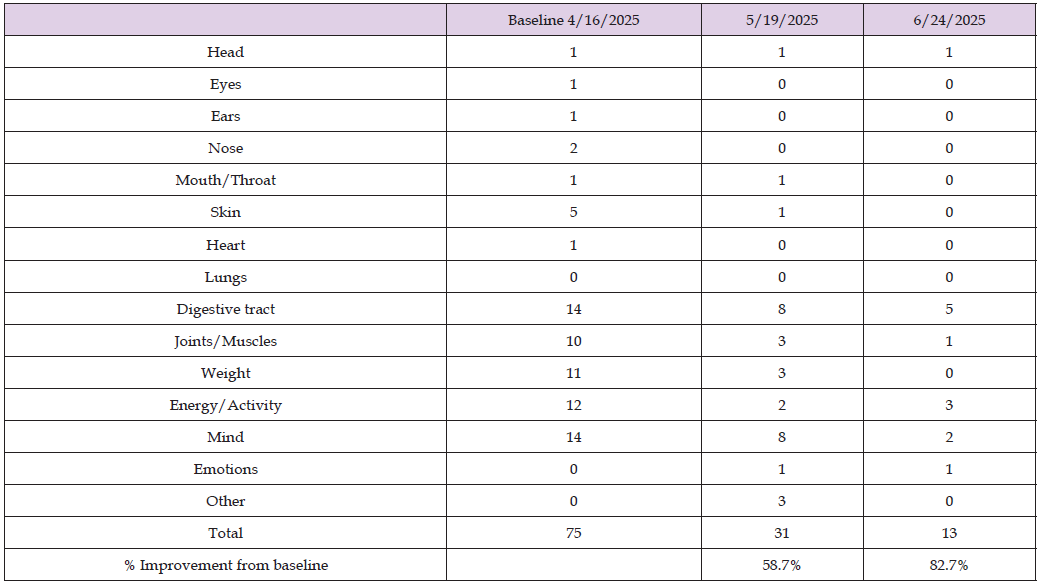
Table 2: Gastrointestinal Symptom Rating Scale.

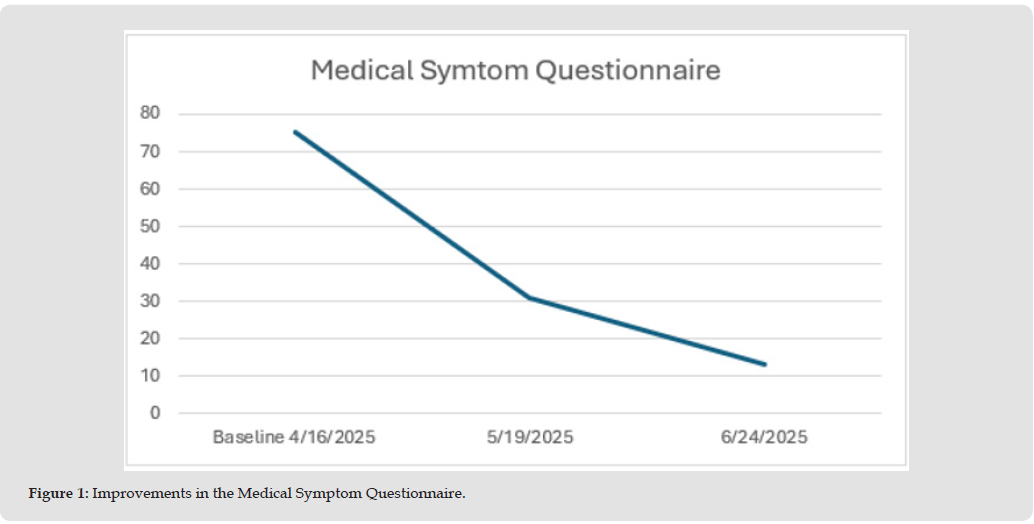
The change in total MSQ score from baseline through follow-up visits is shown in Figure 1. Initial assessment also included a comprehensive stool analysis using the Designs for Health GI Spotlight™ test to further characterize gastrointestinal function. Findings demonstrated patterns consistent with digestive insufficiency and altered microbial balance, along with markers suggestive of intestinal barrier disruption, including elevated zonulin, and an increased anti-gliadin IgA, an immune response to gliadin in the intestines. Results further indicated reduced digestive capacity, features of dysbiosis, and markers consistent with increased intestinal permeability and lowgrade inflammatory signaling. Based on clinical presentation and assessment findings, a personalized nutraceutical protocol targeting digestive function, intestinal barrier support, and microbial balance was initiated, along with a gluten-free diet. For symptomatic support of musculoskeletal pain, the patient also used a topical CBD cream during the intervention period. The intervention was selected to address gastrointestinal symptoms and provide systemic support, while musculoskeletal symptom changes were tracked longitudinally. Follow- up assessments were conducted at approximately one and two months following initiation of the intervention.
Gastrointestinal symptoms were reassessed using the GSRS, and changes in musculoskeletal symptoms were documented using the MSQ over the same period. Follow-up GSRS domain scores are presented in Table 1, and changes in MSQ domains are summarized in Table 2.
Figure 1
In this section, the scientific relevance of the dietary strategy and supplement ingredients used during the three-month intervention will be discussed in relation to the patient’s presenting symptoms and observed outcomes. This discussion is intended to contextualize the clinical rationale, biological plausibility, and hypothesized mechanisms underlying the improvements noted, while acknowledging that causality cannot be established in a single-patient case report.
Gluten-Free Diet
At baseline, the patient reported chronic gastrointestinal symptoms including abdominal pain, bloating, gas, constipation, and reflux, along with extraintestinal symptoms such as joint pain and fatigue. Based on this symptom pattern and assessment findings suggestive of intestinal barrier dysfunction, a gluten-free dietary intervention was implemented. Gliadin, a component of gluten, has been shown to increase intestinal permeability in individuals with non-celiac gluten sensitivity through stimulation of zonulin release, a regulator of intestinal tight junction integrity. [11] Increased zonulin activity leads to loosening of tight junctions between enterocytes, which may promote immune activation and symptom development. Adherence to a gluten-free diet has been shown to improve gut barrier integrity in susceptible individuals, including those without celiac disease. [12] In addition to gastrointestinal symptoms, arthralgia and other musculoskeletal complaints have been commonly reported in individuals with non-celiac gluten sensitivity and may resolve following gluten elimination. [13] Given the patient’s concurrent digestive and joint pain complaints, alongside her elevated anti-gliadin IgA, removal of gluten was selected as a foundational intervention to support both intestinal and systemic inflammatory balance.
Nacher CBD 500 mg
The patient reported persistent joint pain that affected daily comfort and physical activity. As part of the intervention, a topical cannabidiol preparation was used to provide localized musculoskeletal support. A randomized controlled trial in humans demonstrated that topical cannabidiol applied twice daily resulted in statistically significant improvements in patient-reported pain and disability in individuals with thumb basal joint arthritis compared to placebo. [14] Cannabidiol is thought to exert analgesic and anti-inflammatory effects through modulation of endocannabinoid signaling, transient receptor potential channels, and inflammatory mediators. In this case, topical CBD was used as an adjunctive, non-systemic approach to support joint comfort while broader gut-focused interventions were implemented.
OmegAvail TG1000™
Given the patient’s gastrointestinal symptoms, inflammatory burden, and joint pain, omega-3 fatty acid supplementation was incorporated to support intestinal barrier integrity and inflammatory balance. Omega-3 fatty acids are incorporated into intestinal epithelial cell membranes and have been shown to support epithelial permeability, inhibit pro-inflammatory cytokine production, and promote synthesis of specialized pro-resolving mediators. [15] Omega-3 supplementation has also been shown to modulate the gut microbiota, increasing beneficial taxa and enhancing short-chain fatty acid production, including butyrate, which further supports mucosal integrity and immune regulation. [16,17] Clinical and translational studies in conditions such as irritable bowel syndrome and inflammatory bowel disease have associated higher omega-3 status with improvements in markers of intestinal permeability, including zonulin. [18,19] Additionally, attenuation of arthritic symptoms has been associated with improved gut barrier integrity following omega-3 supplementation. [20] From a musculoskeletal perspective, a randomized placebo-controlled trial demonstrated that krill oil supplementation at 4 g per day over six months significantly improved knee pain, stiffness, and physical function in adults with mild to moderate knee osteoarthritis. [21] A systematic review and meta-analysis further reported clinically meaningful reductions in chronic pain with omega-3 supplementation, with benefits observed as early as one month and sustained through six months [22].
GI Revive®
The patient’s baseline presentation suggested compromised digestive capacity, altered microbial balance, and possible intestinal barrier disruption. To address these findings, a multi-ingredient gut support formula was incorporated. L-glutamine, a primary fuel source for intestinal epithelial cells, plays a central role in maintaining gut barrier integrity and regulating inflammatory signaling. In a randomized controlled trial involving patients with post-infectious irritable bowel syndrome with diarrhea, glutamine supplementation resulted in significant improvements in intestinal permeability, stool form, bowel movement frequency, and abdominal symptoms compared with controls. [23-25] N-acetyl-D-glucosamine is an amino sugar involved in the synthesis of glycoproteins and glycosaminoglycans that contribute to epithelial structure and mucosal defense. Experimental and translational data suggest that N-acetyl-D-glucosamine may support tight junction integrity and promote a healthy intestinal barrier and microbial environment. [26-30] When combined with mucin, as in GI Revive®, these components may further support mucosal protection, lubrication, and microbial interactions. [27,30- 35] Additional support for mucosal integrity is provided by zinc carnosine, which has been shown to stabilize gastric and intestinal mucosa, support antioxidant status, and promote healthy inflammatory responses. [36-38] The inclusion of mucilaginous botanicals such as licorice, aloe, marshmallow, chamomile, and okra may further support mucosal soothing, tissue repair processes, and barrier function. [39-54] Beyond barrier support, several components of GI Revive® may contribute to immune and inflammatory modulation. Glutamine has been shown to reduce pro-inflammatory cytokines and support immune function in inflammatory bowel conditions. [23-25,55] N-acetyl-D-glucosamine has shown potential benefit in inflammatory gastrointestinal conditions, including inflammatory bowel disease. [26,29,31,33,56] Additional compounds such as methylsulfonylmethane and quercetin support antioxidant capacity and inflammatory signaling balance through modulation of NF-κB, COX-2, and mast cell activity. [57-59] GI Revive® also contains prune powder, which has been shown to assist in improving bowel regularity and stool consistency in multiple randomized controlled trials. While the amount of prune material in a single serving of GI Revive® is lower than doses studied in isolation, these ingredients may contribute synergistically to improved stool frequency and form [60-63].
Tri-Butyrin Supreme™
Given evidence of intestinal barrier disruption and inflammatory signaling, a butyrate-based postbiotic was included to support epithelial health. Butyrate serves as the primary energy source for colonocytes and supports tight junction integrity, mucin production, and epithelial repair. Tributyrin supplementation has been shown to downregulate serum zonulin, lipopolysaccharide, and inflammasome- related markers while upregulating tight junction proteins in models of intestinal injury. [64] Additional studies have demonstrated increased regulatory T-cell activity, reduced pro-inflammatory cytokines, and improved oxidative stress markers following tributyrin supplementation. [65] A double-blind clinical trial in patients with knee osteoarthritis demonstrated that butyrate supplementation significantly reduced markers of intestinal permeability and systemic inflammation, while improving physical function measures, including grip strength, walking speed, and balance. [66] These findings support the hypothesis that improvements in gut barrier function may be associated with downstream benefits in joint pain and physical performance, although causality cannot be established in this case.
ProbioMed™ 100
Given the patient’s gastrointestinal symptoms, evidence of immune activation, and concurrent musculoskeletal pain, a multi-strain probiotic formulation was included to support microbial balance, immune regulation, and systemic inflammatory control. The included Lactobacillus and Bifidobacterium strains have demonstrated strain-specific benefits related to immune modulation, intestinal barrier support, short-chain fatty acid production, and symptom reduction in gastrointestinal conditions such as irritable bowel syndrome, colitis, and constipation. [67-80] Collectively, these strains have been shown to modulate cytokine production, enhance immunoglobulin responses, support gut motility, and promote resilience of the intestinal microbiota following stressors such as antibiotic exposure. [67-70,73,76,81-85] In addition to gastrointestinal effects, several strains contained in the formulation have demonstrated reproducible systemic anti-inflammatory activity. Lactobacillus acidophilus La-14, Bifidobacterium lactis HN019, Lactobacillus rhamnosus GG, and Bifidobacterium longum have been shown in experimental and clinical studies to downregulate pro-inflammatory cytokines including tumor necrosis factor alpha and interleukin-6, while upregulating anti-inflammatory mediators such as interleukin-10. [67-70,76,82,86,87 ] These established immunomodulatory effects support the inclusion of a multi-strain probiotic to address inflammatory balance in this patient, although strain-specific contributions to observed gastrointestinal or musculoskeletal symptom changes cannot be isolated in a single-patient case report.
PaleoFiber® RS
Resistant starch supplementation was included to increase the abundance of beneficial microbes in the gut and encourage the production of short-chain fatty acids. Resistant starch has been shown to increase the abundance of beneficial gut microbes and increase the production of colonic short-chain fatty acids, particularly butyrate, which plays a key role in epithelial energy metabolism and barrier maintenance. [88] Clinical trials have demonstrated reductions in markers of intestinal permeability and endotoxemia following resistant starch supplementation, supporting its role in epithelial barrier function [89-91].
Patient Perspective
05/19/2025
I could feel that things were off in my body. I felt drained of energy. I had gut issues in the past, and no doctor was ever able to provide an answer for me. Now, as an adult, I could feel my health slipping and knew I needed to find help. I was exhausted. I had gained weight, especially in my mid-section. My face grew puffy. My stomach was swollen and bloated. Brain fog left me stuttering, grasping for words I couldn’t remember. I also developed joint pain in my knees and elbows. The Spotlight test showed I was reacting to gluten, and after two weeks of a gluten-free diet and being on supplements, my puffy face slimmed out to my old self! I saw the change instantly. The bloating in my mid-section flattened out. My eyes brightened. The joint pain was gone. My energy increased. I no longer felt exhausted. This means the world to me. I sought treatment for an array of different symptoms and got the help and insight that I needed to regain my health.
06/24/2025
My energy continues to improve. I wake up early without an alarm and feel refreshed. Also, I don’t need as much sleep as I did before, so that is a plus! I had a slip-up with gluten this past week, which accounts for the points I added for GI symptoms like bloating and gas. So, I know how to fix that.
This case report describes changes in gastrointestinal and musculoskeletal symptoms observed in a patient following a gut-focused intervention that included dietary modification and targeted nutraceutical support. Over the course of the intervention, patient-reported outcomes demonstrated improvement across multiple symptom domains as measured by the Medical Symptoms Questionnaire (MSQ) and the Gastrointestinal Symptom Rating Scale (GSRS). From baseline to the final assessment, the patient’s total MSQ score improved from 75 to 13, representing an 82.7% reduction in overall symptom burden. Improvements were observed across multiple MSQ domains, including the digestive tract, joints/muscles, weight, energy/activity, and cognitive symptoms. In parallel, GSRS scores demonstrated reductions across all measured gastrointestinal domains, including a 55.6% improvement in diarrhea symptoms, a 43.8% improvement in indigestion symptoms, and a 13.3% improvement in constipation symptoms, with abdominal pain and reflux scores remaining stable. These gastrointestinal improvements occurred alongside reported resolution of joint pain by the final follow-up visit. The intervention was comprehensive and multifactorial, incorporating a gluten-free diet and a nutraceutical protocol intended to support digestive function, intestinal barrier integrity, immune regulation, and inflammatory balance.
While the temporal association between the intervention and symptom improvement is notable, causality cannot be established in a single-patient case report. Nonetheless, this case supports the biological plausibility that gut-directed interventions may be associated with concurrent improvements in gastrointestinal and extraintestinal symptoms. Further controlled studies are warranted to better characterize the relationship between gut-focused strategies, gastrointestinal symptom burden, and musculoskeletal outcomes, as well as to clarify the contribution of individual components within personalized interventions.
The authors declare that they have no competing interests.

International Association of Landscape Archaeology, Czech Glass Society, Czech Republic

Department of Chemistry, Semenov Institute of Chemical Physics, USSR Academy of Sciences, Moscow, Russia

Neurology, LA BioMed Research Institute, USA

Associate Professor at Department of Breast and Thyorid Surgey, Chongqing General Hospital, China

Professor of Nuclear Medicine, Faculty of Medicine and Surgery, University of Milan, Milan, Italy





 Abstract
 PDF
PDF



























