info@biomedres.us
+1 (502) 904-2126
One Westbrook Corporate Center, Suite 300, Westchester, IL 60154, USA
Site Map
 ISSN: 2574 -1241
ISSN: 2574 -1241
ISSN: 2574 -1241
Received: December 17, 2025; Published: December 30, 2025
*Corresponding author: Chen Zhihai, National Key Laboratory of Intelligent Tracking and Forecasting for Infectious Diseases, Beijing Ditan Hospital, Capital Medical University, Beijing 10015, China
DOI: 10.26717/BJSTR.2025.64.010029
This study aimed to investigate the efficacy of convalescent plasma therapy in patients with severe or critical COVID-19. Plasma samples were collected from 122 eligible blood donors in Beijing, China, across different stages of the COVID-19 pandemic, and SARS-CoV-2-specific IgG and IgM antibody levels were measured using a magnetic particle chemiluminescence immunoassay. The analysis revealed that all samples (100%) were positive for IgG, whereas IgM antibodies showed a positive rate of 3.3%, an indeterminate rate of 2.2%, and a negative rate of 94.5%. IgG levels in February 2023 were significantly higher than those in May, July, and September 2024, indicating a statistically significant decline over time, while IgM levels remained relatively stable. Plasma units with high IgG titres were subsequently administered to three severe/critical patients who had not responded to small-molecule drugs, yielding satisfactory outcomes. In conclusion, SARS-CoV-2 antibody levels in ordinary plasma exhibit individual variation over time, and high-titre IgG plasma demonstrated a notable therapeutic effect in treating severe COVID-19 cases.
Keywords: Plasma; SARS-CoV-2 Antibody; IgG/IgM Level; Severe/Critical COVID-19
Severe Acute Respiratory Syndrome Coronavirus-2(SARS-CoV-2) has imposed a substantial global economic burden. Following infection, the host mounts an adaptive humoral immune response, characterised by the production of specific antibodies [1]. Convalescent plasma therapy is a form of passive immunotherapy wherein plasma containing neutralising antibodies is collected from recovered individuals, processed, and transfused into affected patients to confer temporary immunity [2]. The detection of virus-specific IgM and IgG antibodies serves as a valuable indicator of immune status. Typically, IgM antibodies appear early post-infection, suggesting recent exposure, whereas IgG antibodies arise later during the adaptive immune response, indicating a transition to convalescence or prior infection [3,4]. By quantifying IgM/IgG levels in plasma via magnetic particle chemiluminescence immunoassay, it is possible to identify convalescent plasma with potential therapeutic utility. This study applied this approach to analyze antibody dynamics across different phases of the pandemic and assess its application in treating severe and critical cases of COVID-19, thereby informing diagnostic, epidemiological and clinical management strategies for SARS-CoV-2 infection.
Donors
The plasma samples of 122 patients who have not been infected COVID-19 recently were obtained and mobilized from the Beijing Blood Center, all of which met the conditions of the “Health Requirements of Blood Donors” issued by the National Health Commission of China. The inclusion criteria for donors were as follows:
(1) Donors aged 18-55 years;
(2) Donors whose body weight was ≥50 kg for males or ≥45 kg for females;
(3) Donors with no blood-transmitted diseases; and
(4) Donors whose plasma could be donated after evaluation by clinicians. All tested specimens are subjected to unpaid blood donation consultation and health examination in accordance with relevant documents such as “Technical Operating Procedures for Blood Stations (2019 Edition)” and “Guidelines for Prevention and Control of COVID-19 Infection in Blood Stations (Second Edition)”.
SARS-CoV-2 IgG and IgM Antibody Detection
Subsequently, we used the following reagents and instruments for testing: 2019-nCoV IgM antibody detection kit (magnetic particle chemiluminescence method, Autobio), 2019-nCoV IgG antibody detection kit (magnetic particle chemiluminescence method, Autobio), Autobio Lumo A2000 chemiluminescence detector. Ordinary plasma samples is collected by standard method. If there is sediment or suspended matter in the sample, it should be removed by centrifugation. Specimens that cannot be tested in time are stored frozen at -20℃ in a refrigerator. Accurately place the test sample on the sample rack, dilute the sample to be tested at a ratio of 1:10 with sample diluent. Complete the aliquoting of 100μL positive and negative controls and 20μL magnetic particle suspension. Then mix and incubate the suspension (incubation conditions: 37℃, 15minutes). After incubation is completed, use washing solution to wash and separate the reaction solution. Then complete the aliquoting of 100μL enzyme conjugate. Mix and incubate again. Incubation conditions: 37℃, 17minutes. After incubation is completed, perform washing and separation. Finally, complete the aliquoting of 50μL substrate solution A and 50μL substrate solution B. Mix the reaction solution, detect the luminous intensity and perform quality control.
Result Determination
The judgment criteria for test results refer to the manufacturer’s instructions. The detection index is the ratio of the absorbance value of the specimen to the critical value (S/CO) (S/CO = the luminescence value of the sample to be tested / the cut off value). A specimen absorbance value to critical value ratio (S/CO) of ≤0.79 is judged as a negative reaction, 0.8-1.2 is judged as suspicious, and ≥1.21 is judged as a positive reaction.
Statistical Analysis
Collect and summarize the data with Excel 2010; Statistically analyze the data with Graphpad Prism. T-test is used to statistically analyze the S/CO value of the sample. P<0.05 is considered as statistically significant.
Ethical Considerations
This study was approved by the ethics committee of Beijing Ditan Hospital (Grant. No: KY2023-016). All participants have signed informed consent.
Detection Results of SARS-CoV-2 Antibody in Ordinary Plasma
The ordinary plasma specimens were collected during different COVID-19 epidemic stages (February 2023, May 2024, July 2024, and September 2024). All the 122 samples of unpaid blood donors were positive for IgG antibody in COVID-19. The positive rate of IgM detection in COVID-19 was 3.3%, the suspicious rate was 2.2% and the negative rate was 94.5% (Table 1).
Table 1: Detection Results of SARS-CoV-2 Antibody in Ordinary Plasma.

Note: Remarks: SARS-CoV2 antibody unit: S/CO, reference range: ≤0.79 negative reaction; 0.8-1.2 suspicious; ≥1.21 positive reaction.
Comparative Analysis of SARS-CoV-2 Antibody Detection Results in Different Epidemic Stages
The IgG level of SARS-CoV-2 antibody in February 2023 was significantly higher than that in May 2024, July 2024 and September 2024, suggesting that with the extension of vaccination time, the IgM level in the general population was basically the same, and the IgG level showed a downward trend, as shown in Figure 1. The median level of IgG antibody is about 50, so we choose more than 50 as the high level and less than 50 as the low level.
In this study, we screened out ordinary plasma containing high levels of IgG antibody and applied it to 3 patients with severe and critical COVID-19, which could activate passive immunity. The basic clinical characteristics of patients are shown in Table 2. COVID-19 typing standard reference the Diagnosis and Treatment Plan for Novel Coronavirus Infection (Trial Version 10). It is worth mentioning that the 3 patients came from different periods of the epidemic of SARS-CoV-2, which provide a strong evidence for the application of plasma therapy for COVID-19 patients. SARS-CoV-2 antibody or CT values in 3 cases were shown in Tables 3-4. All patients obtained their consent. The Case 1 patient was complicated with lymphoma. After three rounds of anti-COVID-19 therapy, the SARS-CoV-2 Ct values was still low. During the course of treatment, 2800ml of convalescent plasma was infused in combination with immunoglobulin. After treatment, the chest CT lesions were reduced (as shown in Figure 2), and the CT value of SARS-CoV-2 was above 35 for two consecutive times. In Case 2, the patient has the basis of cardiovascular disease, the general condition is weak, and it is complicated with drug-resistant bacteria and fungal infection. The diagnosis of severe COVID-19 is clear, and it does not turn negative after three rounds of antiviral treatment in the early stage, so it is given plasma infusion treatment for 2 weeks in the recovery period, with a daily dose of 400ml. After that, the chest CT shows that the lesion has not progressed (as shown in Figure 2), and the CT value of SARS-CoV-2 turns negative, suggesting that the treatment effect is acceptable. In order to further improve the persuasiveness, we randomly selected an elderly male as Case3. The patient had no basic disease in the past, and applied two rounds of antiviral therapy with small molecular drugs. The CT value of SARS-CoV-2 fluctuated around 20, so plasma treatment was applied for one week without absolute contraindications, with a total infusion of 1400ml. After treatment, the chest CT imaging findings were significantly reduced (Figure 2), the SARS-CoV-2 turned negative, and the general state improved.
Table 2: Clinical Characteristics of Patients Diagnosed with COVID-19.
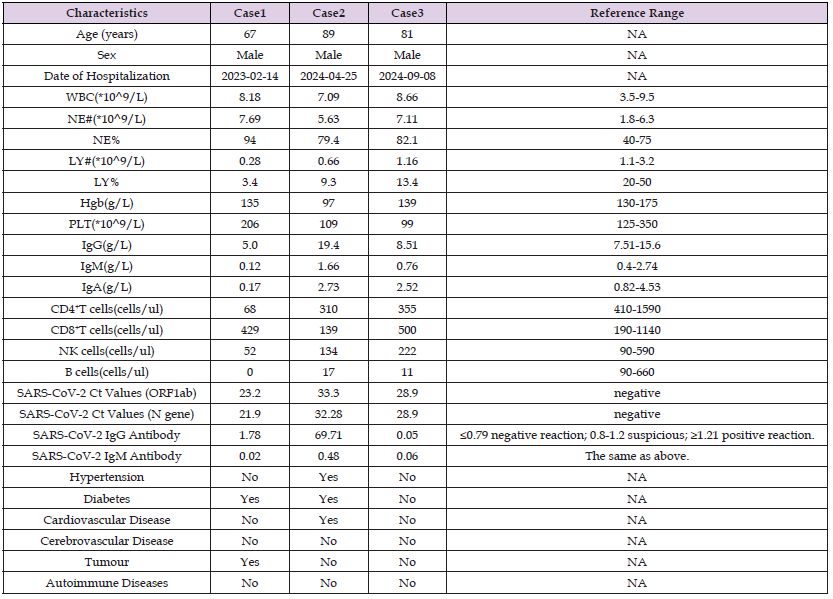
Figure 1
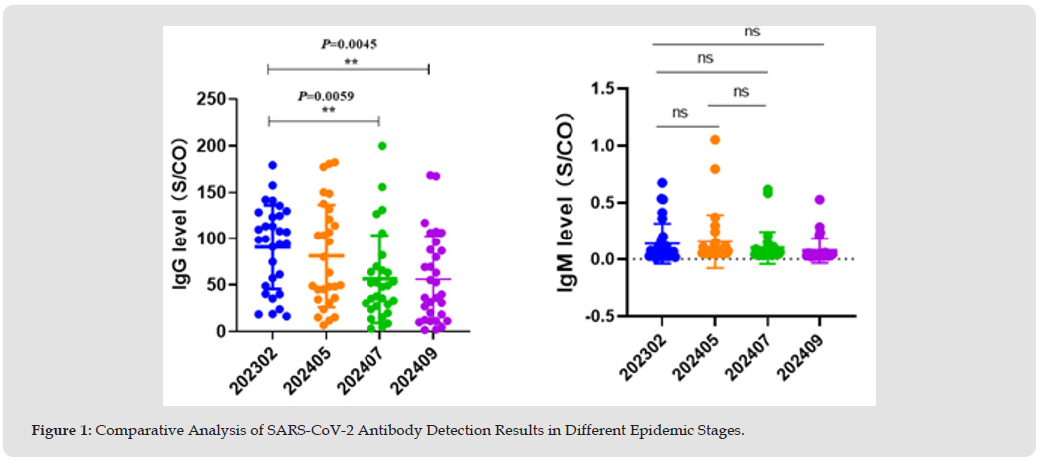
Figure 2
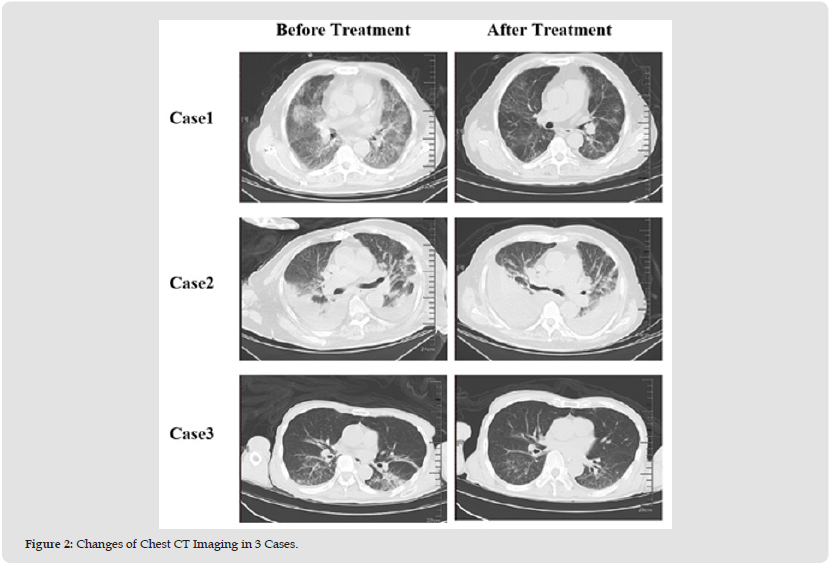
Table 3: Changes of SARS-CoV-2 Antibody in 3 Cases.

Table 4: Changes of SARS-CoV-2 Ct Values in 3 Cases.

Following infection with SARS-CoV-2, the body causes the production of various antibodies. The detection of these antibodies is important for determining infection status, estimating population seroprevalence, assessing reinfection risk, and evaluating the efficacy of therapeutic interventions. Convalescent plasma containing high-titre neutralising antibodies has been utilised for the treatment of patients with severe or critical COVID-19 [5]. As a significant proportion of blood donors are now convalescent individuals, we conducted SARSCoV- 2 antibody detection and analysis in standard plasma collected from voluntary, non-remunerated donors in the Beijing area. Besides neutralising antibodies, convalescent plasma contains inorganic salts, organic compounds, water, and various proteins, including immunoglobulins (IgG), complement factors, albumin, coagulation and antithrombotic factors, anti-inflammatory cytokines, and other undefined components [6,7]. The transfusion of this antibody-rich plasma constitutes a form of passive immunisation, whose primary mechanisms of action include antiviral effects and immunomodulation [8]. The principal objective of plasma therapy is to employ neutralising antibodies from convalescent donors to mitigate viral load and inhibit replication. This therapeutic approach has a long history, dating back to its use during the 2003 SARS outbreak, and has also been deployed for influenza A, Ebola virus disease, and Middle East Respiratory Syndrome (MERS) [9-10].
During the early stages of the COVID-19 pandemic, convalescent plasma demonstrated notable benefits in the treatment of severe and critical patients, contributing to reduced mortality and improved survival rates in the absence of specific antiviral drugs [11]. Although the development and deployment of targeted antivirals have reduced the reliance on plasma therapy, it remains relevant. The rapid emergence of novel SARS-CoV-2 variants continues to pose treatment challenges, particularly for severe, critically ill, or repeatedly infected patients with limited therapeutic options. Plasma therapy may retain clinical efficacy against emerging variants and offers particular value for strains against which specific monoclonal antibodies or drugs are ineffective [12]. Most people infected with the novel coronavirus show no clinical symptoms or only mild symptoms. However, some elderly people with underlying diseases or patients with combined immunodeficiency may experience severe symptoms such as difficulty breathing, persistent chest pain, high fever, confusion and even life-threatening after infection [13]. Guidelines, including China’s Diagnosis and Treatment Plan for Novel Coronavirus Infection (Trial Version 10), recommend convalescent plasma for high-risk patients with high viral load or rapid disease progression early in the course of illness. At the same time, relevant departments also require blood collection and supply institutions across the country to do a good job in supplying convalescent plasma for COVID-19 [14]. The US FDA recommends that immunodeficient (with low humoral immunity) patients be treated with high-titer plasma from previous infection cases [15].
The 9th European Conference on Infections in Leukemia, the US Centers for Disease Control and Prevention/Infectious Diseases Society of America, and the American Association of Blood Banks also suggest the use of plasma in immunodeficient patients, especially after considering the prevalence of monoclonal antibody-resistant SARS-CoV2 variants [16]. Immunodeficient individuals are usually relatively fragile, including patients with hematological tumors, transplant patients, patients with solid tumors, and patients with congenital or acquired immunodeficiency [17-18]. Such people cannot produce a strong antibody or inflammatory response and cannot clear SARS-CoV2. A longitudinal cohort and propensity score analysis showed that in B-cell lymphoma patients treated with CD20 monoclonal antibody, compared with the untreated group, the mortality rate in the plasma treatment group was reduced by 63%. This result suggests that plasma infusion may be beneficial for COVID-19 infected patients with B-cell tumors who cannot produce a humoral immune response [19]. A recent systematic review and meta-analysis including 3 randomized clinical trials and 5 matched cohort studies showed that in hospitalized COVID-19 patients with concomitant immunodeficiency, plasma therapy is associated with a reduced risk of death [20]. An article published in JAMA included 5 critically ill COVID-19 patients. The study showed that after infusion of convalescent plasma for COVID-19 treatment, oxygen saturation improved, fever symptoms improved, and viral load decreased [20]. Therefore, convalescent plasma therapy remains significant for improving outcomes in severe, critical, and immunocompromised COVID-19 patients, a finding supported by the cases presented in this study. These results reinforce recommendations that plasma with high levels of IgG antibody can be a valuable therapeutic option for such patients. Nevertheless, limitations exist; as a polyclonal antibody preparation, convalescent plasma contains antibodies against various antigens and may lack the specificity of monoclonal therapies.
All authors: No reported conflicts of interest.

International Association of Landscape Archaeology, Czech Glass Society, Czech Republic

Department of Chemistry, Semenov Institute of Chemical Physics, USSR Academy of Sciences, Moscow, Russia

Department of Educational Sciences, Research Centre Qualities of Teachers, School of Education – HAN, Nijmegen, Netherlands

Associate Professor at Department of Breast and Thyorid Surgey, Chongqing General Hospital, China

Neurology, LA BioMed Research Institute, USA





 Abstract
 PDF
PDF



























