info@biomedres.us
+1 (502) 904-2126
One Westbrook Corporate Center, Suite 300, Westchester, IL 60154, USA
Site Map
 ISSN: 2574 -1241
ISSN: 2574 -1241
ISSN: 2574 -1241
Received: November 12, 2025; Published: November 26, 2025
*Corresponding author: Nyarai D Soko, Department of Pharmaceutical Technology, School of Allied Health Sciences, Harare Institute of Technology, Harare, Zimbabwe
DOI: 10.26717/BJSTR.2025.64.009978
Human papillomavirus (HPV) attributable cancers such as oropharyngeal cancer remaining a leading cause of mortality due to cancer in Zimbabwe. However, the prevalence of oropharyngeal HPV infection is underreported in Zimbabwean populations especially in young adults where infection risks like alcohol abuse and unsafe sexual practices are rife. We report the prevalence of oropharyngeal HPV infection in a cohort of healthy young adults at a tertiary learning institution in Harare, Zimbabwe. Swabs were collected from the oropharynx and the Pax- View® HPV20 Multiplex PCR Kit was used to perform the HPV DNA analysis and typing. Prevalence of oropharyngeal HPV infection stood at 54% with oncogenic HPV types (HPV45 and 69) being the predominant causes of infection. 49% of students interviewed were sexually active; vaccination uptake was low (14.6%), 84.9% of participants recognized HPV as a sexually transmitted disease, only 68.8% knew of its link to cancer and 35% were unsure about the effectiveness of condom use in reducing infection. Our findings highlight a potentially significant underappreciated burden of oncogenic HPV in the oral cavities of young adults and thus underscore the need for enhanced surveillance, preventive measures and future research into region specific HPV epidemiology at various anatomical sites.
Keywords: Africa; HPV; College; Young Adult; Oral; Prevalence
Oral cancer, which is a cancer that develops in the oral cavity including parts of the mouth, lips and oropharynx, is a significant global health concern with an estimated 389,846 new cases and 188,438 deaths in 2022 alone [1]. Oropharyngeal cancer which develops primarily in the tonsils, and the base of the tongue, affects an estimated 100,000 people [2] globally. Human papillomavirus (HPV) is an established etiological agent of oropharyngeal cancer [3,4]. Approximately 30% of oropharyngeal squamous cell carcinomas (OSPCC) are driven by HPV infection [2] and infection driven predominantly by oncogenic HPV16 [5]. In the past decade, OSPCC has increased in prevalence, especially in younger men [2,6] often nonsmokers and younger than those in the HPV negative OSPCC cases [7]. In fact, the number of HPV associated oropharyngeal cancers has surpassed that of cervical cancer in high-income countries [2] and can be expected to show similar increase, if left unabated, in low to middleincome countries in the coming decades. In Zimbabwe, oropharyngeal cancer has an annual crude incidence rate of 0.14/100,000 in males and 0.13/100,000 in females living in Zimbabwe, based on 2020 estimates [8]. Human papilloma virus (HPV) attributable cancers like cervical cancer remain the leading cancers in Zimbabwe [9-11] with about 35% of adult women believed to harbour cervical HPV infection at any given time in Zimbabwe [10]. In response, the government of Zimbabwe launched an HPV vaccination program in 2018 targeting prepubescent girls aged 9-14 years [10]. However, vaccination uptake amongst older adolescents and young adults remains low.
This is due to limited accessibility to the vaccine and limited information amongst this age group about risk factors of HPV related cancers amongst this population group [12] Sexual activity is also high amongst this population, fueled by alcohol and substance abuse [13]. Sexual practices like masturbation [6] and oral sex [14] may also fuel an increased infection of oral cavities amongst students in tertiary institutions. However, the exact prevalence of these oral infections remains largely unknown, hampering prevention efforts to a highly vulnerable group. We report the prevalence of oral HPV and the various HPV types that infect a population of healthy young adults at a tertiary institution in Zimbabwe. We believe this preliminary pilot study will initiate further investigation into both the prevalence of oral HPV and the determinants driving the increase of oral HPV in young adults in Zimbabwe.
Study Setting
A cross-sectional study was conducted during the period February till April of 2025.
Study Participants and Sampling
Male and female students aged 18 years and above who were willing to give written informed consent and had no history or family history of oral and/or head and neck cancer and had no known chronic condition or infection at time of recruitment were considered eligible for the study. Whilst members of staff, students with a history or family history of oral and/or head and neck cancers as well as those unwilling to give informed consent were excluded from enrolment. Convenience sampling was employed to recruit participants. A research nurse aseptically collected oral samples by swabbing the oropharyngeal area and cheeks with sterile oral swabs. Oral swabs were sent to the diagnostic lab for analysis. Using a finite population of 2500 students and assuming an oral HPV prevalence of 10% [15] estimated minimum sample size was 132 participants. In addition, a self-administered questionnaire (Supplementary Material S1) was used to investigate the general student body’s knowledge, attitudes and practices towards HPV infection and vaccination. This concurrent study was done by a separate group of investigators who was later co-opted into this study. Each respondent provided informed consent prior to completing the questionnaire.
HPV Analysis
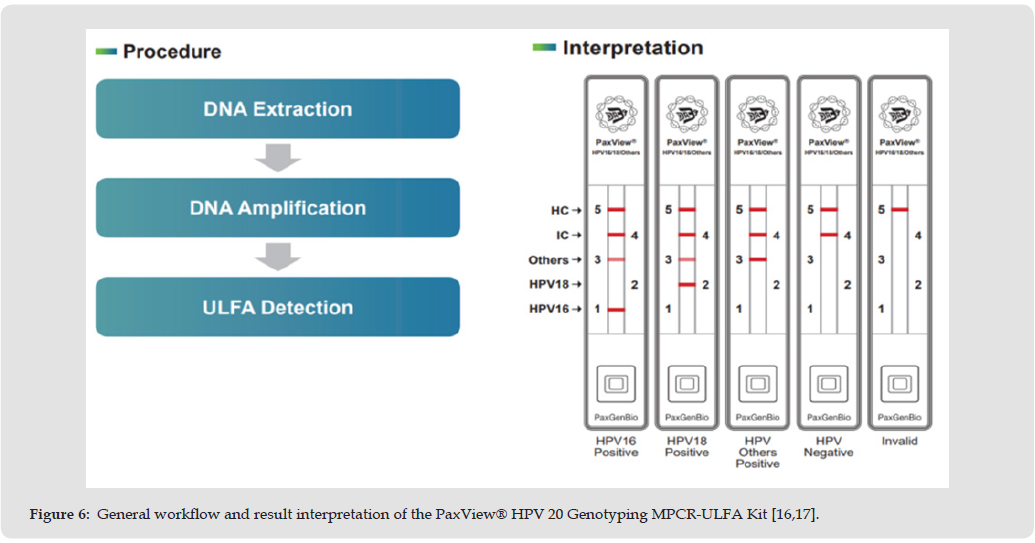
Analysis of HPV was done at the Biotech Institute, a registered diagnostic laboratory that routinely runs HPV testing from human samples. The PaxView® HPV 20 Genotyping MPCR-ULFA Kit (Pax Gen Bio Co., Ltd., Anyang-Si, South Korea) was employed to detect 20 HPV genotypes, categorized into high-risk (n=14: HPV 16, 18, 31, 33, 35, 39, 45, 51, 52, 56, 58, 59, 66, and 68), probable high-risk (n=2: 53, 73), and low-risk (n=4: 6, 11, 69, 70) groups [16,17].
DNA Extraction: The oral swabs were placed into microcentrifuge tubes containing 1 mL of sterile 1X phosphate-buffered saline (PBS), followed by vortexing for 10 seconds and incubation at room temperature for 24 hours. Post-incubation, samples were vortexed for 30 seconds at high speed, and 1 mL of solution was transferred to a sterile 1.5 mL microcentrifuge tube (or centrifuged in a 14 mL roundbottom tube at 4,000 rpm for 5 minutes in cases of large volume). The sample was centrifuged at 13,200 rpm for 10 minutes, and the supernatant was discarded. The pellet was washed twice with 1 mL of 1X washing buffer (prepared by diluting a 10X stock solution), each followed by vortexing for 10 seconds, centrifugation at 13,200 rpm for 10 minutes, and removal of the supernatant. After the final wash, 100 μL of elution buffer was added, mixed by vortexing for 10 seconds, and the sample was boiled at 95°C for 15 minutes to lyse cells and release DNA. The sample was centrifuged again at 13,200 rpm for 10 minutes, and 50 μL of the supernatant was carefully transferred to a new microcentrifuge tube, with 5 μL used for DNA amplification. DNA. The extracted DNA quality was assessed using the MaestroNano Pro Spectrophotometer (MaestroGen, Inc., Las Vegas, NV, USA). The concentration of the extracted DNA was measured in nanogams per microlitre (ng/ml). DNA extracts were either stored at -20°C or immediately processed using the PaxView® HPV 20 Genotyping MPCR-ULFA Kit
HPV Analysis: Prior to PCR, reagents were thawed at room temperature or on ice for 10–15 minutes, depending on reagent specific requirements, the mixed, and briefly centrifuged. A master mix consisting of 10 μL of 2X PCR premix and 5 μL of primer mix (15 μL total) was prepared in 0.2 mL PCR tubes, to which 5 μL of extracted DNA, positive control, or negative control (distilled water or TE buffer) was added. PCR amplification was conducted using a TECHNE TC-412 thermal cycler (Bibby Scientific Ltd, Stone, United Kingdom) with the following cycling conditions: 50°C for 4 minutes (1 cycle), 95°C for 10 minutes (1 cycle), followed by 25 cycles of 95°C for 15 seconds and 72°C for 90 seconds, and then 20 cycles of 95°C for 15 seconds, 62°C for 45 seconds, and 72°C for 30 seconds. Post-amplification, 5 μL of PCR product was loaded into the upper slot of a ULFA cartridge, followed by the addition of 50 μL of running buffer into the lower slot. After 5 minutes, 50 μL of washing buffer was added to the lower slot. Results were interpreted within 10 minutes using a ULFA reading film as instructed by the manufacturer.
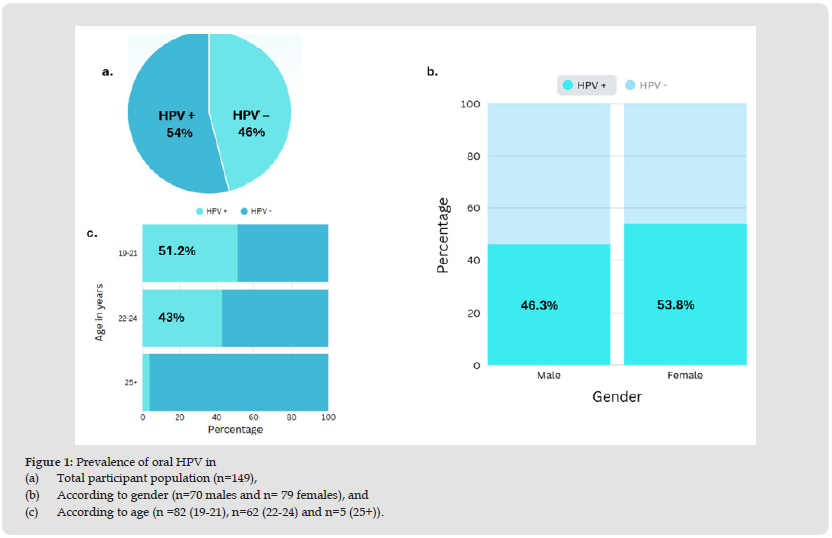
Prevalence of Oral HPV A total of 149 participants with a mean age of 21.6 years (19-46 years) and 53% (n = 79) female enrolled for oral HPV prevalence testing. 96.6% of the participants were aged between 19 and 24 years of age with only five participants aged 25 years and older. In this cohort of predominantly healthy young adults, 54% (n = 80) tested positive for any oral human papillomavirus (HPV) (Figure 1). Prevalence was higher in females with 53.8% (n= 79) testing positive for oral HPV infection when compared to 46.3% (=70) of the male participants. Oral HPV infection tended to be higher in the younger participants with a frequency of 51.2% in the 19- to 21-year-old age group compared to the 22 to 24 age group (43%) and the 25 and older age group (3.8%).
Figure 1
Distribution of HPV Genotypes
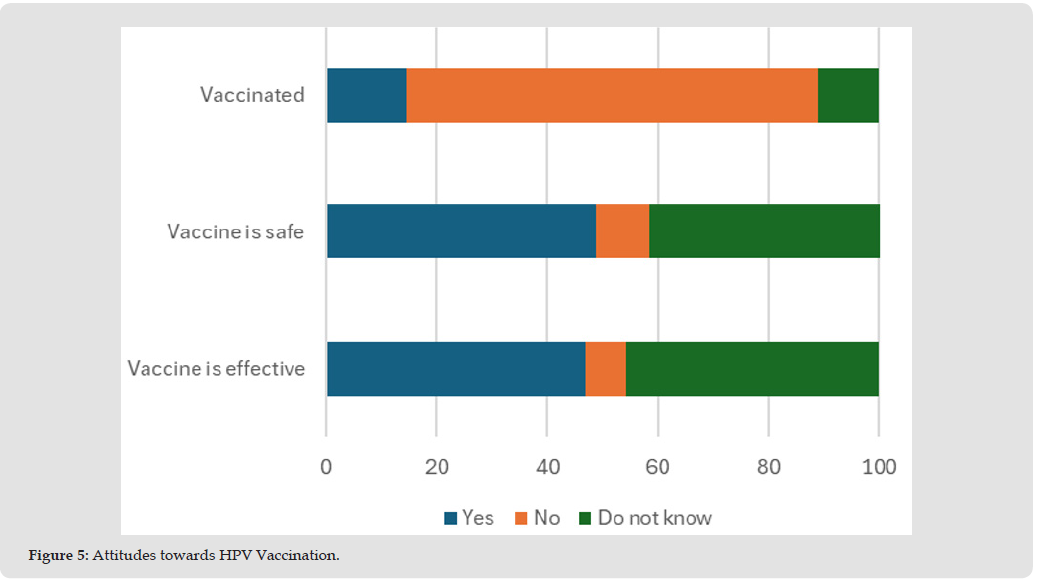
HPV 45 was the predominant genotype in this cohort, detected in 77 cases and accounting for approximately 87% of all genotypepositive samples, while other types including HPV 16 (n=1), HPV 18 (n=1), HPV 31 (n=2), HPV 33 (n=2), HPV 52 (n=1), and HPV 69 (n=4) being observed infrequently (Figure 2). Among participants, 95% of HPV-positive cases involved a single genotype and only 4% had multiple-type infections (2.7% dual, 0.7% triple, 0.7% quadruple or more). A total of 192 participants responded to the questionnaire. Respondents had a mean age of 22 years (19-45 years old) with 89.6% aged 19 to 25 years of age. Females made up 53.1% of the student respondents. Of these participants, 49% were sexually active (Figure 3) whilst 12% preferred not to divulge sexual activity. Of the sexually active participants, 51.6% claimed to practice safe sex including frequent condom use whilst 16% of the sexually active had had four or more sexual partners. Knowledge of HPV being a sexually transmitted infection was high amongst the general student body with 84.9% confirming HPV as a sexually transmitted infection (Figure 4). However, only 68.8% of the student respondents were aware that HPV causes cancer, whilst only 32.3% believed condom use was effective in reducing HPV infection. Only 14.6% of the respondents were vaccinated against HPV (Figure 5). 49% of the respondents believed the vaccine was safe whilst only 46.9% believed the vaccine was effective.
Figure 2
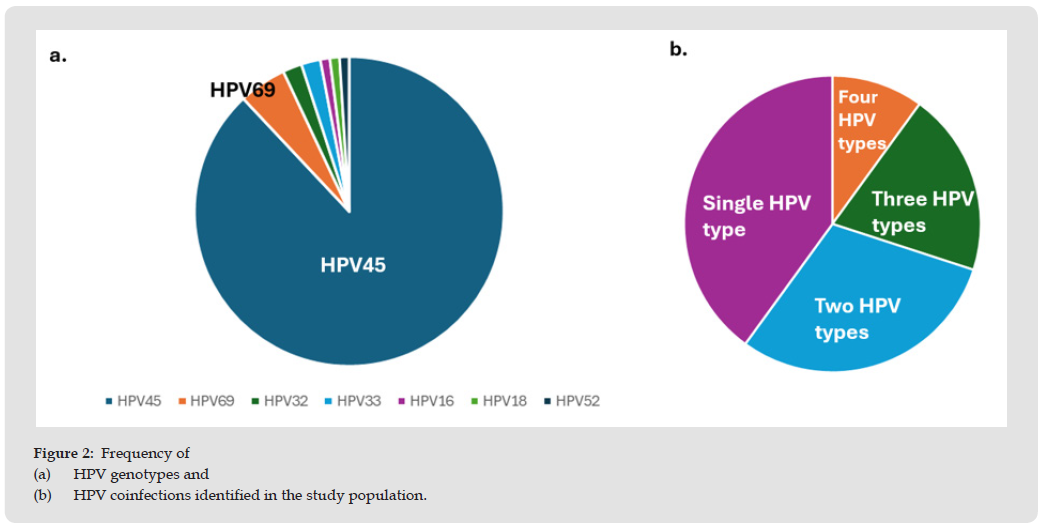
Figure 3
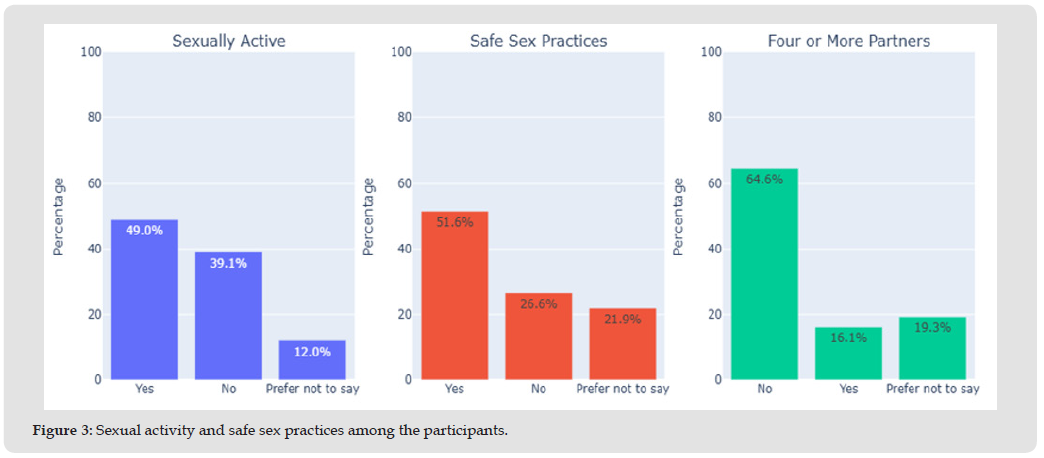
Figure 4
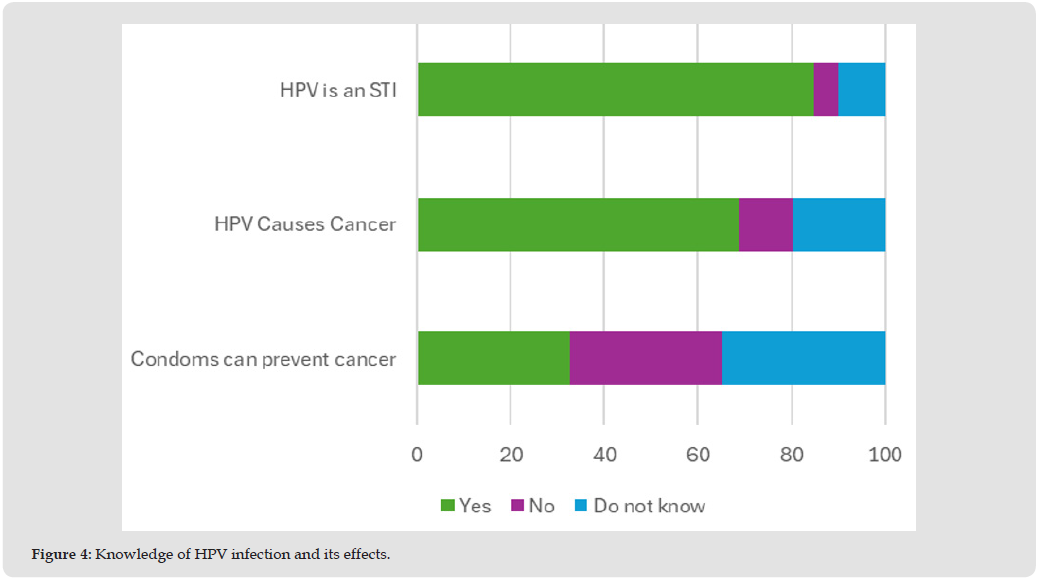
Figure 5
Persistent HPV infection is an established causative agent of numerous cancers including cancer of the oropharynx. Oral HPV infection is driven by smoking, alcohol use, masturbation and oral sex especially oral sex with multiple partners [6,7]. These risky sexual behaviours are higher in young adults in countries like Zimbabwe [13,18,19] yet the prevalence of oral HPV infection in these populations is seldomly reported (Figure 6). We report, for the first time, prevalence of oral HPV infection and distribution of HPV types in a healthy young adult population at a tertiary learning institute in Harare Province, Zimbabwe.
Figure 6
Prevalence of oral HPV
Our study revealed an overall oral HPV prevalence of 53.69% among the healthy student population. This figure is significantly higher than global estimates, which typically range between 4.5% and 7.7% in healthy adult populations [20]. Prevalence of oral HPV in adult populations has been reported as 1.2% to 11.6% in European populations [21], being highest in a Polish study [22]; 4.08% (95 CI, 3.69%-4.68%) in 4226 individuals living in Northern China [23] and 7.3% in a US adult population aged 18-69 years of age. In Africa, oral HPV has been reported as 0.75% in a Zambian population [24], 3.6% in South Africa [25] and 10% in participants attending a Nigerian dental clinic in Ibadan [15]. The oral prevalence of 53.69% found in this study was exceptionally high, suggesting a unique epidemiological pattern in this student population and possibly reflecting behavioral or immunological factors specific to this cohort. Lack of data on prevalence of oral HPV in the general Zimbabwean population compounds our ability to see if this high prevalence is a national trend or unique to this student population. Oral HPV prevalence varies by geographic and sub populations. For instance, oral HPV had a prevalence of 2.6% in young Australian students aged 18-35 years of age [26] whilst prevalence was as high as 35.3%(95%CI,32.2-35.4%) in 910 indigenous Australians [26]. Studies show high variability due to reasons such as differences in detection and sample collection methods, population selection, and cultural and behavioural differences.
Studies in Zambia [24] show significant differences in oral and coital sexual behaviours, tobacco and alcohol use between urban and rural populations, differences that may play a role in varying oral HPV infection. In Zimbabwe, oral HPV infection risk factors are more pronounced in the young adult population when compared to the general population. Young Zimbabwean adults are more likely to drink; smoke engage in risky sexual abuse and abuse substances [13]. At least 54.1% of Zimbabwean youth who consume alcohol engage in binge drinking [19], 67% report using cannabis and 11.2% of young females in Zimbabwe smoke when compared to 0.7% of the adult female population [18]. Alcohol and substance use amongst young Zimbabwean adults increases the odds of multiple sexual partners even for transactional sexual activities [13]. Although there are no public reports on oral HPV in the general Zimbabwean population it can be expected that due to increased risk factors amongst the young adult population, oral HPV prevalence is higher in young adults than in the general Zimbabwean adult population. Comparative studies of oral HPV prevalence in young adults though limited show prevalence of 2.3% in an Australian university7, 7.5% in Washington, USA [27] and 7.2% in Valencia, Spain [28]. However, a higher prevalence of 22% is reported in 452 young adults studying at an institution of higher learning in the United Kingdom [6].
Interestingly, like our study, the UK study did not employ oral rinse but rather used buccal swabs for specimen collection. Differences in sample collection methods impact test sensitivity, for instance, oral sponge detection showed higher specificity (100%), sensitivity (85.7%) and accuracy (96.2%) in HPV detection assay when compared to oral rinsing [29]. In the absence of standardised or FDA approved tests to detect HPV samples from oral cavities, collection methods may continue to contribute variation to HPV detection. However, despite differences in collection methods an oral HPV prevalence of 54% in our study population is alarmingly high. In a previous study that investigated HPV prevalence in recurrent respiratory papillomas in Zimbawe, HPV prevalence was 64% [30]. It is possible that oral HPV prevalence may be high in the general Zimbabwean population. In the absence of national statistics on oral HPV prevalence in Zimbabwe it becomes difficult to ascertain whether this high prevalence is unique to our study population or it is actually a national burden. Further work is recommended in determining prevalence of oral HPV not only in other institutions of higher learning but even in the general Zimbabwean population.
Types of oral HPV
The predominance of oncogenic HPV types in our study population is noteworthy as is the near absence of low-risk types. High risk HPV in particular, HPV16, are major drivers of oropharyngeal malignancy [2,3,29,31]. Indeed HPV 16 was a dominant high risk viral type in young adults in the UK [6] and was detected in young adults in Spain [28] and Australia as well [7]. Only one participant in our study population presented with HPV16 infection. HPV45 was the predominant oncogenic type occurring in 77 of the 80 cases and accounting for approximately 87% of all HPV positive samples. This distribution is notably skewed as predominance of HPV 45 is rare compared to HPV16 and HPV18. However, HPV45 is also a significant contributor to HPV associated malignancy ranking third in prevalence within the African region [32]. The rarity of HPV16 and predominance of HPV45 in this study reinforces regional and sitespecific variation in genotype distribution, possibly influenced by localized transmission dynamics or sampling effects.
Sexual Practices and Vaccination Awareness: To refine our understanding of the high oral HPV prevalence in our student body, we analyzed the results of sexual practices, awareness of HPV infection and HPV vaccination obtained from the concurrent study on the knowledge, attitudes and practices related to HPV infection and vaccination in the general student body our oral HPV participants were recruited from. Of the 192 students who responded to the concurrent sub study on sexual practices and vaccination awareness, 49% declared themselves as sexually active whilst 39.1% were not yet sexually active. This figure is comparative to the pooled prevalence of sexual activity of students in African universities of 51% [33] but far lower than that reported in the Spanish (98%) [28], English (88%) [6] and Australian (90%) [7] studies that looked at oral HPV prevalence. It is possible students who volunteered for the oral HPV prevalence study could have had a higher sexual activity than the general student body, as students with oral HPV infection were more likely to be sexual active. Nevertheless, as half of the students are sexually active at university and with sexual activity onset often during late adolescence and early adulthood [28], continuous and timely sexual health education is vital in tertiary institutions. Early sexual health education may lead to informed decisions related to their health. Of the sexually active respondents, 51.6% practiced safe sex. Inconsistent condom use stood at 53% in students at African universities [33]. Students at tertiary education institutes in Africa are generally aware of safe sex practices especially condom use. Similarly, 57.9% of the Spanish students [28] used condoms whilst only 1.1% of the Australian students [7] were frequent condom users.
Higher condom use amongst African students may in part be driven by the high HIV prevalence in the general population and heightened awareness to condom use effectiveness against HIV infection. Pooled condom use in African populations is estimated at 44.66% [33] which is comparative to condom use in our student body. Interestingly, multiple sexual partners were not common in our study cohort with only 16% of respondents declaring they had more than 4 sexual partners. Similarly, in Spain only 59.8% [28] of the students enrolled had a single sexual partner in the past year. Though multiple sexual partners increase the risk of contracting oral HPV [6,7], oral HPV could be spread through even monogamous sexual relations amongst student bodies. A large proportion (84.9%) of the general student body knew HPV could be sexually transmitted but were not as knowledgeable that persistent HPV infection could cause cancer as only 68.8% were aware HPV was a cancer-causing virus. Even more concerning were their perceptions on condom use and HPV infection, with only 32.3% believing condom use was effective against HPV infection. All these statistics point to low knowledge of HPV infection, its routes and prevention methods, low knowledge on the ability of HPV infection to lead to malignancy and the importance of safe sex in reducing exposure to HPV infection.
This knowledge gap suggests that while general awareness about HPV’s nature and risks is present, there is still a critical need for targeted education focusing on the consequences of HPV infection such as development of oropharyngeal cancer as well as was prevention strategies, particularly regarding the limitations and roles of condom use in reducing HPV transmission. A substantial 74.5% of respondents reported not being vaccinated, while only 14.6% indicated they had received the vaccine, and 10.9% were unsure. Comparative studies in similar populations show a vaccination rate of 32.8% in Australian young adults [7] and 36.56% in English college students [6]. The government of Zimbabwe commenced public HPV vaccination of prepubescent girls in 2018 [10], thus individuals in our study cohort were not part of the national vaccination drive and are therefore, likely unvaccinated. Outside the government drive, HPV vaccination in Zimbabwe is done by private healthcare providers who are often considered expensive and inconvenient by the general public. This scenario could drive lower vaccination uptake by the participants who enrolled in the study. This low uptake is concerning given the age group’s sexual behaviour and heightened vulnerability to HPV-related complications. Only 49.0% of respondents believed the vaccine is safe, while 41.7% reported uncertainty, suggesting widespread doubts or lack of clear information about the vaccine’s safety profile. Similarly, while 46.9% perceived the vaccine as effective, nearly an equal proportion (45.8%) did not know, and 7.3% thought it was ineffective.
These findings suggest that confidence in the vaccine remains moderate and may not be sufficient to drive higher vaccination rates. They also demonstrate that misinformation, lack of awareness, or vaccine hesitancy may be prevalent. Showing that even among educated youth, acceptance of the HPV vaccine is hindered by limited knowledge, limited access, cultural hesitancy, misinformation and trust. To improve uptake, public health strategies should focus not only on accessibility but also on targeted communication to clarify misconceptions, provide scientific reassurance, and build confidence in HPV vaccination as a preventive tool against cancer.
Implications for Public Health: The findings of this study have several important public health implications. We highlight a previously underappreciated burden of oral HPV infection in this sub population of adults in Zimbabwe, suggesting the need for enhanced surveillance and preventive interventions in young adults if HPV related oropharyngeal cancers are to be reduced. Future research should also explore potential risk factors such as HIV status, oral sex patterns, oral hygiene practices and genetic susceptibility that may contribute to this seemingly alarming high oral HPV prevalence observed. Integration of oral HPV screening into existing cervical screening programs could provide a more comprehensive approach to HPVrelated cancer prevention in this high prevalence setting. The almost five-fold higher prevalence compared to global averages underscores a yet unrecognized health concern especially where HPV infection has predominantly focused on cervical cancers. In fact, this study was motivated by increased gastrointestinal cancer observed in clinical practice, future research may want to investigate HPV prevalence in gastric tumours and begin a national drive on the importance of oral HPVs and their contribution to numerous malignancies. The results of this study therefore suggest a potentially substantial hidden burden of disease that warrants further investigation.
In addition, the overwhelming burden of oncogenic genotypes (95.5%) in our study population is more pronounced than other comparative global settings, which may reflect selective pressures or transmission dynamics that favour high risk types in this study population. Given that persistent oncogenic HPV coupled with other risk factors like smoking, alcohol consumption, oral hygiene and immune status drive carcinogenesis; it becomes crucial to investigate these risk factors in these same student populations as well as persistent of infection to enable understanding of the level of risk amongst these young adults. Once risk is understood appropriate prevention measures can be initiated. A major preventive measure instituted by the Government of Zimbabwe is HPV vaccination of prepubescent girls aged 9-14 initiated in 2018. It is believed and has been established that vaccination indeed reduces prevalence of HPV infection [8]. However, HPV vaccination has been pushed for cervical cancer leaving many unaware of HPV infection in other anatomical sites and the benefits of vaccination. In addition, Zimbabwe’s current vaccination programs predominantly use the bivalent (HPV-16/18) or quadrivalent (HPV-6/11/16/18) vaccines. These do not offer protection against HPV45, the most prevalent genotype in this study. These findings, therefore, support the introduction of the nonavalent vaccine (which includes HPV45) and advocate for broader, genderneutral vaccination strategies that include tertiary education students.
The frequency of other oncogenic types in the Zimbabwean population such as HPV35 [34] and indeed HPV45 in our study population warrants consideration of nonavalent HPV vaccines that cater for a wider range of HPV types. Finally, this report also shows modest sexual activity in our student bodies, low knowledge of HPV infection routes and their prevention, knowledge gaps in HPV related cancers and a general low vaccination uptake. All these factors coupled with risky sexual behaviours create a brewing public health time bomb on HPV related infections and malignancies in this young population. Sustained risk communication, sexual health education and youth friendly programs is highly recommended.
Limitations
This study had several limitations that must be acknowledged. The cross-sectional design precludes determination of persistence or temporal relationships with risk factors. Additionally, point selection bias cannot be ruled out as participants may not fully represent the whole population. Convenience sampling employed limits representativeness and makes it difficult to generalise results for the whole student body and similar youth populations across the nation. In addition, risk factors were not examined in the oral HPV sample collection which would have given a better picture of overall risks and how they contribute to the high prevalence observed. Despite these limitations, this study has important strengths including collection of oral swabs from the oropharynx, use of a sensitive and specific HPV detection and genotyping method capable of identifying 20 distinct HPV types, whilst the focus on an understudied population addresses an important gap in global oral HPV epidemiology.
We report for the first time an oral HPV prevalence of 54% in a population of young adults predominantly aged 19-22years of age attending an institution of higher learning in Zimbabwe. Inconsistent condom use, low knowledge on HPV infection and low HPV vaccination uptake are also reported in this student body. Our findings highlight a potentially significant underappreciated burden of oncogenic HPV in the oral cavities of young adults and thus underscore the need for enhanced surveillance, preventive measures and future research into region specific HPV epidemiology at various anatomical sites. Understanding these patterns is crucial for developing tailored approaches to HPV-related cancer prevention in this high prevalence population.
The authors would like to acknowledge all study participants, the research nurse for collecting the oral swabs and the Biotech Institute for HPV analysis.
This is the questionnaire employed to collect demographic data, sexual health practices, knowledge of HPV infection, HPV Vaccination, and attitudes towards HPV infections.
The data that support the findings of this study are available from the corresponding author [Nyarai D Soko] upon reasonable request.
This study was funded by United Nations Educational, Scientific and Cultural Organization (UNESCO).
The authors declare no conflicts of interest. The funders had no role in the study’s design, the data collection, analyses, or interpretation of data, the writing of the manuscript, or the decision to publish the results.
This study was conducted in accordance with the declaration of Helsinki and approved by the HIT research board and the Medical Research Council of Zimbabwe (MRCZ Refs: MRCZ/B/2826 and MRCZ/B/2837).
Informed consent was obtained from all participants involved in the study.

International Association of Landscape Archaeology, Czech Glass Society, Czech Republic

Department of Chemistry, Semenov Institute of Chemical Physics, USSR Academy of Sciences, Moscow, Russia

Neurology, LA BioMed Research Institute, USA

Associate Professor at Department of Breast and Thyorid Surgey, Chongqing General Hospital, China

Professor of Nuclear Medicine, Faculty of Medicine and Surgery, University of Milan, Milan, Italy





 Abstract
 PDF
PDF



























