info@biomedres.us
+1 (502) 904-2126
One Westbrook Corporate Center, Suite 300, Westchester, IL 60154, USA
Site Map
 ISSN: 2574 -1241
ISSN: 2574 -1241
ISSN: 2574 -1241
Received: May 07, 2025; Published: May 14, 2025
*Corresponding author: Alber Fares, Assistant Professor of Biochemistry, Orlando, Florida, USA
DOI: 10.26717/BJSTR.2025.61.009662
Carbohydrates represent one of the most essential and diverse groups of biological compounds. Also known as sugars or saccharides, they perform crucial roles, including serving as primary energy sources, acting as signaling molecules, and providing structural support. Delving into carbohydrate chemistry reveals the intricate molecular interactions that sustain life and facilitate various biochemical processes. At their core, carbohydrates are organic molecules composed of carbon (C), hydrogen (H), and oxygen (O) atoms, generally following the ratio of CH2O. Depending on their size and structure, carbohydrates can be classified into categories such as monosaccharides, disaccharides, oligosaccharides, and polysaccharides. These biomolecules are indispensable, fulfilling numerous structural and functional roles in living organisms. As one of the three main macronutrients, alongside proteins and fats, carbohydrates are crucial for energy and metabolic fuel. However, their significance goes beyond simply providing calories. This review offers an in-depth examination of carbohydrate chemistry, structure, function, and metabolism, emphasizing how the distinct molecular structures of various carbohydrate classes influence their physiological roles. Key topics include carbohydrate digestion and absorption, the synthesis of glycoproteins and glycolipids, energy storage, and their involvement in cell signaling. Special attention is given to glucose metabolism and homeostasis, given the critical importance of regulating blood sugar levels.
Furthermore, the review explores potential links between carbohydrate structures and the development of metabolic disorders. Current research areas and future directions are highlighted to illustrate how ongoing investigations into carbohydrate structural chemistry may improve our understanding of carbohydrate biology and yield better therapeutic strategies for carbohydrate-related diseases. This thorough review provides a structural perspective that enhances our comprehension of the diverse functional roles of carbohydrates within biological systems.
Keywords: Biomolecule; Carbohydrates; Monosaccharides; Disaccharides; Oligosaccharides; Polysaccharides
Abbreviation: SCFAs: Short-Chain Fatty Acids; SGLT1: Sodium-Glucose Cotransporter 1; NMR: Nuclear Magnetic Resonance
According to [1] The health impacts of dietary carbohydrates have garnered significant attention. Traditionally, dietary guidelines have focused on the recommended proportion of carbohydrates in the diet, categorizing them into complex (such as starch) and simple (such as sugars). However, this classification may not fully capture the health implications of sugars. Numerous prospective observational studies highlight those foods containing sugars, such as fruits and added sugars, along with certain starchy foods like whole grains, pulses, or potatoes, exhibit varying effects on the risk of several noncommunicable diseases [1]. This has led to the introduction of the concept of “carbohydrate quality,” which seeks to explore the different health associations linked to carbohydrates from various food sources [1]. [2] Concluded that carbohydrates are an essential category of biomolecules that fulfill numerous crucial functions across all life forms. True to their name, carbohydrates are compounds of carbon, hydrogen, and oxygen that can be described as hydrate carbon. Their fundamental molecular formula is (CH2O)n, where “n” is at least three. Plants synthesize carbohydrates through photosynthesis, which serve as the primary metabolic fuel that cells use to generate energy via cellular respiration [3]. Beyond their recognized role as an energy source, carbohydrates also play significant structural and functional roles. They are integral to cell membrane structure, aid in cellular recognition, provide protection and support, and engage in various biological processes such as activating or signaling molecules [4]. [5-9] Concluded that starch and glycogen serve as energy storage in plants and animals, respectively, while cellulose, a major component of plant cell walls, illustrates the significant structural role carbohydrates can fulfill. The importance of carbohydrates in energy metabolism cannot be overstated. Once glucose enters a cell, it undergoes glycolysis, releasing energy stored in its bonds to support cellular functions. In the absence of oxygen, fermentation occurs, producing lactic acid in muscles or alcohol in yeast. With oxygen, cellular respiration becomes a more efficient process, yielding abundant energy to sustain various life activities. Beyond energy storage, carbohydrates serve numerous functions:
• Structural Frameworks: Cellulose imparts rigidity to plant cells, while chitin, a modified polysaccharide, forms the exoskeletons of arthropods.
• Recognition and Signaling: Glycoproteins and glycolipids, which are carbohydrates linked to proteins or lipids, are crucial for cell-cell recognition, signaling, and immune responses.
• Lubrication and Protection: Mucins, highly glycosylated proteins, form the primary component of mucus, offering protection and lubrication in various bodily systems.
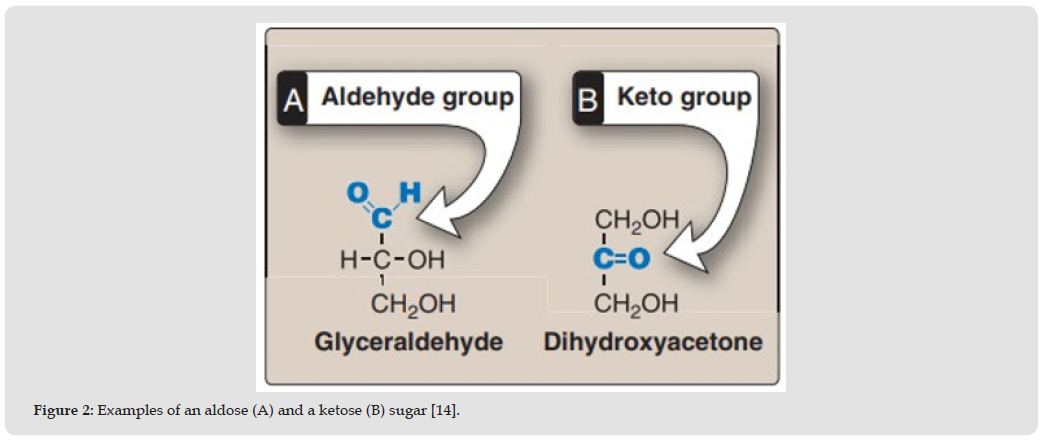
[10] Carbohydrates can be divided into two main types: simple and complex. Simple carbohydrates are made up of just one or two sugar units, whereas complex carbohydrates are made up of many sugar units. Simple carbohydrates including monosaccharides composed of one sugar (glucose, fructose, and galactose), disaccharides composed of two sugars (maltose, sucrose, and lactose). Complex carbohydrates with many sugars such as starch, glycogen, and fiber (Figure 1). Monosaccharides represent the fundamental building blocks of carbohydrates. These molecules consist of a single polyhydroxy aldehyde or ketone unit as illustrated in Figure 2, making them the simplest type of sugar. They are categorized based on the number of carbon atoms, which generally ranges from three to seven. The hexoses, which contain six carbon atoms, are the most prevalent monosaccharides important for human physiology [11]. Monosaccharides, the most basic carbohydrates, cannot be hydrolyzed into smaller sugar units. Notable examples include glucose and fructose, both essential in biological processes. Glucose, often referred to as the “energy currency,” is vital for cellular respiration, supplying the energy that cells need. Its structural isomer, fructose, is typically found in fruits and honey [5-9]. Glucose (C6H12O6) is a crucial monosaccharide produced during photosynthesis, functioning as a primary energy source and stored as the polymer glycogen in animals and starch in plants.
Figure 1
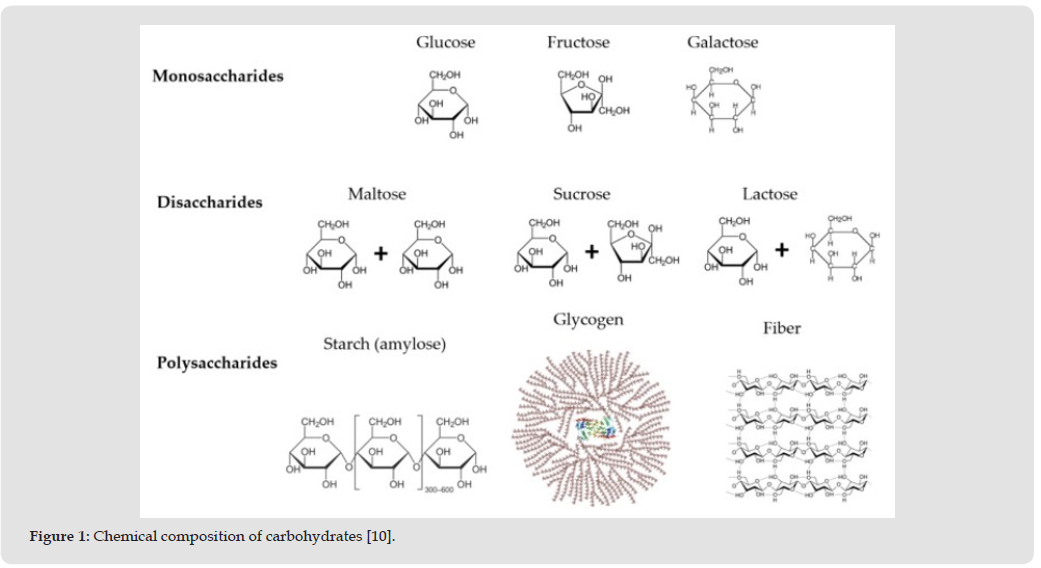
Figure 2
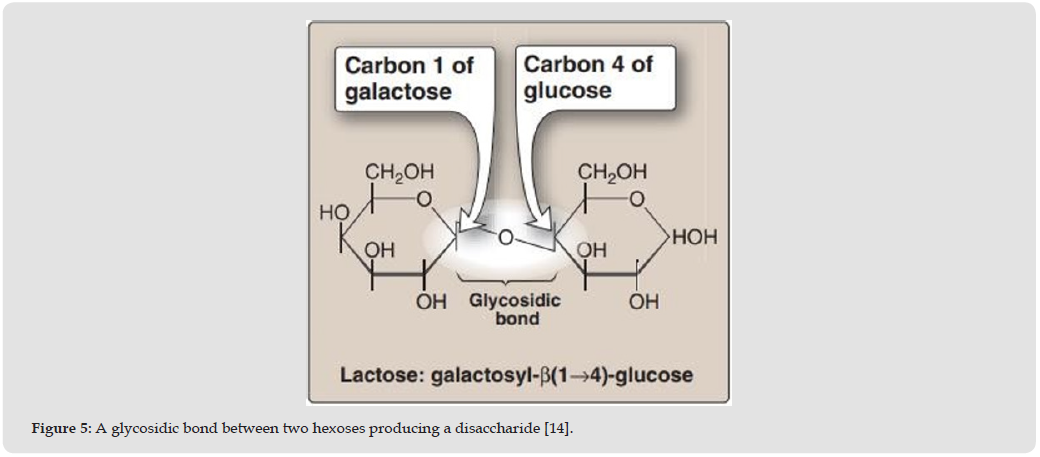
Other monosaccharides, such as galactose (“milk sugar”) and fructose (“fruit sugar”), share the same molecular formula as glucose but differ chemically and structurally due to variations in atomic arrangements, as illustrated in Figure 3. Thus, they are classified as isomers [12,13]. [14,15] Due to the presence of multiple asymmetric centers in carbohydrates, a variety of isoforms can arise, including enantiomers as illustrated in Figure 4, Dia stereoisomers, and epimers. Enantiomers, which are mirror images of one another, are known as the L and D forms, indicating the absolute configuration of the asymmetric carbon that is farthest from the ketone or aldehyde group in the monosaccharide. In biological contexts, D sugars are the most prevalent [16-18]. When two monosaccharides combine, they create a disaccharide. For example, sucrose, commonly known as table sugar, results from the union of glucose and fructose. This connection, called a glycosidic linkage, is established through a dehydration reaction that releases a molecule of water [5-9]. Disaccharides form through dehydration reactions between two monosaccharides, involving condensation that releases a water molecule, resulting in a covalent bond known as a glycosidic bond as illustrated in Figure 5, which can be either alpha (α) or beta (β). The most common disaccharides include sucrose, lactose, and maltose [13,17]. Lactose, found in milk, consists of one galactose and one glucose molecule linked by a β-1,4-glycosidic bond, making it an isomer of sucrose.
Figure 3
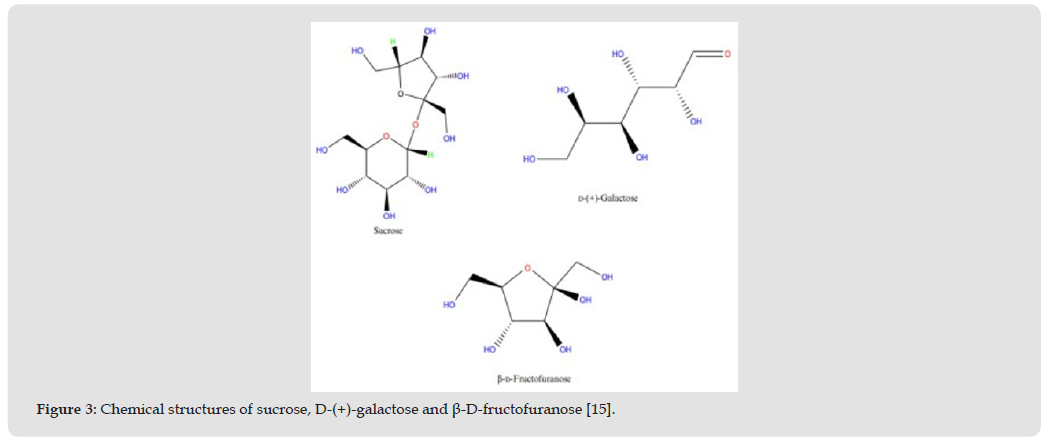
Figure 4
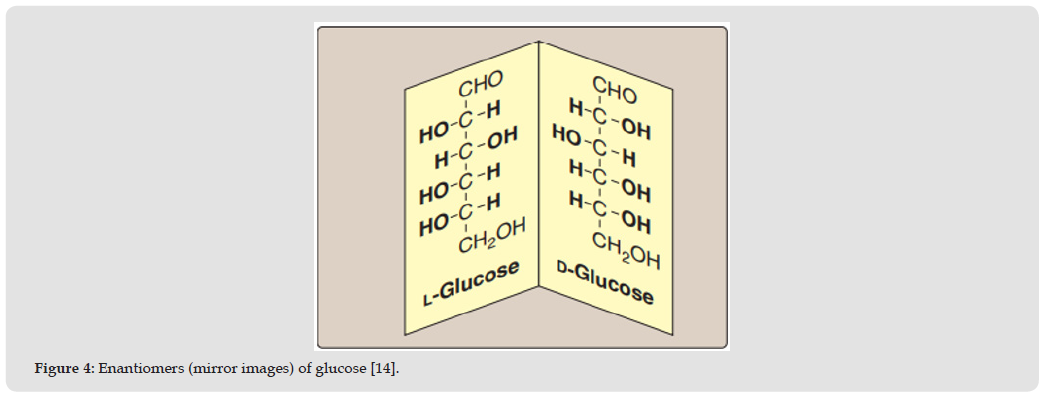
Figure 5
Maltose, or “malt sugar,” is formed from the reaction of two glucose molecules through an α-1,4-glycosidic bond. Sucrose, the most prevalent disaccharide, is created by a glycosidic bond between α-glucose and β-fructose molecules. Consequently, sucrose is classified as non-reducing sugar because the monosaccharides are linked to their anomeric carbons, preventing them from being converted into either an aldehyde or a ketone [17]. Oligosaccharides are slightly larger chains, consisting of 3-10 monosaccharide units, and they often facilitate cell recognition and adhesion. Polysaccharides are massive carbohydrate molecules made up of hundreds to thousands of monosaccharide units [5-9]. Polysaccharides is the major category of carbohydrates, often referred to as glycans. These are complex carbohydrates made up of numerous monosaccharides linked together covalently by glycosidic bonds. They can be connected in a linear chain or can branch off laterally to form intricate polymers. Generally, they can be represented by the formula Cx(H2O)y [5-9], where x is a large number ranging from 200 to 2500. Depending on the type of monosaccharides used in their construction, polysaccharides can be categorized into two types: homopolysaccharides, which consist of only one kind of repeating monosaccharide, and heteropolysaccharides, which contain at least two different types of monosaccharide blocks. Both homopolysaccharides and heteropolysaccharides can exist in linear or branched forms, creating complex structures.
Cellulose (β-D-glucopyranose), a crucial polysaccharide, is a linear polymer formed by glucose molecules linked through β-1,4-glycosidic bonds (Figure 6). In contrast, starch is a highly branched polymer of glucose that consists of two main types of molecules: one amylose (Figure 6), a linear polymer made up of glucose units connected by α- 1,4-glycosidic bonds, and two amylopectin, which is a branched polymer of glucose [18]. The third primary glucose polymer is glycogen, which is similar to amylopectin but features more frequent branching, occurring every 8–12 glucose residues [17,19,20].
Figure 6

[21] Carbohydrates serve several vital functions in the human body, including acting as a source of energy, regulating blood glucose and insulin metabolism, aiding in cholesterol and triglyceride metabolism, and assisting with fermentation. When consumed, the digestive system begins to break down carbohydrates into glucose, which is utilized for energy. Any excess glucose in the bloodstream is stored in the liver and muscle tissue until it is needed for energy. The term carbohydrates encompass a variety of foods, including sugars, fruits, vegetables, fibers, and legumes. Although there are many classifications of carbohydrates, the human diet primarily benefits from a specific subset. Carbohydrates serve as a vital source of dietary energy, yielding 4 kcal of energy per gram [22,23]. When consumed, carbohydrates elevate blood glucose levels and trigger insulin release, facilitating the uptake of glucose into tissues and its storage as glycogen [21]. Moreover, carbohydrates are essential for gut health and immune system support. Fiber, a type of indigestible carbohydrate with various forms, is crucial for enhancing satiety, optimizing gastrointestinal health, and lowering cholesterol levels [22,24] Glucose, also referred to as dextrose. It naturally occurs in fruits and honey, serving as the primary energy source for most living organisms, which is why it is commonly called blood sugar. Glucose is metabolized through glycolysis, supplying energy for cellular functions utilized by cellular respiration. Fructose, an isomer of glucose, is also found in honey, various fruits, and some vegetables [25].
Another glucose isomer, galactose, is produced by many organisms, particularly mammals, where it is a crucial component of breast milk. When combined with glucose, it forms the disaccharide lactose, which makes up 2%–8% of mammalian milk. Lactic acid bacteria metabolize lactose into lactic acid through fermentation, which is essential in dairy product production and the associated industry [26,27]. Sucrose, or table sugar, is another disaccharide made of equal parts glucose and fructose. It occurs naturally in numerous plants, but most consumed by humans is extracted from sugar beets or sugarcane. Conversely, maltose consists of two glucose units and is found in cereals like barley. Among the polymeric carbohydrates, starch is one of the most critical. It appears as a white, soft, tasteless powder, serving as a glucose storage form in all green plants. Starch is particularly abundant in root vegetables such as potatoes and in cereals like wheat, corn, and rice [28]. Glycogen, similar to starch, is a glucose polysaccharide and the main energy storage form in humans, animals, fungi, and bacteria. In the human body, glycogen is primarily stored in skeletal muscle and the liver. When energy is needed, glycogen is broken down into glucose via glycogenolysis [29]. Another polymer made of glucose is cellulose, which forms a linear chain of glucose units linked together into a long, rigid molecule. As a major structural element of plant cell walls, cellulose is the most abundant organic molecule in nature.
It provides firmness to the plant cell wall due to hydrogen bonding between adjacent glucose chains, resulting in stiff, elongated fibrils. Humans and many animals lack the enzyme necessary to break down beta-linkages, making cellulose indigestible and an unusable energy source. However, it serves as an essential dietary fiber. Some organisms, including herbivorous animals and termites, have bacteria in their guts that produce the enzyme cellulase, allowing them to digest cellulose [19,17]. Another naturally occurring polymer, structurally similar to cellulose, is chitin. It constitutes the internal structures of invertebrates and the exoskeletons of insects and arthropods, such as shrimps, crabs, and lobsters, as well as the scales of fish and the shells of crustaceans and mollusks when combined with calcium carbonate. Certain microorganisms have receptors that allow them to break down chitin by producing enzymes that digest it into simple sugars and ammonia [30]. Lastly, pectin is a group of water-soluble carbohydrates found in primary cell walls, particularly abundant in the nonwoody parts of terrestrial plants. They play a significant role in the fruit ripening process by converting the precursor protopectin in immature fruits into more soluble pectin molecules, helping fruits retain their shape as they ripen. Conversely, overripe fruits lose their shape and soften as pectin breaks down into completely water-soluble simple sugars [31,32].
The energy efficiency of carbohydrates refers to the ratio of energy utilized by cells (in the form of chemical or mechanical work) to the energy content of the food before digestion [33]. Several key factors contribute to a decrease in this ratio, and consequently, the energy efficiency of a specific carbohydrate. These include incomplete digestion or absorption, as well as energy loss through heat during thermogenesis [34]. Glucose, a monosaccharide, is unique in that it requires no digestion and is entirely absorbed from the intestines via an energy-dependent sodium-glucose cotransporter. Moreover, blood glucose serves as a primary energy source for all cells in the body, with minimal energy loss (which occurs when glucose is activated to fructose 1,6-diphosphate before further breakdown into CO2 and H2O) and will be used as a reference point here. Disaccharides such as sucrose and lactose are typically fully digested by intestinal disaccharidases and absorbed into the bloodstream as glucose, galactose, and fructose. However, a significant portion of adults experience lactase deficiency, leading to incomplete lactose digestion [35]. Galactose is absorbed in its entirety by the same sodium-glucose cotransporter as glucose; however, it is first converted to glucose-1-phosphate and glycogen in the liver before being released into circulation as glucose, resulting in an approximate energy loss of 2% [36].
In contrast, fructose is absorbed through simple facilitated diffusion, which can be incomplete, especially when consumed in large quantities [37]. Initially converted into triose phosphates in enterocytes and hepatocytes, fructose is then released into the bloodstream as lactate, glucose, or triglycerides. This splanchnic metabolism leads to variable energy losses, ranging from 5% when released as glucose to 25–30% when released as triglycerides [38].
According to [39] Carbohydrate digestion occurs in two key stages:
• The luminal stage, where large-branched starches are converted into smaller polysaccharides and monosaccharides.
• The mucosal stage, where all digestion products are reduced to monosaccharides by brush-border enzymes.
These monosaccharides are then absorbed across the intestinal epithelium through active transport mechanisms (Figure 7) [40]. Pancreatic amylase is crucial for luminal digestion, while mucosal digestion primarily involves sucrase-isomaltase, lactase-phlorizin hydrolase, and maltase-glucoamylase, which produce glucose, galactose, and fructose. However, there are limitations to these processes.
Figure 7
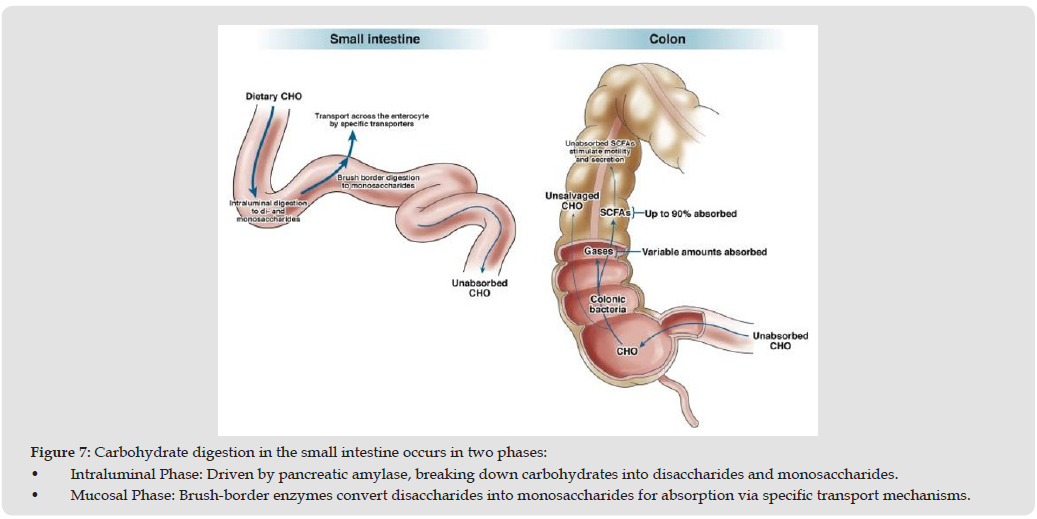
As evidenced by the global prevalence of lactose intolerance, which is linked to a decrease in lactase activity that varies by ethnicity and occurs with age after weaning [40]. Recently, attention has turned to fermentable oligosaccharides, monosaccharides, and polysaccharides- compounds like fructans, lactose, fructose, and sorbitol-which are poorly absorbed but easily fermented [41]. Their fermentation by anaerobic bacteria in the colon results in the production of lactic acid and short-chain fatty acids (SCFAs) such as acetate, propionate, and butyrate, alongside a decrease in colonic luminal pH, as well as gases like hydrogen, methane, and carbon dioxide (Figure 7). SCFAs influence various aspects of motility and intestinal secretion, potentially leading to issues like abdominal cramps and diarrhea (Figure 7). [39] Concluded that disorders that result in carbohydrate maldigestion, and malabsorption can be categorized into two main types primary and secondary:
• Primary disorders include rare congenital defects affecting specific brush-border enzymes or transport mechanisms, typically impacting one type of carbohydrate. Examples include autosomal recessive lactase deficiency, homozygous sucrase-isomaltase deficiency, and SGLT1 deficiency (Sodium-glucose cotransporter 1, is a protein responsible for transporting glucose and galactose across the brush border of the small intestine) [40].
• Secondary disorders, on the other hand, stem from conditions that compromise the structural integrity or functionality of the pancreas and small intestine, often leading to the malabsorption of multiple carbohydrates and other nutrients.
Acquired lactase deficiency is particularly prevalent, linked to a natural decline in activity with age and its vulnerability to impairment due to intestinal damage. Transient lactose intolerance can occur following enteric infections and may delay the clinical improvement in celiac disease while lactase activity recovers. Carbohydrate intolerance, a frequent concern, must be carefully distinguished from carbohydrate malabsorption and deficiencies in various enzymes and transporters. For instance, intolerance of milk and dairy products does not always correlate with objective measures of lactose malabsorption or lactase activity tests [41]. The realm of carbohydrate maldigestion and malabsorption is rife with misunderstandings, and terms like intolerance, malabsorption, and enzyme deficiency are often mistakenly used interchangeably. In some cases, as proposed by the concept of fermentable oligosaccharides, monosaccharides, and polysaccharides, symptoms may simply arise from excessive dietary intake of carbohydrates, such as fructose and sorbitol, which the human intestine can only partially absorb [39]. Excess carbohydrates can lead to unabsorbed intake, which, when reaching the colon, are metabolized by bacteria into lactic acid, short-chain fatty acids (SCFAs), and gases. Unabsorbed SCFAs may cause colonic motility issues, resulting in cramps and diarrhea, while gases can lead to bloating and flatulence [39].
[42] Carbohydrates present on glycoproteins and glycosphingolipids found on the cell surface membrane play vital roles in determining cell fates. They are key players in fine-tuning cell signaling as they act as reaction molecules in response to various external stimuli. In the case of glycoproteins, the modification of these proteins occurs through the addition of sugar chains at one or multiple sites, resulting in both quantitative and qualitative alterations to receptor functions on the cell membrane [42]. Glycosphingolipids, on the other hand, typically consist of two components: carbohydrates and ceramides, and are situated within microdomains like lipid rafts or detergentresistant microdomains. These structures generate and/or modulate cell signals to influence cell fates by interacting with various carbohydrate- recognizing proteins. The different modes of glycosylation and the mechanisms by which glycosylation regulates cell signaling are currently exciting topics in the field of glycobiology [42]. Complex carbohydrates form a coating on cell surfaces and can convey essential information for cell-to-cell recognition [43]. Cells also possess sugar- specific receptors, known as lectins, which can engage with sugars on neighboring cells. This interaction may lead to the adhesion of the two cells through carbohydrates and specific cell-surface receptors. Carbohydrate-directed cell adhesion plays a crucial role in various intercellular processes, including bacterial and viral infections, communication among lower eukaryotic cells, the specific binding of sperm to egg, and the recirculation of lymphocytes, among others. Innovative methods that involve synthesizing chemically defined cell-surface analogs, along with inhibition experiments, are beginning to uncover the mechanics of a possible carbohydrate “language” that facilitates intercellular interactions [43].
[44] Glucose serves as the primary precursor for the synthesis of various carbohydrates, including glycogen, ribose, deoxyribose, galactose, glycolipids, glycoproteins, and proteoglycans. The concentration of glucose in plasma is determined by the rate at which glucose enters the bloodstream (glucose appearance) and the rate at which it is removed (glucose disappearance) [45]. Circulating glucose originates from three main sources: intestinal absorption during the fed state, glycogenolysis, and gluconeogenesis. The speed at which glucose enters the circulation during the fed state is mainly influenced by the rate of gastric emptying. Additional glucose in circulation primarily comes from hepatic processes, specifically glycogenolysis, which is the breakdown of glycogen, the stored form of glucose, and gluconeogenesis, the production of glucose from lactate and amino acids during fasting. The regulation of glucose is a finely tuned interaction of several hormones, both from the pancreas and the gut, acting on various target tissues such as muscle, brain, liver, and adipose tissue [45].
The relationship between humans and carbohydrates is complex. While essential for energy, imbalances can result in health issues. Diabetes mellitus, characterized by impaired glucose metabolism, highlights the necessity of maintaining carbohydrate balance [5-9]. Additionally, excessive intake of refined sugars has been associated with obesity, heart disease, and other metabolic disorders. A deeper exploration of carbohydrate chemistry reveals remarkable complexities, such as the stereochemistry of sugars. Many sugars exist as optical isomers or enantiomers, resembling each other like left and right hands. This charity has significant biological implications, as enzymes often exhibit specificity for one isomeric form. Chemists also investigate the diverse reactions of carbohydrates with other compounds. Glycosylation, the process of carbohydrates attaching to another functional group, is particularly important, influencing both protein structure and function. Carbohydrates, in their dazzling variety, are indispensable to life, from the sweet taste of sucrose on our tongues to the intricate web of metabolic pathways within our cells, weaving the rich tapestry of biology [5-9]. According to [10] Metabolic disorders arise when the normal metabolism of macronutrients (proteins, lipids, and carbohydrates) is disrupted [46]. Metabolic syndrome encompasses five risk factors that significantly elevate the chances of developing metabolic diseases such as atherosclerotic cardiovascular disease and type 2 diabetes, which are among the leading global causes of death [47,48].
Additionally, the primary behavioral risks associated with the onset of metabolic diseases include obesity, lack of physical activity, and dietary patterns that involve high intake of sugars, fats, and salt, along with low consumption of polyunsaturated fatty acids, vegetables, fruits, and fiber [49]. Moreover, there are various other metabolic disorders linked to carbohydrate metabolism, including galactosemia, glycogen storage disease type 1, Hunter syndrome, Hurler syndrome, mucopolysaccharidoses, mucolipidosis, and Pompe disease, among others [50]. Carbohydrates account for over 50% of daily energy consumption, making the quality and source of these carbohydrates crucial. The intake of refined grains has been linked to a higher risk of metabolic diseases [51], while consuming whole grains is associated with a lower risk [52]. Moreover, the glycemic index and load are important factors; a higher dietary glycemic index or load correlates with an increased risk of type 2 diabetes [53] and other illnesses. In contrast, diets with a low glycemic index are associated with a decreased risk of metabolic diseases [54]. Consequently, insulin and leptin signaling pathways, along with the central nervous system, play significant roles in metabolic signaling related to these diseases [55,56]. Insulin is essential for maintaining glucose homeostasis in both post-absorptive and postprandial states, as it stimulates glucose uptake in insulin-sensitive tissues such as muscle, fat, and the liver.
Therefore, impaired insulin regulation indicates a diminished capacity of insulin-sensitive tissues to respond to insulin signals regarding carbohydrate metabolism [57]. Furthermore, poor insulin regulation is regarded as a key indicator of metabolic abnormalities [58], as it leads to hyperinsulinemia and hyperglycemia, triggering systemic inflammation linked to the onset of various chronic diseases, including type 2 diabetes, cardiovascular disease, and cancer [59,60]. Moreover, today’s lifestyle and the consumption of highly refined, carbohydrate-rich foods may contribute to the development of metabolic diseases by disrupting appetite and satiety signaling [61]. Consequently, the serotonergic and dopaminergic systems within the hypothalamus are recognized as crucial areas for energy regulation in mammals [62]. Dopamine serves to inhibit food intake and excessive eating by controlling the frequency and duration of meals [63], while serotonin is acknowledged as a primary regulator of feeding behavior [64]. A diet high in refined carbohydrates may impact these systems, leading to abnormal eating patterns, increased visceral obesity, and a heightened risk of developing metabolic diseases [65], or aggravating their progression. Currently, the application of drugs for treating metabolic diseases is constrained by their side effects [66]. Consequently, physical activity, weight management, and dietary changes are considered the most effective approaches for managing these conditions [67-69].
Additionally, dietary interventions that include non- digestible carbohydrates, such as resistant starch and dietary fiber, have been shown to enhance intestinal viscosity, increase fecal bulk, and boost the production of short-chain fatty acids (SCFAs). This leads to improved blood glucose, lipid, and insulin levels, while also reducing energy intake and promoting feelings of fullness. However, the effectiveness of these interventions can vary based on the type, source, dosage, and duration of intake [70,71]. [10] In summary, carbohydrate consumption plays a significant role in the development and outlook of metabolic diseases. An excessive intake of refined carbohydrates increases the risk of metabolic syndrome, which can lead to metabolic disorders. Thus, incorporating regular physical activity, maintaining a healthy weight, and following a nutritious diet rich in low glycemic foods and non-digestible carbohydrates can greatly aid in the prevention and management of metabolic diseases.
The detailed exploration of carbohydrate chemistry and its biological implications underscores the complexity and importance of these biomolecules in sustaining life. In recent years, advancements in analytical techniques and molecular biology have facilitated a deeper understanding of carbohydrate functions at the molecular level. Mass spectrometry and nuclear magnetic resonance (NMR) spectroscopy, for instance, have proven invaluable in elucidating the structural nuances of carbohydrates, enabling researchers to identify specific configurations and linkages that dictate their biological roles. Furthermore, the interplay between carbohydrates and other macronutrients is a burgeoning field of study. Interdisciplinary research is increasingly revealing how carbohydrates interact with proteins and lipids to form glycoproteins and glycolipids, which are essential for cellular communication and immune responses. These interactions are pivotal in the development of targeted therapies, especially in the realm of oncology and immunology, where abnormal glycosylation patterns are often indicative of disease states. Considering the obesity epidemic and rising prevalence of diabetes, understanding carbohydrate metabolism is more crucial than ever. Research into the glycemic index and the impact of different carbohydrate types on insulin sensitivity continues to inform dietary guidelines and public health policies.
Additionally, the role of dietary fibers, a subset of carbohydrates, in gut health and microbiome composition is gaining significant attention. As we advance, the integration of bioinformatics and computational biology promises to accelerate discoveries in carbohydrate research. By leveraging big data and machine learning, scientists can predict carbohydrate functions and interactions, offering insights into their roles in health and disease.
In conclusion, while much progress has been made, the field of carbohydrate research remains a dynamic and evolving landscape, promising innovative solutions and therapies for a range of health challenges. Continued investigation into carbohydrate structures and functions will undoubtedly enhance our understanding of their integral roles in biology and medicine, providing a foundation for future breakthroughs. The complexity of carbohydrates, from their intricate structures to their vital biological functions, highlights the necessity for ongoing research and collaboration across scientific disciplines. By harnessing cutting-edge technologies and interdisciplinary approaches, researchers are well-positioned to unravel the myriad roles carbohydrates play in health and disease. As we continue to delve into this fascinating field, we can anticipate novel insights that not only deepen our knowledge but also pave the way for advancements in therapeutic interventions, ultimately improving lives and fostering a healthier future for all.

International Association of Landscape Archaeology, Czech Glass Society, Czech Republic

Department of Chemistry, Semenov Institute of Chemical Physics, USSR Academy of Sciences, Moscow, Russia

Neurology, LA BioMed Research Institute, USA

Associate Professor at Department of Breast and Thyorid Surgey, Chongqing General Hospital, China

Professor of Nuclear Medicine, Faculty of Medicine and Surgery, University of Milan, Milan, Italy





 Abstract
 PDF
PDF



























