info@biomedres.us
+1 (502) 904-2126
One Westbrook Corporate Center, Suite 300, Westchester, IL 60154, USA
Site Map
 ISSN: 2574 -1241
ISSN: 2574 -1241
ISSN: 2574 -1241
Received: April 25, 2025; Published: May 01, 2025
*Corresponding author: Marlena Jankowska, Director of the Center for Design, Fashion and Advertisement Law at the University of Silesia in Katowice, Poland
DOI: 10.26717/BJSTR.2025.61.009639
Background: The incorporation of biomedical waste—such as collagen, chitosan, and keratin—into fashion and
textile production reflects a growing commitment to circular economy principles in the European Union (EU).
While these biomaterials offer significant environmental benefits, their integration into the fashion supply chain
poses regulatory challenges.
Methods: This paper conducts a legal analysis of the EU’s regulatory landscape surrounding the use of biomedical
waste in sustainable fashion. It examines key directives and regulations, including the Waste Framework
Directive (2008/98/EC), its 2018 amendment (Directive 2018/851/EU), the Animal By-Products Regulation
(EC) No 1069/2009, and recent developments such as mandatory Extended Producer Responsibility (EPR) for
textiles.
Results: The study identifies critical ambiguities in classifying biomedical side-streams as waste, by-products,
or products, each carrying distinct legal implications. Although EU law provides mechanisms like “end-of-waste”
and “by-product” status to facilitate circularity, inconsistent interpretation across Member States and lack of
harmonized criteria hinder industry uptake. Moreover, compliance with REACH chemical safety standards and
transboundary transport regulations adds further complexity. Labeling and green claims legislation introduce
additional scrutiny, requiring substantiated and transparent environmental marketing.
Conclusions: While EU policy is increasingly supportive of circular economy innovation, regulatory gaps—especially
in waste classification and cross-regulatory coherence—remain a barrier. Greater legal clarity, harmonized
guidance, and streamlined approval processes are needed to unlock the potential of biomedical waste as a
sustainable material input. Bridging the gap between regulatory ambition and industry readiness will be key to
enabling scalable and safe circular fashion practices.
Keywords: Biomedical Waste; Circular Economy; Fashion Law; Waste Framework Directive; Extended Producer Responsibility; REACH; End-of-Waste; By-Product Classification
Abbreviations: EU: European Union; EPR: Extended Producer Responsibility; WFD: Waste Framework Directive; ABP: Animal By-Products; ECHA: European Chemicals Agency EoW: End-Of-Waste; ESPR: Eco-Design for Sustainable Products Regulation; SVHCs: Substances of Very High Concern
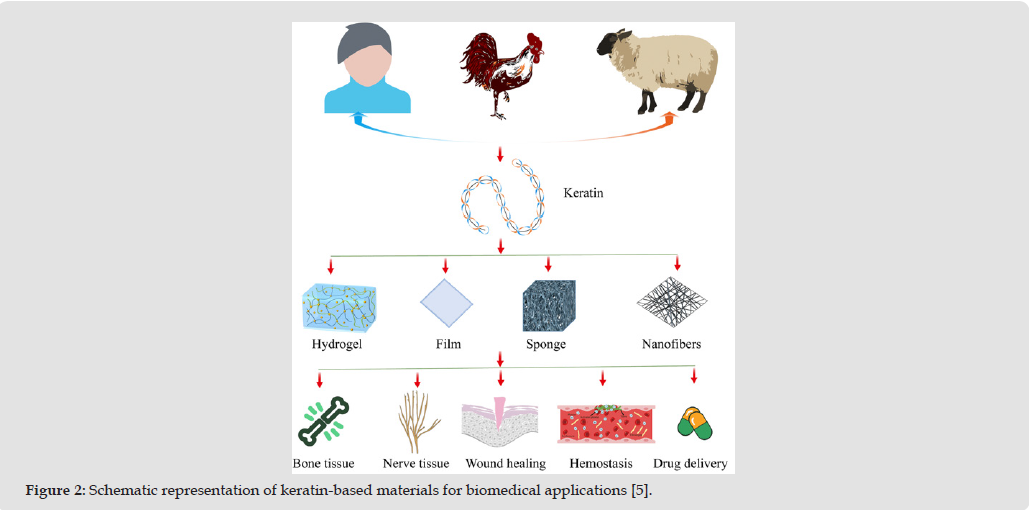
Sustainable beauty and fashion brands are increasingly exploring biomedical waste – such as collagen, chitosan, and keratin – as raw materials for textiles and clothing. These biomaterials, often by-products of medical, pharmaceutical, or food industries, hold promise as eco-friendly substitutes for conventional textiles [1-3]. For example, collagen (derived from animal processing waste) can be engineered into leather-like materials, chitosan (from crustacean shell waste) can form biodegradable fibers or coatings, and keratin (extracted from poultry feathers or hair) can be spun into biopolymer threads (Figures 1 & 2) [4,5]. Utilizing such biowaste streams aligns with the circular bioeconomy ideal of turning waste into feedstock for new products, potentially reducing reliance on petrochemicals and mitigating waste sent to landfill or incineration [3]. However, the transition from lab innovation to marketable sustainable fashion is heavily influenced by the European Union’s legal framework [6-9]. Key EU regulations determine whether these biomaterials are classified as “waste” or “safe raw materials”, how they must be handled and transported, and what obligations producers face at end-of-life. This section provides a legal-focused academic analysis of the EU regulatory landscape governing the sourcing, processing, transport, and reuse of biomedical waste in fashion supply chains.
Figure 1
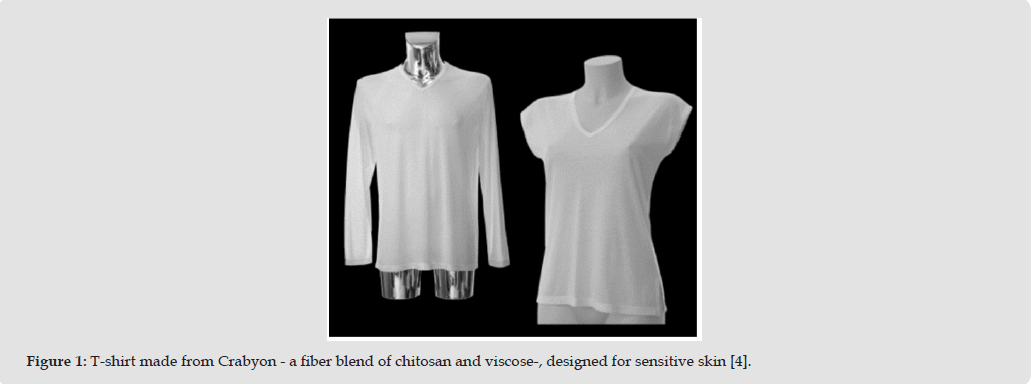
Figure 2
It examines the Waste Framework Directive 2008/98/EC and its amendment Directive (EU) 2018/851, as well as the 2025 provisional agreement on mandatory Extended Producer Responsibility (EPR) for textiles [7,10]. In doing so, it explores regulatory gaps—such as the ambiguous classification of biomedical side-streams as waste or by-products—and related issues of REACH chemical compliance, endof- waste criteria, transport restrictions, product labeling, and green marketing claims. The discussion highlights how regulatory clarity or ambiguity can respectively incentivize or hinder circular bioeconomy innovation in the fashion industry.
Directive 2008/98/EC, the Waste Framework Directive (WFD), is the cornerstone of EU waste law, establishing the basic concepts, definitions, and principles for waste management [11]. Under the WFD, waste is defined broadly as “any substance or object which the holder discards or intends or is required to discard” (Art. 3(1)). This definition is pivotal: if a biomedical material like collagen or chitosan is deemed “waste” rather than a product or by-product, it triggers the application of waste regulations at every stage of its handling. The WFD enshrines the five-step waste hierarchy – prevention, reuse, recycling, recovery, and disposal in descending order of preference – guiding Member States to prioritize keeping materials in use [11]. For sustainable beauty and fashion, this hierarchy supports efforts to reuse and recycle textile materials, including novel bio-based inputs, over disposing of them. Importantly, the WFD introduces the polluter pays principle and the concept of Extended Producer Responsibility (EPR), making producers financially or organizationally responsible for managing the waste phase of their products [11]. Although Directive 2008/98/EC (as initially adopted) did not mandate EPR for textiles specifically, it laid the groundwork for such schemes by empowering Member States to require producers to take responsibility for waste management (Art. 8). We will examine later how this principle is being extended to fashion products through recent amendments. The WFD also establishes criteria for determining when a material ceases to be waste.
Article 5 provides that certain by-products of production processes are not considered waste at all if specific conditions are met, while Article 6 sets end-of-waste criteria for recovered materials to become products again. These provisions are especially relevant for biomedical waste conversion: if collagen or keratin can be recognized as a by-product or processed to meet end-of-waste criteria, it would no longer be legally “waste” – greatly simplifying its use as a fashion raw material. The Directive defines a by-product as a substance or object resulting from a production process that is not the primary aim of that process, which may be used afterward without further processing beyond normal industrial practice (Art. 5(1)). Four cumulative conditions must be satisfied:
a) Further use of the substance is certain;
b) It can be used directly without additional processing;
c) It is produced as an integral part of a production process; and
d) Further use is lawful (meeting all relevant product, environmental, and health requirements).
If, for instance, chitosan is generated as a side-stream of seafood processing (whose primary aim is food production) and is then directly used in textile manufacturing, it could potentially qualify as a by-product rather than waste, provided it meets the above criteria. Correct classification is crucial – classifying a material as a by-product avoids the “waste” label and the associated regulatory burdens [12- 14]. This can spare businesses unnecessary costs and permit freer movement of the material, as long as environmental safety is ensured [11]. Even if a material is initially deemed waste, it can later attain “end-of-waste” status when it has undergone a recycling or recovery process and meets specific conditions. Article 6(1) WFD stipulates that a waste ceases to be waste when it has been recovered (including recycled) and fulfills criteria including:
a) The substance is commonly used for specific purposes;
b) A market or demand exists for it;
c) It meets technical requirements and legal standards for products; and
d) Its use will not lead to overall adverse environmental or health impacts [11,12].
These criteria aim to ensure that recovered materials, like processed collagen or keratin fibers, are safe and fit for normal commercial use before shedding the waste label. The European Commission can set detailed end-of-waste criteria for particular materials via a committee procedure [11,12], and indeed it has adopted such criteria for a few material streams (e.g. iron, steel and aluminum scrap, glass cullet, and copper). However, to date no EU-wide end-of-waste criteria exist for biomedical waste-derived materials such as collagen or chitosan [15,16]. In absence of EU criteria, Member States may determine end-of-waste status on a case-by-case basis or through national standards – a situation that can lead to regulatory fragmentation. A biomaterial might be considered a fully recovered product in one country but still “waste” in another, complicating cross-border supply chains for fashion manufacturers seeking to source these materials.
This lack of harmonization represents a regulatory gap impacting the circular bioeconomy: innovators may face legal uncertainty or delays in obtaining regulatory approval that their waste-derived textile input is no longer waste. As discussed further below, such ambiguity can discourage investment in waste-to-fashion processes, unless clearer guidelines are developed for these specific material streams. The WFD also delineates the scope of waste legislation, including important exclusions. Notably, animal by-products (ABP) that are regulated by other specific legislation are largely excluded from WFD’s scope (Art. 2(2)). Regulation (EC) No 1069/2009 ABP provides a separate, comprehensive regime for materials of animal origin that are not intended for human consumption [8,17,18]. Many biomedical waste materials used in fashion – e.g. collagen from hides or bones, chitosan from shellfish exoskeletons, keratin from feathers – are animal by-products. If such materials are collected and used in compliance with the ABP Regulation (for example, processed under approved conditions for technical uses), they are excluded from being treated as waste under the WFD. This regulatory carve-out aims to avoid double regulation: an animal by-product used in certain value streams (feed, fertilizer, oleochemicals, etc.) is governed by the ABP rules instead of waste law [17,18]. For fashion applications, this means that a company sourcing collagen from slaughterhouse waste might be dealing with an ABP Category 3 material (low-risk animal by-product) that can be lawfully processed into leather alternatives or fibers under the ABP framework rather than the waste regime.
The ABP Regulation imposes its own requirements (e.g. sanitary processing standards, traceability, and restrictions on end-uses to protect animal and public health), which can be stringent. While avoiding the stigma of “waste”, ABP-derived materials must still clear regulatory hurdles – such as obtaining health certificates for transport or using only approved processing methods – to ensure they are safe. One challenge is that ABP rules were primarily designed for uses like pet food, fertilizers, or cosmetics, and may not specifically contemplate textile manufacturing. This lack of specific guidance could lead to uncertainty: for instance, is a keratin fiber for clothing considered an “industrial product” permitted under the ABP rules, and what processing standards apply? Fashion companies working with animal-derived waste feedstocks must navigate both regimes: if their input is classified as an ABP (not waste), they follow 1069/2009 and its implementing Regulation (EU) No 142/2011; if instead it’s outside ABP scope or treated as waste, they follow the WFD and waste shipment rules. The intersection of these laws requires careful legal interpretation to ensure compliance while pursuing innovative circular uses of such biomaterials.
In 2018, the EU adopted a suite of Circular Economy measures that amended the WFD to strengthen waste reduction and resource recovery goals. Directive (EU) 2018/851 updated the Waste Framework Directive with new targets and requirements that directly impact textile waste management and potentially the use of waste-derived materials in products [11]. Among the key changes was an emphasis on separate collection of waste streams to improve recycling quality. Textile waste – formerly an often-overlooked fraction – was specifically addressed: Member States are now obliged to set up separate collection for textiles by January 1, 2025 [11]. This legal requirement means that across Europe, municipalities or producer-funded systems must collect used textiles (clothing, fabrics) separately from general waste, ensuring that textiles can be directed to reuse or recycling rather than landfills or incinerators. The impending 2025 separate collection deadline has significant implications for fashion’s circularity: it is spurring investment in textile sorting and recycling infrastructure and making producers more aware of their products’ end-of-life. For instance, an increase in textile waste collection might provide greater availability of raw material for fiber-to-fiber recycling or for innovative recyclers who can incorporate biomedical waste-based fibers into new textiles [18,19]. It also signals to fashion brands that linear disposal of clothing is no longer acceptable, aligning with broader EU sustainability strategies.
Directive 2018/851 also introduced a new Article 8a, laying down general minimum requirements for Extended Producer Responsibility schemes. While not mandating EPR for all products, it set a harmonized framework for how Member States should design any EPR program – ensuring, for example, that producers cover the costs of waste collection and treatment, that fees can be modulated based on a product’s environmental performance, and that transparent governance of EPR organizations is in place [18]. These principles paved the way for future mandatory EPR in sectors like textiles. Indeed, the 2018 amendments explicitly contemplate textiles and furniture as areas where EPR could be beneficial, drawing from successes in other waste streams like electronics and packaging [11]. Following the amendment, some Member States moved ahead with national EPR schemes for apparel and textiles (France being a notable early example, and others like Sweden, the Netherlands, and Italy announcing or implementing their own). However, a consistent EU-wide approach was still lacking post-2018, which led to calls for an EU-level mandate to avoid fragmentation. Another important aspect of the 2018 amendment is its focus on waste prevention and reuse. Article 9 of the WFD (as amended) requires Member States to take measures to prevent waste generation, including through the promotion of products that are sustainable, repairable, reusable, and contain recycled materials.
For fashion, this encourages business models like take-back schemes, repair services, and the use of recycled fibers [18,19]. It implicitly supports the idea of using waste-derived inputs (like recycled polyester or biomaterials from waste) in new products as a prevention measure (turning potential waste into resources). Yet, a gap remains: the WFD’s recycling targets and metrics thus far largely focus on weight-based measures for municipal waste (55% recycling by 2025, 60% by 2030, etc.) [11], which do not directly incentivize the quality of recycling or the uptake of secondary raw materials in manufacturing. For example, if a fashion company uses chitosan fiber made from shrimp shell waste, that innovation isn’t directly “counted” in these targets unless it contributes to measured recycling of a waste stream. This disconnect indicates a regulatory gap where circular product innovation outruns the metrics and mandates of waste legislation. The EU is aware of such issues and, as part of the Circular Economy Action Plan 2020, has been exploring broader product policy tools (like ecodesign and green public procurement) to complement waste legislation. Nonetheless, stakeholders often point out that until legal definitions and targets explicitly recognize the transformation of wastes to products, companies face uncertainty about how their efforts will be valued under the law. In summary, the 2018 amendments to the WFD reinforced the legislative push towards a circular economy by mandating textile waste collection, refining EPR frameworks, and emphasizing prevention.
These changes create a more favorable context for using biomedical waste in fashion – for instance, separate textile collection may supply feedstock for recycling blends of conventional fibers with biobased ones, and EPR schemes (discussed next) could financially motivate brands to incorporate more recyclable or biodegradable materials. However, important details – such as when a waste-derived biomaterial is legally no longer waste, or how to classify and transport it – were not fully resolved in the 2018 law, requiring continued legal interpretation and further reforms.
Building on the groundwork laid by the WFD and its 2018 update, the European Union is moving toward mandatory Extended Producer Responsibility (EPR) for textiles, slated for implementation in the coming years. In line with the EU’s Strategy for Sustainable and Circular Textiles (2022), the European Commission in 2023 proposed a targeted revision of the WFD to introduce harmonized EPR schemes for textiles across all Member States [11] A provisional political agreement on this reform was reached on 18 February (2024) between the European Parliament and Council [11], paving the way for new legislation that will make producers of textile products legally and financially responsible for the end-of-life of those products. Under the forthcoming rules, each Member State will be required to set up an EPR scheme for textiles, meaning that fashion producers (e.g. apparel brands, textile manufacturers) must finance or organize the collection, sorting, reuse, and recycling of textile waste stemming from their products [11]. This effectively extends the producer’s responsibility beyond the point of sale to encompass the product’s entire lifecycle. The schemes will entail fees paid by producers, which are intended to cover the costs of waste management (collection from consumers, recycling operations, disposal of non-recyclables, etc.). Uniquely, the EU plans to mandate eco-modulation of EPR fees for textiles: producers will pay lower fees for products that are more sustainable (e.g. easier to recycle, made with recyclable or safer materials, higher durability) and higher fees for less sustainable products [11].
This is a direct economic incentive for eco-design. For example, a fashion company that designs a jacket using recyclable fibers or biodegradable biopolymers may face reduced EPR fees compared to one using mixed materials that are hard to recycle [20]. In principle, this rewards the use of waste-derived biomaterials if they improve a product’s circularity profile (such as compostable chitosan-based nonwovens or easily recyclable mono-material garments). Mandatory textile EPR is poised to transform the fashion industry’s approach to materials. It will generate dedicated funding streams for textile waste management, which can be invested in recycling technologies and infrastructure. The European Commission explicitly notes that the proposal will “foster research and development in innovative technologies that promote circularity in the textile sector” [11], and support social enterprises in textile collection and reuse [11]. By internalizing waste management costs, EPR can make recycling and reuse comparatively more attractive than disposal. For instance, if producers must pay for every ton of clothing that ends up as waste, they have a clear incentive to design products that either last longer (reducing waste generation) or are recyclable into new textiles (closing the loop), possibly through incorporating materials that have known recycling pathways. Biomedical waste-based materials could benefit here: if a certain biofabricated fiber (say, a collagen fiber) can replace a blend that normally is landfilled, producers might see value in switching to the former to reduce their EPR burdens.
On the other hand, if such materials are novel, producers will need to ensure that there are indeed recycling or recovery options at end-of-life to get full credit under EPR schemes; otherwise, they might still incur fees if the material cannot be readily processed in existing systems. Another component of the forthcoming textile EPR legislation is a clarification of the definitions around waste vs. reusable textiles [11,20]. The EU aims to crack down on the common practice of exporting used textiles under the label of “second-hand goods” when in reality they are often unusable waste dumped in developing countries. The new rules will complement the revised Waste Shipment Regulation, ensuring that only genuine reusable textiles can be exported and that waste textiles are not deceptively shipped abroad [11]. For fashion companies, this implies stricter control over how they channel unsold inventory or take-back collections: they will likely need to verify the quality and destination of any exported used clothing. Indirectly, this could increase domestic processing of textile waste (including sorting for recycling) and perhaps create more demand for domestic recycling solutions, including those that might incorporate biomaterials. For example, if used garments must be sorted and processed in the EU, one could envision facilities that recover not only conventional fibers but also any bio-based components (like separating polyester from a chitosan blend, or composting the bio-component).
From a legal perspective, the introduction of mandatory EPR for textiles at the EU level fills a notable regulatory gap. Prior to this, only a few countries had EPR for textiles [20,21], and the lack of harmonization meant uneven playing fields and limited incentives for large brands operating EU-wide to design for recyclability. The new framework will standardize obligations and should spur eco-design across the board. It also raises some questions for those using unconventional materials: How will fee modulation account for bio-based or waste-derived inputs? Will a product made from recycled biomedical waste be deemed more “circular” (thus lower fees) than one from virgin resources? The intentions suggest yes – products with recycled content or that are biodegradable/non-toxic could be favored. However, the specifics will likely be in implementing acts or guidelines, and producers will want clarity to understand how to optimize their materials choices. Ensuring that such novel materials can be integrated into existing recycling/composting systems will be key to them being recognized under EPR schemes as beneficial. In any case, the mandatory textile EPR coming into force around 2025 represents a significant policy lever to make fashion more circular, and it will operate in tandem with the waste/by-product laws discussed earlier to shape the fate of materials at both input and output stages of the fashion lifecycle [21,22].
A central regulatory ambiguity affecting the circular bioeconomy in fashion is the classification of biomedical side-streams – like collagen, chitosan, and keratin obtained from waste sources – as either waste, by-products, or fully qualified products [23-25]. This classification has far-reaching consequences for how these materials can be sourced, processed, transported, and marketed. As outlined, EU law provides mechanisms (via WFD Articles 5 and 6) to recognize materials as by-products or to deem them no longer waste when criteria are met. In practice, however, determining the status of a given biomaterial can be complex, and grey areas abound. Consider a specific scenario: a biotechnology company collects discarded fish scales and skins (waste from the fisheries industry) to extract collagen for a biobased leather material. Is this collagen a waste or not? Initially, the fish processing plant that generates the scales likely considers them a waste (or at best an animal by-product) [26]. If an agreement is in place such that these residues are certain to be used by the biofashion company, one might argue the residues are actually by-products: their further use (collagen extraction) is assured, and the extraction can be seen as part of an integrated process chain. The fish scales are not the primary aim of fish processing, but once that waste stream is valorized regularly, it blurs the line between “waste” and “secondary raw material”. However, there is little explicit guidance in EU law on how to systematically treat such cases across Member States [24,25].
One country’s regulator might accept a material as a by-product (thus no waste permit needed to transport it to the biotech facility), whereas another might insist it remains waste until processed and meeting end-of-waste criteria. This regulatory inconsistency can hinder companies operating transnationally or discourage using secondary bio-based inputs due to fear of non-compliance in stricter jurisdictions. Another example: chitosan derived from shrimp shells. If a chitosan manufacturer sources shells from seafood processing, those shells could be viewed as either organic waste or by-product. According to the WFD, if the shells are destined for chitosan production without further waste-like disposal, they might be by-products. But not all Member States have clear procedures for an official by-product designation [26]. Some require case-by-case approval or an application to the environmental authorities with evidence that conditions are met [24,25]. This can be a lengthy administrative process. In absence of a by-product ruling, the company must treat the shells and intermediate chitin/chitosan as waste during transport and processing, meaning it needs waste handling permits, must use licensed waste carriers, and so on. These requirements, meant to control risks, can ironically make using a waste-sourced material more cumbersome than using virgin materials. Regulatory gaps thus emerge: the intent (in circular economy policy) is to encourage using secondary materials, but the practical classification framework may not be agile or clear enough for new bio-based feedstocks.
The classification issue also extends to when a recovered material becomes a “product” [23-25]. Suppose keratin protein is extracted from poultry feathers (an ABP from slaughterhouses) and spun into fiber. At what point in that process does the keratin fiber become a product that can be freely traded? If the entire operation is under the ABP regime, it might be considered an ABP-derived product once it meets certain processing standards (ABP rules list allowed “end points” for some materials, e.g. when it’s chemically transformed enough to pose no health risk). If it were under waste rules, end-ofwaste status might require demonstrating that the fibers meet all relevant textile product standards. Here we encounter a gap: textile standards (like REACH or consumer safety) may not have anticipated a product made from such sources, so proving “the use is lawful and meets standards” (WFD Art. 6(1)(c)) could be open to interpretation. Companies often must perform extensive testing to show their waste-derived product is safe and equivalent to conventional materials. Inconsistent interpretation by authorities of these results can create uncertainty. There is also an economic aspect: achieving a legal declaration of end-of-waste can involve bureaucratic steps that slow time-to-market. From a legal standpoint, this classification ambiguity touches multiple areas: waste law, product safety law, chemical law, and sector-specific rules like ABP. One gap is the lack of a unified protocol or one-stop process for an innovator to move a material from waste to product designation.
The current system often requires engaging with environmental regulators (for waste/by-product matters), with chemical regulators (for REACH, if applicable), and sometimes with health regulators (for ABP or consumer safety) separately. A more integrated approach or clearer guidance (potentially an EU guidance document specifically on circular bio-based materials) could help. For now, firms often navigate this on a case-by-case basis, sometimes using pilot projects or research exemptions before scaling up. The stakes of classification are high: misclassifying a waste as a product can lead to legal violations (illegal waste trafficking if transported without proper notices), whereas misclassifying a product as waste could impose unnecessary costs and stigma. The current legal framework does allow reclassification (via by-product or end-of-waste rules), but the uncertainty and administrative burden constitute a gap that may slow down circular innovation. As the EU moves forward with implementing the Circular Economy Action Plan, closing this gap – perhaps by developing EUwide end-of-waste criteria for certain bio-based materials or clearer by-product recognition procedures – will be important to fully unlock the potential of biomedical waste in sustainable fashion. In the meantime, companies must carefully manage compliance: obtaining official by-product status rulings where possible, or tightly controlling processing so that waste-derived inputs meet all product regulatory requirements, thus avoiding regulatory pitfalls.
When biomedical waste is repurposed into fashion materials, compliance with EU chemical regulations becomes a critical concern. Chief among these is the REACH Regulation (EC) No 1907/2006 (Registration, Evaluation, Authorisation, and Restriction of Chemicals), which governs chemicals placed on the EU market. Notably, under REACH waste itself is excluded from the definition of a substance (Art. 2(2) REACH), meaning that as long as a material is legally “waste” REACH obligations (such as registration or restriction compliance) do not apply [11,22,23]. However, once a waste-derived material ceases to be waste and becomes a product (or a component of a product), it typically enters the scope of REACH. This transition raises several issues for companies turning waste into fashion:
Registration of Recovered Substances
If the process involves isolating a specific substance (for instance, chitosan as a polymer, or a keratin extract) and placing it on the market in quantities above 1 tonne per year, REACH would normally require that substance to be registered with the European Chemicals Agency (ECHA), including submission of data on its properties and safe use. There is a crucial exemption in REACH Article 2(7)(d) for recovered substances: a recycler or reprocessor does not need to re-register a substance that has already been registered in the EU, provided the substance obtained is the same and information is available on it. This can relieve some burden if, say, collagen or chitosan has an existing registration by another entity. In practice, many bio-based polymers might not have pre-existing REACH registrations, especially if they were not previously sold as “chemical substances” in the EU. Polymers like chitosan are actually exempt from registration (REACH currently exempts polymers themselves, though not the monomers used to make them), which might simplify compliance – but any additives or processing agents used in making the textile fiber would need consideration under REACH. For example, if a cross-linking agent or dye is applied to a collagen-based textile, those chemicals must comply with REACH restrictions (such as not containing prohibited substances like certain azo dyes or chromium VI, etc., per Annex XVII of REACH).
Substances of Very High Concern (SVHCs)
Recycled or recovered materials can sometimes carry legacy chemicals. In the case of biomedical waste, one might worry less about legacy industrial toxins (as could be found in recycled plastics) and more about biological or sanitary safety. However, if the processing of these biomaterials involves chemicals, any SVHCs present above 0.1% in the final article would trigger notification and communication duties under REACH. Fashion items are considered “articles” under REACH, so a company selling a jacket made from waste-derived biomaterials must ensure it doesn’t unintentionally introduce a banned flame retardant or a toxic preservative through its processing stages. Generally, biomaterials like pure collagen or chitosan would not be classified as hazardous substances by themselves – they are largely benign biopolymers. But ensuring purity and absence of harmful contaminants is part of making them REACH-compliant. For instance, heavy metal content should be checked if the source waste could contain such contaminants (some fish waste may have trace metals; chitosan processes sometimes use reagents that could introduce impurities).
Biocidal and Safety Properties
An interesting twist is that some biomaterials, like chitosan, have inherent antimicrobial properties. If a textile is marketed with a claim of antimicrobial effect (e.g. “odor-free socks made with chitosan”), it might fall under the Biocidal Products Regulation (EU) 528/2012 as a “treated article” requiring that the active substance (chitosan) is an approved biocide for that use [27]. Companies must be careful in how they communicate functional properties – overlapping with the discussion on green claims later – to avoid triggering additional regulatory regimes. Chitosan is not yet a listed approved biocidal active in the EU (it has been under evaluation for certain product types), so any implicit biocidal claim could be problematic from a legal standpoint. In summary, REACH compliance acts as a quality and safety filter for waste-derived fashion materials. It ensures that turning waste into a product does not reintroduce hazardous chemicals into consumer goods under the guise of recycling. This is aligned with the EU’s concept of “non-toxic circular economy,” which emphasizes that circularity should not compromise chemical safety. A challenge, however, is that small innovative companies working on biomaterials may not have the resources or data to easily navigate REACH registration or to perform comprehensive chemical safety assessments. There is a risk that REACH, with its costly registration dossiers, could act as a barrier especially if a material is novel and not previously registered.
For example, if a startup invents a new process to make a keratin- based polymer and wants to sell it by the ton, they might face a need to register it (unless they argue it’s a polymer exemption). The cost and complexity of that process might be discouraging unless they partner with larger firms or consortia. On the positive side, REACH’s provisions can incentivize the use of inherently safer, bio-based substances. Collagen, keratin, and chitosan are not on any hazardous list; they are biodegradable and non-toxic in final form. Using them could help brands avoid some of the restricted substances issues that synthetic textiles face (for instance, avoiding polyester reduces concerns about antimony residues or microplastic additives). Also, the recovered substance exemption in REACH (if applicable) is a specifically pro-circular measure, acknowledging that requiring duplicate registrations for recycled materials would be counterproductive. Thus, a company recycling waste into the same substance another company already registered can piggyback on existing data, lowering regulatory hurdles [11]. In sum, navigating REACH is an essential part of bringing waste-derived fashion materials to market. Companies must ensure that from the moment their material stops being waste, it complies with all relevant chemical rules – from registration and safety data to not infringing any use-specific bans. The evolving regulatory environment (with the EU Chemicals Strategy for Sustainability potentially reforming REACH in coming years to better address polymers and sustainable chemicals) means firms should stay abreast of changes that might affect biomaterials.
Despite some burdens, alignment with REACH ultimately builds trust that these innovative textiles are safe for consumers and the environment, preventing any “regrettable substitution” that could occur if waste-derived materials had hidden risks.
As highlighted earlier, the end-of-waste (EoW) status is a critical legal milestone for any material recovered from waste. It is the point at which waste regulations cease to apply and the material can be treated as a normal product or raw material in commerce [24,25]. For conventional recyclates like metals, glass, or certain plastics, the EU has established uniform criteria (through Commission regulations or decisions) that, when met, automatically confer end-of-waste status. However, for biomedical waste-derived materials (collagen, chitosan, keratin and similar), no specific EU-wide end-of-waste criteria exist to date. This absence of clear criteria is a notable regulatory gap that affects the fashion industry’s ability to confidently use these materials. In practice, achieving end-of-waste status for a new material stream often involves a case-by-case assessment by national authorities. A company must demonstrate that the output of their recycling/recovery process meets the four conditions of Article 6 WFD (common use, market demand, technical/legal compliance, no adverse impacts) [11]. They may need to supply technical specifications, test results, and evidence of a supply chain or market for the material. For instance, a firm producing chitosan fiber from shrimp shells might gather data to show that the fiber is commonly usable in textile blends, that there are buyers (e.g. a clothing company) wanting it, that it meets relevant textile standards (strength, absence of pathogens, etc.), and that using it doesn’t cause more harm than using a virgin fiber.
Upon review, the authority could issue a decision or recognition that the chitosan fiber is not a waste but a product as it leaves the facility. One issue, however, is consistency and mutual recognition: an end-of-waste decision in one Member State might not automatically be accepted in another. The WFD does not force Member States to recognize each other’s case-by-case decisions (though in principle, the internal market and free movement of goods would suggest that if something is lawfully placed on the market as a product in one country, it should be accepted elsewhere; yet if another country views it as waste, they might impose waste shipment rules). This legal uncertainty can inhibit cross-border shipments of these materials for use in fashion supply chains. A French company might be hesitant to buy keratin fibers from a Spanish recycler if Spanish authorities consider it a product but French authorities might still regard it as waste upon entry, for example. To mitigate this, businesses sometimes seek a more harmonized approach by lobbying for EU-level criteria or aligning with standards. The European Commission has the power to propose comitology regulations setting end-of-waste criteria for specific materials (Art. 6(2) WFD), and it usually bases this on sufficient experience or throughput in recycling that material. While biomedical textile materials are still a niche, the growing interest could prompt future work on such criteria. Until then, the onus is on innovators to work with regulators.
The process of obtaining end-of-waste status can also be tied to permitting: Many recycling facilities operate under waste treatment permits. Some permits might explicitly state the point at which output is deemed no longer waste (for example, after a certain purification step and testing). This provides clarity at least for that facility. But if the material travels elsewhere for further processing, questions can re-arise. An important aspect to consider is standards and quality assurance. Often, one way to prove that a recovered material meets “technical requirements and standards applicable to products” (Art. 6(1)(c)) is to measure it against existing industry standards. For textile fibers, there are ISO or EN standards for fiber properties, or even eco-certifications (like Oeko-Tex) that could be relevant to show safety [28]. If a collagen-based leather alternative meets the same performance specs as animal leather and passes safety tests for chromium or other residues, this bolsters the argument that it is a legitimate product. Some EU-funded projects have even suggested developing “end-of-waste passports” or certification schemes for recycled materials to ease their acceptance in the market [29]. While not legally binding, such schemes could fill a gap by giving producers and regulators a common reference that a material is fit-for-purpose. Finally, it’s worth noting that failure to obtain end-of-waste status keeps a material under waste law indefinitely, which can be a deadlock.
For example, if no one will declare a certain keratin polymer as non-waste, then technically every transfer of it is a waste shipment, and any product made from it might legally contain “waste”, which is problematic since products on the market cannot be waste at the same time. This underscores the importance of resolving the status before consumer products are made [30]. In the context of fashion, a designer can’t legally sell a jacket if part of it is still considered waste – it must be a product with all components compliant. Therefore, from an operational perspective, companies typically must clear the EoW hurdle at the raw material or intermediate stage, not at the finished product stage. Some have called for more streamlined procedures to obtain end-of-waste decisions, perhaps with provisional status if criteria are likely met, to encourage experimentation. Others warn that loosening criteria could risk environmental harm or inferior materials being marketed as recycled.
The classification of a material as waste versus product also profoundly affects how it can be transported, especially across national borders. If a biomaterial is deemed waste, its movement is subject to the EU Waste Shipment Regulation (Regulation (EC) No 1013/2006, soon to be updated by a new Regulation in line with recent proposals) [31]. The Waste Shipment Regulation implements the Basel Convention within the EU, controlling exports, imports, and intra-EU shipments of waste. Depending on the waste’s classification (hazardous or non-hazardous, destined for recovery or disposal), different procedures apply – ranging from a ban or severe restrictions on exporting certain wastes to non-OECD countries, to a prior notification and consent procedure for most transboundary movements, or a lighter “green list” procedure for certain non-hazardous recyclable wastes. For biomedical waste materials intended for fashion uses, let’s assume they are non-hazardous (collagen, chitosan, keratin are not chemically hazardous in themselves, though if they were infectious medical waste that would be different – but here we talk about processed biomaterials). Non-hazardous waste destined for recovery within the OECD can often move under the lighter regime (Annex III “green list” wastes under Regulation 1013/2006) which only requires certain information to accompany the shipment rather than advance consent. However, it’s not always clear what category these materials fall into.
The annexes of the Waste Shipment Regulation list categories like “textile wastes” or “organic waste” etc., but something like “fish waste for recycling” or “animal by-product” might not neatly fit a listed category. If in doubt, authorities might err on the side of requiring notification. This can introduce delays and costs – companies must notify authorities, secure consent from both exporting and importing country authorities, and often provide a financial guarantee or insurance for the shipment. Each shipment of waste thus becomes a bureaucratic event. For a fashion supply chain which might need regular shipments (imagine monthly deliveries of chitin powder from Country A to fiber spinning facility in Country B), this can be burdensome. In contrast, if the material has achieved end-of-waste status and is a product, it moves freely as a normal good under EU trade rules. No waste shipment procedures apply; it would just be subject to any product import/export rules (within the single market, typically none) and standard customs if leaving the EU. Clearly, there is a strong incentive to move materials out of the waste regime before transportation. Another dimension is exporting outside the EU. The EU is increasingly tightening rules on exporting waste, especially problematic streams like plastics and textiles, to prevent environmental dumping abroad. As noted earlier, part of the impetus for new textile waste rules is to ensure that what gets exported as “reused clothing” is not actually just waste [11].
If a fashion company or its recycler partner wanted to send waste-derived fibers or pellets to a manufacturing facility in Asia (for example, to spin into yarn or fabric), they might face barriers if it’s classified as waste. Certain wastes cannot be exported to non-OECD countries at all except for clean, recyclable “green list” materials that the destination country accepts. Given the novelty of biomaterials, a country might not have signaled acceptance. For instance, would collagen scraps or chitosan powder be seen as an allowed waste to export? It’s ambiguous. Conversely, if those materials are declared as industrial products (e.g. a bag of chitosan polymer flake), they could be exported as commodities, but then importing countries might need to check if they meet any local health regulations (some countries have restrictions on importing animal-origin materials due to disease control, etc., independent of waste law). Within the EU, transport of waste is also regulated by national waste transport permits [32]. Waste carriers often need licenses, and shipments must be documented (consignment notes). For an innovator just wanting to move barrels of biomaterial from one factory to another, being entangled in the waste transport regulatory net can be daunting. This could deter small batches or pilots that involve moving stuff across borders for collaboration, unless special permissions are granted. Now consider if the material falls under the ABP Regulation instead: ABP shipments have their own rules – typically needing veterinary certificates or prenotification in the TRACES system if moving between countries, even within the EU.
ABP rules ensure traceability to prevent disease spread (for example, an ABP Category 3 like hides being moved must have documentation they are from healthy animals, etc.). In some ways, ABP shipment rules might be as strict or stricter than waste rules, but they serve a different purpose. A company dealing with collagen might have to get export permits if sending it to a tannery abroad, not because it’s waste but because it’s an animal by-product requiring veterinary control [32]. This is another regulatory intersection where a material might escape one regulatory net (waste) only to require compliance with another (animal health). Overall, transportation regulations are a key factor in the sourcing and supply chain logistics of using biomedical waste in fashion. They can either bottleneck the circular flow of materials or, if navigated well, ensure that materials move with proper oversight. The EU’s direction is clearly towards more scrutiny on waste exports – aligning with the Basel Convention’s call for environmentally sound management and with the EU’s aim to deal with its waste domestically. For circular fashion, this could mean more local or regional loops (recycling within Europe) are favored. It could also spur the development of processing facilities near the source of waste to minimize cross-border shipments of unprocessed waste. For example, instead of shipping tons of feather waste abroad, feathers might be processed into keratin fiber in the same country, and only the finished fibers (as non-waste) are shipped to garment factories.
From a legal analysis perspective, the uncertainty over waste classification again is the linchpin: clarifying that a certain processed material is not waste effectively sidesteps the waste shipment constraints. Until then, companies must incorporate the cost and time of waste/ABP transport compliance into their business models. Some may choose to operate entirely within one jurisdiction to avoid cross-border issues. Others work with authorities to get advance consent or agreements that cover multiple shipments (a possibility under the Waste Shipment Regulation is to get consent for a series of similar shipments over time). Regulatory improvement in this area could involve updating waste lists to clearly include (or exclude) certain biomaterial categories as green-list recyclables, and ensuring alignment between waste and ABP shipment rules so that materials don’t fall between the cracks or face double requirements. The recent provisional agreement on textile waste and shipments suggests future rules will more explicitly address these concerns, ideally striking a balance between facilitating legitimate recycling trade and preventing dumping.
When fashion products made from recycled or bio-based waste enter the market, product labeling and marketing claims become important both from a consumer information perspective and a regulatory compliance perspective. Two areas of EU law and policy are particularly relevant: textile product labeling requirements (including content and origin disclosures) and the emerging regulations on environmental (green) claims to prevent greenwashing [33,34]. Under existing EU law, textile products must adhere to the Textile Fiber Names and Labelling Regulation (EU) No 1007/2011 [35]. This regulation ensures that consumers know the fiber composition of textiles (e.g. 100% cotton, 30% polyester/70% wool, etc.). If a new type of fiber is used, it either must fall under an existing defined fiber category or be registered in the EU’s official list of fiber names. For innovative materials like collagen or keratin fibers, there might not be an established name in the legislation. Often, producers resort to generic labels like “Other fibres” if the content is less than 5% or if no name exists. However, if a significant portion of a garment is made of a novel fiber, there’s an incentive to have a proper name (for marketing and transparency). Companies can apply to the European Commission to recognize a new fiber name by providing technical details. So one consideration is that these biomaterials might need to navigate the bureaucratic process of being acknowledged in the labeling regulation for accurate consumer information.
In addition, Regulation 1007/2011 includes a requirement to label products containing animal-derived materials: since 2012, any textile product containing non-textile parts of animal origin (like leather, fur trim, bone buttons) must be indicated with the phrase “Contains non-textile parts of animal origin”. Would a jacket made from collagen (which is animal-derived) need such a label? Quite possibly yes, since collagen originates from animal by-products. Similarly, keratin fibers from feathers could trigger that label requirement. The intent is to inform consumers (especially those who avoid animal products) of what’s in the product. This means that even if these materials are waste-derived and eco-friendly, from a labeling standpoint they might classify as animal-based content. Some fashion brands might be cautious about that, as it could affect vegan consumers’ perception. On the flip side, brands may proactively label and market the product as “bio-based” or “recycled from waste” to appeal to eco-conscious consumers. That brings us to green claims and marketing. The EU has observed a proliferation of environmental claims in marketing (such as “sustainable fashion”, “eco-friendly material”, “biodegradable shirt”) that are not always reliable. In response, the European Commission proposed a new “Green Claims” Directive in 2023 (officially, the Proposal for a Directive on the substantiation and communication of explicit environmental claims, COM (2023) 166) [36].
This proposed directive – part of the broader consumer protection law – aims to crack down on greenwashing by requiring companies to scientifically substantiate claims and to use standardized methods for assessing them. It would also ban vague claims that are not substantiated, like “100% natural” or “climate neutral” without context. For fashion items using biomaterials, this means any claim about their environmental benefit must be backed by evidence. For example, if a brand advertises a dress as “made from recycled biomedical waste, reducing landfill,” it must have data perhaps via a life-cycle assessment or similar proof that using that material indeed provides an environmental benefit over the conventional alternative. If they claim “biodegradable” for a chitosan-based garment, they would need to show it actually biodegrades under certain conditions in a reasonable time (and possibly clarify those conditions, such as industrial compost vs home compost). Unsubstantiated or misleading claims could lead to penalties under consumer law. Additionally, the EU is working on Eco-design for Sustainable Products Regulation (ESPR) [37] and Digital Product Passports [38] for textiles as part of the circular economy initiatives. Future textile products sold in the EU may be required to have a digital record disclosing materials and possibly recyclability information. If implemented, this digital product passport would be an opportunity to declare secondary raw material content. A garment incorporating 40% recycled keratin fiber could have that noted in its product passport data.
This would increase transparency in supply chains and allow better sorting at end-of-life (since recyclers could scan an item to see what’s in it). The ESPR might also set specific design requirements, like durability or recyclability standards, which could indirectly favor certain materials. For instance, if rules say any blend must be separable or biodegradable, that could push companies to choose a fully bio-based composition rather than mixing with plastics. Green claims regulation is particularly significant for ensuring credibility. The current lack of specific oversight has allowed some dubious marketing in fashion (terms like “bio”, “eco” being used loosely). With stricter rules, companies using genuine biomedical waste inputs will want to quantify their impact – e.g., “this shoe’s upper is made from fish leather which saved X kg of waste and has Y% lower CO₂ footprint than cow leather” – and have that data ready if challenged. It may also affect how they label end-of-life instructions (if claiming compostability, they might need to guide consumers to compost or take-back programs rather than throwing in general waste). From a legal perspective, product labeling and green claims tie into several fields of law: consumer protection, unfair commercial practices, product-specific regulations, and even trademark (if a company uses certification labels like the EU Ecolabel or private eco-labels, they must meet the criteria for those). The EU Ecolabel for textiles, for instance, sets criteria including a percentage of organic or recycled fiber content and restrictions on chemicals.
A product made from recycled biomedical waste might be a strong candidate for such labels if it meets the environmental criteria, providing an official certification of its sustainability. In conclusion, regulatory developments on labeling and green claims are creating a framework where transparency and honesty about sustainable textiles are mandatory. Fashion companies innovating with waste-derived materials should prepare to label their products accurately (both legally required info and voluntary claims) and to back up any environmental benefit statements with solid evidence. Done right, this can build consumer trust and avoid the backlash that greenwashing allegations bring. It also means the truly innovative circular products can be distinguished from superficial “sustainable” marketing, ultimately rewarding those who invest in genuine improvements – such as incorporating biomedical waste into a circular fashion model – while weeding out false claims.
Despite the robust framework the EU has built for waste management and product regulation, there remain notable gaps and ambiguities when it comes to cutting-edge circular bioeconomy practices like using biomedical waste in fashion [39,40]. These gaps can either slow down progress or create risky gray zones for companies; conversely, recognizing and addressing them could unleash innovation and investment. Several critical areas deserve attention:
Lack of Specific Guidelines for Niche Secondary Materials
The EU’s waste and chemical laws are often generic and not tailored to specific emerging materials [39-41]. As a result, companies working with collagen, chitosan, or keratin waste must interpret general laws that were designed for broader categories. For example, there is no EU guideline on “how to handle and classify textile-grade collagen” – stakeholders must analogize from existing rules for other materials. This creates uncertainty. A regulator might classify a given material differently than the company expects. This extends to health and safety aspects: is a powder of chitin (for chitosan production) considered a dust explosion hazard or an allergen? Possibly, but no specific mention in regs – companies must apply general worker safety and product safety rules without bespoke standards. Such uncertainty can be a deterrent to scale up: firms may stick to small R&D batches until they are confident about regulatory treatment, which delays circular solutions reaching the mass market.
Intersection of Multiple Regimes
As discussed, an animal-derived biomaterial can be simultaneously touching upon waste law, animal by-product law, chemical law, and product safety law. Navigating one of these is hard enough; all together is formidable. The interfaces between these regimes are not always seamless. For instance, ABP regulations say once an ABP is processed to certain standards, it might reach an “end point” after which ABP law no longer applies (similar to end-of-waste concept). But what if that “end point” still leaves it as a waste under WFD? Or vice versa? Who has the final say – the environmental authority or the veterinary authority? Integrated thinking is needed to avoid regulatory double binds where a material is stuck because each regulatory silo views it differently. The gap here is a lack of coordinated regulatory pathways for circular materials that cross domains. The EU could consider inter- departmental guidance (e.g., DG Environment together with DG SANTE for ABPs, and ECHA for chemicals) on these intersections.
Measurement of Circularity Benefits
Current legislation doesn’t always account for or reward the benefits of using waste-derived materials [41,42]. EPR schemes and eco-modulated fees, as planned, will start doing this by charging less for products that are easier to recycle or incorporate recycled content. But until those are in force and well-calibrated, there isn’t a direct legal reward. Similarly, recycling targets (like the municipal waste recycling rate) don’t directly measure industry uptake of secondary raw materials. One could envision future recycled content targets (like those now enacted for plastics in beverage bottles under the Single- Use Plastics Directive). If the EU set targets for textiles to have X% recycled fibers by year Y, that would clearly boost demand for materials like recycled cotton, polyester, but also these novel bio-waste fibers if they count. At present, no such binding target exists – the textiles strategy hints at encouraging it, but not a mandate yet. The gap is that the market pull from regulation is not fully there; much relies on voluntary corporate sustainability goals or consumer preference.
End-of-Life Uncertainties
Another ambiguity is how these materials will be handled at end-of-life in existing waste systems [39,43,44]. If a compostable biobased textile is introduced, will waste management entities know what to do with it? Currently, most textile collection is for either reuse or mechanical recycling; few if any municipal systems compost textiles. If many bio-based garments enter the market and get collected, there’s a risk they end up in the same recycling stream as synthetics, perhaps complicating recycling. Regulations have not caught up to define, for example, a separate stream for compostable textiles. In the waste hierarchy, composting or anaerobic digestion of textiles isn’t even considered, yet if a large share were truly biodegradable, maybe it should be. Likewise, if a garment is part traditional textile and part bio-based (say a cotton shirt with mushroom leather patches), the sorting and post-consumer processing might be unclear. This is more a practical gap than a legal one, but regulatory standards could eventually be needed to differentiate material streams. The new waste shipment rules and definitions trying to distinguish waste vs reusable textiles are a step in clarity for exports, but domestically, processing standards are still evolving.
Innovation vs. Precaution
EU environmental law often balances promoting innovation with the precautionary principle (avoiding harm when data is uncertain). In the case of biomedical waste usage, one could argue there is unfamiliarity risk – e.g., what if wearing a keratin-based fabric could cause allergies in some individuals? (wool allergies exist; could feather protein cause similar issues?). If such questions are not researched, a precautionary regulator might be hesitant to approve something. On the other hand, over-precaution could stifle a solution that in reality is safe and beneficial. The gap here is perhaps in research and data sharing: regulators need information on these new materials to make informed decisions. This is where interdisciplinary work is needed – toxicologists, materials scientists, etc., alongside legal experts, to ensure that any potential risks are identified and mitigated so that regulation can be supportive with confidence [41,45].
Speed of Regulatory Change
Innovation in circular fashion is moving quickly, with startups creating things like mushroom leather, algae-based fibers, etc., whereas regulatory change is typically slow. The EU’s legislative process for something like WFD amendments or new directives takes years [45]. Thus, there’s a temporal gap – the law is often reactive. For example, only after seeing the surge of textile waste and the limits of voluntary action did the EU push for textile EPR in 2023/24. By that time, huge volumes of textile waste had accumulated. One might foresee that if bio-based materials become significant, only after issues arise (or successes need scaling) will specific regulations come, which might be late for climate or waste urgency. Some scholars suggest more dynamic regulatory approaches, like sandbox regimes or conditional permits for circular innovations to test under supervision rather than outright illegality or full approval. This could bridge the gap between outdated rules and new tech. From the analysis above, it’s evident that while the EU provides a comprehensive framework encouraging circular use of waste, certain ambiguities remain problematic. The classification and cross-regulation issues are perhaps the thorniest, as they percolate through every stage of the supply chain [46,47].
Addressing these could involve updating definitions (maybe broadening the concept of “by-product” to more explicitly include intended reuse in different industries), issuing guidance documents (the European Commission sometimes publishes guidance on by-products, end-of-waste, or specific waste streams – a guidance on textile waste that includes bio-based secondary materials could be valuable), and investing in standardization (through CEN/CENELEC for standards that can support regulatory criteria). Crucially, regulatory ambiguity can have a chilling effect on investment. Companies and investors may shy away from scaling up a process that sits in a grey zone, due to fear of regulatory crackdowns or simply not being able to get product to market efficiently. Conversely, clear, supportive regulation can de-risk innovation. The EU often touts the objective of having a circular economy that is also an innovative economy, with new jobs and industries [48]. Providing regulatory clarity (without compromising on safety or environment) is part of achieving that. For the fashion sector, which is traditionally quite globalized and price-sensitive, having clear rules can ensure that companies that invest in better practices are not disadvantaged. For instance, if some brands put in the work to ensure their bio-based materials are fully compliant and sustainable, they wouldn’t want competitors to falsely claim green credentials with less effort – hence the importance of green claims regulation to level the playing field [49,50].
In summary, the regulatory gaps and ambiguities identified are challenges that need ongoing attention from policymakers, industry, and researchers. Closing these gaps will likely involve iterative improvements to legislation (like fine-tuning the WFD in future revisions or implementing acts for end-of-waste), cross-sector collaboration (ensuring waste, chemical, product, and health laws talk to each other), and possibly new policy instruments (like targets for recycled content or specific support for bio-based materials). Until then, companies in this space must tread carefully, often going above and beyond minimum compliance (for instance, doing voluntary safety testing, obtaining certifications, or engaging with authorities early) to make sure their circular innovations are not impeded by legal uncertainties.
The EU often sets ambitious long-term goals (e.g., climate neutrality by 2050, or in this context maybe a largely circular textile sector by 2030s). If regulations push strongly (like potentially requiring high recycled content or stringent EPR fees), this can shock the industry into innovating – which is a desired effect, but only if technologically feasible options exist. The availability of materials like collagen leather or chitosan fiber at scale could be crucial [48-50]. If they are not ready, overly aggressive regulation could create chaos (imagine requiring all leather to be sustainable but there’s not enough alternative; that’s not yet a law, just hypothetical). Thus, regulation needs to be calibrated to drive innovation in step with technological progress – not so lax that nothing changes, but not so strict that it mandates the impossible. Usually, the EU mitigates this by thorough impact assessments and stakeholder consultations (like the impact assessment done for WFD revision [11] looked at impacts on SMEs, etc., and phased timelines). Nonetheless, as innovation accelerates, maintaining this balance is a dynamic challenge [51-53].
The exploration of European Union law surrounding the use of biomedical waste as raw materials in sustainable fashion reveals a nuanced landscape of progressive policy intent mixed with practical regulatory challenges. On paper, the EU’s legal framework – anchored by the Waste Framework Directive 2008/98/EC and its 2018/851 amendment – is increasingly oriented toward a circular economy that values waste as a resource. These laws establish crucial mechanisms (like the waste hierarchy, by-product and end-of-waste provisions, and Extended Producer Responsibility) that conceptually support the diversion of wastes such as collagen, chitosan, and keratin into productive use in new products. The recent moves to mandate textile separate collection by 2025 and introduce harmonised EPR schemes for textiles demonstrate the EU’s specific commitment to transform the fashion sector from a linear “fast fashion” model into a circular system [11]. Such measures will directly affect how textile waste is managed and will indirectly encourage the incorporation of recycled or bio-based content in fashion goods, as brands respond to eco-modulated fees and greater accountability for end-of-life outcomes. However, our analysis also makes clear that legal complexities and gaps remain that could slow the adoption of bio-waste materials in fashion. The classification of these materials oscillates between definitions – waste, by-product, secondary raw material – with significant compliance implications for each.
Companies venturing into this space must grapple with obtaining the right classification to avoid being mired in waste regulation when their material is functionally a valuable feedstock. They must ensure REACH and other chemical regulations are satisfied, proving that their innovative materials are safe and free of harmful substances. They need to navigate transboundary movement laws or else keep their supply chains local to avoid waste shipment red tape. And when marketing products, they have to be meticulous in labeling and substantiating green claims, as EU law rightfully tightens scrutiny to prevent greenwashing [11]. One overarching theme is the importance of regulatory clarity and certainty. Where rules are clear and facilitative – for example, if a material is unequivocally recognized as meeting end-of-waste criteria – businesses have the confidence to invest and scale up circular innovations. Where ambiguity persists – for instance, uncertainty if an animal by-product-based fiber must be treated as waste or not – it injects risk and caution into business decisions. Thus, achieving the EU’s circular economy aspirations may require continued refinements to the regulatory framework. This could include developing specific end-of-waste criteria or guidelines for bio-based textile materials, ensuring consistent application of by-product rules across Member States, and possibly creating new legal categories or exemptions for certain benign waste-derived materials to speed their entry into the market (without sacrificing environmental safeguards).
Additionally, better coordination between waste legislation and other domains (chemicals, product safety, animal health) is needed so that innovators are not caught in regulatory crossfires but rather see a coherent one-stop pathway to bring a new material from waste to wardrobe. The interplay of regulation and innovation is delicate. EU law, as seen, can act as both a driver of change (through targets, responsibilities, and economic instruments) and as a gatekeeper (through permits, approvals, and standards). Striking the right balance is key to fostering a thriving circular bioeconomy in fashion. Too lenient an approach could compromise safety or create loopholes for greenwashing; too strict or slow an approach could deter entrepreneurs or leave sustainable technologies stranded in development. The current trajectory – exemplified by the 2025 EPR mandate – suggests the EU is willing to push the envelope in requiring sustainability, which in turn pressures and inspires industry to innovate. It will be important that this push is accompanied by supportive measures (financial, technical, and regulatory guidance) to help especially smaller actors comply and compete. In sum, using biomedical waste as raw materials in fashion sits at the intersection of science, policy, and law. Scientifically, it holds exciting promise for closing loops and reducing the environmental footprint of fashion. Policy-wise, it aligns with high-level EU objectives on waste reduction, climate mitigation (since using waste often has a lower carbon footprint), and innovation-led growth.
Legally, it tests the adaptability of existing frameworks and the foresight of regulators to accommodate new circular practices. The coming years – through 2025 and beyond – will be a telling period in which these laws are implemented and likely further evolved. Case studies of successful (and unsuccessful) integration of bio-waste in fashion will provide valuable lessons. Continuous academic and legal analysis, such as this, will be needed to monitor implementation, interpret new developments, and recommend adjustments. Ultimately, the EU’s regulatory ecosystem must ensure that it protects health and environment while not standing in the way of sustainable progress. If it manages this balance, the outcome could be a win-win: robust legal assurance that fashion’s novel bio-based materials are safe and responsibly managed, and a vibrant circular fashion industry that turns waste liabilities into creative, sustainable assets.
This research was funded in whole by the National Science Centre in Poland, grant “Brand Abuse: Brand as a New Personal Interest under the Polish Civil Code against an EU and US Backdrop”, grant holder: Marlena Maria Jankowska-Augustyn, number: 2021/43/B/ HS5/01156. For the purpose of Open Access, the author has applied a CC-BY public copyright licence to any Author Accepted Manuscript (AAM) version arising from this submission.

International Association of Landscape Archaeology, Czech Glass Society, Czech Republic

Department of Chemistry, Semenov Institute of Chemical Physics, USSR Academy of Sciences, Moscow, Russia

Neurology, LA BioMed Research Institute, USA

Associate Professor at Department of Breast and Thyorid Surgey, Chongqing General Hospital, China

Professor of Nuclear Medicine, Faculty of Medicine and Surgery, University of Milan, Milan, Italy





 Abstract
 PDF
PDF



























