info@biomedres.us
+1 (502) 904-2126
One Westbrook Corporate Center, Suite 300, Westchester, IL 60154, USA
Site Map
 ISSN: 2574 -1241
ISSN: 2574 -1241
ISSN: 2574 -1241
Received: April 21, 2025; Published: May 22, 2025
*Corresponding author: Yahya Altinkaynak, Department of Medical Services and Techniques, Ardahan Vocational School of Health Services, Ardahan University, Ardahan, Turkey
DOI: 10.26717/BJSTR.2025.61.009625
Aim: Lactobacillus rhamnosus (LR) is a probiotic bacterium that maintains gut health, has immunomodulatory
capabilities, and can eliminate toxins. Toxicology studies have reported LR’s toxin-binding properties. This study
aimed to evaluate LR’s bioactive effects against toxins.
Methods: Research investigations on the bioactive impacts of LR on cytotoxic experimental studies were selected
following PRISMA standards. Various medical topic headings (MeSH) were used to search for relevant
articles. The selection criteria are convergent towards the subject of interest, and studies conducted in English
and subjected to peer review are considered
Results: Five of the 141 articles found within the scope of our research were evaluated. L. rhamnosus can hinders
the transport, metabolism, and absorption of aflatoxins. Even a single dosage of the LR shows a decrease in toxin
concentration.
Conclusion: LR can inhibit bacterial adhesion of Aflatoxin B1 (AFB1), bioavailability of toxins via intestinal
epithelium, indicating that LR may be a potential probiotic to protect against toxins via gastrointestinal tract.
Keywords: Aflatoxins; Probiotics; Systematic Analysis; Toxicology
Abbreviations: LR: Lactobacillus Rhamnosus; LAB: Lactic Acid Generating Bacteria; PRISMA: Preferred Reporting Items for Systematic Reviews and Meta Analyses; HPLC: High Performance Liquid Chromatography; QPS: Qualified Presumption of Safety
Lactobacillus rhamnosus (LR) GG (ATCC, 53103) is a probiotic bacterium that helps to maintain the equilibrium between beneficial and harmful bacteria in the gastrointestinal tract, which in turn supports gut health. It also has the potential to possess immunomodulatory effects, which would strengthen the body’s defence mechanisms against illness, especially infections via the intestinal lining [1]. On the other hand, it has been observed that LR can cause anti-inflammatory effects and that these effects can alleviate inflammation associated with intestinal diseases. The ability of certain strains of L. rhamnosus to bind to toxins and block their absorption in the gut made it significant in toxicology research [2]. L. rhamnosus is a gram-positive bacterium initially isolated in 1987. It is used as a probiotic due to its bioactive property to resist gastric acid as well as bile [3]. Moreover, its strong adhesion to human intestinal mucosal cells was reported by Walter in 2008, which provides it a significant characteristic. LR has strong adhesive characteristics that can prevent or diminish the attachment of harmful microorganisms and also generate chemicals that counteract foodborne pathogens. Owing to its high adhesive qualities, LR has the ability to exclude or reduce the adhesion of pathogenic organisms, and it also has the capability to produce distinct chemical substances that are hostile to foodborne pathogens [4]. Toxins are harmful substances that can be chemical, physical, or biological agents affecting living organisms and causing harm to the living entity. The probiotic bacterium LR, which has the ability to bind to toxins and prevent their absorption in the gastrointestinal system, is an intersection within this subject that converges the focus of many researchers. Its characteristic to attach to toxins and hinder their absorption in the digestive system is distinct. Since L. rhamnosus is recognized to play a role in supporting gut health and because of its capacity to bind efficiently to toxins, it is a key subject and prominent focus in toxicology studies in the field of toxicology research [5].
L. rhamnosus is responsible for the binding process that takes place within the gut. It adheres to toxins and blocks them from being absorbed into the bloodstream. This connection may be essential for detoxification procedures, and taken into account, this interplay also provides insights into potential therapeutic applications. The dynamic process of LR interference with toxin absorption can affect the overall toxicokinetic of substances that are ingested, which acts as an impediment for endotoxemia [6]. Furthermore, LR can modulate inflammatory responses, which positions it as a viable option for treating disorders connected with inflammation, such as inflammatory bowel diseases. Within the realm of toxicology research, LR is a versatile bacteria because of its dual functioning, which includes the ability to bind to toxins and possess anti-inflammatory characteristics [7].
Moreover, the immunomodulatory properties of LR boost the body’s defense mechanisms against infections, particularly those that originate through the gut epithelium. This broadens the scope of research in toxicity and indicates potential routes for therapeutic approaches that aim to strengthen the immune system through the injection of particular strains of LR [5]. Aflatoxin, a natural mycotoxin, is naturally produced by Aspergillus flavus and Aspergillus parasiticus. It poses significant health risks because it causes pollution in the food and feed resources of living things [8]. Aflatoxins are defined as human carcinogens and categorized in Group 1 by the International Agency for Research on Cancer (IARC). There is a correlation between exposure to aflatoxin and an increased chance of developing liver cancer, stunted growth in children, inhibition of the immune system, and acute toxicity (Simmonds, 2004). The implementation of sound agricultural practices, appropriate storage conditions, and post-harvest management measures are all part of the efforts that are being made to reduce the amount of aflatoxin contamination.
For the purpose of ensuring the safety of food products, regulatory procedures and high-quality control requirements are also essential [9]. There is a potential for chronic exposure to aflatoxins to affect more than 5 billion people living in underdeveloped countries around the world. AFB1, which is the most powerful AF that has ever been discovered, is categorized as a human carcinogen in class 1. While the cytochrome P450 enzyme system is involved in the detoxification of AFB1, the reaction it carries out results in the production of a highly reactive intermediate known as AFB1-8,9-epoxide. This intermediate interacts to nucleophilic sites in DNA, thereby generating an adduct that is essential for the development of cancer caused by AFB1. An association between AFB1 and mutagenesis has been proposed as a possible explanation for the increased level of chromosomal instability observed in Chinese hepatocellular carcinomas in comparison to primary liver carcinomas on the European continent [10]. Aspergillus flavus, Aspergillus parasiticus, and Aspergillus nomius mycotoxins, which can be frequently detected in food and animal feed, are the most lethal and dangerous species. Several different types of crops, such as corn, sorghum, nutmeg, rice, tree nuts, figs, peanuts, ginger, and milk, are susceptible to contamination by these chemical substances. The production of aflatoxins occurs before to and during the harvesting and storage of crops, as well as after the processing and manufacturing of the crop. There have been reports of high levels of contamination with aflatoxin B1 (AFB1), which is the most common and toxic of the aflatoxins, and these levels have exceeded the maximum permitted limit. The limitations differ from country to country, with the countries that make up the European Union having a maximum level of 0.01 mg/kg for calves, the United States having a level of 0.02 mg/kg for the action level, and China having a level of 0.05 mg/kg for the maximum level. After being converted into aflatoxin M1 (AFM1), the toxin is then released into the tissues, biological fluids, and milk of lactating animals when it is ingested in the form of food or feed that is infected with aflatoxin AFB1.
Hepatotoxicity, carcinogenicity, teratogenicity, and immunosuppression are all characteristics shared by AFB1 and AFM1. These two proteins disrupt multiple metabolic processes and cause harm to the liver, kidneys, and heart [11]. Lactic acid generating bacteria (LAB), and lactobacilli in particular, are responsible for the health-promoting benefits observed in humans and animals. Studies have shown that LAB is associated with a wide variety of genus, species, and strain-specific binding capabilities. This indicates that LAB is also crucial for lowering the bioavailability of AFs. The possible antigenotoxic and anticarcinogenic properties of probiotics are currently attracting much attention within the scientific community. L. rhamnosus GG is a probiotic bacteria that has been extensively researched and is currently being utilized in clinical trials for the purpose of effectively treating and preventing intestinal problems such as diarrhea and inflammatory bowel diseases [10]. The specific strain of LR MP108 as a probiotic, a lyophilized powder of this strain, which was isolated from the faeces of infants as well as LR GAF01, both of which are capable of removing the harmful effects of AFM [11]. Ultimately, the intricate connection between L. rhamnosus and toxicology demonstrates an intriguing interaction between probiotic bacteria and hazardous chemicals in the gut. Studying this link enhances our comprehension of the intricate interactions in the gut and shows potential for creating innovative detoxification and disease control approaches. So, this study aims to investigate the bioactive effects of L. rhamnosus in toxicology studies.
Data Sources and Search Strategy
The methodology highlights the importance of selecting acceptable research investigations to investigate the bioactive effects of L. rhamnosus on cytotoxic experimental studies for the future implications of utilizing LAB bacteria L. rhamnosus. In order to ensure that the research is being carried out in an efficient manner, the study is carried out in accordance with the standards established by the Preferred Reporting Items for Systematic Reviews and Meta-Analyses (PRISMA) standards. For the purpose of ensuring that all variables are included in the search and verifying that they are present in several databases, the reviewer made use of the “And” operator that is a part of Boolean logic. For the purpose of the investigation of the item, a wide range of medical topic headings (MeSH) were utilized. The research was carried out using a wide range of academic databases, such as Elsevier, Scopus, ResearchGate, the National Library of Frontiers, Pubmed Central (PMC), Medicine (Pubmed), and Google Scholar. To conducting a search for this research, the search for this article utilized a number of different medical subject headings (MeSH), some of which included “Cytotoxicity” AND/OR “ lactic acid bacteria” AND/ OR “L. rhamnosus” AND/OR “ toxicology” AND/OR “toxicity” AND/OR “bioactive effects “ AND/OR “ bioactive properties” for example.
Eligibility Criteria and Study Selection
The selected and eligible studies for the study investigation were convergent towards the subject of interest. Inclusion and exclusion criteria were defined for the review itself. The focus of this study was on LR and the effect it had on toxins; only articles that were specifically related to this topic were considered for inclusion. Studies conducted in the English language and subjected to peer review, which demonstrated the scientific validity and precision of the text, were considered for inclusion. This was accomplished with the assistance of intellectual contributions from every reviewer. The exclusion criteria were centred on the exclusion of studies that lacked the entire literature of the topic or had partial literature. The research that was conducted in languages for which there were no translations available were excluded to guarantee linguistic consistency and accessibility. The application of these standards improves both precision and accuracy and plays an essential part in ensuring that research assessments continue to preserve their methodological integrity.
Data Collection and Data Items
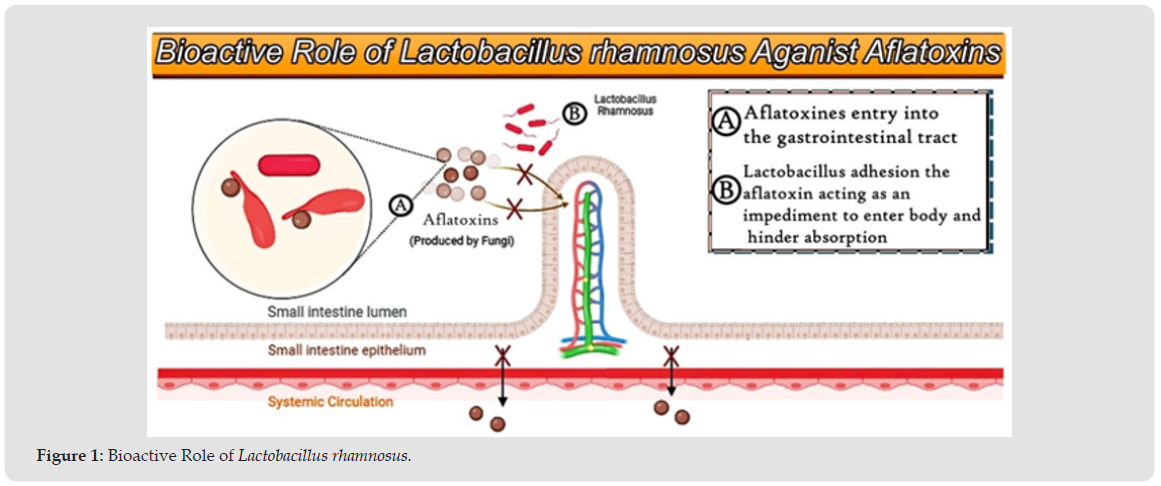
The research selection criteria were consistently applied to achieve a uniform and transparent methodology. Reviewers were tasked with either approving or denying research ideas during the screening process based on predefined criteria. The PRISMA guidelines were followed diligently during the process, involving the analysis of the paper’s title and abstract, as well as a comprehensive review of qualifying articles, among other steps [12]. Figure 1 displays the PRISMA figure utilized for research identification. The reliability and precision of the findings were guaranteed by the careful selection and organization of the appropriate clinical trial. The experts meticulously analyze each search result to enhance its reliability and minimize the risk of selection bias.
Figure 1
Data Management
Effective data management is essential for research studies to produce reliable and accurate results. The data is stored securely on a Google Drive account. The researchers utilized their personal laptops to safeguard and save their research, publications, and results, assuring the security and confidentiality of the content. The researchers utilize their personal laptops to carry out all operations, such as downloading and analysing data. Additionally, alternate methods for data preservation and storage include cloud storage, USB devices, and CDs, which are commonly used for data storage and management.
Six studies were included in the meta-analysis by searching the databases. The step-by-step selection mechanism is explained in Figure 2. As can be seen, 159 articles were found through database searching, and five articles were found through other various sources. Following the elimination of duplicate papers based on title, authors, and abstract, 111 articles were left. The papers duplicate reports 141 based on reporting from the same population at the same time, the paper in which the method was not reported, the articles in which data was not reported correctly, and the 103 articles in our literature review that remained for reviewing and assessing of 92 eligibility criteria were excluded from the study. The total number of articles that were excluded from the study was 141. 33 publications were not included in the study due to a variety of factors, including the following:
1. The analytical method was not clearly documented
2. Sufficient data were not supplied in the abstract of the articles,
and
3. The full text was not available
4. This meta-analysis included five research.
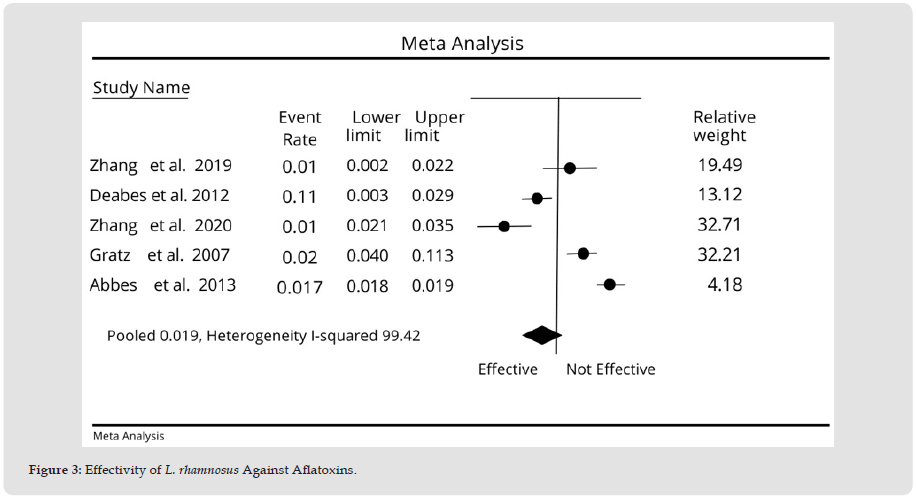
Additionally, the Forest Plot chart of our meta-analysis is shown in Figure 3.
Figure 2
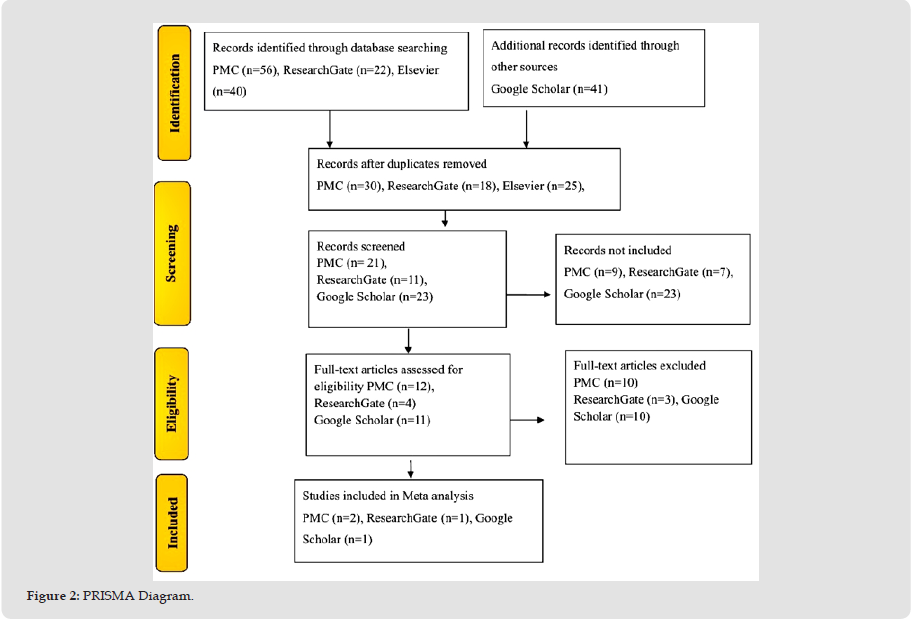
Figure 3
L. rhamnosus, the rod-shaped, Gram-positive bacteria that does not produce spores, can be discovered in fermented mare’s milk, newborn faucal samples, and human breast milk. The European Food Safety Authority (EFSA) has bestowed upon the species the status of Qualified Presumption of Safety (QPS), and it is included in the joint authoritative inventory of microorganisms that is maintained by the European Food and Feed Cultures Association and the International Dairy Federation. The potential application of L. rhamnosus MP108 as a probiotic has been used to conduct the study against aflatoxins. For the purpose of determining whether or not it was genotoxic, the research utilized L. rhamnosus MP108 as a test material. Different doses of L. rhamnosus MP108 were administered to the rats. The chemical that was being tested was made using sterile water and kept at a temperature that was lower than -15 degrees Celsius. The test chemical was given to Kunming mice that were in good health at doses of 1.4, 2.8, or 5.6 grams per kilogram of body weight. It was noticed that the rats exhibited symptoms of illness, their body weight, the amount of food they consumed, ophthalmologic examinations, and blood samples were taken for hematology and blood biochemistry. According to the findings, L. rhamnosus MP108 was a powerful and potentially hazardous agent for the health of humans. It further elucidates that the L. rhamnosus MP108 had a considerable influence on the spermatocytes as well as the liver, and the liver and liver of the rats were significantly affected. L. rhamnosus MP108 revealed that none of the strains that were examined exhibited any mutagenic effects or toxicity. During the 90-day toxicity trial, there were no observations of death or adverse clinical findings associated with therapy. There were no impacts that were statistically or physiologically significant on the parameters that were examined, indicating it might have an effect on removing toxins causing liver damage [13]. Aflatoxin M1, also known as AFM1, which is a hepato-carcinogenic metabolite, induces detrimental effects on health. The research to identify food-grade probiotic bacteria that are capable of degrading or binding AFM1 in vitro, and to determine whether or not the same organism(s) may play a protective role against AFM1-induced immunotoxicity in mice that were exposed to Balb/c conditions was conducted where PBS and skim milk were both environments in which the selected bacteria were able to “remove” AFM1. Additionally, the research demonstrated that L. rhamnosus GAF01 possessed the capability to bind AFM1 in vitro and mitigate the immunotoxicity that was generated by AFM1. An AFM1 solution and a high-performance liquid chromatography (HPLC) column were utilized in the research project in order to conduct an analysis of artisanal butter produced in Tunisia from cow’s milk.
Using high-performance liquid chromatography (HPLC), the samples were obtained from local producers. A formula was utilized to determine the percentage of AFM1 that was bound to bacteria. The formula utilized was as follows: 100% multiplied by (1.00 minus [peak area of AFM1 in the supernatant/peak area of AFM1 in positive control sample]). For the purpose of conducting in vivo investigations, forty-eight male Balb/c mice were randomly assigned to one of four treatment groups. To analyse immune system-related endpoints, blood samples were taken from the retro-orbital plexus. These endpoints included total white and red blood cells as well as lymphocyte T-cell subtypes. In addition, it has been reported that L. rhamnosus isolated from butter can bind AFM1 and reduce its immunotoxic potential in in vivo and in vitro studies. Therefore, it can be concluded that consuming isolated L. rhamnosus GAF01 as a supplement or functional food may support detoxification in terms of health [14]. On the other hand, L. rhamnosus GG (LGG) is suggested to be an effective probiotic that can bind AFB1 to peptidoglycan structures in the bacterial cell wall. Therefore, they play an important role in the destruction of aflatoxins. In the investigation, AFB1 was utilized, which was created through the cultivation of a toxic strain of A. flavus and L. rhamnosus GG. The concentrations of AFB1 and AFB2 were 24.01 mg/kg and 0.25 mg/kg, respectively, after being measured. A simple experiment was designed, and a total of 24 male Holstein calves were divided into 3 groups and examined: Control, AFB1 applied group, and L. rhamnosus applied group in addition to AFB1. The AFB1 dose was obtained by combining the AFB1 grain carrier with the usual pellet concentrate feed. The calves were given a suspension of LGG in PBS on a daily basis [11]. A number of different samples of rumen fluid, blood, urine, and feces were collected for the study at various points in time following the injection of AFB1. Collection and filtration of rumen fluids, blood samples, urine samples, and faces samples were all activities that were carried out. The Heilongjiang Electric Power Hospital received samples of plasma for the purpose of conducting an analysis. Both immunoaffinity column purification and high-performance liquid chromatography were utilized to determine the quantities of AFB1 and AFM1. HPLC was utilized in order to ascertain the level of AFB1-albumin adduct that was present in the plasma samples. This study aims to gain an understanding of the effects that AFB1 has on the production of ruminants. To identify aflatoxin in rumen fluid, plasma, urine, and feces, the research utilized an HPLC system that was equipped with a Waters binary pump and a Waters 2475 fluorescence detector. The limits of detection for AFB1, AFM1, and the adduct of AFB1 with albumin were, respectively, 300 ng/mL, 10 pg/mL, and 0.4 pg/mL. The growth performance of calves was comparable across all three groups, and the administration of AFB1 resulted in a decrease in the average daily growth rate (ADG). The fact that the administration [15-22] of LGG did not have a substantial impact on body weight gain lends credence to the hypothesis that the essential function of LGG may minimize the amount of free AFB1 that is available within the intestinal tract, hence lowering the toxicity of the substance. LGG had a substantial impact on the levels of aflatoxins that were present in the rumen fluid, blood, and excretions of dairy calves that were given a single dosage of aflatoxin B1. The presence of AFB1 and AFM1 was not found in any samples taken either before or after the administration of AFB1, and the toxin was found to be rapidly dispersed in the digesta and rumen fluid. The elimination of AFB1 occurred quickly, with significant variations being detected between individuals (Table 1).
Table 1: Characteristics of Studies Included.
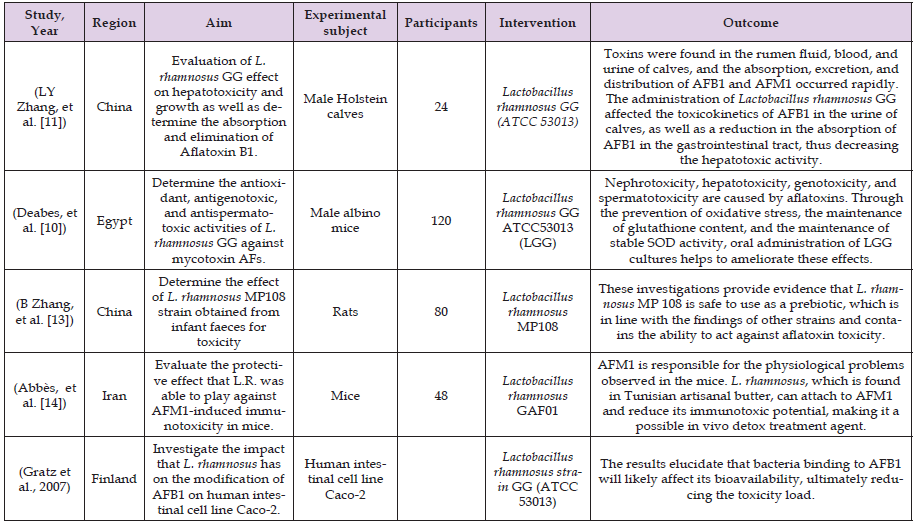
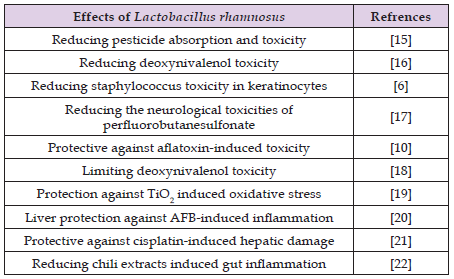
The concentration of AFB1 in plasma was at its greatest four hours after the delivery of AFB1, and it swiftly fell after that point. According to the findings of the study, it is suggested that L. rhamnosus GG application can support the removal of AFB and AFM from the gastrointestinal tract through feces by forming a complex. Urine is one of the fluids in which aflatoxin metabolites remain for the longest period of time after the elimination of toxin feed. The excretion pattern of AFB1 and its metabolite was unexpectedly regular, and the presence of toxins was observed in samples in a short amount of time following a single administered oral dose of AFB1. LGG was administered, and the results showed that the quantities of AFB1 and AFM1 in the rumen fluid, plasma, and urine were reduced. However, the concentrations in the faces were raised. The clearance pattern of AFM1 in urine occurred primarily in the first two days following the administration of AFB1, with a drop in AFM1 concentration of 93.10% when compared with the peak value of toxin concentration in the group that received only AFB1. The treatment of LGG resulted in a considerable reduction in the toxicokinetic of AFB1 and AFM1 in urine [11]. Additionally, the protective effects of L. rhamnosus against some toxicities and damages in the 10 research article findings are shown in the table below (Table 2).
Table 2: Effects of Lactobacillus rhamnosus Against Toxicities.
The literature search and screening may have missed relevant publications that were not properly indexed or tagged with the specified keywords. The dynamic nature of scientific databases also means new records are continually added, so updated searches closer to publication should capture the latest material. Different results can be obtained by using different databases such as Pubmed and Google Scholar.
Probiotics, which have become popular and are used as food supplements by humans in recent years, are gaining more importance in antioxidant, anti-inflammatory system, and toxicological studies. This study evaluated Lactobacillus rhamnosus using a meta-analysis method on original research articles in toxicology in medical literature. In this context, even after a single dose, L rhamnosus is able to reduce toxin content not only through the intestine but also in the urine. Also, L. rhamnosus can reduce the absorption and use of toxins in the digestive system into the circulatory system. L. rhamnosus may protect the gut-brain axis with its effects on reducing inflammation in the intestines, but its more effective point is that it is a probiotic with protective effects against toxins such as aflatoxins. In this context, it is thought that there is a need for more comprehensive and supportive scientific results with detailed and innovative clinical studies.
CRediT Authorship Contribution Statement
Yahya ALTINKAYNAK and Buket AKCAN ALTINKAYNAK: Conceptualization, Methodology, Software, Data curation, Writing-Original draft preparation, Visualization, Investigation, Supervision. Validation, Writing- Reviewing and Editing. All data were generated inhouse, and no paper mill was used. All authors agree to be accountable for all aspects of work ensuring integrity and accuracy.
Financial Support
This research received no grant from any funding agency/sector.
Conflicts of Interest
The authors declare that they have no known competing financial interests or personal relationships that could have appeared to influence the work reported in this paper.
Ethical Statement
Ethics committee permission is not required for this study. The researchers declare that they prepared this study in full compliance with all scientific publication ethical principles.

International Association of Landscape Archaeology, Czech Glass Society, Czech Republic

Department of Chemistry, Semenov Institute of Chemical Physics, USSR Academy of Sciences, Moscow, Russia

Neurology, LA BioMed Research Institute, USA

Associate Professor at Department of Breast and Thyorid Surgey, Chongqing General Hospital, China

Professor of Nuclear Medicine, Faculty of Medicine and Surgery, University of Milan, Milan, Italy





 Abstract
 PDF
PDF