info@biomedres.us
+1 (502) 904-2126
One Westbrook Corporate Center, Suite 300, Westchester, IL 60154, USA
Site Map
 ISSN: 2574 -1241
ISSN: 2574 -1241
ISSN: 2574 -1241
Received: March 29, 2025; Published: April 16, 2025
*Corresponding author: Gaurav N Kasar, Department of Pharmacology, Divine College of Pharmacy, Satana (Nashik), India
DOI: 10.26717/BJSTR.2025.61.009600
Metalloestrogens are a class of metals and metal compounds that mimic estrogen by interacting with Estrogen Receptors (ERs) or influencing estrogen-regulated pathways. These environmental endocrine disruptors have gained significant attention due to their ability to interfere with hormonal balance, particularly by mimicking or enhancing estrogenic activity. Prominent examples include cadmium, aluminum, nickel, arsenic, and lead, which are widely distributed in the environment through industrial emissions, contaminated food, cosmetics, and other consumer products. Research has increasingly linked chronic exposure to these metalloestrogens with the development of estrogen-dependent diseases, including breast cancer, endometrial and ovarian cancers, endometriosis, and hormone-related metabolic disorders. Their mechanisms of action include binding to estrogen receptors, inducing oxidative stress, promoting inflammation, and disrupting cellular signaling pathways. For instance, cadmium has been shown to mimic estradiol in activating ERs, contributing to tumorigenesis in breast tissue. Similarly, aluminum has been implicated in inflammation and estrogen receptor dysregulation in hormone- sensitive tissues. Understanding the role of metalloestrogens in the etiology of estrogen-dependent diseases is crucial for public health, given the widespread exposure to these elements and their cumulative effects.
This review aims to summarize current knowledge on the sources, mechanisms, and health impacts of metalloestrogens, with a focus on their role in estrogen-related pathologies. By highlighting existing research gaps and proposing strategies for mitigation, we hope to encourage further studies and policy interventions to address the risks posed by metalloestrogen exposure. Recognizing their contribution to the global burden of hormone- related diseases could lead to better prevention and treatment strategies, reducing their long-term public health impact.
Keywords: Metalloestrogen; Estrogen-Dependent Diseases; Oxidative Stress; Metal; Estrogen Receptors
Abbreviations: MAPK: Mitogen-Activated Protein Kinase; PI3K: Phosphoinositide 3-Kinase; ERs: Estrogen Receptors; EPA: Environmental Protection Agency; ER+: Estrogen Receptor-Positive; EREs: Estrogen Response Elements; ROS: Reactive Oxygen Species; ICP-MS: Inductively Coupled Plasma Mass Spectrometry; AAS: Atomic Absorption Spectroscopy; ASV: Anodic Stripping Voltammetry, DPV: Differential Pulse Voltammetry; SERMs: Selective Estrogen Receptor Modulators
Metalloestrogens are a class of metals and metal compounds that act as endocrine disruptors by mimicking or interfering with the natural activity of estrogens in the body. These compounds, including cadmium (Cd), aluminum (Al), nickel (Ni), arsenic (As), and lead (Pb), can bind to estrogen receptors (ERα and ERβ) and modulate estrogen-regulated gene expression, disrupting normal hormonal signaling pathways. Unlike endogenous estrogens, which are tightly regulated within the body, metalloestrogens are typically introduced through environmental exposure, such as industrial emissions, contaminated water, and consumer products. This unintended exposure poses a significant risk to human health, contributing to various estrogen- dependent diseases such as breast cancer, ovarian cancer, endometrial cancer, and endometriosis [1,2]. Cadmium, for instance, is a toxic metal found in cigarette smoke, industrial waste, and contaminated food, and has been shown to mimic estradiol, a potent natural estrogen, by binding to estrogen receptors. This activity is thought to contribute to the development and progression of breast cancer, as chronic exposure to cadmium has been linked to increased tumorigenesis [2]. Similarly, aluminum, commonly found in antiperspirants, cosmetics, and processed foods, can alter estrogen receptor signaling, leading to cellular changes associated with breast cancer [1].
Nickel, often encountered in industrial settings, can disrupt estrogen signaling pathways, and has been implicated in various hormone-dependent cancers, including breast and ovarian cancer (Aquino, et al. 2012). Arsenic and lead, both potent toxins found in contaminated water and old paints, respectively, can disrupt hormonal regulation and immune responses, which may exacerbate conditions like endometriosis, a disorder driven by estrogen [3]. The mechanisms through which metalloestrogens exert their effects involve binding to estrogen receptors in target tissues, leading to changes in gene expression that mimic the effects of natural estrogen. However, unlike endogenous estrogens, which are tightly regulated, metalloestrogens can cause disruptions in normal cellular homeostasis, leading to unintended biological consequences such as tumour promotion, immune dysfunction, and increased cell proliferation [3]. In particular, metals like cadmium and nickel have been shown to induce oxidative stress and inflammation, which can further contribute to cancer progression [1]. Given the widespread exposure to these metalloestrogens, there is a pressing need for public health strategies to mitigate their impact. This includes reducing industrial emissions, regulating the use of heavy metals in consumer products, and improving environmental safety standards. Additionally, research into the biological mechanisms of metalloestrogens and their role in estrogen- dependent diseases is crucial for developing preventive and therapeutic interventions [3].
Understanding how these metals contribute to disease could help reduce the global burden of hormone-related cancers and other estrogen-driven conditions. Metalloestrogens such as cadmium, aluminum, nickel, arsenic, and lead are introduced through various environmental sources and disrupt estrogen signaling pathways, contributing to hormone-dependent diseases. A summary of their sources, mechanisms of action, and associated diseases is provided in Table 1.
Table 1: Overview of Metall oestrogen.
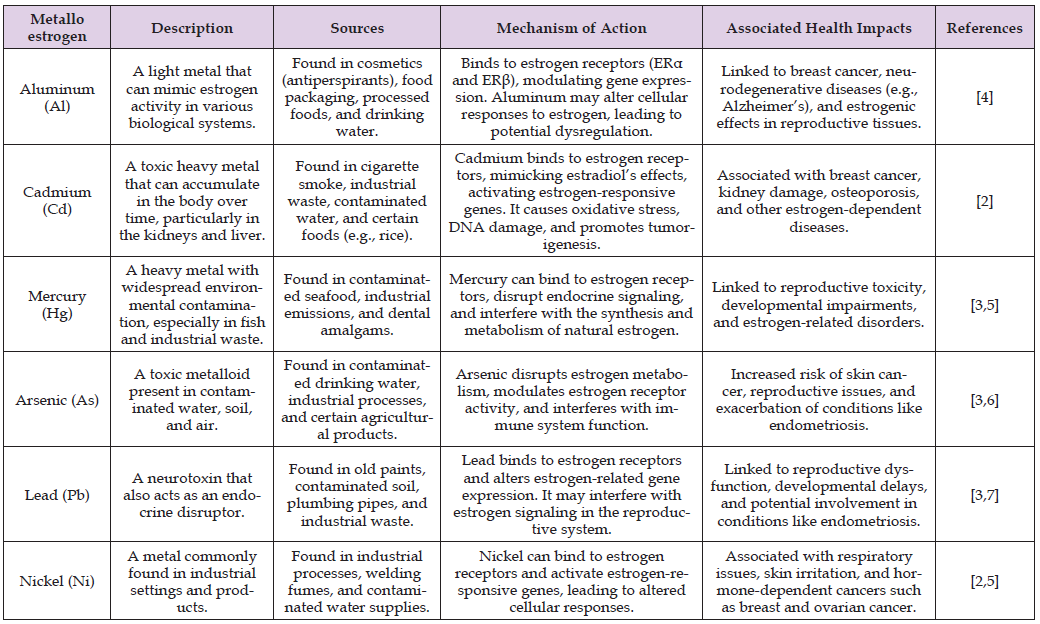
The mechanism of action of metalloestrogens is complex and multifaceted, involving several biological processes that mimic or disrupt normal estrogenic signaling pathways. Metalloestrogens, including metals like cadmium (Cd), aluminum (Al), lead (Pb), mercury (Hg), nickel (Ni), and arsenic (As), have been shown to interfere with estrogen receptor activity, gene expression, and cellular processes that are typically regulated by estrogens. Below is a detailed explanation of how these metals function as endocrine disruptors:
Binding to Estrogen Receptors (ERα and ERβ)
One of the primary mechanisms by which metalloestrogens exert their effects is by binding to estrogen receptors (ERα and ERβ), which are proteins found in various tissues, including the breast, uterus, and bone. These receptors are normally activated by endogenous estrogens like estradiol. When metalloestrogens bind to these receptors, they can mimic or antagonize the effects of natural estrogen. This results in altered gene expression and modulation of various cellular pathways: Some metalloestrogens, such as cadmium, can bind to estrogen receptors and activate the transcription of estrogen-responsive genes, promoting cell proliferation and survival, similar to the actions of natural estrogens [4,2]. For instance, cadmium has been shown to activate ERα in a manner analogous to estradiol, inducing estrogenic effects on gene expression in breast cancer cells. Other metalloestrogens may bind to the estrogen receptors but fail to fully activate the receptor, preventing the binding of natural estrogen and blocking normal estrogen signaling. This can disrupt hormonal balance and lead to pathological conditions [3].
Alteration of Gene Expression
Once metalloestrogens bind to estrogen receptors, they can influence the transcription of estrogen-responsive genes. This is often mediated by the formation of receptor-ligand complexes, which translocate to the cell nucleus and bind to Estrogen Response Elements (EREs) in the promoter regions of target genes. The activation or suppression of these genes can lead to various outcomes. Activation of estrogen receptors by metalloestrogens can lead to increased expression of genes associated with cell growth and proliferation, such as cyclin D1, which is involved in the cell cycle [4]. Metalloestrogens may also inhibit programmed cell death (apoptosis), promoting cell survival, which is a key feature of cancer development [2]. In some cases, metalloestrogens such as aluminum and cadmium can also modulate inflammatory cytokines, leading to chronic inflammation, a known risk factor for cancer [5].
Disruption of Estrogen Receptor Signaling Pathways
Metalloestrogens can also interfere with other signaling pathways that are indirectly regulated by estrogen receptors. Estrogen receptors are often involved in crosstalk with other intracellular signaling cascades, such as the Mitogen-Activated Protein Kinase (MAPK) and Phosphoinositide 3-Kinase (PI3K) pathways. Metalloestrogens can activate or inhibit these pathways, resulting in aberrant cellular responses: Metals like cadmium and nickel can stimulate these pathways, which regulate cell division, differentiation, and survival. Chronic activation of these pathways can contribute to tumorigenesis and other estrogen-dependent diseases [4]. Some metals, particularly cadmium and arsenic, have been shown to influence epigenetic changes, such as DNA methylation and histone modification, which can alter gene expression without changing the underlying DNA sequence. This can lead to long-term changes in cellular function, promoting the development of diseases like breast cancer and endometriosis [6].
Induction of Oxidative Stress
Many metalloestrogens induce oxidative stress by generating Reactive Oxygen Species (ROS), which can damage cellular components, including lipids, proteins, and DNA. Oxidative stress is a key mechanism by which metalloestrogens contribute to disease progression. Oxidative stress can cause DNA damage, mutations, and chromosomal instability, all of which are associated with cancer development. In the context of metalloestrogens, oxidative damage to DNA can increase the risk of breast cancer and other estrogen-dependent malignancies [1,4]. The oxidative environment created by metalloestrogens can also trigger inflammatory responses, leading to tumour promotion and immune system dysfunction. For example, aluminum has been shown to induce chronic inflammation in breast tissue, a factor that may enhance cancer risk [5].
Interference with Estrogen Metabolism
Metalloestrogens can also alter the metabolism of endogenous estrogens. Estrogen is primarily metabolized by enzymes such as cytochrome P450, which convert it into different metabolites, some of which are more potent inducers of estrogenic effects than others. Certain metals, such as arsenic and cadmium, can interfere with the activity of these enzymes, leading to the accumulation of estrogenic metabolites that may contribute to hormone-dependent diseases [3].
Modulation of Immune Responses
Some metalloestrogens, including arsenic and lead, can modulate immune system responses, which can affect the development and progression of diseases like endometriosis. These metals may influence cytokine production, immune cell activation, and inflammatory responses, disrupting normal immune regulation in estrogen-sensitive tissues [3].
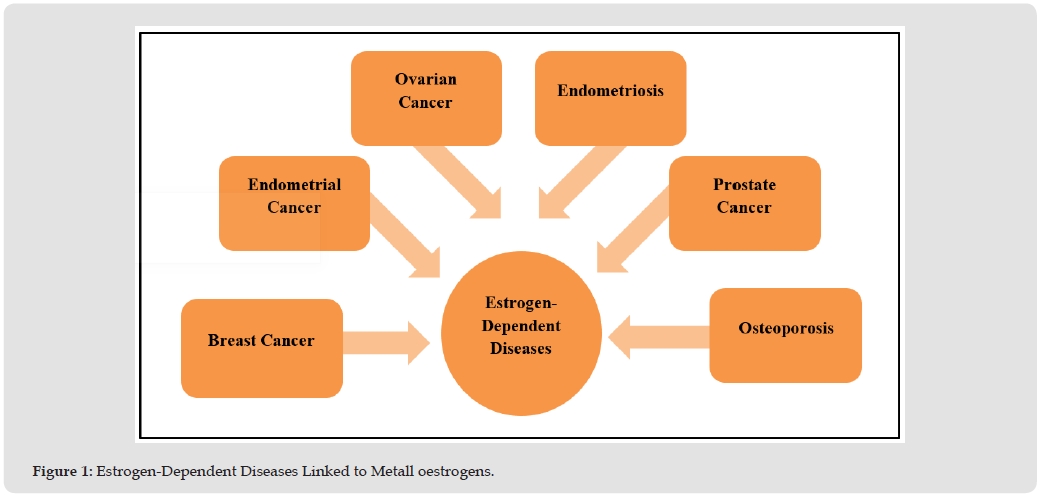
Estrogen-dependent diseases linked to metalloestrogens include a range of conditions driven by disruptions in hormonal regulation caused by these environmental toxins. Breast cancer is one of the most studied diseases in this category, with metals like cadmium and aluminum shown to mimic estrogen and promote tumour growth by binding to estrogen receptors and altering gene expression. Ovarian and endometrial cancers are also influenced by exposure to metalloestrogens, as these metals can enhance cell proliferation and interfere with normal hormonal signaling. Additionally, conditions like endometriosis, characterized by estrogen-driven inflammation and tissue growth outside the uterus, may be exacerbated by the immune- modulating effects of metals like arsenic and lead. These disruptions are not only due to direct receptor binding but also involve oxidative stress and inflammation, mechanisms that further contribute to the development and progression of these diseases. Understanding these links underscores the need for preventive measures to reduce exposure to metalloestrogens and mitigate their impact on public health (Figure 1).
Figure 1
Breast cancer is one of the most prominent estrogen-dependent diseases, with various environmental factors influencing its development. Among these factors are metalloestrogens, which have been shown to disrupt estrogen signaling pathways and contribute to cancer progression. Cadmium and aluminum are two metalloestrogens that have been particularly studied for their potential roles in breast cancer.
Cadmium (Cd) and Breast Cancer
Cadmium is a heavy metal widely recognized for its toxic effects, and recent research suggests it plays a role in the development of breast cancer due to its estrogenic properties. Cadmium mimics the action of estrogen by binding to estrogen receptors (ERα and ERβ) on breast tissue cells, which are critical for regulating normal cell growth and differentiation. This mimicry can lead to changes in gene expression, promoting the proliferation of breast cancer cells that are estrogen dependent. Studies have found that women with higher cadmium concentrations in their blood and tissues are at a greater risk for developing Estrogen Receptor-Positive (ER+) breast cancers [7]. Cadmium’s estrogenic activity not only influences cell division but also inhibits the expression of proteins that protect cells against oxidative stress, which can cause DNA damage and contribute to the mutation of critical tumour suppressor genes. Furthermore, cadmium exposure has been linked to increased production of growth factors that facilitate tumour progression, making it a key player in the promotion of breast cancer [8]. While the epidemiological evidence is strong, more research is needed to definitively establish the causal relationship between cadmium exposure and breast cancer, and to understand the long-term effects of chronic exposure in the general population.
Aluminum (Al) and Breast Cancer
Aluminum, another metalloestrogen, has raised concerns due to its potential role in breast cancer development, although research on this topic remains more contentious than for cadmium. Aluminum salts, commonly found in antiperspirants and some cosmetics, have been shown to bind to estrogen receptors, leading to altered signaling in breast tissues. This disruption can result in abnormal cellular proliferation, inflammation, and oxidative stress, all of which are known contributors to cancer initiation and progression. Studies suggest that aluminum may cause chronic inflammation in breast tissue, creating an environment conducive to tumorigenesis. Prolonged exposure to aluminum could promote a cycle of tissue damage and repair, increasing the risk of genetic mutations and cancer [9]. Despite this, there is still considerable debate over whether aluminum exposure from sources like antiperspirants directly increases the risk of breast cancer. Some studies show a correlation between aluminum exposure and breast cancer, while others fail to find significant evidence of causality [10]. The debate underscores the need for further, more rigorous research to clarify the role of aluminum in breast cancer and determine whether it acts as a significant risk factor.
Endometrial cancer is a major estrogen-dependent malignancy that occurs when cells in the lining of the uterus (the endometrium) begin to grow uncontrollably. Estrogen plays a significant role in the regulation of the endometrial tissue, and its disruption by metalloestrogens has been implicated in the development of endometrial cancer. Cadmium, a well-known toxic metal, has been shown to mimic estrogen by binding to estrogen receptors (particularly ERα) in endometrial cells, leading to increased cell proliferation and resistance to apoptosis, two key processes involved in cancer development. Studies have demonstrated that cadmium exposure can activate estrogen receptor pathways and promote the overexpression of estrogen-responsive genes in endometrial tissues, contributing to abnormal cell growth [8]. Additionally, aluminum, commonly found in antiperspirants and cosmetics, has been linked to estrogen receptor dysregulation, promoting chronic inflammation in the breast and endometrial tissues, which could potentially elevate the risk of carcinogenesis [11]. Oxidative stress, induced by metals like cadmium and aluminum, also plays a significant role in the development of endometrial cancer, as the generation of Reactive Oxygen Species (ROS) can cause DNA damage, genomic instability, and persistent tissue inflammation. These findings suggest that the endocrine-disrupting properties of metalloestrogens could significantly contribute to the pathogenesis of endometrial cancer.
Ovarian cancer, another estrogen-dependent cancer, is strongly influenced by disruptions in hormonal regulation, particularly by alterations in estrogen receptor signaling. Nickel has emerged as a critical metalloestrogen involved in the development of ovarian cancer. Research has shown that nickel can bind to estrogen receptors on ovarian cells, leading to estrogenic effects that promote cell proliferation and angiogenesis, two processes essential for tumour growth. Nickel-induced estrogenic activity has been linked to increased oxidative stress and the activation of pro-inflammatory cytokines such as TNF-α and IL-6, which can further exacerbate the cancerous transformation of ovarian tissues [12]. Furthermore, arsenic, another significant environmental contaminant, has been associated with ovarian cancer through its estrogenic effects. Arsenic exposure disrupts the normal hormonal regulation in ovarian tissues, leading to altered gene expression that supports cancer progression. Studies indicate that arsenic-induced dysregulation of estrogen receptor signaling results in the upregulation of genes associated with cell survival and proliferation, as well as the promotion of an inflammatory microenvironment conducive to tumor growth [13]. These findings underscore the role of metalloestrogens in ovarian cancer development, emphasizing how these metals can act as endocrine disruptors and contribute to the progression of hormone-sensitive cancers.
Endometriosis is a debilitating condition in which tissue resembling the uterine lining grows outside the uterus, leading to pain, infertility, and other complications. This condition is heavily influenced by estrogen signaling, and metalloestrogens—metals like cadmium (Cd), aluminum (Al), nickel (Ni), and arsenic (As)—can disrupt normal Estrogen Receptor (ER) function, contributing to the development and persistence of endometriosis. These metals either mimic estrogen by binding to estrogen receptors (ERα and ERβ) or interfere with normal estrogen signaling, leading to ectopic endometrial growth and immune dysregulation in the affected tissues. Metalloestrogens, particularly cadmium, have been found to activate estrogen receptors in ectopic endometrial cells, which may lead to increased cell proliferation and survival, thereby promoting the growth of ectopic tissue outside the uterus. This abnormal growth is characteristic of endometriosis, where tissue not only proliferates but also resists natural cell death, contributing to the persistence and severity of the disease [8]. In addition to cadmium, nickel has also been shown to bind to estrogen receptors and induce estrogen-like effects, particularly in the endometrial and ovarian tissues. Nickel’s action is thought to promote cellular proliferation and angiogenesis, further supporting the growth of ectopic endometrial tissue and the inflammatory responses often seen in endometriosis [12].
Furthermore, metalloestrogens induce significant oxidative stress and inflammation, both of which play crucial roles in the pathophysiology of endometriosis. Cadmium, for instance, is known to generate Reactive Oxygen Species (ROS), leading to oxidative damage in endometrial cells, which can trigger inflammatory pathways and promote tissue remodelling [8]. Additionally, arsenic has been shown to increase the expression of pro-inflammatory cytokines such as TNF-α and IL-6, which contribute to the chronic inflammation that characterizes endometriosis. These inflammatory mediators not only worsen tissue damage but also support the survival and growth of ectopic endometrial lesions [11,13].
Prostate cancer, a significant estrogen-dependent condition in males, has been linked to hormonal imbalances, including those caused by environmental exposure to metalloestrogens. Estrogens, although predominantly female hormones, also play a crucial role in the male prostate and influence its growth and function. Certain metals, such as cadmium (Cd), have estrogenic properties that can disrupt normal hormonal regulation in prostate cells. Studies have demonstrated that cadmium can bind to estrogen receptors and induce estrogen-like effects, promoting proliferation and survival of prostate cells, potentially contributing to the development of prostate cancer. Cadmium exposure has been associated with increased oxidative stress, which in turn can lead to DNA damage and cellular inflammation, two key factors involved in carcinogenesis [14]. Additionally, nickel has been shown to exhibit estrogenic activity in prostate tissues, which can contribute to the promotion of prostate tumour growth by altering estrogen receptor signaling pathways [12]. The disruption of androgen receptor and estrogen receptor balance due to metalloestrogens, particularly cadmium, is considered a critical mechanism for the development of prostate cancer. Therefore, the link between metalloestrogens and prostate cancer highlights the importance of considering environmental contaminants in the risk assessment for male reproductive cancers.
Metalloestrogens also have a significant impact on bone health, particularly in exacerbating conditions like osteoporosis. Osteoporosis is a disease characterized by weakened bones and an increased risk of fractures, and its development is heavily influenced by hormonal regulation. Estrogens play a crucial role in maintaining bone density and regulating bone remodelling. Exposure to metalloestrogens, such as cadmium and aluminum, has been shown to disrupt estrogen receptor signaling in bone tissues, potentially accelerating the loss of bone mass and the development of osteoporosis. Cadmium, for example, mimics estrogen activity by binding to estrogen receptors, leading to an imbalance in bone remodelling processes. This results in increased osteoclast activity (cells responsible for bone resorption) and reduced osteoblast activity (cells responsible for bone formation), contributing to bone loss [11]. Additionally, aluminum, a common environmental pollutant, has been implicated in bone diseases due to its ability to interfere with normal bone metabolism and estrogen receptor function. Aluminum exposure can lead to altered mineralization and increased bone fragility, particularly in postmenopausal women, who are already at greater risk for osteoporosis due to reduced estrogen levels [13]. Therefore, the role of metalloestrogens in osteoporosis highlights the importance of understanding how environmental toxins can disrupt bone health, especially in individuals already at risk due to hormonal changes.
Beyond their role in estrogen-dependent diseases, metalloestrogens contribute to a wide range of other health impacts due to their ability to disrupt cellular homeostasis and induce toxicity. Chronic exposure to these metals is associated with oxidative stress, leading to DNA damage, lipid peroxidation, and protein dysfunction, all of which can impair normal cellular functions. For instance, cadmium and nickel are known to promote inflammation and immune system dysregulation, potentially increasing susceptibility to infections and autoimmune diseases. Neurological effects are also significant, as metals like lead and aluminum have been linked to neurodegenerative conditions such as Alzheimer’s disease by interfering with neuronal signaling and promoting the accumulation of toxic protein aggregates. Additionally, cardiovascular issues may arise due to vascular damage and hypertension induced by arsenic and lead exposure. These widespread health effects highlight the systemic risks posed by metalloestrogens and the urgent need for effective regulatory measures to minimize exposure.
Neurological System
Metalloestrogens, particularly cadmium and lead, can adversely affect the neurological system, leading to cognitive impairments, developmental delays, and neurodegenerative diseases. Cadmium exposure has been linked to oxidative stress and inflammation within the brain, which can damage neurons, impair memory, and lead to cognitive decline. Research has demonstrated that cadmium interferes with synaptic transmission and can disrupt the normal functioning of neurotransmitters, contributing to neurodegenerative disorders such as Alzheimer’s and Parkinson’s [15,16]. Lead is especially detrimental to developing brains, with studies showing that children exposed to lead can experience deficits in learning, attention, and memory. The metal crosses the blood-brain barrier and disrupts neuronal plasticity, leading to long-term neurological deficits [16].
Cardiovascular System
Chronic exposure to metalloestrogens such as cadmium and nickel has been associated with an increased risk of cardiovascular diseases. Cadmium is particularly harmful to the cardiovascular system, where it has been shown to cause endothelial dysfunction and increase blood pressure, contributing to the development of atherosclerosis. Cadmium’s impact on the cardiovascular system is partly due to its ability to promote inflammation and oxidative stress, both of which play key roles in the progression of cardiovascular diseases [17]. Nickel, on the other hand, has been linked to vascular constriction and impaired blood vessel relaxation, which raises the risk of hypertension and heart disease [18]. The exposure to these metals, especially in combination with other environmental factors, can significantly increase cardiovascular risk.
Metabolic and Endocrine Systems
Metalloestrogens can also disrupt the balance of metabolic hormones and contribute to metabolic disorders like obesity, type 2 diabetes, and metabolic syndrome. Cadmium exposure, for example, interferes with insulin signaling pathways, leading to insulin resistance and altered glucose metabolism. This disruption can lead to an increased risk of obesity and type 2 diabetes, especially in individuals with prolonged exposure to the metal [19]. Aluminum exposure has similarly been linked to changes in adipocyte differentiation, promoting fat accumulation and insulin resistance. These metabolic disturbances are associated with an increased risk of developing metabolic syndrome, a cluster of conditions that elevate the risk of heart disease, stroke, and diabetes [19].
Immune System
The impact of metalloestrogens on the immune system is another area of concern. Metals such as nickel and arsenic can lead to immune dysregulation, increasing the susceptibility to autoimmune diseases and chronic inflammation. Nickel exposure has been shown to alter immune responses by modulating the production of pro-inflammatory cytokines and promoting immune cell activation, which may contribute to conditions like contact dermatitis and autoimmune diseases [20]. Similarly, arsenic interferes with both the innate and adaptive immune systems, impairing immune function and promoting chronic inflammation. This can lead to an increased risk of infections and autoimmune diseases, such as rheumatoid arthritis and lupus.
Skeletal System
Metalloestrogens also have a detrimental effect on bone health. Cadmium and lead exposure can lead to weakened bones and an increased risk of fractures. Cadmium inhibits osteoblast function, leading to reduced bone formation, while also promoting osteoclast activity, which causes increased bone resorption. These effects can contribute to the development of osteoporosis, a condition characterized by fragile bones and an increased risk of fractures [18]. Lead exposure similarly affects bone mineralization by reducing calcium deposition in bones, which further exacerbates the risk of osteoporosis and bone fragility [15]. Chronic exposure to these metals, especially in high doses or over extended periods, can significantly impact bone density and strength, leading to a higher incidence of fractures.
Assessing exposure to metalloestrogens involves a variety of analytical methods that can detect both the metals themselves and their biological effects on estrogenic pathways. Two key categories of techniques are used for exposure analysis: spectroscopic techniques (such as Inductively Coupled Plasma Mass Spectrometry (ICP-MS) and Atomic Absorption Spectroscopy (AAS)) and bioassays that detect estrogenic activity.
Spectroscopic Techniques
Inductively Coupled Plasma Mass Spectrometry (ICP-MS): ICP-MS is a highly sensitive and accurate technique that is commonly used for detecting trace levels of heavy metals, including cadmium, lead, nickel, and aluminum, in biological samples such as blood, urine, and tissue. This method involves ionizing the sample in a high-temperature plasma and measuring the mass-to-charge ratio of the ions to identify and quantify metal content. ICP-MS is particularly effective in detecting cadmium, a well-known metalloestrogen, in blood and urine, which serves as a reliable biomarker for exposure to this toxic metal [21]. It can measure very low concentrations, making it suitable for identifying environmental or occupational exposure to metalloestrogens even at sub-toxic levels. In studies investigating cadmium exposure and its relation to breast cancer, ICP-MS has been used to measure cadmium levels in urine and blood, providing insight into long-term exposure and potential health risks [7].
Atomic Absorption Spectroscopy (AAS): AAS is another widely used technique for metal analysis, particularly when the metal concentrations are higher. This technique involves vaporizing the sample and passing light through it at specific wavelengths corresponding to the metal of interest. The absorption of light by the vaporized atoms provides a measure of the metal concentration in the sample. AAS is particularly useful in measuring metals like lead and nickel in biological fluids, especially for routine analysis of metal exposure in populations at risk [22]. AAS has been used to detect lead levels in blood, which is essential in epidemiological studies examining the role of lead as a metalloestrogen and its association with estrogen-dependent diseases such as prostate cancer [23].
Graphite Furnace Atomic Absorption Spectroscopy (GFAAS): GFAAS is a more sensitive version of AAS, used for detecting trace amounts of metals in biological matrices. It is particularly useful for metals like cadmium and mercury, which are present in very low concentrations in biological samples. This method is often used in clinical or research settings to monitor toxic metal exposure in individuals. GFAAS has been employed to measure mercury levels in urine and blood as part of studies investigating its role in neurotoxicity and its potential as a metalloestrogen [7].
Electrochemical Analysis: Electrochemical techniques such as Anodic Stripping Voltammetry (ASV) and Differential Pulse Voltammetry (DPV) are used for measuring trace metal concentrations in biological samples. These methods are highly sensitive and allow for the detection of multiple metals simultaneously. They are often employed in environmental monitoring and clinical diagnostics. ASV has been used to detect nickel and cadmium in urine samples, providing insight into the body’s burden of these metals and their potential effects on estrogen signaling [24]
Bioassays for Estrogenic Activity
Estrogen Receptor (ER) Binding Assays: These assays evaluate the ability of metals to bind to estrogen receptors (ERα or ERβ), a critical step in their estrogenic action. Various methods, such as competitive radiolabelled binding assays or fluorescence-based assays, are used to measure the affinity of metals like nickel or aluminum for estrogen receptors. These assays can be performed using cell lines that express estrogen receptors, which are exposed to the metal of interest. Changes in gene expression or receptor binding capacity can then be measured to assess the estrogenic activity of the compound [25]. Nickel’s estrogenic activity has been studied in vitro using estrogen receptor binding assays, where it was found to alter ER-mediated gene expression in cultured mammary cells [24]. This assay has provided critical insights into how metalloestrogens like nickel contribute to endocrine disruption.
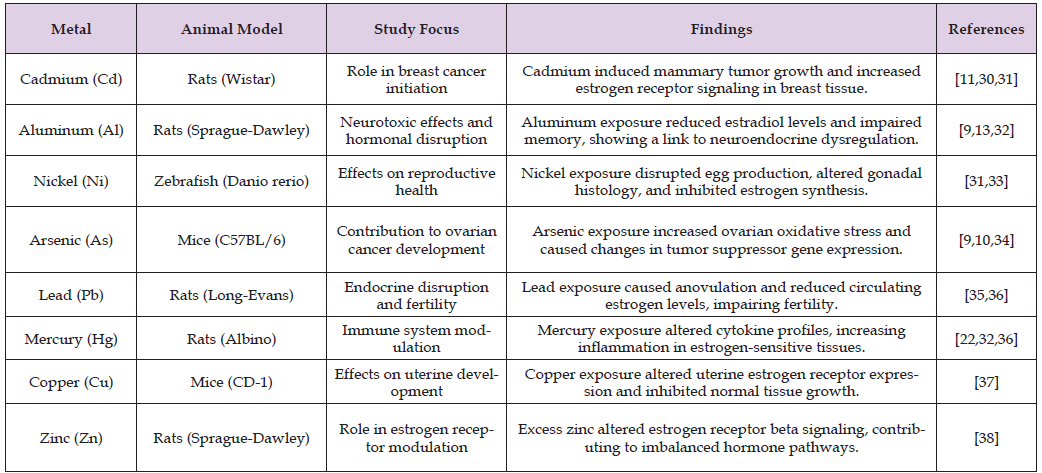
Cell Proliferation Assays: These assays assess the impact of metalloestrogens on estrogen-dependent cellular processes, such as proliferation. For example, cadmium’s ability to stimulate the proliferation of breast cancer cells has been evaluated using assays such as the MTT or XTT assay, which measures cell viability and growth. The increased cell proliferation in the presence of cadmium, often in combination with estradiol, suggests that cadmium acts as a metalloestrogen, mimicking the effects of natural estrogens [26]. In research on cadmium’s estrogenic effects, cell proliferation assays demonstrated that cadmium can enhance the proliferation of Estrogen Receptor- Positive (ER+) breast cancer cells, reinforcing its potential role as an estrogen mimic in breast cancer development [27] (Table 2).
Table 2: Experimental studies on Metall oestrogens in animal models.
Reducing Exposure to Metalloestrogens
Policy Recommendations: To mitigate the exposure to metalloestrogens such as cadmium, arsenic, and aluminum, regulatory measures are crucial. One of the first steps in reducing exposure is to implement stricter industrial regulations and guidelines to control the emission of harmful metals into the environment. For instance, the European Union and the United States Environmental Protection Agency (EPA) have set limits on industrial emissions of cadmium and arsenic, but these policies should be enforced more rigorously, especially in industries such as mining, electronics, and manufacturing [28]. Furthermore, governments can promote the use of alternative, non-toxic materials in various industrial processes to reduce the release of these metals into air, soil, and water.
Public Awareness: Public education campaigns are essential to raise awareness about the potential risks of metalloestrogens in consumer products, such as aluminum in antiperspirants and food additives, and cadmium in contaminated food sources like shellfish and certain vegetables. For example, aluminum-based antiperspirants have been implicated in disrupting estrogen receptor signaling in breast tissue, contributing to concerns about breast cancer risk [10]. Public awareness initiatives can encourage consumers to make informed choices by avoiding products that contain potentially harmful metals. Additionally, clear labeling of products, as well as guidelines on safer alternatives, can help reduce unnecessary exposure [19].
Advances in Therapeutics
Targeting Cadmium-Induced Pathways in Breast Cancer: Therapeutic strategies aimed at targeting cadmium-induced pathways in breast cancer could hold promise in mitigating the estrogenic effects of metalloestrogens. Recent studies have explored the role of cadmium in activating estrogen receptors and promoting carcinogenesis. Targeting these pathways with anti-estrogenic drugs, such as Selective Estrogen Receptor Modulators (SERMs) like tamoxifen or aromatase inhibitors, could potentially block the cancer-promoting effects of cadmium [17,29]. Additionally, chelation therapy, which involves the use of specific agents to remove toxic metals from the body, might be a promising option for individuals with high cadmium burden.
Development of New Therapeutics: Future research should focus on identifying novel compounds or drugs that could specifically target metalloestrogens without affecting normal estrogenic functions. Research into metal-binding compounds and antioxidants could offer a dual approach to not only detoxifying harmful metals but also reducing oxidative stress and inflammation associated with metalloestrogen exposure [25]. By targeting the molecular pathways involved in metal-induced estrogenic signaling, it may be possible to prevent or reverse the adverse health effects caused by metalloestrogens.
Need for Comprehensive Longitudinal Studies
While the current body of research on metalloestrogens provides valuable insights into their potential health impacts, there remains a significant need for comprehensive longitudinal studies that can track the long-term effects of these metals on human health. A key gap is the investigation into the combined effects of multiple metalloestrogens, such as cadmium and nickel, which might interact synergistically to influence hormonal health. For example, exposure to both cadmium (Cd) and nickel (Ni) in occupational settings, such as in the mining or manufacturing industries, might lead to additive or even multiplicative estrogenic effects, increasing the risk of estrogen-dependent diseases [30-39]. Longitudinal studies that assess exposure over time, considering both individual and combined metal exposures, will be essential in understanding the complex relationship between environmental metalloestrogens and diseases such as breast cancer, endometriosis, and other hormone-sensitive conditions.
Investigating Low-Dose Effects and Chronic Exposure Scenarios
Another critical area of research involves the effects of low dose metalloestrogen exposure over extended periods. While high-dose exposures are often linked to acute toxicity, chronic, low-level exposure to metalloestrogens like cadmium and aluminum may also have significant, long-term health impacts, particularly in vulnerable populations. Studies have shown that even low concentrations of cadmium in the environment can contribute to estrogen receptor activation and related diseases [9]. However, the precise dose-response relationships for these metals at low exposures are not fully understood. Future research must focus on defining safe exposure thresholds and understanding the mechanisms by which low-level, chronic exposure to metalloestrogens influences estrogenic signaling pathways over time, potentially leading to chronic diseases.
Development of Advanced Tools for Risk Assessment and Exposure Monitoring
To effectively evaluate the risks associated with metalloestrogens, there is a need for the development of more advanced tools for exposure monitoring and risk assessment. This includes the creation of more sensitive and specific biomarkers for metalloestrogen exposure that can be reliably measured in biological samples like blood, urine, and tissues [17]. Current methods, such as Inductively Coupled Plasma Mass Spectrometry (ICP-MS) and Atomic Absorption Spectroscopy (AAS), are useful for measuring metal concentrations, but they may not fully capture the complex bioaccumulation and hormonal disruptions caused by long-term exposure. Advanced monitoring techniques that can detect not only the presence of metals but also their estrogenic effects at cellular and molecular levels are necessary. Furthermore, improved computational models and risk assessment frameworks will be crucial to predict the health impacts of metalloestrogens across different populations, including those with highrisk occupations or those living in areas with elevated environmental pollution.
In conclusion, the growing body of evidence linking metalloestrogens to estrogen-dependent diseases highlights the significant impact of environmental and industrial pollutants on human health. Metalloestrogens, such as cadmium, aluminum, nickel, arsenic, and lead, have been shown to mimic or disrupt the normal functioning of estrogen, leading to alterations in hormone-regulated processes that can contribute to the development of diseases like breast cancer, endometriosis, ovarian cancer, and uterine cancer. The ability of these metals to bind to estrogen receptors and influence gene expression has been a critical finding, underscoring their role as endocrine disruptors. Cadmium, for example, is widely recognized for its estrogenic properties, with studies linking its accumulation in the body to an increased risk of hormone-dependent cancers, particularly breast cancer [17]. Similarly, aluminum has been shown to disrupt estrogen receptor signaling, potentially contributing to breast tissue inflammation and carcinogenesis [9]. Metals like nickel and arsenic also pose risks to reproductive health by affecting estrogen-dependent signaling pathways, further exacerbating the burden of estrogen-driven diseases. Despite the compelling evidence, there are still significant gaps in understanding the full scope of metalloestrogen effects. Much of the research has focused on individual metals, but the combined effects of multiple metalloestrogens and the impact of chronic, lowdose exposures remain underexplored.
Longitudinal studies that track the cumulative effects of these metals over time, especially in populations with high environmental or occupational exposure, are needed to better assess their long-term health impacts. Additionally, the development of more advanced bio markers and monitoring tools for detecting metalloestrogen exposure will be crucial for improving public health interventions and risk assessment. Given the widespread exposure to metalloestrogens, particularly through environmental pollution, consumer products, and occupational hazards, there is a pressing need for stronger regulatory frameworks to limit their presence in the environment. Public awareness campaigns about the potential risks associated with everyday products like cosmetics, food additives, and industrial emissions could help mitigate exposure. Moreover, strategies targeting the pathways activated by these metals—such as anti-estrogenic drugs or therapeutic interventions—could offer new avenues for preventing or treating the diseases associated with metalloestrogen exposure. In summary, while progress has been made in understanding the role of metalloestrogens in estrogen-dependent diseases, more research is needed to fill existing knowledge gaps. A multidisciplinary approach, combining epidemiological studies, mechanistic research, and regulatory action, is essential for mitigating the risks posed by metalloestrogens and protecting public health from their harmful effects.
We would like to thank all those who contributed to the development of this review through their valuable insights and support.
The authors declare that they have no competing interests.
By submitting this document, the authors declare their consent for final accepted version of the manuscript to be considered for publication.

International Association of Landscape Archaeology, Czech Glass Society, Czech Republic

Department of Chemistry, Semenov Institute of Chemical Physics, USSR Academy of Sciences, Moscow, Russia

Neurology, LA BioMed Research Institute, USA

Associate Professor at Department of Breast and Thyorid Surgey, Chongqing General Hospital, China

Professor of Nuclear Medicine, Faculty of Medicine and Surgery, University of Milan, Milan, Italy





 Abstract
 PDF
PDF



























