info@biomedres.us
+1 (502) 904-2126
One Westbrook Corporate Center, Suite 300, Westchester, IL 60154, USA
Site Map
 ISSN: 2574 -1241
ISSN: 2574 -1241
ISSN: 2574 -1241
Received: March 19, 2025; Published: April 16, 2025
*Corresponding author: Temesgen Gebresilassie, Animal Health Institute, Kality Tsetse Fly Research Center P.O.Box 19917 Sebeta, Ethiopia
DOI: 10.26717/BJSTR.2025.61.009599
The investigation of the metabolome is a new field in the use of omics techniques. A thorough, qualitative, and quantitative investigation of all the tiny molecules within an organism is called metabolomics. There is growing pressure on the livestock production sector to increase productivity in order to meet the growing population’s demand for feed from a base of finite resources. Utilizing genomic data to enhance an animal’s response to selection is one of the main objectives of animal genomics research. Water (85-87%), fats (3.8-5.5%), proteins (2.9–3.5%), carbs (5%), and a variety of vitamins, minerals, oligosaccharides, immunoglobulins, and other lipids are among the necessary macronutrients found in milk. Endogenous factors like parity stage, breed, and lactation stage, as well as exogenous factors like seasonality and food habits, all affect the nutritional composition. Assessment of biofluids using Nuclear Magnetic Resonance (NMR) spectroscopy can provide some insight into the physiological processes that take place in animals under heat stress (HS). Dairy animals that are exposed to HS see a reduction in their reproductive and productive abilities. expanded the definition of metabolic profiling to encompass the assessment of any parameter in animal fluids that can show a dynamic response to pathological, physiological, developmental, and genetic stressors. It has been discovered that the physiological characteristics and qualitative elements of muscles as phenotypic components are influenced by muscle metabolites. In small-scale subsistence farming systems, small ruminants like sheep and goats are a significant source of food and revenue, and they are especially significant in the Mediterranean and tropical regions. Additionally, sheep production especially for wool has historically played a significant role in the economics of several Southern Hemisphere nations, including Australia, New Zealand, Argentina, and South Africa. Blood is a useful tool for determining the nutritional and health state of both humans and animals since it contains a number of components necessary for maintaining regular physiological functioning. Serum and plasma metabolites are linked to disease, meat quality characteristics, and feed in farmed animal research. The food business can benefit greatly from metabolic technology.
The study of the entire set of small molecule metabolites in a biological system, including their identification and quantification, is known as metabolomics. Compounds with a molecular weight are referred to as tiny molecules. (Johanningsmeier [1]). Metabolomics was first proposed by Professor Jeremy Nicholson in 1999. Metabolomics is a technique to quantitatively examine all metabolites in live organisms and determine the relative relationship between metabolites and physiological and pathological changes, using the same idea as genomics and proteomics. (Yang, et al. [2]). In order to fully identify and measure all endogenous and exogenous small molecular weight (<1 kDa) small molecules/metabolites in a biological system in a high-throughput way, metabolomics is the study of the metabolome within cells, biofluids, tissues, or species. Precision/personalized medicine, single-cell, epidemiologic population studies, metabolic phenotyping, metabolome wide association studies (MWAS), precision metabolomics, and in combination with other omics disciplines like integrative omics, biotechnology, and bioengineering are just a few of the numerous uses of metabolomics in health and disease. A useful method for identifying disease-associated metabolites in bio fluids or tissue as well as for classifying and/or characterizing disease- or treatment-related molecular patterns derived from metabolites is mass spectrometry (MS)-based metabolomics/lipidomics. (Buckner, et al. [3]).
A potent technique for examining the changes in the concentration and composition of small molecule metabolites over a certain time span is metabolomics. It offers information on how metabolites relate to both physiological and pathological alterations. Nuclear magnetic resonance, gas chromatography-mass spectrometry (GC-MS), and liquid chromatograph mass spectrometry are the three most often utilized detection techniques for metabolomics. (LC-MS) (Xue, et al. [4]). The foundation of the animal production system and the production unit’s success is the field of animal breeding and genetics. We cannot obtain appropriate performance from animals of high breeding value if we do not employ modern technologies. (Ali, et al. [5]). A lengthy medical history of studying biofluids is expanded upon by metabolomic analysis of tiny molecules extracted from readily available biofluids, such as blood, saliva, and urine. The concept of balancing the four humors was prevalent in medicine from the 1200s to the 1600s. Four biofluids were associated with the four humors: choleric, sanguine, phlegmatic, and melancholy. (Johanningsmeier [1]). Rapid and efficient identification of minor phenotypic changes, nutritional responses, and inherent phenotypic propensities in animals is made possible by omics technologies such as genomics, metagenomics, metabolomics, proteomics, transcriptomics, epigenomics, translatomics, etc. (Chakraborty, et al. [6]). Although cattle are unique in their ability to convert lignocellulose material into useful protein, beef cattle have the lowest production efficiency when compared to other livestock. It is estimated that approximately 45% of the world’s human protein comes from the meat and milk of cattle and bison (Terry, et al. [7]).
Animal welfare (AW), mostly pertaining to animals raised for food, has gained attention in recent years as a pertinent public health issue because of the overall effects on the animals’ health, which have implications for production, disease, and food safety (Fabrile, et al. [8]). Because their abundances in biological specimens are frequently immediately linked to pathogenic mechanisms a fact that is frequently illustrated in clinical chemistry laboratory results metabolites have been referred to be proximal reporters of disease. In the past, it frequently took ten years or longer for a disease sign to be discovered, validated in human trials, and then routinely used as a clinical test. Labeled tracer substrates allow for direct and dynamic in vivo probing of certain areas of metabolism that are crucial to illness. Using F-fluorodeoxyglucose-positron emission tomography, radiological imaging can be performed on tissues with high glucose metabolism, such as brain tissue and malignant tumors (Clish [9]). The Food and Agriculture Organization (FAO) states that the objective metric of meat quality its nutritional valueas well as the consumer’s subjective assessment of eating quality such as color, flavor, juiciness, and tenderness determine the meat’s quality.
Along with emphasizing the value of appropriate meat care after slaughter, during transportation, and during storage, the FAO also emphasizes the significance of pale, soft, and exudative meat as well as dark, firm, and dry meat in assessing meat quality. Because consumers prioritize meat quality when making judgments about what to buy, the poultry business is concentrating on creating high-quality meat. Poultry meat is known for having a low fat content and a large amount of high-quality protein. Factors like the content and consumption of poultry feed affect its nutritional makeup. The rearing environment has an impact on the metabolic profile of poultry products in addition to diet (Yogeswari, et al. [10]). The objective of this review is the role of recent metabolomics technologies in improving livestock production and productivity.
The investigation of the metabolome is a new field in the use of omics techniques. A thorough, qualitative, and quantitative investigation of all the tiny molecules found in living organisms is called metabolomics. Metabolomic technologies are being utilized more and more to either quantify a small panel of metabolites with high sensitivity (targeted analysis) or to produce an objective global profile of metabolites in samples (untargeted analysis). By examining the metabolome of various bodily fluids, numerous possible biomarkers of milk output and quality in dairy cow have been identified. By tracking the synthesis and subsequent metabolism of substances found in the diet, digesta, and plasma, profiling metabolites offers the benefit of allowing researchers to investigate how metabolism affects overall health. Additionally, it can be used to estimate production efficiency and carcass quality attributes, as well as assess feed conversion efficiency and the metabolic response of animals to environmental variables. (Chakraborty, et al. [6]). The “canaries” of the genome are another name for metabolites. Metabolites can be extremely sensitive markers of issues in the genome (as well as the transcriptome or proteome), much like canaries were sensitive indicators of issues in coal mines.
In essence, metabolites are the result of intricate interactions between the genome, which occurs inside the cell, and the environment, which consists of events, exposures, and phenomena that take place outside the cell or organism. Therefore, it is possible to ascertain how genes and the environment interact by the thorough analysis of metabolites (via metabolomics). To put it another way, metabolomics gives researchers a more thorough and extremely sensitive description of the phenotype. The term “metabotype” is frequently used to describe this metabolic readout of the phenotypic (Goldansaz, et al. [11]). A potent instrument for crop development is metabolomics. Using cutting-edge analytical chemistry technology, metabolomics entails the thorough characterization of the metabolome. The entire collection of low molecular weight (MW < 1500 Da) primary and secondary metabolites present in an organism is referred to as the metabolome. The metabolome of an organism is the result of both environmental and genetic influences. Thus, analyzing an organism’s metabolome enables one to investigate the relationships among its genes, environment, and, eventually, phenotype. (Razzaq, et al. [12]). Metabolomics is a fastdeveloping area that combines statistical and multi-variant methods for information extraction and data interpretation with techniques to detect and quantify biological metabolites utilizing advanced analytical technology. The sequencing of many different organisms has advanced significantly over the past 20 years. Large sums of money were spent at the same time to create analytical methods for examining the many cell products, including those derived from proteins, metabolites, and gene expression (transcripts). All of these so-called “omics” techniques genomics, transcriptomics, proteomics, and metabolomics are regarded as crucial instruments that can be used to comprehend an organism’s biology and how it reacts to environmental cues or genetic disturbances. (Roessner [13]).
Animals may digest complex plant fibers and polysaccharides in the rumen, which also acts as a bioreactor to create vitamins, microbial proteins, and volatile fatty acids (VFAs). According to recent studies, the rumen microbiome has a significant impact on the production characteristics of dairy cows, including milk production, methane yield, and feed efficiency. But nothing is known about how the rumen microbiota affects goats’ ability to lactate. (Wang, et al. [14]). Metagenomic techniques that allow for the prediction of microbial metabolic capacity based on the identification of genes encoding enzymes and their mapping onto metabolic pathways have been used to investigate the function of microbial communities. The functional relationships between the microbiome and environment can also be better understood by characterizing metabolites from host, food, and microbial sources. For example, in untargeted metabolomics, many chemicals are concurrently detected using liquid chromatography–tandem mass spectrometry (LC–MS/MS) based on their retention duration and spectrum fragmentation patterns (MS/MS). (Vasco, et al. [15]).
There is increasing pressure on the livestock production sector to increase productivity in order to meet the demand for feeding a growing population with a limited number of resources. Maintaining a steady supply of substrate in terms of both quantity and frequency is crucial for achieving the best possible anaerobic fermentation in the rumen. A suitable environment that promotes microbial growth must also be established and maintained, which includes regulating elements like substrate mixing, pH, and temperature. Moreover, the overall effectiveness of the fermentation process depends on the constant removal of unwanted materials like hydrogen and bacterial toxins. Methane production in the rumen is decreased and volatile fatty acids (VFAs) and microbial proteins are produced through nutritional manipulation through feed formulation and feeding management, especially using plant extracts or plants containing secondary compounds (condensed tannins and saponins) and plant oils. (Wanapat, et al. [16]). One of the main causes of the worldwide reductions in terrestrial species richness is thought to be habitat modification. Approximately 40% of the ice-free land is used for agriculture. Is the main cause, but forestry and the growth of cities also contribute to the global loss of natural habitat. As it is anticipated that human land use would increase. International agreements and goals have been set to address human needs while protecting biodiversity (Kuipers [17]). In recent years, a number of studies encompassing different nations and employing different methodologies have examined the problem of food waste. Based on statistical data and previous research, a number of studies produced surveys and reports on the quantity of food waste and disposal practices in different nations.
Examined Danish initiatives to reduce food waste and came to the conclusion that multi-stakeholder partnerships are essential to finding long-term solutions. offered case studies on the UK and Japan’s policies around food loss and waste. Their research indicates that while food waste at the consumer level has not altered in recent years, food waste in Japan’s food business has decreased. Summarized the state of food waste in the Japanese food supply chain in 2011 and examined the country’s food waste trend from 1960 to 2012. According to their findings, there is very little chance of further reducing food waste from the food manufacturing sector, which has mostly been recycled into fertilizer and animal feed. On the other hand, there is a lot of room to reduce food waste from other food industries, particularly the food service sector. These current studies demonstrate that food waste is a serious issue in many nations and that each one has the ability to recycle a significant amount of food waste (Nakaishi [18]).
Utilizing genomic data to enhance an animal’s response to selection is one of the initial objectives of animal genomics research. The U.S. dairy cattle sector is the best example of a new genetic technology being implemented in the recent decade. An integrative network of scientists from ARS, land grant institutions, genetics corporations, breed-related companies, and biotechnology companies was essential to the success of this endeavor. Important public-private partnerships, ranging from recently formed alliances to long-standing partners, were at the heart of this network. All partners shared the objective of creating, implementing, and commercializing a genotyping assay that would significantly increase the precision of selection in young animals, enabling significant reductions in generation intervals and the possibility of selection on novel traits like feed efficiency. (Rexroad, et al. [19]). Water (85–87%), fats (3.8–5.5%), proteins (2.9–3.5%), carbs (5%), and a variety of vitamins, minerals, oligosaccharides, immunoglobulins, and other lipids are among the necessary macronutrients found in milk. Endogenous factors like parity stage, breed, and lactation stage, as well as exogenous factors like seasonality and food habits, all affect the nutritional composition. Variations in nutritional makeup affect how milk is processed and the caliber of dairy products that are made. Cow breed is a known factor influencing milk composition, as different breeds have different levels of fat and protein in their milk. For instance, compared to Holsteins, milk from Brown Swiss breeds has higher yields of fat and protein.
Furthermore, dietary feeding regimens cause changes in the gross milk composition; calves raised on outdoor pastures produce milk with higher levels of casein, protein, and total solids, while cattle on total mixed rations (TMRs) have higher levels of lactose (Connolly [20]). RPG, or rumen protected glucose, is crucial in helping dairy cows with their negative energy balance. Because their dry matter intake is insufficient to fulfill the energy demands of lactation, dairy cows in the early stages of lactation are susceptible to a negative energy balance. Rumen-protected glucose is a useful feed supplement that helps dairy cows with their early lactation energy imbalance. (Microbiota [21]). Because the generation of protein, energy, and vitamins depends on the gut microbiota in cattle, changes in this microbiome can have an impact on the performance of the animals. (Vasco et al. [15]). Numerous external factors, such as dietary habits and lactation stage, as well as genetics, parity, and cow breed, affect the composition of milk. (Connolly [20]).
Evaluation of the Primary Plasma Parameters Found in a Dairy Cow’s Metabolic Profile
Blood biochemistry is mostly utilized in diagnostic research to support a suspected diagnosis, serve as a prognostic indication, or track the course of an animal’s illness while it is being treated. It was suggested that blood testing may be incorporated into a dairy herd’s metabolic profile to detect a lack of homeostasis, in order to discover irregularities in certain blood parameters and the indication of a higher risk of production disorders. expanded the definition of metabolic profiling to encompass the assessment of any parameter in animal fluids that can show a dynamic response to pathological, physiological, developmental, and genetic stressors. There are several methods for sampling and interpretation, even if the analytical and substrate systems used for illness diagnosis and metabolic profiling are the same. A small group of clinically afflicted animals are selected for blood analysis in order to diagnose the condition. Changes in one or more blood analyses are used to make the diagnosis. (Calamari, et al. [22]). In order to preserve bodily homeostasis, exposure to high ambient temperatures triggers a number of physiological reactions. When physiological processes are unable to compensate for an excessive heat load, animals experience heat stress (HS).
Dairy animals that are exposed to HS see a reduction in their reproductive and productive abilities. performances brought on by a significant metabolic disturbance. When compared to thermoneutral (TN) dairy cows, those under HS usually exhibit decreased feed intake, increased water consumption, and changed thermos physiological characteristics, such as respiration rate and rectal temperature. In dairy goats, HS typically reduces milk production and alters the content of milk. Pair-fed TN tests have revealed that feed intake only accounts for 35 to 50% of the drop in milk yield in dairy cows, despite the fact that these detrimental effects on milk production are typically linked to a decline in feed consumption. As a result, HS has an unidentified particular impact that interferes with milk secretion and bodily metabolism. Using Nuclear Magnetic Resonance (NMR) spectroscopy to evaluate biofluids can provide some insight into the physiological processes that take place in animals exposed to HS. The metabolic alterations in the blood, milk, and liver of HS dairy cows, as well as in the plasma of HS developing pigs and rats, have been effectively studied using NMR in conjunction with multivariate statistical analysis as a metabolite profiling technique. This method offers a wealth of information on metabolic pathways and metabolome dynamics.
Data processing is made more difficult by the fact that the 1HNMR spectra are generated from thousands of metabolite signals that typically overlap. Principal component analysis (PCA) and partial least square discriminant analysis (PLS-DA), two computer-based data reduction and multivariate statistical pattern recognition techniques, have been demonstrated to be useful strategies for maximizing the information gleaned from the 1HNMR spectra for classification purposes. (Contreras Jodar, et al. [22]).
In order to account for meat palatability and quality attributes including color and water holding capacity (WHC), metabolomics is utilized to investigate the major components that contribute to the physicochemical characteristics and sensory evaluation scores. Since a consumer’s willingness to buy is greatly influenced by the sight of meat, one of the commercially required meat quality attributes is color. Amino acids and sugars, which are precursors of volatile chemicals linked to meat fragrance, are examples of metabolites found in skeletal muscle. These chemicals’ composition varies according on the postmortem aging process, genetic background, and animal nutrition. This might result in differences in the flavor of meats from various animal production methods or postmortem circumstances. (Muroya, et al. [23]). Metabolic profiling helps to better understand the complex metabolic processes that determine the intramuscular fat (IMF) composition of beef cattle. By analyzing and quantifying the small-molecule metabolites found in biological samples, metabolomic profiling provides a comprehensive view of the metabolic pathways and biomarkers linked to fat metabolism and deposition.
The capacity of metabolomics profiling to record dynamic shifts in metabolite fluxes and concentrations in response to diverse physiological and environmental conditions is one of its main benefits. By comparing the metabolomes of animals with various forms of fat, researchers can identify compounds linked to superior fat characteristics. These could comprise fatty acids, phospholipids, and acylcarnitines, providing insight into the metabolic mechanisms behind fat storage. (Abebe, et al., 2024). In order to satisfy the demands of both producers and customers in the intricate U.S. beef production system, efficient and sustainable cow farming must produce high-quality meat while lowering operational costs and production wastes. The industry makes use of a broad variety of animal species and nutritional inputs from different climates and geographical areas. Forage has historically been the main component of cattle feed during the growing season, whereas cereal grains and grain by-products are the key dietary components during the finishing phase. Metabolomics- based next-generation phenotyping is emerging as a key strategy for improving trait description and predicting animal breeding values that are in line with selection program goals. Because this analytical method offers a unique perspective on the biochemical activity resulting from genetic and environmental influences, it can detect biomarkers of certain physiological states and exhibit strong correlations with complicated phenotypes. (Artegoitia et al., 2022).
The efficiency of beef cattle can be described in terms of feed efficiency or overall output efficiency. Increasing production output while using the same quantity of inputs is the goal of general production efficiency measures. Because it takes into account both the survival and reproductive performance of cows as well as the survival and development rate of their offspring, the total weight of calves weaned over a cow’s lifespan, for instance, is the most significant output component in the cow-calf production sector. Lifetime production tactics that increase calf weight per cow exposed to breeding by improving herd health and lowering death loss are sometimes referred to as general production efficiency. Likewise, producing a viable cow-calf herd, maintaining optimal heterosis, and killing cattle at the right age and weight are management techniques that can also help increase lifetime production efficiency. (Terry et al., 2021).
In small-scale subsistence farming systems, small ruminants like sheep and goats are a significant source of food and revenue, and they are especially significant in the Mediterranean and tropical regions. Additionally, sheep production particularly for wool has historically played a significant role in the economics of several Southern Hemisphere nations, including Australia, New Zealand, Argentina, and South Africa. (Palma, et al. [24]). Since goat milk is more ideal for baby nourishment and contains less α-casein and allergens than dairy cows’ milk, as well as more medium- and short-chain fatty acids, vitamins, β-casein, and trace minerals, there is a growing demand for its production. Furthermore, for people in the underdeveloped countries, goat milk and its derivatives are essential daily food sources of calcium, phosphorus, and protein. Dairy goat milk production and quality can be influenced by a variety of factors, including as management, feeding plan, and genetics. (Wang, et al. [25]). The rise in intensity of the production system and the enhancement of productivity through genetic selection have led to the creation of the well-known metabolic disorders or production-related diseases. Like other sentinels, metabolites can be extremely sensitive markers of issues in the genome since they have been dubbed “genomic detectors.”
The end products of intricate processes that take place both within and outside of the cell or organism are called metabolites. In order to evaluate tissue damage, organ function abnormalities, the animal’s adaptability to nutritional and physiological challenges, and specific metabolic or nutritional imbalances, the biochemical composition of blood plasma accurately reflects the metabolic status of animal tissues. The flock’s health is impacted by metabolic diseases, which also result in significant financial losses. Calcium and phosphorus homeostasis in milk fever, magnesium homeostasis in relation to grass tetany, blood glucose and ketones in relation to ketosis, and potassium in relation to hyperkalemia on cereal grazing have received the majority of attention in recent decades, but it’s possible that other metabolic imbalances that haven’t been discovered yet could be very significant. (Hernández [26]). In China, particularly in Guinan County, Qinghai Province, mutton from Black Tibetan sheep is a popular delicacy and a product with a regional indication. Mutton from black Tibetan sheep is renowned for its excellent nutritional content, pleasant scent, and good palatability. However, the demand for more and higher-quality mutton has increased due to population growth and growing awareness of healthy living. Additionally, in intensive production, higher dietary energy improves the growth performance and carcass quality of sheep. The physical and chemical properties of meat, and consequently its quality, are influenced by the dietary energy level. It has been discovered that the physiological characteristics and qualitative elements of muscles as phenotypic components are influenced by muscle metabolites. Investigations into metabolomics can uncover the entire spectrum of chemicals linked to particular traits of meat quality. because they accurately and directly depict the organism’s physiological state. (Zhang, et al., 2022).
Goats’ sexual development and growth performance are crucial characteristics, and early puberty can enhance animal performance by reducing the era interval. Metabolomics has become widely used in livestock in recent years. By identifying metabolites, it is possible to monitor and evaluate the nutritional status and physiological state of livestock, as well as to define variations in growth and milk production performance (Li, et al. [27]).
Certain tiny molecular metabolites can be examined and chosen as biomarkers for various poultry breeds and developmental stages by detecting them in serum, egg yolk, liver, and other tissues. Figure 1 illustrates the alterations in tissue metabolites and metabolic pathways at various growth phases. The developing breeding chicken embryo spends about 30% of its life cycle inside the hatching egg, which is a complicated structure. The nutrients in the hatching egg, which serve as the early embryo’s primary food source, are essential for the growth and development of chicks as well as for enhancing immunological function. Throughout the embryo’s development, the yolk portion of the hatching egg structure is thought to be the primary source of nutrients. (Zhang et al., 2024). A common and reasonably priced source of protein for human diets is the domestic chicken. The chicken has a long history of being a useful model organism for study in addition to being a food animal. Chicken was chosen as the first agricultural animal model to undergo genome-level sequencing due to these two factors. A variety of characteristics make chickens a good model for research on adipose biology, obesity, and insulin resistance, even though they have been extensively utilized in studies of immunology and developmental biology. In comparison to slimmer egg-laying or wild strains of chickens, commercial broiler chickens in particular quickly build excess adipose tissue due to genetic selection for growth, making them “obese.” With hyperglycemia (up to 200 mg/ dL when fasting) and resistance to exogenous insulin, chickens mirror the early stages of type 2 diabetes in people. Similar to humans, but unlike rodents or pigs, chickens mostly rely on liver for de novo lipid synthesis instead of adipose tissue. The majority of metabolic genes are preserved in humans, and several of the quantitative trait loci (QTLs) associated with chicken fatness contain genes connected to human susceptibility to diabetes or obesity. Adipocyte hyperplasia during development, a process that may worsen adult obesity, can also be studied using chickens as a model.
Figure 1
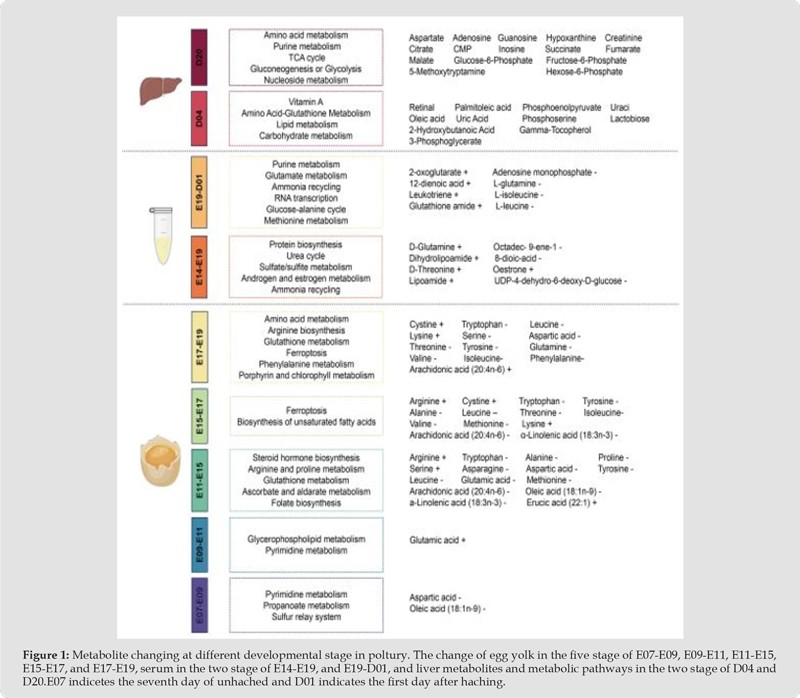
Adipose tissue in chickens grows more through adipocyte hyperplasia than hypertrophy during the first few weeks after hatching. Certain lines that have been genetically selected for excess adiposity frequently exhibit an early rise in the number of adipocytes. Last but not least, the egg offers chances to directly control the developing environment and investigate the effects on adipose metabolism through in ovo injection. (Ji, et al. [28]). Blood is a useful tool for determining the nutritional and health state of both humans and animals since it contains a number of components necessary for maintaining regular physiological functioning. Serum and plasma metabolites have been linked in agricultural animal research to growth attributes, feed consumption, meat quality characteristics, and disease. Nowadays, serum and plasma are frequently utilized as biological samples in metabolomics research due to their accessibility and capacity to represent an organism’s total metabolic traits. (Tian et al., 2023). Poultry includes a broad range of domestic birds raised by humans for their meat, eggs, or feathers (Food and Agriculture Organization of the United Nations, 2014). Usually, these birds fall under the order Galliformes and the superorder Galloanserae (fowl). Poultry can be broadly divided into two categories: commercial and domestic. Based on breeding terminology, The food business, especially the poultry industry, benefits greatly from metabolomic technology since it can be used at every stage of the supply chain, from breed identification to the finished product. This method offers crucial information about food safety, nutritional value, processing steps, sensory qualities, and quality.
Understanding how raw materials are transformed into finished goods while taking into account the chemical and sensory changes that take place during different food production treatments and processes requires the use of metabolomic analysis. It has proven to be quite effective at examining the complex components of foods, including biological samples like eggs and poultry flesh. Commercial poultry can be further divided into two categories: meat-type poultry and egg-type poultry. These two categories are bred for the purpose of consuming meat and eggs, respectively. (Yogeswari, et al. [10]).
The definition of metabolic profiling was expanded to cover the assessment of any parameter in animal fluids that can show a dynamic response to pathophysiological, physiological, developmental, and genetic stressors. Methylomics and other omics technologies provide strong analytical tools that can be used in conjunction with molecular breeding to precisely select animals for increased productivity. For appropriate selection and breeding for animal improvement in the near future, it will be beneficial to incorporate many layers of omics technologies, such as metabolomics, into the breeding models. [29- 31] Along with appropriate management and nutritional strategies, metabolic selection and editing present promising ways to increase IMF deposition in a variety of cattle breeds. Dairy animals that are exposed to HS see a reduction in their reproductive and productive abilities. It has been discovered that the physiological characteristics and qualitative elements of muscles as phenotypic components are influenced by muscle metabolites. Blood is a useful tool for determining the nutritional and health state of both humans and animals since it contains a number of components necessary for maintaining regular physiological functioning. Serum and plasma metabolites are linked to disease, meat quality characteristics, and feed in farmed animal research. The food business can benefit greatly from metabolomic technologies.

International Association of Landscape Archaeology, Czech Glass Society, Czech Republic

Department of Chemistry, Semenov Institute of Chemical Physics, USSR Academy of Sciences, Moscow, Russia

Neurology, LA BioMed Research Institute, USA

Associate Professor at Department of Breast and Thyorid Surgey, Chongqing General Hospital, China

Professor of Nuclear Medicine, Faculty of Medicine and Surgery, University of Milan, Milan, Italy





 Abstract
 PDF
PDF



























