info@biomedres.us
+1 (502) 904-2126
One Westbrook Corporate Center, Suite 300, Westchester, IL 60154, USA
Site Map
 ISSN: 2574 -1241
ISSN: 2574 -1241
ISSN: 2574 -1241
Received: February 08, 2024; Published: February 12, 2025
*Corresponding author: Tzenalis Anastasios, Associate Professor at the Nursing Department of the University of Patras, N. Gizi 4 Koukouli Campus 26334, Patras City, Greece
DOI: 10.26717/BJSTR.2025.60.009469
Stress affects quality of life, particularly in postgraduate students, who experience increased levels of stress with significant health implications. In a sample of 526 students, 33.27% reported high levels of stress and gender differences were observed, with women experiencing more difficulties in daily activities but reporting higher levels of enjoyment. In general, students maintain healthy habits, while gender and field of study significantly modulate the effects of stress.
Keywords: Postgraduate Students; Anxiety Disorders; Stress; Quality of Life
Anxiety is a prevalent mental disorder experienced throughout life and frequently discussed. It is a disorder, which is increasingly talked about in different countries of the world [1,2]. Anxiety is linked to the complexity of modern societies, environmental influences, physiological factors, and individual thought processes shaping social reality [3]. It may drive maladaptive stress responses, manifesting as an unpleasant state with tension and worry in response to perceived threats [4]. Notably, anxiety triggers interconnected physical, emotional, and cognitive reactions, significantly impacting quality of life [5]. The World Health Organization defines quality of life as an individual’s perception of their health, environment, and the fulfillment of their goals, expectations, and values. This concept is closely tied to both physical health and social relationships [6]. In recent years, the scientific and medical community has focused on quality of life and its role in individual health, emphasizing the need for theoretical frameworks and measurement tools [7]. Clinical studies often prioritize health-related quality of life, examining how mental and physical health influence overall well-being rather than general life satisfaction [8,9].
Stress pervades modern daily life, significantly impacting quality of life, with students experiencing particularly high levels [10,11]. In the U.S., about 10% of students have been diagnosed with depression or treated for its symptoms [12]. College students are considered a high-risk group for anxiety and related psychopathology [13,14]. They must navigate shifting social relationships and confront conflicting ideologies during their studies [13]. Managing stress, particularly its extremes, is essential for academic success [15]. The present study aimed to investigate the stress levels of students participating in postgraduate programs at one of the largest universities in the country and the extent to which stress has an impact on their quality of life.
Study Design and Participants
The research is a synchronic survey developed and conducted in the city of XXX among postgraduate students of XXX University (n=526). The survey employed convenient non-probability sampling, targeting 1323 postgraduate students across 45 programs at the University. A total of 526 questionnaires were completed: 118 from the School of Natural Sciences (of 265 students), 147 from the Faculty of Engineering (of 340), 75 from the Faculty of Health Sciences (of 250), 91 from the Faculty of Humanities and Social Sciences (of 318), 70 from the Faculty of Economics and Business Administration (of 105), 5 from the Faculty of Agricultural Sciences (of 15), and 18 from the Faculty of Rehabilitation Sciences (of 30). The inclusion criterion for the survey was active enrollment in a postgraduate program at the University during the survey period, allowing for a broader understanding of stress and quality of life across different faculties and academic fields. The only exclusion criterion was completion of postgraduate studies at the time of the research.
Data Collection Instruments
Relevant research tools were identified from the international literature, and questions were selected from three instruments to create the final version used in this study. These included:
• The State-Trait Anxiety Inventory (STAI)
• The WHOQOL-BREF, a shorter version of the WHO Quality of Health Questionnaire [16], and
• The SF-36, to assess the impact of anxiety on quality of life. All questions were closed-ended, except for questions 10-17 and 21, which were open-ended. A 6-point Likert scale was used for responses (1 = Not at all, 2 = Somewhat, 3 = Moderate, 4 = Very much, 5 = Very much, 6 = Don’t know/Don’t answer).
The reliability test showed a Cronbach’s Alpha of 0.7 for the 88 variables, indicating the instrument’s reliability.
Ethical Considerations
The present study was approved by the Ethics Committee of the University where the participants were attending and subsequently by the secretariats of the schools to which it was addressed. From the beginning of the study, the consent of the participants was ensured, which was voluntary, as well as the protection of the right to privacy and autonomy for each respondent.
Data Analysis
The descriptive statistical analysis of the questionnaires was done using the statistical package SPSS 26 (Superior Performance Software System). At the level of inductive statistics, correlations of variables were performed using the statistical tools Anova and Independent Samples T-Test). The level of statistical significance was set at 0.05.
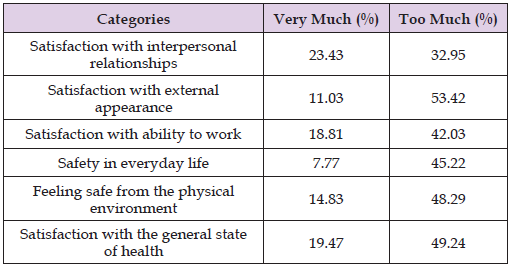
Data were collected from a sample of 526 students at the University of XXX, across 45 postgraduate programs, 25 departments, and 7 faculties. Demographic analysis revealed that the majority of participants were female (58%), with most aged between 23 and 30 years (78.1). Additionally, 83.46% were single, 88% had no children, and 37.6% were unemployed. The analysis of the demographic data of the sample reveals interesting aspects regarding the profile of the participants (Table 1). Postgraduate students were asked about their studies, with most reporting that attending their program was a personal choice (94.72%) and that they were satisfied with it (75.48%). Additionally, 63.01% believed the program would advance their career, while 22.81% considered quitting. Furthermore, 15.4% had difficulty meeting financial obligations, and 34.22% struggled with attending classes. Stress and satisfaction levels varied by department. Graduate students in Early Childhood Education and Care reported the highest stress, followed by those in Education and Social Work (Sig.=0.000). In contrast, students in Biology and Medicine reported the highest satisfaction with their programs, followed by those in Geology, Mathematics, Computer Engineering, and Computer Science (Sig.=0.000). Most students reported healthy habits, such as eating breakfast daily, sleeping 6-7 hours, not smoking, and avoiding harmful habits like excessive fast food, coffee, alcohol, or medication use (Table 2). Regarding quality of life, they were satisfied with their general health, work ability, physical appearance, and relationships. They also felt safe in their environment, did not require medication, and did not experience pain that interfered with daily life (Table 3).
Table 1: Frequency table of the demographic characteristics of the study sample.
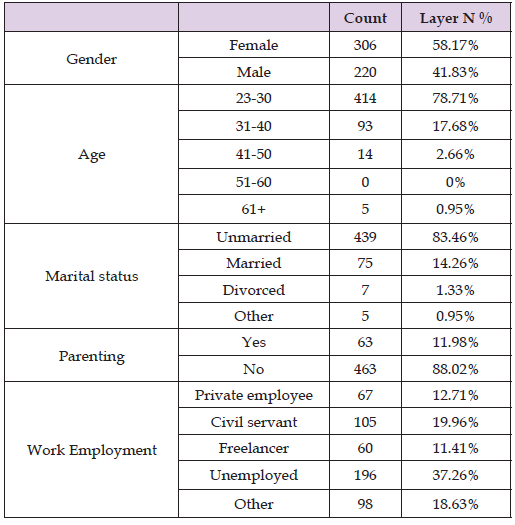
Table 2: Percentage of Compliance with Health Recommendations.
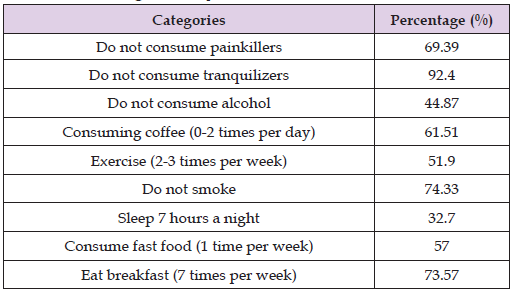
Table 3: Satisfaction Levels by Category.
The analysis revealed that 33.27% of students reported very high stress levels, while 27.38% showed high self-confidence. Many students expressed concern about potential mishaps (38.21%), with 39.92% moderately distressed and 33.27% moderately upset. Notably, the percentage of students feeling very upset (15.59%) was higher than those feeling very relaxed (12.86%).
A significant number of students reported reduced interest in pleasurable activities (36.05%) and difficulty relaxing (48.59%). However, 43.90% did not forget information due to stress, and 43.58% did not feel stagnant. Most students did not experience psychosomatic symptoms (62.90%) or feel more prone to illnesses like the common cold, skin issues, allergies, or digestive disorders (55.24%). Holistically, gender differences were explored in terms of their studies, health and quality of life, the levels of stress they experienced, and the impact of stress on their daily lives. The analysis carried out showed that men found their postgraduate program more “stressful” (Sig=0.002), they found it more difficult to balance their studies and family responsibilities (p=0.002), as well as to attend their courses (p=0.000). They found themselves in a higher degree of arousal (Sig=0.002), but they felt more secure than women (Sig=0.000) and were more accepting of their physical appearance (Sig=0.000). They also reported being more satisfied with themselves (Sig=0.011), with their interpersonal relationships, (Sig=0.020) and with their sex life (Sig=0.016). On the other hand, they felt emptiness and burnout to a greater extent than women (Sig.=0.026), along with their inability to relax (Sig.=0.003). Women had greater difficulty in carrying out their tasks (p=0.002), felt to a greater extent that their pain prevented them from carrying out daily activities (Sig=0.000), and had a greater need for medication (Sig=0.000). They also showed a higher degree of inability to concentrate (Sig.=0.00), and made more mistakes (Sig.=0.000), forgot more (Sig.=0.022) and expressed more exhaustion, nervousness (Sig.=0.000), and dizziness (Sig.=0.000). In addition, they reported being more anxious (Sig=0.000). However, they seemed to enjoy life more than men (Sig=0.000), felt more comfortable (Sig=0.001), more at ease (Sig=0.001), and more at ease (Sig=0.005).
The students in the study appeared to lead a balanced lifestyle, avoiding daily pill and alcohol consumption and focusing on a healthy diet. This contrasts with findings by Zegeye et al. [4], who reported that postgraduate students often use alcohol, smoking, or other substances to cope with stress. Similarly, Opoku-Acheampong et al. [16] observed cases of “emotional overeating” as a stress management strategy. The students in the study reported a good quality of life, linked to satisfaction in areas such as health, work, and relationships, alongside notable abstinence from drug use. In contrast, Opoku-Acheampong et al. [16], found that anxiety negatively impacts quality of life, causing social dysfunction, reduced enjoyment of life and studies, and poor sleep quality.
Gender was found to impact quality of life, with men reporting greater safety, self-acceptance, and satisfaction in relationships and sex lives compared to women. However, the international literature shows a gap in exploring this correlation, focusing more on other factors like age. For example, Roslan et al. (2017) found that students under 25 exhibited higher self-acceptance, linked to better quality of life, compared to those aged 26-30. In this study, anxiety levels were relatively lower than in other studies [16], with about 33.27% of students reporting very high anxiety. However, high anxiety can significantly disrupt students’ lives, as noted by Ahmed et al. (2009), Edwards et al. (2008), and Gibbons (2010). If left unchecked, it can lead to depressive symptoms or even anxiety disorders [17].
The only demographic factor with a statistically significant effect on student anxiety was gender. Specifically, males reported higher stress levels in their graduate programs (Sig=0.002), consistent with findings by Singh et al. [17]. In contrast, Shetty et al. (2015) and Zegeye et al. [4] found that women experienced higher stress levels than men. Gender also influenced the daily life and health of postgraduate students. In this study, men felt more secure but were more alert, while women felt more relaxed but showed higher anxiety regarding potential mishaps. This finding contradicts the research of Opoku-Acheampong et al. [16], who concluded that the gender of students does not affect the degree of stress experienced by students and the impact it can have on their daily life and health.
Postgraduate students generally reported good quality of life, linked to good health and healthy lifestyles. However, stress levels varied, influenced by their academic department or gender. Specifically, students from the Department of Early Childhood Education and Education or Education and Social Work experienced the highest anxiety, while those from Biology and Medicine reported the greatest satisfaction with their programs.
In terms of gender, males felt safer, while females felt more comfortable and relaxed. Anxiety was not influenced by other demographics, such as age or occupation. These findings highlight the need for targeted interventions in postgraduate programs, considering department and gender differences, to reduce anxiety and improve students’ quality of life and well-being.
The researcher is grateful to all parties involved in this study, including the university that granted the research permit and especially the respondents who participated in the study.
The authors declare that they have no competing interests.
By submitting this document, the authors declare their consent for the final accepted version of the manuscript to be considered for publication.

International Association of Landscape Archaeology, Czech Glass Society, Czech Republic

Department of Chemistry, Semenov Institute of Chemical Physics, USSR Academy of Sciences, Moscow, Russia

Department of Educational Sciences, Research Centre Qualities of Teachers, School of Education – HAN, Nijmegen, Netherlands

Associate Professor at Department of Breast and Thyorid Surgey, Chongqing General Hospital, China

Neurology, LA BioMed Research Institute, USA





 Abstract
 PDF
PDF



























