info@biomedres.us
+1 (502) 904-2126
One Westbrook Corporate Center, Suite 300, Westchester, IL 60154, USA
Site Map
 ISSN: 2574 -1241
ISSN: 2574 -1241
ISSN: 2574 -1241
Received: October 15, 2024; Published: October 23, 2024
*Corresponding author: Bruno Riccardi, Biologist freelancer, 56022 Castelfranco di Sotto (Pisa), Via dei lazzeri, 33, Italy
DOI: 10.26717/BJSTR.2024.59.009263
Menstrual cycle dysfunctions occupy a significant part of female disorders, and of the required socio-health organizational commitments. The problem affects 75% of the female population with an enormous impact on health expenditure for their treatment and the loss of working days. Considering the fundamental role that women play in procreation and the conservation of the species, the solution of disorders in the female reproductive sphere is a problem of absolute priority and of planetary dimensions. In this article, we address the menstrual cycle dysfunctions that women of childbearing age and at the end of the reproductive cycle of menopause most frequently complain about. After a summary description of the functioning of the female hormonal cycle and the dysfunctions related to it, we compare the traditional therapies proposed, with the alternative therapies, among which we propose our own formulation.
Keywords: Female Hormonal Cycle; Menstrual Cycle; Dysmenorrhea; Premenstrual Syndrome; Menopause; Hormone Replacement Therapy; Phytotherapy; Post Marketing Surveillance
Abbreviations: PMS: Post Marketing Surveillance; FSH: Follicle Stimulating Hormone; LH: Luteinising Hormone; EREs: Estrogen Response Elements; CBG: Corticosteroid-Binding Globulin; SHBG: Sex Hormone-Binding Globulin; GOT: Glutamic-Oxaloacetic Transaminase; GPT: Glutamic-Pyruvic Transaminase; gamma-GT: gamma- Glutamyl Transferase
This report records the epidemiological follow-up data obtained from the use of a supplement for women, and is presented as a Post Marketing Surveillance (PMS) investigation conducted in the years 2020-2022. “Post Marketing Surveillance is a: “non-interventional trial or observational study”: a study in which the food is taken according to the usual quantities/methods of use and not according to a predefined trial protocol. No additional monitoring procedures are applied to the subjects and epidemiological methods are used to analyse the data collected”. Italian Ministry of Health: Guidelines on studies conducted to evaluate the safety and properties of food products, Revision June 2015.
Sexual reproduction has been representing a fundamental stage in the evolution of living beings, because it has allowed the assortment and mixing of the genetic heritage and the possibility of experimenting with new solutions for environmental adaptation and therefore for the survival of the species. In the sexual reproduction of primates, the female plays a key role because she welcomes the new generations into her body and provides them with nourishment in the first fundamental period of their life, also because it is the females who select the partner for mating. This has required the development and organisation of a complex reproductive and behavioural system capable of carrying out the multiple phases that ensure the conservation of the species: from the meeting and union of the gametes, to conception, to the protection and development of the embryos, and finally for the birth and nourishment of the new generations. The male sex contributes with its seed to determine the sex of the unborn child, a very marginal contribution. All the weight of present and future generations is mainly supported by the female sex. Yet, despite the centrality of the biological function of women, their position in society is completely marginalized. With the evolution of society, the roles have been reversed, the man who contributes as mentioned only to the determination of sex, has assumed a privileged social position, in all societies, while the woman occupies a subordinate position and a lower level on the social scale. We have the duty to give women back the importance that they deserve, not only for their primary biological role, but also and above all for their evolutionary role, because they are the only custodians of the reproductive process that will allow our species to survive.
Development and Function of the Female Reproductive System
The female reproductive system is a wonderful set of organs suitable for receiving gametes after fertilization and ensuring the development of the new life, from the zygote to the mature fetus, and offering all the protection and nourishment it needs. To achieve this goal, the woman’s body goes through various stages of development, from puberty to sexual maturity, to end in menopause. During these stages it undergoes a profound transformation in the reproductive organs, so that they reach the attributes necessary to fulfill their specific task. Equipped from birth with a fixed number of oocytes, (about 350,000), these will remain constant until the complete development of the fertile age, and are released monthly along the genital tract, tubes and uterus. The mature oocytes follow a physiological path, before being able to meet with the male spermatozoa to unite with each other and form the zygote. Normally women’s sexual development takes place without trauma, and is marked by the typical occurrence of physiological changes that have monthly frequency, known as menstrual cycle Figure 1. The development and maturation of female sexual organs and the regulation of the menstrual cycle are under the total control of sex hormones. During the development and maturation of the female genital system, accidents can occur along the way, which do not compromise its health, but cause a series of imbalances in the physiological menstrual cycle that can also be very disabling.
The Menstrual Cycle: is a sequence of periodic physiological changes that take place in the female reproductive system (in the UTERUS and OVARIES) and that predispose it to pregnancy. The menstrual cycle is under hormonal control, to which various structures (hypothalamus axis, pituitary gland, ovaries) contribute, closely linked to each other, Figure 1 Each of these structures undergoes different phases, based on the transformations that occur in the organs involved, the ovary (ovarian cycle), and uterus (uterine cycle), both under the central control of the Hypothalamus and the Pituitary gland.
Figure 1

The Ovarian Cycle: consists of the follicular phase, ovulation and the luteal phase, while
The Uterine Cycle: is divided into, menstruation, proliferative phase and secretory phase Figure 1. The transformations of the reproductive organs described correspond to evident secondary sexual manifestations during the development of sexual maturity: pubic hair grows, breasts enlarge, fat accumulates around the pelvis, the pelvis widens, etc. and equally evident physical manifestations, the most common include, acne, breast tenderness, swelling, feeling of tiredness, irritability and mood swings. These symptoms, in a variable percentage of women, from 20 to 30%, take on significant importance close to menstruation and in many cases interfere with the quality of normal life and are therefore referred to as premenstrual syndrome. From 3% to 8%, these cases are serious. During the proliferative phase of the uterine cycle, in women of childbearing age, the thickness of the uterine endometrium increases under the effect of estrogens, and when these reach maximum levels, estradiol is produced, which stimulates the ovaries by means of the hormone FSH (Follicle Stimulating Hormone), and the luteinizing hormone LH. In this phase, the follicles begin to grow synchronously with the proliferative phase of the uterus, until one of them matures and releases an oocyte (or possibly more than one). The cells that cover the oocyte transform into the corpus luteum, rich in proteins and fats, which has the function of continuing the production of estrogens and progesterone in the first three months of pregnancy (this role is later taken over by the placenta) Figure 2.
Figure 2
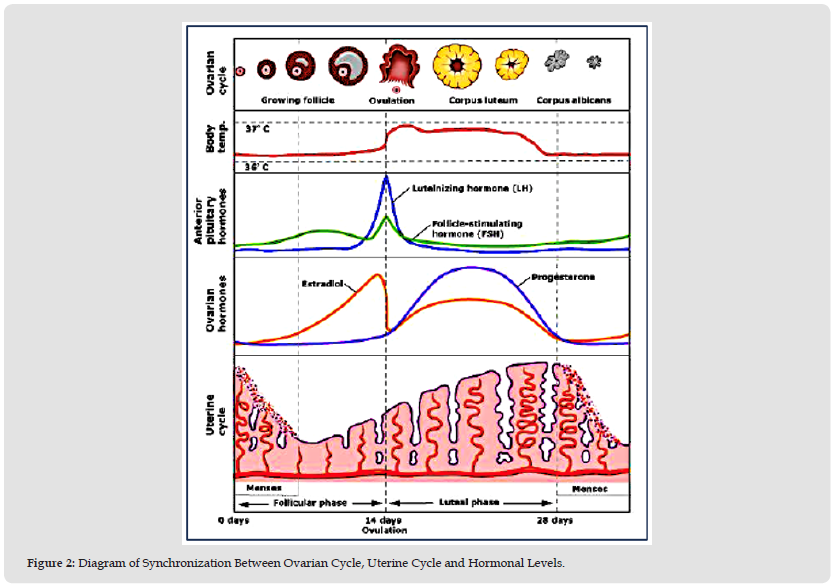
The endometrium (lining of the uterine mucosa), thickens up to 2–3 mm due to the increase in estrogen. After ovulation, the endometrium changes to prepare for conception and implantation of the fertilized egg and to initiate pregnancy, reaches a thickness of 5–6 mm, and is enriched with capillaries under the stimulus of progesterone. If fertilization does not occur, the uterus eliminates the endometrium with menstruation, and the decline in estrogen levels begins. The length of the menstrual cycle is calculated from the beginning of menstruation, since this is a clear external sign of the hormonal cycle. Menstruation is the normal cyclical process that occurs in healthy women from puberty until menopause, which corresponds to the end of the fertile period. The beginning of menstruation, known as “menarche”, occurs around the age of twelve.
Physiological Role of Sex Hormones
One of the most relevant aspects of hormone activity is their temporal behavior. All hormones function in compliance with the circadian temporal rhythm, their release is strictly marked by the internal molecular clock of living beings [1-5]. The synchronism of hormonal activity with the circadian rhythm has a very important relevance from an evolutionary point of view. Both the estrus of mammals and the female ovulatory cycle in the human species, follow a chronobiological rhythm that is under the control of seasonal climatic events Figures 1& 2. With a poetic expression some body, could say that in nature all life dances to the rhythm of the seasons. Another property is the specificity of action of hormones on target organs and their mutual interaction synchronically and diachronically regulated. Hormones interact with each other with feedback mechanisms with receptor saturation. The mechanism of temporal control reaches its maximum expression in the female hormonal cycle of mammals. And since it is the female that dominates the temporal cadence of reproduction in the animal kingdom, it is evident how relevant the chronobiological aspect is for the evolution of species. For this reason, hormonal treatments should respect the pulsatile or diachronic rhythm of the circadian rhythm in their activity Figure 3. We report what he writes on this subject Anneke Graf [6]:
Figure 3
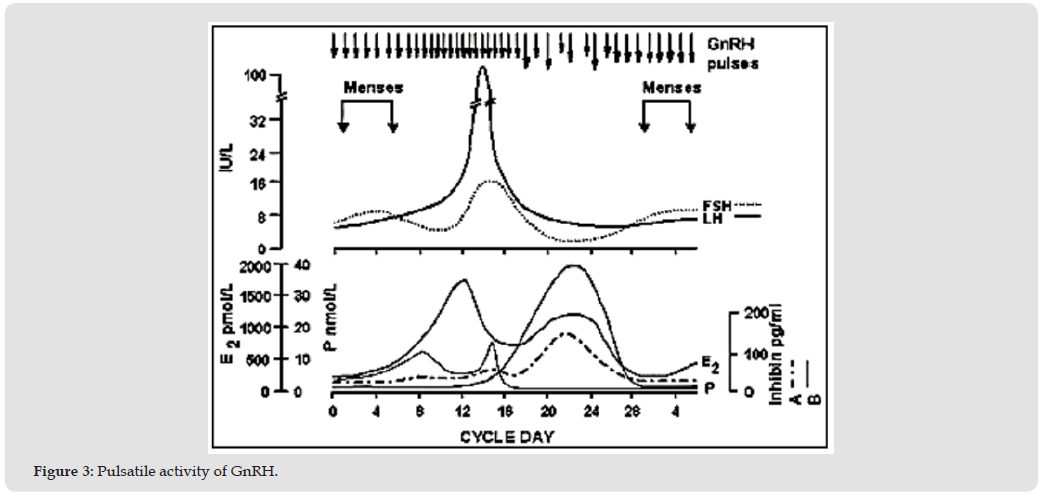
“The fluctuations of female reproductive hormones within a single day are not usually considered when interpreting test results, but these hormones do exhibit endogenous circadian regulation. Oestradiol, progesterone, follicle-stimulating hormone (FSH) and luteinising hormone (LH) show significant 24-hour rhythms during the follicular phase of the menstrual cycle. In contrast, only FSH is significantly rhythmic during the luteal phase. The hormonal peaks have been found to occur in the morning for progesterone, in the afternoon for FSH and LH, and during the night for oestradiol. These findings are unlikely to alter the time of day we order female reproductive hormone measurements. However, they are useful to consider when interpreting test results alongside factors we regularly take into account, such menstrual cycle phase or menopausal status.”
And this is what slow-release hormone therapy with GNRH analogues does, for example, the technology that has revolutionized the treatment of many hormonal-based pathologies. Furthermore, hormones travel in the bloodstream that reaches all organs without distinction, so that in order to function they must be organ-specific and receptors-specific, that is, they must recognize the sites of action. Hormone-receptor structures form dimers (usually ERα-ERα, ERβ- ERβ or ERα- ERβ) that bind to a specific DNA nucleotide sequence, i.e. to estrogen response elements (EREs), in regions that control different regulatory genes of their transcription Figure 4.
Figure 4
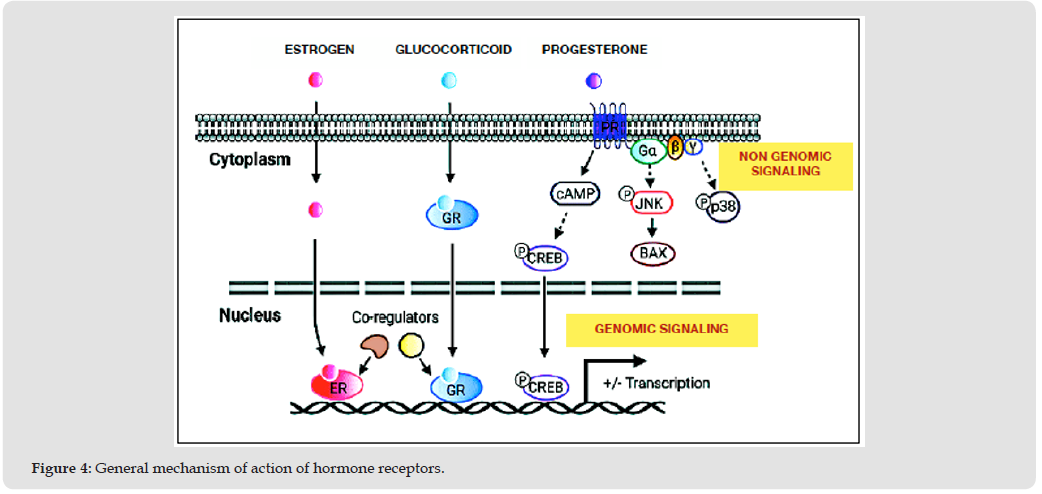
Action of Steroid Hormones
Circulating steroid hormones bind to transport proteins, these proteins maintain a circulating reserve of hormones, and in case of sudden changes in their plasma concentration, prolong the average life of the hormones.
They are divided into:
• Glucocorticoids and progestins: transcortin or CBG (corticosteroid-
binding globulin)
• Aldosterone: does not bind to a specific protein
• Androgens and estrogens. SHBG (sex hormone-binding globulin)
Stages of action of steroid hormones
They include the following phases:
1. Recognition of the hormonal structure by the target cell;
2. passage of the hormone into the cell;
3. its uptake by a specific protein called “receptor”;
4. translocation of the activated hormone-receptor complex
into the nucleus and binding to nuclear chromatin;
5. dissociation from the receptor molecule and activation of
RNA polymerase;
6. synthesis of messenger RNA for the synthesis of proteins
that determine the action of the steroid Figure 5.
Estrogens (ER)
Estrogens play a fundamental role in the processes of cellular growth and differentiation, especially in the female and male reproductive organs, the mammary glands and the skeletal and cardiovascular systems.
17β-estradiol (E2): produced mainly by the ovaries, specifically by the theca and granulosa cells of the follicles, by the corpus luteum and by the feto-placental unit during pregnancy; it is the estrogen with the greatest activity.
Estrone: produced mainly at the ovary level, it is the estrogen most present in women after menopause.
Estriol: derives from the oxidation of other estrogens, which occurs mainly at the liver level, and acquires a significant role in the body only if it is present in high concentrations, a condition that occurs during pregnancy.
Functional Syndromes Due to Altered Hormonal Activity
In the different seasons of women, from reproductive age to climacteric, the altered balance in hormonal production and/or receptor complexes determines typical functional syndromes, the most frequent are:
• Dysmenorrhea
• Pre-menstrual syndrome
• Menopausal syndrome
These are syndromes that share similar hormonal alterations:
• Imbalance of hormone release systems (Releasing Factors)
and neurotransmitter pathways;
• Functional (hormonal) alterations of target organs and mediators
of inflammation Figure 6.
Figure 6

Dysmenorrhea: In women with primary dysmenorrhea, there is an increased release of prostanoids and probably also eicosanoids, which are arachidonic acid-derived mediators of inflammation, which cause abnormal uterine contractions. The contractions reduce blood flow, thereby causing uterine hypoxia and pain. Women with primary dysmenorrhea have increased amounts of prostanoids compared to asymptomatic women. It is believed that increased intrauterine secretion of prostaglandins F2α and E2 is responsible for the pelvic pain associated with this disorder. The associated symptoms are both physical and psychological. The physical symptoms include headache, lethargy, sleep disturbances, mastalgia, pain in various locations, loss of appetite, nausea, vomiting, constipation or diarrhea, and increased diuresis, while its psychological symptoms include mood disorders, such as anxiety, depression, and irritability Figure 5.
Premenstrual Syndrome: The pathogenesis of Premenstrual Syndrome (PMS), is complex and not fully understood. Several theories attempt to explain the causes of its symptoms. Classically, PMS has been linked to hormonal fluctuations during the monthly cycle, with mood deterioration and increased anxiety mainly associated with decreases in estrogen and progesterone. Recently, particular attention has been given to the progesterone metabolite allopregnanolone. Allopregnanolone is an allosteric modulator of the GABA receptor in the CNS, binding to the alpha and beta subunits at residues m1-m3, which explains its broad effects on multiple CNS pathways.
Menopause Syndrome: The menopause syndrome, like the other syndromes described, can be subdivided according to the hormonal manifestations, and the set of symptoms most frequently complained of by women. The profile of hormonal manifestations is briefly described in Figures 6 & 7. The symptoms that derive from hormonal imbalance and create discomfort in this phase of female sexual life, are indicated in the following Table 1. When these symptoms are very accentuated, which usually occurs in the first years of menopause or premenopause, women turn to the doctor to receive pharmacological assistance.
Figure 7
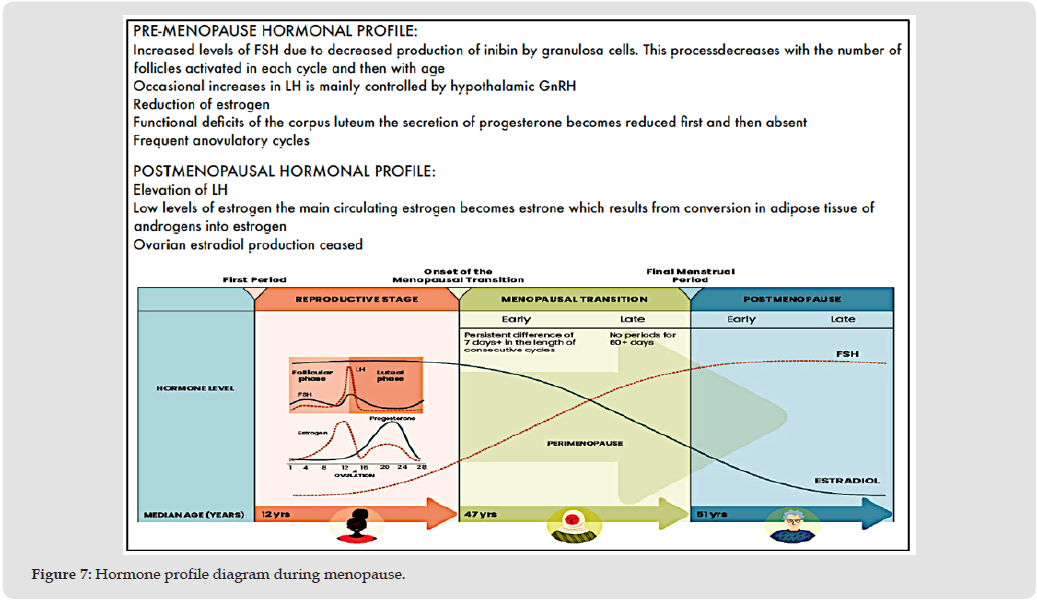
Table 1: Symptoms of Menopause.

Therapeutic Treatments to Combat Female Dysfunctional Syndromes
The therapeutic approaches are based on the extent of the prevalent symptoms and are pharmacological, or with increasing frequency, with unconventional medicine treatments, and possibly surgical. Each of these therapeutic interventions has advantages and disadvantages or contraindications, and must be adapted to the conditions of individual patients. It is essential, before starting a therapeutic intervention, to carry out a differential diagnosis since the symptoms are shared with other morbid conditions, some of which are also very dangerous, this serves to exclude serious pathologies and different forms of neoplasms, which require energetic and targeted treatment. In this study we will compare the most suitable individual options to effectively address the different dysfunctions to be treated and to balance the costs/benefits of the treatments adopted.
Pharmacological Treatments
For Dysmenorrhea: As we have seen previously, dysmenorrhea presents multiple symptoms, more or less accentuated, and this also depends greatly on the pain tolerance threshold of individual patients. Undoubtedly the most disabling symptom is menstrual pain, which often forces women to interrupt their work activity, with consequent economic repercussions. It is important to identify the cause of the symptoms with appropriate hormonal and instrumental screening, based on the results of which the most suitable treatment can be established Table 2. presents the general picture of dysmenorrhea. The most commonly used drug classes include COX2 anti-inflammatories, or NSAIDs, oral contraceptives, calcium antagonists, or vitamins. Vitamin B6 in high doses is also used, as is Magnesium. Since, as we have seen, it is difficult to identify the triggering cause of the symptoms, the therapeutic approach goes through various phases with periodic treatments alternating between them, until finding the one to which the patients respond best.
Table 2: Summary of symptoms of dysmenorrhea.

Premenstrual Syndrome: Premenstrual syndrome, as the name suggests, follows a monthly cyclical cadence, which occurs a few days before or after menstruation. The symptoms are multifaceted, but some symptoms are very disabling, and require targeted treatment, after an accurate differential diagnosis. The prevalent symptoms are organic and/or behavioral, in this case neuropsychological alterations play a very important role, these include: irritability, anxiety, restlessness, sleep disorders. While organic symptoms include breast tenderness, abdominal swelling, muscle pain, etc. The broad symptomatic manifestation implies different pathogenic causes that are summarized in Table 3. The symptomatic variability, and the poor knowledge of the pathogenic causes, require targeted treatments and mixed and alternating therapeutic cycles, to obtain the best control of the symptoms.
Table 3: Hypothesis of pathogenic mechanism in premenstrual syndrome.

Menopausal Syndrome: Menopausal syndrome does not have a monthly cadence, like the first two examined, but develops over the course of a few years, starting from the age of 50, and has a continuous course with the symptoms that tend to worsen Table 1. It is clearly dependent on the decline of estrogens, Figures 6 & 7, resulting from the exhaustion of the oocytes present in the ovary. During this period, in fact, the number of ovarian follicles progressively decreases and consequently the ovarian production of female hormones, estrogen and progesterone, is reduced. It progresses more and more accentuated with the irregularities in the onset of menstruation, a clear sign of the complete loss of the woman’s reproductive capacity. Along with menstrual irregularities, other characteristic symptoms may appear such as hot flashes, sweating, insomnia. With the disappearance of the ovarian follicles, the actual menopause begins Figure 7. As the years pass, a greater incidence of cardiovascular diseases, osteoporosis, a weakening of cognitive abilities, reduced elasticity and dryness of the vagina and skin is observed. However, it is not easy to say how much of these late events are due to the lack of estrogen and how much is instead part of the normal aging process and the individual predisposition towards a certain type of disease. Furthermore, in this period the slow decline of bone mass begins, which translates into osteoporosis, with the risk of bone fractures. This degenerative evolution of the female body, together with the incidence of cardiovascular diseases, requires a treatment aimed at reducing the worsening of the health risk condition.
Hormone Replacement Therapy (HRT): In all the dysfunctions described, the first-choice treatment used is Hormone Replacement Therapy, HRT. The rationale for the use of this therapeutic choice is based on the principle of restoring the hormone levels that have fallen below the physiological threshold level, and the primary cause of the dysfunctions complained of by patients. This choice, apparently the most logical, has proven over time to be not only inadequate but even dangerous for the health of women. HTR is used in the various female dysfunctions described in this article, with different therapeutic schemes, based on the prevalent symptoms, and in association with other treatments. The case of therapy in menopausal syndrome is different, in which HRT is more widely used. The use of HRT in these patients, since the treatment is prolonged over time, causes stress in the hormone receptors, reduced in number and physiological efficacy with age, and produces hormonal overload in other receptors not involved in sexual activity. The guidelines of Hormone Replacement Therapy dictate the rules to follow Table 4: Numerous clinical cohort works have shown that the practice of hormone replacement therapy has numerous contraindications, especially if it is prolonged over time. A brief review of the benefits and risks of hormone treatment in menopause is presented in the following Table 5, [7-10]: Hormone replacement therapy and drug therapy can help relieve symptoms of menopause, and other functional disorders in women.
Table 4: Recommendations for Hormone Therapy From 4 Different Medical Societies.

Table 5: Indications and contraindications for menopausal hormone therapy Formulation Indications.
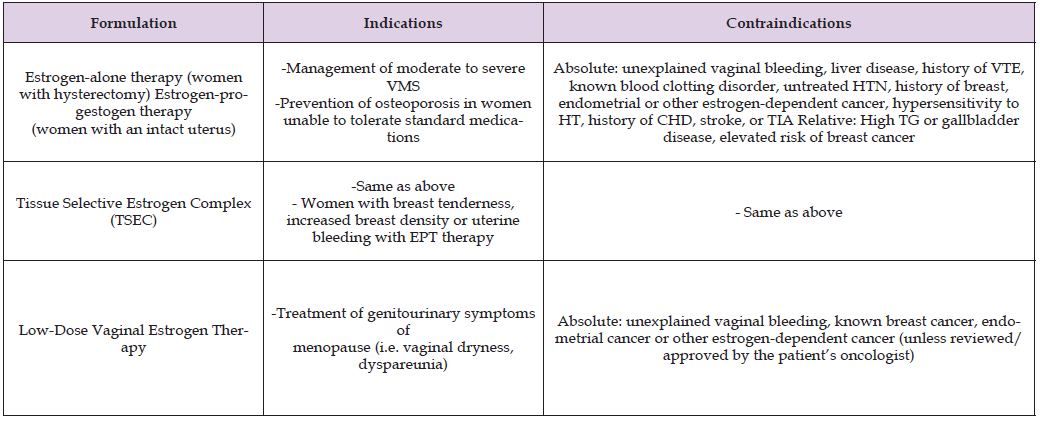
Note: VMS, Vasomotor symptoms.
From: Frontiers in Endocrinology, March 2021 | Volume 12 | Article 564781 From: (Cho, et al. [10]); Rethinking Menopausal Hormone Therapy, Circulation.
2023; 147:597-610. DOI: 10.1161.
However, these therapies are associated with many risks of serious side effects if used long-term. Although hormonal treatment has been found to be useful in reducing the risk of bone fractures, alternative therapies that have fewer side effects are preferable.
The Alternative to HRT
The pharmacological therapies used in the various forms of female dysfunctions have numerous side effects that are more or less evident depending on the therapy used. In Table 6, the hormonal patterns of the syndromes examined in this article and the most frequently adopted therapies are indicated Figure 8. In addition to the side effects reported for HRT, those due to the use of other pharmacological aids such as Fans, Diuretics, Anxiolytics and Antidepressants should also be indicated. Alternative treatments to traditional pharmacological therapy have been available for some years, which make use of phototherapeutic substances, vitamins and Magnesium [11-15]. The aim of this article is to present the results obtained in a large case series of patients who presented the typical dysfunctional symptoms under study, which we treated with our own formulation. The product used in this study adopts slow-release technology with circadian rhythm.
Table 6: Correlation between symptoms and treatments in female functional disorders.
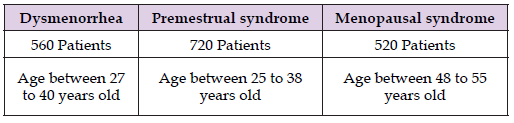
Figure 8
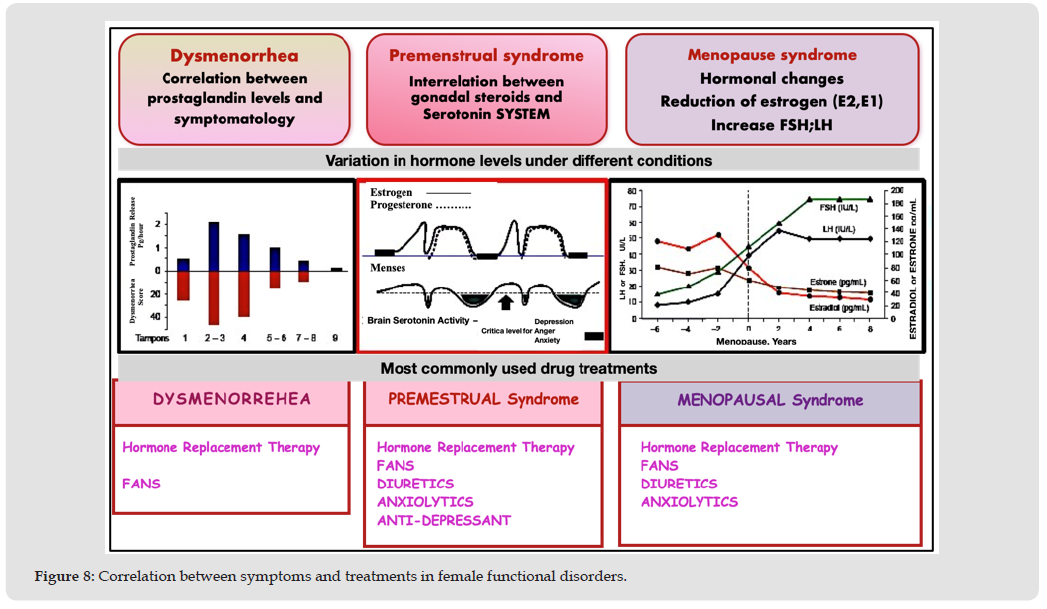
For our case study, we adopted the open-label study method with the control of hematological and functional parameters (Data on confidential files) with inclusion and exclusion criteria, duration of treatment, and functional evaluation scales of the results.
Subjects
We enrolled 1800 Caucasian female patients who were divided into three observation groups based on the prevalent symptoms. The three groups included 560 patients with dysmenorrhea aged between 27 and 40 years, 720 patients with premenstrual syndrome aged between 25 and 38 years, and a group of 520 premenopausal and postmenopausal patients aged between 48 and 55 years. Declaration of Helsinki and the guidelines for good clinical practice [16],
Broadness of the Case Study: The broad collection of the case study involved 30 general practitioners from six regions of Italy and was conducted in three years of observations from 2020 to 2022. Participating physicians contributed free of charge to the patient history and data collection over the years. The work of processing and presenting the data obtained was time-consuming.
Questionnaire for Anamnestic Investigation: The first part of the questionnaire concerns personal history, with regard to predisposing diseases, Age, ethnicity, smoking, physical activity, BMI, food (Confidential data)
Criteria For Inclusion: Patients aged 25 years or older who signed the informed consent were included; The enrolled patients with various degrees of functional menstrual cycle disorders were subjected to routine checks at the beginning and end of treatment by the doctors.
Criteria For Exclusion: Patients were excluded according to the following criteria: Patient with infectious diseases of any nature, blood transfusions, with renal insufficiency defined by serum creatinine > 200 μmol/L, abnormal serum ferritin level (normal range: 11-250 μg/L), Patients receiving concomitant therapies such as: anti- inflammatory drugs or hormone replacement therapy, underwent a wash out period two months before the start of treatment. Duration of Treatment: Patients were treated for 18 months with a dosage of one tablet per day. Patients with previous ineffective treatments were also included, after a wash out period. All study methods and procedures were conducted in accordance with the ethical standards of the Declaration of Helsinki and the guidelines for good clinical practice mentioned above.
Measurements
A baseline clinical examination was performed at each visit, which included measurement of body weight, height, systolic and diastolic blood pressure, and heart rate. Blood and urine samples were collected from patients in fasting state at baseline and after 6 months of supplementation to evaluate safety parameters such as glucose, urea, creatinine, uric acid, ferritin, total protein, cholesterol, triglycerides, HDL-cholesterol, LDL-cholesterol, and total bilirubin, glutamic-oxaloacetic transaminase (GOT), glutamic-pyruvic transaminase (GPT), gamma-glutamyl transferase (gamma-GT).
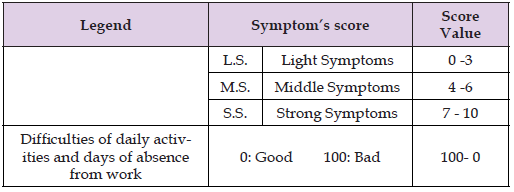
Symptom Assessment Scale: We used standardized scales to assess the clinical status of the patients: Scale Numerical Evaluation Pain (NRS); Functional impairment; Difficulties of daily activities and days of absence from work: To which was assigned a semi-quantitative value from 100 to 0, where 100 is good – 0 is bad, Table 7.
Table 7: Scale Numerical Evaluation Score of the Symptom.
Description of Supplement
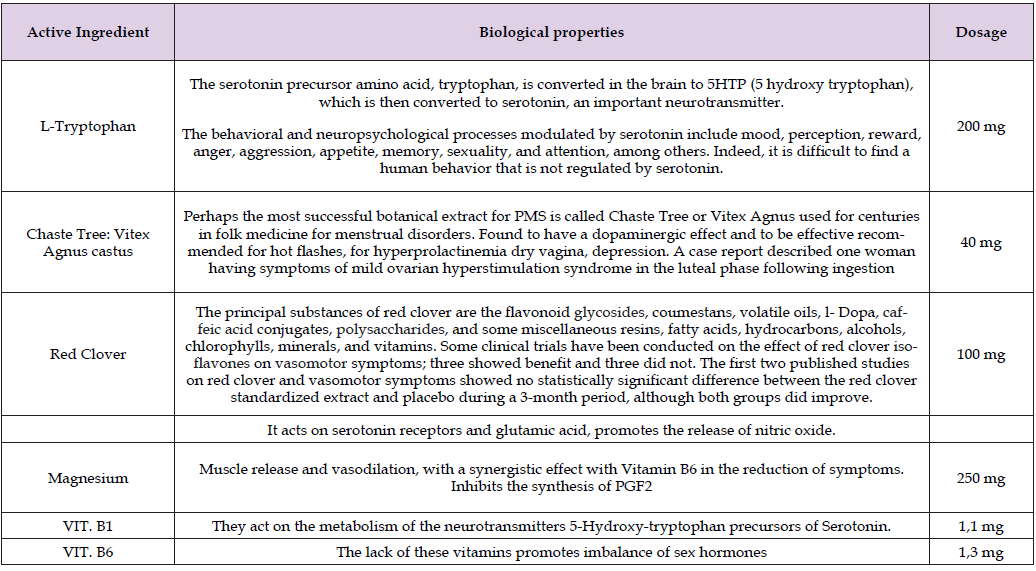
The supplement we used had the following composition Table 8. This is a pharmaceutical formulation in slow-release tablets, administered at a dose of one tablet per day. The prolonged release of the active ingredients ensures 24 hours of effectiveness. Properties of the individual components, Table 9.
Table 8: Food Supplement’s composition and pharmaceutical form of tablets.
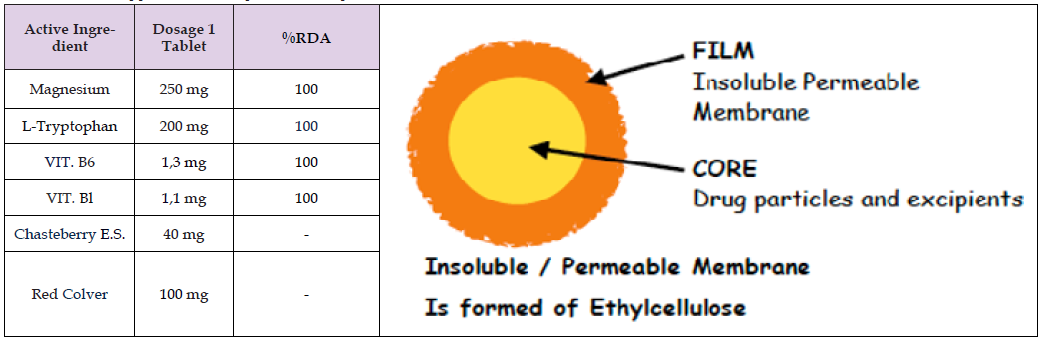
Table 9: Biological property of the Active Ingredients.
The aim of this work was to test the efficacy and tolerability of the food supplement, which was formulated on the basis of the evidence in the literature on the active ingredients used, and on the basis of their approval by EFSA (The European Food Safety Authority). The open-label experimental design that we adopted has many limitations, of which we are aware, however the results observed on a large case study, 1,800 patients, and for a long observation period, 18 months, offer the opportunity to highlight the overall effect obtained with the administration of the product, and allow to highlight any ineffectiveness and the presence of adverse effects, and consequently advise against its use. And this is what we have ascertained with the case study treated with the open-label study method and following the Post Marketing Surveillance guidelines [17]. We reiterate what was already expressed in the initial statement, which serves to mitigate the limitations of this study: Post Marketing Surveillance (PMS) studies include monitoring procedures of patients undergoing treatment with drugs or supplements used in clinical practice. Unlike the procedures of clinical trials performed in the premarketing phase in which compliance with rigorously controlled methodological conditions is essential, in Post Marketing Surveillance fidelity in data collection is required to monitor the safety of use of the tested products over time. However, PMS studies can provide valid information on the use of the products sold, in special patients or with particular problems, which are not easily obtainable or predictable during premarketing studies.
The results obtained are summarized in the following summary Table 10. We also collected the side effects that occurred during treatment, Table 11. The number and extent of side effects detected, 106 out of 1,800 patients, 5.8%, did not prevent the continuation of treatment. From what is highlighted in the table, an efficacy and safety profile of the product emerges that encourages us to continue research on a much larger case study, and demonstrates, once again, that supplementation with natural active ingredients offers a valid alternative to HRT. An alternative that is useful especially in cases where treatment with HRT presents absolute or relative contraindications, or when, at the end of treatment, it is necessary to “wean” from hormone therapy to facilitate abandonment when the time limits prescribed by the guidelines have occurred.
Table 10: Collection Of Symptomatology Values at The Start and End of Treatment.
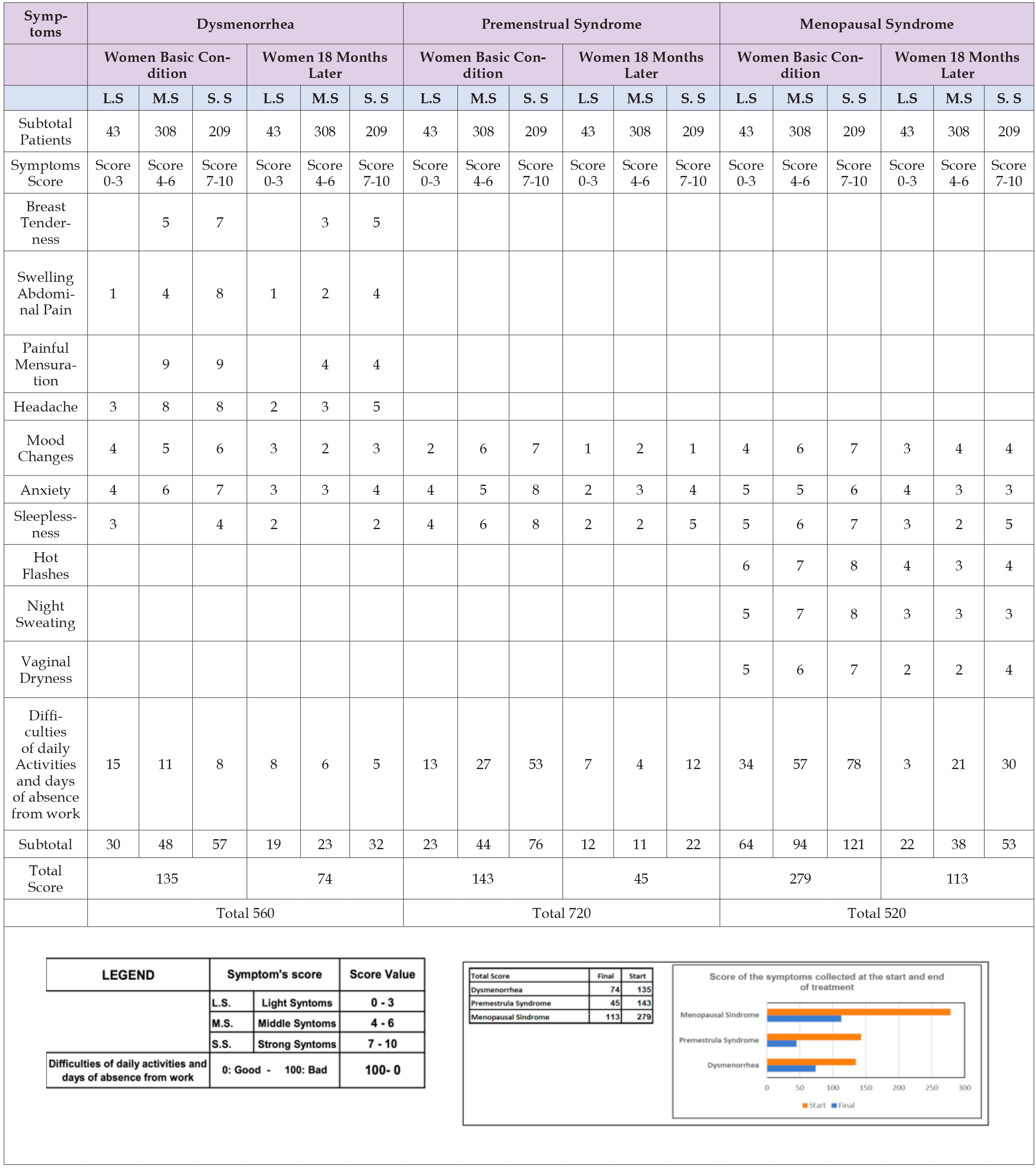
Table 11: Recording of the scores of side effects manifested during treatment.

The Authors express their heartfelt thanks to the 30 Colleagues who freely supported the study; without their fundamental contribution, this work would never have seen the light.
The authors declare that they have no conflicts of interest in this article.

International Association of Landscape Archaeology, Czech Glass Society, Czech Republic

Department of Chemistry, Semenov Institute of Chemical Physics, USSR Academy of Sciences, Moscow, Russia

Department of Educational Sciences, Research Centre Qualities of Teachers, School of Education – HAN, Nijmegen, Netherlands

Associate Professor at Department of Breast and Thyorid Surgey, Chongqing General Hospital, China

Neurology, LA BioMed Research Institute, USA





 Abstract
 PDF
PDF