info@biomedres.us
+1 (502) 904-2126
One Westbrook Corporate Center, Suite 300, Westchester, IL 60154, USA
Site Map
 ISSN: 2574 -1241
ISSN: 2574 -1241
ISSN: 2574 -1241
Received: September 04, 2024; Published: September 19, 2024
*Corresponding author: Usiobeigbe OS, Department of Chemical Pathology, Faculty of Medical Laboratory Science, Ambrose Alli University, Ekpoma, Edo State, Nigeria
DOI: 10.26717/BJSTR.2024.58.009195
Background of Study: Despite over five decades of intense research, little is known about the ameloriation
of galactose injury in humans and animal models. Though tremendous advances have been made in modern
medicine, the prevention and treatment of hepatic and renal diseases/failure have limited attention. This study
was designed to assess the effects of Moringa oleifera seed aqueous extract (MOSAE) on galactose-induced
injuries in wistar rats.
Methods: Thirty adult rats (100-200g) were divided into five groups of six per group. The rats were administered
normal saline (control) only, galactose solution (Gal, 30%) only, Gal (30%) + MOSAE (100mg/kg), Gal (30%)
+ MOSAE (200mg/kg), Gal (30%) + MOSAE (300mg/kg) for a period of 4 weeks. Animals were sacrificed 24
hours after the last administration. Kidney and liver super-oxide dismutase, catalase and lipid peroxidation were
determined using standard methods. Total protein, albumin, alanine and aspartate aminotransferases, serum
urea and creatinine were further investigated in rat serum samples. Thereafter, hematological parameters were
also determined.
Results: From the results obtained, Gal (30%) administration elevated ALT (p<0.001, 267.4%), AST (p<0.001,
229.5%) and reduced TP (p<0.05, 43.8%), ALB (p<0.05, 44.4%) respectively compared with normal saline
control group. However, MOSAE at all doses reduced ALT by 60% (100 mg/kg), 56.5% (200 mg/kg), 232.4%
(300 mg/kg, p<0.001) and AST by 52.4% (100 mg/kg), 52.6% (200mg/kg), 232.4% (300mg/kg) respectively
when compared with Gal. (30%) control group. More so, MOSAE increased TP by 38.2% (200 mg/kg), 63.3%
(300 mg/kg) and ALB by 40% (100 mg/kg), 86.6% (200 mg/kg, p<0.05), and 120% (300mg/kg, p<0.001)
respectively compared with control Gal (30%) group. Gal. 30% (untreated) animals showed increase in urea
(p<0.001, 264.5%) and creatinine (p<0.001, 188.8%) levels compared with control normal saline group. MOSAE
at different doses in treated rats reduced urea by 35.4% (100 mg/kg), 57.1% (200 mg/kg), and 76% (300 mg/
kg) respectively while creatinine reduced by 25% (100mg/kg), 53.8% (200mg/kg) and 68.2% (300mg/kg)
respectively when compared with the control Gal (30%) group.
Conclusion: MOSAE treated groups show moderately improved catalase level in the kidney and liver compared to
the Gal (30%) control group. There was increased SOD in the, liver, and kidney when compared with controls. The
alterations observed on the histological examinations further supported these damages caused by galactose injury.
Keywords: Moringa Oleifera; Nutrition, Galactose; Injury; Oxidative Stress
Herbal medicine is the oldest form of healthcare known to mankind and most cultures have long folk medicine histories that include the use of plants (Amaglo et al. [1,2]). The WHO recognizes herbal medicines as a valuable and readily available resource for Primary Health Care and she has endorsed their safe and effective use (Al-Worafi, et al. [2,3]). WHO however recommends that many herbal remedies still need to be studied scientifically while recognizing the experience obtained from their prolonged safe use over the years in the treatment of various conditions in both humans and animals, such as cardiovascular diseases (CVDs) like hyperlipidemia, diabetes mellitus, hypertension and obstetric conditions (Al-Worafi [3]). The use of medicinal plants in West Africa is probably as old as the duration of human settlement in the region (Amrutia, et al. [2,4]). Galactose is a hexose that differs from glucose only by the configuration of the hydroxyl group at the carbon-4 position (Coelho, et al. [5]). Often present as an anomeric mixture of α-D-galactose and β-D-galactose (Yang, et al. [6]). It exists abundantly in milk, dairy products and many other food types such as fruits and vegetables (Lu, et al. [7]). It is considered a nutritive sweetener because it has food energy (Lu, et al. 2019).
Galactose is found in such sources as lactose (milk sugar), agar, gum arabic, sugar beets, seaweed, and nerve cell membranes (Yang, et al. [6]). Lactose is a main dietary source of galactose for humans. Lactose is a disaccharide that consists of β-D-galactose and β-D-glucose fragments bonded through a β1-4 glycosidic linkage (Bernardos, et al. [8]). Patients with any type of galactosemia who are on galactose- restricted diet are never truly free from galactose intoxication, as significant amounts of bio-available galactose moieties come from non-dairy foodstuffs, endogenous synthesis from UDP-glucose, and natural turnover of glycoproteins/glycolipids (Lai, et al. [9]). At least three mechanisms producing toxicity in human galactosemia at the cellular level have been proposed: accumulation of toxic metabolites in the blocked Leloir pathway, accumulation of toxic products of alternate galactose catabolism and deficiency of UDP-galactose (and UDP-glucose) with implications in protein glycosylation and galactosylation (Lai, et al. [10]).
The management of various health derangements often involves the use of non- pharmaceutical approaches like exercise and nutrition but also to a large extent allopathic medicine. Despite their proven efficacy, allopathic medicines are more expensive and are also presumed to be associated with a lot of side effects and they are moreover not readily accessible to the majority of the people who need them (Ahmad & Sharma, [11]). On the other hand, herbal remedies are seen as less expensive and less toxic (Luo, et al. [2,12]). People are thus increasingly willing to manage their medical needs by using complementary and alternative medicines like herbs (Luo, et al. [12]). Among the medicinal plants that are commonly used in management of various conditions is Moringa oleifera. This herb has been reported in the management of various diseases as mentioned (Islam, et al. [13]). A considerable number of plants have been evaluated for their antioxidant potential. Moringa is an important module in this category as it is a rich source of antioxidants (Rodrigues, et al. [14]). Extract obtained from seeds of Moringa have antioxidant potential (Tariq, et al. [15]). Moreover, the chloroform and methanol extract of Moringa flowers and seeds showed potent hepatoprotective activity against liver damage in Albino rats. Moringa seed extract was found to recede liver fibrosis. Immunohistochemical studies revealed that liver fibrosis was retracted by Moringa plant (Abdel Fattah, et al. [16]). Therefore, this study investigated the effects of aqueous extract of Moringa oleifera seed on galactose-induced kidney and liver injury in Wistar rats.
Collection of Plant and Authentication
Fresh seeds of M. Oleifera were collected from Sabo market, Sagamu in Ogun State, Nigeria. in June 2018. Botanical authentication was confirmed at the Forest Research Institute of Nigeria, Ibadan Herbarium, Oyo State, Nigeria. (Voucher number 1122440).
Chemicals and Equipment
Galactose was obtained from kermel KC (London). Aspirin was purchased from Bayer AG, (Leverkusen, Germany). Sodium dihydrogen phosphate (NaH2PO4), Disodium hydrogen phosphate (Na2HPO4), Hydrogen peroxide (H2O2) and Trichoroacctic acid (TCA) are products of Sigma Aldrich Chemicals. Sulphuric (VI) acid (H2SO4) and hydrochloric acid (HCl) was purchased from BDH Chemical Limited, (Poole, England). Tyrosine, Tris buffer, 2-thiobarbituric acid (TBA), phosphoric acid, pyrogallol and alloxan monohydrate are products of Sigma Chemical (St. Louis MO, USA). Reagent Diagnostic kits for Total protein, albumin, alanine aminotransferase (ALT), aspartate amino transferase (AST), urea and creatinine determinations are products of Cromatest® diagnostics (Joaquim Costal, Montgat, Barcelona, Spain). Haematological parameters were determined using capillary tubes, haematocrite reader, plaster seal, greeze-free slides, cover slips, centrifuge (crv-58 model;2012 spectrum) all of products from Sigma Chemical (St. Louis MO, USA). Spectrophotometer (23:hdu 568734xb10) was used for taking the readings of the absorbance, product from (St. Louis MO, USA).
Experimental Animals
Thirty albino rats of the Wistar strain of weight (100 -150g) were purchased from Babcock University animal facilities, Ilishan – Remo, Ogun State. They were kept in aerated plastic cages at ambient temperature and humidity with a 12- hour light-dark schedule at the Babcock University Animal House and acclimatized for two weeks. They were be placed on a rat pelleted diet and water ad libitum. An ethical approval was obtained from the Babcock University Health Research Ethics Committee (BUHREC). All the animal experiments and protocol conformed with the guidelines of National Institute of Health (NIH, 2000) for laboratory animal care and use.
Experimental Design
The thirty animals used for the study were divided into five groups of animals each. The details of their treatments are as highlighted below. They received these treatments for four weeks during which they were placed on standard rat pelleted diet.
• Group 1: Normal control administered normal saline only
throughout the experiment
• Group 2: Animals were administered 30% Galactose Solution
only (Gupta, et al. [17]).
• Group 3: 30% Galactose Solution + MOSAE (100 mg/kg)
• Group 4: 30% Galactose Solution + MOSAE (200 mg/kg)
• Group 5: 30% Galactose Solution + MOSAE (300 mg/kg).
Necropsy
Rats were made to fast overnight following the last administration and were euthanized by cervical dislocation before being sacrificed. Blood was collected by cardiac puncture into plain sample tubes for biochemical investigations. The serum was separated after centrifugation at 4,200 rpm at room temperature for 5 minutes. The liver and the kidney were carefully excised, cleared of adhering tissues, and weighed. Weight was recorded in grams and expressed as g/ kg body weight. A small portion of the above-mentioned organs and tissues was fixed in 10% formaldehyde and subsequently prepared for histology. The remaining portion of the excised liver and kidney were weighed and homogenized in 4mls of 100mM phosphate buffer (pH 7.4). The serum and homogenate of all the tissues/organs named above obtained from each animal were then analyzed to assess selected biochemical parameters. The body weights of the rats was measured on Day 1, 8, 21 and 30 of treatment as well as upon final galactose feeding.
Acute Oral Toxicity Test
Acute oral toxicity test was performed using the test procedure as per organization for economic co-operation and development (OECD) guidelines 423 (OECD, 2001). Twenty-one male Wistar rat (average weight, 117g) were randomly divided into 7 groups each containing 3 rats and allowed to acclimatize for 2 weeks. Graded doses of Moringa oleifera seed aqueous extract (MOSAE) were administered to the animals orally and were allowed access to water ad libitum. While the control group was administered 0.2 ml distilled water orally.
• Group 1: Distilled water (0.2mL)
• Group 2: MOSAE (200mg/kg) body weight
• Group 3: MOSAE (400mg/kg) body weight
• Group 4: MOSAE (1000mg/kg) body weight
• Group 5: MOSAE (2000mg/kg) body weight
• Group 6: MOSAE (3000mg/kg) body weight
• Group 7: MOSAE (4000mg/kg) body weight
The control group was administered 0.2 mL distilled water orally for at least once during the first 30 minutes after dosing, periodically for 24 h and daily post-treatment for mortality. Behavioral changes including hyperactivity, irregular movement, leaning on hind limbs, hyperphagia, scratching of lower jaw immediately after treatment and 2 h after treatment, writings, respiratory abnormality and agitation were observed. All the animals were further monitored for 14 days post administration and no mortality or sign of toxicity was recorded even at the highest concentration of 4000mg/kg body weight, hence 300mg/kg of the extract was considered safe for the study.
Statistical Analysis
Data were presented as mean ± standard error of the mean (SEM) and was analyzed using Statistical Package for Social Sciences (SPSS) software for windows (SPSS, Inc., Chicago, Illinois, USA). Differences between groups was determined by one-way analysis of variance, and posthoc testing was performed for intergroup comparisons using the least significant difference (LSD). A p<0.05 was considered significant.
Superoxide Dismutase
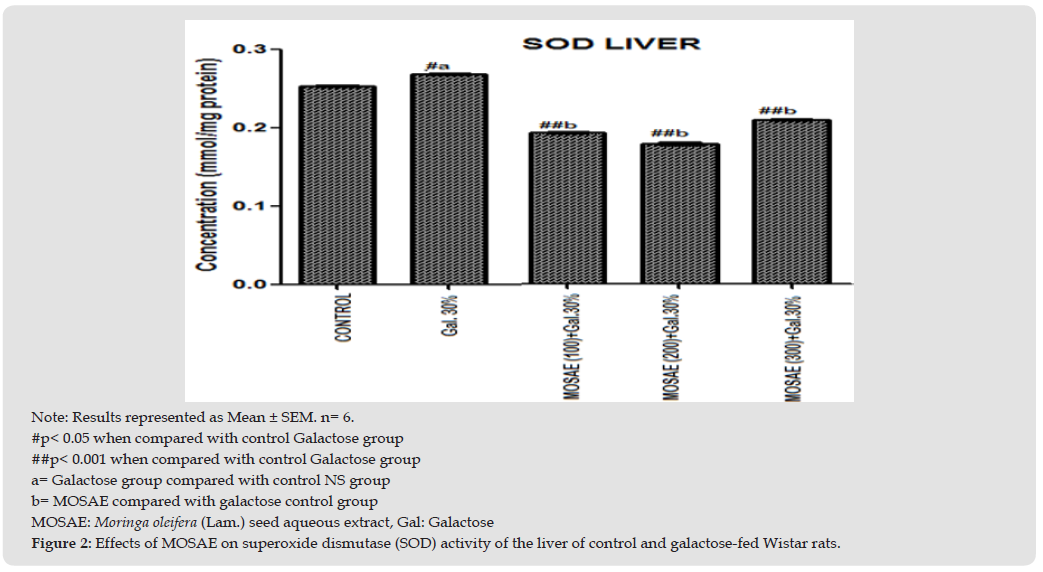
Figures 1 & 2 show the effect of MOSAE on the kidney and liver of normal and galactose-fed wistar rats. Untreated rats (Gal 30%) group showed a significantly (p<0.05) high SOD activities in the kidney (73.8%) and the liver (6.3%) compared to the NS control group. However, the MOSAE only significantly (p < 0.05) reduce this at the 300mg/kg for the kidney while at all doses have a reduction in the liver with the highest at the 200 mg /kg when compared to the galactose control group.
Figure 1
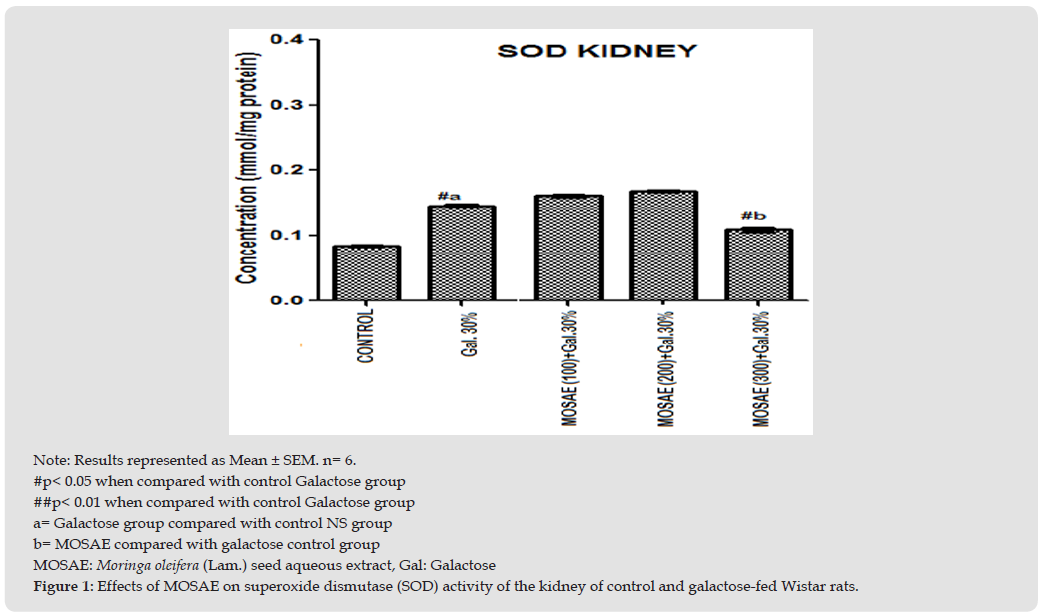
Figure 2
Catalase
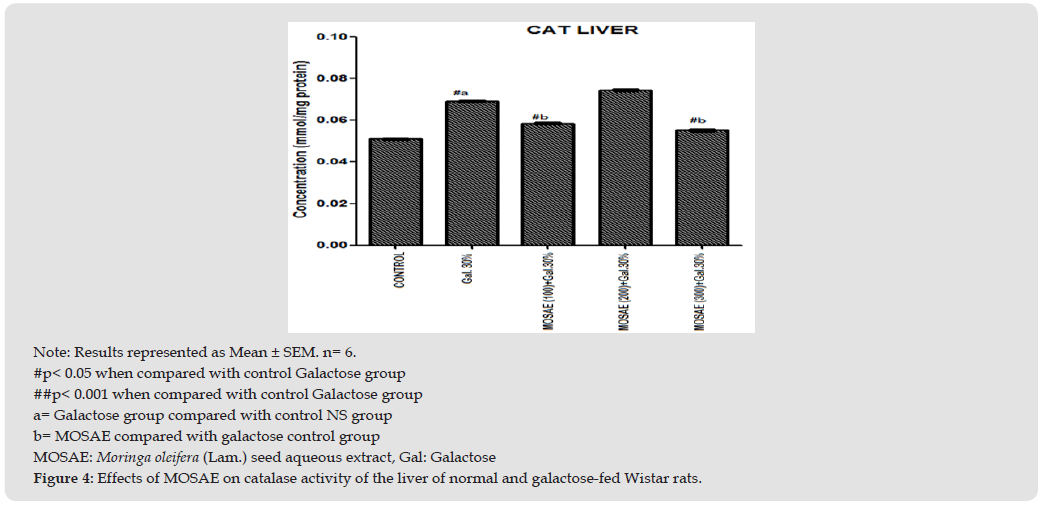
Figures 3 & 4 show the effect of MOSAE on kidney and liver catalase activities of normal and galactose- fed wistar rats. The untreated Gal (30%) rats shows significant (p< 0.001) increase catalase activities in the kidney by 219.2% and significant (p< 0.05) increase in the liver by 35.8%, respectively when compared to the NS control group. There was a dose dependent of MOSEA with the lowest dose of 100 mg/kg having highest reduction significantly (0.001) of catalase activity in the kidney while the doses of 300mg/kg and of 100 mg/kg significantly (p< 0.05) reduced catalase activity in the liver by 20.3% and 15.5% respectively when compared with the galactose control group.
Figure 3
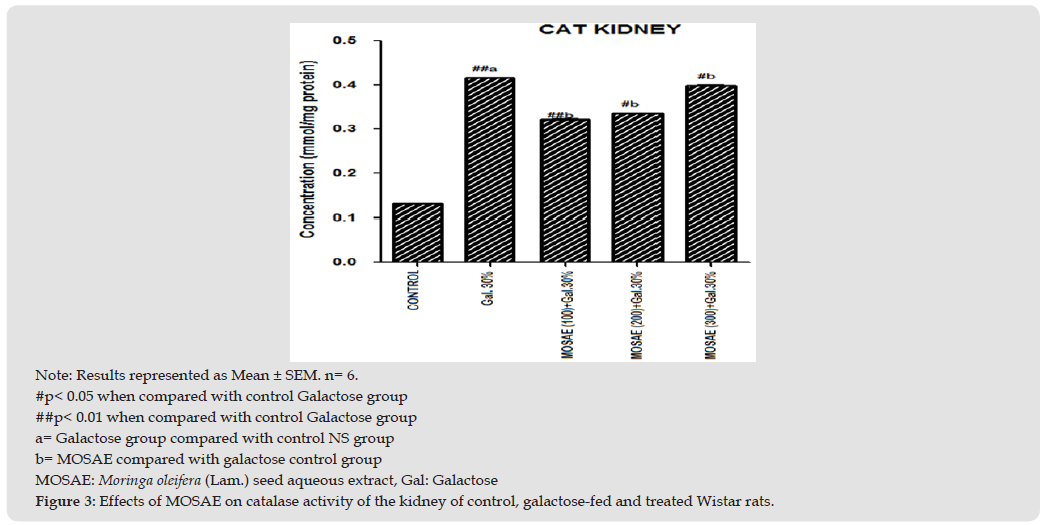
Figure 4
Lipid Peroxidation
Table 1 shows the effect of MOSAE on the kidney and liver lipid peroxidation levels of normal and galactose-fed wistar rats. The untreated group (Gal 30%) significantly (P< 0.05) increased malondialdehyde (MDA) levels in the kidney (41.7%) and liver MDA (33.5%) levels when compared with the NS control group. However, there is dose dependent of MOSAE with highest group (300mg/kg) reducing MDA levels in the kidney and liver by 62.2% and 44.1% respectively when compared with the galactose control group.
Table 1: Lipid peroxidation of kidney and liver in galactose-induced injury.

Note: #p< 0.05 when compared with control Galactose group
##p< 0.01 when compared with control Galactose group
Liver Bioassays
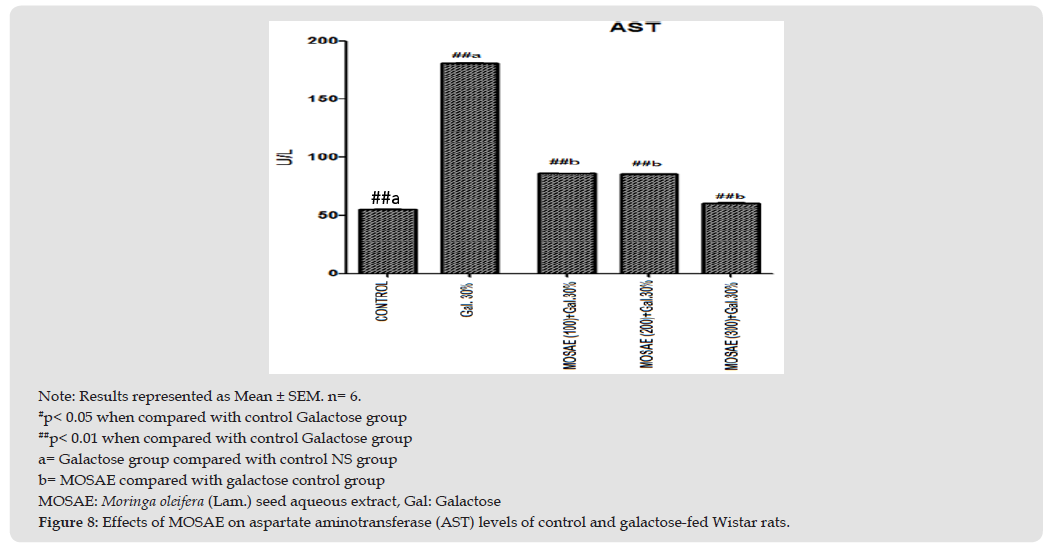
Figures 5-8 show the effect of MOSAE on total protein (TP), albumin (ALB), alanine aminotransferase (ALT), aspartate aminotransferase (AST) in galactose fed Wistar rats. The administration of Gal 30% (untreated) to rats significantly (p<0.001) elevated biomarkers of liver function ALT (267.4%), AST (229.5%) and reduced (p<0.05) TP (43.8%), ALB (44.4%) respectively when compared with NS control group. MOSAE with at all doses reduced ALT and AST with the highest dose (300 mg/kg) by 232.4 % when compared with the galactose control group. However, there is dose dependent of MOSAE with the highest group (300mg/kg) significantly (p< 0.001) elevating TP and ALB by 63.3 % and 120 % respectively when compared with galactose-controlled group.
Figure 5
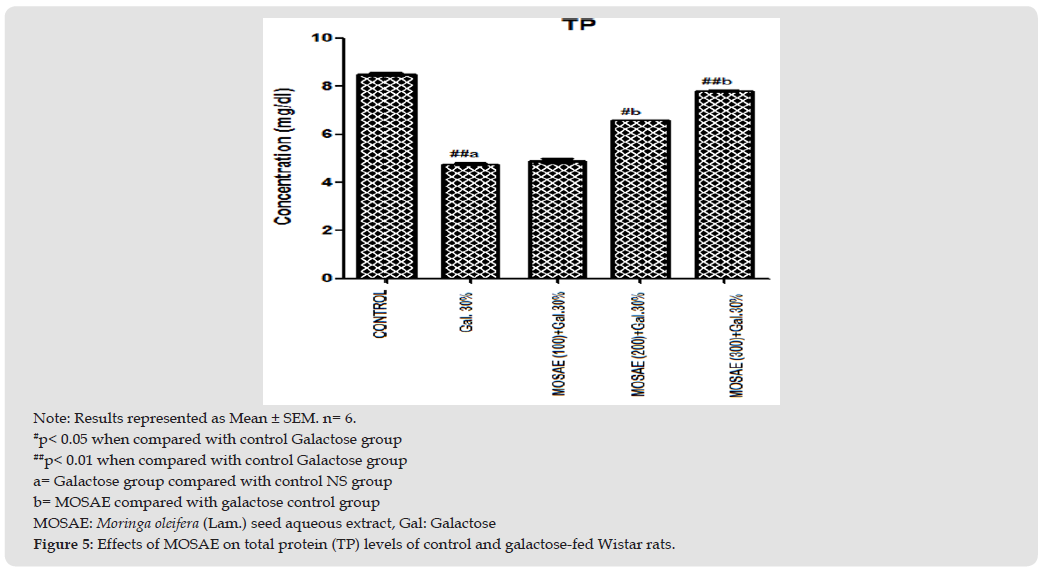
Figure 6
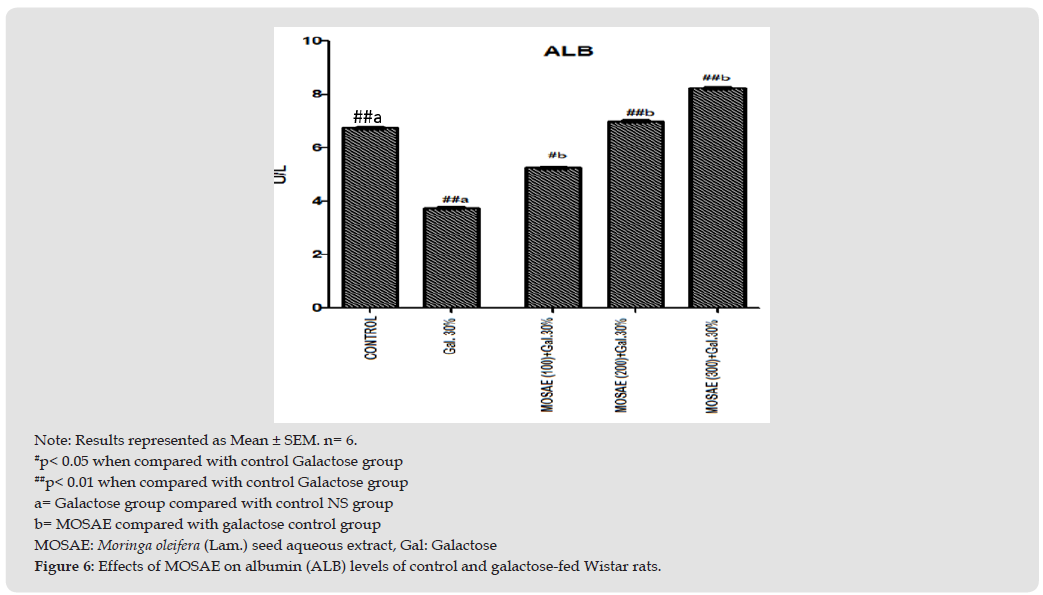
Figure 7
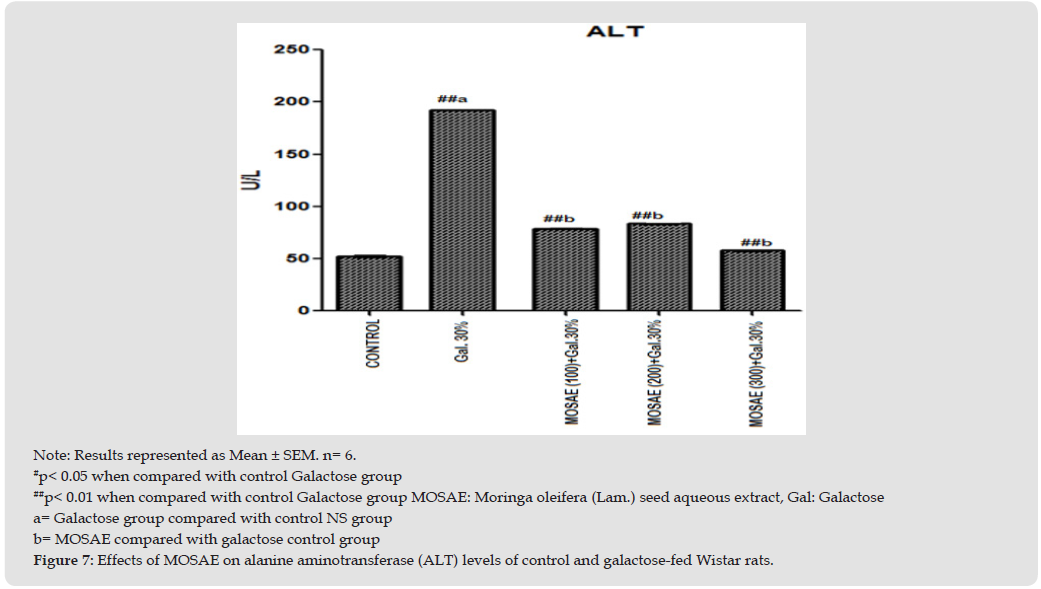
Figure 8
Kidney Bioassays
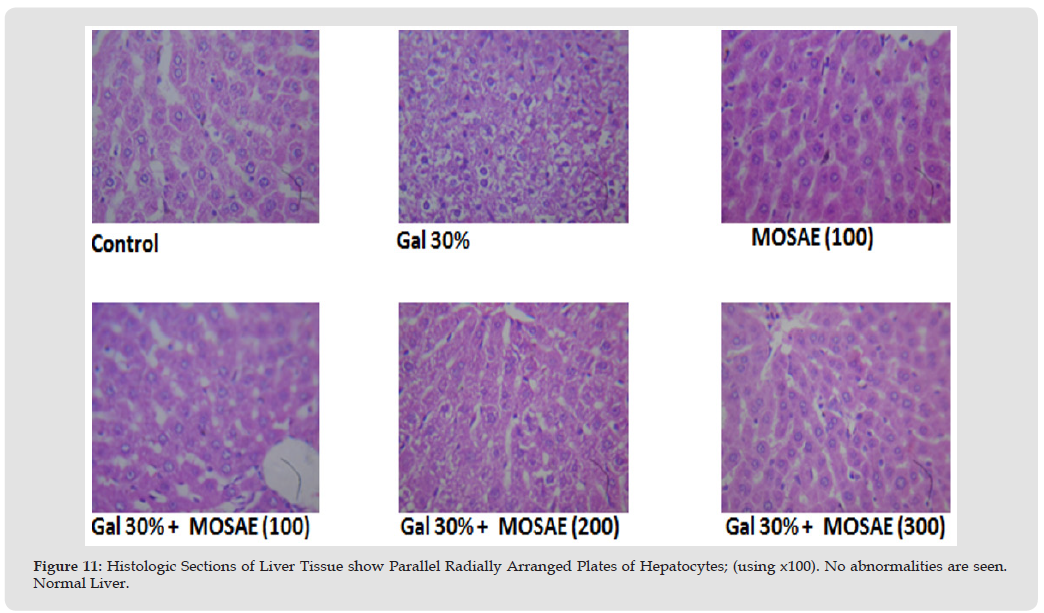
Figures 9 & 10 show the effects of MOSAE on urea and creatinine levels of normal and galactose-fed Wistar rats. Administration of Gal 30% (untreated) to animals significantly (p<0.001) increased urea and creatinine by 264.5% and 188.8% respectively when compared with the control NS group. Again there is dose dependent of MOSAE with the highest group (300mg/kg) reducing significantly (p<0.001) urea and creatinine by 76% and 68.2% respectively when compared with galactose control group (Figure 11).
Figure 9
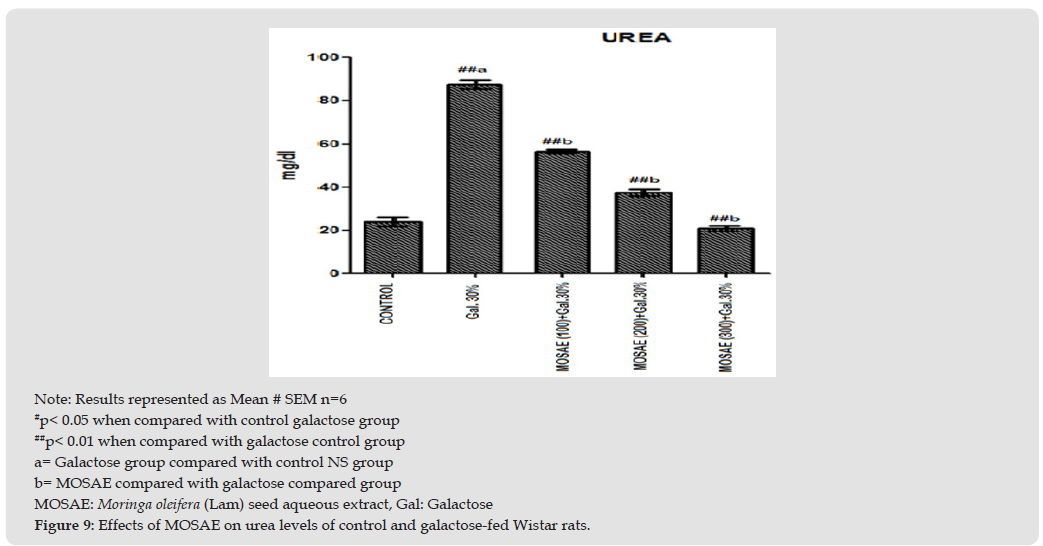
Figure 10
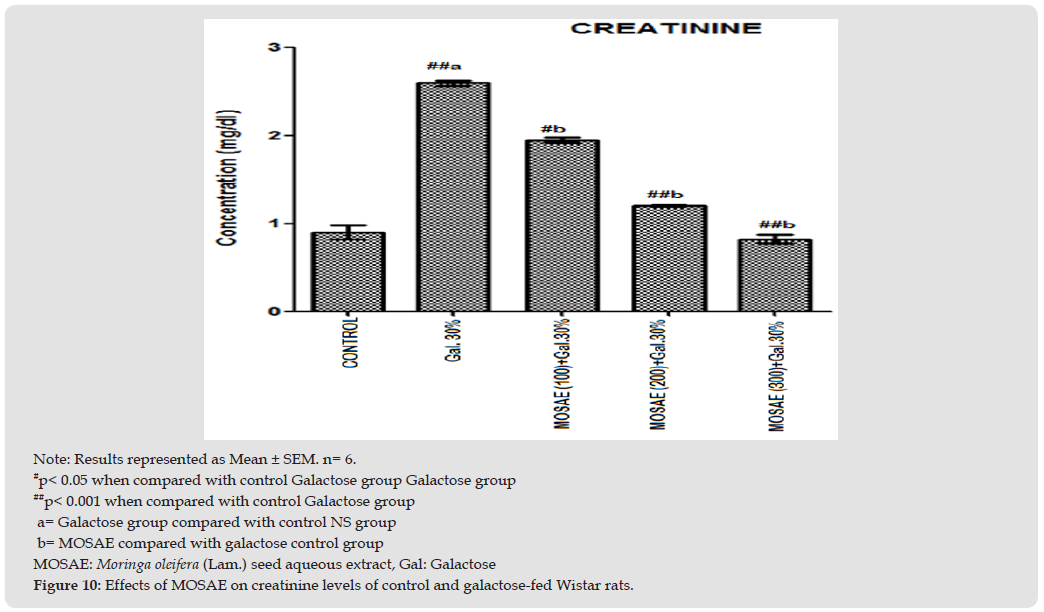
Figure 11
Kidney Photographs
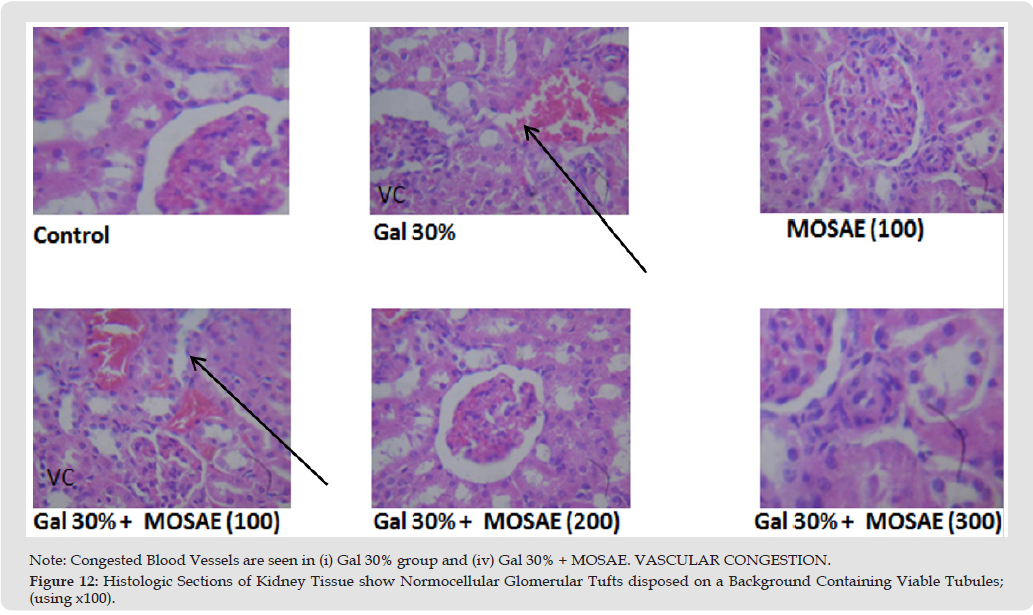
(Figure 12).
Figure 12
Herbal Medicine is the oldest form of health care known to mankind and most cultures have long folk medical histories that include the use of plants (Qadir, et al. [2,18]). The WHO recognises herbal medicine as a valuable and readily resource for primary health care and has endorsed their safe and effective use (Al-Worafi [3]). WHO has however recognised that many herbal remedies still need to be studied scientifically while recognising the experiences obtained from their prolonged safe use over the years in the treatment of various conditions in both humans and animals such as cardiovascular diseases, diabetic mellitus, hypertension and obstetric condition (Al-Worafi, et al. [2,3]). The use of medicinal plant in West Africa is probably as old as the duration of human settlement in the region (Amrutia, et al. [4]) People are thus increasingly willing to manage their medical needs by using complementary and medicines like herb (Amrutia, et al. [4]). This present study investigated the effect of MOSAE on the tissue injuries caused by galactose in rat experimental model. Although, a high level of galactose is specifically associated with hepatomegaly (an enlarged liver), cirrhosis, renal failure, vomiting, seizure, lethargy, brain damage and ovarian failure (Dong, et al. [19]). Approximately 85% of young persons with classic galactoseamia experience mental retardation, growth restriction, renal and liver diseases (Lai, et al. [9]). Free radicals attack essential cell constituents and also induce lipid peroxidation, damage the membranes of cells and organelles in liver and kidney, causes the swelling and necrosis of hepatocytes and nephrocytes, and ultimately results in in liver and kidney injury (Wang, et al. [20]). Studies have shown treatment with D-galactose cause liver and kidney dysfunction, followed by elevated activities or levels of serum enzymes and histopathological damage. On the other hand, M. Oleifera has ameliorative effect on these tissues and organs caused by galactose injury. It is among the medicinal plants that are commonly used in the management of various diseases (Amrutia, et al. 2007). Oxidative stress has been incriminated in galactose injury through the organs of the body including the liver and kidney (Papachristoforou, et al. [21]). Oxidative damage occurs as a result of galactose accumulation during galactosemic injury. The use of antioxidant agents have been reported to delay injury formation (Comino-Sanz, et al. [22]). Reactive oxygen species such as superoxide anions, hydroxyl radical radicals and hydrogen peroxide enhance the oxidative process and induce peroxidative damage to membrane lipids (Jomova, et al. [23]). As obtained in this study, there was an increased LPO. Galactose-fed untreated group had significant increased malondialdehyde (MDA) levels in the liver and kidney respectively compared with control. However, the intervention of MOSAE at the highest dose (300mg) reduced MDA level of the kidney and liver when compared with the galactose control.
SOD is a group of metalloenzymes that play a crucial antioxidant role and constitutes the primary defense against the toxic effects of superoxide radicals in aerobic organisms (Saxena, et al. [24]). SOD catalysis the transformation of superoxide radicals to hydrogen peroxide and water and is the first enzyme to cope with oxyradicals (Recknagel, et al. [25]). Untreated rat that received Gal only, showed increased SOD activities in the kidney and liver respectively. However, MOSAE at all doses successfully reduced SOD activity in the kidney and liver from the highest dose (300mg/kg) and medium dose (200mg/kg) respectively when compared with the galactose control group as shown in Figures 3 & 4. Catalase activity in the MOSAE treated groups was reduced in the kidney (100mg/kg), (200mg/kg) and (300mg/kg), liver (100 mg/kg) and (300 mg/kg), compared to the galactose control group as shown in Figure 6 & 7. The reduction in the in vivo anti-oxidant assay as seen in MDA, SOD and catalase activity observed in this study may be a factor that is accredited to the strong anti- oxidant ability earlier reported for this plant. A considerable number of plants have been evaluated for their anti-oxidant potential.
The effect of Moringa on glutamic oxaloacetic transaminase (aspartate aminotransferase), glutamic pyruvic transaminase (alanine aminotransferase), alkaline phosphatase and bilirubin levels in serum and lipid peroxidation levels in liver mediates its hepatoprotective activity (Pari, et al. [26]). Quercetin in Moringa also provides significant protection against liver damage (Asgari-Kafrani, et al. [27]). Moringa seed extract was found to recede liver fibrosis. Moringa seed extract control Aminotransferases elevation. Immunohistological studies revealed that fibrosis was retarded by Moringa plant (Abdel Fattah, et al. [16]). The Gal-fed untreated rats showed elevated biomarkers of liver function ALT, AST and reduced TP and ALB when compared with NS control group. MOSAE at all doses used in this present study reduced ALT and AST respectively as shown in Figures 10 & 11 compared to the galactose control group. However, MOSAE treated groups also showed improved TP and ALB compared to the control gal-fed untreated group as shown in Figure 8 & 9. Furthermore, MOSAE protected against ischemia/reperfusion injury in rat liver through its oxidative properties. In the present study, our results showed that the activities or the levels of AST, ALT, urea and creatinine were markedly increased while TP and ALB were decreased in the serum of D-galactose rats.
Moreover, the histological results obtained from this result further validated this study; it was observed that there were renal histological changes such as structure damage, degeneration, vascular congestion and intravascular disorder, and infiltration of inflammatory cells nephrocytes, which were dramatically improved in rats treated with MOSAE. In addition, there was a high level of sugar, enlarged liver and striking elevations of liver enzymes ALT and AST. High levels of galactose and its associated metabolites are associated with hepatomegaly (enlarged liver) (Vakili, et al. [28]). High levels of galactose are consistent with renal failure and liver cirrhosis (Conte, et al. [29]). Administration of galactose in untreated Gal-fed rats showed an increase in urea and creatinine levels respectively compared with the control NS group. MOSAE at graded doses used in this study reduced urea, creatinine respectively in the treated groups. The seeds of Moringa have been used as medicinal plant to heal renal complications over the years. It is anti-inflammatory, diuretic and hypoglycaemic agent amongst others (Akter, et al. [30]).
This study shows that excess galactose consumption in galactose- fed rats result in injury in tissues and organs; liver and kidney. The pathogenesis of hepatic and renal diseases, as well as the role of oxidative stress is well established. There were increased oxidative stress indices in the treated animals. Free radicals attack essential cell constituents and also induce lipid peroxidation, damage the membranes of cells and organelles in liver and kidney, cause the swelling and necrosis of hepatocytes and nephrocytes, and ultimately result in liver and kidney injury, thus the biomarkers for kidney and liver functions was seen to elevated. The alterations observed on the histological examinations further supported these damages caused by galactose injury. Therefore, inhibiting or blocking oxidative stress is a promising therapeutic strategy for hepatic and renal injuries. Mounting evidence suggest that D-galactose-induced liver and kidney injury is well established experiment model that is closely similar to morphological and functional features of human hepatitis and nephritis. However, the intervention of MOSAE brings prevention, reversal and total amelioration to these injuries. Further studies to understand and validate the molecular concept of these injuries and corresponding intervention from MOSAE is very crucial.
The authors declare no conflicts of interest. The authors alone are responsible for the content and the writing of the paper.
This research did not receive any grant from funding agencies in the public, commercial, or not-for-profit sectors.
The entire study procedure was conducted with the involvement of all writers.
The authors would like to acknowledge the management and all the technical staff of St Kenny Research Consult, Ekpoma, Edo State, Nigeria for their excellent assistance and for providing medical writing/ editorial support in accordance with Good Publication Practice (GPP3) guidelines.

International Association of Landscape Archaeology, Czech Glass Society, Czech Republic

Department of Chemistry, Semenov Institute of Chemical Physics, USSR Academy of Sciences, Moscow, Russia

Department of Educational Sciences, Research Centre Qualities of Teachers, School of Education – HAN, Nijmegen, Netherlands

Associate Professor at Department of Breast and Thyorid Surgey, Chongqing General Hospital, China

Neurology, LA BioMed Research Institute, USA





 Abstract
 PDF
PDF



























