info@biomedres.us
+1 (502) 904-2126
One Westbrook Corporate Center, Suite 300, Westchester, IL 60154, USA
Site Map
 ISSN: 2574 -1241
ISSN: 2574 -1241
ISSN: 2574 -1241
Received: August 31, 2024; Published: September 16, 2024
*Corresponding author: Yassmin Abdelrahim Idris, Math teacher, AL-Nahda international school, Saudi Arabia, Student, Lincoln University College, Malaysia
DOI: 10.26717/BJSTR.2024.58.009183
The integration of technology into education has significantly transformed pedagogical practices and redefined the roles of educators and learners. This article explores the dynamic relationship between technology and pedagogy, highlighting how digital tools enhance lifelong learning opportunities and alter the traditional role of facilitators in educational settings. As technology becomes an integral part of the learning environment, educators must evaluate the effectiveness of various technology resources, ensuring they support teaching objectives and enhance the learning experience. Furthermore, the article discusses strategies for planning and implementing technology as a teaching aid, emphasizing the importance of continuous review and assessment to maintain its relevance and efficacy. The data generated through educational technologies provides valuable insights into learner progress and behavior, which can be effectively managed to personalize learning experiences and improve educational outcomes. In addition to practical applications, the article delves into the research process, offering guidance on developing research plans, sourcing information, and drafting and finalizing research papers with appropriate academic rigor. Reflecting on one’s academic progress and creating an action plan for continuous improvement is also emphasized, fostering a culture of ongoing professional development. By examining these themes, the article aims to provide a comprehensive overview of the intersection between technology and education, offering practical insights for educators, administrators, and researchers seeking to leverage technology for enhanced teaching and learning.
Keywords: Technology in Education; Pedagogy, Digital Learning Tools; Educational Assessment; Teaching Aids; Technology Integration; Data Management in Education; Continuous Improvement; Learning Analytics; Personalized Learning; Professional Development
The term “pedagogy,” which is pronounced “peh-duh-gow-jee,” describes the theoretical and practical methods used by teachers to impart knowledge. Pedagogy, which addresses the interaction between culture and various learning styles, is shaped by the teaching philosophies of educators. There must be genuine classroom relationships for pupils to build on previous learning. There are a number of minor pedagogical changes that teachers can implement to increase student perseverance and engagement [1-5]. The art and science of instructing pupils is referred to as pedagogy. The word is derived from the Greek word “paidagogos,” which combines the words “agogos” (leader) and “paidos” (kid). With the invention of writing around 3000 B.C., education began to take on a more introspective and skilland knowledge-building role. Let’s examine the evolution of technology use in the classroom. A wide range of tools fall under the category of technology in education. From photocopiers and overhead projectors, which facilitated the display and distribution of educational materials, to mobile devices, which open up new avenues for teaching [6-13].
However, digital technology did not become a significant influence on education until the 1980s. During this decade, computers transitioned from being a cutting-edge technology to a widely available consumer good. Schools also saw this change, with many of them investing in a single computer for instructional software. Since the early 2000s, when interactive whiteboards were introduced, digital technology has become more and more common in education. From portable and handheld devices to increasingly sophisticated software for educators and students, digital technology has been a feature of education since the year 2000.As technology becomes more important to modern life, it will naturally become more important in education too. Put simply, it can’t be ignored. Educators that try to do so may miss out on the benefits we outline below.
Objective
The objective of this article is to explore the integration of technology in education and its impact on pedagogical practices, lifelong learning, and the roles of educators and learners. The article aims to analyze how technological tools and resources can enhance teaching and learning experiences, improve data management, and support continuous academic development and research. Additionally, it seeks to provide practical insights into evaluating and planning the use of technology in educational settings and fostering a culture of ongoing professional growth and improvement.
Problem Statement
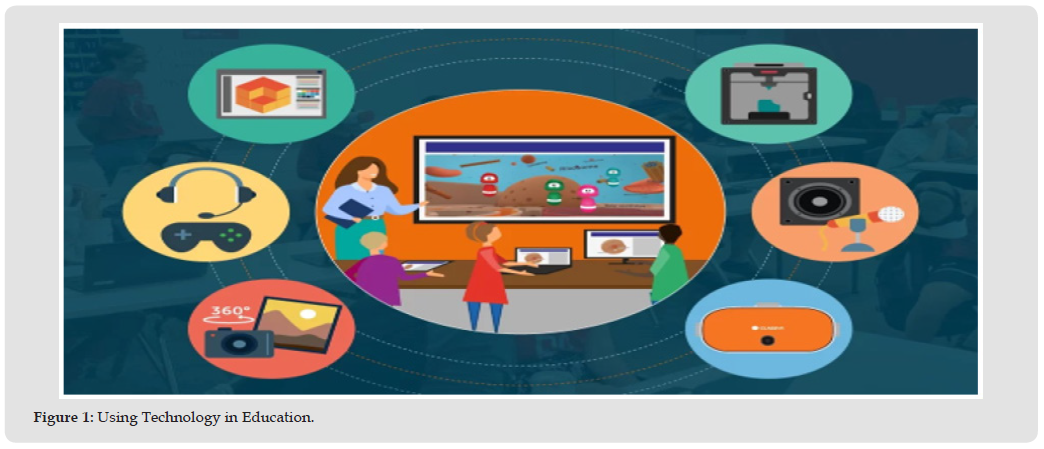
Despite the increasing integration of technology in educational settings, there remains a gap in understanding how to effectively utilize these tools to enhance teaching and learning. Many educators struggle with adapting their pedagogical approaches to incorporate technology meaningfully and evaluating its impact on learning outcomes. Furthermore, there is a need for better strategies to manage and utilize data generated through educational technologies to inform teaching practices and improve student achievement (Figure 1). This article addresses these challenges by examining the relationship between technology and pedagogy, the evolving role of educators, and the strategies for effectively integrating and assessing technology in education. It also highlights the importance of research and continuous professional development in navigating the ever-changing educational landscape influenced by technological advancements.
Figure 1
Explain the Relationship Between Technology and Pedagogy
The exact method a teacher uses to convey their ideas to a class of students is known as pedagogy. Using electronic or digital tools, media, and resources to improve a student’s learning process is known as tech-based pedagogy. The Link Between Technology and Pedagogy in Education Pedagogy in education has traditionally been focused on traditional tactics, such as face-to-face lectures and pen & paper. A teacher will manage and coordinate instructional aides to enable effective learning, along with choosing technology depending on the learning needs of pupils, according to VT. But things have changed a little bit in the education industry with the emergence of technology- based solutions. Consider mobile devices, interactive textbooks, internet learning resources, and similar resources. The days of written exams are long gone, replaced with totally remote learning and locked browsers. In the classroom, some devices are now more common than others. Standard tools include Adobe Creative Cloud and Microsoft Office. It would be difficult to locate a university if students aren’t allowed free access. Virtual and augmented reality are two more tools that can improve learning in the classroom. Teachers can, for instance, use virtual field trips to educate their students in places they might not otherwise be able to visit. Students may now exercise their imagination, creativity, and critical thinking skills while learning how to operate a cutting-edge piece of technology thanks to the use of 3D printing. Students of all ages and in all disciplines can benefit from an interactive, hands-on learning environment when technology- based tools are used in pedagogy.
Analyse the Concept of Life- Long Learning Using Technology
When referring to education or learning, the phrase “lifelong” has been in use for more than 25 years. The Berlin Communiqué dictionary maintained by the European Network of Quality Agencies (ENQA) states that lifelong learning (LLL) encompasses all stages of education, from early childhood to retirement, and includes formal, non-formal, and informal learning (ENQA, 2003). The population under study is aging and getting older, with the primary responsibilities being job and family (Figure 2). As a result, there is a growing demand for a flexible learning framework that permits learning to occur anywhere, at any time. The concept of LLL refers to the activities people perform throughout their life to improve their knowledge, skills and competence in a particular field, given some personal, societal or employment related motives. According to this perspective, lifelong learning (LLL) encompasses all tactics used to provide chances for people to learn throughout their lives. In order to meet the needs of the relevant community as well as those of the individual, it should be a lifelong process of conscious continuous learning. This will help people understand and actively participate in all facets of their societies, in addition to helping them become responsible members of their own and their communities. LLL also involves giving people “second chances” to brush up on fundamental knowledge and abilities as well as advanced learning opportunities. All of this indicates that in order to truly customize these chances to the requirements of the learner, official systems of provision need to become considerably more open and flexible. In its memorandum on LLL, the Commission of the European Communities (2000, p. 3) emphasizes that LLL must become the guiding concept for participation and provision throughout the whole continuum of learning environments. It is no longer merely one facet of education and training.
Figure 2
LLL occurs at any age, in a variety of contexts, including formal education. Additionally, LLL focuses on the fundamentals, which include learning to learn and general competencies including problem-solving and communication skills, teamwork abilities, ICT proficiency, and basic literacy. The majority of learning opportunities accessible outside of formal education are restricted to individuals who are currently employed, and within this group, to highly educated staff members working in large, frequently global corporations. Learning activities are significantly more uniformly distributed throughout the working lives of professionals with higher levels of education (DFID). Practitioners in the field interchangeably refer to online learning as Internet-based learning, web-based learning, and e-learning. evolution, which is rare among species and reaches a pinnacle in homo-sapiens, became possible when new forms of learning evolved. LLL is increasingly discussed as a framework for reforms in regional and national as well at the emerging economies all over the world. It is the electronic delivery of ICT which is fuelling the current resurgence of LLL. Online courses can replace more traditional approaches to teaching and learning in the 21st century by drawing on the experience of educational facilitators worldwide. In generating online courses, institutions should also be aware that they are generating international communities composed of people in different societies with different cultures and expectations.
Describe Changes to the Role of Facilitator Due to Technology
The roles that teachers and students play in the classroom are evolving due to technology. With learning management systems and modules, students are taking on more of the educational heavy lifting, and teachers are shifting from being the knowledge gatekeeper to facilitators. Students are now required to actively participate in their education as opposed to just observing or listening thanks to these new modifications. In order to appropriately integrate modern technologies in the classroom, teachers’ new job is to stay current on technological advancements. Less reliance on Google and active participation in learning modules will be required of students. Pupils will gradually come to understand that using skills is not the same as being able to look up information on Google. The current educational model will change as a result of these new positions.
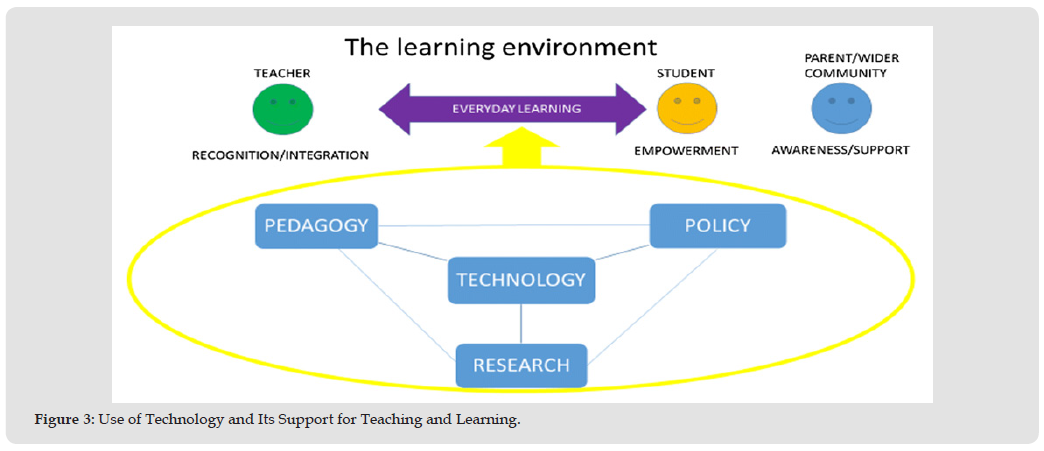
Our economy, education system, and health are all fueled by technology. Books and paper are gradually being replaced by phones, laptops, and tablets in today’s environment. Schools must take the same action. The education sector has been static for far too long, reading the same literature with the same lecture model. Technology ought to be the main focus of the educational process. There is a concern that pupils won’t learn the skills necessary for the working world if they use the Internet for useless purposes. There will always be diversions from technology. Pupils must develop the ability to stay on topic. Instructors, on the other hand, must have faith that their pupils aren’t cheating online (Figure 3). More of the teaching load will need to be handled by technology, therefore teachers will need to step aside. Students may access the most effective pedagogy and well-researched teaching methodologies for any subject thanks to technology. Students will have more opportunities to study as a result of this alteration in the role of the teacher. In order to appropriately teach more topics as technology advances, teachers will transition into learning facilitators. Using technology does not imply abandoning antiquated procedures. They simply have distinct looks. College papers still require research compilation from the students. The concepts remain the same even though the research techniques have changed throughout the years. While conducting research on the Internet can save time, students pursuing an online master’s degree still need to know where to go for credible, peer-reviewed research sources and scholarly articles for their papers.
Figure 3
Evaluate Technology Resources and their Role in Teaching and Learning
Technology integration in the classroom is a complicated but potentially effective tool. However, you will need to have a solid grasp of ICT concepts and how they relate to other curricular areas if you are to successfully incorporate technology into teaching and learning as opposed to just adding it on as an extra activity. You hold the secret to implementing technology in the classroom successfully—not the newest and greatest gadgets or best practices you’ve heard about elsewhere! You hold the key because integrating technology into the classroom is an instructional decision that necessitates thoughtful and meticulous planning on your part. Making the most of the technology that is available in the classroom is the goal of integrating technology into education. the current state of the technologies at hand. What you read is a product of other people’s creativity with respect to the technologies they have access to. Although you may already have them at your disposal, becoming an ICT-capable teacher is really about getting to know your pupils.
Explain How to Plan the Use of Technology as a Teaching Aid in Lesson
The thought of having to include technology into lesson planning can drive some teachers insane if they find it difficult to fit even one more thing into an already overly busy curriculum and teaching schedule. However, there will always be a need to make new technology as simple and familiar to pupils as pens and calculators. It’s a crucial responsibility that all instructors ought to accept wholeheartedly. There are six steps involved in establishing a technology model.
• Step 1: Examine the advantages: It could be possible to incorporate technology into one of your traditional lectures, but you must first decide if doing so will improve students’ overall performance. Make sure your lesson ideas adhere to the strict requirements that schools have set for their technology curricula by becoming familiar with them. In the event that the lesson plan you have chosen will enable pupils to satisfy both academic goals and acquire a new ability, then you have created a win-win scenario and should proceed to the next phase. Sit down with a technology expert if you can’t decide if this will be the result. They could be a media specialist, a teacher who is enthusiastic about using technology, a technology instructor or coordinator, or even a highly qualified student searching for a fresh challenge. Technology can be matched to the objectives and needs of your project by the tech specialist.
• Step 2: the project development process won’t be entirely up to you. Using a team approach, where teachers work on integrated, multidisciplinary lesson plans or individual lesson plans, can greatly increase the amount of brainpower among you all, particularly if some of your colleagues are seasoned tech users. At this point, webbing is a helpful tool: start with a main theme, then use brainstorming to develop subtopics and associated concepts to produce a visual map. Software for concept webbing, like Inspiration from Inspiration Software, can facilitate the flow of ideas. You can choose lesson components, like related concepts or suggested activities, and make sure they are integrated into the lesson plan with the help of a visual map of ideas. Examine the tools that are available online, including high-quality software and resource materials for educators. Why make everything from scratch? Software recommendations and other helpful resources could already be accessible.
• Step 3: Take a project map, Together with your team, you have chosen the themes, ideas, and exercises you want to incorporate into your lesson plan or plans. You also have the knowledge necessary to choose the tools, software, and hardware required to finish the tasks in the plan and generate the final result. Next, draft a storyboard or basic sketch of the project’s flow. If your project involves creating a movie or a Microsoft PowerPoint presentation, utilize a basic template that allows you to arrange the content on each page. It is equally crucial that your students use the storyboarding process when creating their assignments. You may make sure the pupils have the material for the assignment and don’t become distracted by the multimedia’s unnecessary features by outlining the project step-by-step.
• Step 4: Develop the instructional template Precisely estimating the duration of a new technology project is one of the trickiest planning challenges. Making a sample project is the easiest method to accomplish that. Now is not the time to cut corners with your investment—this is a critical stage in the modeling process. To be honest, it’s arguably the most crucial phase in making sure a new technology initiative succeeds. You can choose a simple assignment, such learning how to prepare a five-minute speech. It’s a fantastic method to teach kids about public speaking and how to apply their knowledge of informative writing to create a process model for carrying out a specific task, like making chocolate chip cookies. A stepby- step presentation on how to complete the project, such as a PowerPoint presentation on how to create a PowerPoint presentation or a digital video on how to create a digital video, would make an excellent topic for your sample project if you or your students are new to using technology.
Create assessment tools in step five. It’s time to think back on the knowledge and abilities the students will need to demonstrate in their project while the procedure is still fresh in your mind. To build a system for performance-based evaluation of the students’ work, create a rubric. Determine the weight you will assign to specific technology abilities, content, grammar, spelling, layout, and presentation. You set clear expectations for the students by providing them with the rubric before to the start of the project. You may find lots of online resources to assist you in creating the perfect rubric.
• Step 5: Assessment Mode Now that your example project is complete, it’s time to assess what went well and what didn’t. Which tools or technologies were lacking or superfluous? What knowledge would you have preferred to have had at the outset that you gained along the way? Is there a way to make the project more successful or to simplify the process of using technology to meet the objectives of the lesson? Through introspection, responding to these inquiries, and utilizing their responses as a basis for your revised lesson plan, you will discover that you possess the expertise necessary to collaborate with your students with assurance and handle unforeseen difficulties in the future.
Explain the Need to Review the Use of Technology and Its Support for Teaching and Learning
Technology is revolutionizing both inside and outside of the classroom, giving teachers the tools they need to create engaging, individualized learning experiences that will equip students for success in the modern workplace.
Benefits of Technology for Educators: Teachers in primary and secondary education are unwaveringly committed to providing students— each with unique needs and developmental pathways with the skill sets and attitudes necessary to succeed in life and in the technologically advanced world of today. Technology may be a very effective instrument in education that helps teachers accomplish their objectives. such as: technology -infused Through the completion of tasks and assignments, active learning experiences can assist teachers of all subjects and all age levels in helping students develop their social, emotional, and practical skills. Students’ learning can also be made more unique for them by using technology. It is possible to modify both the material and the way it is delivered to meet the demands and learning preferences of certain pupils. Teachers that have access to real-time student data can use it to evaluate their students’ progress, modify their methods for the entire class or for individual students, or suggest certain asynchronous learning possibilities. Teachers that have access to real-time student data can use it to evaluate their students’ progress, modify their methods for the entire class or for individual students, or suggest certain asynchronous learning possibilities. Teachers may make the most of their free time and reduce some of their workload by utilizing digital and AI-based technologies. For instance, formative and summative assessment tools can be utilized as a first pass at grading, freeing up teacher time to focus on students who require more assistance in comprehending the objectives of the lesson. The ability to hold virtual one-on-one meetings between a teacher and student is one way that videoconferencing capabilities can expand the teaching and learning environment.
Technology’s Advantages for Students: Students now have control over how they learn thanks to the usage of technology in the classroom, which makes learning relevant to their digital lives. Students are motivated to become problem solvers, critical thinkers, collaborators, and creators—as well as to cultivate a lifelong love of learning— when they have access to gadgets and digital resources both within and outside of the classroom. Having access to cutting-edge digital learning resources can boost academic growth and student engagement. Examples of these resources include PC-based virtual reality learning possibilities and AI-based programs that modify question sets and feedback based on student responses. Students can also acquire the technical abilities and analytical mind-sets necessary for success in the modern educational environment and in the workforce of the future thanks to technology. As children learn by doing, regular use of technology and pertinent STEM education experiences can help them refine their problem-solving and critical thinking abilities. Gaining technological competency equips students for future employment chances in any profession, regardless of whether they want to pursue a career in STEM or another industry.
Type of Data
Assessments: Assessment of knowledge and proficiency. Assessments both before and after aid in the planning of lessons, interventions, and advancements. A formative evaluation provides an overview of a student’s growth at a certain point in time. State-mandated tests or exams at the end of the year are examples of summative assessments. Utilizing the data from these assessments to design instruction is challenging because they are given at the end of the school year. The stakeholder (Teachers administer, and students participate. Parents, teachers, and students review and discuss progress/ improvement.)
Attendance: Days of presence and absence. Years of education attendance. The stakeholder (Teachers record daily attendance.)
Behaviour: Actions of a person based on the environment and/ or interaction with others. Data includes disciplinary records, report cards, and behavioural assessments.
Benchmarks: National assessments, state high-stakes tests, district level assessments, SAT and ACT scores, etc.
Classwork: Graded assignments completed in the classroom during the school day.
Demographics: Age, gender, race, ethnicity, religion, address, parent level of education, income, etc.
Grades: Grades may be number, letter, or level score that depicts student learning score.
Health: Data includes health records (immunizations), counselling, medical conditions, and history.
Homework: Graded and/or practice assignments to be completed at home.
Investment: Resources allocated for intervention programs, cost per student, and after school programs.
Leadership: Leadership may include teacher and administration experience, education, and achievements.
Observation: Annotated behaviours and perspectives based on careful student and/or teacher examination.
Participation: Level of engagement from student. Participation in after school programs and extracurricular activities. Use of academic and social support services. Participation in AP classes.
Quizzes: Quick and informal test of knowledge given to students.
Results: Results may include grade point averages, graduation rates, and college acceptances
Socio-economic: Relating to or concerned with the interaction of social and economic factors.
Tests: Standardized and/or non-standardized assessment of knowledge and capabilities.
Select the Appropriate Instruments
Selecting the appropriate solutions for your needs and objectives is the first step in leveraging technology to manage assessment data. You might require several tools for developing, delivering, grading, and reporting assessments, depending on their nature and extent. For instance, you can create simulations, portfolios, rubrics, surveys, and quizzes using internet tools, software, or applications. To safely gather and retain assessment data, you can also make use of solutions that interface with your learning management system (LMS) or other data sources. You can also employ technologies that let you use dashboards, graphs, and statistical techniques to evaluate and visualize assessment data.
Sync Your Data with Your Results
Aligning your data with your learning objectives is the second stage in using technology to manage assessment data. This implies that you must make sure the information gathered from your assessments accurately represents the knowledge and skills you want your pupils to possess. You must use a precise and standardized framework to link your assessment data to your learning objectives in order to accomplish this. You can build and arrange learning outcome statements, indicators, and criteria with the aid of tools. Additionally, you can make use of resources that assist you in matching your learning objectives with the assessment tasks, questions, and rubrics.
Sort and Tidy Up Your Info
Sorting and cleaning your data is the third step in using technology to manage assessment data. This implies that you must guarantee the accuracy, consistency, and completeness of your assessment data. You must examine your data for mistakes, outliers, missing numbers, duplication, and inconsistencies in order to accomplish this. You can utilize tools to assist you in validating, correcting, and quality-checking your data. In order to arrange, filter, combine, or categorize your data in a way that best suits your requirements and tastes, you can also make use of tools.
Examine and Understand Your Data
Analysis and interpretation of your data constitute the fourth phase in employing technology to handle assessment data. This implies that in order to investigate, characterize, contrast, or deduce patterns and trends in your assessment data, you must employ the proper approaches and strategies. You must choose and use the appropriate statistical tests, models, or algorithms for your data and questions in order to achieve this. You can employ tools that assist you in applying inferential, predictive, or descriptive analytics to your data. In order to interpret and explain your results using tables, charts, or narratives, you can also make use of tools.
Share and Report Your Statistics
Reporting and sharing the results of your evaluation is the fifth stage in using technology to manage data. This implies that you must communicate your assessment results and data to your stakeholders in a clear, succinct, and insightful manner. You must adjust your reporting and messaging to the audience, purpose, and context in order to do this. You can make use of tools that assist you in creating and modifying slides, reports, and infographics for your data. Additionally, you can make use of tools that facilitate the email, web, and social media distribution and dissemination of your reports and communications.
Utilize Your Data to Make Improvements
Utilizing your data for improvement is the last and sixth stage in utilizing technology to handle assessment data. This implies that you must improve and adjust your teaching and learning strategies based on the facts and conclusions from your assessments. You must analyse your data and pinpoint any gaps, possibilities for progress, strengths, and shortcomings in order to do this. Tools for tracking and monitoring your progress and effects over time are available for usage. In order to get feedback and support, you can also use platforms that facilitate collaboration and interaction with colleagues, students, and professionals.
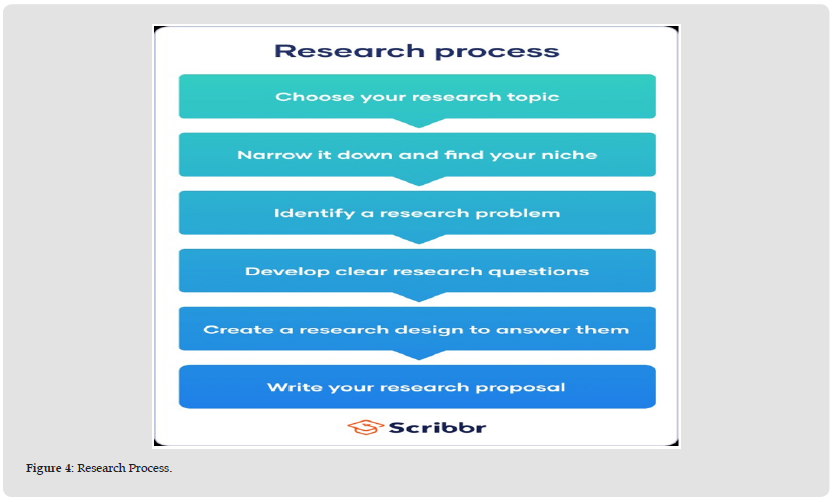
Produce A Plan for Research on Chosen Topic
• Carry Out Research Using Different Sources
• Draft a Piece of Research Work Using Appropriate Referencing
Techniques
• Finalise the Research Using Existing Draft.
• Reflect on Own Academic Progress in Relation to the Development
to Academic Skil
• Developed an Action Plan for Any Further Improvement
Identified (Figure 4).
Figure 4
The Impact of Lesson Planning on Academic Performance and the Teaching Process
Source
Primary Source: Interview with teacher to get their feed back
Secondary Source:
• Asst. Prof. Qassem Farhang, Asst. Prof. Sayed Shir Aqa Hashemi,
Sakhi Murad Ghorianfar, August 2023, Lesson Plan and
Its Importance in Teaching Process, International Journal of
Current Science Research and Review.
• Sadia Khan, Dr Darakhshan Siraj, Zaeeda Ilyas, April 2024, Effect
of Lesson Planning on Academic Performance: Evidence
from the Elementary Level CClassroom The Islamia University
of Bahawalpur
Introduction
Lesson planing is a fundamental aspect of the educational procces, playing a crucial role in structuring the teaching and learning experience. The importence of efective lesson planning cannot be overstated, as it directly impacts the academic performance of students, particulary at the elementry level. The study “Effect of Lesson Planning on Academic Performance: Evidence from the Elementary Level Classroom” by Sadia Khan, Dr. Darakhshan Siraj, and Zaeeda Ilyas highlights the significane of well-structured lesson plans in enhancing student outcomes. Similarly, “Lesson Plan and Its Importance in Teaching Process” by Asst. Prof. Qassem Farhang, Asst. Prof. Sayed Shir Aqa Hashemi, and Sakhi Murad Ghorianfar emphasizes the critical role of lesson planning in the overall teaching process, suggesting that it aids teachers in delivering more effective and engaging instruction. This reserch aims to delve deeper into these aspects, exploring the direct correlation between lesson planning and academic performance, as well as its broader implications for the teaching process.
Methodology
The methodology for this comparative study involves a detailed analysis of the findings presented in the two referenced articles. The study by Khan, Siraj, and Ilyas (2024) employs a quantitative research design, utilizing data collected from elementary school classrooms to examine the impact of lesson planning on academic performance. Their research involves statistical analysis of student performance metrics before and after the implementation of structured lesson plans, providing empirical evidence of its efectiveness. On the other hand, the research conducted by Farhang, Hashemi, and Ghorianfar (2023) adopts a qualitative approach, focusing on the experiences and perceptions of teachers regarding the importance of lesson planning in their teaching process. This study collects data through interviews and surveys, offering insights into how lesson planning influences teaching efficacy and classroom management. By synthesizing the quantitative data from the former study and the qualitative insights from the latter, this research aims to provide a comprehensive understanding of the multifaceted impact of lesson planning on both academic performance and the teaching process.
Introduction
Lesson planning is a fundamental aspect of the educational process, playing a crucial role in structuring the teaching and learning experience. The importance of effective lesson planning cannot be overstated, as it directly impacts the academic performance of students, particularly at the elementary level. The study “Effect of Lesson Planning on Academic Performance: Evidence from the Elementary Level Classroom” by Sadia Khan, Dr. Darakhshan Siraj, and Zaeeda Ilyas highlights the significance of well-structured lesson plans in enhancing student outcomes. Similarly, “Lesson Plan and Its Importance in Teaching Process” by Asst. Prof. Qassem Farhang, Asst. Prof. Sayed Shir Aqa Hashemi, and Sakhi Murad Ghorianfar emphasizes the critical role of lesson planning in the overall teaching process, suggesting that it aids teachers in delivering more effective and engaging instruction. This research aims to delve deeper into these aspects, exploring the direct correlation between lesson planning and academic performance, as well as its broader implications for the teaching process.
Methodology
The methodology for this comparative study involves a detailed analysis of the findings presented in the two referenced articles. The study by Khan, Siraj, and Ilyas (2024) employs a quantitative research design, utilizing data collected from elementary school classrooms to examine the impact of lesson planning on academic performance. Their research involves statistical analysis of student performance metrics before and after the implementation of structured lesson plans, providing empirical evidence of its effectiveness. On the other hand, the research conducted by Farhang, Hashemi, and Ghorianfar (2023) adopts a qualitative approach, focusing on the experiences and perceptions of teachers regarding the importance of lesson planning in their teaching process. This study collects data through interviews and surveys, offering insights into how lesson planning influences teaching efficacy and classroom management. By synthesizing the quantitative data from the former study and the qualitative insights from the latter, this research aims to provide a comprehensive understanding of the multifaceted impact of lesson planning on both academic performance and the teaching process.
Findings and Discussion
Teacher Interview Summaries
Interview with Teacher: Mrs. Sanaa Abo Absaa.
Background: Mrs. Sanaa Abo Absaa. is a 10,11 and 12-grade teacher with over 15 years of experience in high education. She has been actively involved in curriculum development and teacher training programs at her school.
Interview Summary: Mrs. Sanaa Abo Absaa. emphasized the transformative impact of structured lesson planning on both her teaching effectiveness and her students’ academic performance. She stated, “Having a well-organized lesson plan gives me a clear roadmap for each class. It helps me stay focused and ensures that I cover all the necessary content without rushing through important topics.” She highlighted that lesson planning allows her to anticipate potential challenges and prepare accordingly, which reduces classroom disruptions and maximizes instructional time. For her students, Mrs. Sanaa Abo Absaa, observed noticeable improvements in engagement and understanding. “When I plan my lessons thoroughly, I can include a variety of activities that cater to different learning styles. This keeps the students interested and makes the material more accessible to everyone,” she explained. She also mentioned that students tend to perform better in assessments when they are consistently taught through well-planned lessons, as they have a clearer understanding of the subject matter and are better prepared for tests.
Interview with Teacher B: Mr. M. Saeed
Background: Mr. M. Saeed is a fifth-grade teacher with 10 years of experience. He has a keen interest in integrating technology into lesson planning and has participated in several workshops on innovative teaching strategies.
Interview Summary: Mr. M. Saeed highlighted the importance of lesson planning in creating a structured and efficient learning environment. “Lesson planning is crucial for me because it helps me manage my time effectively and cover all the necessary content within the school year,” he said. He noted that detailed lesson plans enable him to set clear objectives for each lesson, which helps students understand what they are expected to learn and achieve.Mr. M. Saeed also pointed out the positive impact of lesson planning on student outcomes. “When lessons are well-planned, students are more likely to stay engaged and follow along with the material. It also allows me to include interactive and technology-based activities that make learning more dynamic and fun,” he explained. He observed that students benefit from the structure provided by lesson plans, as it helps them build a solid foundation of knowledge and skills. “Students who are taught through well-planned lessons tend to be more confident in their abilities and perform better academically,” he added.
Both teachers agreed that lesson planning is essential for effective teaching and significantly benefits students by enhancing their engagement, understanding, and academic performance.
The findings from the two studies highlight the critical role of lesson planning in enhancing academic performance and the teaching process. The study by Khan, Siraj, and Ilyas (2024) demonstrated that structured lesson planning significantly improves students’ academic performance. Their quantitative analysis revealed that students who were taught using well-planned lessons performed better in assessments compared to those who were not. The statistical data showed a clear improvement in test scores and overall academic achievement, indicating the effectiveness of detailed lesson plans in fostering better educational outcomes. In contrast, the study by Farhang, Hashemi, and Ghorianfar (2023) provided qualitative insights into the importance of lesson planning from the teachers’ perspective. Their research highlighted that lesson planning is not only beneficial for students but also crucial for teachers. Through interviews and surveys, it was found that teachers who engaged in thorough lesson planning were more confident and organized in their teaching. This preparedness translated into more effective classroom management and higher engagement levels among students. The qualitative data emphasized that lesson planning helps teachers to be more adaptive and responsive to students’ needs, thereby enhancing the overall teaching process. When comparing the findings from both studies, it becomes evident that lesson planning serves a dual purpose: it enhances student performance and supports teachers in delivering quality education. The quantitative evidence from Khan et al. (2024) aligns with the qualitative insights from Farhang et al. (2023), reinforcing the notion that lesson planning is a pivotal component of successful teaching and learning. The combination of structured lesson plans and adaptive teaching strategies creates an optimal learning environment that benefits both students and teachers.
In conclusion, the research underscores the significant impact of lesson planning on academic performance and the teaching process. The quantitative study by Khan, Siraj, and Ilyas (2024) provides strong evidence that structured lesson planning leads to improved student performance, highlighting the importance of meticulous preparation in education. The qualitative study by Farhang, Hashemi, and Ghorianfar (2023) complements these findings by illustrating how lesson planning enhances teaching efficacy and classroom management from the teachers’ perspective. These findings suggest that educational institutions should prioritize lesson planning as a fundamental practice for both teachers and students. By investing in professional development programs that focus on effective lesson planning techniques, schools can ensure that teachers are well-equipped to deliver high-quality education. Additionally, further research could explore the long-term effects of lesson planning on various educational outcomes and identify best practices for different educational contexts. Overall, this comparative study demonstrates that lesson planning is a vital element in the educational process, contributing to better academic performance and more effective teaching. The integration of quantitative and qualitative data provides a comprehensive understanding of the multifaceted impact of lesson planning, reinforcing its importance in achieving educational success.
Action Plan for Further Improvement
Objective: To enhance the understanding of the impact of lesson planning on academic performance and the teaching process, and to identify strategies for further improvement based on the findings from the teacher interviews and existing studies.
Steps:
• Expand Sample Size
• Integrate Technology
• Professional Development Workshops
• Longitudinal Studies
• Student Feedback Mechanisms
• Cross-Curricular Collaboration
• Assessment of Teaching Practices
• Research Dissemination
• Pilot Programs
• Parental Involvement.
Timeline:
• Short-Term (0-6 months): Expand sample size, establish
student feedback mechanisms, and initiate professional development
workshops.
• Mid-Term (6-12 months): Implement technology integration,
cross-curricular collaboration, and pilot programs.
• Long-Term (12-24 months): Conduct longitudinal studies,
assess teaching practices regularly, and increase parental involvement.
• Evaluation
• Metrics: Measure the impact of the action plan through student
performance data, teacher feedback, and longitudinal
study results.
• Review: Conduct quarterly reviews of the action plan’s progress
and make adjustments as necessary based on the findings.
By implementing this action plan, the research on the impact of
lesson planning on academic performance and the teaching process
can be significantly enhanced, leading to more effective teaching
strategies and improved student outcomes.

International Association of Landscape Archaeology, Czech Glass Society, Czech Republic

Department of Chemistry, Semenov Institute of Chemical Physics, USSR Academy of Sciences, Moscow, Russia

Department of Educational Sciences, Research Centre Qualities of Teachers, School of Education – HAN, Nijmegen, Netherlands

Associate Professor at Department of Breast and Thyorid Surgey, Chongqing General Hospital, China

Neurology, LA BioMed Research Institute, USA





 Abstract
 PDF
PDF



























