info@biomedres.us
+1 (502) 904-2126
One Westbrook Corporate Center, Suite 300, Westchester, IL 60154, USA
Site Map
 ISSN: 2574 -1241
ISSN: 2574 -1241
ISSN: 2574 -1241
Received: August 11, 2024; Published: September 13, 2024
*Corresponding author: Najim A Jabir Al Awwadi, Department of Pharmacology, University of Thi qare, Faculty of Pharmacy, Al Nasiriyah, Iraq
DOI: 10.26717/BJSTR.2024.58.009181
Background: Asthma is a chronic disease that affects the airways of your lungs. The breathing tubes of your lungs carry air in and out of your lungs through your airways. Asthma is caused by two primary problems: swelling and mucus (inflammation) in the airways, and squeezing of muscles around the airways (bronchospasm). Breathing can be difficult due to these problems.
Objectives: This study was conducted to measure the prevalence of asthma among adults in the city of Nasiriyah (southern Iraq).
Methods: This cross-sectional study was conducted in Dhi Qar Governorate from 2023 to 2024 with adult participants. Many variables were examined to determine the disease, including age, gender, etiology, seizure length, and seizure frequency. Due to the study period lasting from January 16, 2024 to April 16, 2024, the final sample size was 50 questionnaires, which resulted in a 100% response rate.
Results: The results showed that asthma prevalence among men was 62%, and the age group most affected by asthma was between 30-40 years (42%). Asthma was the most prevalent disease among rural residents (52%), and the prevalence among employees was 50%. The height ranged from 161-170 and the percentage was 44%. The relationship (P value = 0.020) was statistically significant. The relationship between the response to treatment and the recurrence of asthma attacks.
Conclusions: The national and global burden of disease is exacerbated by the high prevalence of asthma, a chronic disease. The high prevalence of asthma in Dhi Qar Governorate can be attributed to the high incidence of allergies resulting from dust storms, the occurrence of respiratory crises, and recurring thunderstorm asthma in recent years.
Keywords: Asthma; Asthma Attack; Allergic conditions; Asthma Prevalence
Asthma is a chronic inflammatory disease of the respiratory tract characterized by unstable obstruction of the airflow and severe response of the airways (National Heart, Lung, and Institute B, [1]). The most common symptoms of asthma are frequent wheezing, rapid breathing, chest tightness and coughing, which usually aggravate in the presence of certain factors such as dust, activity, cigarette and air pollution (Papaiwannou A, et al. [2]). Many studies (Ann J Woolcock [3]) are conducted worldwide to establish such criteria. Asthma is one of the most common chronic diseases in the world. According to current estimates, there are as many as 300 million people from all ages and ethnic backgrounds, asthma suffers worldwide, and the burden of this disease on governments, health care systems, families, and patients is increasing, despite the fact that it is not universal, it can reach as much as 18.4% in Scotland, and as little as 1% in Indonesia and Macau (Burney P [4]). Throughout the world, asthma has become more prevalent in both children and adults in recent decades. It is estimated that by 2025, there may be an additional 100 million persons with asthma (European Community Respiratory Health Survey, [5]). Asthma is responsible for about one out of every 250 deaths worldwide, and many of these deaths can be prevented [5]. The mean prevalence of asthma in the Middle East is about 5.8% (Glazier I [6]), generally within low-prevalence areas. The gap remains between available medical knowledge and medical therapy, and its utilization for the benefit of asthmatic populations in the Middle East. Asthma underdiagnosis is a common issue. Both under-treatment and treatment that is different from what is recommended by the national and international guidelines are common in management. In particular, there is an inadequate use of inhaled corticosteroids in the long –term treatment of asthma (Hijazia Z, et al. [7]).
Asthma is a range of diseases and has a variety of heterogeneous phenotypes. A genetic predisposition, specifically a personal or familial history of atopy (propensity to allergy, typically shown as eczema, hay fever, and asthma), is one of the established risk factors for asthma (Piloni D, et al. [8, 9]). Among the reasons that trigger an asthma crisis in people of all ages are chronic metabolic diseases such as hypertension or diabetes, but the use of antioxidants from drugs containing polyphenolic compounds has proven its role in relieving asthma cases to a very important level, (Najim AJ Al Awwadi, et al. [10]). Asthma can be caused by exposure to tobacco smoke and other inflammatory gases or particulate matter. It is generally agreed that asthma is a multifactorial pathology influenced by both genetics and environmental exposure, but the overall etiology is complex and still not fully understood, especially when it comes to anticipating which children with pediatric asthma will go on to have asthma as adults (up to 40% of children have a wheeze, 1% of adults have asthma).
• Triggers for asthma include:
• Viral respiratory tract infections
• Exercise
• Gastroesophageal reflux disease
• Chronic sinusitis
• Environmental allergens
• Use of aspirin, beta-blockers
• Tobacco smoke
• Insects, plants, chemical fumes
• Obesity
• Emotional factors or stress
Asthma is a common disease affecting approximately 15% to 20% people in developed countries and 2% to 4% in less developed countries. It is more common in children. Up to 40% of children will experience a wheeze at some point, which, if reversible with beta-2 agonists, is classified as asthma, regardless of lung function testing. Asthma is associated to smoking tobacco and inhaled particles, which makes it more common in populations with these environmental exposures (Yii AC, et al. [11, 12]). Asthma is more common in boys in childhood, with a male to female ratio of 2:1 until puberty, when the ratio shifts to 1:1. After puberty, the prevalence of asthma is greater in females, and adult-onset cases after the age of 40 are mostly female. Asthma prevalence is higher at extreme ages due to airway reactivity and poorer levels of lung function (Burrows B, et al. [13]). Approximately 66% of asthma cases are diagnosed before the age of 18. Almost 50% of children with asthma experience a decrease in severity or disappearance of symptoms during early adulthood (Martin AJ, et al. [14]).
Acute, completely reversible airway inflammation is the hallmark of asthma, which frequently develops after exposure to an environmental trigger. The pathogenic process starts when an irritant (like cold air) or allergen (like pollen) is inhaled. This causes bronchial hypersensitivity, which in turn causes inflammation of the airways and an increase in mucus production. Airway resistance significantly increases as a result, being most noticeable during expiration. Airway obstruction occurs due to the combination of:
• Inflammatory cell infiltration.
• Mucus hypersecretion with mucus plug formation.
• Smooth muscle contraction.
These irreversible changes may become irreversible over time due to
• Basement membrane thickening, collagen deposition, and epithelial desquamation.
• Airway remodeling occurs in chronic disease with smooth muscle hypertrophy and hyperplasia.
Asthma can become more difficult to treat if not corrected promptly, because mucus production prevents inhaled medication from reaching the mucosal surface. Additionally, the inflammation gets more edematous. Beta-2 agonists (e.g., salbutamol, salmeterol, and albuterol) and muscarinic receptor antagonists (e.g., as ipratropium bromide), which act to reduce inflammation and relax the bronchial musculature as well as reduce mucus production, can help resolve this process (though in theory complete resolution is required in asthma; in practice, this is not checked or tested) (Southworth T, et al. [15]).
Typically, patients have a history of wheezing or coughing, which is exacerbated by allergies, exercise, and cold. There is often a diurnal shift, with symptoms at night being worse. Patients may describe past experiences with eczema and hay fever, among other types of atopy. Acute exacerbations may be accompanied by modest chest discomfort. Many asthmatics cough during the night but seem well during the day. The results of the physical examination will vary depending on whether the patient is going through an acute exacerbation right now (Bernstein JA, et al. [16]). Due to the use salbutamol, there may be mild tachycardia and a fine tremor in the hands during an acute exacerbation. Patients will often exhibit respiratory distress and sit forward in an attempt to expand their airways with a splint. A bilateral, expiratory wheeze will be audible upon auscultation. Because air cannot enter or exit the lungs, life-threatening asthma may present with a quiet chest and evidence of systemic hypoxia. Imminent arrest in children may result in their appearance of being drowsy, unresponsive, cyanotic, and confused. Bradycardia and the absence of wheezing are signs of significant respiratory muscle fatigue (Dharmage SC, et al. [17]). Systemic steroids and beta 2 agonist nebulization cannot be used to treat life-threatening asthma. Early identification is necessary to avoid high mortality rates. It has the following characteristic findings upon examination:
• Peak expiratory flow less than 33% of personal best
• Oxygen saturation less than 92%
• The normal partial pressure of carbon dioxide
• Silent chest
• Cyanosis
• Feeble respiratory effort
• Bradycardia
• Arrhythmias • Hypotension
• Confusion, coma
• Exhaustion
If someone experiences near-fatal asthma, they may need to increase the partial carbon dioxide pressure or use mechanical ventilation with higher inflation pressures.
Pulse oximetry is a valuable tool for assessing the severity of an asthma attack or monitoring for deterioration. Due to many patients’ physiological reserve, a falling pO2 on pulse oximetry is a late indication that the patient is severely unwell or peri-arrest. To assess asthma, peak flow measures should always be checked against a nomogram and the individual patient’s normal baseline function. Various difficulties of acute asthma attacks have been associated with peak flow measurement, recorded with percentage of expected peak flow (Ungar WJ, et al. [18]).
Laboratory: Urea and Electrolytes (regulating kidney function) should be considered if the patient has a high dose or repeat salbutamol, as one of the side effects of salbutamol cause potassium to shift into the intracellular space transiently, which in-return will induce a transient, iatrogenic hypokalaemia. Eosinophilia is not a specific factor with asthma. Recent studies show that levels of sputum eosinophils may guide therapy. In addition, some patients may have an elevation of serum IgE (Yelin E, et al. [19]). Arterial blood gas may reveal hypoxemia and respiratory acidosis. Studies indicate that periostin may be a marker for asthma, its clinical usage is still uncertain. Sinus tachycardia can be detected by an ECG, which may be caused by asthma, Albuterol, or theophylline.
Imaging: It’s important to have a chest x-ray, particularly if patients have a history of potential foreign body or infection. A Chest CT scan is done in patients with recurrent symptoms who do not respond to the therapy.
Special Tests: Spirometry is the diagnostic method of choice and will show an obstructive pattern that can be partially or completely resolved by salbutamol. In order to determine and understand the severity of the disorder, Spirometry should be performed before treatment. A reduced ratio of FEV1 to FVC is indicative of airway obstruction, which is reversible with treatment. Reversibility testing is done by giving the patient inhaled short-acting beta 2 agonists after which the spirometry test is repeated. 12% increase or 200ml improvement in FEV1 compared to previous value, indicates reversibility and diagnostic for bronchial asthma. Peak expiratory flow measurement is common and allows one to document response to therapy conducted. The limitation of this test is that it relies on effort. In some patients, a methacholine/histamine challenge may be required to determine if airway hyper-reactivity is present. This test should only be done by professionals. Exercise spirometry may help to identify the patients with exercise-induced bronchoconstriction.
Calming the patient to relieve their anxiety, moving away from a likely allergen source, and cooling the person are measures to consider. To eliminate allergens, it is sometimes necessary to remove clothing and wash the face and mouth, but it is not evidence-based (Gosens R [20-22]).
• Bronchodilators: These medicines relax the muscles around your airways. The relaxed muscles let the airways passage air. They also let mucus move more effortlessly through the airways. These medicines relieve your symptoms & are used for intermittent and chronic asthma.
• Anti-Inflammatory Medicines: These medicines reduce swelling and mucus production in your airways making it easier for air to enter and exit your lungs. Your healthcare provider may recommend taking them daily to manage or prevent your chronic asthma symptoms.
• Biologic Therapies for Asthma: These are used for severe asthma when symptoms persist despite proper inhaler therapy. • Other/Long Term: Weight loss, smoking cessation, occupational change, and self-monitoring are all important in preventing disease progression and reducing the number of acute attacks.
The main variance for an acute, life-threatening asthma attack is an anaphylactic reaction. In this case, the patient may also present with orofacial swelling, a rash, and an itching. The patient will partially respond to salbutamol and steroids, but intramuscular adrenaline is the lifesaving suppository that is necessary to manage these patients. Other differentials include vocal cord dysfunction, tracheal or bronchial obstruction due to foreign bodies or tumor, heart failure, gastroesophageal reflux, chronic sinusitis, and chronic obstructive pulmonary disease.
Chronic asthma is usually classified as follows:
• Intermittent
• Mild persistent
• Moderate persistent
• Severe persistent
Acute asthma is classified below:
• Acute severe asthma
• Life-threatening asthma
• Near-fatal asthma
3.9.1. Aim of the study: The aim of this study is to measure the prevalence of asthma among adults in the city of Nasiriyah (southern Iraq).
This study was conducted at Souq Al-Shuyoukh Hospital in Thi Qar Governorate at a period of 3 months from January 16, 2024 to April 16, 2024. The study samples were (50) randomly selected patients of different ages.
Data was collected through direct interviews with all patients using a questionnaire that was previously designed and developed for the purpose of the study. The questionnaire was created after an extensive review from available literature and relevant studies. Socio- demographic characteristics were collected, namely gender, age, place of residence, and occupation. Pathological data was collected regarding the cause of asthma (allergy, infection, exposure to smoke or dust, and smoking), the frequency of exposure to asthma attacks w.r.t (year, six months, every month, every week and every day), and the duration of asthma (one hour, two hours, Three hours) and workplaces (hospitals, health centres, laboratories or factories) respectively. Is smoking receptive to treatment?
Data was analysed using Statistical Package for the Social Sciences (SPSS) v23. P <0.05 was considered statistically significant.
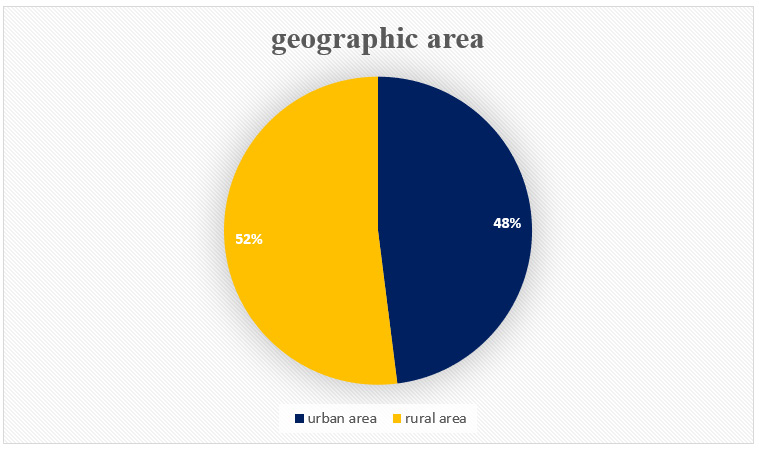
Table 1 shows the social and demographic data of the participants. Based on the results of this study, the total prevalence of asthma among men was (62%), and the most age group with asthma was 30-40 years old (42%). For the region who are residing in rural areas were aggressively affected by asthma (52%), and the prevalence of asthma among employees was (50%). Height ranged between 161- 170 and the percentage was (44%). As shown in the figures below. Table 2 depicts that the cause of asthma cases is allergies and exposure to gases and dust, which were equal at a rate of (44%), as well as the recurrence of an asthma attack every month, at a rate of (32%), and the most common treatment used is SYMBICORT, at a rate of (38%). The attack lasts for an hour (72%), and most people with asthma attacks are non-smokers (60%). Most of the affected people do not work (36%), and the response rate to treatment was very high (82%). Table 3 shows the relationship between the frequency of an asthma attack and the length of the attack. The results showed that the length of the asthma attack is an hour w.r.t every month and the rate is (26%), with no significant difference between the frequency of the attack and the length of the attack (p-value = 0.287). Table 4 shows the relationship between allergies and the recurrence of an asthma attack. The results showed that people with allergic asthma every month with a percentage of (31.8%) & no statistically noteworthy difference between the cause of asthma (allergy) and the recurrence of the attack (P value = 0.779). Table 5 shows the relationship between response to treatment and recurrence of an asthma attack. There are statistically significant differences between response to treatment and recurrence of an attack (p value = 0.020) (Figures 1-3).
Table 1: Study sample demo graphic data.

Table 2: Medical data sample study.
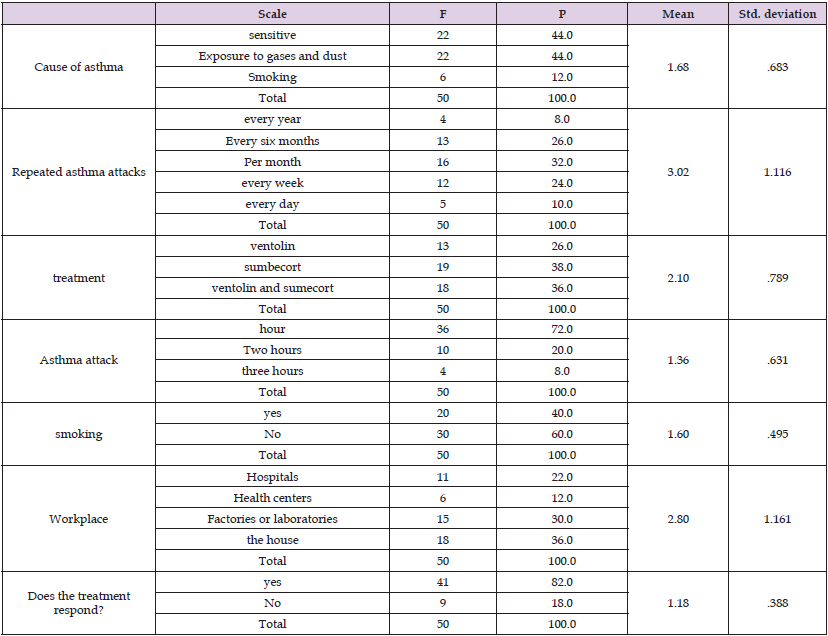
Table 3: The relationship between asthma attack frequency and attack length.

Table 4: The relationship between sensitive and asthma attack frequency.

Table 5: The relationship between response to treatment and frequency of repentance.
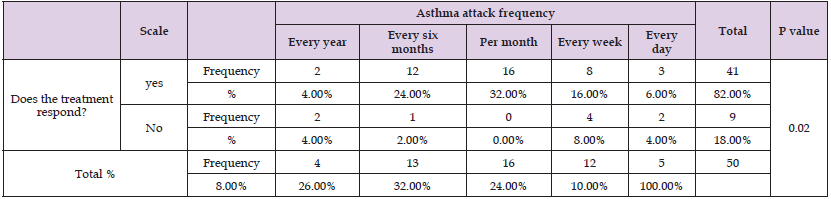
Figure 1: Shows the gender of sample.
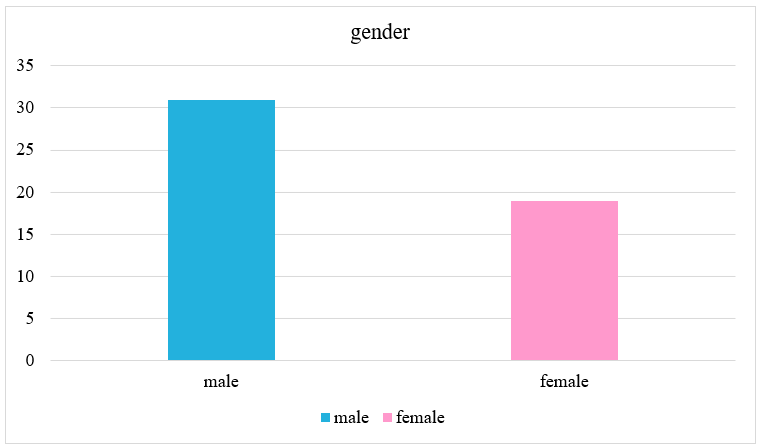
Figure 2: Shows the age groups.
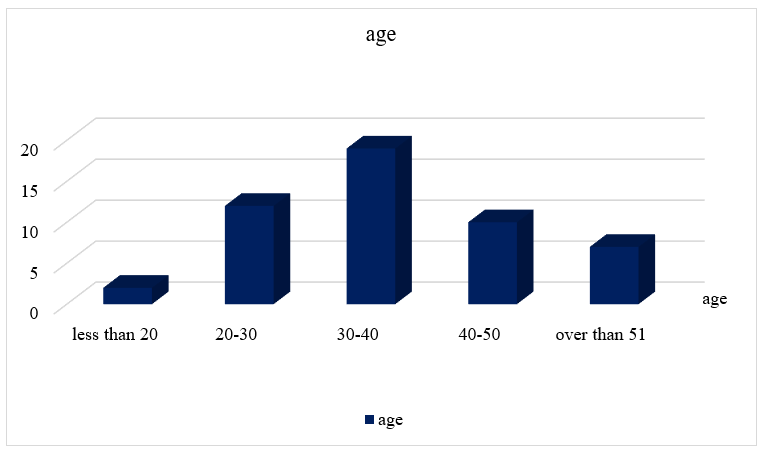
Figure 3: Shows the geographic area.
This study was conducted to evaluate the prevalence of asthma and the extent of response to treatment in Dhi Qar Governorate. Our aim for asthma management is to make early diagnosis and to achieve a prompt control of symptoms in order to reduce the risk of future exacerbations and progressive loss of lung functioning (Ullmann N, et al. [23]). Several studies have reported sex-based differences in asthma prevalence worldwide (JG Zein, SC Erzurum [24, 25]). Although multiple gestations and the role of sex hormones in asthma genesis can explain these differences, no single mechanism can explain the sex-based differences and the impact of sex hormones on the pathophysiology of asthma (Asthma and allergy [26]). In this study, the prevalence of asthma in the age groups 30-40 years was (42%) (Law M, et al. [27]). The European study has reported that CRS was associated positively with adult-onset and negatively with childhood-onset of asthma (Jarvis D, et al. [28]). The common risk factors accounting for the prevalence of this disease includes genetic predisposition, environmental pollution, viral infection, family history of allergy, asthma and cigarette smoking. Regarding the risk factors that affect the prevalence of asthma, more standard and carefully designed studies are needed in the future in the region.
For instance, the effect of environmental pollution on the prevalence of asthma should be examined by comparing the prevalence of the disease in area with and without a specific environmental pollution or accompanied with drug allergy or hepatic drugs toxicity which lead to asthma (Najim aJ Al Awwadi, et al. [29]). In our study, regarding the factors causing asthma exacerbation, there is no high statistically significant relationship between patients exposed to allergens (P value was 0.779). There was a statistically significant relationship between patients who responded to treatment and asthma attack recurrence (P value is 0.020). The study conducted is in line with study conducted by Mahboub BH and others on 1,220 patients who reported that there is a statistically significant relationship between the recurrence of asthma attack and response to treatment (Mahboub BH, et al. [30,31]).
1. Asthma is still a highly prevalent chronic disease that contributes to the national and global burden of disease.
2. The high prevalence of asthma in Dhi Qar Governorate can be attributed to the high incidence of allergies resulting from dust storms, the occurrence of respiratory crises, and recurring thunderstorm asthma in recent years.
3. In this study, the prevalence of asthma in males was higher than in females, whose ages ranged between 30-40 years, at a rate of (38%).
4. There was a statistically significant relationship between response to treatment and recurrence of asthma attacks (p value <0.05).
5. The frequency of asthma attacks per month was (32%), and the length of the attacks was one hour (72%).
1. This phenomenon requires more attention and planning by health authorities and policymakers at the primary prevention level, including environmental measures to prevent asthma and reduce the burden of asthma in the coming years.
2. Given the high prevalence of chemoprophylaxis as a medical treatment in people predisposed to asthma (rhinitis, increased airway sensitivity), attention may also be given to asthma prevention.
3. Surveillance studies are necessary to monitor trends in asthma prevalence in this governorate.
4. There is a need for comprehensive educational programs for healthcare professionals as well as patients and their families in terms of early diagnosis and appropriate follow-up plan for adults diagnosed with asthma.
5. Regular monitoring and periodic reporting of the prevalence and severity of asthma symptoms and their related risk factors will provide reliable information for health authorities to improve health care and develop asthma control and prevent interventions.

International Association of Landscape Archaeology, Czech Glass Society, Czech Republic

Department of Chemistry, Semenov Institute of Chemical Physics, USSR Academy of Sciences, Moscow, Russia

Department of Educational Sciences, Research Centre Qualities of Teachers, School of Education – HAN, Nijmegen, Netherlands

Associate Professor at Department of Breast and Thyorid Surgey, Chongqing General Hospital, China

Neurology, LA BioMed Research Institute, USA





 Abstract
 PDF
PDF



























