info@biomedres.us
+1 (502) 904-2126
One Westbrook Corporate Center, Suite 300, Westchester, IL 60154, USA
Site Map
 ISSN: 2574 -1241
ISSN: 2574 -1241
ISSN: 2574 -1241
Received: August 12, 2024; Published: August 27, 2024
*Corresponding author: Misbah Ullah Khan, Centre for Nanosciences, University of Okara, Okara 56130 Pakistan
DOI: 10.26717/BJSTR.2024.58.009151
Various industries release their effluents untreated into the water. They have reasonable concentrations of heavy metals that are poisonous or carcinogenic in nature, posing serious health risks to humans and aquatic habitats. Therefore, removal of heavy metal from wastewater is a critical issue. Adsorption technique commonly used for the removal of heavy metals from wastewater because of low cost, ecofriendly and availability Heavy metal removed from wastewater using commercial adsorbents and bio-adsorbents with excellent removal capacity. This review article tries to bring together fragmented information on many adsorbents used for heavy metal removal, with a focus on commercial and natural bio-adsorbents for the heavy metal removal such as, chromium, copper, and cadmium.
Keywords: Heavy Metals; Wastewater; Bio-Adsorbents; Aquatic Habitats; Human’s Health.
Abbreviations: USEPA: United States Environmental Protection Agency; IARC: International Agency for Research on Cancer; PPM: Parts Per Million; EDTAD: EDTA Dianhydride.
Industrial discharge contain several organic and inorganic contaminants such as heavy metals that are poisonous or carcinogenic and hazardous to human beings and other living species among these contaminants [1]. Heavy metals such as Arsenic (As), lead (Pb), chromium (Cr), zinc (Zn), nickel (Ni), copper (Cu), cadmium (Cd), and mercury (Hg) have greatest concern from diverse sectors [2]. Pigments, metal complexes dyes, insecticides, mordant, bleaching agents and some fixing agents that are used as additives in dyes to enhance dye adsorption on fiber are the source of heavy metal contamination [3]. Heavy metal limitations in wastewater are getting increasingly stringent in advanced economies [4]. For copper (Cu) chromium (Cr), cadmium (Cd), arsenic (As), nickel (Ni), mercury (Hg), zinc (Zn), and lead (Pb), the current maximum contamination level (ppm– mg/mL) in India is 0.25, 0.05, 0.01, 0.050, 0.20, 0.00003, 0.80, 0.006, respectively [5]. Adsorption, chemical oxidation, ultrafiltration, reduction, chemical precipitation, reverse osmosis, and electrodialysis techniques are most commonly used for the removal of heavy metals contamination [6]. Adsorption technique is the best and efficient technique among others, as they have various drawbacks such as, low efficiency, formation of huge concentrations of sludge, sensitive working conditions, and high dispose costs. Due to its well treated effluent quality, design flexibility, reversible process and adsorbent can be renewed, adsorption technology is potentially favored as alternative for the removal of heavy metals [7].
Nuclear power stations, leather tanning, electroplating, and/or the textile industry are all sources of chromium [8]. Chromium (VI) is an oxidizing chemical agent that is naturally carcinogenic and detrimental to animals and plants. According to Mohanty et al., chromium exposure induce lung cancer and cancer in digestive system as well as epigastria discomfort, vomiting, nausea, severe diarrhea, and bleeding [9]. Despite the fact that chromium can exist in various oxidation states, (VI) and (III) oxidation states of chromium are most common in industrial effluents. Chromium (III) is less hazardous than chromium (VI) and poses a less threat to the living beings [10]. The United States Environmental Protection Agency (USEPA) set maximum level of chromium in drinking at 0.1 parts per million (ppm) [11]. Cadmium is listed as carcinogen by the USEPA, and it create health risks and problems including bone demineralization either by direct bone destruction or through renal dysfunction [12]. Photographic industries, metal refining processes, mining, smelting, are all major producers of cadmium and classified as a Category-I carcinogen. International Agency for Research on Cancer (IARC) categorize the photographic industries, metal refining processes, mining, smelting Category-I carcinogen, main producers of cadmium and USEPA grouped as B-I carcinogen [13]. Copper is a necessary metal for enzyme synthesis, bone formation and tissue development. However, when taken in excess, copper is carcinogenic and poisonous, cause nausea, headaches, respiratory issues, vomiting, liver/kidney failure, and abdominal pain [14].
Smelting, surface finishing, electrolysis, mining processes, electric appliances, electroplating, and electric components are all the industrial source of copper and The USEPA set copper limit 1.3 ppm in industrial wastes [15]. Nickel is carcinoid metal, causes kidney/ lungs issues, intestinal upset, skin rashes, or pulmonary fibrosis in humans. Although, zinc element is necessary for human body functioning, excessive amounts cause stomach pains, skin irritations, stomach pains, anemia and vomiting [16]. Lead (Pb) is damaging to human health, causing reproductive system, brain, kidney, and liver damage [17]. Mercury disrupt the central nervous system by destroying or alternating the nerve cell functioning, it is neurotoxin therefore dangerous [18]. Mercury (Hg) can cause pulmonary or chest discomfort, and dyspnea if the concentration is surpassed. According to Mohan and Pittman, Arsenic (As) causes lungs, skin, kidney cancer, and bladder cancer as well as muscle weakness, lack of appetite or nausea [19]. Heavy metals have become a severe environmental hazard because of rigorous laws. This review paper examines the numerous commercially available adsorbents and natural bio sorbents that utilized to remove chromium, cadmium, and copper from wastewater over the last few decades. Commercial adsorbents are mass-produced on big scale, e.g., silica gel, activated carbon, alumina, but might very expensive [20].
Natural bio-adsorbents are made of biological materials and quit inexpensive, while choosing an adsorbent for the removal of heavy metal from water, cost analysis is a critical factor to consider [21]. Adsorption process costs is determined by the adsorbent's price, for example, cost of commercial activated carbon is 500rs. /kg while bio adsorbents cost between 4.4 to 36.89 rupees per kg, therefore, bio adsorbents are clearly less than commercial adsorbents [22]. To review relevant studies in this subject up to date, a comprehensive methodology used, and a final evaluation of the most efficient adsorbent(s) made.
Several commercial adsorbents and bio-adsorbents are commonly used to remove heavy metals efficiently from wastewater, some of them are showed in the Figure 1.
Figure 1

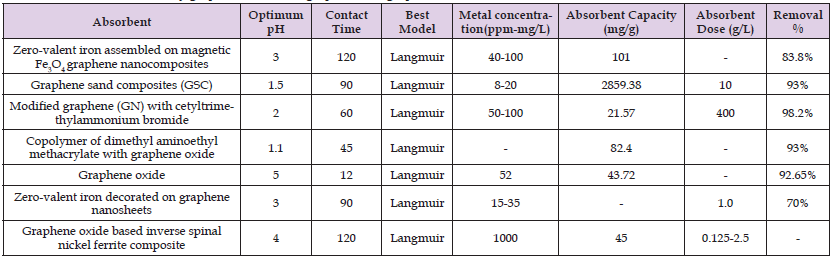
Chromium removes by using commercially available absorbent like graphene, carbon nanotubes and activated carbon shown in Figure 2. Nano particles are structured absorbents because of more surface area, increased active sites, and the functioning group present on its surface and also the nano-materials are effective adsorbents to remove heavy metal from waste-water [23]. Graphene is two-dimension carbon-based nano-material with significant chemical stability and large surface area. It available in several forms including reduce graphene oxide, virgin graphene and graphene oxide [24]. The chromium adsorption on graphene oxide discovered as both spontaneous and endothermic. Gopalakrishnan et al. used modified Hummer's process to oxidize graphene to add COOH, functional group C14O, and to the surface [25]. Their study is unique in that just 70 milligrams of graphene oxide was used for the elimination of chromium with the highest adsorption capability of 17.29mg/g that is higher than that of other magnetic adsorbents show in Table 1, such as chitosan coated MnFe2O4 nanoparticle, core-shell nanowires [26]. Fe3O4-polyethyleneimine (PEI)-montmorillonite.7.78 mg/g, 15.4mg/g, and 8.8mg/g, respectively. The graphene-related research that has done summarized.
Figure 2
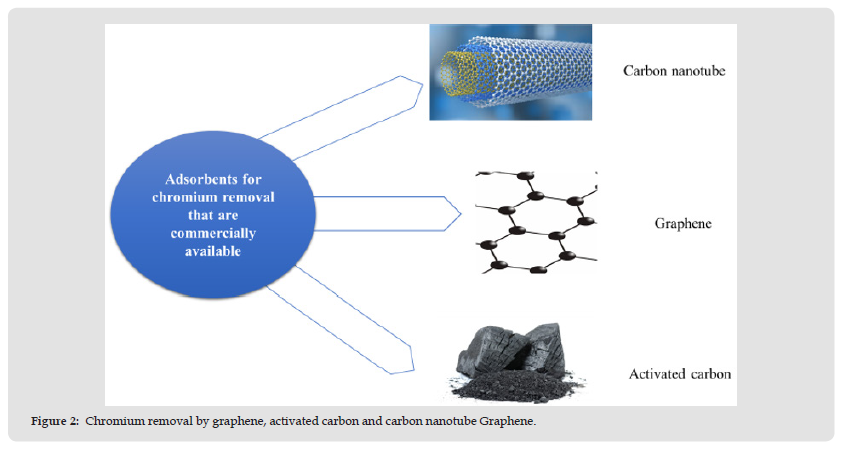
Table 1: Chromium removal by graphene, modified graphine and graphine oxide as an absorbent.
In the year 2000, modern industries began producing active carbon. During the years 1900–1901, it used to substitute bone-char in sugar refining business. In the early nineteenth century, crushed activated carbon was commercially produced first time in Europe, utilising wood raw material [27]. Any carbon rich material can be used to make activated carbon due to its fine porous structures and a large internal adsorption surface area [28]. Activated carbon is an excellent adsorbent for the removal of chromium from wastewater. However, due to the high cost of activated carbon from coal, its usage has been limited, and the scientists have been trying to convert inexpensive agriculture waste in to activated carbon. hazelnut shell activated carbon, wood activated carbon, grape stalk, sugarcane bagasse, viticulture industry wastes, lex, pomace, coconut tree sawdust, coconut shell, used activated carbon generated from rubber wood sawdust to remove chromium from wastewater, achieving maximum adsorption capacity i.e., 44 mg/g at an optimal pH 2 [29]. When compared to other studies, their maximum adsorption capacity was higher [30]. Once triggered moso bamboo and/or twice-activated moso bamboo have lower removal efficiency. Because the average pore diameter of bamboo is 20–77 percent smaller than that of other plants, it can be reduced by 20–77percent [31]. Mesopores were mesopores with a diameter of less than 2 nm and a diameter of less than 2nm. Kobya, use hazelnut shell to make activated carbon and the greatest adsorption capacity was 170 mg/g at a pH 1. That is greater than the adsorption pH of other adsorbent ability i.e., wood activated carbon from types and activated carbon from coconut shell 58.5 mg/g, that is 87.6 mg/g. 107.1 mg/g respectively [32] shown in Table 2.
Table 2: Removal of chromium using activated carbon as absorbent.

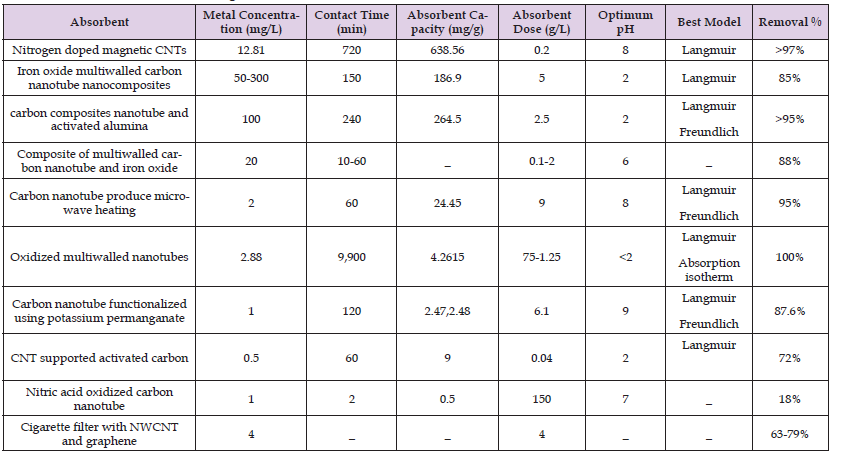
Because of their adsorption property, huge surface area, developed mesopores, outstanding mechanical and electrical capabilities, and chemical stability carbon nanotubes are effective adsorbents to remove heavy metal from water [33]. Chemical treatment can also use to improve adsorption capacity, Hu et al. used oxidized multi-walled carbon nanotubes to remove chromium, achieving 100 percent removal at optimal pH of 2.88 [34]. Gupta et al. integrated multi walled carbon nanotubes' adsorptive properties with Fe oxide's magnetic properties [35]. Advantages of the composite include a large surface area, the ability to manage and remove contaminants from the medium by utilizing a simple magnetic technique. At pH 6, a maximum elimination of 88 percent achieved. For chromium elimination, Luo et al. produced multi-walled carbon nanotube nano composites consist of manganese dioxide-iron oxide-acid oxidized [36]. Due to high capacity of adsorption, manganese dioxide is an effective scavenge of aqueous trace metals. However, pure manganese dioxide is not recommended due to its expensiveness and unfavorable chemical and physical properties [37]. At an ideal pH of 2, the aforementioned nanocomposite had maximum capacity of adsorption as 186.9 mg/g and maximum removal as 85 percent [38]. Mubarak et al. (b) used nitric acid (HNO3) and potassium permagnate (KMnO4) in a 3:1 volume ratio to functionalize carbon nanotubes for chromium removal and compared to removal capability to non-functionalized carbon nanotubes [39].
He discovered that functionalized carbon nanotubes had a maximum adsorption capacity of 2.517 mg/g, and/or non-functionalized carbon nanotubes had a capacity of 2.49 mg/g, and that functionalized carbon nanotubes had a higher removal capacity (87.6%) than non-functionalized carbon nanotubes (83 percent). Mubarak et al. used microwave heating to make carbon nanotubes for a study comparing chromium removal to another heavy metal lead (Pb) [39]. Microwave heating produces a rapid and uniformed heating rate, which speeds up the reaction and increases the yield [40]. At an ideal pH of 8, a maximum capacity of adsorption for chromium was 24.45 mg/g, with a removal efficiency of 95%. The documented use of carbon nanotubes for the removal of chromium (Cr) from waste-water [41] is summarized in Table 3.
Table 3: Removal of chromium utilizing carbon nanotubes as absorbent.
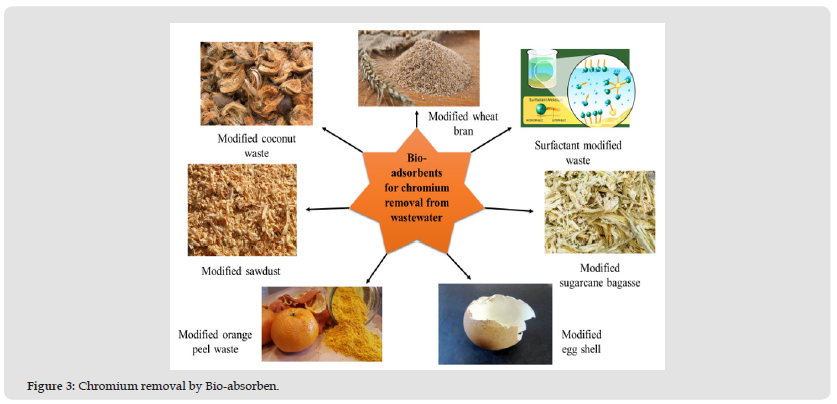
Chromium removes from wastewater by different bio-absorbent such as modified coconut waste, wheat bran, surfactant waste, sawdust, sugarcane bagasse, modified orange peel, and eggshell all shown in Figure 3.
Figure 3
Surfactants have used to modify a variety of agricultural wastes. Surfactants are the compounds that include both lyophilic and lyophobic groups and can form self-associating clusters and it can be anionic, cationic, bears no charge, and/or can be zwitterion based on nature of its hydrophilic groups; due to significant properties surfactant modified adsorbents are better in chromium removal and enhance selective adsorption [42]. The surfactant cetyltrimethyl ammonium bromide was used to modify crush powder carbon manufactured from Moringa oleifera pods and husks [43]. It was observed that, at an optimal pH of 8, this technique enhanced the crush powder carbon removal efficiency, and adsorption capacity (27 mg/g) [44]. Namasivayam & Sureshkumar used hexa-decyltrimethyl ammonium-bromide surfactant that improve chromium removal effectiveness from coconut coir pith [45]. At optimum pH (2), they reported a highest adsorption capacity about 76.3mg/g. Table 4 explain the chromium removal through an absorbent that are surfactant modified waste.
Table 4: Surfactant modified waste used to remove chromium as absorbent.

Sugarcane bagasse produced from agricultural wastes that made up of 5% lignin, 50% cellulose, and 27% polyposis. Sugarcane bagasse enriched with phenolic and hydroxyl groups therefore these chemical functional groups from biological polymers can be chemically changed to increase adsorption capability [46]. Bagasse made from fibrous material resting over after crushing and extracting the juice from sugarcane stalks. Sugarcane bagasse made up from the inner pith and outer rind of sugarcane and has utilized in its modified and natural forms. In sugarcane bagasse, Ahmad et al. reported that chromium can be removed by using the Acinetobacter haemolyticus [47], a chromium-resistant reducing bacteria; this bacteria changes Cr (VI) to Cr (III), that is less poisonous than Cr (VI), and more than 90% removal was achieved. EDTA dianhydride (EDTAD), pyromellitic anhydride, sulphuric acid (H2SO4), Succinic anhydride, sodium bicarbonate, xanthate, citric acid, ethylenediamine, and other chemicals used to modify sugarcane bagasse. Because these acids are effective chelating agents, they polymerized with sugarcane bagasse to increase number of chelating sites or aid in removal of heavy metal from wastewater. According to a report Garg et al. employed succinic acid to modify sugarcane bagass, reporting a clearance rate of 92 percent at an optimal pH of 2 and in another research [41], Cronje et al. reported >87 percent chromium removal by activating sugarcane bagass along zinc chloride, with an optimal pH of 8.58. The documented usage of sugarcane bagasse as a chromium adsorbent summarize in Table 5.
Table 5: Sugarcane bagasse as absorbent to remove chromium.

Wheat bran byproduct of agriculture from flourmills that remove heavy metals. It is cost-effective, biodegradable, and contains a variety of nutrients, including fatty acid, protein, dietary fibers, and minerals. It has diversity of organic functional groups and surface area 441 m2/g with fixed carbon concentration 31.78%, it has several functional groups that can bind heavy metals, including carbonyl, phenolic hydroxyl and methoxy [48]. Farajzadeh and Monji revealed that wheat bran can remove chromium with maximal adsorption 93 mg/g and 89% removal rate. Wheat bran changed to boost elimination capability by adding various acids [49]. Thermochemical interaction among acids and wheat bran increased by temperature, used sulphuric acid to modify wheat bran, and displayed chromium removal through adsorption 133 mg/g at ideal pH 1.5. At pH2, tartaric acid utilized to modify wheat bran, resulting in a 51% removal without alteration and a 90 percent removal after alteration. At pH 2.2, the highest adsorption was measured 4.53 mg/g for Cr (VI) without change and 5.28 mg/g of Cr (VI) with change [50]. Table 6 summarizes the reports on the use of wheat bran modification as chromium adsorbent.
Table 6: Wheat bran used as absorbent for removing of chromium.

Coconut trash employed as adsorbent of chromium-removal. Because of the presence of, it has sorption characteristics, and consists of functional groups including carboxyl and hydroxyl, pith and coir from coconuts. Shells are coconut wastes that can use for removal of heavy metals. A delicate, fluffy biomaterial is coir pith that produced from coconut husks. During the coconut husk fiber extraction procedure (Namasivayam and Sureshkumar) Particularly noteworthy is the figure of 7.5 million [51]. In India, tones of coconut produced each year (Chadha). The raw cellulose content of coir pith is 35%, with 1.8 percent fats. 8.7% ash content, 25.2% resin or lignin, 7.5% pentosans, 25.2 percent lignin and resin, 25.2 percent lignin and resin, 25.2 percent lignin and resin, 25.2 percent Moisture content of 11.9 percent and other compounds of 10.6 percent (Dan) [51]. Modified coir by Namasivayam and Sureshkumar for chromium removal, the surfactant hexadecyltrimethylammonium bromide used. At an optimal pH of 2, the highest removal achieved with this material was found to be greater than 90%, and absorption capacity is 76.3 mg/g. This shows that capacity of absorption after alteration was significantly higher. Similarly, Shen et al. used coconut coir and generated char to remove chromium and indicated maximum reduction about 70% [52]. As an adsorbent for the elimination of chromium, modified coconut waste described in Table 7.
Table 7: Coconut waste used as absorbent for chromium removal.

Orange peel waste act as absorbent for chromium removal because orange peel includes hemicellulose, lignin, cellulose and pectin [53]. Coordinating functional groups, like phenolic and carboxylic acid groups, are also present in these components and can bind with heavy metals. Orange peel is a desirable adsorbent since it is readily available and affordable. Marn investigated into three main functional group (carbonyl, amine and hydroxyl) affect the removal of chromium by chemically modifying bio adsorbent through methylation acetylation, and esterification specifically inhibit functional groups. As a result, isomerization reduced capacity of removing, indicating carboxylic groups and amines as adsorbent that are crucial for removing of chromium [54]. Adsorption capacity and removing percent found in percentage of single phase (chromium alone) was 51%, and 4.79 mg/g, compared to 79 percent and 7.60 mg/g in binary system (iron and chromium). By incorporating iron nanoparticles into orange peel, López Téllez et al. were able to eliminate chromium. The proportion of this composite was discovered to be the adsorption and elimination capacities were 5.37 mg/g at 71%, respectively compared to pure orange peel, which would be 34 percent higher at 1.90 mg/g Table 8 summarizes the findings, using orange peel waste for chromium removal an adsorbent [55].
Table 8: Orange peel waste used as absorbent for chromium removal.

Sawdust is byproduct that produce in huge quantities from solid waste in sawmills. It is mostly made-up cellulose and lignin. Heavy metals can removed by using sawdust as adsorbent, with effective results. Sanding, grinding, Cutting, drilling, and pulverizing wood with saw and other equipment that create small wood particles [56]. Argun et al. used modified oak sawdust treated with hydrochloric acid to remove chromium. This treatment enhances fraction active surfaces while also preventing tannin compounds from evaporating and staining the treated wastewater. The optimum pH is 3 at Cr (VI) remove with greatest efficiency, about 84 %, while adsorption capacity of chromium was 1.70 mg/g. Politi & Sidiras noted a maximum capacity is 20.3 mg/g, 86 percent removal rate at pH 2 using pine sawdust that had been subjected to a 0.11–3.6 N sulphuric acid treatment [39]. Table 9 summarizes reported usage modified sawdust as chromium adsorbent in wastewater treatment.
Table 9: Sawdust used as absorbent for chromium removal.

Despite the fact that chicken eggs are a common everyday staple around the world, they also pose a threat to the ecosystem. In United States, approximately 150,000 tons material is disposed in landfills every year. The mechanical properties of eggshell are exceptional, such as impact resistance, excellent combination of stiffness, toughness, and strength. 95 percent calcium carbonate (two crystal: rhombohedral aragonite and hexagonal calcite), make up 5% organic components. Proteins with amide and amine groups on eggshell surface, may serve as a source of a hardening agent, which strengthens adsorbent and has attraction for chromium. In both modified and unmodified forms, eggshells have been used to remove chromium from water. Calcination at high temperatures used to modify the material. The structure of egg shell changes during carbonization process, due to pores formation brought on by production of carbon dioxide (CO2) gas [57]. Egg shell used to remove chromium, with 93% removal rate at optimal pH 5, while adsorption capacity 1.45 mg/g [58]. PEI used by Liu and Huang to modify eggshell. Through cross-linking interactions between distinct functional groups, PEI functionalizes ESM (eggshell membrane). At an ideal pH 3, PEI-ESM absorption capacity increased by 105% in comparison to the unaltered egg shell, with total removal of 90% and highest adsorption capacity is 160 mg/g. Table 10 provides an overview of the usage of altered egg shell as adsorbent to remove chromium from wastewater [39]. Commercially developed adsorbents for wastewater cadmium removal Cadmium remove by using commercially available absorbent from waste water including mesoporous silica, zeolite, red mud, and chitosan were showing in Figure 4.
Figure 4
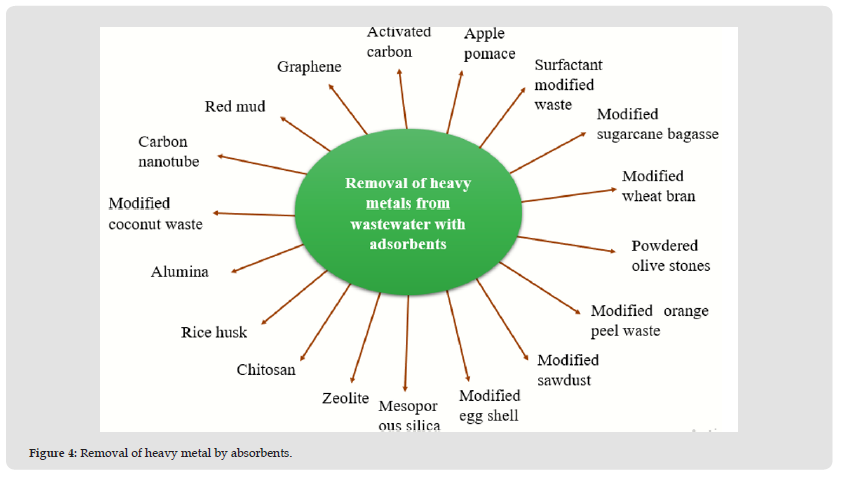
Table 10: Chromium removal by modified eggshell as absorbent.

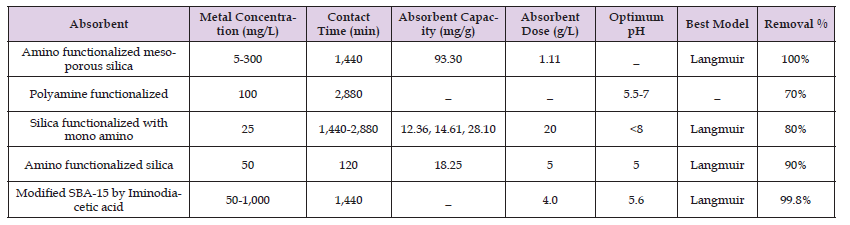
Mesoporous silica is an organized material that has a regular two-dimensional hexagonal network of channels. Mesoporous silica is efficient at removing cadmium due to its large surface area and pore size (2–10 nm). Chemical modifications to mesoporous silica can include amino-carbonyl, sulfonic acid, and carboxylic acid groups. Javadian created polypyrene type mesoporous silica for removal of cadmium (99.2%) at ideal pH. 8, while SBA-15 silica was functionalized by ethylenediamine. two-dimensional arrangement of channels in organized substance SBA-15 has pores diameters ranging from 7 to 10 nanometers. At pH. >4.5, elimination discovered to be 98%. Chromium also removed from wastewater using mesoporous pore silica that had functionalized and by functionalized by mercaptopropyl and aminopropyl. When amorphous silica and silica were modified with 2-meracaptopyridine having absorption capacity 97 mg/g and 205 mg/g while researchers obtain absorption 43.16 mg/g for chromium [59]. Table 11 lists the available information on mesoporous silica ability to remove chromium from wastewater.
Table 11: Chromium removal by mesoporous silica as absorbent.
Chitosan found naturally as polysaccharides, is produced by chitosan through N-deacetylation and present in crustaceans [60]. it is most powerful absorbents for heavy metal elimination, its readily derivative, biodegradable, cheap and hydrophilic. It has hydroxyl and amino groups, which can combine with heavy metals to produce chelates, it has advantage of being affordable, but it also has drawbacks such as soluble in acidic environment, mechanically feeble, and potentially leaking carbohydrates during utilized as its raw form. Chitosan has stabilized using cross-linking agents; however, this has reduced its ability to adsorb. 'Ion imprint technique.' used to achieve better adsorption capacity and stability. The goal of this study is to develop a novel adsorbent for the removal of cadmium, a chitosan/TiO2 composite treated with thiourea to imprint magnetic ions. At an ideal pH of 7, this material's highest adsorption capability was estimated 256.41 mg/g. Coating method employing ceramic alumina has also been used to alter chitosan. Coating makes binding sites more accessible and improves mechanical stability. At optimum pH 6, the highest adsorption was estimated 108.7 mg/g, with highest removing ability 93.76%. Chitosan coated using activated carbon had a 52.63 mg/g adsorption capacity with 100% removal at ideal pH of 6 [61]. Table 12 shows heavy metal removal statistics from wastewater using chitosan as adsorbent.
Table 12: Chromium remove by chitosan used as absorbent.

Zeolite is most effective absorbent for removing of cadmium, because it made from hydrated interconnected tetrahedral of silica and alumina, strong ion exchange properties, hydrophilic in nature and large surface area [62]. Modified zeolite has greater capacity than native zeolite. Many techniques can used to modify zeolite, for example, nanosized zeolite has accessible pores, making it better suited to heavy metal removal. NaX nano zeolite is a frequently used nanosized zeolite adsorbent (H2O: SiO2: Al2O3: Na2O molar ratio 190: 4.0: 1.0: 5.5 respectively) for removing of cadmium. Microwave heating method used to synthesize NaX nano-zeolite, electro spun polyvinyl acetate polymer and then evaluated cadmium potential for composite nanofibers. At ideal pH 5, removal rate was 838.7 mg/g, with an 80 percent removal rate. Choi et al. changed zeolite by substituting exchangeable positive charge including potassium, sodium, calcium and magnesium, or for Si (IV)-Al (III) sites lattice, due to the negative charge [62]. When compared to non-modified adsorbents, zeolite modified with magnesium has several benefits, such as low cost, huge pore size (40-50 nm), non-toxicity, and abundance. At an optimal pH of 7, this Mg-modified adsorbent removes more than 98 percent of cadmium. Furthermore, Mg zeolite's adsorption capacity was shown 1.5 times greater than zeolite that modified with potassium (K) and sodium (Na), and greater than natural zeolite by 1.5–2.0 times. Many businesses utilize coal as a fuel, but as a byproduct, fly ash produced which pollutes the environment and presents disposal challenges.
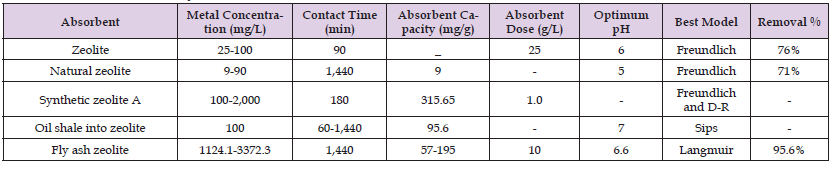
Due to its low cost, fly ash can utilized for the hydrothermal process to create zeolite. Fly as was transformed by javadian, into an absorbent that is amorphous alum silicate having potential for cadmium absorption is 26.246 mg/g at an ideal pH. of 5 and 84% removal rate. Visa used a hydrothermal technique with sodium hydroxide to transform fly ash into zeolite for cadmium removal [63]. The researchers discovered that at an optimal pH of 7-8, this product eliminates more than 80% of cadmium due to its high surface area and abundance of micropores. Table 13 explains the removal of cadmium through zeolite parameters.
Table 13: Chromium removal by zeolite as absorbent.
Gupta and Sharma describe red mud as a byproduct of aluminum industry that can be used as absorbent to remove cadmium from wastewater. Red mud has the benefits of being affordable and accessible as well as having a high capacity to remove cadmium; however, it has a few disadvantages, including the challenge of dealing with wastewater produced during red mud activation prior to application and the challenge of red mud renewal after application [64]. Red mud, on the other hand, Zhu et al. created red mud a new adsorbent that remove cadmium [65]. It found that the adsorption mechanism against granular red mud is endothermic and spontaneous in nature 52.1mg/g maximum adsorption capacity. PH levels of 3 to 6 have reported. Gupta and Sharma, on the other hand, also employed red mud that remove cadmium from contaminated wastewater, with 100% removal achieved the lowest level. 1:78-105 to 1:78-104 Molar concentration, while 60. At the greater concentration, 65 percent elimination achieved. (1:78 104 to 1:78 103 Molar) at the ideal pH between four and five Ma et al. employed a CaCO3-dominated model. Mud that is red (containing CaCO3) during cadmium removal from contaminated wastewater, the heavy metals enhanced degree of saturation at binding site from particle of red mud, while percentage of HCH3COO-extractable metal [66].
Bio-absorbent use to remove cadmium from waste water including apple pomace, powered olive stones, rice husk, and coffee residue shown in Figure 2.
Coffee grounds have found to be an effective adsorbent for removing cadmium from wastewater. As an example, Coffee residues were employed by Boonamnuayvitaya et al. Cadmium remove by clay mixing to make an adsorbent give negative charge that facilitates cadmium elimination, removal and complexation adsorbent is made up of amine group, carboxyl and hydroxyl [67] (Figure 5). Features of 500W pyrolysis (temperature) offers a particle size and a maximum adsorption capacity) 4mm in diameter a proportion of coffee residue to total weight. The best acceptable clay blend found to be 80:20. Oliveira et al. used coffee husks as part of their research. The maximal adsorption capacity of this material observed to 6.9 mg/g, at optimal pH 4 by clearance rate 65–85%. Some researchers made an adsorbent by coffee beans, soaking and degreasing in methanol and water. The ready-made with 90% efficiency, coffee beans material functioned as exchange of cation. pH 8 is the best pH for removal. At an optimal concentration of 15.65 mg/g, more than 80% of the substance is removed [68]. A pH of7 all data on cadmium removal shown in Table 14. Coffee residue used as an absorbent (Figure 6).
Figure 5

Figure 6
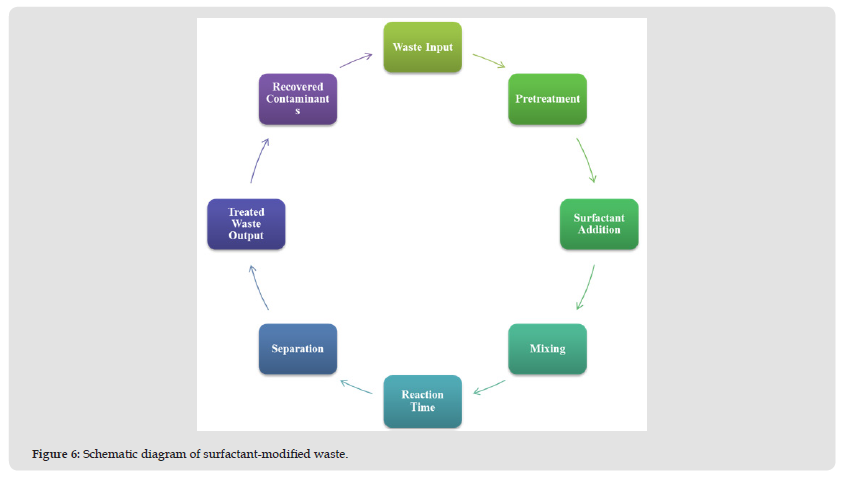
Table 14: Chromium removal by coffee residue as absorbent.

Rice husk is byproduct in rice factory that rich in silica, cellulose, lignin, hemicellulose and mineral. It consists of different groups that favorable for cadmium coordination and elimination include –Si-H, Si-O-Si, and -OH, because it is inexpensive and readily available, it could be beneficial as a cadmium adsorbent [39] (Figure 7). The basic chemicals used for rice husk modification and increase absorption capacity are sodium carbonate, epichlorohydrin, and sodium hydroxide. Rice hulls changed by stirring it continuously through sodium hydroxide at least 24 hours and observe that it had a cadmium adsorption capacity of modified rice hulls is 125.94 mg/g, that was greater than nonmodified rice hulls. Rice husk that has been treated at an ideal pH of 12, show maximum removal at 99% was observed using phosphate. Srivastava and colleagues used pore area of mesoporous rice hulls about 80% (percentage of unoccupied rice husk area) and described as 23.3% reduction in cadmium, as well as several other metals. Heavy metals at ideal pH 6, grafted with polyacrylamide rice husk to removal of cadmium, and 85% cadmium removed. A pH of 9 was found to be optimal, Table 15 summarizes the findings, the removal limits for cadmium sequestration, and rice husk is used in this recipe [58] (Figure 8).
Figure 7
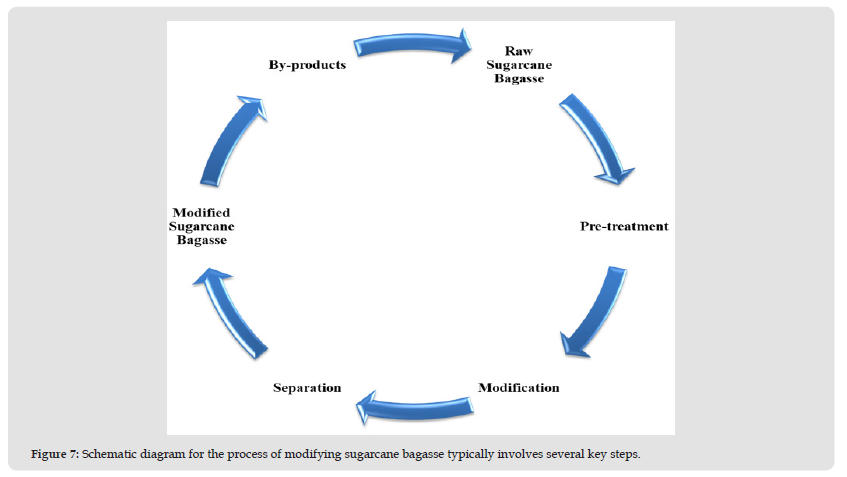
Figure 8
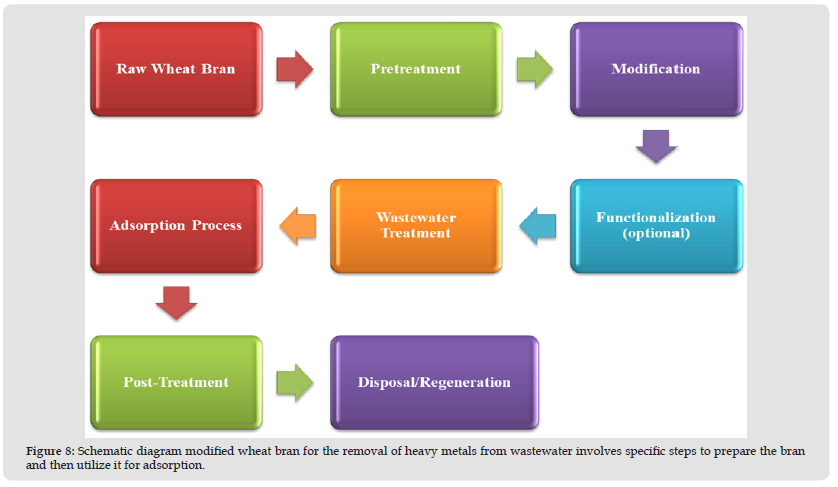
Table 15: Chromium removal by rice husk as absorbent.

Apple pomace, a byproduct in apple juice factories, is frequently dumped in huge amount at industrial site [69]. According Chand, apple (solid leftover part) comprises 95% flesh (wt. %), 2–4% seed (wt.%), and 1% (wt.%) stem. The solid residual fraction of the apple obtained after processing known as apple pomace. Apple pomace a term us for solid portion of apple that remains after process. Quercetin-3-galactoside (1.61g/kg), caffeic acid (0.28 g/kg), phloretin-20-xyloglucoside (0.17g/kg), 3-hydroxyphloridzin (0.27 g/kg), epicatechin (0.64 g/kg), and phlorizin (1.42 g/kg), make whole apple pomaces from 7.24 g kg1, due to carbonyl group, amine and polyphenols apple pomace function as metal chelator [39] (Figure 9). Surface area of material increases by chemically modifying apple pomace through succinic anhydride using a straightforward ring opening method but different reports indicates that when less amount of apple pomace used as absorbent then surface area increases 16% [58]. At ideal pH of 4, adsorption capacity of non-modified apple pomace is 4.45mg/g that 20 times less than modified apple pomace capacity which is 91.74mg/g, due to this 70% removal done with non-modified form while 90% with modified form. In related investigation, some researchers added xanthate moiety to apple pomace that produce an adsorbent. At ideal pH of 4, it was observed that maximum absorption capacity of xanthate was 112.35mg/g, while removal capacity was 99.7%. According to this investigation, chemically altered apple pomace with xanthate remove high amount of cadmium than succinic anhydride. Table 16 displays data on cadmium removal from apple pomace when used as an adsorbent (Figure 10).
Figure 9
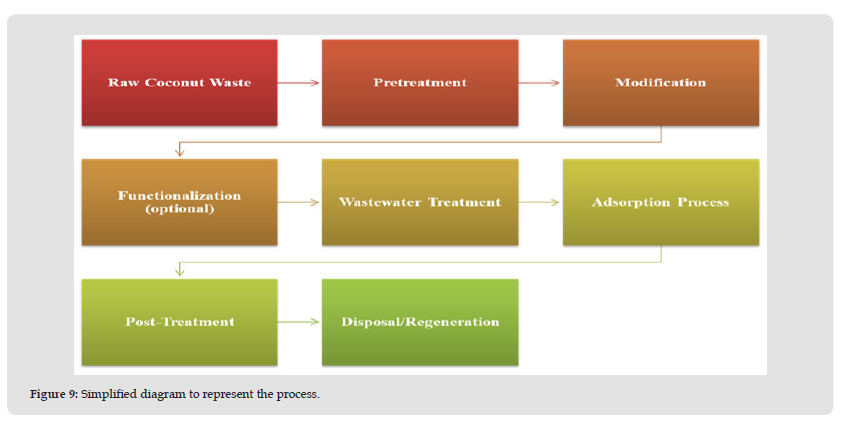
Figure 10

Table 16: Apple pomaces remove chromium as absorbent.

Olive stone are by product of oleic industry that present in countries that produce olive oil and has potential to use as absorbents for cadmium removal [70] (Figure 11). Olive stone mixed with succinic anhydride, sodium hydroxide, nitric acid and sulphuric acid to increase absorption. Olive stone chemically functionalized by adding succinic anhydride to succinate moieties which have strong attachment for cadmium [70]. This absorbent prepared by addition of succinic anhydride with lignocellulosic matrix in basic medium treated with toluene. This substance has absorption capacity 200 mg/g at ideal pH 4, while maximum capacity of olive stone reported 128.2 mg/g. Aziz et al used concentrated sulphuric acid for handling of olive stone and neutralized with sodium hydroxide (NaOH 0.1N). Blazquez treated olive stones with different parameters to observe the removal rate of cadmium. However, it was observed that at ideal pH 11, removal capabilities of particles rise up to 90% and maximum capacity of absorption reached about 20 minutes, which is greater than equilibrium time that attained during removal of cadmium used olive stones made by olive cake and zncl2 [71] (Figure 12). Olive stone can converted into activated carbon by using H2O2, H3PO4, and ZNCl2 that increase absorbent surface area and pore distribution.
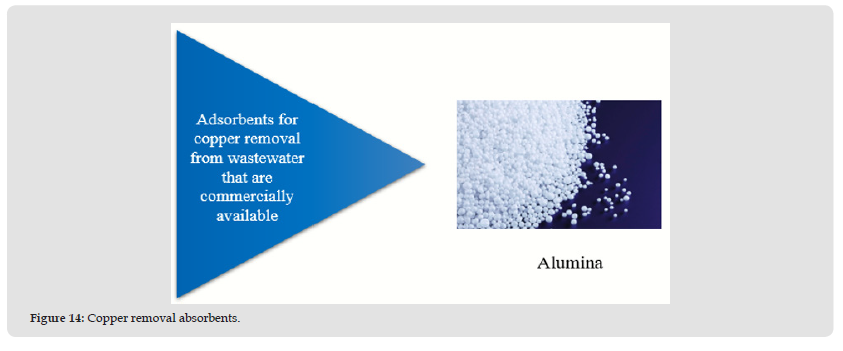
Kula et al. Used zinc chloride (20%) as activating agent for removal of cadmium and discovered that 90% cadmium remove as compare to untreated olive stone containing optimum pH of 9, which is shown in Table 17. Obregon Valencia observed that activated carbon is prepared from olive fruit stone and carbon aquaje with sulphuric acid solution having absorption capacities 9.01 mg/g and 8.14 mg/g and remove cadmium 68% and 61% respectively [39]. Adsorbents for copper removal from wastewater that commercially available A commercially available absorbent called alumina shown in Figure 3 to remove copper from wastewater.
Figure 11

Figure 12

Table 17: Chromium removal by using powered olive stone as an absorbent.

Several authors have used alumina to remove copper from waste water, by loading alumina nanoparticles into cation exchange for removal of nickel and copper [72]. Nanoparticle is absorbent due to abundance of metal coordination sites that use in Freundlich isomerism due to its adsorption capacity 31.3mg/g for copper removal. Using a phase inversion technique, Ghaemi created matrix membrane containing different concentration of alumina nanoparticles and pes (polyether sulfone). Matrix membrane has higher water permeability when compare with pure pes membrane that added small nanoparticles due to this increase hydrophilicity and porosity. Porosity and hydrophilicity rise because of this. In comparison to the pes membrane, the mixed matrix membrane has demonstrated to remove 60% of copper from wastewater (around 25 percent). Mahmoud removed copper from waste water by using three alumina absorbent that were basic, acidic and neutral in nature and its surface was changed by adding 1-nitroso-2-napthol as cation [39]. After modification, alumina absorbent is more resistant to heat degradation and acid leaching. The adsorption capacities of basic alumina were 28.59 mg/g, neutral 28.58 mg/g and acidic 27.96 mg/g. Traditional slides including silica, clay and fly ash have non-uniform pores with hardly any absorption potential. Rengraj et al. developed protonated mesoporous and animated alumina for removal of copper [73]. In traditional materials, mesoporous alumina provides number of advantages including constant size distribution, high stability, large surface area, capacity to absorb metal and sponge like pore structure. The porous capacity of protonated silica is 14.5349 mg/g that compare with animated alumina 7.9239 mg/g, maximum absorption observed in alumina due to hydrogen and copper ions that present between ion exchange.
Many factors influence the effectiveness of adsorbents during heavy metal removal from wastewater including pH, stirring speed, temperature, initial concentration, contact time and adsorbent dosage [74]. The removal of heavy metal percentage increase as stirring speed, initial concentration, contact time, temperature and adsorbent dose increases [75].
The bio-adsorbents employed to remove chromium, cadmium, and copper in this review paper are low-cost adsorbents that can used in place of commercially available adsorbents. In different experiments, it has found that removing heavy metal increase effectiveness of wastewater after modification. However, research in this field still in progress but recent research used regenerate absorbents; commercialize absorbents and modification (less heat, base and acid) to improve bio-absorbents. Furthermore, wastewater has large amount of chemicals and absorbents due to this it become challenges to maintain pH during removal of heavy metal.
This article demonstrates the potential of heavy metal removal such as, copper, chromium, cadmium from wastewater by commercial and agricultural adsorbents. Removal of heavy metal from wastewater has been explored using a variety of adsorbents; Graphene sand composite (2,859.38 mg/g), activated alumina and carbon nanotubes composite (264.5 mg/g), and PEI functionalized eggs shell (160 mg/g) for chromium are some adsorbents that shows maximize adsorption capabilities. Alpha-ketoglutaric acid-modified magnetic chitosan (201.2 mg/g), green coconut shell powder (285.7 mg/g), electrospun nanofibre membrane of PEO/chitosan (248.1 mg/g), NaX nanozeolite (838.7 mg/g), succinic anhydride-modified olive stones (200 mg/g) for cadmium. Furthermore, maximum values for different parameters such as pH, time, contact and adsorbent dose compared for copper, chromium, and cadmium removal from wastewater. The range of ideal pH values discovered; 4-7 for cadmium, 4.5-6 for copper and 1-2 for chromium. Similarly, for maximal elimination of cadmium, chromium, & copper, the ideal contact time is 5 to 120 minutes for cadmium, 120 to 9,900 minutes for chromium, and 120 minutes to 12 hours for copper. Moreover, for the best results, adsorbent dose should be between 0.75 to 10 g/L. Respectively, for chromium, cadmium and copper, 0.01–4.5 g/L, 0.25–1 g/L, 0.25–1 g/L adsorption data founded to be suit for Langmuir and Freundlich models in general, indicating multilayer and single adsorptions behavior (Figures 13 & 14).
Figure 13

Figure 14
Furthermore, the costs of bioadsorbents and commercials were evaluated, commercial activated carbon cost 500 rupees/kg therefore, bioadsorbents cost between Rs. 4.4-36.89 rupees/kg, that is significantly low cost than commercial adsorbents (Gupta & Babu). Bioadsorbents offer advantages, being inexpensive, readily available, engineering applicability, regenerated, and having technical feasibility, and affinity to remove heavy metals.

International Association of Landscape Archaeology, Czech Glass Society, Czech Republic

Department of Chemistry, Semenov Institute of Chemical Physics, USSR Academy of Sciences, Moscow, Russia

Department of Educational Sciences, Research Centre Qualities of Teachers, School of Education – HAN, Nijmegen, Netherlands

Associate Professor at Department of Breast and Thyorid Surgey, Chongqing General Hospital, China

Neurology, LA BioMed Research Institute, USA





 Abstract
 PDF
PDF



























