info@biomedres.us
+1 (502) 904-2126
One Westbrook Corporate Center, Suite 300, Westchester, IL 60154, USA
Site Map
 ISSN: 2574 -1241
ISSN: 2574 -1241
ISSN: 2574 -1241
Received: August 02, 2024; Published: August 20, 2024
*Corresponding author: Umra Rosool, Department of Veterinary sciences, University of Turin, Italy
DOI: 10.26717/BJSTR.2024.58.009133
The virus known as HIV (human immunodeficiency virus) targets the immune system of the body. It impairs the immune system’s capacity to combat illnesses and infections. HIV can be passed from mother to child during pregnancy, childbirth, breastfeeding, and through sharing needles and syringes. The virus targets CD4 T cells, a subset of white blood cells. The ability of CD4 T cells to combat infections is crucial. HIV replicates itself by taking over the functions of the CD4 T cell and infecting it. The CD4 T cell is destroyed during this process, which also impairs the body’s ability to fight against infections. HIV cannot be cured, however there are medicines that can extend a person’s life and improve their health. We refer to these therapies as antiretroviral therapy (ART). ART functions by preventing the virus from replicating. This can aid in the immune system’s healing and infectionfighting capabilities. If you believe you may have been in contact with HIV, it is imperative that you get tested for the virus. Treatment and early diagnosis can help stop HIV from developing into acquired immunodeficiency syndrome, or AIDS. The most severe form of HIV infection is called AIDS. It happens when the body can no longer fend off infections due to a compromised immune system. There are several preventive measures for protection. Get tested for HIV regularly, use condoms during sex, and do not share needles and syringes. In order to stop the HIV/AIDS epidemic, it will also be necessary to address the structural and social issues like poverty, discrimination, and stigma that support the virus.
Keywords: ART: Antiretroviral Therapy; HIV: Human Immunodeficiency Virus; AIDS: Acquired Immunodeficiency Syndrome; GRID: Gay-Related Immune Deficiency; HTLV: Human T-Cell Leukemia Virus Type; FDA: Food and Drug Administration; NK cells: Natural Killer Cells; CD: Directly Destroys; SIV: Simian Immunodeficiency Virus; STD: Sexually Transmitted Disease
The virus known as HIV, or human immunodeficiency virus, targets the immune system of the body. It impairs immunity, making the body less capable of fending off illnesses and infections. The most severe stage of HIV infection, acquired immunodeficiency syndrome (AIDS), can develop over time if HIV is not treated [1]. HIV is believed to have originated in chimpanzees in Central Africa, where a similar virus called SIV (simian immunodeficiency virus) is common among these primates. It is thought that HIV crossed the species barrier to humans through hunting and butchering of infected chimpanzees, with the virus entering the human body through cuts or open sores [2]. The exact timing of this cross-species transmission is uncertain, but it is estimated to have occurred between the late 1800s and the early 1900s. The virus then spread slowly through the region, primarily through sexual contact and contaminated blood transfusions [3]. In the early 1980s, a new and mysterious illness began to appear among young gay men in New York City and California. This illness, characterized by rare opportunistic infections and cancers, was initially called GRID (gay-related immune deficiency) [4]. In 1982, Centers for Disease Control and Prevention coined the term "AIDS" (Acquired Immune Deficiency Syndrome) to describe this new condition. By this time, AIDS cases had been reported in other parts of the United States, as well as in Europe and Africa [5]. Separate scientific teams led by Robert Gallo at the National Cancer Institute in the United States and Luc Montagnier at the Pasteur Institute in France isolated the AIDS virus in 1983.
They named it Human T-Lymphotropic Virus III (HTLV-III) and Human T-Cell Leukemia Virus Type III (HTLV-III), respectively. The two viruses were later found to be identical and were renamed Human Immunodeficiency Virus (HIV) [6]. The discovery of HIV was a major breakthrough in understanding AIDS and paved the way for the development of diagnostic tests and treatments [7]. The emergence of HIV and AIDS had a profound impact on society, particularly on gay communities. The disease was initially stigmatized and associated with promiscuity and drug use [8]. Many people with HIV were ostracized and discriminated against, and they faced difficulties in accessing employment, housing, and healthcare. In the 1980s and 1990s, there was no effective treatment for HIV, and AIDS was almost always fatal. This led to a sense of despair and hopelessness among people living with HIV and their loved ones. However, the fight for treatment continued, and in 1987, first antiretroviral drug, AZT, was authentically approved by U.S. Food and Drug Administration (FDA) [9]. AZT was not a cure for HIV, but it did help to slow progression of disease and prolong life expectancy [10].
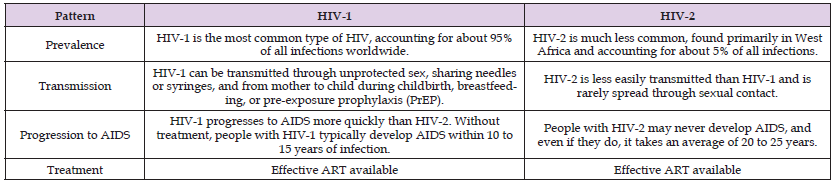
HIV belongs to the genus of retroviruses known as lentiviruses, which are distinguished by their protracted incubation times and capacity to produce persistent infections. Lentiviruses are also known for their neurotropic properties, meaning that they can infect and damage the nervous system [11] Human immunodeficiency virus comes in two primary forms: HIV-1 and HIV-2. Both viruses attack the body's immune system, but they differ in their prevalence, transmission rate, and progression to AIDS. HIV-1 is the more common strain of the virus and is responsible for the vast majority of HIV infections worldwide. HIV-2 is a less common strain of the virus and is found primarily in West Africa Figure 1 [12,13] HIV cannot be cured, but there are efficient treatments that can manage the infection and stop it from developing into AIDS. We refer to these therapies as antiretroviral therapy (ART). People with HIV can live long, healthy lives with the aid of ART. In addition to the differences listed above in table, there are also some genetic differences between HIV-1 and HIV-2 [14-16]. For example, HIV-1 has a gene called vpu, while HIV-2 has a gene called vpx. These genes are thought to play a role in the viruses' ability to evade the immune system. Overall, HIV-1 and HIV-2 are very similar viruses, but they differ in some important ways. Understanding these differences is important for developing better prevention and treatment strategies for both types of HIV [17] Table 1.
Figure 1
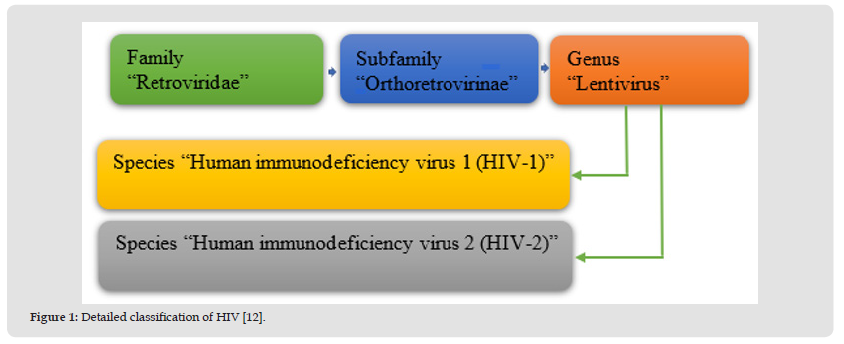
Table 1: Key differences between HIV-1 and HIV-2 [14-15].
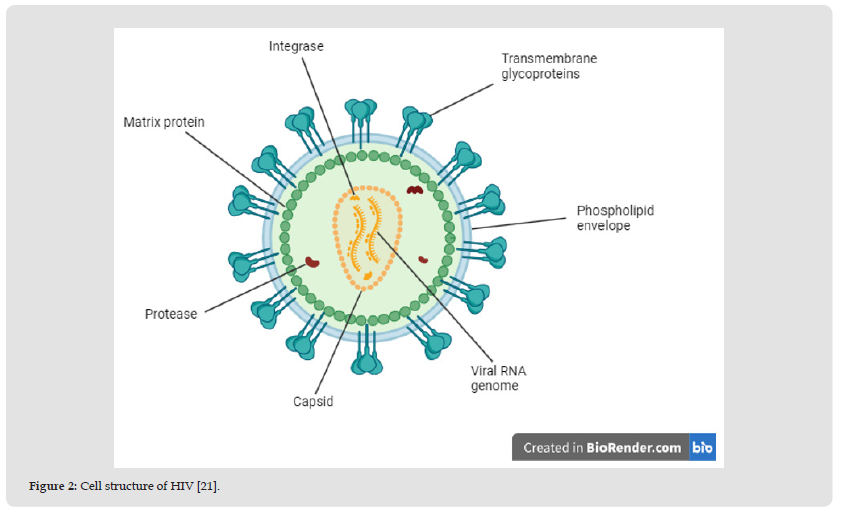
HIV is a spherical virus with a diameter of approximately 100-120 nanometers (nm). It is enveloped by a bilayer membrane derived from the host cell membrane, which is studded with glycoprotein spikes [18]. These spikes, composed of gp120 and gp41, are for binding to and infecting target cells. Beneath a envelope lies a matrix membrane composed of the p17 protein, which provides structural support and facilitates budding of the virus from the host cell. The core of the HIV virion is a conical or pear-shaped structure composed of the p24 capsid protein. The capsid encloses the viral RNA genome, along with three essential enzymes: reverse transcriptase, integrase, and protease. These enzymes are crucial for the replication of HIV within the host cell [19]. A bilayer membrane derived from the host cell membrane, studded with glycoprotein spikes (gp120 and gp41). Composed of the p17 protein, providing structural support and facilitating budding. A conical or pear-shaped structure composed of the p24 capsid protein, enclosing the viral RNA genome and three essential enzymes [20]. The morphology of HIV virions is dynamic and can change during the replication cycle. For instance, immature virions released from infected cells may have a donut-shaped appearance due to incomplete assembly [21,22]. As the virion matures, it undergoes conformational changes and acquires its characteristic conical or pear-shaped core. Understanding the morphology of HIV virions is crucial for developing effective antiviral therapies and vaccines. By targeting specific viral structures or disrupting their assembly, researchers can design strategies to prevent HIV infection and progression to AIDS [23] Figure 2.
Figure 2
The geographical distribution of HIV is uneven, with sub-Saharan Africa bearing the brunt of the epidemic. In 2022, an estimated 38.4 million people worldwide were living with HIV, with 25.4 million of them residing in sub-Saharan Africa. This region accounts for over 66% of all people living with HIV globally [24]. Within sub-Saharan Africa, Southern Africa is disproportionately affected, with HIV prevalence rates above 20% in some countries. Eswatini, South Africa, Lesotho, and Botswana have a highest HIV prevalence in the world, ranging from 26% to 34%. While sub-Saharan Africa remains the region most heavily affected by HIV, the epidemic is also present in other parts of the world. In 2022, an estimated 6.5 million people were living with HIV in Asia and the Pacific, 2.3 million in Western and Central Europe and North America, 0.5 million in Eastern Europe & Central Asia [25]. The geographical distribution of HIV is changing over time. Due to increased access to antiretroviral treatment (ART), HIV-positive people are living longer and healthier lives. This has led to a decline in the number of AIDS-related deaths and a stabilization of HIV prevalence in some countries. However, HIV remains a major public health challenge, particularly in sub-Saharan Africa [26]. Girls & women account for nearly half of all people living with HIV in sub-Saharan Africa. Children and adolescents account for 1.7 million of people living with HIV in the sub-Saharan Africa. In 2022, there were 1.5 million new HIV infections in sub-Saharan Africa [27] Figure 3.
Figure 3
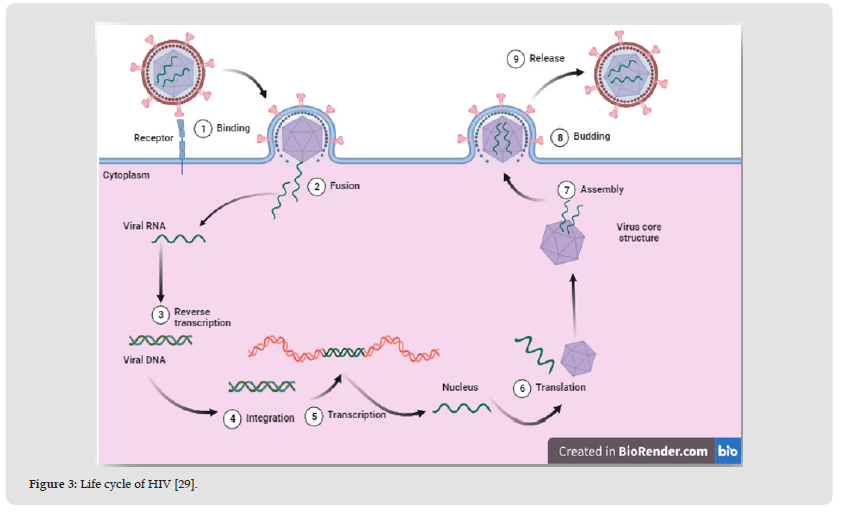
The life cycle of HIV is a complex process involving several steps that allow the virus to infect cells, replicate, and spread throughout the body. Understanding the HIV life cycle is crucial for developing effective treatments and prevention strategies [28,29] The first step in the HIV life cycle is when the virus attaches to a specific kind of white blood cell known as a CD4 T cell. CD4 T cells are essential for the immune system to fight off infections. HIV attaches to the CD4 T cell through a protein on the virus's surface called gp120 that binds to a protein called CD4 on the T cell's surface [30]. Once virus is attached to CD4 T cell, the virus's envelope fuses with membrane of the T cell. This fusion creates a pore in the membrane, allowing the virus's core to enter the T cell. Once inside the T cell, HIV's core releases its RNA genome. The virus then uses an enzyme termed as reverse transcriptase to reverse the RNA genome into DNA. This is called a provirus. The provirus then uses another enzyme called integrase to insert itself into DNA of T cell. This allows the provirus to remain hidden in the T cell's DNA and be replicated along with the T cell's own DNA. Once integrated into the T cell's DNA, the provirus can use the T cell's machinery to make copies of itself [31]. This process is called replication. The newly produced copies of the provirus are called viral RNA. The viral RNA is then used to make new viral proteins and assemble new HIV virions. The newly assembled HIV virions then bud off from the surface of the T cell, taking some of the T cell's membrane with them. These new virions can then go on to infect other CD4 T cells [32].
The virus known as HIV, or human immunodeficiency virus, targets the immune system of the body. Blood, breast milk, semen, and vaginal fluids are among the bodily fluids that can spread it [33]. HIV cannot be spread by careless touching, sharing of food or utensils, or hugs and kisses. There are three main ways that virus can be transmitted. 1) Sexual contact: Unprotected vaginal, anal, or oral sex with an infected individual can spread HIV. 2) Blood-to-blood contact: HIV can be transmitted through sharing needles or syringes with an infected person, or through receiving a blood transfusion from any HIV infected person. 3) From mother to child: During pregnancy, childbirth, or breastfeeding, an HIV-positive mother may transfer the virus to her offspring [34].
The pathogenesis of HIV, is a complex process that involves the interaction of the virus with the immune system. Acquired immunodeficiency syndrome (AIDS), which compromises immunity and leaves the body susceptible to opportunistic infections and other complications, can result from HIV infection [35]. When HIV enters the body, it first infects dendritic cells, which are immune cells that capture and present antigens to other immune cells. The virus then replicates within these cells and spreads to other cells, including CD4+ T cells, which are a type of white blood cell that orchestrate the immune response. HIV directly destroys CD4+ T cells by integrating its genetic material into DNA of the human host cells [36]. This integration allows the virus to produce new copies of itself, which then lyse (burst) the host cells. HIV also indirectly damages CD4+ T cells by activating macrophages, which are another type of white blood cell. Activated macrophages produce cytokines, which are signaling molecules that can trigger inflammation. Inflammation can damage tissues and disrupt the normal functioning of the immune system. HIV infection also disrupts the normal balance of the immune system [37]. The virus can suppress the production of certain cytokines, such as interleukin-2, which are important for the activation of CD4+ T cells. This can lead to a decrease in the number of functional CD4+ T cells, making the body more susceptible to infections. HIV is a highly variable virus, meaning that it can mutate rapidly [38]. This mutation allows the virus to escape from the immune system's defenses and continue to replicate. As the virus replicates, it can infect more cells and cause further damage to the immune system [39].
The progression to AIDS is a gradual process that can take many years. It is the most serious stage of HIV infection. It occurs when the immune system is so weakened that it can no longer fight off infections [40]. The rate of progression can vary depending on a number of factors, including the individual's age, health status, and access to treatment. People with AIDS are at risk of developing a variety of serious illnesses [41]. Here are the stages of HIV infection:
• Stage 1: Acute HIV infection. The initial phase of HIV infection is this. It happens two to six weeks after the virus is first encountered. Fever, rash, sore throat, enlarged lymph nodes, and muscle aches are possible symptoms [42].
• Stage 2: Clinical latency. The longest stage of HIV infection is this one. It may continue for a long time. People living with HIV may not exhibit any symptoms at this point. They can still spread the virus to other people, though [43].
• Stage 3: AIDS. The most dangerous stage of HIV infection is this one. It happens when the immune system is rendered incapable of fending off infections [44]. Individuals living with HIV/AIDS are susceptible to numerous severe ailments, such as pneumonia, tuberculosis, and cancer.
The human body has a complex immune system that defends it against a wide range of pathogens, including viruses, bacteria, fungi, and parasites. HIV specifically targets CD4+ T cells, a subset of white blood cells, when it enters the body [45]. Since CD4+ T cells are in charge of organizing the immune response, an HIV infection weakens the body's defenses against infections. The body's first line of defense against HIV is the innate immune system. The innate immune system is non-specific, meaning that it does not target specific pathogens. Instead, it produces a general inflammatory response that helps to contain the infection and prevent it from spreading [46]. The innate immune system also includes cells called natural killer cells (NK cells). NK cells are able to recognize and kill infected cells, including cells that are infected with HIV. However, NK cells are not able to completely eliminate the HIV from body [47]. The adaptive immune system is the second line of defense against HIV. The adaptive immune system is specific, meaning that it can produce antibodies that target specific pathogens. In the case of HIV, the adaptive immune system produces antibodies that can bind to HIV and prevent it from infecting cells [48]. However, HIV is a very evasive virus, and it is able to mutate quickly. This means that the antibodies that the body produces against HIV are often not effective for very long. As a result, the adaptive immune system is not able to clear virus from body. Despite the challenges, the body's immune system is capable to control HIV infection for many years in most people [49]. However, if the immune system is unable to control HIV, the virus can eventually progress to AIDS (acquired immunodeficiency syndrome).
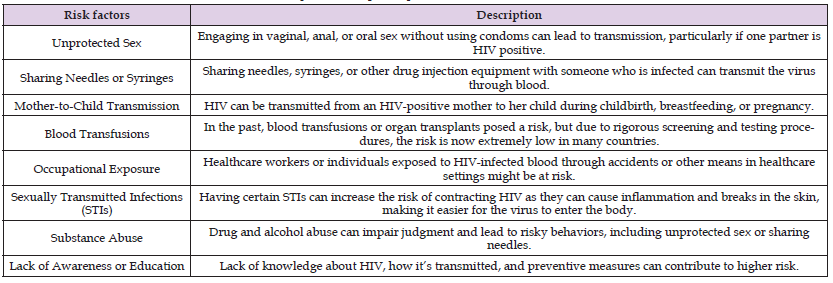
There are some factors that increase the chances of getting HIV. These are general risk factors, and individual risk can vary based on various factors like geographic location, personal behaviors, and healthcare practices Table 2 [50-53].
Table 2: Common risk factors associated with HIV prevalence [51-53].
In the context of HIV infection, a reservoir refers to a population of resting CD4+ T cells that harbor latent HIV DNA. These cells are essentially dormant and do not produce infectious virus, but they can be reactivated under certain conditions, leading to a resurgence of viral replication [54]. The presence of this reservoir is a major obstacle to eradicating HIV infection, as it prevents complete clearance of the virus from the body. The primary reservoir of latent HIV is found in resting memory CD4+ T cells, which are long-lived immune cells that reside in various tissues throughout the body, including lymph nodes, the spleen, and the gut mucosa [55]. These cells play a crucial role in maintaining immune memory, but they also pose a significant challenge for HIV eradication efforts due to their ability to harbor latent HIV DNA for extended periods [56]. While resting memory CD4+ T cells are the primary reservoir of latent HIV, other cell types, such as macrophages and dendritic cells, may also contribute to the reservoir. These cells are found in various tissues, including the liver, spleen, and brain, and they can harbor latent HIV DNA in some individuals [57]. The size and persistence of the latent HIV reservoir vary among individuals, and the factors that influence these characteristics are not fully understood. However, it is known that the size of the reservoir is typically larger during the early stages of HIV infection and decreases over time with antiretroviral therapy (ART) [58]. The presence of the latent HIV reservoir necessitates lifelong ART to prevent viral rebound and AIDS progression. However, ART does not eliminate the reservoir, and stopping therapy can lead to a rapid resurgence of viral replication [59].
HIV diagnosis is typically done through blood tests. These tests can detect HIV antibodies, antigens, or viral RNA. Antibody tests are the most common type of HIV test. They search for antibodies produced by your body in reaction to HIV infection. After infection, antibody tests may not show up for two to three weeks [60,61]. Tests that combine antigen and antibody search for HIV antigens and antibodies. Antigens are proteins that are found on the surface of the HIV [62].
The virus known as HIV targets the immune system of the body. It increases your susceptibility to illness by eroding your defenses against infections and illnesses. HIV cannot be cured, but there are efficient treatments that can extend your life and improve your health [63]. The management of HIV involves a combination of antiretroviral therapy (ART), lifestyle changes, and preventive measures [64].
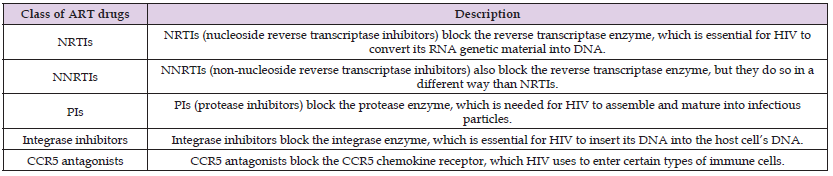
a) The best way to treat HIV is with antiretroviral therapy (ART) [65,66]. A mix of drugs known as antiretroviral therapy (ART) helps to maintain the virus at undetectable levels in your body. This indicates that the virus is insufficient to weaken your defenses against illness. Additionally, ART can lessen the chance of HIV transmission to other people [67]. There are numerous forms of ART available, and your physician will collaborate with you to determine the best regimen for you. ART is typically taken once or twice a day, and it is important to take it exactly as prescribed. ART works by targeting different stages of the HIV replication cycle. Each class of ART drugs targets a specific step in the replication process, preventing the virus from making copies of itself and infecting new cells [68]. ART lowers the viral load—the quantity of HIV in the body—by inhibiting HIV replication. A low viral load indicates a reduced amount of virus that can weaken the immune system and result in illnesses linked to AIDS. ART medications fall into various classes, each with a unique mode of action [69]. Drugs from two or more different classes are usually combined in ART regimens to maximize effectiveness and lower the risk of drug resistance [70-73]. Table 3. ART should be started as soon as possible after a person is diagnosed with HIV. Early initiation of ART is crucial for preserving immune function and preventing AIDS-related illnesses. ART is typically taken as a combination of two or more drugs from different classes, once or twice a day [74].
Table 3: Common risk factors associated with HIV prevalence [51-53].
It is essential to take ART exactly as prescribed to ensure its effectiveness and reduce the risk of drug resistance. ART offers several significant benefits for people with HIV, include some key aspects. Reduced viral load: ART suppresses HIV replication, lowering the viral load to undetectable levels. This means that there is virtually no risk of transmitting HIV to others. Improved immune function: ART allows the immune system to recover and strengthen, reducing the risk of AIDS-related illnesses [75]. Longer lifespan: ART has significantly increased the life expectancy of people with HIV. With ART, people with HIV can live long and healthy lives. Prevention of mother-to-child transmission: ART can prevent HIV transmission from mothers to their babies during pregnancy, childbirth, and breastfeeding [76]. One of the main challenges in HIV treatment is drug resistance. HIV can mutate and become resistant to one or more classes of ART drugs. This can make it difficult to control the virus and may require switching to a new ART regimen [77]. To reduce the risk of drug resistance, it is crucial to take ART exactly as prescribed and not miss or skip doses. With ART, people with HIV can live long and healthy lives. It is important to follow up with your healthcare provider regularly for monitoring your viral load, immune system health, and overall well-being. Early detection and treatment of any health concerns can help maintain optimal health and quality of life [78].
b) In addition to ART, there are a number of other things linked with your lifestyle changes, you can do to manage HIV. Get regular medical checkups. This will help your doctor monitor your health and make sure that your ART is working effectively. Eat a healthy diet. A healthy diet can help you stay strong and boost your immune system [79]. Get enough exercise. Exercise can help you stay healthy and keep your immune system strong. Don't smoke. Smoking can damage your lungs and make it harder for your body to fight off infections. Don't drink too much alcohol [80]. Alcohol can weaken your immune system and make it harder for your body to absorb nutrients. Get regular STD (sexually transmitted disease) screenings. People with HIV are at increased risk for STDs, so it is important to get regular screenings [81]. Take steps to prevent HIV transmission [82]. This includes using condoms every time you have sex and not sharing needles or other equipment to inject drugs.
Mental health is also important for people with HIV. Stress, anxiety, and depression can all make it harder to manage HIV. See your doctor or a mental health professional if you are experiencing mental health issues. People with HIV can live long, healthy lives if they receive the right care [83]. Developing an individualized treatment plan with your physician is crucial if you have HIV. You can live a healthy, fulfilling life and manage your HIV with the right care.
c) Preventive measures are also important for the management of HIV. These measures can help to reduce the risk of transmitting HIV to others. Some of the most important preventive measures include: Practicing safe sex. This means using condoms every time you have sex, even if you think your partner is HIV-negative. Avoiding the use of shared needles [84]. This includes sharing needles for injecting drugs or using shared needles for tattooing or piercing. Talking to your healthcare provider about pre-exposure prophylaxis (PrEP). PrEP is a medication that can be taken by people who are at high risk of contracting HIV to reduce their risk of infection [85]. In addition to the above, there are a few other things that people with HIV should keep in mind. It is important to see your healthcare provider regularly for monitoring and support. You should be vaccinated against hepatitis A and B, as well as against other recommended vaccines as well as you may talk to your healthcare provider about any questions or concerns you have about HIV [86]. The management of HIV is a complex but manageable process. With the right combination of ART, lifestyle changes, and preventive measures, people with HIV can live long and healthy lives [87].
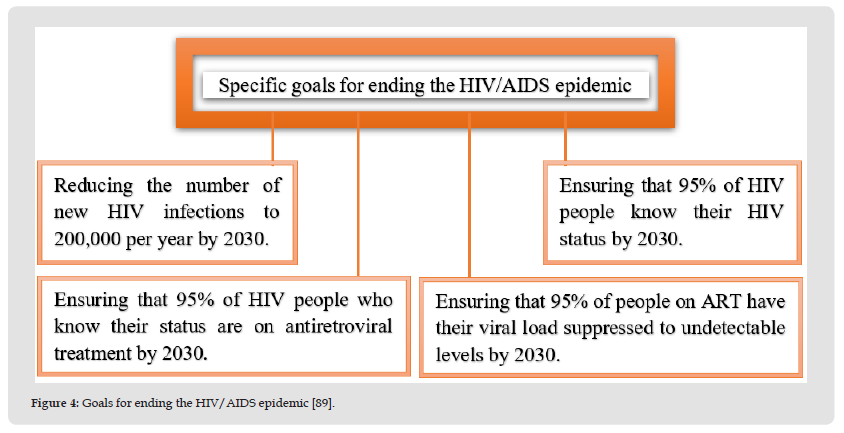
Ending the epidemic of HIV/AIDS means achieving a point where the virus is no longer a significant public health threat. This would involve reducing the number of new HIV infections to a negligible level and ensuring that people living with HIV have access to effective treatment that prevents them from developing AIDS and transmitting the virus to others [88,89] Figure 4. Achieving these goals will require a comprehensive approach that includes some key aspects. Prevention. Giving people the knowledge and resources they need to guard against HIV infection, such as condoms and pre-exposure prophylaxis (PrEP), is part of prevention. Testing includes providing high-quality ART to all people living with HIV, regardless of their income or where they live [90]. Treatment includes providing people living with HIV with access to medical care, social services, and other forms of support to help them live healthy and fulfilling lives. Care and support include making HIV testing more accessible and affordable, and ensuring that people have the support they need to get tested and receive their results [91]. Ending the HIV/AIDS epidemic will also require addressing the social and structural factors that contribute to the spread of HIV, such as poverty, stigma, and discrimination. Despite the challenges, there is reason to be hopeful that the HIV/AIDS epidemic can be ended [92]. Scientific advances in HIV prevention, diagnosis, and treatment have made it possible to control the virus and prevent its transmission. And there is a growing global commitment to ending the epidemic, with governments, international organizations, and communities around the world working together to achieve this goal [93].
Figure 4

International Association of Landscape Archaeology, Czech Glass Society, Czech Republic

Department of Chemistry, Semenov Institute of Chemical Physics, USSR Academy of Sciences, Moscow, Russia

Department of Educational Sciences, Research Centre Qualities of Teachers, School of Education – HAN, Nijmegen, Netherlands

Associate Professor at Department of Breast and Thyorid Surgey, Chongqing General Hospital, China

Neurology, LA BioMed Research Institute, USA





 Abstract
 PDF
PDF