info@biomedres.us
+1 (502) 904-2126
One Westbrook Corporate Center, Suite 300, Westchester, IL 60154, USA
Site Map
 ISSN: 2574 -1241
ISSN: 2574 -1241
ISSN: 2574 -1241


Received: July 18, 2024; Published: July 24, 2024
*Corresponding author: Yeshwant Singh, Drug Metabolism & Pharmacokinetics Division, Aragen Life Sciences, Bengaluru, India
DOI: 10.26717/BJSTR.2024.57.009057
Cannabis plant is a huge treasure of compounds possessing variety of medicinal, psychoactive and nutraceutical potential. Cannabinoids are a group of active chemicals possessing a range of pharmaceutical advantages in humans. The most studied cannabinoid is Delta-9-tetrahydrocannabinol and Cannabidiol. Delta-9- tetrahydrocannabinol is psychoactive and intoxicating, while Cannabidiol is mildly psychoactive and nonintoxicating. Recently, many countries have legalized its cultivation for various medicinal and recreational purposes. This move has attracted the scientific community to explore its pharmacological potential. A Latin maxim, “Dosis sola facit venenum”, meaning that the dose alone determines the poison. This saying is true for every chemical which is not inherently poisons. It’s recreational or rational use flags it as a drug or narcotic. Since pharmacokinetic processes are dynamic and change with the frequency and magnitude of drug dose and dose formulation. Evidence based approaches in terms of clinical safety and efficacy profiling, drug interaction potentials of Cannabinoids, metabolic fate of individual components, identification of trace components of Cannabis and their therapeutic potentials etc. are needed to be investigated in depth to fill up the gap between traditional and clinical use of cannabis. More flexible regulations on the cultivation and utilization may scale up the high-quality research on Cannabis and Cannabinoids.
Keywords: Cannabis; Cannabinoid; Medicine; Nutraceutical; Pharmacokinetics; Pharmacodynamics
List of Acronyms: 11-THC-COOH: 11-Carboxy-THC; 11-OH-THC: 11-Hydroxy-THC; AUC: Area Under the Curve; BBB: Blood Brain Barrier; CBD: Cannabidiol; CB1: Cannabinoid Receptor I; CB2: Cannabinoid Receptor II; CNS: Central Nervous System; CDC: Centers for Diseases Control and Prevention; CYP450: Cytochrome P450; THC: Delta-9-Tetrahydrocannabinol; ECS: Endogenous Cannabinoid System; FDA: Food and Drug Administration; GIT: Gastrointestinal Tract; h: Hours; HIV: Uman Immunodeficiency Virus; Kg: Kilogram; L: Liter; Cmax: Maximum Plasma Concentration; Min: Minutes; NIDA: National Institute of Drug Abuse; NO: Nitric Oxide; RBC : Red Blood Corpuscle; WADA: World Anti-Doping Agency; WHO: World Health Organization
Cannabis is an annual herbaceous plant which is cultivated and harnessed in different part of globe for variety medicinal and recreational use since long past. This plant is a huge treasure of more than 500 compounds possessing a variety of medicinal, psychoactive and nutraceutical potentials (Gould, 2015). Historically, Cannabis is widely used as an important source of medicine, fibers, edible seeds, oils, and food. Cannabis derived market comprises around 25000 products including clothes, textile, home decorative, rope, paper, reinforcement materials, industrial and medicinal oil, cosmetics, foods and phytopharmaceuticals [1]. Cannabis seeds are rich source of nutraceuticals and antioxidants including vitamins, fatty acids, proteins, and oils. Besides this, the plant is also used as a source of recreational, spiritual, and religious moods [2]. There are two widely spread Cannabis species, Cannabis sativa L. and Cannabis Indica L. The National Cancer Institute currently recognized medicinal use of Cannabis sativa in ameliorating several symptoms associated with cancer [3]. Although because of its narcotic use, currently the cultivation of Cannabis is prohibited in many countries. According to World drug report 2019, Cannabis was estimated to be used by 188 million adults globally accounting for about 4% of global adult population [4].
Recently, many countries have legalized its cultivation for various medicinal and recreational purposes. Since 2012, eleven US states, Uruguay in 2013 and Canada in 2018 nationally legalized the recreational utilization of Cannabis for adults. Nine US states, Uruguay, and Canada nationally permitted legal Cannabis sales. Now, in Washington DC and Vermont, adults can cultivate Cannabis for their personal use and to present it for friends, however its selling remained illegal. This move has significantly reduced the price of Cannabis and cannabis derived products in international market [5,6]. Legalization of Cannabis use in various provinces of the world has allured the scientific community’s attention in potentiating and exploring its pharmacological aspects. Microorganisms are engineered to yield active Cannabis components and their use to produce antibacterial finishing agent are well explored [7]. Although, use of Cannabis or its associated components and synthetic Cannabinoids as recreational products or rational use as medicinal products are most often related with adverse side effects. There is a possibility of genetic engineering of Cannabis to produce useful components of medical importance. In vitro cultivation of Cannabis can supersede the tight regulations on its propagation in many countries [8,9].
This review particularly focuses on the pharmacokinetic, pharmacodynamic and nutraceutical attributes of major psychomimetic Cannabinoid delta-9-tetrahydrocannabinol (THC). The non-psychoactive component Cannabidiol (CBD) is described with little details for comparison purpose.
Cannabis as a Potential Source of Nutraceuticals
Cannabis is a unique treasure of many nutraceuticals and other diet supplementary products. Cannabis seeds and its derivatives are the major sources explored for their nutritional, pharmaceutical and food supplement potential. Cannabinoids are the active chemicals which are most studied due to their multiple range of pharmaceutical advantages in humans including psychotropic activities. THC is psychoactive and intoxicating, while CBD is mildly psychoactive but not intoxicating. Due to huge source of nutraceutical components, functional food industries are keenly interested in using these ingredients in various foods and beverages [10]. Plantine, a Europe based company is the first manufacturer and distributor of Cannabis- hemp based products. It manufactures Cannabis taste and aroma free water-soluble CBD (1-5%) power which has higher bioavailability than non-capsulated CBD oil.
Dewaxed coated oil (10-30% CBD), raw cold pressed oil (5-15% CBD) are other products of Plantine. Cannabis seeds are being consumed by human as important nutritional supplements from ancient time. Cannabis seed oil contains approximately 80% polyunsaturated fatty acids, alpha-Linolenic acid, Linoleic acid, isomers of tocopherol and a small fraction of gamma-Linolenic acid, polyphenols like Caffeoyltyramine, Cannabisin A, B, C. α-Linolenic acid exhibits anti-cancer, anti-inflammatory and anti-thrombotic activities and involved in stimulation of general metabolism and enhance fat burning [11,12]. Stefania et. al. reported in-vitro antioxidant activity of Linoleic and Gluconic acid of Cannabis seeds and sprouts which are key intermediates in the production of vitamin C. Cannabis flowers and herbage also contain Cannabinoids of nutraceutical importance [13]. Fermented hemp seeds to produce sauce, pralines and chocolates from hemp seed and hemp seed oil, hemp milk, hemp seed power and additive as a source of protein have been reported by many researchers. Guang and Weiwei patented hemp seed flours as functional food additives. The hemp seed flour can be used for the prevention of certain diseases as it enhances high-density lipoprotein levels and stabilizes levels of other glycerides and lipoproteins [14].
Phytosterols are fat-soluble compounds that share similar structural characteristics to cholesterol and cannot be synthesized in humans. Due to this structural similarity, phytosterols can decrease cholesterol solubility in the intestine upon their ingestion. Phytosterols reduce cholesterol lipid micellization and hence compete with free cholesterol uptake resulting in reduced cholesterol intestine absorption. β-sitosterol is the most abundant phytosterol found in Cannabis seed oil. β-sitosterol is effective in hypercholesterolemia and possesses anti-fungal, anti-viral, anti-inflammatory, and anti-cancerous properties. Campesterol and stigmasterol found in Cannabis seeds have been identified to exhibit anti-osteoarthritis properties and are involved in inhibiting several pro-inflammatory factors [15-17]. Carotenoids, also called tetraterpenoids, are a class of naturally occurring pigments synthesized by plants, algae, and photosynthetic bacteria. Dietary Carotenoids provide health benefits to human beings by decreasing the risk of diseases. Irakli et. al. identified Lutein, Zeaxanthin and β-carotene as main Carotenoids in Cannabis seed oil [18]. Cannabis (hemp) seeds are exuberant source of proteins like albumin, edestin and vicilin. The percent composition of these proteins varies with the number of co-existing factors starting from cultivars to final harvesting of products. These proteins are rich sources of all essential amino acids that are necessary for humans. Glutamic acid and arginine are the most abundant amino acids in hemp seeds. Arginine is a dietary precursor for the synthesis of nitric oxide (NO), which is a potent vascular tone mediator.
This reflects the hemp seed nutraceutical potential for cardiovascular system [19,20]. Total carbohydrate content of hemp seeds ranges between 20-30%. As dietary fibers resist small intestinal digestion, the intake as food supplements help to improve blood cholesterol level, reduce appetite, and ameliorate insulin sensitivity. These dietary fibers are fermented by gut microbiota in large intestine to produce short chain fatty acids which possess anti-carcinogenic and anti-inflammatory properties [21]. Hemp seeds are rich source of Vitamin E and minerals such as Phosphorus, Potassium, sodium, copper, magnesium, sulfur, calcium, iron, and zinc. Deme et.al. reported phosphorous as the most abundant mineral found in hemp seeds [22]. A high potassium and low sodium content (high K/Na ratio) of hemp seeds makes them as important nutraceutical source with cardio-protective activity. High potassium intake is inversely associated with blood platelet aggregation and stroke. Zhou et. al. isolated and identified anti-neuroinflammatory and neuroprotective properties of twenty phenolic compounds from hemp seeds [23]. Many researchers reported that the hydrolytic products of hemp seed proteins possess high antioxidant, anti-inflammatory, hypocholesterolemic, antiproliferative, neuroprotective, and antihypertensive activities [24-26]. In November 2018, World Health Organization (WHO) had reviewed international scheduling of Cannabis and claimed non-scheduling of CBD. This move enhanced the efforts to explore the use of Cannabis as health supplement in functional food and other edibles (Docket No. FDA–2018–N–1072, 2018).
Role of Cannabis as Medicine
The use of Cannabis for medical purposes and as recreational products raised sharply in past few years. However, comprehensive research providing evidence for short- and long-term health benefits of Cannabis use are still in dearth. There is unclear and low-quality research evidence explaining the effect of medical Cannabis as treatment for diseases. After gaining a legal status in many countries, the major Cannabinoids of Cannabis i.e., CBD and THC have constantly been used in Food and Drug Administration (FDA) approved drug development. Cannabis as a schedule I narcotic under the Controlled Substance Act (no acknowledged medical uses) and as a proclaimed medicine for various health benefits seizes an idiosyncratic ground for its utilization. However, clinical trials result of many studies have shown that Cannabis -based medicines exhibit significant side effects [27,28]. Till date there is no incontestable substantiation of Cannabis and Cannabis -based medications as first line therapeutics. Thus, medicalization of Cannabis and its derivatives offers several therapeutic opportunities, though associated with equally challenging adverse effect profiles. At present, there are a handful of Cannabinoid-based medicines in the market. United Kingdom approved Nabiximols as a botanical drug in 2010. Nabiximols is a Cannabis extract which is marketed as mouth spray to relieve neuropathic pain, overactive bladder, spasticity, and multiple sclerosis. THC and CBD are the primary active Cannabinoid components in its formulation [29].
Dronabinol is a synthetic isomer of delta-9-THC marketed as an appetite stimulant, antiemetic, and sleep apnea reliever. US FDA has approved this as a safe and effective treatment for Human Immunodeficiency Virus (HIV) induced anorexia and chemotherapy-induced nausea and vomiting. Dronabinol does not include any other THC isomers or any other Cannabidiol. Similarly, Nabilone is a synthetic Cannabinoid containing oral capsule that mimics THC. It is prescribed as an anti-emetic agent and as an adjunct analgesic for neuropathic pain. US FDA has approved Nabilone for treating chemotherapy-induced nausea and vomiting. In Canada, Nabilone is used as an adjunct therapy for chronic pain [30,31]. In June 2018, the US FDA approved Epidiolex oral solution that contains CBD as treatment for seizures associated with two severe and rare forms of epilepsy. This was the first US FDA approved drug containing purified active ingredient derived from Cannabis [32].
Pharmacokinetics of Cannabinoids
The magnitude of pharmacodynamic effects, onset and duration of action, distribution in the biological system are a few important factors that describe the therapeutic effects of a drug. Therefore, it’s imperative to understand the pharmacokinetics of a drug to achieve maximum therapeutic and minimum adverse effects. Cannabinoids are the primary pharmacologically active constituents in Cannabis. The pharmacokinetics of Cannabinoids alone and in crude extract of Cannabis significantly differs due to various physiochemical characteristics. Pharmacokinetic processes are dynamic which change with the frequency and magnitude of drug dose and dose formulation. There is a varying composition of Cannabinoids in Cannabis harvested from different cultivars and geographic districts. The low concentration, extensive metabolism, and intricate interactions of Cannabinoid with endogenous biomolecules offers challenges in exploring Cannabinoid pharmacokinetics for researchers. There are several ways of Cannabis consumption by humans. Cannabis can be consumed through oral route of administration as functional food, vegetables, salads etc. Cannabis is most frequently consumed by smoking as marijuana for recreational purposes. Thus, smoking offers a principal route of Cannabinoid administration. Other routes of administration include rectal, oromucosal, intravenous and subcutaneous [33,34].
Absorption Kinetics of Cannabinoids: Rate of drug absorption into the systemic circulation is determined by the route of drug administration. Ohlsson et. al. reported that peak plasma concentration and overall plasma profile of THC after intravenous administration and smoking were similar in healthy human subjects. However, THC plasma level after oral administration was significantly low due to erratic and slow absorption. Onset of clinical effects were much slower but lasted longer after oral THC administration. Smoking route yielded a bioavailability of 2-56%. This wide range bioavailability was attributed to variability in smoking dynamics [35]. Many researchers noted that approximately 50% of the active drug during smoking may forfeit because of pyrolysis. A significant amount of active drug may be lost because of adsorption in cigarette butts. All these factors synergistically contribute to poor and variable bioavailability of THC through smoking route of administration. Although, there is no well-established evidence showing the effect of smoking and associated factors on the fate and bioavailability of CBD.
It is reported that less than 1% of the administered dose reached the brain tissues. According to the United States National Institute of Drug Abuse (NIDA), 20-37% of THC is delivered in mainstream smoke. About 23-30% of THC suffers pyrolytic degradation and 40-50% of drug is lost as side stream loss. Pharmacokinetics of THC can be described using two compartmental models as increase in the plasma level of THC is proportional to the decrease in THC levels in brain [36]. THC has high octanol/water partition coefficient, hence is readily absorbed from gastrointestinal tract (GIT) after oral administration. Wall et. al. reported oral THC bioavailability as 10-20%. They reported that glycocholate and sesame oil improved that oral bioavailability of THC, though with huge variabilities in maximum plasma concentration (Cmax) and rate of absorption. Peak plasma THC concentration was obtained between 1-2h post oral dose (Wall et al., 1983). Like the THC administration via smoking route, oral THC pharmacokinetics can be described using two compartmental models.
Johansson et. al. reported that THC exhibited alpha half-life of approximately 4h and beta half-life of 25-36h. In general, THC plasma half-life varies from 1-3 days in occasional Cannabis user, while 5-13 days in chronic Cannabis users [37,38]. There are few reports on the bioavailability of Cannabinoids via administration through less preferred routes of administration including rectal, transcutaneous and oromucosal routes etc. These routes of administration escape first pass metabolism and henceforth elevates Cannabinoids bioavailability. [39]. al. reported that THC plasma area under the curve (plasma AUC) was about 30- folds higher for rectal route compared to oral THC administration. Since Cannabinoids are highly hydrophobic, transport across aqueous skin layer mitigates diffusion across it.
Distribution kinetics of Cannabinoids: The primary active components of Cannabis CBD and THC are highly lipophilic in nature. After their systemic exposure, they rapidly distribute into the highly perfused organs like heart, lung, kidney, brain, and liver. Overall, Cannabinoids have large volume of distribution and slow elimination from the body. [40]. reported that THC levels were significantly higher in lungs of dosed animals compared to other tissues [40]. Less than 1% of the administered dose of THC reached the brain tissues. With extended drug exposure, THC starts accumulating in fatty tissues leading to increased retention in the body. THC and its metabolites may conjugate with fatty acids resulting in stability of Cannabinoids in fats [41]. The THC ratio of fat to brain concentration was approximately 21:1 and 64:1 respectively after 7 and 27 days of consecutive administration. These findings explicitly indicated that THC showed higher retention in fatty tissues after multiple dose administration against low retention in brain tissues [42]. Investigators found that THC and its metabolite preferentially bind to low density lipoproteins (Figures 1-3).
Figure 1
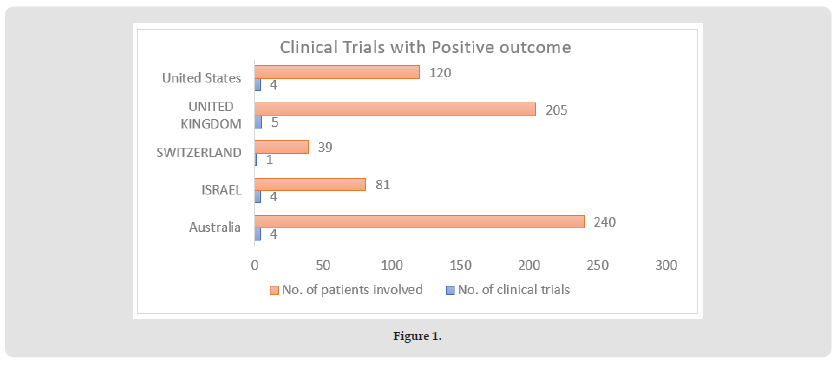
Figure 2
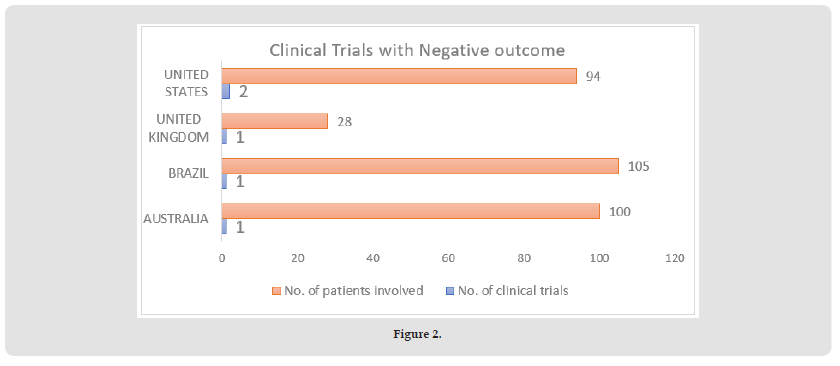
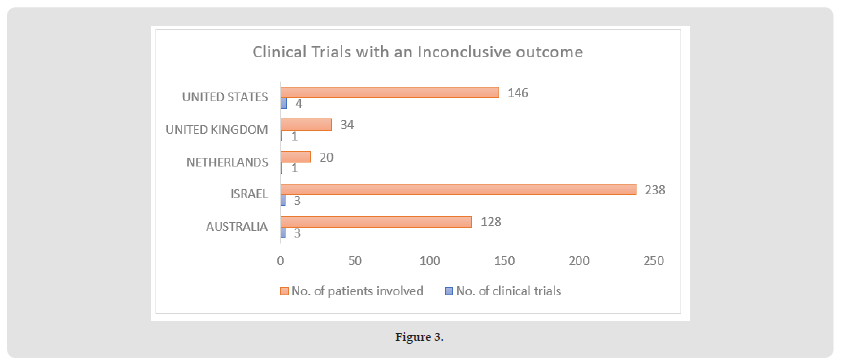
Figure 3
Plasma protein binding of around 95-99% was estimated for THC. THC also showed Red Blood Corpuscle (RBC) binding up to 10%. THC has a large apparent volume of distribution approximately 10 L/kg [43]. Spleen and body fats are the major sites of distribution and act as long-term THC storage sites in animals. THC readily crosses the blood-brain barrier (BBB) and placenta. It was reported that THC concentration in heart tissues was 10-folds higher than plasma THC concentration. Similarly, about 1000-folds higher THC concentration was obtained in adipose tissues compared to corresponding plasma THC concentrations. Release of THC from the fatty tissues was found to be slow, such that the levels were not sufficient to cause pharmacological effects. There was no evidence that the THC remained in the brain tissues. Many researchers suggested that the occurrence of Cannabis related flashbacks in heavy Cannabis users might be due to accumulation of THC in fatty tissues. Beside fatty tissues, higher accumulation of THC has been observed in lungs due to direct exposure of THC containing Cannabis smoke and extensive perfusion of lung tissues [44].
Hunt et. al. studied the development of tolerance to the pharmacological effects of THC in men. They reported that during chronic administration of THC, the apparent volume of distribution increased from 2.6 to 6.4 L/kg. Similarly, the total metabolic clearance increased from 605 to 977 mL/min. However, the apparent volume of distribution at steady state was unchanged with value of 684 L. Because of extensive protein binding, elimination was reported to be decreased from 23.2 to 17.5% of dose administered. They concluded that the development of tolerance to THC after chronic administration was thus due to pharmacodynamic adaptation rather than due to these pharmacokinetic changes [45].
Metabolism Kinetics of Cannabinoids: The metabolic pathway and the fate of Cannabinoids depends on the route of consumption of Cannabis. Though the liver is the primary site of Cannabinoid biotransformation, other tissues including the brain, intestine and lungs also contribute to the overall metabolism. In humans, no inter-sex differences were reported in the metabolism of Cannabinoids. Few researchers suggested that frequent and chronic Cannabis consumption may induce THC and CBD metabolism. Once the Cannabinoids distribute into the fatty tissues, slow redistribution into the blood stream limits its metabolism [46]. Cannabinoids are good substrates of human cytochrome P450 (CYP450) enzymes. More than 100 metabolites of THC and above 30 metabolites of CBD have been identified in various in-vitro and in-vivo Cannabinoids and their metabolites have CYP450 induction and inhibition potentials, thus are substantial source of drug interaction upon coadministration [47]. The Cannabinoids are subjected to first-pass metabolism in GIT and liver after their oral administration. Oromucosal and transdermal delivery of Cannabinoids are alternative routes that escape first-pass metabolism. Nabiximols is an example of THC administration through oromucosal route [48,49].
THC metabolism is predominantly by the hepatic CYP3A4, CYP2C9 and CYP2C19. 11-hydroxy-THC (11-OH-THC) and 11-carboxy-THC (11-THC-COOH) are the primary metabolites of THC. 11-OH-THC is reported to have psychomimetic characteristics. 11-THC-COOH and its glucuronide adduct are inactive metabolites [50]. Halldin et. al. reported that 11-THC-COOH and its glucuronide adduct are the major end-product of metabolism of Cannabinoids in most of the species including humans. Despite significant glucuronide conjugation that leads to the production of more polar end-products, renal clearance of glucuronide conjugates is limited due to extensive protein bindings. More than a hundred metabolites of THC, most of which are acids and polar in nature have been identified and isolated in human tissues. It has been observed that plasma level of 11-OH-THC is associated with the time of drug action. For both oral and intravenous administration AUC of 11-OH-THC is approximately 20% of parent AUC. Interestingly 11-THC-COOH metabolite of THC which is excreted in urine is the most common Cannabinoid monitored in forensic examinations [51].
Elimination kinetics of Cannabinoids: THC exhibits an initial fast half-life of approximately 6 minutes and a long terminal half-life of about 22 hours. Terminal phase half-life is prolonged because of redistribution of stored THC from fatty tissues back into blood stream. Enterohepatic recirculation also significantly contributes to prolonged half-life of THC. Grotenhermen reported that in dogs approximately 10-15% of THC dose undergoes enterohepatic circulation [52]. Comparatively longer half-lives have been observed in heavy users of Cannabis. Ellis et. al. reported low levels of THC metabolites for more than five weeks in urine and feces after single oral dose administration. Greater than 65% of THC as inactive metabolites are excreted in feces and about 20% is removed in the urine [53,48].
Brief Pharmacokinetics of CBD
The pharmacokinetics of CBD is complex and little understood. Oral bioavailability of CBD has been found to be low across the species. Harvey et. al. reported oral bioavailability of CBD around 6% and 11-45% after inhalation in humans. The route of administration has shown influences on the pharmacokinetics of CBD. Like THC, due to high lipophilicity it rapidly distributes into the brain and other highly perfused organs. It may accumulate in adipose tissues like THC. Half-life of CBD was estimated to be around 18 to 32 hours. The metabolism of CBD is like that of THC. Wall et. al. reported that CBD also undergoes significant first-pass metabolism. However, a high percentage of administered CBD dose is excreted unchanged in urine in contrast to THC which is primarily excreted as its inactive metabolites. It was found that CBD inhibits CYP3A4 and CYP2D6. The drugs those are inducer of CYP3A4 are reported to reduce CBD levels, while the drugs that inhibits CYP3A4 and CYP2C9 increases CBD levels. Co-administration of CBD and THC are unlikely to influence the pharmacokinetic profiles of each other showing that there are no significant interactions [49].
Cannabinoid Pharmacology and Human Endocannabinoid System
The human endocannabinoid system also called endogenous Cannabinoid system (ECS) got its name from the plant “Cannabis” that led to its discovery. ECS is a biological system composed of lipid-based endogenous neurotransmitters, Cannabinoid receptors and associated enzymes. There are several endogenous signaling compounds in the human body which are collectively called endocannabinoidome. Anandamide and 2-arachidonoyl-glycerol were the first endogenous molecules identified as natural ligand of ECS [54,55]. The endocannabinoids and their receptors are distributed throughout the human body and are involved in maintaining physiological, emotional, and cognitive stability. In humans, Cannabinoid receptor I (CB1) and Cannabinoid receptor II (CB2) are identified and characterized. CB1 receptors are predominantly expressed in central and peripheral nervous system, while CB2 receptors are primarily associated with cells and tissues of immune system [56,57]. The endocannabinoids and phyto-cannabinoids (THC and CBD) share similar ligand affinities to the human endocannabinoid receptors.
THC activates both CB1 and CB2 receptors. Activation of CB1 by THC is linked with appetite enhancement, hypothermia, catalepsy, locomotor activities suppression and pain desensitization in animals. On the other hand, activation of CB2 by THC is linked to pain relief and anti-inflammatory effects. In contrast, CBD is CB1 antagonist in the presence of THC. Interestingly, the opposite activities of these phyto-cannabinoids help to reduce the intoxicating and psychomimetic effects of THC upon co-administrated. Russo et. al. suggested that other phyto-cannabinoids may work synergistically with THC and CBD [57]. Human ECS is a very complex biological system, and this complexity contributes to Cannabinoid related drug development failures due to adverse effects. Rimonabant, the first orally active CB1 antagonist approved in Europe for the treatment of obesity and smoking cessation was withdrawn from market due to undesirable side effects in 2008. These side effects included depression, anxiety, and suicidal ideation [58].
What is a drug? How to define a medicine and what is a poison? For a common people, drug and poison are two discrete entities with opposite effects. Drugs provide beneficial effects, in-contrast the poisons produce deteriorative effects. Paracelsus wrote, “Alle Dinge sind Gift, und nichts ist ohne Gift, allein die Dosis macht dass ein Ding kein Gift ist”. This means, what is there that is not poison? All things are poison, and nothing is without poison. The dose determines that a thing is not a poison. A Latin maxim, “Dosis sola facit venenum”, meaning that the dose alone determines the poison corroborates its pertinence. This is the place where rational or recreational use of chemicals as medicine/drug comes into picture. Medicines are the compositions used to treat diseases and relieve pain and suffering. This is how the Centres for Diseases Control and Prevention (CDC) defines the medicines. Medicines are usually safe when taken in prescribed dose and dose regimen [59,60].
In-context to the Cannabis consumption, THC is the potential source of psychomimetic and medicinal pharmacology. It exerts its pharmacodynamic effects via ECS, which is involved in maintaining human health. According to a report published by WHO, Cannabis is second most widely consumed drug of abuse after alcohol. Legalization of the cultivation and utilization of medical Cannabis led to explore its therapeutic potential rapidly in recent years. However, cannabinoid-based drugs are associated with potential side effects. These effects on Central Nervous System (CNS) include euphoria, drowsiness, disorientation, depression, and mood swing etc. Tachycardia, redness of conjunctiva, reduced GIT motility etc. are the side effects resulted due to Cannabinoids action on the non-CNS systems. Since, localization of Cannabinoid receptors is ubiquitous, there may be number of undefined adverse effects as a results of Cannabis consumption. Recreational use of Cannabis and Cannabinoids-based products is proportionally associated with prevalence of mishaps in the society. Most often, recreationally used Cannabis and derived products are cause of many accidents worldwide. It has been observed that the frequency of mishaps due to recreational use of Cannabinoids is highly related to the operations that require skills [61-63].
According to a study, approximately 33% of the drivers underwent fatal accidents had detectable blood concentrations of psychoactive drugs and/or alcohol. 13% of these drivers had THC and its metabolite detected as Cannabinoids in their blood. In the year 1988, Soderstrom et al. in their study on 1023 patients injured because of vehicular (67.6%) and non-vehicular (32.4%) trauma, reported that 37.7% had detectable Cannabinoid in their blood. A proportional relationship has been observed between the driving performance and the Cannabis dose consumed, indicating that higher the THC blood concentration greater is the risk of associated traffic crashes and deaths [64,65]. Rational utilization of Cannabis and Cannabis derived products is in bloom not only since last few years, but its historical utilization in the form of food products, household items and for medical benefits is as long as the civilization started. Now it is evident that the pharmacological potential of Cannabinoids can be harnessed in many clinical situations.
However, still its clinical use as medicine is ambiguous due to dearth of research in Cannabinoids safety and efficacy profiling in clinical trials. Cultivation and legalization of medical Cannabis that contains defined level of psychomimetic substance THC is one good move in this arena. In most of the European countries and in North America, Cannabis THC content should not be more than 0.3% (on-dry-basis) to classify it as industrial Cannabis. Optimization of standard extraction, harvesting and processing techniques that would avoid batch to batch variation in Cannabinoid contents may help regulatory agencies to impose a check point on its abuse [66]. Owing to the increasing belief that Cannabis has potent health benefits in terms of nutraceutical value, temptation to its use by the athletes is not surprising. Lorente et al. suggested that although Cannabis uptake is mostly for recreational purposes, but athletes use the Cannabis with an intention to increase their performance [67].
Docter et al. in their study found that approximately 23% (one out of four among 46202 athletes) had used Cannabis or its products in past years. However, the beneficial influence of Cannabis use on the athletic performance is enigmatic [68]. Unlike THC, CBD does not possess psychotropic effects. But CBD possesses anxiolytic effects along with other beneficial effects like sleep improvement, exercise & pain recovery, and concussion mitigation. These positive and beneficial effects may tempt athletes to use Cannabis for improving their performance. In this regard, considering that cannabis possess potential to increase sport performance; while evoking potential adverse health effects along- side World Anti-Doping Agency (WADA) prohibits use of cannabinoids during in-competition phase as of now [69].
Future Perspectives
With the rapidly intervening role of Cannabis and Cannabinoids in medicalization, advancements in the pharmacology of Cannabinoids have proposed its several uses across various medical situations. Unfortunately, these proposed medicalizations are often not backed by good clinical data. Various potential side effects of Cannabis and Cannabinoid-based medications could significantly limit its use in vast populations. These situations offer intricate challenges to physicians as how to identify and prescribe evidence-based Cannabis and/ or Cannabis related medications and how to refrain from harmful effects [70]. Medical Cannabis still holds schedule I narcotic status. Estimates suggest that over two million Americans utilize Cannabis for medical purposes. Since, the THC and CBD composition of Cannabis and medical Cannabis mostly remains same, the physician does not prefer its prescription despite medicalization and legalization of Cannabis (Levinson et al., 2019).
Mboumba et. al. conducted a randomized piolet study to examine safety and tolerability of oral Cannabinoids in people living with HIV on long term antiviral therapy. Based on their study results, they concluded that Cannabinoids seem generally safe and well-tolerated in such patients, however, mandate the screening for occult liver pathology and hepatic enzymes monitoring, especially with high CBD doses [71]. In an epidemiological meta-analysis study, 17 randomized clinical trials were conducted to examine the role of Cannabis in standardized dosages and relative THC:CBD ratios as well as Cannabinoid-based medications in mitigating the pain and spasticity associated with multiple sclerosis. Overall, aggregate data showed statistically significant, positive effects on pain, spasticity, and bladder dysfunction [13]. Nabiximols, a combination THC-CBD medication is available in many European countries for the treatment of neuropathic pain due to multiple sclerosis [72]. The THC analogs Nabilone and Dronabinol are FDA approved medications for the treatment of chemotherapy-induced nausea and vomiting, as well as cachexia related to HIV or cancer. The American Academy of Ophthalmology released a position statement in 2014 stating that the risks associated with chronic use of cannabis outweighed the benefits, and thus they did not recommend the use of cannabis for glaucoma.
Number of Clinical Trails (2019-2022) in various states with Positive, Negative, and Inconclusive outcomes [73]. Based on the medicinal, nutraceutical benefits and other daily life utilization of the Cannabis, it is worthwhile to state that the rational use of Cannabis and individual Cannabinoids may embark this plant an invaluably great natural treasure. While its recreational or irrational utilization may embark this plant a prohibited cultivar as is its status currently in many provinces of the globe [74-98]. Evidence based approaches in terms of clinical safety and efficacy profiling, drug interaction potentials of Cannabinoids, metabolic fate of individual components, identification of trace components of Cannabis and their therapeutic potentials etc. are needed to be investigated in depth to fill up the gap between traditional and clinical use of Cannabis. Concordant and more flexible regulations on the cultivation and utilization may scale up the high-quality research on Cannabis and Cannabinoids.
1. Recreational or rational use of any drug flags it as a medicine or narcotic.
2. Pharmacokinetic processes are dynamic and change with the frequency and magnitude of drug dose and dose formulation.
3. More flexible regulations on the cultivation and utilization may scale up the high-quality research on Cannabis and Cannabinoids.
4. Based on the medicinal, nutraceutical benefits and other daily life utilization of the Cannabis, it is worthwhile to state that the rational use of Cannabis and individual Cannabinoids may embark this plant an invaluably great natural treasure.
5. While its recreational or irrational utilization may embark this plant a prohibited cultivar as is its status currently in many provinces of the globe.
6. Evidence based approaches in terms of clinical safety and efficacy profiling, drug interaction potentials of Cannabinoids, metabolic fate of individual components, identification of trace components of Cannabis and their therapeutic potentials etc. are needed to be investigated in depth to fill up the gap between traditional and clinical use of cannabis.
No funding was received for this work.
The authors declare that there are no competing interests to declare.


 Abstract
 PDF
PDF