info@biomedres.us
+1 (502) 904-2126
One Westbrook Corporate Center, Suite 300, Westchester, IL 60154, USA
Site Map
 ISSN: 2574 -1241
ISSN: 2574 -1241
ISSN: 2574 -1241
Received: July 07, 2024; Published: July 19, 2024
*Corresponding author: Murad Ali Khan, Department of Computer Engineering, Jeju National University, Jeju 63243, Republic of Korea
DOI: 10.26717/BJSTR.2024.57.009039
The COVID-19 pandemic has had a profound impact on global health, revealing significant disparities in mortality rates across various demographic and epidemiological factors. This mini review aims to provide a comprehensive analysis of the key epidemiological findings, demographic variations, and geographical differences in COVID-19 mortality. Our analysis highlights the critical role of age, with older adults facing significantly higher risks of severe outcomes and death, particularly those with comorbidities. Racial and ethnic disparities are stark, with minority populations experiencing disproportionately higher mortality rates due to socioeconomic inequalities and limited access to healthcare. Socioeconomic status emerges as a pivotal determinant of COVID-19 outcomes, influencing mortality rates through factors such as crowded living conditions and limited healthcare access. Geographical differences further underscore the impact of local environmental and systemic factors on mortality rates, with variations observed between urban and rural areas as well as across different regions globally. The findings underscore the need for targeted public health interventions and policies to address these disparities and protect the most vulnerable populations.
Keywords: COVID-19 Mortality; Epidemiological Disparities; Demographic Variations; Racial Disparities; Socioeconomic Status; Comorbidities; Geographical Differences; Public Health Interventions
The COVID-19 pandemic has dramatically reshaped the global health landscape, claiming millions of lives and affecting every facet of society. Understanding the epidemiological and demographic variations in COVID-19 mortality is crucial for developing effective public health strategies and mitigating future pandemics. This paper aims to delve into the intricate patterns of COVID-19-related deaths, focusing on how various factors such as age, sex, race, socioeconomic status, and comorbidities have influenced mortality rates. Epidemiological data has consistently shown that certain demographic groups are disproportionately affected by COVID-19. For instance, studies have highlighted significant racial and ethnic disparities in COVID-19 outcomes, with minority populations experiencing higher mortality rates compared to their white counterparts [1,2]. Additionally, age and pre-existing health conditions have been identified as critical determinants of COVID-19 severity and mortality. Older adults and individuals with comorbidities such as cardiovascular disease, diabetes, and obesity are at a higher risk of severe outcomes [3,4].
Socioeconomic factors also play a pivotal role in shaping COVID-19 mortality rates. Research has indicated that lower socioeconomic status is associated with higher rates of infection and death due to a combination of factors, including limited access to healthcare, crowded living conditions, and higher exposure to the virus due to frontline and essential work roles [5,6]. Furthermore, healthcare infrastructure, such as the availability of medical resources and the quality of healthcare services, significantly influences mortality rates. Regions with robust healthcare systems have been better equipped to manage and treat COVID-19 patients, resulting in lower death rates [7,8]. This comprehensive analysis of COVID-19 mortality seeks to provide a deeper understanding of the epidemiological and demographic variations observed during the pandemic. By examining the intersection of these factors, this paper aims to contribute to the ongoing discourse on pandemic preparedness and response, highlighting the need for targeted interventions to protect the most vulnerable populations. The findings underscore the importance of addressing social determinants of health to reduce disparities and improve health outcomes during global health crises [9-13].
The COVID-19 pandemic has unveiled significant disparities in mortality rates influenced by a multitude of epidemiological and demographic factors. Analyzing these variations provides critical insights into the vulnerability of different population groups and informs public health interventions. This literature review synthesizes findings from recent studies to understand how factors such as age, comorbidities, socioeconomic status, race, and healthcare infrastructure contribute to the observed differences in COVID-19 mortality rates.
Numerous studies have consistently highlighted age as a crucial determinant of COVID-19 mortality. Older adults, particularly those above 60, exhibit higher mortality rates due to increased susceptibility to severe outcomes [14,15]. Comorbid conditions such as cardiovascular diseases, diabetes, and respiratory illnesses exacerbate this risk, leading to higher fatality rates among the elderly [16,17].
A systematic review confirmed that patients with multiple comorbidities are at a significantly higher risk of mortality [18]. Racial and ethnic disparities in COVID-19 outcomes have been starkly evident across various regions. Studies have shown that minority populations, particularly African American and Hispanic communities, face disproportionately higher mortality rates [19,20]. These disparities are attributed to a combination of factors including socioeconomic inequalities, limited access to healthcare, and higher prevalence of underlying health conditions [21,22]. The intersection of race and socioeconomic status further amplifies these vulnerabilities, underscoring the compounded disadvantage faced by these groups [23]. Socioeconomic status (SES) emerges as a pivotal factor influencing COVID-19 mortality. Lower SES is associated with higher exposure to the virus and limited access to healthcare resources, resulting in increased [24,25].
Ecological studies from Spain and other regions have demonstrated that areas with higher income inequality and lower public health expenditure have higher COVID-19 death rates [26,27]. This correlation emphasizes the need for equitable distribution of healthcare resources to mitigate the impact of pandemics on vulnerable populations [28]. Healthcare infrastructure also plays a critical role in determining COVID-19 mortality rates. Regions with well-equipped healthcare systems, including higher numbers of ICU beds and ventilators, have managed to reduce fatality rates [29,30]. Conversely, areas with overwhelmed healthcare systems experienced higher mortality, highlighting the importance of healthcare preparedness in pandemic response [31]. The variability in healthcare quality and accessibility across different regions underscores the disparities in health outcomes [32].
Geographical variations in COVID-19 mortality have also been observed, with certain latitudinal bands experiencing higher death rates. Studies have indicated that countries situated between the 25° and 65° northern parallels reported the highest mortality rates, possibly due to climatic factors, population density, and healthcare capacity [33,34]. This geographic pattern suggests that local environmental and systemic factors significantly influence pandemic outcomes [35]. The interplay of social determinants, healthcare infrastructure, and demographic factors creates a complex landscape influencing COVID-19 mortality rates. Addressing these disparities requires targeted public health interventions that consider the multifaceted nature of vulnerability [36,37]. By understanding and addressing the underlying causes of these disparities, policymakers can develop more effective strategies to protect the most at-risk populations during current and future public health crises [38,39].
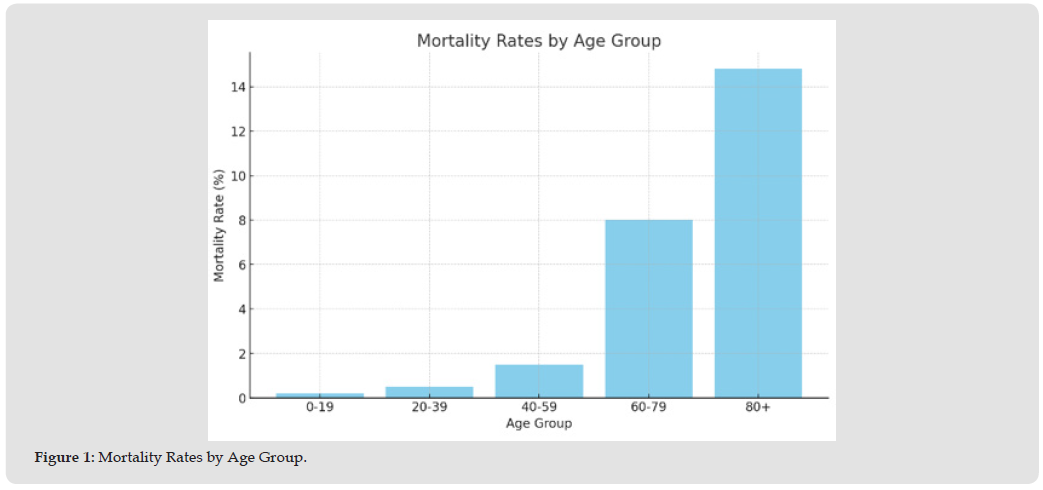
COVID-19 has exhibited a distinctive pattern of mortality influenced by various epidemiological factors. The most significant among these is age, with older adults facing significantly higher risks of severe outcomes and death. Studies have consistently shown that mortality rates increase with age, particularly for those over 60 years old. According to Clark, et al. [3], the global estimates indicate that individuals aged 70 years and older have the highest mortality rates, which is exacerbated by underlying health conditions as illustrated in Figure 1. Comorbidities also play a critical role in COVID-19 mortality. Patients with pre-existing conditions such as cardiovascular disease, diabetes, chronic respiratory diseases, and hypertension are at a heightened risk of severe illness and death [4]. A systematic review by Petrilli, et al. [18] confirmed that the presence of multiple comorbidities significantly increases the likelihood of mortality among COVID-19 patients, as shown in Figure 1.
Figure 1
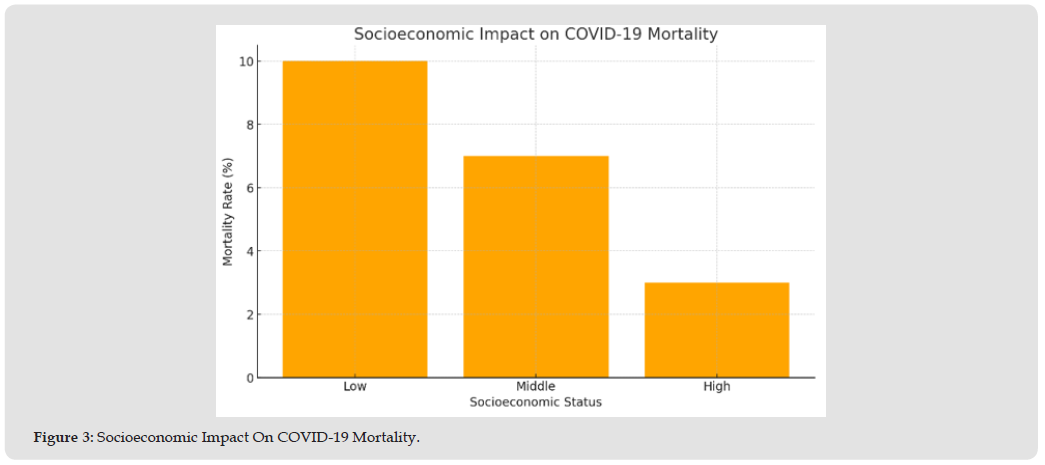
The impact of COVID-19 has not been uniform across different demographic groups, revealing stark disparities. Racial and ethnic minorities, particularly African American, Hispanic, and Native American communities, have experienced disproportionately higher mortality rates compared to their white counterparts. Tai, et al. [1] found that structural inequalities, including limited access to healthcare, higher prevalence of underlying health conditions, and socioeconomic disadvantages, contribute significantly to these disparities, as shown in Figure 2. Socioeconomic status (SES) is another crucial determinant of COVID-19 outcomes. Individuals with lower SES are more likely to experience severe outcomes and higher mortality rates due to factors such as crowded living conditions, limited access to healthcare, and employment in essential services that increase exposure to the virus [10]. In Figure 3, Mena et al. [4] demonstrated that regions with higher income inequality and lower public health expenditure saw higher COVID-19 mortality rates, emphasizing the need for equitable healthcare distribution.
Figure 2
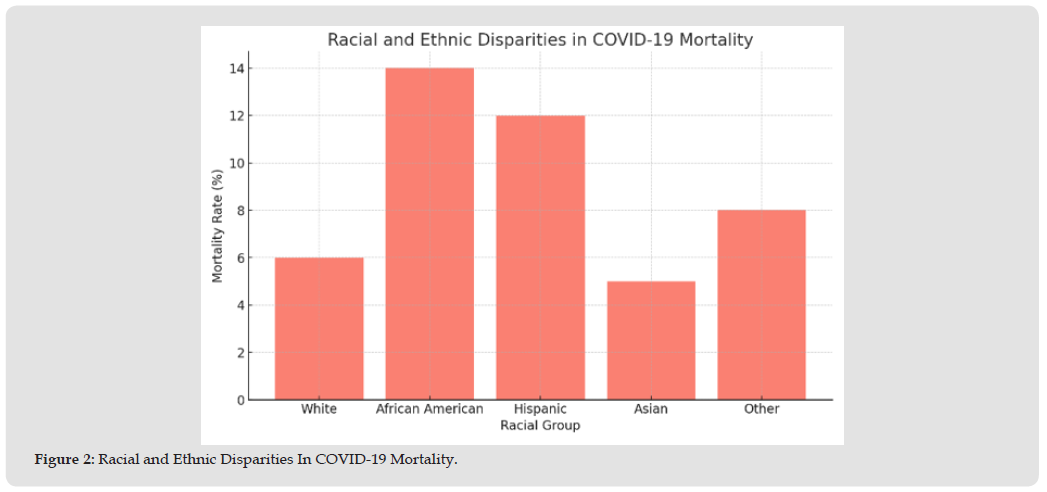
Figure 3
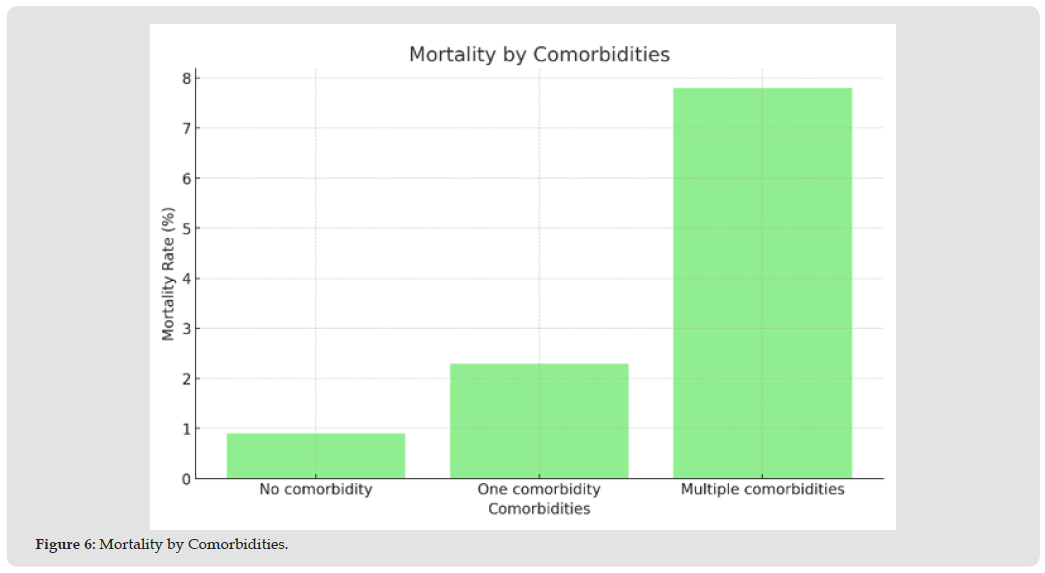
Geographical location has also significantly influenced COVID-19 mortality rates, with notable differences observed between regions and countries. Countries situated between the 25° and 65° northern parallels reported the highest mortality rates, potentially due to a combination of climatic factors, population density, and healthcare capacity [36]. According to García-Basteiro, et al. [28], European countries such as Italy and Spain, as well as regions in the United States, experienced some of the highest mortality rates during the pandemic, as show in Figure 4. Urban versus rural differences also highlight geographical disparities in COVID-19 mortality. Urban areas, characterized by higher population density and greater mobility, saw higher infection and mortality rates compared to rural areas. This trend was evident in the United States, where major cities became epicenters of the outbreak. However, rural areas faced challenges such as limited healthcare infrastructure and delayed access to medical care, which also contributed to significant mortality rates shown in Figures 5 & 6 [34].
Figure 4

Figure 5
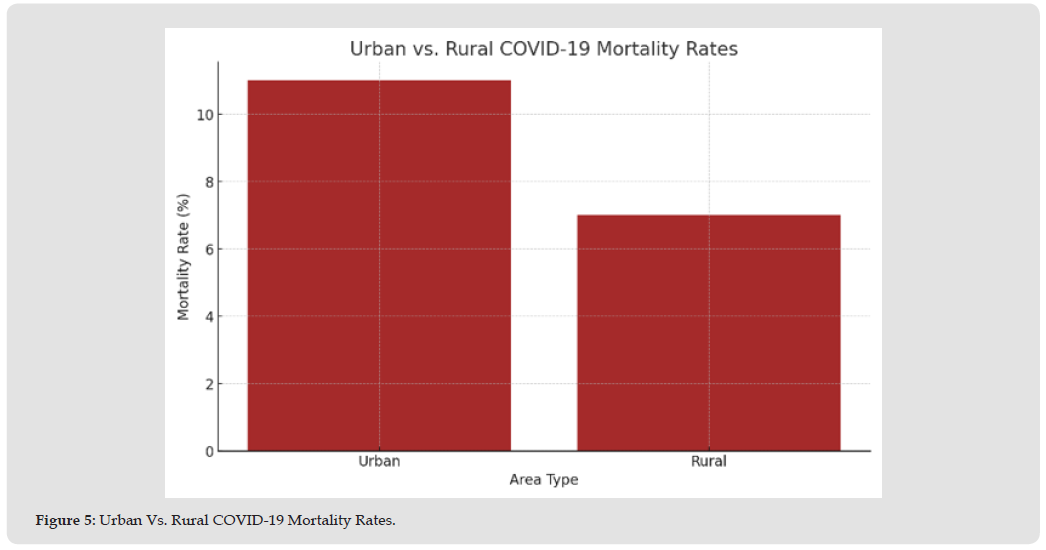
Figure 6
The COVID-19 pandemic has exposed and exacerbated existing disparities in health outcomes across different demographic and epidemiological groups. Our review demonstrates that age, comorbidities, race, socioeconomic status, and geographical location are significant determinants of COVID-19 mortality. Older adults and individuals with pre-existing health conditions face the highest risks, highlighting the need for prioritized healthcare resources and targeted protective measures. Racial and ethnic minorities, particularly African American and Hispanic communities, have experienced disproportionately higher mortality rates, underscoring the urgent need to address structural inequalities and improve access to healthcare. Socioeconomic status significantly influences COVID-19 outcomes, with lower-income individuals facing greater risks due to factors such as crowded living conditions and limited access to healthcare. Geographical differences in mortality rates point to the importance of robust healthcare infrastructure and tailored public health strategies for different regions. To effectively combat the disparities revealed by COVID-19, public health policies must prioritize equitable access to healthcare, targeted interventions for high-risk groups, and the strengthening of healthcare systems. Addressing the underlying social determinants of health and reducing socioeconomic and racial inequalities are essential steps in mitigating the impact of current and future pandemics. By understanding and addressing these disparities, policymakers can develop more effective strategies to protect vulnerable populations and improve health outcomes during global health crises.

International Association of Landscape Archaeology, Czech Glass Society, Czech Republic

Department of Chemistry, Semenov Institute of Chemical Physics, USSR Academy of Sciences, Moscow, Russia

Neurology, LA BioMed Research Institute, USA

Associate Professor at Department of Breast and Thyorid Surgey, Chongqing General Hospital, China

Clinical Radiologist (MD) - Department of RADIOLOGY, Cosenza Hospital, Cosenza, Italy





 Abstract
 PDF
PDF



























