info@biomedres.us
+1 (502) 904-2126
One Westbrook Corporate Center, Suite 300, Westchester, IL 60154, USA
Site Map
 ISSN: 2574 -1241
ISSN: 2574 -1241
ISSN: 2574 -1241
Received: July 04, 2024; Published: July 12, 2024
*Corresponding author: Shuping Guo, Department of Cardiac Surgery, General Hospital of Ningxia Medical University, 750000 Yinchuan, China
DOI: 10.26717/BJSTR.2024.57.009016
Background and Objective: Regular follow-up during rehabilitation enhances patient self-management, supports a healthy lifestyle, reduces cardiovascular risk factors, and provides a foundation for timely medication adjustment and reintervention. This study draws upon the Omaha problem classification system, to construct follow-up evaluation indicators for individuals after aortic dissection surgery, serve as a reference to enhance follow-up support decisions for patients with aortic dissection.
Methods: Based on the Omaha problem classification system, we combined literature analysis and semistructured interviews to draft preliminary follow-up evaluation indicators for postoperative AD patients. The Delphi technique was adopted to administer two rounds of questionnaires to 16 nursing experts to determine the indicators for evaluating the quality of follow-up evaluation indicators.
Results: Experts displayed differences in percentages, authority coefficients, and Kendall harmonization coefficients. The final follow-up indicators for postoperative patients after aortic dissection surgery consisted of 4 primary indicators, 18 secondary indicators, and 51 tertiary indicators.
Conclusions: This study’s constructed follow-up indicators for postoperative aortic dissection patients are scientific and practical, offering a valuable reference for medical practitioners in follow-up work and health education, and supporting decision-making.
Keywords: Aortic Dissection; Rehabilitation; Delphi Methodology; Index System; Omaha Problem; Classification System
This study draws upon the Omaha problem classification system, and preliminary follow-up evaluation indicators for postoperative aortic dissection patients were formulated through literature analysis and semi-structured interviews. The aim of this study was to identify and describe follow-up evaluation indicators for patients with AD. We sought to provide information that could be used as a reference for clinical medical staff conducting follow-up evaluations of patients during the rehabilitation period following major surgery. Our findings may also support health education decision-making.
Aortic dissection (AD) refers to an acute injury of the aortic intima caused by various factors, where high-pressure blood flow enters the aortic media from the intima tear and expands continuously along the aortic axis, resulting in separation of the true and false cavities as a pathological change, with rapid onset, rapid progression, and a high fatality rate [1]. The incidence of aortic dissection ranges from 2.8/100,000 to 16.3/100,000 individuals [2,3]. In 2011, the International Acute Aortic Dissection Register (IRAD) study showed that the incidence of aortic dissection has increased in recent years [4]. With the improvement of the emergency department system and the innovation of diagnosis and treatment technology, the early treatment effect of aortic dissection has significantly improved, and the postoperative one-year and three-year survival rates are 98.0% and 87.0%, respectively [5,6]. A retrospective cohort study found that nearly one-third of patients with aortic dissection did not participate in follow- up after discharge, and the lifetime mortality risk of patients with aortic dissection with low compliance was twice that of patients with high compliance [7]. These studies offer evidence from the long-term follow-up of patients with aortic dissection after surgery by aortic disease management professionals.
The incidence of reoperation in patients with Stanford type A AD after ten years is 20%. The incidence of reoperation in patients with Stanford type B AD five years after endovascular treatment was approximately 30.6%, indicating that patients with AD still face high health risks during postoperative rehabilitation [8]. Therefore, regular long-term and lifelong follow-up of discharged patients with aortic dissection is required to ensure their quality of life. Studies have shown that regular follow-up and timely detection of risk factors affecting the prognosis of patients with AD can inform early drug adjustment and reintervention, promote patient self-management and improve long-term prognosis [9].Sharma conducted a retrospective cohort study and found that nearly one-third of all patients with aortic dissection did not participate in follow-up after discharge and that the lifetime death risk of patients with aortic dissection with low compliance was twice that of patients with high compliance [7]. Martin, et al. studied the medication compliance of discharged patients with chronic type B aortic dissection and found that approximately 21% of patients had low compliance 36% had moderate compliance [10].
Chaddha found that 54.9% of type A patients and 43.9% of type B patients had exercised insufficiently, mainly because they did not know which activities were safe after discharge [11]. Another study found that the physical symptoms of discharged patients after aortic dissection were at a mild to moderate level, quality of life was above the medium level [12]. At present, discharge follow-up is carried out through WeChat, telephone, family follow-up, and other forms to timely and dynamically understand changes in patients’ conditions and help them perform healthy behaviour and certain results have been achieved [13]. However, the follow-up content mainly focuses on dietary guidance, health education, and regular reviews, and there is no comprehensive follow-up evaluation index system oriented toward the health needs of patients with AD during their rehabilitation.
This study was comprised of two phases. In the pre-research phase, a preliminary draft of follow-up evaluation indicators for postoperative patients after AD was designed based on a model constructed using the Omaha problem classification system. Literature retrieval and semi-structured interviews replaced the first round of the traditional survey for the exploratory analysis of follow-up indicators for postoperative patient rehabilitation following AD. The Delphi method is a systematic process used to determine the collective opinions of panel members and is commonly employed in healthcare to offer guidance in research where resources are limited [14]. In the Delphi stage, a questionnaire was designed based on a preliminary draft and two rounds of the Delphi survey were conducted to reach a consensus. We established a working group that included one clinical nursing management expert, two associate professors of nursing, one associate chief physician, one nurse from the rehabilitation nursing follow-up clinic, one pharmacist, and two postgraduate degree students.
The research team was responsible for developing the initial draft of the Follow-up Evaluation Index system for postoperative patients after AD, recruiting experts, distributing related materials, analyzing the suggestions from experts, and making corresponding corrections. Based on a systematic literature review, our working group initially developed follow-up evaluation indicators according to the disease characteristics and discharge guidelines. Constructed the model using the Omaha problem classification system as the theoretical framework, the follow-up evaluation indicators for postoperative patients after AD were categorized and summarized [15].
Convenience sampling was employed, following the information saturation principle. We selected stakeholders involved in the treatment and nursing of aortic dissection for in-depth interviews, including doctors, nurses, and patients who had recently undergone AD surgery at the same hospital. Researchers conducted in-person meetings to communicate the research purposes and methods, and to obtain informed consent. Purposive and snowball sampling methods were used to recruit 16 experts from five hospitals and three universities in four cities and provinces. All hospitals were third-level first-class hospitals, and the universities were medical universities. The experts were contacted via email to obtain their consent, and the researchers ensured their willingness to participate in this study.
Semi-structured interviews with four doctors, three nurses, and eight postoperative patients after AD to perfect the concept and components of the evaluation system. Several questions were asked during the interview, and the medical and nursing staff interviews were as follows: ‘What do you think should be followed up after AD?’ and ‘What are your suggestions for the follow-up evaluation in the rehabilitation period patients of AD?’ Patients were asked questions such as ‘What are the main problems you are facing at this stage?’ and ‘What are your recommendations for nursing follow-up?’ Additionally, we initially constructed indicators for postoperative patients with AD, including four first-level indicators, 15 second-level indicators, and 57 third-level indicators.
The Expert Panel: Expert panels participating in the Delphi survey were selected from various regions and organizations in China. The inclusion criteria for expert selection were as follows:
1. Possession of a master’s degree or above in clinical specialization or a bachelor’s degree or above in nursing specialization.
2. Holding an intermediate professional title or above.
3. Accumulated ten or more years of work experience; and
4. Voluntary participation in this research and the ability to respond to the expert consultation questionnaire during the research period. Finally, a consulting expert panel was formed, consisting of three clinical care experts, ten clinical nursing experts, and three nursing education experts. Demographic details of the Delphi expert panel are presented in Table 1.
Table 1: Demographic characteristics of expert panel (N = 16).

Data Sources and Collection: After constructing the Follow-up Evaluation Index System draft for postoperative patients with AD, the Delphi method was used. We designed an expert inquiry questionnaire on follow-up evaluation indicators in patients with postoperative AD. Questionnaires were distributed to experts by email or in person in February 2023. The questionnaire consisted of three sections. The purpose of Section 1 was to gather basic data on the experts, such as their age, professional title, affiliations, job history, and educational background. Expert comments on the evaluation indicators are presented in Section 2, with each indicator’s value assessed on a 5-point Likert scale ranging from 1 (very unimportant) to 5 (highly important). Experts can add to or suggest revisions to remove any given indicator. Between February and March 2022, we gave experts two rounds of the Delphi-based questionnaire. The survey rounds lasted for 12 and 14 days, respectively. Initially, we delivered a draft of the Evaluation Index System, evaluation-making guidelines, and guidance to the experts via email. The second step involved analyzing and summarizing every result; the index inclusion criteria were a significance value > 0.35 points and a coefficient of variance < 0.25. Mean value assignment < 3.5 and coefficient of variance > 3 were the exclusion criteria. Third, we delivered the experts an updated version of the Evaluation Index System after summarizing and showing all changes. The Evaluation Index System was confirmed until the opinions of all specialists reached consensus. Our working group emailed follow-up surveys to fill in any gaps after thoroughly reviewing the completed questionnaires.
Statistical Analysis: All data were analyzed using SPSS version 25.0. Mean values, standard deviation, coefficient of variation, and proportion were used in the descriptive analysis. The effective return rate of the questionnaire was used to reflect the activity level of the experts. The familiarity coefficient (Cs) and judgment coefficient (Ca), or Cr = (Ca + Cs)/2, were used to calculate expert authority based on judgment and experts’ familiarity with the questions. The degree of expert opinion coordination was represented by Kendall’s coefficient of concordance. The overall score rate, standard deviation, and mean importance score indicate the concentration of the expert opinions.
General information about the Delphi experts is presented in Table 1. The average age of the interviewed experts was 43.94 years, and their working experience was 21.23 years.
The positive coefficient of experts was expressed as the return rate of the questionnaire. Eighteen questionnaires were distributed in rounds 1 and 16, and 16 questionnaires were distributed in rounds 2 and 15. The return rates of the two rounds of expert correspondence are 88.89% and 93.75%, respectively. This indicated that the interest of the experts in this study was high. In the first round, 15 experts proposed 29 amendments; in the second round, seven experts proposed 11 amendments (Table 2). The degree of coordination of experts was mainly determined by the coefficient of the basis of experts’ judgment and the coefficient of familiarity, which were 0.863 and 0.887 respectively, and the coefficients of familiarity were 0.937 and 0.950, respectively. The degree of coordination of expert opinions was expressed by the coefficient of variation (CV) and coordination coefficient. Therefore, the CV of the two rounds of the survey were 0.00–0.35 and 0.00–0.191. The coordination coefficient was evaluated using Kendall’s coefficient of concordance. The degree of coordination in the expert questionnaire was determined to be optimal (Table 3).
Table 2: Questionnaire recovery.

Table 3: Expert coordination coefficients.
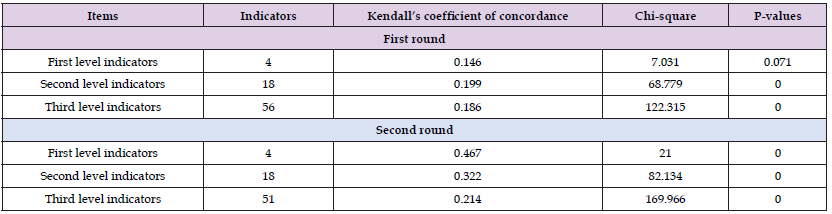
Table 4: Follow-up evaluation indication for postopretive patients after aortic dissection.
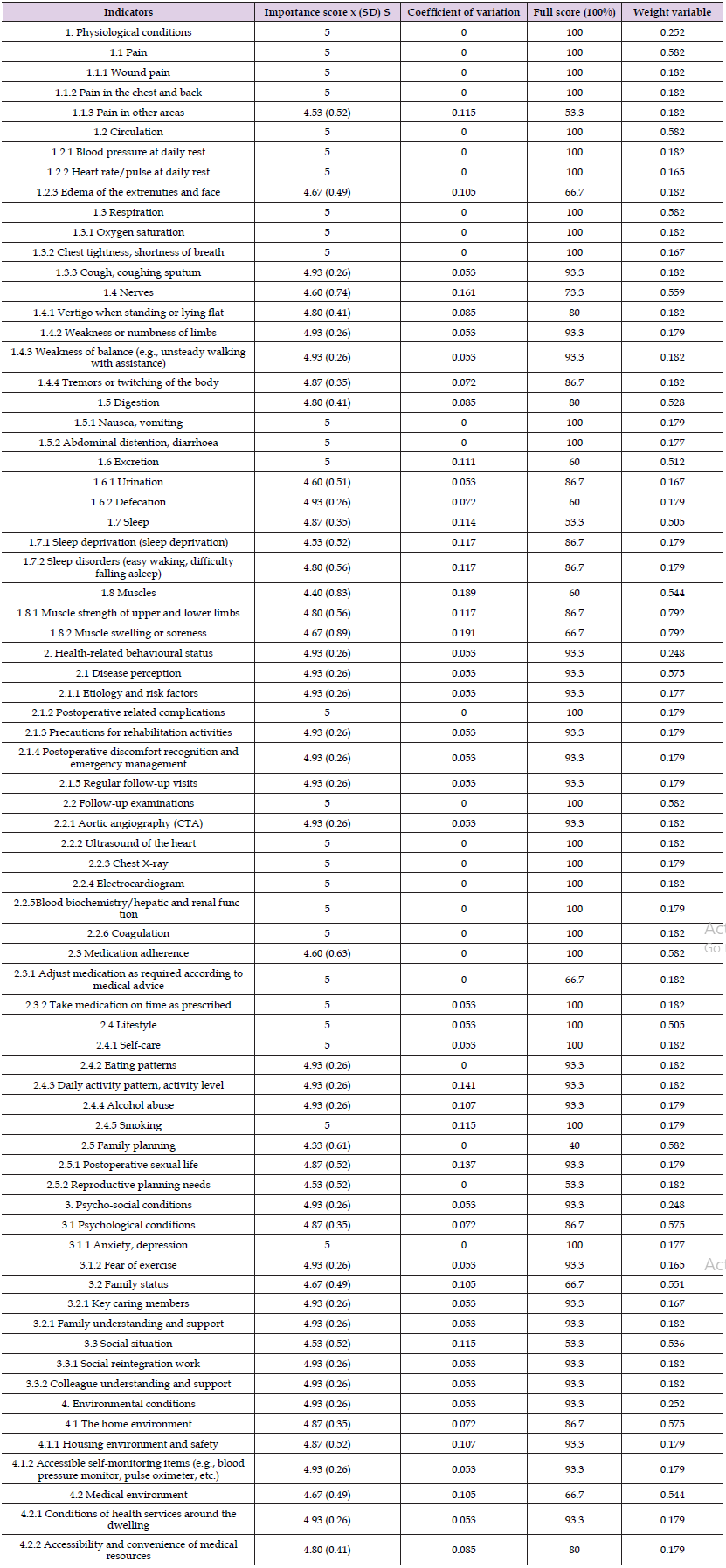
Following two rounds of expert correspondence and a group discussion, where the experts’ comments were considered. Table 4 displays the final list of follow-up indicators, which consisted of 4 primary, 18 secondary, and 51 tertiary indicators.
The scientific validity and reliability of the construction of follow- up indicators are reflected in the research methods and the selection of experts. This study used a literature review, semi-structured interview, and expert consultation to determine the contents of the evaluation index system and then strictly followed the steps of the Delphi method to screen follow-up evaluation indicators. The latest expert consensus on cardiac rehabilitation care points out that regular follow-up of patients during the rehabilitation period can further enhance their self-management ability, maintain a healthy life pattern, reduce cardiovascular disease risk factors, and provide a basis for the timely adjustment of medication and reintervention[16]. In this study, through literature analysis and semi-structured interviews, common follow-up questions for postoperative AD patients during the rehabilitation period were sorted and integrated, and the follow-up indicators for AD patients were categorised into domains to ensure the scientific validity of the first draft of the follow-up indicators.
The experts were selected based on the principles of representativeness and authority, and 16 experts from Gansu Province, Jiangsu Province, Shaanxi Province, and the Ningxia Hui Autonomous Region were selected for consultation using the Delphi method, which is representative of geographical coverage. In addition, experts’ professional fields were related to frontline clinical medical and nursing care, nursing education, and follow-up management, and their titles were mainly associated with seniors or above with rich clinical experience and academic levels, which ensured the authoritative and scientific content of the follow-up indicators in this study. The recall rates of the two rounds of expert consultation were 88.89% and 93.75%, respectively, both of which were > 70%, indicating that the experts were constructive and attached a high degree of importance to the study. The authority coefficient of the experts was 0.919, indicating that the experts were familiar with the topic and had a strong basis for judgment [17].
The W coordination coefficients were 0.223 and 0.263, indicating that the experts had less disagreement, more uniform opinions, and a higher degree of agreement with the content of the indicators at all levels. Moreover, as patients with AD gradually transition from the fragile phase of recovery to the stable phase after surgery, the importance of relevant indicators varies according to the need for follow-up at different stages. For example, at the 1-month post-discharge follow- up, patients’ physiological conditions were generally more prominent, with pain and high blood pressure being more common. At the three-month post-discharge follow-up, the patient’s physiological condition had improved, but health-related behavioral problems were more pronounced. Therefore, no indicator weights were included in this study, and future follow-ups of patients with AD at different stages will be further stratified based on the trajectory of changes in the patient’s follow-up needs.
The final follow-up indicators for postoperative patients with AD patients in this study were four areas: physical status, health behavior, psychosocial status, and environmental status, and included 18 secondary and 51 tertiary indicators. Specific indicators were developed based on the current clinical follow-up situation and patient problems; the opinions of clinicians, nurses, and patients; and the characteristics of AD to make the follow-up indicators more suitable for patients’ health needs. Pain, circulation, and respiration are most closely related to primary disease during the follow-up of patients with postoperative AD. Studies have shown that patients with AD have a variety of initial symptoms, with pain being the most dominant symptom, and the location of pain and other concomitant symptoms can be used as an important predictor of clinical judgment of changes in the condition [18]. Lang showed that the incidence of chest and back pain was as high as 32.24% in a post-discharge telephone follow- up of patients with AD, and a comprehensive analysis placed pain as the primary indicator for follow-up [19].
Second, the prevalence of AD combined with hypertension, in China, ranges from 50.1% to 75.9%, and blood pressure variability is directly related to mortality within 30 d (Chinese Committee of Cardiology Experts, Beijing Association of Hypertension Prevention and Treatment [20]. The long-term impact of poor postoperative blood pressure control on patients’ physiological function directly leads to an increase in the proportion of out-of-hospital cardiovascular adverse events; therefore, it is ranked as the second most important follow- up indicator. In addition to chest and back pain, symptoms such as chest tightness, dizziness, shortness of breath, difficulty sleeping, and fatigue are complex and variable and seriously affect the quality of life of patients after surgery. Therefore, the follow-up indicators constructed in this study are more relevant and comprehensive according to the impact of different symptom severities on patients’ physiological functions.
Health-related behavioral status, the self-health management behavior of patients with AD during recovery, refers to the entire process of analyzing, predicting, and preventing health information and health risk factors in one’s body. Although in-hospital health education has led to an increase in patients’ disease-related knowledge, out-of-hospital patients’ adherence to health behaviors remains low, and there is a slow increase followed by a sharp decline in patients’ disease perception over time after discharge. Among psychosocial conditions, AD is the most dangerous cardiovascular disease and has an elevated mortality rate. The study found that the incidence of anxiety in postoperative AD patients was 31.19%, the incidence of depression was 26.30%, and that patients were highly susceptible to post-traumatic stress disorder after a traumatic surgical event [21]. Meinlschmidt highlighted the existence of more psychosocial needs in patients recovering from aortic coarctation [22].
Studies have shown that individuals with larger social networks and more frequent contact among network members have a slower rate of functional decline, suggesting that good social relationships are inextricably linked to a reduced risk of cardiovascular disease and functional decline [23]. The environmental status of patients with AD who are discharged from the hospital and returned to their families, lack medical care expertise, are insufficiently aware of the hidden dangers of their surroundings, and the safety of their behavior is a key factor in ensuring that patients can be monitored and promptly treated at home. The availability and accessibility of healthcare resources are key components in ensuring that patients are monitored and treated throughout the disease cycle. Studies have shown that the survival rates of patients with AD at one, two, and three years after surgery are 82%, 78%, and 75%, respectively, and nearly half of the patients die or require reintervention five years after surgery [24]. The follow-up indicators constructed in this study were tailored to the needs of the patients and clinical problems. This was conducive to providing targeted guidance on the core problems of patients with AD and improving the effectiveness of follow-up.
This study had some limitations. First, most experts were from the Ningxia Province, which has certain regional limitations. Therefore, it is necessary to expand the study population for future research. Second, owing to the time relationship, a measurement analysis was not conducted. In addition, we did not apply this evaluation system in clinical practice. Future studies should focus on the reliability and validity of this indicator system and evaluate it in major hospitals for clinical practice.
The follow-up indicators for postoperative patients after AD surgery constructed in this study are scientific and practical and can provide a reference for healthcare workers conducting follow-ups and providing patients with work and health education that supports decision-making during the rehabilitation period following major surgeries.
The data that support the findings of this study are available from the corresponding author upon reasonable request.
DZ: conception, design, data management, statistical analysis, manuscript writing, and manuscript editing. SG: conception, data management, manuscript editing, supervision. SJ: provision of study materials or patients, manuscript editing, supervision. FM: conception, design, data management, statistical. YZ: analysis, manuscript writing, and manuscript editing. All authors contributed to editorial changes in the manuscript.
This study was approved by the Ethics Committee at the General Hospital of Ningxia Medical University (KYLL-2021-584). We obtained written informed consent from all participants. We confirm that all methods were performed in accordance with the relevant guidelines and regulations.
This study was approved by the Ethics Committee at the General Hospital of Ningxia Medical University (KYLL-2021-584). We obtained written informed consent from all participants. We confirm that all methods were performed in accordance with the relevant guidelines and regulations.
We acknowledge the respondents who completed the questionnaire in this study. This paper is financially supported by Ningxia Science and Technology Projects (Grant No.2022BEG03095 and No.2023BEG03007). We thank the Ningxia Science and Technology Department for giving financial support for this study.
This study was supported by Ningxia Science and Technology Projects (No.2022BEG03095).
The authors declare no conflict of interest.

International Association of Landscape Archaeology, Czech Glass Society, Czech Republic

Department of Chemistry, Semenov Institute of Chemical Physics, USSR Academy of Sciences, Moscow, Russia

Department of Educational Sciences, Research Centre Qualities of Teachers, School of Education – HAN, Nijmegen, Netherlands

Associate Professor at Department of Breast and Thyorid Surgey, Chongqing General Hospital, China

Neurology, LA BioMed Research Institute, USA





 Abstract
 PDF
PDF



























