info@biomedres.us
+1 (502) 904-2126
One Westbrook Corporate Center, Suite 300, Westchester, IL 60154, USA
Site Map
 ISSN: 2574 -1241
ISSN: 2574 -1241
ISSN: 2574 -1241
Received: May 19, 2024; Published: June 25, 2024
*Corresponding author: Jaya P Ambhore, Assistant Professor Department of Pharmaceutical Analysis and Quality Assurance, Dr. Rajendra Gode College of Pharmacy, Malkapur, Dist – Buldhana Maharashtra, India
DOI: 10.26717/BJSTR.2024.57.008966
Background: With the recent discovery of Molnupiravir, a promising new antiviral agent, comes the pressing
need for accurate and efficient analytical methods to detect the drug in pharmaceutical formulations.
Developing a reliable UPLC method is important because it will aid in the pharmaceutical quality control
process by allowing for the precise quantification of Molnupiravir and its related components.
Objective: This study aimed to develop and validate a new UPLC method for the determination of Molnupiravir
and its associated compounds in pharmacological dosage forms of Molnupiravir.
Methods: The selection of an optimal chromatographic condition was analyzed. The Hypersil GOLD C18
column was chosen as the stationary phase, and a mobile phase consisting of methanol and 0.2% OPA in water
at a ratio of 85:15 (v/v) was selected with a flow rate of 0.8 ml/min. The developed UPLC was validated as per
the ICH guidelines for linearity, accuracy, precision, sensitivity, specificity, and selectivity.
Results: Various chromatographic conditions were optimized for accurate and rapid analysis while
maintaining high precision and sensitivity. Several parameters, including the stationary phase, mobile phase
type and ratio, flow rate, and other chromatographic conditions, were optimized to achieve a reliable and
cost-effective method.
Conclusion: The method demonstrated good linearity, accuracy, precision, and sensitivity, making it reliable
for quantifying Molnupiravir in a pharmaceutical formulation. The research also focuses on developing green
analytical chemistry principles to minimize the negative environmental impacts of research techniques
while maintaining analytical efficacy. The study findings will aid in the quality control of pharmaceuticals in
their expected dosage forms, enabling a more straightforward and cost-effective estimation of Molnupiravir
(Graphical Abstract).
Keywords: Molnupiravir; UPLC; Method Development and Validation; Chromatographic Condition
Abbreviations: MOL: Molnupiravir; UPLC: Ultrahigh-Performance Liquid Chromatography; LOD: Limit of Detection; LOQ: Limit of Quantification; GAC: Green Analytical Chemistry
Graphical Abstract.
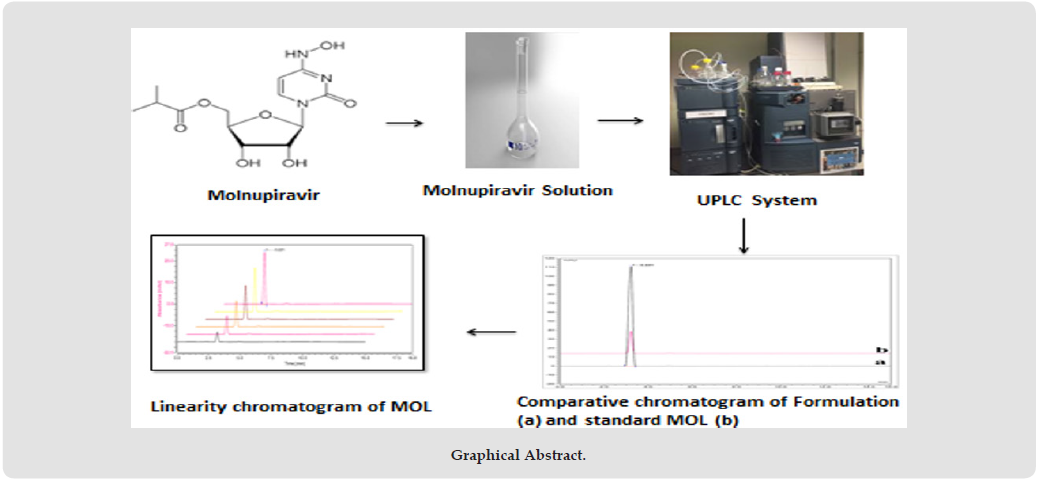
Merck and Ridgeback Biotherapeutics created Molnupiravir (MK- 4482 or EIDD-2801), an oral antiviral medication, to treat COVID-19. Molnupiravir (MOL) suppresses the reproduction (replication) of RNA viruses. MOL is a prodrug (Activated after its metabolism) incorporated into the RNA of the virus, causing modifications that render the virus incapable of reproduction. The clinical trials of MOL show promising results against COVID-19. The MOL was widely utilized to treat COVID-19 and related viruses. The success of pharmaceutical formulations and clinical trials relies on accurate and precise monitoring of MOL levels in the formulation and biological samples. Therefore, developing a reliable and robust analytical method for measuring MOL is essential for determining the formulation or biological samples. Ultrahigh-Performance Liquid Chromatography (UPLC) is well-suited for routine analysis to determine small molecules like MOL [1-4].
A literature survey found that only a few studies have documented the simultaneous detection of MOL in plasma and pharmacological dose forms [5-12]. The study’s primary objective was to develop and validate a UPLC method to simultaneously determine MOL and its associated compounds. One of the motives for developing new analytical methods is to produce a reliable but less costly and/or time-consuming UPLC method for the MOL. Several parameters were considered to achieve this objective, such as the optimal stationary phase, mobile phase type and ratio, flow rate, and other chromatographic conditions. According to ICH guidelines, the developed UPLC method was validated for specificity, linearity, accuracy, precision, the Limit of Detection (LOD), and the Limit of Quantification (LOQ). This research aims to develop new green, simple, cost-effective approaches that can concurrently estimate MOL to make the quality control of the pharmaceuticals in their predicted dosage forms. These strategies use Green Analytical Chemistry (GAC) principles to lessen the expanding negative effects of research techniques on the environment without compromising the analytical efficacy of standard approaches (Conventional techniques).
Reference Standards and Chemical Reagents
Molnupiravir was obtained from Sisco Research Laboratories Pvt Ltd, (SRL) Mumbai, India, as a gift sample. HPLC-grade methanol, analytical grade o-phosphoric acid, and water were purchased from Finar Limited.
Preparation of Stock Solutions
The standard stock solution of MOL was prepared by dissolving 100 mg of in 100 mL methanol to give a concentration of 1 mg/ ml. Further calibration levels (20 μg/ml,40 μg/ml,60 μg/ml,80 μg/ ml,100 μg/ml and 120 μg/ml) were prepared by diluting the standard stock solution with methanol to obtain appropriate concentrations. Standard solutions were stored at 4 °C.
Preparation of Sample Solution
The current validated investigative method was utilized to quantify molnupiravir in a capsule’s formulation. The 200 mg molnupiravir capsule of Molunamax was obtained from a local market in India. To determine the amount of analyte in the commercial matrix, the ground capsule content was accurately weighed (without Shell). The commercial samples accurately determined capsule content, equivalent to 50 mg of molnupiravir, was transferred into a 50 mL calibrated flask. Subsequently, 30 mL of methanol was added to the flask, and it was subjected to sonication for a duration of 20 minutes. The volume of the calibrated flask was filled to the mark with methanol in order to generate a stock solution of capsule at a concentration of 1000 μg/mL. Following this, the solution of the capsule matrix is filtered through 0.45 μm filters. A amount of water was used to dilute the resulting solution from the 10 mL calibrated flask until the desired concentration of 20 μg/mL was attained in the sample solution.
Instrument and Chromatographic Conditions
UPLC analysis was performed on Thermo Vanquish UPLC System equipped with quaternary pump F, a variable wavelength UV-visible detector, Vanquish column compartment (Oven temperature range 5 ºC to 90 ºC), and an autosampler. The UPLC System is controlled by Chromeleon 7.2 software. The analysis takes place on the RP-C18 column (Hypersil GOLD C18, (150 mm x 4.6 mm i.d., 3 μm). The appropriate separation of compounds was achieved in isocratic mode.
we selected a mobile phase consisting of methanol and 0.2% OPA in water at a ratio of 85:15 (v/v), 10μL sample size with a flow rate of 0.8 ml/min. Our samples were analyzed at 240 nm, and we observed a sharp and symmetrical peak at the RT of 3.2 min for MOL.
Method Development and Validation
The UPLC method was developed and validated as per ICH guidelines (Q2 (R1). The validation parameters addressed were sensitivity, system suitability, specificity, linearity, precision, accuracy, assay, recovery, ruggedness, and stability [13-20].
Optimization of Method
Selection of Stationary Phase: Based on the chemical and physical properties of the MOL, the stationary phase for UPLC method development was chosen. Initially, C18, C8, and phenyl columns were tested to separate MOL and its related compounds. It was determined that a C18 column was the best suitable for separating the analytes. C18 RP columns from different makers were tried during the method development. Hypersil GOLD C18 (150 mm x 4.6 mm i.d., 3 μm) was selected for further studies.
Selection of Mobile Phase: A mixture of 0.2% o-phosphoric acid in water and methanol was selected for the mobile phase. The mobile phase was optimized by varying the proportions of water and methanol and the pH of the aqueous component. The mobile phase composition was finalized as 85:15 (v/v) of o-phosphoric acid in water and methanol at a flow rate of 0.8 mL/min.
Validation of Method: The developed UPLC method was validated as per the ICH guidelines (Q2 (R1)).
System Suitability: The primary objective of system appropriateness assessment is to mitigate the potential adverse effects that may result from the perceived instability of chromatographic elements, such as the pump, detector, or column type, on official procedures. A solution containing 20 μg/mL of MOL was injected and analyzed in six replicates. The values for Retention Time (RT), peak area, theoretical plate number, tailing factor, resolution, and Relative Standard Deviation (percent RSD) were estimated.
Linearity: Analyses of standard solutions of MOL at concentrations ranging from 20 μg/ml to 120 ug/ml were utilized to evaluate the linearity of the developed UPLC. Calibration curves were generated by mapping the peak regions/areas against the relevant concentrations of the analytes. The linearity of the method was measured by calculating the correlation coefficient (R2) and the slope of the calibration curve. The analytes had R2 values that were higher than 0.99, which meant that there was a good linear relationship between the peak area and the concentration of the analytes.
Accuracy (Recovery Study): Accuracy or recovery study of the method was performed using the standard addition method. The accuracy was determined by estimating the analyte recovery after spiking known amounts of the analytes at three distinct concentration levels into the blank matrix. The analysis was carried out in triplicates. In the recovery experiments, by spiking (Adding) a known amount of standard at three different levels (spike level-1 (50 %), spike level-2 (100 %), and spike level-3 (150 %) to a standard of known concentration. Calculate the percentage recovery for each spiked level. The known amount of standard MOL was added to pre-analyzed sample (40 μg/mL of MOL) and subjected them to the proposed UPLC method. The percentage recovery was computed as the ratio of the spiked sample’s peak area to the standard sample’s peak area. The results demonstrated a recovery percentage within the range of 98% to 102%, signifying the suitable accuracy of the developed method.
Precision
To determine the method’s precision, on three separate days, six replicate injections of three different concentrations of MOL were analyzed to determine the accuracy of the developed UPLC method. The accuracy was studied by determining the analyte peak regions’ Relative Standard Deviation (RSD). Intra-day precision was evaluated by analyzing six replicate injections of the same sample on the same day, while inter-day precision was determined by examining six replicate injections of the same sample on three separate days. The results showed RSD values of less than 2%, indicating good precision of the developed method. Values with % RSD ≤ 2% for peak area responses were accepted.
Sensitivity (Limit of Detection and Limit of Quantification): The Limit of Detection (LOD) and Limit of Quantification (LOQ) of the developed UPLC method were obtained by evaluating standard solutions of MOL at low concentrations until the signal-to-noise ratio (S/N) was determined to be 3:1 and 10:1, respectively. As per the ICH guidelines, the limits of detection and quantification of the developed method were calculated from the standard deviation of the response and slope of the calibration curve of markers using the following formulas:
Limit of detection = 3.3 × σ / S,
Limit of quantification = 10 × σ / S,
Where σ is the standard deviation of the response and S is the slope.
Robustness: The concept of robustness of the analytical protocol, as defined by ICH process, pertains to the ability of an evaluation to stay unaffected by slight yet intentional variations in the parameters of the analytical protocol. In order to ascertain the robustness of the experiment, the independent variables chosen were wavelength, flow rate of solvent system, and column oven temperature. The effects of each independent variable, namely the tailing factor, RT and theoretical plates observed over the responses. An investigation into robustness evaluation was conducted at a concentration of 20μg/mL.
Ruggedness: The robustness of the investigated protocol is the degree to which the test results generated by the estimation of the sample of interest by two independent researchers are repeatable under identical analytical and environmental conditions. A study was conducted to assess robustness at a dose of 20 μg/mL.
Specificity and Selectivity: The specificity of the developed UPLC method was ensured by studying at blank non-interference and comparing the retention time of target analyte peaks from the sample analyst to the reference standard. No difference was found in the peaks and spectra of reference standards and the sample analyzed. The peak purity tool was used to evaluate the peak purity of the samples. Hence the developed method demonstrates specificity and selectivity. Force Degradation Studies: The specificity of the approach can be demonstrated by subjecting a sample to acid, alkaline, oxidative, thermal, photolytic, degradation. After subjecting the sample to these circumstances, analyzing the primary peak for peak purity indicates that the approach successfully separates the degradation products from the pure active component. (“ICH, Q1A (R2) stability testing of new drug substances and products,” 1996)
Hydrolytic Degradation: Hydrolytic stress testing was carried out to stimulate the degradation of the drug substance and generate its principal degradation products. This involves putting the drug substance in neutral, acidic, and basic environments over a defined period of time. Before commencing the hydrolytic tests, a preliminary solubility screening was undertaken to confirm the drug ingredient exhibited a solubility of at least 1 mg/mL under neutral, acidic, and basic conditions, as suggested for the subsequent stress testing. For the experiment, 100 μL of a standard stock and formulation solution was diluted with 1000 μL by adding either 0.1 M HCl or 0.1 M NaOH. The resultant solution was then kept at 60°C for 30 min. The solutions were then cooled to room temperature and neutralized with an adequate quantity of either HCl or NaOH. The solutions were diluted with the mobile phase to a 10 μg/mL concentration and injected into the UPLC system.
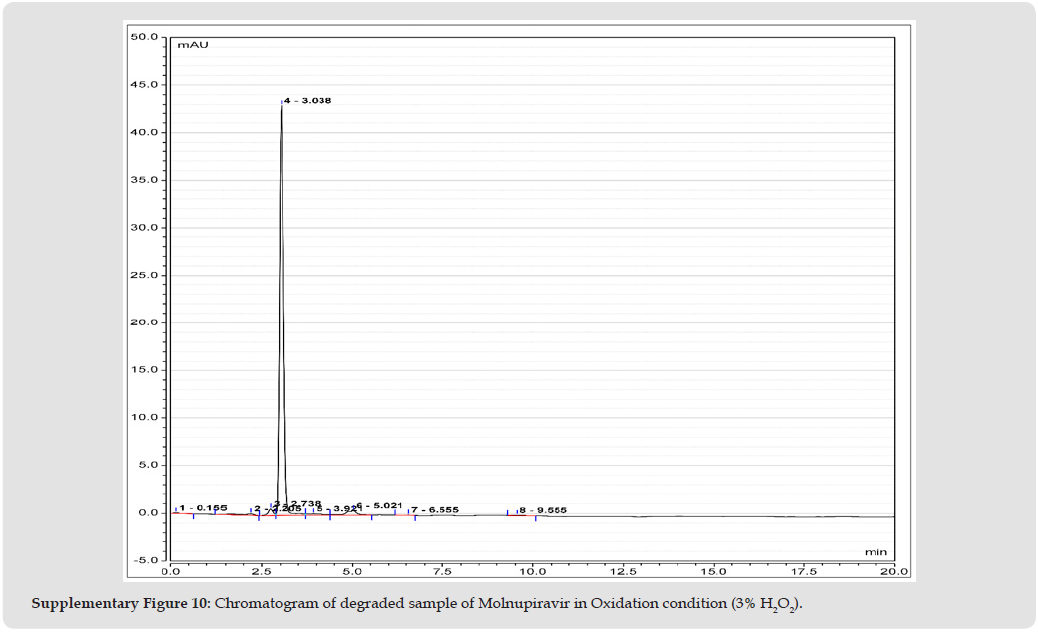
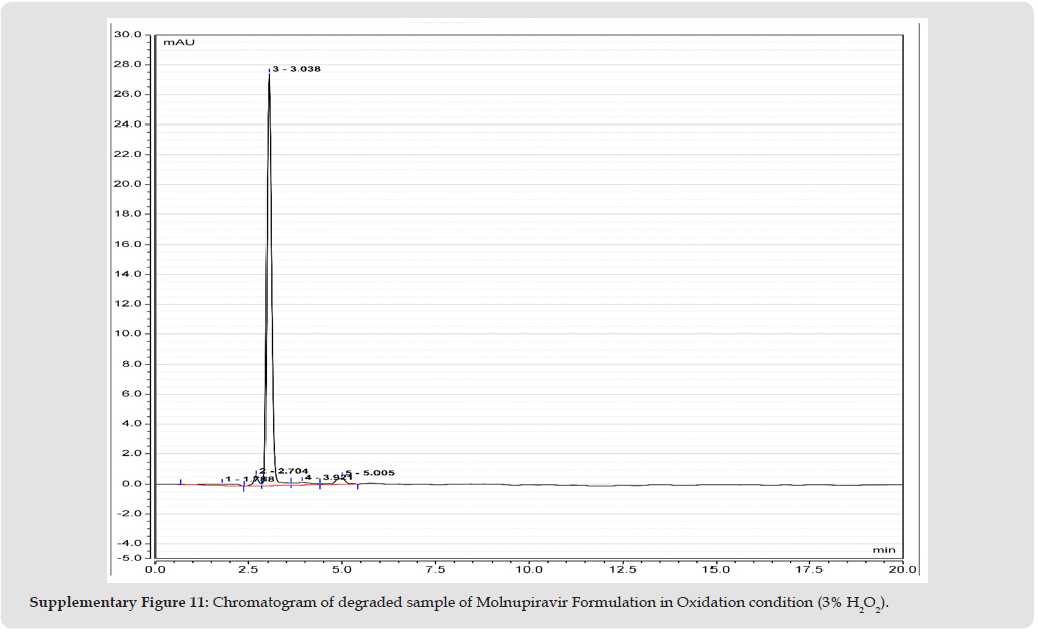
Oxidative Degradation: The pharmaceutical industry has extensively documented the oxidative degradation of drug substances in pharmaceutical substances/formulations. Oxidation is affected by oxygen in the surrounding environment and the material’s properties with which it comes into contact. True oxidation occurs at the molecular level, but we only perceive the macroscopic effects as oxygen promotes the detachment of free radicals at the surface. 100 μL of a standard stock and formulation solution was diluted to 1000 μL for the experiment by adding 3 percent H2O2. The solution was then allowed for 2 hours at room temperature. After further diluting the solutions with the mobile phase to a concentration of 10 μg/mL, they were injected into the UPLC system.
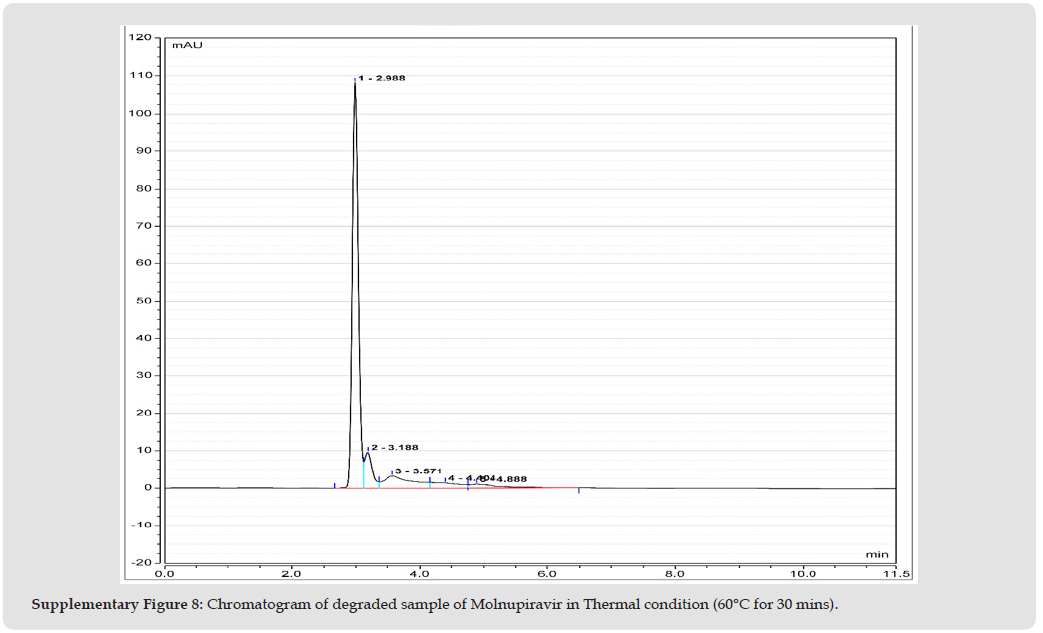
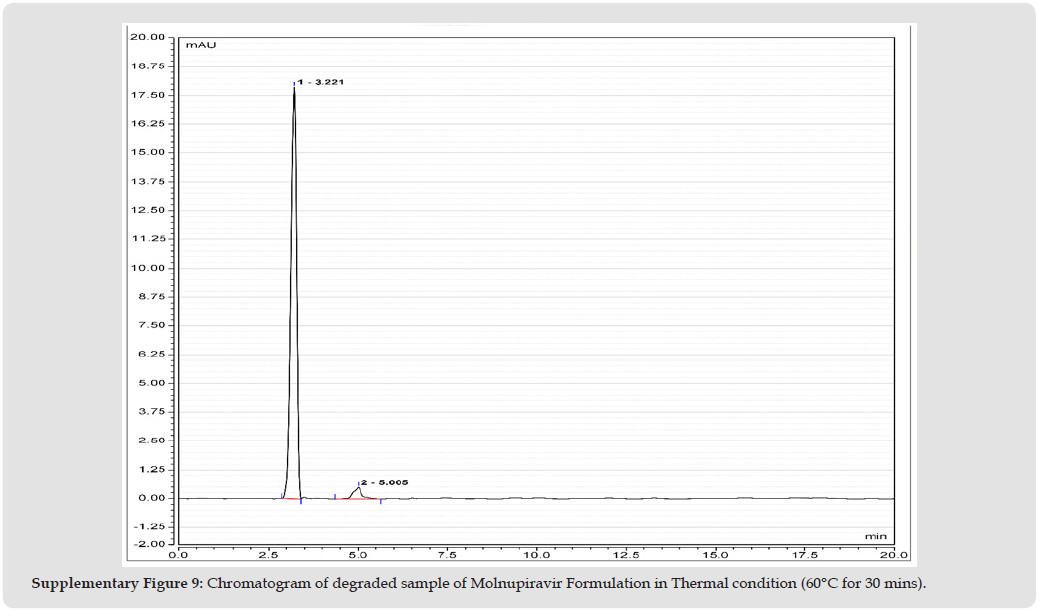
Thermal Degradation: It is possible to employ various temperatures in both the solid state and solution to assess thermolytic pathways. Temperatures exceeding 60 °C have been reported to cause the degradation of numerous substances through multiple processes, resulting in the creation of degradation products. When submitting solids to stress, it is appropriate to use high and low-humidity atmospheres at the required temperatures. 100 μL of a standard stock and formulation solution was diluted with 1000 μL of water for the experiment. The solution was then held at 60 °C for 30 mins. Before being injected into the UPLC system, the solution was cooled to room temperature and diluted with the mobile phase to a concentration of 10 μg/mL.
Optimization of Chromatographic Conditions
A groundbreaking UPLC method was crafted to measure MOL in a pharmaceutical formulation. The key to successfully detecting and quantifying MOL in the pharmaceutical formulation is maintaining the ideal chromatographic conditions throughout the experimentation. The method development process involved conducting multiple experimental trials to produce a UPLC method that is accurate and rapid while maintaining high precision and sensitivity. Several chromatographic conditions were analyzed in the UPLC method, including selecting an optimal stationary phase, a suitable mobile phase ratio, an ideal flow rate, and an appropriate detection wavelength. The optimization process for each of these chromatographic conditions is discussed below. For the method development, a standard solution of MOL was utilized.
Selection of Stationary Phase
Initially, the MOL was separated using the Agilent Zorbax Bonus- RP (4.6 * 150 mm, 3.5 μm; Agilent Zorbax Bonus-RP). MOL was not adequately resolved; its Retention Time (RT) was over 10 minutes. We determined that the Agilent RP column was unsuitable for our investigation due to its carbon load of roughly 9.5% and surface area of approximately 180 m2/g. Our primary objective was to lower the cost and time required for MOL and related substance quantification. To do this, we choose to alter the stationary phase. For additional tests, we decided on the Cosmosil C18 (Cosmosil 3C18-MS II; 4.6 * 150 mm, 3 μm) column. Although this column yielded fairly resolved symmetrical peaks for MOL, the retention time for MOL was still between 7 and 9 minutes. The carbon load and surface area of the Cosmosil C18 column, which were approximately 16 percent and 300 m2/g, respectively, were insufficient for our analysis. Again, we had to identify a stationary phase that could generate strong separation and peak symmetry with a retention time of less than 5 minutes. To accomplish this goal, we conducted additional tests with the Hypersil GOLD C18 column (4.6 mm * 250 mm * 3 μm). MOL was appropriately split this time, and its RT was less than 5 minutes. The carbon load on the Hypersil GOLD C18 column is approximately 10%, and its surface area is approximately 220 m2/g. This column yields superior outcomes compared to the other columns. Therefore, we chose this stationary phase for further research.
Influence of Mobile Phase and Organic Modifier
For the chromatographic separation of MOL and related substances, different solvents such as methanol, acetonitrile, water, phosphoric acid, and acetic acid were suggested in the literature. Initial attempts to separate MOL by gradient elution yielded unsatisfactory results due to an unstable baseline and prolonged retention periods for MOL. Therefore, the group experimented with many mobile phases and isocratic elution to achieve excellent separation. Although acetonitrile is an excellent solvent for separating numerous compounds, it was inadequate for the chromatographic separation of MOL. Thus, additional organic solvents were examined, and it was determined that substituting methanol for acetonitrile enhanced chromatographic conditions. Optimizing the methanol concentration in the methanol: water mobile phase revealed that increasing the water content enhanced the MOL retention time. To improve chromatographic conditions, o-phosphoric acid was added to the water. The influence of o-phosphoric acid on retention time was investigated. A mobile phase consisting of methanol: water with 0.2% o-phosphoric acid was determined to provide ideal chromatographic conditions with the expected outcomes of fast analysis time and optimal resolution. Consequently, this mobile phase combination was chosen for further testing.
Influence of Flow Rate
The flow rate of the mobile phase through the column is essential for the optimum separation of the target components. Our research compared flow rates ranging from 0.5 to 1.5 ml/min to establish the optimal flow rate for MOL separation. Increasing the flow rate accelerated the elution of the MOL. However, the separation of the desired product was inadequate. We detected a strong and symmetrical peak at a flow rate of 0.8 ml/min, indicating that this was the ideal flow rate for separating the target compounds after a thorough study of the acquired results. To establish an efficient UPLC method for the quantification of MOL, we conducted extensive experimentation to determine the optimal stationary phase, mobile phase, organic modifier, and flow rate. After careful consideration, we chose the Hypersil GOLD C18 column as the stationary phase for our chromatographic analysis. To achieve the best separation of MOL, we selected a mobile phase consisting of methanol and 0.2% OPA in water at a ratio of 85:15 (v/v), with a flow rate of 0.8 ml/min. Our samples were analyzed at 240 nm, and we observed a sharp and symmetrical peak at the RT of 3.2 min for MOL.
Method Validation
The developed UPLC method was validated as per the ICH guidelines. We studied the developed method’s System Suitability ,Linearity, Accuracy, Precision, Sensitivity, Specificity, and Selectivity.
System Suitability
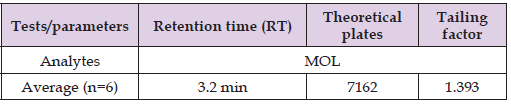
By injecting a 20 μg/mL solution of MOL (60 μL) six times, parameters of system suitability including theoretical plate number, tailing factor, resolution, capacity factor, RT, and peak area were investigated. As shown in Table 1, the results of system suitability parameters are within the permissible range.
Table 1: System suitability test.
Linearity
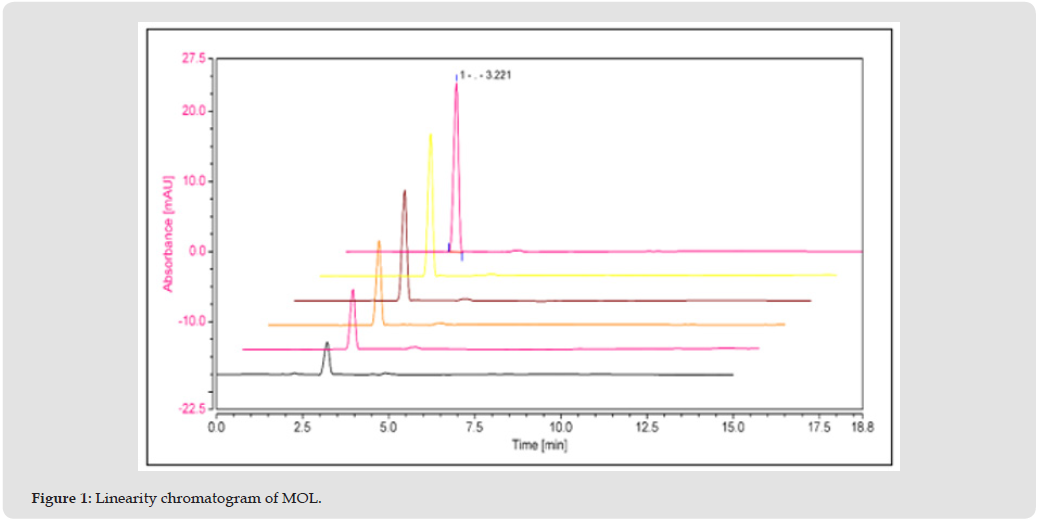
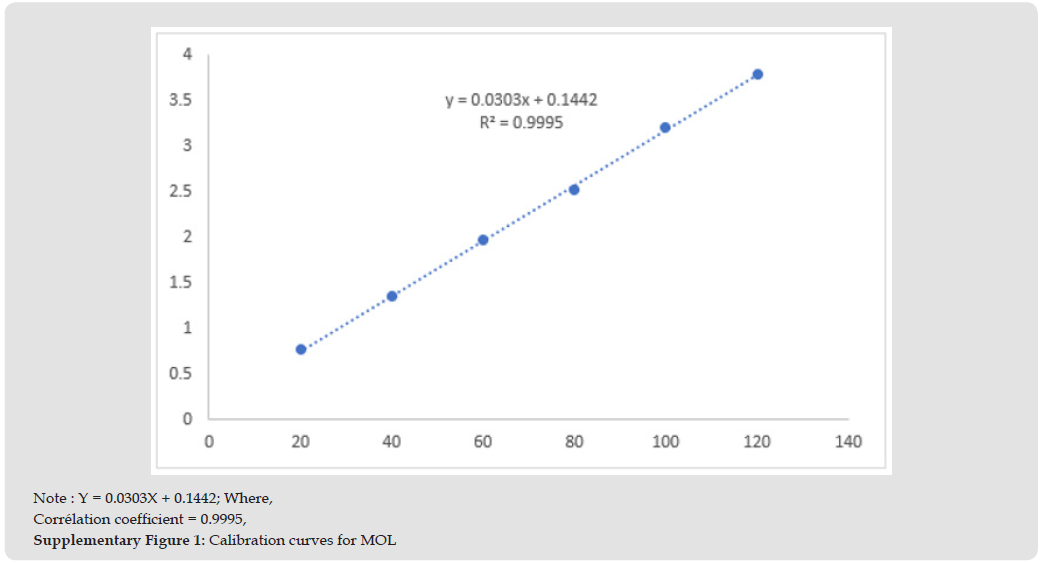
In order to ascertain the linearity and operational range of the calibration curve, an evaluation of the detector response at various concentrations of the utilized standard was imperative. The linearity of the developed UPLC method was assessed using regression analysis. The linearity equation was y = bx + c, where x denotes the standard solution concentration in micrograms per millilitre (μg/mL), y signifies the area of the peak, b signifies the line’s slope, and c signifies the intercept of the straight line with the y-axis (Table 2). Linearity was evaluated in this investigation within a concentration range of 20-120 μg/mL of the MOL standard solution (Figure 1) (Supplementary Table 1). Within this concentration range, the calibration curve was linear and exhibited strong linear regression (Supplementary Figure 1).
Table 2: Parameters of calibration curves for MOL.

Figure 1
Supplementary Figure 1
Supplementary Table 1: Linearity Study of MOL.

Accuracy
To determine the accuracy of the analytical method, the closeness of the obtained test results to the true value was evaluated based on the recovery of known amounts of the analyte. It was done by recovery study using standard addition method at 50%, 100% and 150 % level; To perform the analytical recovery, a standard solution of 40 μg/mL of the analyte was spiked into a standard solution of MOL on three different days. The resulting solutions were analyzed using the developed analytical method (Supplementary Table 2).
Supplementary Table 2: Linearity Study of MOL.

Precision & Repetability
The precision of the analytical method was assessed by determining its intraday and interday variations. Intraday precision, also known as repeatability, was evaluated by analyzing duplicate injections of the standard solution’s low, medium, and high concentrations on the same day under identical experimental conditions. Interday precision was determined by analyzing the same concentrations of the standard solution for three days (Table 3). These values indicate that the method has good precision and is suitable for quantification of the analyte (Supplementary Table 3). The results of repeatability studies are mentioned in Table 4.
Table 3: Precision study for MOL.
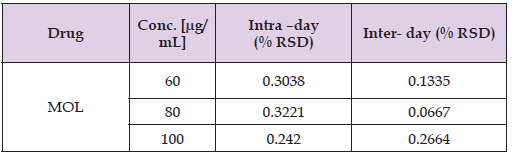
Table 4: Repeatability of MOL.

Supplementary Table 3: Precision study for MOL.

Sensitivity
The sensitivity of an analytical method is an essential parameter that determines the lowest concentration of analyte that can be reliably detected and quantified. In this study, we determined the Limit of Detection (LOD) and limit of quantification (LOQ) of the developed UPLC method, following the guidelines set by the International Conference on Harmonization. The LOD represents the lowest amount of analyte detected, while the LOQ represents the lowest concentration that can be accurately and precisely quantified above the baseline level, with a signal-to-noise ratio (S/N) of 3 and 10 or above, respectively. The LOD and LOQ are mentioned in Table 5. These values were obtained by calculating the S/N ratio for different standard solution concentrations. The low values of LOD and LOQ indicate that the developed UPLC method is highly sensitive and capable of detecting and quantifying low concentrations of analytes with a high degree of reliability.
Table 5: Sensitivity Studies of MOL.

Ruggedness
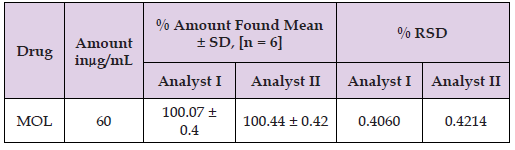
A sample solution containing 60 μg/mL of molnupiravir was generated from stock solutions and subsequently examined by two separate analysts under comparable environmental and operating settings. Six times, the peak area of solutions with identical concentrations was measured; the findings are presented in Table 6.
Table 6: Ruggedness study.
Robustness
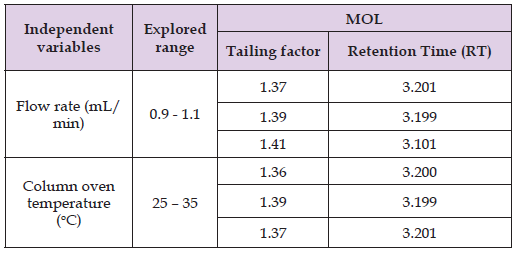
The robustness of the proposed investigation was assessed by employing a 30 μg/mL concentration. The impact of varying the flow rate of the solvent system (0.9-1.1 mL/min), temperature of the column oven (25-35 oC), and wavelength on the theoretical plates, tailing factor and RT of MOL was explored. It was noted that the introduction of minor yet intentional fluctuations to the selected independent variable did not yield any significant impacts on the responses. Therefore, it can be inferred that the proposed investigation was robust when minor yet purposeful adjustments were made to the chromatographic conditions. Findings are presented in Table 7.
Table 7: Robustness study.
Specificity and Selectivity
The specificity of the method was also evaluated by analyzing a blank sample and a blank sample spiked with a known concentration of the analyte. The analyte’s retention time was unaffected by any interferences, indicating that the method is highly specific for the detection and quantification of the analyte.
Estimation of MOL in Pharmaceutical Dosage Forms
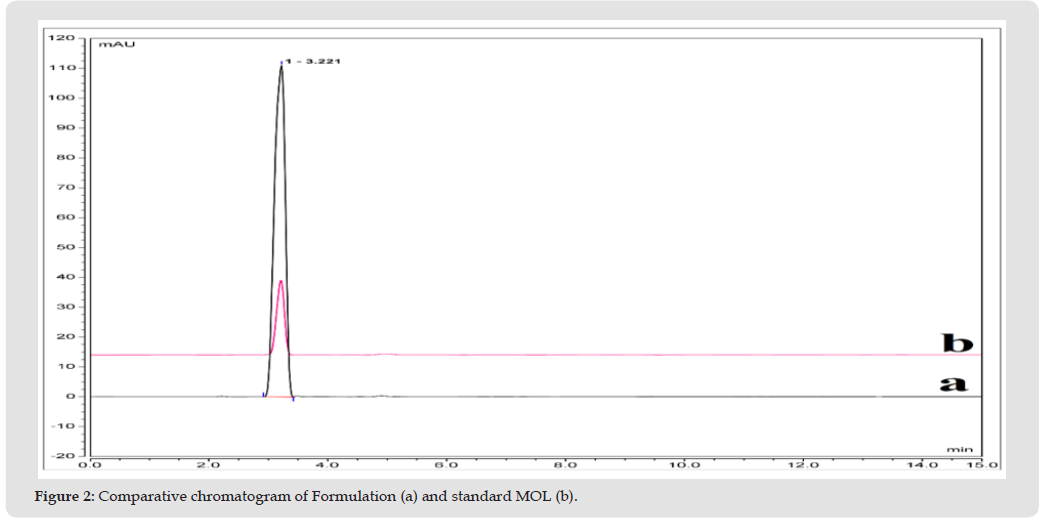
The performance of the developed analytical method for the determination of MOL in marketed formulations was evaluated by analyzing MOL capsules. The obtained chromatograms are presented in Figure 2. The absence of additional peaks in the chromatogram indicated no interference from the formulation excipients in the capsules. The developed method showed good chromatographic separation; the mean percentage recovery from the capsules was 100.0% for MOL capsules. These results demonstrate the accuracy and reliability of the developed method for quantifying MOL in pharmaceutical formulations.
Figure 2
Force Degradation Studies
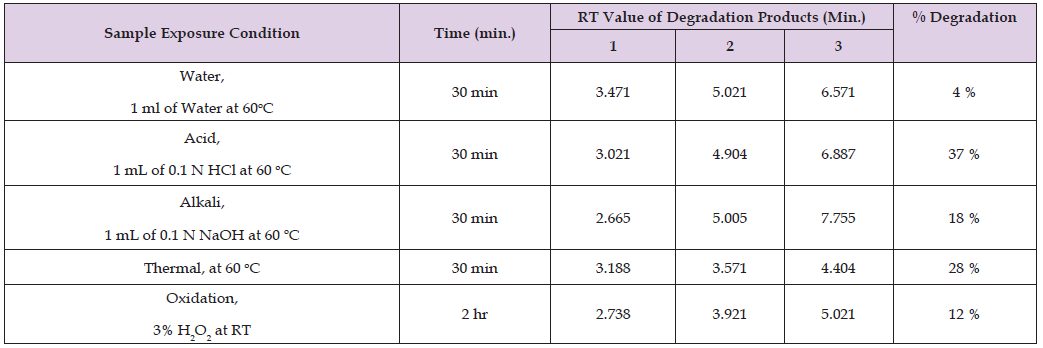
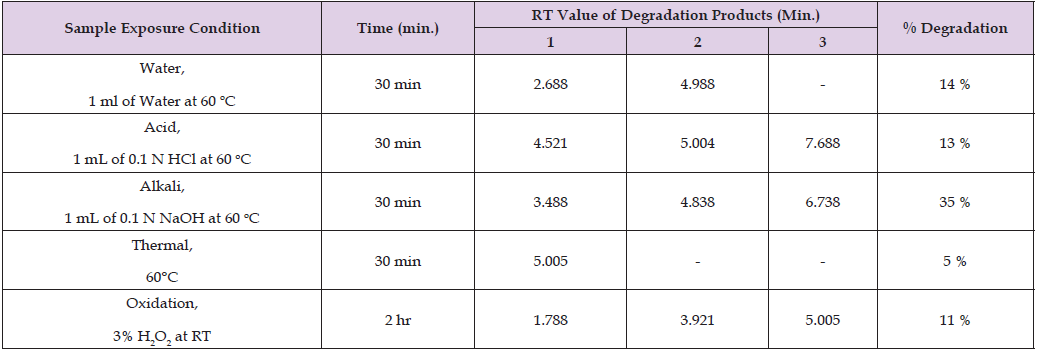
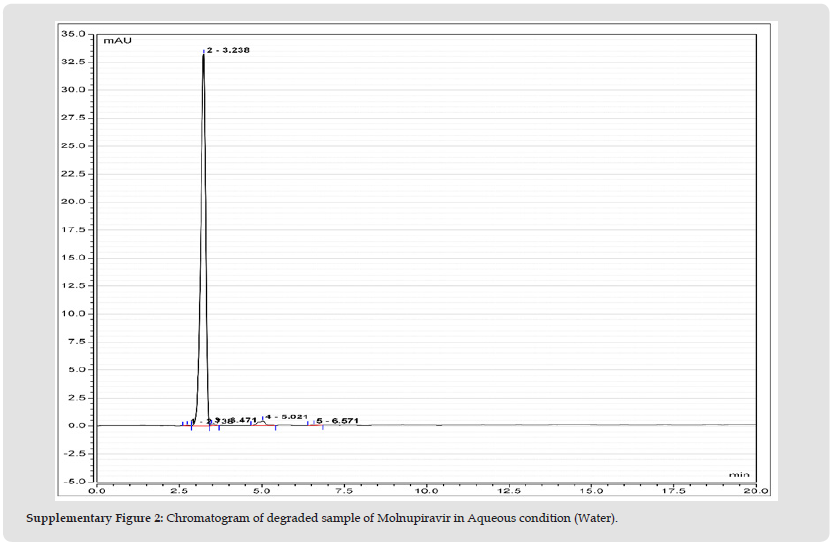
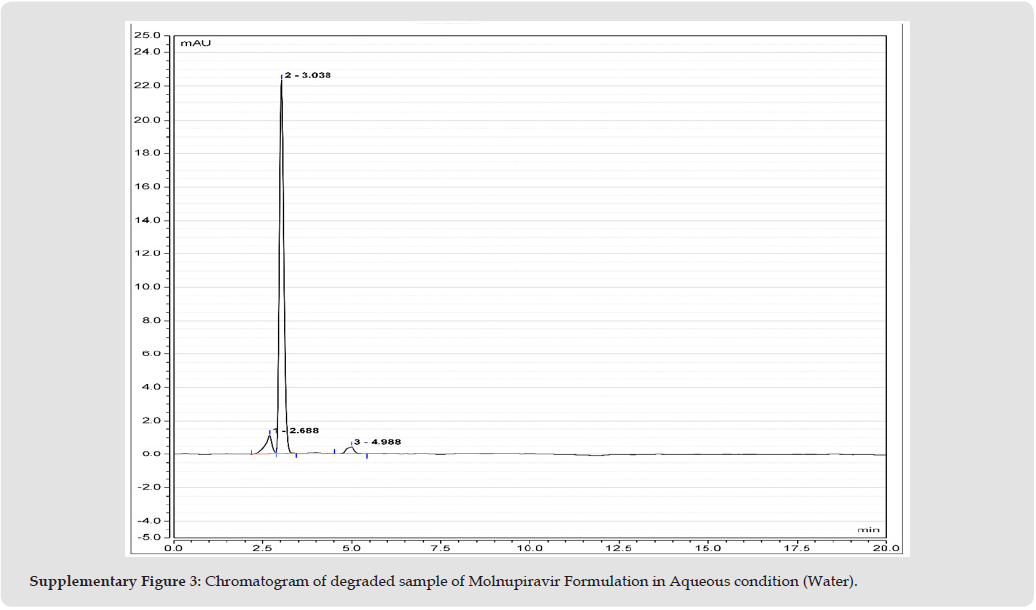
The force degradation studies were conducted to evaluate the compound’s stability and potential degradation pathways under different stress conditions. The UPLC system was used to analyze the degraded samples obtained from each degradation study. The chromatographic parameters, such as retention time and the extent of degradation, were compared to those of the non-degraded standard solution. Any alterations observed in the chromatographic profile or a reduction in the peak area of the compound indicated degradation. The force degradation studies results are tabulated in the Supplementary Tables 4 & 5. The chromatograms of force degradation studies are represented in supplementary information (Supplementary Figures 2-11) (Supplementary Table 6).
Supplementary Table 4: Summary of Force degradation studies of Molnupiravir Std.
Supplementary Table 5: Summary of Force degradation studies of Molnupiravir Formulation.
Supplementary Table 6: Repeatability study for MOL.

Supplementary Figure 2
Supplementary Figure 3
Supplementary Figure 4
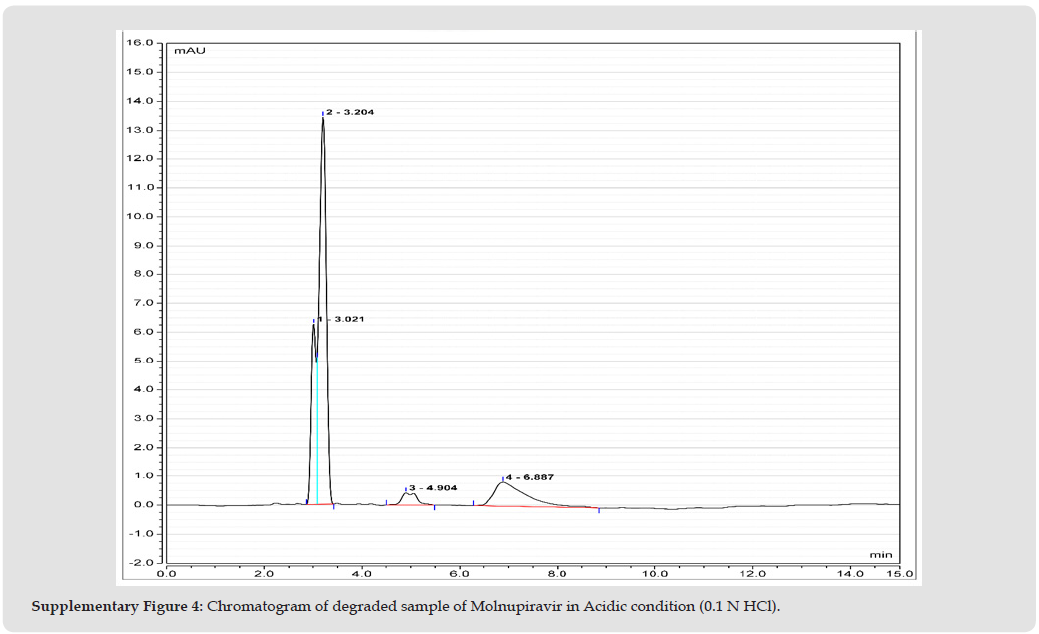
Supplementary Figure 5
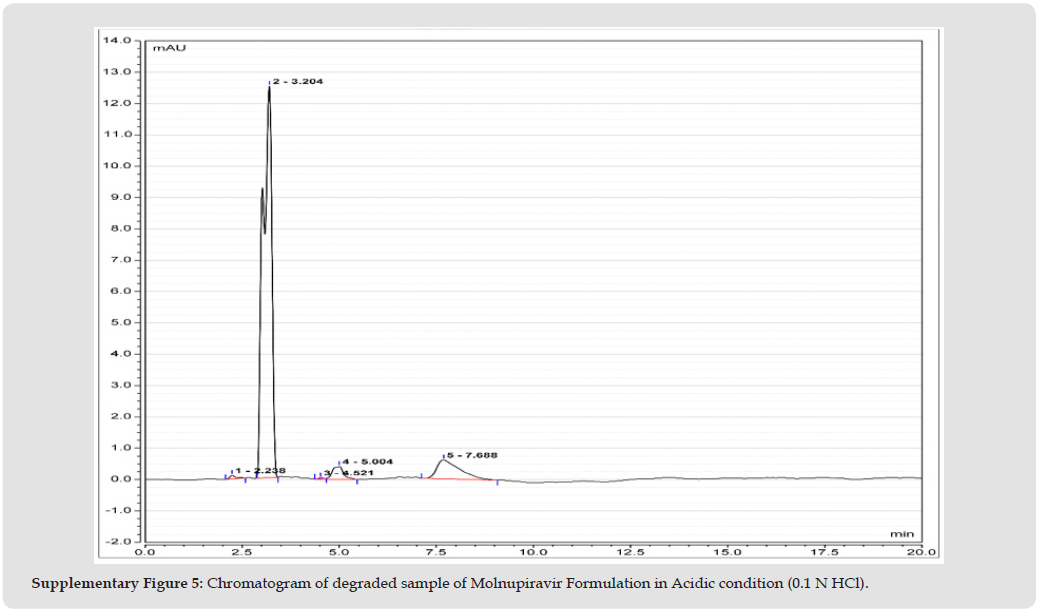
Supplementary Figure 6
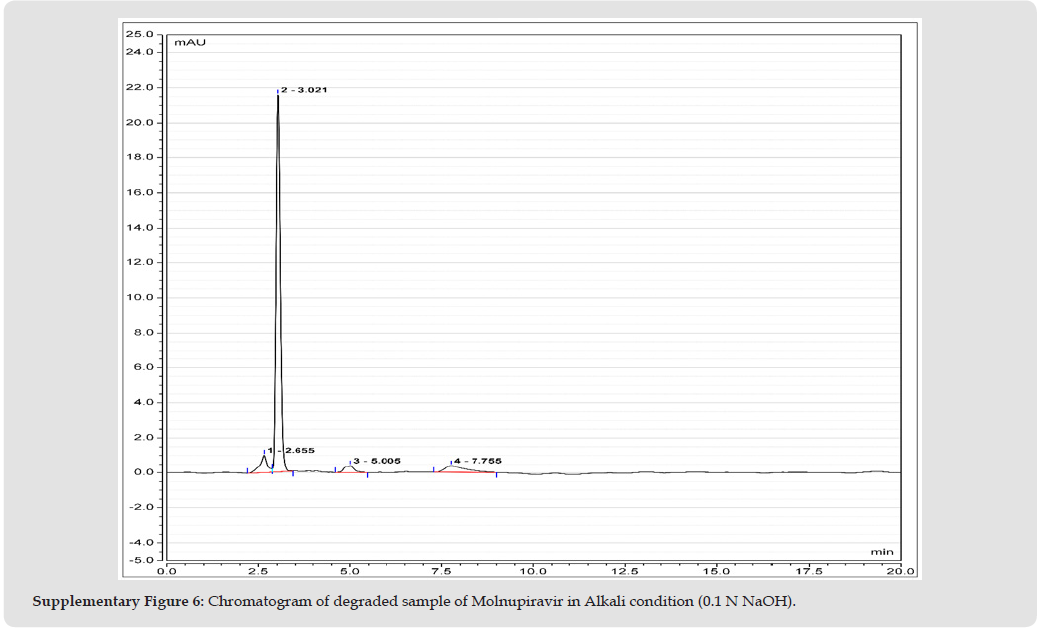
Supplementary Figure 7
Supplementary Figure 8
Supplementary Figure 9
Supplementary Figure 10
Supplementary Figure 11
In conclusion, a highly efficient and accurate UPLC method was developed to detect and quantify MOL in a pharmaceutical formulation. Optimization of chromatographic conditions was crucial in achieving this goal. Several parameters, including stationary phase, mobile phase, organic modifier, and flow rate, were studied to achieve the best possible separation and peak symmetry with a retention time of less than 5 minutes. The Hypersil GOLD C18 column was chosen as the stationary phase, and a mobile phase consisting of methanol: water with 0.2% o-phosphoric acid provided the best chromatographic conditions. The method was validated as per the ICH guidelines and found to be highly precise, accurate, and sensitive. The developed method could potentially be used in the quality control of MOL-containing pharmaceutical formulations. In addition, force degradation studies were conducted under different stress conditions to completely investigate the stability and probable degradation pathways of MOL. MOL was subjected to specific circumstances to replicate its hydrolytic deterioration, oxidative degradation, and thermal degradation.
The resulting degraded samples were then examined using the proposed UPLC method to determine the behavior of MOL degradation. Chromatographic data, including retention time and percentage of degradation, were compared to those of a standard solution that had not been degraded. Changes in the chromatographic profile or a reduction in the MOL peak area served as indicators of deterioration. These force degradation investigations gave insightful information regarding the stability of MOL and its sensitivity to various degradation mechanisms. In addition, the results confirmed the robustness and usability of the UPLC approach established for the investigation of MOL in pharmaceutical formulations.
The authors express their gratitude to Principal, Dr. Prashant Deshmukh, Dr. Rajendra Gode College of Pharmacy Malkapur, Maharashtra, India, for their great vision and support.
The authors declared no potential conflicts of interest.

International Association of Landscape Archaeology, Czech Glass Society, Czech Republic

Department of Chemistry, Semenov Institute of Chemical Physics, USSR Academy of Sciences, Moscow, Russia

Pharmaco-kinetics, dynamics and Drug Metabolism, Touro College of Pharmacy, USA

Professor of Nuclear Medicine, Faculty of Medicine and Surgery, University of Milan, Milan, Italy

Clinical Radiologist (MD) - Department of RADIOLOGY, Cosenza Hospital, Cosenza, Italy





 Abstract
 PDF
PDF



























