info@biomedres.us
+1 (502) 904-2126
One Westbrook Corporate Center, Suite 300, Westchester, IL 60154, USA
Site Map
 ISSN: 2574 -1241
ISSN: 2574 -1241
ISSN: 2574 -1241
Received: January 16, 2024; Published: April 29, 2024
*Corresponding author: Seyi-Samson Enitan, Department of Medical Laboratory Science, Babcock University Ilishan-Remo, P.M.B 4005, Ogun state 121103, Nigeria
DOI: 10.26717/BJSTR.2024.56.008841
Microbial biotechnology Pharmacology, pharmaceutical microbiology and nanotechnology in recent years gave birth to an exciting new field called Microbial Nanotechnology. Engineered microbial nanoparticles take on the role of carriers, with biocompatibility and tunable properties for precise drug delivery. By introducing surface modification or ligands, administration of certain therapeutic agents becomes targeted to the site of a disease. Thus therapeutic effectiveness can be enhanced, while not harm is done because substances that are toxic systemically won’t affect any healthy parts of the individual taking it. In cancer treatments, microbial nanotechnology represents a promising future for the new millennium--allowing localized treatment with reduced side effects. Though challenges stemming from safety issues, scaling problems and regulatory concerns loom large, we must pay close attention to them. The field also looks at delivery of antimicrobial drugs, modulators of the immune system, and treating infections tied to biofilms. In addition, the field of microbial nanotechnology holds great potential in various areas such as gene therapy, overcoming the bloodbrain barrier, and addressing environmental challenges in remediation and agriculture. Through continuous research and collaboration, microbial nanotechnology has the ability to transform the fields of medicine, industry, and environmental conservation, paving the way for a more focused and sustainable future.
Keywords: Microbes; Nanotechnology; Drug Delivery; Target sites; Challenges; Prospects
Microbial nanotechnology, also known as biogenic nanotechnology, is an exciting and interdisciplinary field that brings together the fascinating worlds of microbiology and nanotechnology. It involves the creation, manipulation, and utilization of materials and structures at the nanoscale using microorganisms like bacteria, viruses, fungi, and algae. These tiny organisms act as bioproduction factories, synthesizing nanoscale materials and imparting specific functionalities. By combining the power of biology and the precision of nanotechnology, researchers in this field have made remarkable advancements in various applications, particularly in drug delivery systems [1-3]. The integration of nanotechnology and microbiology has revolutionized drug delivery and targeting. Microbial nanotechnology harnesses the unique abilities of microorganisms to manipulate nanoscale structures, resulting in more precise and effective drug delivery. This innovative approach has the potential to overcome the limitations of conventional drug delivery systems. The synergy between microbiology and nanotechnology has propelled us into an era where precision drug delivery is no longer a distant dream but a tangible reality.
The field of microbial nanotechnology has not only addressed the challenges faced by traditional drug delivery systems but has also opened up new possibilities for therapeutic outcomes. Advancements in nanotechnology have paved the way for targeted drug delivery, enhancing the efficacy of treatments. With the help of microorganisms, nanoscale structures can be engineered and utilized to deliver drugs with unprecedented precision [2]. The success of a treatment plan is greatly influenced by how drugs are delivered to the intended site. Traditional drug delivery methods have faced various limitations that have hindered their effectiveness. One major challenge is that many drugs have a systemic effect, leading to their distribution throughout the body. This can result in reduced therapeutic benefits and increased risk of side effects. For instance, chemotherapy drugs, while crucial for treating cancer, often cause severe side effects by affecting both healthy and cancerous cells. The key is to find a way to deliver drugs with precision to the target area, sparing healthy tissues and maximizing treatment effectiveness [3]. Additionally, many drugs have poor solubility or stability, making it difficult to transport them efficiently to the desired location.
The body’s defense mechanisms, such as the blood-brain barrier, further complicate drug delivery to specific organs or tissues, especially in the treatment of neurological disorders. Microbial nanotechnology, which combines microbiology and nanotechnology, offers hope in the field of drug delivery. It harnesses the unique capabilities of microorganisms like bacteria, viruses, and fungi to create nanoscale structures with precision and efficiency. These microorganisms act as molecular architects of the nanoworld, designing customized drug delivery vehicles that can navigate the complex environment of the human body [4]. In microbial nanotechnology, a wide range of microorganisms can be genetically engineered or selected for their natural properties. These microorganisms serve as versatile platforms for creating drug delivery vehicles with specific characteristics, such as targeting ligands, controlled release mechanisms, and the ability to overcome biological barriers. The potential applications of microbial nanotechnology are limitless. It can be utilized in various ways to address the diverse challenges of drug delivery and targeting. Microbial nanotechnology has the potential to revolutionize cancer treatment by enabling the precise delivery of chemotherapy drugs to tumor sites while sparing healthy tissues.
This targeted approach not only enhances treatment effectiveness but also reduces the debilitating side effects associated with traditional chemotherapy [3,4]. However; a critical challenge in the treatment of neurological disorders is overcoming the blood-brain barrier, which limits the delivery of drugs to the brain. Microbial nanotechnology offers a solution by engineering specialized nanoparticles that can penetrate this barrier, facilitating the direct delivery of therapeutic agents to the brain [2]. Microbes can be engineered to act as carriers for antiviral or antibacterial drugs. This approach ensures the precise delivery of therapeutic agents, minimizing the risk of drug resistance and maximizing treatment effectiveness. For chronic diseases like diabetes that require long-term drug delivery, microbial nanotechnology can design sustained-release systems that maintain therapeutic drug levels in the body over extended periods. This reduces the need for frequent dosing, improving patient compliance and overall treatment outcomes [1]. Microbial nanotechnology enables the development of drug carriers with exceptional targeting abilities. Whether it’s the precise localization of cancer cells, delivery to the brain, or targeting specific pathogens, these tailored vehicles offers unmatched accuracy.
By minimizing drug exposure to healthy tissues, microbial nanotechnology significantly reduces the occurrence of adverse side effects. Patients can receive more effective treatment while maintaining a higher quality of life. Moreover, utilizing microorganisms for drug delivery is not only efficient but also environmentally sustainable, aligning with the global focus on eco-friendly and responsible healthcare solutions. Overall, the intersection of microbiology and nanotechnology has given rise to microbial nanotechnology, a powerful tool in overcoming the challenges of drug delivery and targeting. This innovative field has numerous applications and holds the promise of transforming healthcare [5].
In recent years, there has been significant progress in the field of microbial nanotechnology. Microorganisms, such as bacteria and yeast, have shown remarkable abilities to biologically synthesize and deposit nanoparticles. This process involves converting metal ions into metallic nanoparticles, such as silver or gold. The unique capabilities of microorganisms in this area have been harnessed for various applications. One of the key advantages of microbial nanotechnology is the ability to genetically engineer microorganisms to produce specific nanoscale structures. By manipulating the genes within these organisms, researchers can guide the synthesis of materials with desired properties, size, and shape. This opens up new possibilities for tailoring nanomaterials to meet specific needs [5,6]. Microbial nanotechnology also takes advantage of self-assembly processes, where nanoscale components autonomously arrange themselves into desired structures. This simplifies the fabrication of complex nanomaterials, making the process more efficient and cost-effective. Importantly, the resulting nanomaterials produced through microbial nanotechnology are biocompatible and safe for use in various biomedical applications.
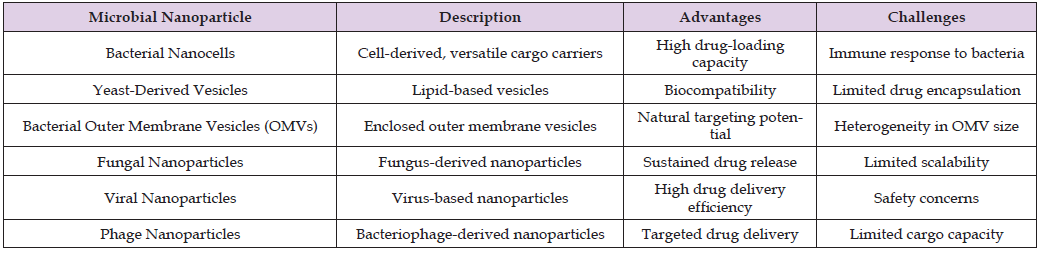
This is a crucial advantage, especially in the development of drug delivery systems. By leveraging the unique capabilities of microorganisms, researchers have been able to create bioresponsive drug release systems [6]. Microbes like bacteria and yeast can be engineered to produce nanoparticles for drug encapsulation and delivery. These nanoparticles can be loaded with therapeutic agents, providing a protected environment for the drugs [7]. This allows for precise and controlled drug release, opening up new avenues for targeted therapy. Examples of microbial drug delivery systems include E. coli-based systems and yeast-based systems (Table 1). Escherichia coli can be engineered to produce nanocarriers that respond to specific pH levels. In an acidic tumor microenvironment, these carriers release drugs, offering targeted therapy. Similarly, yeast cells can be modified to produce drug-loaded vesicles that release their cargo upon exposure to enzymes prevalent in certain disease states [8]. The mechanism behind microbial nanoparticles for drug delivery involves a series of important steps. Firstly, these nanoparticles can be engineered to safely encapsulate drugs within their structure or bind them onto their surface. This protective encapsulation shields the drug from degradation and allows for controlled release over time.
Table 1: Types of microbial nanoparticles used for drug delivery.
In addition, the surface of microbial nanoparticles can be modified with targeting ligands, such as antibodies or peptides, that specifically recognize receptors on target cells or tissues. This modification enhances the nanoparticles’ specificity, ensuring they reach the intended destination while minimizing off-target effects [6,8]. Once administered, microbial nanoparticles navigate through the body’s natural barriers, such as the blood-brain barrier or mucosal surfaces, to reach their target site. Their small size and adaptable surface chemistry enable them to efficiently penetrate tissues and cells. Upon reaching the target site, the nanoparticles release the encapsulated drug through various mechanisms. This can occur through diffusion, degradation, or triggered release in response to specific stimuli like changes in pH, temperature, or enzyme activity [7]. Furthermore, microbial nanoparticles possess inherent immunomodulatory properties that can improve therapeutic outcomes. By modulating the immune response at the site of action, these nanoparticles can be particularly beneficial in treating inflammatory diseases or cancer, where immune modulation plays a critical role in disease progression [8,9].
Microbial nanotechnology represents an exciting fusion of biology and engineering, harnessing the unique characteristics of microorganisms to create versatile drug delivery vehicles. It’s important to understand both the advantages and limitations of this technology (Figure 1) to fully grasp its potential and guide its development in drug delivery systems and beyond [9-11].
Figure 1

Targeted Drug Delivery
Targeted drug delivery allows for the precise delivery of therapeutic agents to the site of disease, ensuring that the highest concentration of the drug is reached where it is most needed. This maximizes the effectiveness of the treatment and can potentially lead to better patient outcomes. Microbes can be genetically modified to express specific surface proteins that can target particular tissues or cells, minimizing off-target effects and maximizing the therapeutic impact of the drug. For example, certain strains of bacteria have been engineered to preferentially colonize tumor sites, where they release therapeutic agents, such as chemotherapeutic drugs, upon reaching their destination. This precision significantly reduces the systemic toxicity associated with conventional drug delivery methods [11,12].
Biocompatibility
Microbial nanotechnology products are generally biocompatible, meaning they are less likely to cause adverse reactions in the human body. This is a critical advantage in drug delivery systems, where safety and compatibility with biological systems are of utmost importance [11]. Many microbes used in drug delivery are naturally biocompatible, reducing the risk of immune response against them. This innate compatibility makes microbes suitable drug carriers for a wide range of applications [9].
Reduced Side Effects
The targeted delivery and biocompatibility of microbial nanotechnology significantly reduce the likelihood of off-target effects, making it a promising approach to minimize the side effects associated with conventional drug delivery methods. Traditional systemic drug delivery often leads to the dispersion of therapeutic agents throughout the body, affecting both the targeted disease and healthy tissues. This can result in severe side effects, ranging from nausea and hair loss to organ damage. Targeted drug delivery aims to mitigate these side effects by ensuring that the drug primarily accumulates at the disease site, thus reducing collateral damage to healthy tissues [13].
Long-Lasting Carriers
Microbes, once administered, can remain viable for an extended period, providing a sustained release of therapeutic agents. This extended presence ensures that the drug is available at the target site over a prolonged period, potentially reducing the frequency of administration and improving patient compliance [14].
Self-Propelled Delivery
Certain microorganisms, like flagellated bacteria, possess self-propulsion mechanisms that enable them to actively navigate through bodily fluids and tissues. This self-propulsion feature allows them to overcome biological barriers and reach specific target sites more effectively [15].
Precision and Customization
Genetic engineering empowers researchers to have precise control over the properties of nanomaterials produced by microorganisms. This ability to tailor the size, shape, and function of the nanomaterials allows for customization to meet specific requirements for drug delivery, enhancing therapeutic efficacy [4,6,16].
Scalability
Microbial production processes can be easily scaled up for mass production, making microbial nanotechnology a cost-effective option, which is crucial in the pharmaceutical industry [11].
Eco-Friendly
Microbial nanotechnology often relies on renewable and environmentally friendly resources, reducing the environmental footprint associated with drug production [8,11].
Encapsulation Capabilities
Microbes have the capability to encapsulate drugs within their cellular structures or in specialized vesicles. This encapsulation not only protects the drug from degradation but also offers controlled and sustained release mechanisms, which are essential for effective drug delivery [14].
Regulatory Challenges
The use of genetically modified microorganisms for drug delivery can encounter regulatory hurdles and safety concerns. It is crucial to undergo rigorous testing and obtain necessary approvals to ensure the safety of these products [17,18].
Ethical Concerns
Genetic modification of microorganisms for specific purposes may raise ethical questions, especially when human health is involved. Striking a balance between innovation and ethics is essential in the development and implementation of microbial nanotechnology [17].
Contamination Risk
The use of live microorganisms carries the inherent risk of contamination. Contaminated batches can compromise the quality and safety of drug delivery systems, emphasizing the need for stringent quality control measures [19].
Complexity of Genetic Engineering
The process of genetic engineering in microorganisms can be complex and time-consuming. It often requires significant research and development efforts to optimize strains for specific applications, which can pose challenges in terms of time and resources [18,19].
Limited Stability and Shelf Life
Some microbial nanotechnology products may have limited stability and shelf life, which can present challenges in pharmaceutical applications. Ensuring product stability and extending shelf life are important considerations for successful implementation [19].
High Cost of Development
While microbial nanotechnology can be cost-effective in the long run, the initial development and optimization of engineered microorganisms can be expensive. It requires investment in research, equipment, and expertise. However, advancements in technology and increased understanding can help mitigate these costs over time [18].
The use of microbial nanotechnology has promising applications across a wide range of medical conditions (Figure 2). As this field continues to evolve, we can expect even more innovative approaches and developments [20]. In recent years, there has been significant progress in the field of microbial drug carriers, which have shown great potential in various therapeutic areas. These innovative systems utilize microbes to deliver therapeutic agents with high precision, minimizing damage to healthy tissues [21-23].
Figure 2

Cancer Treatment
One of the most promising applications is in cancer treatment. Microbes, such as Salmonella typhimurium, have been engineered to target and colonize solid tumors. Once inside the tumor, these bacteria release therapeutic payloads, such as anti-cancer agents or nanoparticles, providing a highly specific and effective approach to treating cancer. Clinical trials have shown promising results, highlighting the potential of this strategy [24].
Lactic Acid Bacteria for Oral Delivery
In the field of oral drug delivery, lactic acid bacteria, like Lactobacillus and Bifidobacterium, have been utilized as drug delivery vehicles. These microbes can be genetically modified to enhance drug absorption in the gastrointestinal tract, making them ideal carriers for drugs intended for oral administration [25,26].
Yeast-Based Drug Delivery
Similarly, Saccharomyces cerevisiae, commonly known as baker’s yeast, has been engineered for oral vaccine delivery. By expressing antigens on their surfaces, yeast cells can stimulate the immune system effectively, offering a platform for developing oral vaccines against infectious diseases [27].
Synthetic E. Coli for Insulin Delivery
Another interesting application is the use of engineered Escherichia coli (E. coli) bacteria for insulin delivery. These modified bacteria can continuously synthesize and release insulin in response to glucose levels, mimicking the natural regulatory system of the body. This approach holds promise for the treatment of diabetes [19,28].
Viral Vectors for Gene Therapy
In addition to microbes, viral vectors have also been used in gene therapy. These genetically modified viruses can deliver therapeutic genes to target cells with high precision, offering a potentially curative approach for genetic disorders [3,6,29].
Treatment of Infectious Diseases
Microbial nanotechnology can also be employed in the treatment of infectious diseases. Engineered microbes can sense the presence of pathogenic microorganisms and release antimicrobial drugs at infection sites, enhancing the therapeutic effect while reducing systemic side effects [1,30-32].
Treatment of Diabetes
Bioresponsive drug release systems can be adapted for chronic conditions like diabetes. Microbes can be designed to respond to glucose levels, releasing insulin in a controlled and adaptive manner to maintain optimal blood sugar levels [19,28].
Treatment of Central Nervous System Disorders
Furthermore, microbial drug carriers show potential in the treatment of central nervous system disorders, such as Alzheimer’s and Parkinson’s disease. By engineering microbes to pass the blood-brain barrier and respond to specific neural cues, precise drug delivery to affected brain regions can be achieved [33].
Treatment of Inflammatory Diseases
In the treatment of inflammatory diseases, bioresponsive drug release systems using microbes offer the advantage of releasing anti- inflammatory agents at sites of inflammation, reducing the risk of systemic immunosuppression [34].
When comparing microbial drug carriers with conventional drug delivery methods, several notable differences can be observed. Microbial drug carriers excel in precision and targeting, as they can be tailored to specific tissues or cells, reducing off-target effects. Conventional methods, such as oral administration or systemic injection, often lack this level of specificity [11].
Precision and Targeting
Microbial drug carriers excel in precision and targeting. They can be tailored to specific tissues or cells, reducing off-target effects. Conventional methods, such as oral administration or systemic injection, often lack this level of specificity [1].
Sustained Release
Microbes also offer sustained drug release, minimizing the need for frequent dosing. Traditional methods may require multiple administrations, increasing the risk of non-compliance and potential side effects. [6]
Reduced Toxicity
Furthermore, microbial drug carriers, when designed properly, can significantly reduce systemic toxicity by concentrating drug delivery at the intended site. Conventional methods can lead to broader systemic exposure and higher toxicity levels [5,13].
Biocompatibility
Microbes used for drug delivery are generally biocompatible, reducing the risk of immune reactions. Conventional drug carriers may include synthetic materials that can trigger immune responses or adverse reactions in the body [4].
Complexity and Regulation
It is important to note that developing microbial drug carriers may be more complex due to genetic engineering requirements and regulatory considerations. Conventional drug delivery methods often have established protocols and regulatory pathways [17].
Shelf Life
In terms of shelf life, conventional drug formulations often have a longer shelf life compared to living microbes, which require special storage conditions and have a limited lifespan. However, microbial nanotechnology holds great promise in revolutionizing drug delivery and offers enhanced precision, sustained release, reduced toxicity, and natural biocompatibility, leading to improved therapeutic outcomes. Successful examples, such as bacterial cancer therapy and yeast-based oral vaccines, demonstrate the versatility and potential of this approach. While microbial drug carriers have clear advantages, their adoption is not without challenges, including regulatory hurdles and engineering complexity. Nonetheless, as research in this field continues to advance, microbial nanotechnology is poised to play a pivotal role in the future of drug delivery, offering more effective and patient-friendly treatment options [30].
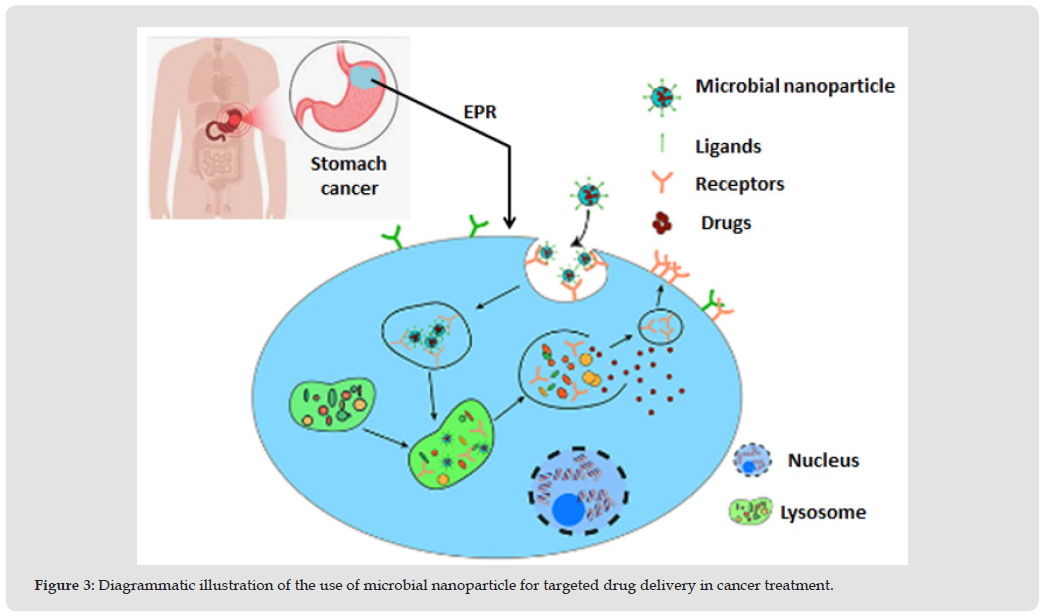
Targeted drug delivery (Figure 3) is a groundbreaking approach in medicine that shows great potential in reducing the side effects of traditional drug therapies and improving treatment effectiveness. The main idea behind targeted drug delivery is to deliver therapeutic agents directly to the site of the disease while minimizing exposure to healthy tissues, thus enhancing the drug’s effectiveness. This approach has been particularly transformative in cancer treatment, where the side effects of chemotherapy have been a major concern for patients and medical professionals [9]. Microbial nanotechnology has emerged as a powerful tool in targeted drug delivery due to its unique capabilities, including inherent targeting mechanisms. These mechanisms can be broadly classified into passive and active targeting strategies [12,19,21].
Figure 3
A. Passive Targeting
Passive targeting takes advantage of the natural characteristics of microbes or microbial carriers to promote drug accumulation at the target site without requiring active intervention. Some key passive targeting mechanisms include:
1. Enhanced Permeability and Retention (EPR) Effect
This effect is often observed in solid tumors, where the tumor vasculature is more permeable, allowing particles of certain sizes to accumulate within the tumor. Microbes or microbial carriers can be designed to the appropriate size range to exploit this effect and preferentially accumulate at the tumor site [7].
2. Phagocytosis
Certain microbial entities, such as bacterial cells, can be phagocytosed by immune cells. This property can be utilized to target drugs to specific immune cell populations or gain access to intracellular compartments, making it valuable for immunotherapy and intracellular infections [31].
3. Tropism
Some microbes naturally target specific tissues or organs in the body. For example, certain bacteria exhibit a natural tropism for tumors. By leveraging this tropism, researchers can design microbial carriers that preferentially accumulate in tumor tissues, delivering therapeutic agents specifically to the cancer cells [32].
B. Active Targeting
Active targeting strategies involve modifying microbial carriers to actively seek out and bind to specific receptors or biomarkers on the target cells or tissues. This approach provides a higher level of precision and control in drug delivery [1,19,21]. Key active targeting mechanisms include.
1. Surface Modification
Microbial carriers can be engineered to express specific ligands or antibodies on their surface, which have a high affinity for target cell receptors. When these carriers encounter the target cells, they bind specifically, leading to drug release at the desired site [35].
2. Bioresponsive Systems
Researchers have developed microbial-based systems that respond to environmental cues at the target site. For example, pH-sensitive carriers can release their cargo in response to the acidic environment of tumor tissue. This approach ensures that drugs are only released where they are most needed [8].
3. Magnetic Guidance
Magnetic nanoparticles can be incorporated into microbial carriers, enabling external magnetic fields to guide the carriers to the target site. This approach is particularly useful for targeting drugs to specific organs or tissues [1,3].
Risk Assessment
The use of microbial nanotechnology involves certain risks associated with manipulating microorganisms at the nanoscale. These risks include the potential release of genetically modified microorganisms into the environment, the spread of antibiotic resistance, and the potential toxicity to humans and other organisms [8].
Mitigation Strategies
Containment Measures: To minimize environmental risks, it is important to employ stringent containment measures. Research and development of microbial nanotechnology should be conducted in contained environments such as laboratories or bioreactors to prevent the escape of engineered microorganisms [11,23].
Biosafety Protocols: Strict adherence to biosafety protocols is crucial. This includes using appropriate personal protective equipment and following established safety guidelines to prevent accidental exposure and release of genetically modified microorganisms [2].
Monitoring and Surveillance: Regular monitoring and surveillance of microbial nanotechnology facilities are necessary to detect any breaches in containment. Advanced monitoring systems and rapid response plans should be developed in case of accidents [35].
Responsible Conduct: Promoting responsible conduct among scientists and researchers is essential. This involves providing proper training in safety procedures and encouraging ethical behavior in the laboratory [5,6].
Risk Assessment Frameworks: Comprehensive risk assessment frameworks should be developed to evaluate the potential risks associated with microbial nanotechnology. These frameworks should consider the characteristics of the microorganisms used, the specific applications, and the local environment [6].
Public Awareness and Engagement: Engaging the public in discussions and decision-making processes regarding microbial nanotechnology can help address concerns and build trust. Transparent communication and open dialogue can lead to informed decisions and responsible use of the technology [35].
Despite its potential, microbial nanotechnology faces several challenges that need to be addressed for wider adoption [7,36].
Safety Concerns
The potential ecological and health risks associated with engineered microorganisms and nanoparticles need to be thoroughly researched and addressed [36].
Ethical Considerations
Ethical guidelines and regulations should be established to ensure responsible research and development of microbial nanotechnology, particularly regarding the use of genetically modified microorganisms [36,37].
Regulatory Frameworks
A clear and harmonized regulatory framework is necessary for microbial nanotechnology. This framework should balance innovation with safety and facilitate the development and commercialization of new technologies [6,17].
Public Perception
Public acceptance of microbial nanotechnology is crucial for its success. Transparent communication and education about the benefits and risks of these technologies can help build public trust [6].
Standardization
Standardization of protocols and methodologies in microbial nanotechnology research is important to ensure reproducibility and consistency in outcomes [7,17].
Stability and Viability
Ensuring the stability and viability of microbes used for drug delivery is essential. Strategies such as protective coatings or encapsulation methods are being explored to enhance the stability and shelf life of engineered microbes [8].
Controllable Drug Release
Achieving precise control over drug release from microbial carriers is a significant challenge. Various mechanisms, such as inducible gene expression systems or external triggers, are being investigated to enable controlled and responsive drug delivery [7].
Immune Evasion
The host’s immune response poses a challenge to the successful use of microbial drug delivery systems. Strategies to evade the immune system, such as the use of immune-modulating molecules or surface modifications, are being researched [18].
Optimization of Payload Production
Efficient and consistent production of therapeutic payloads within engineered microbes is critical. Genetic engineering techniques are being refined to enhance the expression, stability, and yield of therapeutic proteins or drugs produced by the microbes [11].
Funding and Investment
Adequate funding is necessary to support research, development, and commercialization efforts in microbial nanotechnology. Public and private investment can drive innovation and adoption [14].
Intellectual Property
Addressing intellectual property issues related to microbial nanotechnology is important to incentivize innovation while ensuring fair access to these technologies [20,28].
Interdisciplinary Training
Training programs that promote interdisciplinary collaboration are essential for developing a skilled workforce capable of advancing microbial nanotechnology [20,28].
Clinical Translation
The transition from laboratory research to clinical applications in microbial drug delivery is a significant challenge in the field. Moving from promising in vitro and animal studies to safe and effective human treatments requires overcoming hurdles related to scaling up production, conducting large-scale clinical trials, and securing funding for these endeavors [20]. The engineering of microbes for drug delivery is an evolving and promising field. Through genetic modification techniques and careful safety and regulatory considerations, innovative and precise drug delivery systems have become possible. Microbial carriers offer advantages such as targeted drug delivery, enhanced drug stability, and immune evasion. However, the field still faces challenges in optimizing drug production and translating laboratory success into clinical applications [28,29]. As researchers and scientists continue to explore microbial engineering for drug delivery, the future holds the promise of more effective, patient-specific, and less invasive therapies. Balancing the benefits with ethical, safety, and regulatory considerations remains critical for advancing this cutting- edge field and delivering improved healthcare solutions to patients worldwide [38].
The future prospects of microbial nanotechnology on healthcare and medicine are poised to be transformative. This innovative field offers a promising array of applications that have the potential to revolutionize patient care, drug development, and disease management [39].
Targeted Therapeutics
Microbial nanotechnology enables the precise delivery of medications, addressing the challenge of minimizing side effects while maximizing therapeutic benefits. This targeted drug delivery approach can improve patient compliance and the overall effectiveness of treatments [39].
Personalized Medicine
Microbial systems can be tailored to individual patient profiles, optimizing drug release based on genetic, metabolic, or environmental factors. Advances in microbial nanotechnology may pave the way for personalized medicine, where treatments are customized to an individual’s unique genetic makeup and health profile. This holds the promise of optimizing treatment outcomes and reducing adverse effects Developing microbes that can sense and respond to multiple triggers simultaneously can increase the precision of drug release [14,15,18,20].
Early Detection and Diagnosis
Nanoscale biosensors and imaging techniques enabled by microbial nanotechnology could enhance the early detection of diseases, such as cancer, by identifying biomarkers with exceptional sensitivity. Timely diagnosis can lead to more effective interventions and improved patient outcomes [39].
Regenerative Medicine
Microbial nanotechnology can contribute to the development of innovative regenerative therapies. Engineered microorganisms and nanomaterials can support tissue repair and regeneration, offering hope for conditions that were previously considered untreatable [40].
Real-Time Disease Monitoring
Integrating sensors into microbial systems for real-time monitoring of biological cues, allowing for dynamic drug release adjustments, is crucial. Microbial sensors and nanodevices have the potential to continuously monitor a patient’s health and transmit real-time data to healthcare providers. This continuous monitoring can lead to better disease management and timely interventions [2,6].
Reduced Healthcare Costs
By improving the effectiveness of treatments and diagnostics, microbial nanotechnology has the potential to reduce the overall cost of healthcare. This can make advanced medical interventions more accessible to a broader population [39].
Nanotechnology Integration
Combining microbial nanotechnology with advanced nanomaterials can enhance drug delivery capabilities. Bioresponsive drug release systems using microbial nanotechnology represent a groundbreaking approach to drug delivery. These systems have the potential to revolutionize the way we treat various medical conditions by providing targeted, controlled, and personalized therapy [37].
Global Health Impact
Microbial nanotechnology can address global health challenges, such as infectious diseases and resource-limited settings, by providing cost-effective and scalable solutions for diagnostics and treatments [35]. As we move forward, it is essential to continue research, address regulatory and ethical concerns, and ensure that the benefits of microbial nanotechnology are accessible to all. While challenges exist, the potential of this field to reshape the landscape of healthcare and medicine is undeniable. Collaborative efforts among scientists, healthcare professionals, policymakers, and industry stakeholders will be pivotal in harnessing the full potential of microbial nanotechnology, ultimately improving patient care, advancing medical science, and enhancing the quality of life for individuals worldwide [39,40].
In conclusion, microbial nanotechnology is a revolutionary approach to drug delivery and precision-targeting in modern medicine. This innovative blend of pharmacology, pharmaceutical microbiology, and nanotechnology has brought about transformative advancements in drug delivery, surpassing traditional limitations. However, it is important to address safety concerns, navigate regulatory requirements, and ensure scalability for real-world patient care. As we continue to explore the full potential of microbial nanotechnology, the possibilities for individualized medicine and precise treatments are more promising than ever. This technology also has the potential to make significant impacts in other sectors such as environmental cleanup, agriculture, energy generation, and advanced materials. However, to fully utilize this potential, we need to address safety, ethical, regulatory, and financial challenges while promoting collaboration and interdisciplinary initiatives. By dedicating ourselves to responsible scientific exploration and growth, microbial-based technology can provide innovative solutions to global challenges. The future of this field is optimistic, relying on our ability to overcome these obstacles and work together towards a technologically advanced and sustainable future.
Acknowledgement
None.
Competing Interests
The authors declare that they have no competing interests.
Funding
This compilation is a review article written by its authors and required no substantial funding to be stated.
Ethics Approval
Not applicable.
Consent for Publication
The authors of this review paper hereby provide explicit consent for its publication and assume full responsibility for the accuracy and integrity of the information presented herein. By providing this consent and assuming responsibility for the content, the authors attest to the integrity of the review paper and its suitability for publication.
Authors’ Contributions
SSE, FSB, GAJU and ENA formulated the concept, designed the review, conducted the literature review, and contributed to the manuscript writing. SGG, RA, MOD, SSU, AJN, JCN, AMI, RYA, BAJ and ATA conducted the literature review and contributed to the manuscript writing. All author revised and approved the final version submitted.

International Association of Landscape Archaeology, Czech Glass Society, Czech Republic

Department of Chemistry, Semenov Institute of Chemical Physics, USSR Academy of Sciences, Moscow, Russia

Department of Educational Sciences, Research Centre Qualities of Teachers, School of Education – HAN, Nijmegen, Netherlands

Associate Professor at Department of Breast and Thyorid Surgey, Chongqing General Hospital, China

Neurology, LA BioMed Research Institute, USA





 Abstract
 PDF
PDF



























