info@biomedres.us
+1 (502) 904-2126
One Westbrook Corporate Center, Suite 300, Westchester, IL 60154, USA
Site Map
 ISSN: 2574 -1241
ISSN: 2574 -1241
ISSN: 2574 -1241
Received:March 17, 2023; Published:March 27, 2023
*Corresponding author: Qin Zhang, Department of Gynecology, Hangzhou Hospital of Traditional Chinese Medicine, Hangzhou, Zhejiang 310021, China
DOI: 10.26717/BJSTR.2023.49.007802
Background: The prevalence of infertility in the general population has been reported to be 9% to 18%. Most
common causes of female infertility are structural and functional abnormalities of the ovaries and pelvis,
including premature ovarian failure and ovarian chocolate cysts. However, the simultaneous occurrence of
both has not been well documented.
Case Presentation: A married 28-year-old Chinese woman had normal menarche at the age of 13, but she
began to report a small amount of menstruation with dysmenorrhea and then menopause two years ago,
so she went to Zhejiang Zhoushan Hospital of traditional Chinese Medicine for hormone examination and
found that the levels of follicle stimulating hormone and luteinizing hormone increased and the level of
anti-Müllerian hormones decreased. In order to make a definite diagnosis, she went to Hangzhou traditional
Chinese Medicine Hospital for examination, B-ultrasound found four cysts on the left and right sides of the
ovary, the largest of which was 3.9×2.4×2.3cm combined with blood hormone test, which was confirmed as
premature ovarian failure and ovarian chocolate cyst. Due to the requirement of giving birth, she immediately
received systematic treatment, according to the patient’s condition, we gave him He’s Yulin decotion combined
with fenmotong. after 4 cycles of treatment, the patient’s menstruation recovered and regularly, so he went
to the hospital for reexamination. the patient’s indicators were significantly improved, so after receiving drug
treatment for 2 cycles, the patient appeared menopause, so he went to the hospital for examination and found
pregnancy.
Conclusion: In this report, a woman of reproductive age with both premature ovarian failure and ovarian
chocolate cysts successfully conceived and gave birth to a child under our comprehensive treatment, hoping
to provide a clinical reference for treatment.
Keywords: Premature Ovarian Failure; Ovarian Chocolate Cyst; Pregnancy; He’s Yulin Formula; Fenmotong
Abbreviations: POF: Premature Ovarian Failure; AMH: Anti-Müllerian Hormones; HRT: Hormone Replacement Therapy; LH: Luteinizing Hormone; TSH: Thyroid Stimulating Hormone; FSH: Follicle Stimulating Hormone
In modern society, the number of infertility cases is increasing due to the increased pressure of life, delayed childbearing age and change in diet structure, which seriously affects the physical and mental health of women. Infertility is a common reproductive disease in women, mainly due to ovarian and pelvic factors, such as cystic ovary syndrome, premature ovarian failure, hyperprolactinemia, fallopian tube abnormalities, endometriosis, endometrial inflammatory adhesions, and endometrial polyps [1,2]. Premature ovarian failure (POF) is a disease characterized by amenorrhea, infertility, estrogen deficiency, follicular reduction and elevated gonadotropins before the age of 40 [3]. The incidence of POF is 1-3%, and the incidence has been increasing in recent years [4]. Women with POF may be at increased risk for osteoporosis, cardiovascular disease, and dementia [5]. In addition, POF has been reported to lead to a range of health problems such as depression, anxiety and impairment of marital quality of life and sexual function [6]. The etiology of POF is complex and has been reported to be related to autoimmune reactions, infections, genetic factors, medical effects of treatments such as surgery, and endocrine dysfunction [7]. According to its clinical manifestations, it mostly belongs to the category of «premature breakage of menstrual flow», «menorrhagia» and «blood withering» in Chinese medicine [8]. Endometriosis is a common gynecological disease in women of childbearing age. About 80% of ectopic endometrium invades ovarian tissue, and the cysts are also called ovarian chocolate cysts because of their dark brown, chocolate-like paste of old, bloody fluid [9]. There is no specific record of ovarian chocolate cysts in Chinese medicine, but according to their clinical manifestations, they can be classified as «zhengjia» and «infertility» in Chinese medicine. Here, we report a patient with both premature ovarian failure and ovarian chocolate cysts, in which the patient had a very low probability of pregnancy. Due to her strong desire to have children, the patient successfully delivered a healthy baby under our integrated Chinese and Western medicine treatment.
A 28-year-old Chinese woman(gravida 0, parity 0) complained of spontaneous menarche and menarche with regular periods at the age of 13 years, but decreased menstrual flow and dysmenorrhea with regular menstrual cycles starting two years ago, which was not treated at that time. There was no significant improvement in the menstrual nodes and menstruation stopped for 3 months after the end of the period on February 8, 2020.Therefore, on May 14, 2020, she came to Zhoushan Hospital of Traditional Chinese Medicine in Zhejiang Province and underwent tests for reproductive hormones and anti-Müllerian hormones(AMH). Hormonal evaluation showed elevated levels of follicle stimulating hormone (FSH) (61.06 mIU/mL) and luteinizing hormone (LH) (42.35 mIU/mL). Her estradiol (E2), progesterone (P), testosterone (T) and prolactin (PRL) levels were within normal limits.At the same time her AMH (less than 0.01ng/ml) levels were decreased. In order to get a definite diagnosis, she went to Hangzhou Hospital of Traditional Chinese Medicine in Zhejiang Province for further examination on May 21, 2020.Hormonal evaluation showed elevated levels of FSH (55.64 IU/L) and LH (36.33 IU/mL) and CA125 (499.7 U/mL). Her thyroid stimulating hormone (TSH) and genetic testing as well as chromosomal examination were normal. Her ultrasound results showed three cystic anechoic areas in the left ovary, the large one measuring about 3.9×2.4×2.3 cm with poor internal transmission and fine light dot echoes, the other two measuring 2.0×2.0×1.9 cm and 1.7×1.3×1.1 cm with poor internal transmission, and no obvious follicular echoes in the remaining ovary, and one cystic anechoic area in the right ovary, measuring about a cystic anechoic area was seen in the right ovary, measuring about 1.1×1.2×0.3 cm, with fair intra-transmittance, see (Figure 1) for details. Through hormone levels and ultrasound testing combined with the patient’s symptoms, the treating physician confirmed that the patient had premature ovarian failure with ovarian chocolate cysts, further indicating that the patient was having great difficulty conceiving.
Figure 1.
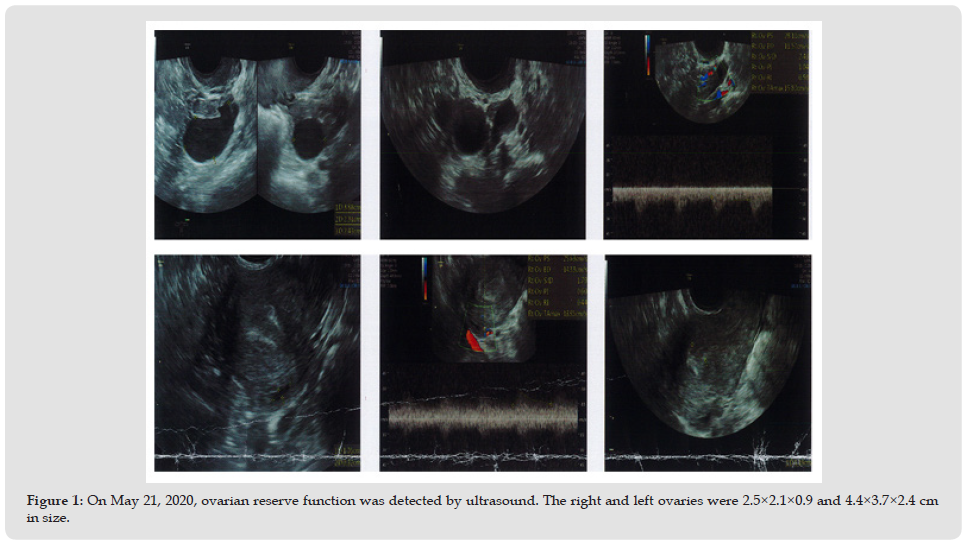
Table 1. Composition of He’s Yulin Formula and its dosage.
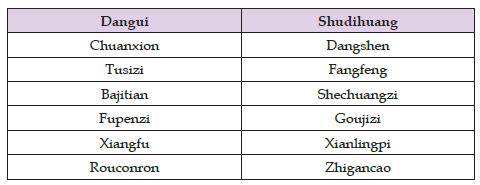
The patient started to receive systematic treatment due to her strong desire to get pregnant, and we decided to use western medicine as the basic treatment combined with herbal medicine according to the patient’s condition. Western medicine was given Fenmotong (1 mg qd po), and Chinese medicine was given He’s Yulin Formula, decoction in water, one dose daily in two oral doses, the detailed composition of the prescription is shown in (Table 1). The medication was stopped after 4 weeks of continuous use. If menstruation occurred, the medication was repeated on the 5th day of menstruation, and if menstruation did not occur, the medication was repeated on the 7th day of discontinuation. After 4 consecutive cycles of treatment, the patient’s menstruation resumed and became regular, so she went to Hangzhou Hospital of Traditional Chinese Medicine for a review. Hormonal evaluation showed high levels of FSH (28.46 IU/L), LH (19.87 IU/mL) and CA125 (185.5 U/mL), but there was already a significant improvement from the previous levels. Her ultrasound findings showed 2 cystic anechoic areas in the left ovary, the large one was about 3.1×1.8×1.1 cm with poor internal transmission and fine dot echoes were seen inside, and the other one was about 1.9×1.7×1.5 cm The remaining ovary had no obvious follicular echo; no obvious abnormalities were found in the right ovary, as detailed in (Figure 2). The results of this examination, combined with the patient’s symptoms, indicate that the patient’s condition is under control and showing signs of improvement.
Figure 2.
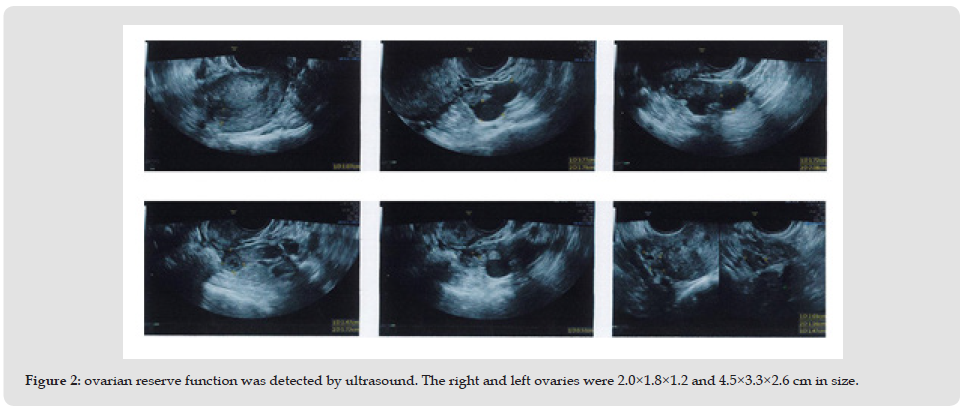
Figure 3.
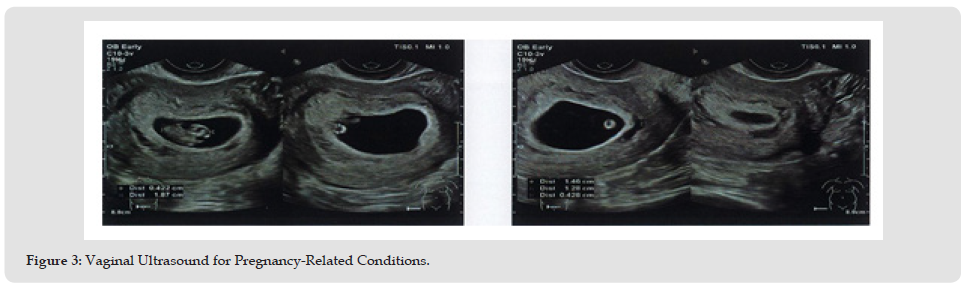
Therefore, the patient continued to receive systematic treatment of he’s Yulin prescription combined with fenmoton. after two cycles of treatment, the patient had amenorrhea and went to Hangzhou Hospital of traditional Chinese Medicine for examination. it was found that the human chorionic gonadotropin was as high as 102709mIU/ ml, transvaginal ultrasound showed that the uterus was enlarged, and the smooth shape of the embryo sac could be seen in the uterine cavity. the size of the embryo sac was about 3.8×3.9×2.9cm, and the size of the yolk sac was about 4cm. The germ with a diameter of about 1.9cm can be seen in the embryo sac and the heartbeat can be seen, see (Figure 3) for details. Combining these findings, the patient had a successful pregnancy and gave birth to a healthy baby the following year in 2021. After the postpartum review, the reproductive hormone test showed that FSH (7.59 mIU/mL) and LH (3.37 mIU/ mL) returned to normal levels, and no other hormones were found to be significantly abnormal, and no abnormalities were found in the ultrasound examination.
POF, also known as ovarian insufficiency, is a challenging reproductive problem that leads to loss of ovarian function in women under the age of 40 [10]. Despite extensive research, the cause of POF remains a mystery in most cases [11]. POF is characterized by low estrogen levels, elevated serum gonadotropin levels and, most importantly, amenorrhea [12]. In the general population, POF affects about 1-3% of women [13], but its prevalence is as high as 10-28% in women with primary amenorrhea and about 4-18% in women with secondary amenorrhea. In women of reproductive age, premature ovarian failure is a devastating diagnosis [14]. The ovaries of patients with POF are characterized by loss of secondary follicles and impaired follicular development, leading to decreased or absent estrogen production and infertility. The mechanism of follicular depletion in patients with POF is likely to be accelerated follicular atresia, but the exact pathogenesis is not fully understood. Currently, the treatment of POF mainly includes hormone replacement and infertility treatment, especially hormone replacement therapy (HRT), which is a common clinical treatment. However, hormone replacement therapy does not fundamentally restore normal ovarian function. In addition, a study suggests that hormone replacement therapy may increase the risk of breast cancer. Therefore, new treatment strategies are needed to restore ovarian function in patients with POF [15,16]. Ovarian chocolate cysts are a type of endometriosis.
The process of formation is roughly as follows: the endometrium in the deep part of the ovary becomes ectopic, and its tissue structure is the same as that of the normal endometrium, but there is a change in the proliferation or secretion phase, which leads to menstruation, and because of its ectopic characteristics, menstrual blood cannot be discharged normally, and menstrual blood accumulates in the ovary many times, eventually forming cysts [17,18]. Cysts mostly show chocolate paste, prone to surface bleeding or damage, and then adhesion with the surrounding organs and tissues, the disease can usually cause irregular menstruation, menstrual pain and infertility [19]. Clinically, surgical resection or conservative drug treatment is often chosen according to the severity of the patient’s condition, and the important indication of surgical treatment is that the diameter of the cyst is larger than 4cm, and the decline of ovarian reserve function and even premature ovarian failure after operation have been paid more and more attention [20]. Clinical use of mifepristone and gestrinone and other drugs for treatment, they can be used as gonadotropin-releasing hormone analogues, can regulate the pituitary gland and play a role in inhibiting the ovary, although there is a certain role, but the recurrence rate is high [21]. Therefore new treatment concepts and strategies should be taken into account.
The current case report describes a 28-year-old married woman with both premature ovarian failure and ovarian chocolate cysts. The patient had a fairly low AMH level and abnormally high serum FSH prior to treatment. Ultrasonography showed the presence of abnormal cysts on each ovary. The conditions for pregnancy were not favorable, but the patient had a very strong desire to have a baby, so she was treated with Fenton in combination with He’s Parenting Formula and successfully gave birth to a healthy baby. In our opinion, there are several reasons for her successful pregnancy, which will be discussed below. Fenmotong is a combination of estrogen and progestin with pregnancy-promoting and fetus-preserving effects, and its clinical efficacy has been widely recognized [22]. According to traditional Chinese medicine, premature ovarian failure is classified as «amenorrhea», «infertility» and «blood exhaustion». Therefore, the treatment is often based on the principle of tonifying the kidney, nourishing the liver and regulating menstruation [23]. In Chinese medicine, ovarian chocolate cyst belongs to the category of «blood stasis», and the pathogenesis is that the Qi and blood do not run smoothly, and the local Qi and blood are stagnant and do not subside for a long time, resulting in the accumulation of obstruction [24].
The prescription of he’s Yulin Agreement is derived from Cistanche Cuscuta Pill in the department of gynaecology. It has been clinically used for ovulatory disorders of kidney-yang deficiency for decades, and has achieved satisfactory results in regulating menstruation, promoting ovulation and conception [25]. Tusizi, Fupenzi and Xianlinpi have the function of tonifying liver and kidney, solidifying essence and reducing urine; Goujizi has the function of nourishing kidney, moistening lung and tonifying liver; Shudihuang has the function of nourishing yin and invigorating blood; Dangui has the function of tonifying blood and invigorating blood; Bajitian and Rouconron can tonify liver and kidney, nourish essence and blood; Danshen, Chuanxiong, Xiangfu and Shechuanzi have the function of tonifying qi, nourishing blood and invigorating kidney and Yang. The whole prescription focuses on warming and tonifying kidney yang, supplemented by nourishing essence and blood, filling fine foot with blood, warming the uterus and improving the function of ovary [26]. In summary, we used a combination of Chinese and Western medicine instead of the traditional monotherapy. Premature ovarian failure may be caused by ovarian chocolate cysts, and the probability of pregnancy decreases greatly when both occur at the same time. However, through this case, we found that promoting ovulation and improving ovarian function are the key factors for successful pregnancy, and the treatment of fenmotong combined with He’s Yulin Formula is worth promoting in clinical practice.
To sum up, we present a unique case in which a young woman suffers from both premature ovarian failure and ovarian chocolate cyst. Because both diseases are important causes of infertility, it is very difficult for the patient to give birth. According to the patient’s condition, we gave him He’s Yulin Fang combined with Fenmotong treatment, and finally the patient’s condition was controlled and successfully gave birth to a healthy baby. We speculate that this may be closely related to the pharmacological effect of fenmotong on promoting pregnancy and the effect of he’s Yulin prescription on tonifying kidney and regulating menstruation.
We are grateful for the excellent technical assistance provided by the auxiliary departments of Hangzhou Hospital of Traditional Chinese Medicine.
No funding was received.
All data generated or analyzed during this study are included in this published articles.
Lingqiao Li was a major contributor to the writing of the manuscript, Qin Zhang conceived and designed the study, and Yiyun Lou analysed the data and contributed to the editing of the figures. All authors read and approved the final manuscript.
The case report in the present study was performed with the informed consent of the patient according to the Declaration of Helsinki and was approved by the Society of Medical Ethics of Hangzhou Hospital of Traditional Chinese Medicine (Hangzhou, China).
The patient agreed for ultrasound and scanning images to be published in the present study.
The authors declare that they have no competing interests.

International Association of Landscape Archaeology, Czech Glass Society, Czech Republic

Department of Chemistry, Semenov Institute of Chemical Physics, USSR Academy of Sciences, Moscow, Russia

Pharmaco-kinetics, dynamics and Drug Metabolism, Touro College of Pharmacy, USA

Professor of Nuclear Medicine, Faculty of Medicine and Surgery, University of Milan, Milan, Italy

Clinical Radiologist (MD) - Department of RADIOLOGY, Cosenza Hospital, Cosenza, Italy





 Abstract
 PDF
PDF



























