
 Research Article
RESUME
Introduction: One of the most important health problems in the humanity’s history has been the confrontation to the process health-disease related with HIV/ AIDS. Populations living with HIV have a 2-fold risk of cardiovascular disease compared with the general population.
Objective: characterizing cardiovascular and clinical-immunological manifestations associated with psychopathological states in patients with HIV-AIDS. Method: A descriptive and transversal, correlative with a quantitative approach that is supplemented with a qualitative analysis of the data (paradigm convergence) was carried out. The investigated population was defined by all AIDS patients from which a simple probabilistic random sample of 45 patients was used, all permanent residents of Santiago Municipality diagnosed as AIDS cases according to confirmed criteria at IPK Institute.
Results: A great number of patients presented oropharyngeal candidiasis mainly associated to anxiety as a state with 25 patients 73,5%, it shows that there was a significant proportion of cases with a half and high score level in relation to depression and cardiovascular manifestations, being more accentuated with arterial hypertension and palpitations.
Conclusion: It is concluded then that, AIDS continues being a problem of health in our territory, where there is a correlation in a high magnitude between opportunists’ illnesses with the cardiovascular manifestation and psychopathological problems as anxiety as a state, finding that the evolution to case AIDS has narrow relationship with the phenomena of stress and depression, clinically evidenced by the values of CD4 and less marked with the viral load.
Introduction
One of the most important health problems in the humanity’s history has been the confrontation to the process health-disease related with HIV/AIDS. HIV continues to be a major global public health issue, having claimed 34.7 million [26.0–45.8 million] lives so far [1,2]. There were an estimated 37.6 million [30.2– 45.0 million] people living with HIV at the end of 2020, over two thirds of whom are in the WHO African Region. 690 000 [480 000–1 million] people died from HIV-related causes in 2020 and 1.5 million [1.1–2.1 million] people were newly infected [1]. Populations living with HIV have a 2-fold risk of cardiovascular disease compared with the general population. Relevant differences in cardiovascular risk profiles in HIV patients are highlighted in numerous studies. Many groups have reported that traditional risk factors, particularly smoking and diabetes, are more prevalent in HIV-infected populations in developed countries[1,2]. Since 2016, WHO has recommended that all people living with HIV be provided with lifelong antiretroviral therapy (ART), including children, adolescents, adults and pregnant and breastfeeding women, regardless of clinical status or CD4 cell count [1-3]. ART is very effective for controlling HIV infection and thus has revolutionized the prognosis and radically increased survival of people living with HIV. However, as HIV infected populations under ART are living substantially longer, they are increasingly exposed to new emerging health issues, notably chronic diseases. Cardiovascular complications now represent a leading cause of morbidity and mortality in the HIV infected population, especially in developed countries (6%-15% of mortality) [3-5]. Both HIV infection and its treatment are associated with lipid abnormalities. Before ART was available, several studies found that HIV-infected individuals had elevated plasma triglyceride and free fatty acid levels, although they had decreased total cholesterol, high-density lipoproteincholesterol, and low-density lipoprotein-cholesterol [5].
Abnormalities in glucose homeostasis in HIV-infected individuals are also frequent. Early articles reported that clinically stable symptomatic HIV-infected men who were participants in euglycemic clamp studies had higher rates of insulin clearance and increased insulin sensitivity in peripheral tissues than did the uninfected control group[4,5]. Regarding arterial hypertension, some early studies suggested a link between PI-based ART and elevated blood pressure. More observed that nadir CD4 cell count (< 200/mL3) was associated with increased aortic stiffness in HIV-infected individuals after a long-term follow up (>7 years) reinforcing the complex association between vascular disease and HIV-related factors including ART, immunodeficiency, chronic immune activation, and low grade inflammation [6]. In addition, at present there are scientific evidences that allow to suppose that positive emotions potentiate health, while negative tend to diminish it. It has been discovered that negative emotions such as anger, anxiety or depression weaken the effectiveness of certain immunological cells, making that the contaminated patients with the virus become more susceptible of contracting opportunist diseases [5-11]. It is theorized form a hypothetical Bayesian thought that, the percentage magnitudes of patients with cardiovascular conditions linked to patients with HIV and psychopathological disorders are greater than 90 percent. In this province (Santiago de Cuba) AIDS has been perceived as a serious health problem in the sanitary order, where the illness has had diverse clinical presentations and one of them has been directly related with dysfunctions in the cardiovascular and psychopathological sphere that greatly threatens this group of patients. According to experts in this thematic the study of this phenomenon is reduced in Santiago de Cuba. In this sense, it becomes necessary to carry out a research that values the main repercussions in the cardiovascular and psychopathological-clinical affections in patients with HIV/AIDS. For this reason, a research was carried out with the objective of characterizing this aspects in this group of patients. Based on the above-mention it was planned to give an answer to the following question: Do the percentage magnitude of the cardiovascular and psychopathological-clinical and evolution of AIDS patients overcome 90% of that reflected in the national and international literature?
Method
An investigation was carried out that, according to the state of the subject to be investigated and scope of the results, classified as descriptive and transversal, correlative with a quantitative approach that is supplemented with a qualitative analysis of the data (paradigm convergence) was carried out. Cardiovascular and psychopathological-clinical variables were selected according to the national strategic program for the prevention and control of STD and HIV/AIDS [12], the stock list anxiety state-feature of Spielberger [13] and Beck depression stock list to respectively measure depression.Various variables recorded in the national STI/HIV/AIDS program were used, such as:
• Cardiovascularvariables (hyperlipidemia, arterial hypertension, palpitations, pericarditis, acute ischemic heart disease, anginal chest pain).
• Opportunistic immunosuppressive diseases (Pneumocystis Jiroveci pneumonia, Neurotoxoplasmosis, Oropharyngeal candidiasis, Non-Hodgkin’s lymphoma, Cerebral cryptococcosis).
• Psychopathological variables (anxiety, depression).
• Humoral immunological variables (Viral load and CD4).
The investigated population was defined by all AIDS patients from which a simple probabilistic random sample of 45 patients was used, all permanent residents of Santiago Municipality diagnosed as AIDS cases according to confirmed criteria at IPK Institute and recorded in the data base of our institution and who were hospitalized at “Dr. Juan Bruno Zayas Alfonso” General University Hospital during the period of the investigation (2018-2020).
Exclusion Criteria
Patients who, at the time of HIV serological diagnosis, had a history of psychiatric disease due to anxiety and depression and some known structural cardiopathy. An analysis was carried out by techniques and later on a comprehensive analysis of the group. To make the associations between the psychopathological and clinical- cardiovascular variables a Spearman coefficient of correlations was used. A level of significance of ά=0,01 was used to prove the hypothesis and a reliability of 99% was achieved in the results. Anonymity was guarantee with a view of protecting the participants’ privacy. H0: There is populational independence among the different selected criteria. H1: There is no populational independence among the criteria of interest. Test Stadigraph:

H0, was rejected, when the probability of obtaining results so
extreme or more extreme than those obtained with the data of the
sample, of being certain H0, it was smaller than the significance level
(α) prefixed. Anonymity of the sick persons was guaranteed, with a
view of protecting the privacy of the participants. Similarly, 95 %(
CI) confidence intervals were computed to estimate the population
poportions of the variables of interest, using the following formula: 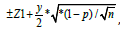 donde: Population proportion estimator. Z
1+ү/2: 95% coefficient of the Standard Normal Distribution. n:
Sample size.
donde: Population proportion estimator. Z
1+ү/2: 95% coefficient of the Standard Normal Distribution. n:
Sample size.
Ethical Considerations
Ethical aspects raised in the Declaration of Helsinki (update in 2000) regarding research in humans were taken into account for this research.
Results
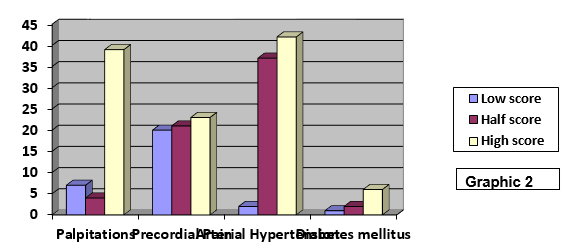
Graph 1.
Shows that a great number of patients presented oropharyngeal candidiasis mainly associated to anxiety as a state with 25 patients 73,5% (Table 1). Table 2 shows a notable predominance of arterial hypertension associated with state anxiety, with 32 patients, which represents to 82,0 %. Table 3 Patient’s distribution according with psychological variables and its relationship with the selected parameters (CD4 and viral load). In Graph 1, it shows that there was a significant proportion of cases with a half and high score level in relation to depression and cardiovascular manifestations, being more accentuated with arterial hypertension and palpitations.
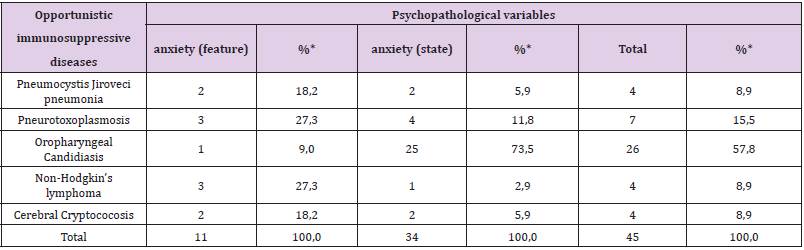
Table 1: Associations between opportunistic immunosuppressive diseases and anxiety as a state feature.
Note: Source: Clinical history and medical records. *Percentages calculated of the total psychopathological variables.
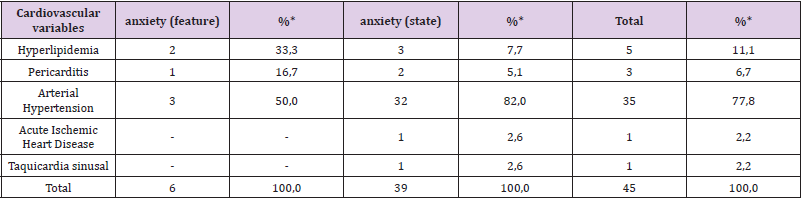
Table 2: Association between cardiovascular disorders and anxiety as a trait and state.
Note: Clinical history and Medical Records. *Percentages calculated of the total to anxiety as a trait and state.
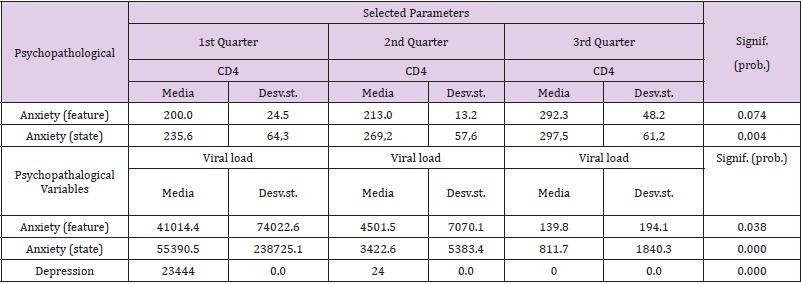
Table 3: Patient’s distribution according with psychological variables and its relation with the selected parameters (CD4 and viral load).
Note: Clinical history and control card of specialized appointment. p=0,01
Discussion
AIDS is a sanitary problem of great magnitude which affects the world. People with this morbid condition not only the physiological function is affected, beside also the emotional and mental state; they are faced to a series of sociocultural, economic and psychological stressors with which they should fight [14,15]. This research coincides with this aspect because it showed the association among the psychopathological alterations that lead to illnesses such as neurotoxoplasmosis and anxiety, a psychological factor broadly studied. With the advent of antiretroviral therapy (ART), human immunodeficiency virus Type 1 (HIV-1) infection has become a chronic disease with longer life expectancy [16,17]. The HIV Outpatient Study showed that, with the addition of antiretroviral therapy (ART), mortality declined from 29.4 to 8.8 per 100 personyears. More recent data indicates that the proportion of patients expected to survive 5, 10, and 15 years after seroconversion in the HAART era are 99%, 93% and 89% respectively.
With the increased life expectancy and decreased morbidity from opportunistic infections, the recognition and importance of chronic complications associated with HIV-1 infection is becoming more evident. Cardiac diseases are very common complications met in these patients [17,18]. With advances in the treatment of HIV, people with HIV are now living longer but unfortunately experience heart disease and its complications at faster rates than people without HIV infection. According Boccara Franck and Cohen Ariel, [19] populations living with HIV have a 2-fold risk of cardiovascular disease compared with the general population. Our research fully agrees with this author and notes that relevant differences in cardiovascular risk profiles in HIV patients are highlighted in numerous studies [19,20]. A robust study [21] notify that, HIV infection may contribute to arterial hypertension directly through immune activation and indirectly through inflammation which provokes endothelial and vascular smooth muscle cell dysfunctions. Chronic immune activation and viral replication may lead to permanent T-cell activation, which may be affected by reactivation of other viruses, for example cytomegalovirus.
Furthermore, ART and HIV may also lead to chronic inflammation and both have a complex interaction with coagulation factors. In this sense, it follows that to the extend that chronic inflammation affects the vascular endothelium, the effect will be greater in terms of producing manifestations in the cardiovascular system, superimposing or contributing to this phenomenon psychopathological alterations such as anxiety and depression, typical of some of these patients. Various robust investigations from johns Hopkins hospital (22) found that men with long-term HIV infections are at higher risk than uninfected men of developing plaque in their coronary arteries, regardless of other risk factors for coronary artery disease. Specifically, researchers measured plaque and stenosis - a narrowing of blood vessels - in the heart arteries for HIV-positive patients to measure whether the plaque had calcified or not, and to what degree. Noncalcified and partly calcified plaques are more likely than calcified plaques to trigger development of a clot that reduces or blocks blood flow to the heart [22].
All these pathophysiological phenomena contribute to the pathophysiological explanation of cardiovascular disease in HIV patients, and we found in our work coincides in part with these studies mentioned, because although little evidence is collected on the role played by arrhythmia and pericarditis, these are consequences of coronary ischemic phenomena and inflammatory involvement of some of the layers of the heart respectively. In fact, higher levels of aortic inflammation in HIV-infected individuals have been observed compared with uninfected individuals with the same cardiovascular risk profile. Higher levels of interleukin-6, high-sensitivity C-reactive protein, and D-dimer were associated with increased all-cause mortality and predicted cardiovascular disease independently of other risk factors [21,22]. Numerous studies [22,23] suggest that the increased risk of acute myocardial infarction (AMI) among HIV-positive people is likely associated with HIV, ART, and the comorbid illness burden including traditional risk factors. Patients with HIV have a 50% increased risk of AMI and more postdischarge adverse cardiac events.
Investigation such as those Friis-Møller NTinoco JMVP, et al. [22,23], referred that antiretroviral therapy is associated with metabolic changes and abnormal fat distribution, which in turn are linked with insulin resistance, diabetes, and dyslipidemia. Although HIV and ART are associated with AMI risk, results from the SMART study show that continuous HIV viral suppression provides lower cardiovascular disease risk than drug interruption, suggesting that the virus may play a direct role. Undoubtedly, the association between HIV, anxiety, depression and cardiovascular manifestations are estimated as processes that could be causally associated, causality studies with statical methods that use multivariate logistic regression would allow us to better define this scientific problem that arises from this descriptive investigation. In our series of studies, factors such as the pathophysiological state which could be precipitant factors in the unfavorable and fast evolution of the illness, more over it was observed in this phenomenon the coincidence in the greater percentage number of affected patients; related with experts criteria, it is mentioned that virus stump are more pathogenic, imposing the anxiety and personal stress, family mistreatment, society rejection, also a biological phenomenon related with co-infection and deficient immunologic states genetically present, and could also explain the association with the cardiovascular manifestations found in our series. So to say, the patients who present health chronic affections can experience crisis at the moment of getting the diagnosis and go through a psychological adapting process, hoping it let them accept their new condition and make durable life changes. Beside, these patients, especially the ones who have HIV/AIDS, experience sharp stress when facing the communication of the diagnosis and this could influence in the immunologic function, adding the facing of particular social stressors (stigmatization, economic, physical, psychological) that can affect their health.
There then appear reactions such as confusion, anxiety and depressing symptoms which could be related with the perception of control over their health, life expectancy, they experienced symptoms including physical, psychological and social implications of the treatment. According with Tinoco, the psychological profile of the people that experienced the infection-illness HIV/AIDS is characterized to experience greater anxiety and depression and less self-esteem than other patients. Different investigations [22,24] have identified the presence of anger, irritability, concern, negativity, fear, somatic reactions, cardiovascular manifestations, trouble sleeping and negative emotional states which could be interpreted as acute stress. Other studies carried out [11,14,23] refer that stress accompanied by a bad life quality obstruct the immunologic system regulation, with the consequence decrease of the organism defense of these patients and so a greater acceleration from the initial diagnosis until the outcome of the diagnosis as AIDS patients, a Physiopathological factor that forces the setting up of anti-retroviral medications.
Other serious researches like Wei W, et al. [21,23], highlight the psychologists work who tried to minimize the risk factors and to improve the patient’s life quality, related with anxiety, anger as psychological components. Symptoms of anxiety and depression have been more frequently reported [16,17,22,23]. This last one has been described as one of the main problems comorbid to infection for HIV (between 2 and 4 times more than in the general population) with a prevalence between 29 and 79%. For this research the indicators of viral load and the counting of CD4 cells were taken into consideration as basic aspect to evaluate the clinical progression of the illness and it was related with psychological variables such as anxiety feature and state. Depression was also taken into consideration, there are few studies in the country related with this theme, but there is agreement between clinical elements given by opportunistic illnesses, CD4 values and viral load, the first ones diminish with dysfunction of anxiety alterations and depression, coinciding with our investigation.
However, it was not significant in relation with the viral load, where there were not important modifications for the variable associated with depression, it could be a bias for the quick performance of those in charge of the program, that once signal anxiety in some of these patients, they stablish a treatment to avoid depression, this last one more dangerous for these patients’ life, because after this appear suicide, rejection and total aggressive behaviours able to damage the physical and psychological integrity of them as well as of other people. Psychoneuroimmunology suggests that anxiety, depression and anger can have an important role in the progression of the infection for HIV and also in people with a recent seropositive diagnosis, they can exacerbate the immunosuppression induced by the virus, causing a fast deterioration of immunologic parameters such as CD4 [6,7,21,23].
A study revealed that patients with attitude of perception on the feelings of forgiveness and guilty, future worries and with dead, progressively diminished CD4 quantitative values carrying them to the final stage of the illness. Nevertheless, as for the temporal analysis of this chart, it is thought that the discoveries of the study were relevant, since the value of the level of significance of the statistical test was shown “borderline” to point of adopted court, it is attributed, by the authors, in some cases to interceded aspects such as the size of the samples taken. It is then thought, that it deserves, therefore, considering the opposing results that new scrutiny should be carried out, having in view the prior study on this variable [23]. With regard to the depression, the results showed a prevalence of high punctuations of depression (moderate and severe) of great clinical interest; the same thing has been observed in other investigations [15,17,19]. The depression alterations that have a greater significance, cannot be assessed in this study, because the test that was used, has cuali-quantitative disadvantages to carry out this test, coinciding in this aspect with what has been notified in other investigations [17,18].
This dysfunction in the emotional acting is a sign of alert for the repercussion on the illness evolution proper, mediated by the effect in the immunological system, this is an aspect according to experts’ criteria from Santiago province, frequently undervalued by the physician who does the patients follow up. It was found, in a Colombian study [18], a high prevalence of people with the diagnosis of HIV who presented depression as comorbidity without being detected by their family physician and this had an impact in the development and illness care with less adherence in the treatment or medical recommendations. Researchers affirm that an adequate psychological and social support manifest lower levels of depression which helps to improve the somatic people´s health [18,19]. Our investigation possesses similar approaches to those previously mentioned and at most of the work that doctors and nurses should carry out, a colloquial importance should be given to this symptomatology. Depression and anxiety produce changes in the clinical parameters and they directly rebound mainly in the individual health in men that suffer HIV/AIDS, but not necessarily for the diagnosis in itself, but for the social and individual problems that often surround this group of patients [19].
The patient, logically sick, is a scientific problem for our modern professionals; if we want to be exact or the nearest to this individualized opinion, it constitutes an inevitable necessity to solidify the theoretical and physiopathological bases of the illnesses that allow them to undertake the roads, not simple, but, with zeal, passable, for the construction of knowledge [20]. AIDS will continue as a devastating illness and just with qualified personnel we will be able to approach the mere form of its confrontation. It is concluded then that, AIDS continues being a problem of health in our territory, where there is a correlation in a high magnitude between opportunists’ illnesses with the cardiovascular manifestation and psychological problems as anxiety as a state, finding that the evolution to case AIDS has narrow relationship with the phenomena of stress and depression, clinically evidenced by the values of CD4 and less marked with the viral load. The estimate in relation to depression suggests that it is marked in this sick studied population, leading to clinical complications that can be lethal if not treated with opportunity.
Originality
This manuscript is an original and unpublished work, it has not been published in whole or in part, nor is it being evaluated by another journal or any other means of dissemination.
Conflict of Interests
The authors declare that they have no conflict of interest.
References
- HIV/AIDS.
- Boccara F, Cohen A (2016) HIV and Heart Disease: What Cardiologists Should Know VIH y cardiopatıa? Rev Esp Cardiol 69(12): 1126-1130.
- Dirección General de Salud Pública, Calidad e Innovació Vigilancia epidemiológica del VIH y SIDA en España. Actualización 30 de junio de 2015. Sistema de información sobre nuevos diagnósticos de VIH. Registro nacional de casos de SIDA. Nov 2015.
- Heart Failure in Patients with Human Immunodeficiency Virus Infection: Epidemiology, Pathophysiology, Treatment, and Future Research. 2020.
- People Living With HIV Have 2-Fold Risk of Heart Failure 2020.
- Maia-Leite LH, Catez E, Boyd A, Haddour N, Curjol A, et al. (2016) Aortic stiffness is influenced by past profound immunodeficiency in HIV-infected individuals: results from EVAS-HIV (Evaluation of aortic stiffness in HIV-infected individuals). J Hypertens 34(7):1338-1346.
- (2016) Centros para el Control y la Prevención de las Enfermedades. El VIH en los jóvenes [Internet]. Atlanta: Departamento de Salud y Servicios Humanos.
- Pérez Sartori G, Iglesias Domínguez C, Feuerstein Rodríguez VG, Dansilio Sergio, Medina Presentado JC (2020) Transtornosneurocognitivos en pacientes VIH positivos. Dados preliminares de una cohorte prospectiva uruguaya. Rev Méd Urug 35(3): 5-30.
- Cardona-Duque DV, Medina-Pérez ÓA, Herrera Castaño SM, Orozco Gómez PA (2020) Depresión y factores asociados en personas viviendo con VIH/Sida en Quindío, Colombia, 2015. Rev habanciencméd 15(6): 941-954.
- Wei W, Li X, Tu X, Zhao J, Zhao G (2016) Perceived social support, hopefulness, and emotional regulations as mediators of the relationship between enacted stigma and post-traumatic growth among children affected by parental HIV/AIDS in rural China. AIDS Care 28: 99-105.
- Ministerio de Salud Pública. Plan Estratégico Nacional para la prevención y el control de las ITS y el VIH-sida, 2014-2018. La Habana: MINSAP
- Andras N Zsido, Szidalisz A Teleki, Krisztina Csokasi, Sandor Rozsa, Szabolcs A.Bandi (2020)Development of the short version of the spielberger state- trait anxiety inventory 291: 113223.
- Pérez Sartori G, Iglesias Domínguez C, Feuerstein Rodríguez VG, Dansilio Sergio, Medina Presentado JC (2019) Transtornosneurocognitivos en pacientes VIH positivos. Dados preliminares de una cohorte prospectiva uruguaya. Rev Méd Urug 35(3): 171-180.
- Díaz RB, Artiles RAC, Sani VP, Cantillo M, Montero EC, et al. (2019) Antiretroviral effectiveness with Cuban generics in patients with HIV/AIDS in the province of Santiago de Cuba. MOJ Toxicol 5(3): 106-110.
- Temas de actualidad en VIH/SIDA Y ETS 2018.
- HIV and Heart Disease.
- Joshua Remick, Vasiliki Georgiopoulou, Catherine Marti, Igho Ofotokun, Andreas Kalogeropoulos, (2014) Heart Failure in Patients with Human Immunodeficiency Virus Infection: Epidemiology, Pathophysiology, Treatment, and Future Research 129(17): 1781-189.
- Boccara Franck, Cohen Ariel (2016) HIV and Heart Disease: What Cardiologists Should Know VIH y cardiopatıa:? Que deben saber los cardiologos? Rev Esp Cardiol 69(12): 1126-1130.
- Gómez CMT, Ramírez HS (2019) Insuficiencia cardiaca en el paciente VIH. Revista Médica Sinergia 4(05): 117-129.
- Hemkens LG, Bucher HC (2014) HIV infection and cardiovascular disease. Eur Heart J 35: 1373-1381.
- Johns Hopkins Study Shows Link Between HIV Infection and Coronary Artery Disease.
- Friis-Møller N, Weber R, Reiss P, Thie´baut R, Kirk O, et al. (2003) Cardiovascular disease risk factors in HIV patients-association with antiretroviral therapy. Results from the DAD study. AIDS 17: 1179-1193.
- Tinoco JMVP, Souza BPS, Oliveira SX, Oliveira JA, Mesquita ET, et al. (2021) Association between depressive symptoms and quality of life in outpatients and inpatients with heart failure. Rev Esc Enferm USP 55: e03686.
