
 Research Article
SUMMARY
Introduction: ElSIDA is an advanced clinical manifestation of infection with human immunodeficiency virus (VIH). These patients have a history of antiretroviral drugs, but there is an increase in the risk of toxicity and the effects of cardiac disease, between their cardiac arrhythmias.
Objective: Characterize clinically the symptoms with VIH / SIDAque presentaron adversarial reactions for the consumption of antiretrovirals as well as the reason for the prevalence of cardiac arrhythmias.
Method: Study descriptive and transversal, which is possible by characterizing the clinical relationship of TARV with the reactions of general adversaries including cardiac arrhythmias, in the General Hospital Docente Clínico-Quirúrgico Dr. “Juan Bruno Zayas Alfonso” in the period 2018-2020.
Results: The reactions of the adversaries accidental oropharyngeal fueron marcadas, representing 80%. The antiretreatment treatment was very unfavorable for Esquema I, with 66.6 of the adversary reactions. Oesophago-gastritis and cardiotoxicity marcaron the differences, with 28 (53.8%) and 14 (55.8%) respectfully. a los que no lo consumieron.
Conclusions: Adverse reactions in patients with VIH / SIDA provide a health problem in our territory, demonstrate the relationship between adversary reactions and antiretroviral treatment with Cuban generics, all interested in gastronomic delights. sickness results in a process that can often be detected in the sickness with VIH / side.
Keywords: Side Effects; Adversary Reactions; Antiretrovirals; Arrhythmias
Introduction
Adult immunodeficiency syndrome (AIDS) is a manifestation of a clinical manifestation of infection with the human immunodeficiency virus (VIH). This stage of immunodeficiency is a grave, which can lead to infections and neoplasms associated with the cause of death [1]. generates in some countries the deaths caused by the disease, all this accounts for the sad reality to which humanity is exposed today, so it is considered a global epidemic and warns of the need to increase information, education and komunicci to the general population and the most vulnerable regions [2,3]. In fact, the number of persons with VIH / SIDA is incremental, which is why it is considered a public health problem [1-3]. These patients are best treated with anti-inflammatory drugs (TARGA) and combinations of therapies that help reduce the transmission of the virus, increase the risk of survival and improve the quality of life of the port. There is clear evidence that patients have revolutionized their horizons with treatment [3]. In the context of the previous situation in all regions of the region, with official sanitary statistics situated in the year 2000 of the VIH reports reported each year in Cuba, it will be possible to avoid the prevalence of infection in the VIH in the Americas, with only 0.2% -0.3% of the affected population that killed each other in the world, as recognized by the World Health Organization (OMS) [3]. Without embargo, habida account of the critical access to prevention, diagnosis, treatment and attenuation of effects of the health-infested process, including opportunistic infections, this morbid process is converted into a problem of chronic chronic health, which is considered to be the first time the virus leads to a long life and saludable [1,3].
To deal with the issue with the topic that is aborted and the ideas to be preceded, it is possible to popularize that the person of the infected persons with VIH / SIDA with the anti-retreat treatment is long-standing and sure to see the results. In the majority of patients, the ingestion of prolonged treatment drugs that include treatment and, consequently, the therapy is ineffective, the virus is very resistant and increases the number of cases. To catalog as correct adherence to treatment, the indication of being the mayor of 95%, this signifies that the patient does not be able to take care (of the truth) more than three lozenges by the month, the dose of tomatoes in the manner of appropriation [4]. En este sentido, la adherencia sobre todo con pharmacos individuales ha sido difícil, pero la aparición annual de 2 ó 3 nuevos antivirales esde 1995 1995 ha permitido avances sin precedentes en el tratamiento de este flagelo y la terapiya combinada ha demostrado ser la más effectiveiva [4]. This ultimate goal is to increase viral suppression, prevent drug resistance, optimize drug exposure and simplify dosage, but also do not expose a pharmacological antagonism, sub-therapeutic concentrations of drugs and toxicity 4 times. In consonance to this holistic opinion, it recognizes that the control of the disease has a permanent clinical accompaniment, and its continuing anti-inflammatory effect is effective also because of the tambourine power (24:4). Consonance with children, AIDS, the cause of the toxicity of antiretroviral diseases in the largo plaza, the increase in edema and the state of pro-inflammatory and immune-activated stimuli through the virus, including patients in antiretroviral therapy effective, fall into a number of cases related to the mayor , such as cardiovascular disease, dyslipidemia, hypertension, diabetes, osteoporosis or renal disease, these are susceptible to complications of symptomatic derivatives and in connection with the proper treatment interactions for treatment, between 5 and a half.).
Now, a pharmacological interaction is accepted as clinically relevant as the effect of the toxicity of a pharmacy is alternated as a form of significance through the administration of other substances. In any case, the interactions of the antiretroviral pharmacological agents are complete and very common in variations of individual variants depending on the genetic background of alimony [5]. Any pharmacy, in interaction with our organ system, can affect the ability to function and produce pathological diseases and the cardiovascular system is one of them, as well as the risk of cardiovascular disease (RCV) in patients with infected / infected patients. This risk is due to incrensecos intores of the country, such as the higher prevalence of klassikos cardiovascular risks and factors associated with the virus itself, komo immune activation, inflammation and immunodeficiency, others such as locompantas its alteration metabolic intrinsic [5-7]. The antiretroviral therapy is associated with an increase in the risk of heart failure and arrhythmias that are very frequent in patients with HIV / AIDS, and the mechanism of complete recovery can be used. Each antiretroviral drug is devoid of form in which it contributes to the maintenance of RCV, mainly as a cause of lipid and metabolic tractors, as insulin resistance with affection in its biomolecular components.
Conformity with the introductory theme, which can be considered as described as arterial hypertension (HTA), torso point, arousal fibrillation and other cardiovascular abnormalities, including arrhythmias that can be very severe, with significant repercussions. a series of reports has been submitted that meet the frequency of the missions or the patrons of the association with the specifics of antiretroviral consumption, which is the situation with a representative of the medical care (5,8 of our territory). Entonces, a partir de un pensimiento hypothectico bayesiano, las arrhythmias en los enfermos con VIH / SIDA, pueden estar en relación con varios factorors i teniendo como premise todo lo hasta aqui pronunciado, el consumo de medicamentos antirretrovirales puede ser uno de ellos. This presumption is tentative, he and he are dreamed of in the present investment, but he has shown that he has demonstrated the dangers of tangible records and his thoughts about his missions, for which he has a series of judgments before him: are the clinical characteristics present in the conglomerate studied? What is the reason for the prevalence of cardiac arrhythmias in the diseases that consume antiretrovirals of national production versus no consumers?. Being aware of everything and everything you have to do here, it is imperative to characterize clinically the illnesses with VIH / SIDA with opportunistic opportunities that present adversary reactions to the consumption of antiretrovirals of national production and identify the reason for the prevalence. conglomerate of sickness.
Method
The investment is based on the city of Santiago de Cuba, and has a studio design that includes alcance and themes to investigate the type of descriptive and transversal, which is possible to characterize the clinic, as well as the relationship between TAR with Cuban generics with reactions of general adversaries and the presence of cardiac arrhythmias, found in the population of the population with opportunistic conditions, perennials at the Polyclinic 28 of September, in the period 2019-2021. The study area is still compliant with 84 houses, all with opportunistic opportunities tuvieran o no tomando antirretrovirales de national production. Some of the variables studied under the auspices of the national strategic program for the prevention and control of ITS and VIH [6].
Estimation Process
Para lograr la contrastación i verificación de los resultados se llevó a cabo una revisión exhaustiva de las historias clínicas de los pacientas. Use utilizations of quantitative and qualitative resumes and estimate the percentages as resumes. Take into account the 95% confidence interval (95% CI) for the proportion of illnesses with HIV and adverse reactions to antiretroviral therapy, for all periods of analysis. Use the Independence Test x2 to identify the association statistically significant between the criteria of interest. Selected level of significance α = 0.05. The hypothetical statistics of the future railway:
H0: There are independent independence between the different selected criteria.
H1: There is no independent independence between the criteria of interest.
Test Statistician:

H0 was rejected when the probability of obtaining results as extreme or more extreme than those obtained with the sample data, if H0 were true, was less than the predetermined level of significance (α).
Association Between Variables
The association between the consumption of nationally produced antiretrovirals and the appearance of cardiac arrhythmias was evaluated, estimated for cross-sectional studies, using the prevalence ratio of cardiac arrhythmias in patients receiving antiretroviral therapy who presented adverse reactions related to the cardiovascular system and patients who did not consume antiretrovirals. antiretrovirals, through the following equation: (a/a+b)/(c/c+d), in addition to its OR, through (a/b)/(c/d), as a measure of effect, with their respective confidence intervals (95% CI).
Ethical Considerations
Ethical aspects raised in the Declaration of Helsinki were taken into consideration and the anonymity of the patients was guaranteed, with a view to protecting the privacy of the participants.
Results
Percentage calculated based on the total number of patients according to opportunistic disease and adverse reactions. Source: Medical records and specialized consultation control card. Table 1 shows a marked predominance of adverse reactions linked to patients with opportunistic diseases such as oropharyngeal candidiasis with 25 patients, which represents 80%, followed by neurotoxoplasmosis with 65%. Related to antiretroviral treatment with Cuban generics, schedule I was the most harmful, representing 66.6 of the adverse reactions presented by this group of patients, followed by schedule II (64.3%), with schedule V not being negligible. Table 2 Source: medical records and specialized consultation control card. Table 3 shows the type of adverse reaction presented by the patients and its relation to biological sex. There was a higher frequency of adverse reactions associated with patients with esophageal gastritis with 28, for 53.8%, followed by cardiotoxicity with 14 patients from the total sample, with male participation being more frequent (55.8%).
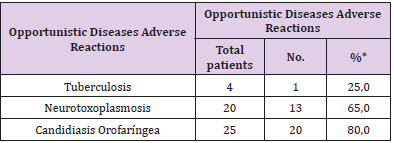
Table 1: Opportunistic diseases linked to patients with adverse reactions.
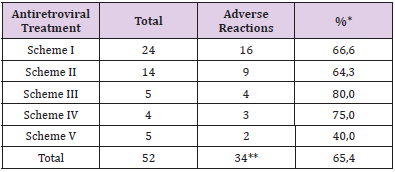
Table 2: Adverse reactions according to treatment scheme with Cuban generics.
Note: *Percentage calculated based on the total number of patients according to treatment schemes.
**95% CI: [51.4; 79.2].
Source: Medical records and specialized consultation control card.
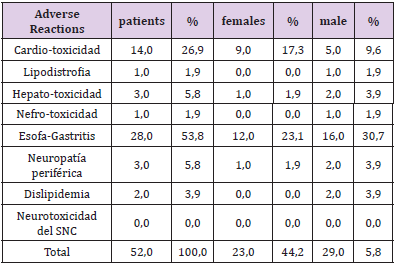
Table 3: Types of adverse reactions associated with sex recorded in sick patients.
Table 4 shows the prevalence ratio between the variables studied and it has been found that the ratio between patients with cardiac arrhythmias versus those without arrhythmias is 3.460; 13,157; and 4,381 times higher in patients who consumed antiretrovirals compared to patients who did not consume them, with statistical significance being observed, but more pronounced for Scheme II.
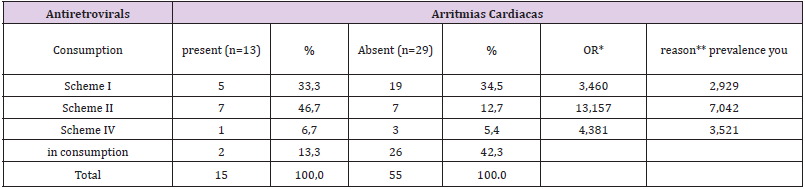
Table 4: Cardiac arrhythmias and their association with the consumption of antiretrovirals according to the type of regimen used.
Note: *OR of prevalence of cardiac arrhythmias versus patients without antiretroviral use with their 95% CI: [1.232; 4.897]-[12.421;15.021]- [12.421;15.021].
**Prevalence ratio of cardiac arrhythmias versus patients without antiretroviral use with their 95% CI: [1.387; 3.896]-[6.421;8.079]- [2.231;4.669].
Source: medical records and specialized consultation control card.
Discussion
In the surveillance of a pharmacological product, the main problem is related to the participation of a restricted number of people in the initial stage of the trial and to the ideal conditions in which the study is conceived, for which only a small number of effects are detected. adverse; however, when the product is consumed by more people, the possibility of observing other adverse reactions that were not described in the first stage of development of the new drug in question increases [6-8]. Most of the adverse reactions to antiretrovirals related to the presence of opportunistic diseases in our series of cases were nuanced by oropharyngeal candidiasis, an opportunistic disease that unquestionably affects the digestive tract, making the patient more vulnerable when consuming the drugs. A similar study [6] indicates that the most predominant adverse effects were those related to the digestive system, although they do not specify which one, a result that partially coincides with our series, while in the case series of Szlejfetal [7] the pharmacy staff mentioned Oropharyngeal candidiasis as a deleterious marker of the gastrointestinal system. The frequency of these effects in patients with HIV/AIDS who have an opportunistic disease is variable and depends on the stage of HIV infection. In our case, according to expert criteria, most patients have digestive system disorders. After discontinuation of the drug, the reactions are usually reversible, although in some cases corrective measures are necessary [8].
One aspect to take into account in our research is that most of our cases could be exposed to external factors such as alcohol consumption, a substance that increases the risk of adverse reactions and greater tissue damage, with multisystem involvement, obviously due to the results of the study. consumption of this substance. The addition of drugs in each therapy with these drugs increases the risk of adverse events by 10% [9]. Despite the risk of adverse reactions associated with polypharmacy, this strategy is essential in HIV-infected patients. Following this idea, the first line of initial treatment with nationally produced drugs usually includes two or more drugs. This almost always germinal medication is made up of zidovudine (AZT), lamivudine (3TC) and nevirapine, which are related to digestive disorders and drug rejection, an aspect that in turn reduces the possibility of raising CD4 levels and therefore therefore, it entails an increase in the viral load, which induces an increase in the frequency of appearance of opportunistic diseases, relating the latter to potentially dangerous adverse reactions [9-10]. Recently, international drugs have been introduced to the market that are not part of the national scheme, which, although they have been combined, have not yet become mandatory guidelines for access by all AIDS cases requiring treatment. But indisputably, where opportunistic infections or comorbidities are present, polypharmacy is mandatory [8,9]. Undoubtedly, adverse reactions are always present in consumers of antiretrovirals, Gil del Valle et al11, in their study, refer that metabolic alterations with antiretrovirals is one of the conditions to change treatment schemes and manifest as hepatotoxicity, cardiotoxicity, hyperlipidemia, hyperglycemia, and hematological type, each class of drug is associated with specific toxicities, which are enhanced by the interaction between antiretroviral agents, which is expressed in additional toxicity, all this is related to our research where predominated for the scheme I, the largest number of patients who presented adverse reactions [10,11].
In this series by Gil del Valle, it was found that patients who used the drugs that make up Scheme I, although apparently effective in their casuistry, presented the highest frequency of reported adverse reactions and, paradoxically, they are the ones with the highest associated toxicity [11]. But they are also the cheapest and the ones used in the generalization of the therapy in Cuba because they are generics of national production [10,11]. In the management of these therapeutic combinations with antiretrovirals, the appearance of adverse drug reactions (ADRs) and interactions is an important aspect to take into account since they can cause a decrease in the efficacy of the treatment. These drawbacks mainly affect the patient’s quality of life and may favor therapeutic noncompliance and the induction of viral resistance to the different drugs [11- 13]. The fact that these drugs are relatively recently used makes it convenient to establish drug-monitoring programs that allow knowing the exact results of long-term toxicity and thus trying to optimize their therapeutic management [12,13]. The search for possible interactions is variable, so Marzolini et al. 17 prospectively collected information on possible interactions between treatments from participants in the Swiss HIV Cohort Study over 10 months to determine the effect of drug use and age on the appearance of possible drug interactions. It was evident that the most important risk factors were with the use of protease inhibitors (PI), a group of antiretrovirals used in the production scheme and used in our casuistry [12-14].
According to Moore, et al. [14], adverse reactions to nucleoside reverse transcriptase inhibitor drugs (drugs in the first and second schemes with Cuban generics) occur frequently, and even if favorable clinical responses are obtained, they require the withdrawal of the drug involved., an aspect that coincides with our casuistry. Metabolic alterations constitute one of the most worrisome adverse effects of antiretroviral treatment. Early initiation of antiretroviral therapy and the use of drugs with a higher safety profile have made it possible to reduce the risk of dyslipidemia and cardiovascular risk [15,16]. Our research showed an important group of patients with esophageal-gastritis and cardiac arrhythmias, although with relative coincidence with other studies [16], it could be due to casuistic differences in the referred investigations. However, studies such as “The Danish HIV Cohort Study” and “The Copenhagen General Population Study” [17] with 3,251 patients with HIV infection and 13,004 controls adjusted for age and gender, showed an increased risk of AMI and cardiovascular arrhythmias in patients HIV smokers compared to the general population, attributing approximately three out of four AMIs that cause arrhythmias in patients with HIV infection, are associated with smoking, compared to one out of four in the control population. The authors conclude that quitting smoking could potentially prevent more than 40% of these cardiac abnormalities [16,17].
To reduce the appearance of these disorders, it is advisable to gradually increase the dose of medication on a daily basis, until the desired value is reached. Drug withdrawal due to these gastrointestinal effects has occurred on some occasions, but in general they are not considered serious reactions [15,16]. This research confirmed that adverse reactions, especially those of cardiovascular origin, could be linked to the intake of antiretrovirals and particularly those derived from protease inhibitors. In the registry of clinical cases of the Veterans Health Administration in the USA, the association between different antiretroviral regimens and the risk of cardiovascular events such as AMI, arrhythmias and cerebrovascular events was sought. Abacavir, efavirenz, lamivudine, and zidovudine were associated with an increased risk of cardiovascular events with ORs (odds ratios) ranging from 1.4-1.53. The EFV/AZT/3TC scheme was associated with an increased risk of cardiovascular events OR1,6; 95% CI: 1.25-2.04 (54) [18]. The EFV/AZT/3TC scheme was associated with an increased risk of cardiovascular events OR1,6; 95% CI: 1.25-2.0419 [18]. Our series coincides in aspects such as the use of antiretrovirals such as AZT and 3TC, which could explain the frequency of arrhythmias, facts such as knowledge of this phenomenon implies making therapeutic readjustments for a better comprehensive therapeutic approach. However, Hunt, et al. [19] in a review of the literature published in MEDLINE and EMBASE up to August 2011, conclude that the use of protease inhibitors (PIs) does not seem to be an independent predictor of QT interval prolongation as dangerous arrhythmias and others that are not described as frequently [20].
This discrepancy may be due in part to various factors, including the diversity of samples with which we worked and other associated factors such as the presence of comorbidities, including heart disease, arterial hypertension, and phenomena that increase the potential of the drugs consumed on cardiovascular functions.
Despite these evaluations carried out in our casuistry, it has had certain limitations, the detection of adverse reactions was carried out from a sample of patients who came with their medication from the health areas, an aspect that limits the applicability of the results. to the general population, especially in patients treated at other levels of care. An individual clinical evaluation of the risks and benefits of the therapy was not performed.
Although the study was not designed to investigate the clinical impact of the different therapies, it can be seen that the conclusions, although limited, are relevant for patients with HIV/AIDS, especially to point out the groups most vulnerable to antiretroviral medication and a particularity about certain casuistry in relation to cardiac arrhythmias, which undoubtedly is very likely to correspond to some antiretrovirals. As a climax, it can be said that HIV/AIDS infection-disease continues to be a health problem in our territory, demonstrating the relationship between adverse reactions and antiretroviral treatment with Cuban generics, being visible in cardiac arrhythmias versus without arrhythmias, which was reasonably higher in those who used antiretrovirals. The drugdisease interaction is a complex but indisputably frequent process in some of these patients.
Conflict of Interest
The authors declare no conflict of interest.
References
- Barrera-Espinoza Richar William, Gómez-Gonzales Walter Edgar, Girón-Vargas Ana, Arana-Escobar Magaly, Nieva-Villegas Lilia María, et al. (2022) Factors associated with non-adherence to antiretroviral treatment in people with HIV/AIDS. Horizon Med 21(4): e1498.
- Carvalho PP, Barroso SM, Coelho HC, Penaforte FRO (2019) Factors associated with antiretroviral therapy adherence in adults: an integrative review of literature. Hundred SaudeColet 24(7): 2543-2555.
- Artimez-Jon C, Artimez-Puente C J, Soler-Rodríguez R (2021) HIV/AIDS prevention education for adolescents with community intervention in the health area. Teacher and Society18(1): 64-77.
- Lamillar Taipe E (2019) Adherence to Antiretroviral Treatment in Patients of the Sexually Transmitted Infections and AIDS Control Program of the “Hipólito Unanue” National Hospital, Lima, Peru, 2018 [Thesis]. Lima: Ricardo Palma University. School of Medicine.
- (2022) Cuba. Ministry of Public Health. NATIONAL STRATEGIC PLAN for the prevention and control of STIs, HIV and hepatitis 2019 - 2023. Havana: MINSAP.
- Mendo Alcolea Neity, Mesa Pérez Eduardo de Jesús, Neyra Barrios Rafael, Berenguer Gournaluses Lázaro, Nieto Muñiz Graciela (2019) Adverse reactions to antiretroviral drugs in patients with human immunodeficiency virus. MEDISAN 22(8): 674-682.
- Betancourt Gambino J (2019) Adherence to antiretroviral treatment in HIV-positive patients. Cuban Journal of Integral General Medicine [Internet journal] 34(3):
- Espinosa Aguilar A, Avila Sánchez M, Gibert Lamadrid Md (2018) An updated conception of adherence to antiretroviral treatment. Cuban Nursing Magazine 34(1).
- Barrera Espinoza RW, Gómez Gonzales WE, Girón Vargas A, Arana Escobar M, Nieva Villegas LM, et al. (2022) Factors associated with non-adherence to antiretroviral therapy in people with HIV / AIDS. Horiz Med (Lima) 21(4): e1498.
- Tarragó Portelles Sury Saday, Gravier Hernández Rosario, Gil del Valle Lizette (2019) Pharmacovigilance in Cuba and Infranotification of Adverse Drug Reactions. Horiz. sanitary ware 18(1): 7-15.
- Morales-Pérez M, Garcia-Milian AJ (2022) Serious preventable adverse reactions by antivirals. Cuban Pharmacovigilance System, 2008-2017. HS 18(1).
- (2020) Antiretroviral Therapy: Detection of adverse drug reactions based on the diagnosis of hospital admission.
- Moore RD (1996) Adverse events from drug therapy for human immunodeficiency virus disease. Am J Med 101(1): 34-40.
- Badillo C A, Barrera LK, Arias G, Tribiño G F, Gamboa ÓA, et al. (2020) Incidence of problems related to antiretroviral drugs for the treatment of HIV infection in patients hospitalized at the Santa Clara Hospital in Bogotá. Biomedical 39(3): 561-575.
- Valderrama Beltrán Sandra Liliana, Gualtero Sandra Milena, Quiroga Camilo, Garzón Javier Ricardo, Lowenstein de Mendivelson Ellen, et al. (2019) Evaluation and management of cardiovascular risk in HIV infection. Consensus of ACIN experts. Infect 23(Suppl 1): 73-91.
- Rasmussen LD, Helleberg M, May MT, Afzal S, Kronborg G, et al. (2015) Myocardial infarction among danish HIV- infected individuals: population-attributable fractions associated with smoking. Clin Infect Dis 60(9): 1415-1423.
- Osorio T Liliana, Rivera C Mónica, Pino Marín Daniel Esteban, Giraldo Newar Andrés, Amariles Pedro, et al. (2020) Clinical relevance of drug interactions in patients infected with the human immunodeficiency virus: update 2015-2017. Rev chil Infectol 36(4): 475-489.
- Oumar AA, Dakouo M, Tchibozo A, Maiga M, Landouré G, et al. (2019) Antiretroviral-induced adverse drugreactions in HIV-infected patients in Mali: aresource-limited setting experience 8(5): 831-836.
- Originality: This manuscript is an original and unpublished work, has not been published in whole or in part, nor is it being evaluated by another journal or any other means of dissemination.
- Sandra Liliana Valderrama Beltrán, Sandra Milena Gualtero, Camilo Quiroga, Javier Ricardo Garzón, Ellen Lowenstein de Mendivelson, et al. (2019) Evaluation and management of cardiovascular risk in HIV infection. Consensus of ACIN experts 23(1).
